What is the Dukan Diet?
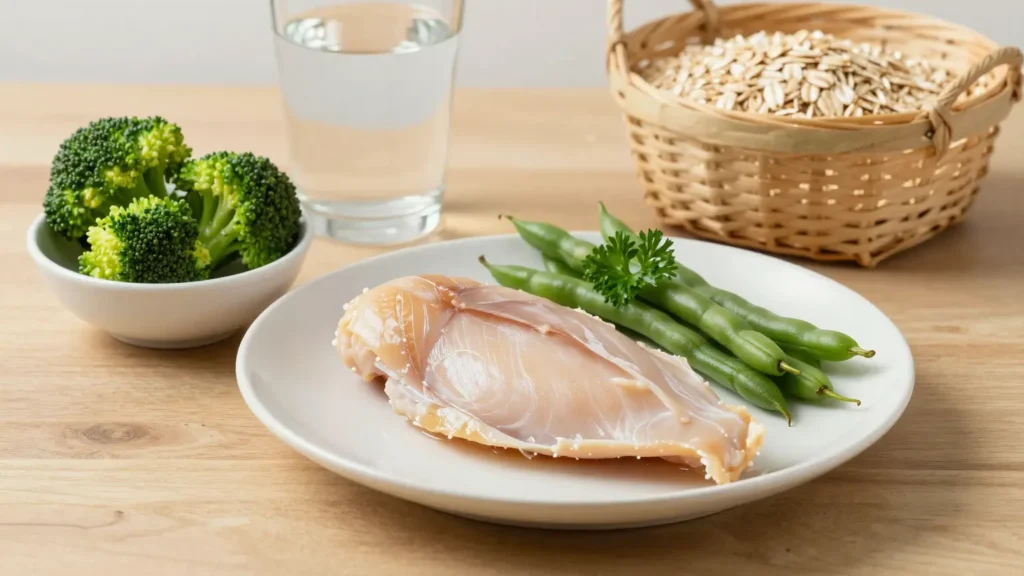
The Dukan Diet is a high-protein, low-carbohydrate weight loss program that has garnered significant attention since its inception in 1975 by Dr. Pierre Dukan. This diet was initially designed as an alternative method to address obesity but exploded into public consciousness after the publication of Dr. Dukan’s book “Je ne sais pas maigrir” (I Don’t Know How to Lose Weight) in the year 2000. The book became a bestseller, eventually being translated into many languages and gaining international recognition as an effective method for rapid weight loss.
At its core, the Dukan Diet operates on a four-phase plan that systematically guides individuals from strict protein consumption to balanced eating habits designed to maintain long-term weight management. This phased approach is meticulously structured to ensure gradual dietary adjustments while maintaining focus on high-protein foods throughout most phases.
The first phase, known as the Attack Phase, sets an ambitious tone right from the start by recommending exclusive intake of high-protein items for 2–5 days or longer depending on individual needs. This phase aims at kickstarting weight loss quickly and effectively by focusing solely on protein-rich foods such as chicken breast, cottage cheese, and fish without any carbs. The Attack Phase is a strict regimen that can seem daunting but promises rapid results.
As you progress into the Cruise Phase, vegetables are gradually introduced to complement your existing high-protein diet. This phase continues until your predetermined weight loss goal is achieved, with each pound lost equating to roughly three days of continued adherence to the Dukan guidelines. It’s during this phase that the variety in food choices starts expanding slightly while still emphasizing strict protein consumption.
Once you’ve reached your desired weight, it’s time for the Consolidation Phase. This stage is about balancing nutrition and introducing more flexibility into your diet. While allowing one indulgence meal per week to celebrate progress, this phase also incorporates starchy foods under careful control to prevent weight regain. The idea here is to gradually reintroduce a wider range of food choices while maintaining overall health.
Finally, the Stabilization Phase acts as a long-term maintenance plan. This final stage provides more dietary freedom but still includes strict rules like daily consumption of oat bran and regular physical activity to ensure continued adherence to healthy eating habits. The focus remains on preventing weight regain through sustained lifestyle changes rather than drastic measures.
Throughout these phases, the diet emphasizes drinking plenty of water and engaging in regular exercise to support overall health and wellness alongside rapid weight loss. Approved food lists include 68 protein sources and 32 non-starchy vegetables that form the foundation of each phase’s meal plans.
However, critics argue that while the Dukan Diet offers promising initial results, it may lack balanced nutrition due to the exclusion of certain essential food groups. Potential health risks associated with long-term adherence include increased risk for kidney stones, chronic kidney disease, cardiovascular issues, osteoporosis, and liver problems. These concerns highlight the importance of careful consideration before adopting such a strict dietary plan.
How Does the Dukan Diet Work?
The Dukan diet is a structured weight loss program that emphasizes high-protein foods while limiting carbohydrates. Developed by Dr. Pierre Dukan in 1975, this diet aims for rapid weight reduction through an intensive focus on protein consumption.
Phases and Structure
The diet unfolds across four distinct phases designed to cater to different stages of your weight loss journey:
- Attack Phase: This initial phase focuses entirely on pure proteins such as lean meats, fish, eggs, and low-fat dairy products. It typically lasts for 2 to 5 days but can be extended if needed.
- Cruise Phase: Once the rapid weight loss period is over, this phase introduces non-starchy vegetables alongside proteins, allowing for more variety while maintaining strict limitations on carbohydrates.
- Consolidation Phase: This maintenance stage gradually reintroduces some starchy foods and allows weekly celebration meals to keep you motivated without derailing your weight loss efforts entirely.
- Stabilization Phase: The final phase sets guidelines for long-term adherence, allowing most food groups with certain restrictions. It’s essential to follow specific rules like eating oat bran daily for the rest of your life.
Nutritional Approach
The Dukan diet highlights the importance of pure proteins and vegetables as core components while stressing high water intake and exercise as integral parts of this regimen.
- Protein Sources: The diet includes a list of 68 approved protein-rich foods like chicken, turkey, eggs, fish, and low-fat dairy products.
- Vegetables: Non-starchy vegetables are introduced in the Cruise phase to provide essential nutrients while keeping calorie intake minimal.
Health Risks
Critics argue that focusing solely on protein-rich foods can lead to nutritional imbalances due to exclusion of essential food groups. This might result in deficiencies in vitamins C and folate, among other nutrients.
- Nutritional Deficiencies: The strict exclusion of entire food groups such as carbohydrates and fats can limit your intake of key vitamins and minerals.
- Long-term Risks: High protein intake could put stress on the kidneys, potentially leading to issues like kidney stones or chronic kidney disease over time. Other risks include cardiovascular problems, bone health concerns due to calcium loss, and liver strain.
Effectiveness
While the Dukan diet can indeed lead to quick weight loss through reduced water retention and lower caloric intake initially, its effectiveness and safety for long-term use remain questionable according to many health professionals.
In summary, while the Dukan diet offers an appealing prospect of rapid weight loss through high protein consumption, it’s crucial to weigh this against potential nutritional imbalances and health risks before embarking on such a strict dietary regimen. Always consult with healthcare providers or nutritionists for personalized advice tailored to your unique health needs.
The Dukan diet gained significant popularity after being endorsed by celebrities like Kate Middleton before her wedding, showcasing how influential public figures can be in shaping dietary trends.
Attack Phase: Rapid Weight Loss Strategy
The Attack Phase is the initial rapid weight loss strategy of the Dukan diet. During this phase, followers strictly adhere to eating only high-protein foods for a period ranging from 2 to 5 days or longer if aiming for more significant weight loss. This phase aims to kickstart your metabolism and lead to quick results by focusing solely on proteins like chicken, turkey, eggs, and fish while completely avoiding carbohydrates.
- Focuses exclusively on protein sources
- Aims for rapid initial weight loss
- Duration varies based on individual goals
The key idea behind the Attack Phase is that cutting out all carbs immediately sets off a calorie deficit, causing your body to burn stored fat. This phase can be mentally challenging because it requires strict adherence and might feel restrictive at first. However, many people report feeling full due to protein’s satiating qualities, which helps in sticking with the diet.
The Dukan diet gained significant popularity after being endorsed by celebrities like Kate Middleton before her wedding, showcasing how influential public figures can be in shaping dietary trends.
It’s important to note that while rapid weight loss might seem appealing initially, health experts advise caution. Such a drastic change in eating habits could lead to nutritional imbalances and potential long-term health risks if not managed properly alongside medical guidance.
Cruise Phase: Gradual Weight Loss with Vegetables
The Cruise Phase is a critical part of the Dukan diet that focuses on gradually adding non-starchy vegetables back into your meals while continuing with pure proteins. This phase helps you maintain steady weight loss as you start incorporating more variety into your diet without compromising the initial rapid fat-burning benefits from the Attack Phase.
In this stage, dieters are encouraged to eat at least three servings of vegetables daily. These veggies are carefully selected to be low in starch and sugar, ensuring they won’t hinder your weight loss progress. You might include options like spinach, broccoli, cucumbers, or peppers – basically any vegetable that isn’t a root veggie or a starchy one. The idea is to provide essential nutrients while keeping calorie intake minimal.
During the Cruise Phase, you’ll continue eating pure proteins from the Attack Phase but now can mix them with these vegetables for more balanced meals. This phase helps your body adjust to a higher protein diet and teaches you how to include fresh produce without derailing your weight loss efforts. It’s like easing into a new routine – slowly adding in elements until it becomes part of your regular lifestyle.
As you progress through the Cruise Phase, you’ll notice gradual but consistent weight loss alongside improvements in energy levels and overall health. This phase typically lasts for about three days per pound lost, allowing ample time to see results without rushing the process. It’s important to stay hydrated, follow the recommended protein list, and avoid forbidden foods (like bread or potatoes) during this period.
One of the unique features of the Dukan diet is that it includes a specific set of rules for each phase, like drinking two liters of water daily and walking one hour per day. These guidelines are designed to help you stick with the plan by providing clear directives on what works best for weight loss during each stage.
Remember, while the Cruise Phase offers flexibility in terms of diet variety, it’s crucial to adhere strictly to its rules to maximize effectiveness and ensure safe weight loss. Always consult a healthcare provider before starting any new diet program to make sure it’s right for you.
Consolidation Phase: Maintaining Weight Loss
The Consolidation Phase is a critical part of the Dukan diet where you start integrating more variety into your meals while still adhering closely to the core principles. This phase begins after successfully completing the Attack and Cruise phases, which focus on rapid weight loss through high-protein consumption.
Here’s how it works:
- Starchy Foods Introduction: You can enjoy a wide range of starchy foods every day, including whole grain products, cereals, pasta, and potatoes. However, the inclusion of these items is balanced with strict rules about not overindulging.
- Celebration Meals: Every week, you’re allowed to have what’s called a “celebration meal.” During this meal, you can eat anything your heart desires except for dessert. This helps maintain psychological balance by allowing occasional treats while still keeping weight loss on track.
This phase is designed to help transition dieters from the strict high-protein rules of earlier phases into a more sustainable eating pattern that includes a wider variety of foods. It’s important during this period to continue drinking plenty of water and engaging in regular exercise, which are key components throughout the Dukan diet.
By introducing these changes gradually, the goal is not only to maintain the weight you’ve lost but also to prevent yo-yo dieting and ensure that your body gets used to a new set point for caloric intake. This phase is crucial for long-term success as it helps build sustainable habits around food consumption rather than just focusing on immediate weight loss.
During the Consolidation Phase, while you are allowed celebration meals, it’s recommended to save room for protein and vegetables at each regular meal. This ensures that even when enjoying a treat, your body continues to receive essential nutrients needed for maintenance and health.
Stabilization Phase: Long-Term Maintenance Plan
The Stabilization Phase is designed as a long-term maintenance plan for individuals who have completed the initial weight loss phases of the Dukan Diet. This phase marks the transition from strict dietary restrictions into a more sustainable and balanced lifestyle. Here’s how it works:
- Broadened Food Choices: In this final stage, followers can eat almost any type of food they want while adhering to specific rules. The diet allows for greater variety but emphasizes moderation.
- Daily Oat Bran Consumption: A key rule is consuming one or two tablespoons of oat bran daily. This simple ritual helps maintain high protein intake and supports long-term weight maintenance.
- Weekly Celebration Meals: Every week, you’re allowed a “celebration meal” where you can indulge in any food except dessert. These meals are meant to provide psychological balance while still promoting healthy eating habits.
- Sustainability Focus: The primary goal of the Stabilization Phase is to ensure long-term adherence to a healthy lifestyle rather than just focusing on rapid weight loss. By incorporating more varied foods but maintaining strict guidelines, it aims to help dieters maintain their new body weights without feeling restricted or deprived.
This phase helps individuals build sustainable habits around food consumption and teaches them how to integrate a wider range of dietary choices while still adhering to the core principles of the Dukan Diet. It’s essential to continue drinking plenty of water and engaging in regular exercise throughout this period for optimal results.
Did you know that the Dukan diet requires followers to eat at least one tablespoon of oat bran every day during the stabilization phase? This simple ritual helps keep protein intake high and supports weight maintenance over time.
By allowing more flexibility while maintaining strict guidelines, the Stabilization Phase aims to help dieters transition smoothly from rapid weight loss into a sustainable long-term eating pattern that supports their overall health goals.
Does the Dukan Diet Provide Balanced Nutrition?
When evaluating whether the Dukan Diet provides balanced nutrition, it’s crucial to understand that a balanced diet includes various nutrients essential for overall health. This typically means consuming proteins, carbohydrates, fats, vitamins, minerals, and fiber in appropriate proportions. The Dukan Diet focuses heavily on protein-rich foods during its initial phases but lacks variety from other food groups.
Here are some key points to consider:
- Limited Variety: During the Attack phase, you consume only lean proteins such as chicken breast, turkey, fish, eggs, and certain dairy products for 2 to 5 days or longer. This strict limitation excludes fruits, vegetables (other than non-starchy ones), whole grains, legumes, nuts, seeds, and many other food groups.
- Nutrient Deficiencies: Excluding entire categories of foods can lead to deficiencies in essential nutrients. For example, fruits and vegetables are critical sources of vitamins C and K, folate, potassium, and fiber. Without these items, you risk inadequate intake of these vital components.
- Vitamin C: Crucial for immune function, wound healing, and skin health.
- Folate (B9): Important for red blood cell formation and preventing neural tube defects in pregnancy.
- Long-term Health Risks: While the Dukan Diet can lead to rapid weight loss initially, its restrictive nature poses long-term risks. For instance:
- Digestive Issues: Excluding whole grains and fruits means missing out on fiber, which is essential for digestive health and preventing constipation.
- Bone Density Loss: High protein intake without sufficient calcium might cause the body to leach calcium from bones, increasing the risk of osteoporosis.
- Balanced Approach: To maintain overall health and well-being, it’s important to include a variety of foods. Eating different types of fruits, vegetables, whole grains, lean proteins, healthy fats, and dairy products ensures that your body receives all necessary nutrients for optimal functioning.
In summary, while the Dukan Diet offers a structured approach focused on rapid weight loss through high-protein consumption, it falls short in providing balanced nutrition due to its restrictive nature. Ensuring a diverse intake of foods from all food groups is essential for sustained health and well-being.
Did you know that eating a variety of vegetables not only provides vital nutrients but also helps maintain gut health by supporting beneficial bacteria?
Is the Dukan Diet Safe and Effective for Weight Loss?
The Dukan Diet aims at rapid weight loss through a strict high-protein regimen. Developed by Dr. Pierre Dukan as an alternative method for tackling obesity, it gained popularity with the publication of his book in 2000. The diet is structured into four phases that progressively introduce more varied foods while maintaining the core principle of protein-rich meals.
Key Aspects to Consider
Nutritional Concerns:
- The diet’s focus on protein-rich foods during initial phases can lead to a lack of essential nutrients found in other food groups such as fruits, vegetables, and whole grains.
- This might result in deficiencies in vitamins C, K, B6, folic acid, calcium, iron, and potassium.
Health Risks:
- Kidney Issues: High-protein diets can increase the workload on your kidneys, potentially contributing to kidney stone formation or exacerbating chronic kidney conditions over time.
- Heart Health Risks: The diet’s restriction of carbohydrates might lead to lower intake of heart-healthy foods like whole grains and fiber-rich vegetables, increasing the risk of cardiovascular diseases due to potential imbalances in cholesterol levels and blood pressure control.
- Bone Health Concerns: Prolonged high-protein consumption without adequate calcium intake may cause the body to leach calcium from bones, leading to a higher risk of osteoporosis over time.
- Liver Problems: Excessive protein can put stress on your liver as it works harder to process and eliminate amino acids, potentially leading to liver issues.
Effectiveness Considerations:
- While rapid weight loss can be achieved initially, long-term sustainability is questionable due to the restrictive nature of the diet.
- Scientific studies evaluating its effectiveness relative to healthier dieting strategies remain limited, raising concerns about its overall impact on health compared to balanced diets that promote gradual and sustainable weight loss.
The Dukan diet gained significant popularity after being endorsed by celebrities like Kate Middleton before her wedding, showcasing how influential public figures can shape dietary trends.
What Are the Potential Risks of Following the Dukan Diet?
When following the Dukan diet, it’s crucial to be aware of several potential risks that can impact your overall health and well-being. Here are a few key concerns:
- Nutritional Deficiencies: The strict focus on protein-rich foods during initial phases can lead to deficiencies in essential nutrients like vitamins C and K, B6, folic acid, calcium, iron, and potassium. These vitamins and minerals are typically found in fruits, vegetables, grains, dairy products, legumes, and nuts, all of which are excluded or heavily restricted.
- Vitamin C Deficiency: Vitamin C is crucial for immune function and skin health, primarily obtained from citrus fruits, berries, and leafy greens. A lack of these foods can weaken your immune system over time.
- Folate (Vitamin B9) Deficiency: Folate plays a vital role in DNA synthesis and repair, cell division, and the production of red blood cells. Leafy green vegetables and beans are rich sources that are limited on this diet.
- Kidney Issues: High-protein diets can increase the workload on your kidneys as they filter out waste from protein breakdown. Over time, this extra strain could contribute to kidney stone formation or exacerbate existing chronic kidney conditions.
- Risk of Kidney Stones: The process of breaking down large amounts of protein releases nitrogen, which is converted into urea and ammonia in the body. This can lead to a higher risk of developing kidney stones.
- Chronic Kidney Disease (CKD): Long-term high-protein intake may worsen existing CKD or contribute to its development by increasing the filtration rate of the kidneys.
- Heart Health Risks: The diet’s restriction of carbohydrates might limit your intake of heart-healthy foods like whole grains and fiber-rich vegetables. This can increase the risk of cardiovascular diseases due to potential imbalances in cholesterol levels and blood pressure control.
- Cholesterol Levels: While saturated fats are restricted, high protein consumption without adequate fiber from fruits, vegetables, and whole grains could still affect cholesterol levels negatively.
- Blood Pressure Control: Fruits and vegetables provide potassium and magnesium which help regulate blood pressure. The Dukan diet’s exclusion of these foods can impact this regulation over time.
- Bone Health Concerns: Prolonged high-protein consumption without adequate calcium intake may cause the body to leach calcium from bones, leading to a higher risk of osteoporosis over time.
- Calcium Loss: The kidneys excrete more calcium when protein is consumed in excess. Without sufficient calcium from dairy and leafy greens, this can lead to bone density loss.
- Osteoporosis Risk: Long-term high-protein diets may accelerate the thinning of bones, increasing susceptibility to fractures.
- Liver Problems: Excessive protein consumption puts stress on your liver as it works harder to process and eliminate amino acids. This strain could potentially lead to liver issues over time.
- Ammonia Buildup: The liver converts excess nitrogen into ammonia. High-protein diets can overwhelm the liver’s capacity to handle this waste, leading to metabolic imbalances.
- Liver Strain: Continuous high protein intake may increase oxidative stress on liver cells, potentially causing inflammation or damage over prolonged periods.
Understanding these risks is crucial for making informed decisions about the Dukan diet. While some might experience quick weight loss initially, long-term adherence may come at a cost to overall health. It’s always wise to consult with healthcare professionals before starting any new dietary regimen that drastically restricts certain food groups or promotes rapid weight loss.
Despite its popularity in Europe and among celebrities, the Dukan diet was controversial enough to face bans on promotion by some medical ethics boards due to concerns over potential health risks associated with long-term adherence.
How Does the Dukan Diet Compare to Other Popular Diets Like Atkins?
When comparing the Dukan diet to other popular weight loss plans like Atkins, it’s important to consider several factors such as dietary composition, health impact, sustainability, and overall effectiveness. The Dukan diet is particularly focused on rapid weight loss through a high-protein intake similar to the Atkins diet but with unique distinctions.
Dietary Composition
Dukan Diet:
- Focuses primarily on pure proteins during its early phases.
- Encourages natural protein sources like eggs and lean meats.
- Incorporates vegetables in later stages but limits carbohydrates initially.
Atkins Diet:
- Also restricts carbohydrates significantly at the start.
- Allows for a higher intake of fats compared to Dukan.
- Includes processed protein items such as shakes or bars.
Health Impact
Nutritional Deficiencies:
The strict exclusion of certain food groups in both diets can lead to nutritional deficiencies, though the specifics differ. The Dukan diet’s emphasis on natural proteins might reduce exposure to highly processed foods but still restricts essential nutrients from fruits and vegetables early on.
Kidney Issues:
High-protein diets like Dukan and Atkins put a strain on kidneys as they filter out waste products from protein metabolism. However, the higher fat intake in Atkins may add additional metabolic stress compared to the leaner protein focus of Dukan.
Sustainability
Flexibility and Long-Term Maintenance:
Both diets provide phases that allow for gradual reintroduction of varied foods. The Dukan diet’s unique four-phase structure is designed to help with long-term maintenance by gradually reintroducing whole grains and other previously restricted items as weight loss stabilizes. Atkins, on the other hand, transitions users through carb levels but doesn’t have a structured phase dedicated solely to reintroduction.
Effectiveness
Initial Weight Loss:
Both diets offer rapid initial weight loss due to reduced water retention and lower caloric intake from restricting carbs. However, long-term sustainability is questioned by many health experts who prefer balanced dietary approaches over strict restrictions.
Comparison with Other Diets
- Emphasizes eating like our Paleolithic ancestors.
- Focuses on whole foods such as meats, fish, fruits, and vegetables while excluding grains, dairy, legumes, and processed sugars.
Keto Diet:
- Aims at achieving ketosis through very high-fat intake.
- Allows for minimal carbohydrate consumption to induce fat burning in the body.
In summary, while the Dukan diet and Atkins share a common goal of rapid weight loss through protein-rich foods, their approaches differ in terms of food sources, long-term sustainability, and potential health risks. The unique four-phase structure of Dukan aims to provide more gradual reintroduction of varied foods compared to Atkins, which offers a different trajectory for carb intake. Understanding these nuances can help individuals make informed decisions about which diet might be most appropriate for their needs and lifestyle.
Summary: Pros, Cons, and Considerations of the Dukan Diet
The Dukan diet, developed by Pierre Dukan in 1975, is a high-protein, low-carbohydrate plan aimed at rapid weight loss. It consists of four distinct phases designed to help individuals lose and then maintain their weight progressively.
Structure of the Diet
- Attack Phase: Focuses solely on high-protein foods for 2–5 days or longer if needed.
- Cruise Phase: Adds non-starchy vegetables gradually, lasting about 3 days per pound lost.
- Consolidation Phase: Introduces some starchy foods and allows weekly celebration meals while adhering to core diet guidelines.
- Stabilization Phase: A long-term maintenance phase where individuals can eat most foods but must follow specific rules like daily oat bran consumption.
Nutrition and Health Concerns
While the Dukan diet emphasizes pure proteins (68 items) and vegetables (32 items), with high water intake and exercise requirements, it faces criticism for lacking balanced nutrition. The exclusion of certain food groups could lead to deficiencies in vitamins C and folate among others. Potential health risks include kidney stones, chronic kidney disease, cardiovascular issues, osteoporosis, and liver problems.
Comparison with Other Diets
The Dukan diet shares similarities with Atkins but emphasizes natural foods over processed items. It differs from Paleo or Keto diets in terms of protein fat content restrictions and dietary flexibility.
Scientific Evaluation
While the diet may lead to rapid weight loss due to reduced water retention and lower caloric intake, its long-term sustainability remains questionable. The effectiveness compared to healthier dieting strategies is not well-supported by scientific evidence.
Key Takeaways
- Purpose: Rapid weight loss through high-protein consumption.
- Phases: Four stages designed to lose then maintain weight with dietary adjustments.
- Health Risks: Potential for nutritional deficiencies and increased risk of chronic diseases if followed long-term.
- Critique: Limited scientific support; criticized by health professionals and dietitians.
In summary, while the Dukan Diet promises quick results through strict high-protein intake, it poses significant risks regarding balanced nutrition and long-term health. Prospective followers should carefully weigh these factors and seek professional advice before embarking on such a restrictive dietary regimen.
Frequently Asked Questions (FAQ)
What is the Dukan diet good for?
The Dukan diet focuses on rapid weight loss through a high-protein intake during its early stages. It’s designed to help individuals quickly lose weight by restricting carbohydrate intake while emphasizing protein-rich foods.
Is the Dukan diet suitable for vegetarians or vegans?
No, the Dukan diet is not typically suitable for vegetarians or vegans as it heavily relies on animal proteins like eggs and meat during its initial phases. Vegetarian sources of protein are generally insufficient to meet the strict dietary requirements set by this plan.
Can I follow the Dukan diet if I have kidney issues?
The high-protein nature of the Dukan diet can put extra strain on your kidneys, especially if you already have existing kidney problems. It’s crucial to consult with a healthcare provider before starting any high-protein diets when suffering from renal disorders.
How does the Dukan diet affect heart health?
While weight loss achieved through the Dukan diet may benefit heart health by reducing risk factors such as obesity, its long-term effects on cardiovascular health are less clear. High protein intake might also increase cholesterol levels, which could negatively impact heart health over time.
What about bone density and osteoporosis risks with the Dukan diet?
High-protein diets like the Dukan can lead to calcium excretion in urine, potentially increasing your risk for bone loss if dietary calcium is insufficient. It’s important to ensure adequate calcium intake while following this diet or consider a supplement under medical supervision.
How long does it take to see results on the Dukan diet?
Most people notice significant weight loss during the first phase of the Dukan diet, known as the Attack Phase, which lasts from 1 to 10 days. Rapid initial losses are common but gradual and sustainable weight loss is achieved through subsequent phases.
Are there any long-term studies on the effectiveness of the Dukan diet?
There are limited long-term studies specific to the Dukan diet’s effectiveness in sustaining weight loss over many years. Most research focuses on short-term outcomes rather than lasting benefits, making it hard to assess its suitability for long-term adherence.
Can I drink alcohol while following the Dukan diet?
During the initial phases of the Dukan diet, particularly the Attack Phase and early stages of the Cruise Phase, alcohol is strictly prohibited. As you progress into later maintenance phases like Stabilization, moderate alcohol consumption may be allowed but should still be minimized.
Is it okay to combine the Dukan diet with other diets such as keto?
Combining the Dukan diet with another restrictive eating plan, like ketogenic (keto), could result in an unhealthy imbalance of nutrients and excessive protein intake. It’s recommended to follow one diet at a time under professional guidance.
What are some common pitfalls or mistakes people make on the Dukan diet?
Common pitfalls include over-relying on protein powder instead of whole foods, neglecting non-starchy vegetables which become permissible in later phases, and failing to plan adequately for the transition into maintenance stages.