What Is the Master Cleanse Diet?

The Master Cleanse diet, also known as the lemonade diet or lemon detox diet, has been making waves for decades with promises of radical body cleansing and healing. Developed by Stanley Burroughs in the 1940s, this regimen involves drinking a mixture of lemon juice, maple syrup, cayenne pepper, and water exclusively for up to ten days. The idea behind the Master Cleanse is simple yet controversial: it aims to detoxify your body and reset your system.
Imagine starting your day with a refreshing glass of lemonade that’s actually meant to cleanse your insides rather than quench your thirst. This concoction, which seems straightforward enough, has become a go-to for those looking to jumpstart their health journey or shed some quick pounds. But is it all it’s cracked up to be? The Master Cleanse promises miraculous results, but its effectiveness and safety remain questionable.
As you delve deeper into the world of detox diets, questions start popping up: Does your body really need a cleanse? Can drinking lemonade-like concoctions truly replace meals for days on end without consequences? These are just some of the intriguing aspects that make exploring the Master Cleanse both fascinating and daunting.
History and Development of Master Cleanse
The origins of the Master Cleanse can be traced back to Stanley Burroughs, an American author and alternative medicine advocate who first introduced this detoxification regimen in his 1976 book “The Master Cleanser.” However, the concept of cleansing through fasting and dietary restrictions has roots that stretch far beyond modern times. Ancient civilizations like the Egyptians and Greeks practiced various forms of cleansing rituals to purify both body and spirit.
Burroughs developed the Master Cleanse as a result of his own health struggles and quest for alternative healing methods. He believed in the power of natural remedies and holistic approaches to wellness, which led him to experiment with different combinations of ingredients until he stumbled upon what would become the signature lemonade recipe. The simplicity of the ingredients – lemon juice, grade B maple syrup, cayenne pepper, and water – was both surprising and appealing.
Interestingly, the Master Cleanse gained significant traction not just from health enthusiasts but also through celebrities who endorsed it as a way to shed pounds quickly before red carpet events or photo shoots. This celebrity endorsement helped propel the diet into mainstream consciousness, despite its controversial nature among medical professionals. > Beyoncé famously mentioned using the Master Cleanse during her acceptance speech for her MTV Movie Award in 2013.
As the Master Cleanse continued to evolve over the years, various modifications and spin-offs emerged, each claiming to improve upon or refine Burroughs’ original formula. Some variations include adding green tea or other herbal supplements, increasing the proportion of lemon juice, or substituting maple syrup with natural sweeteners like honey. These adaptations reflect a broader trend in health fads where consumers seek personalized solutions tailored to their specific needs and preferences.
Despite its enduring popularity, questions about the efficacy and safety of the Master Cleanse persist. Many individuals turn to this regimen hoping for quick fixes and miracle cures, but do they really know what they’re getting into? The journey through a ten-day detox is intense and challenging, often pushing the limits of one’s physical endurance and mental resolve.
Recommended Foods During Master Cleanse
When embarking on the Master Cleanse journey, it’s crucial to understand what foods are allowed during this restrictive regimen. While the primary focus is on drinking the lemonade mixture throughout the day, there are a few other items that can be consumed to complement your detox experience.
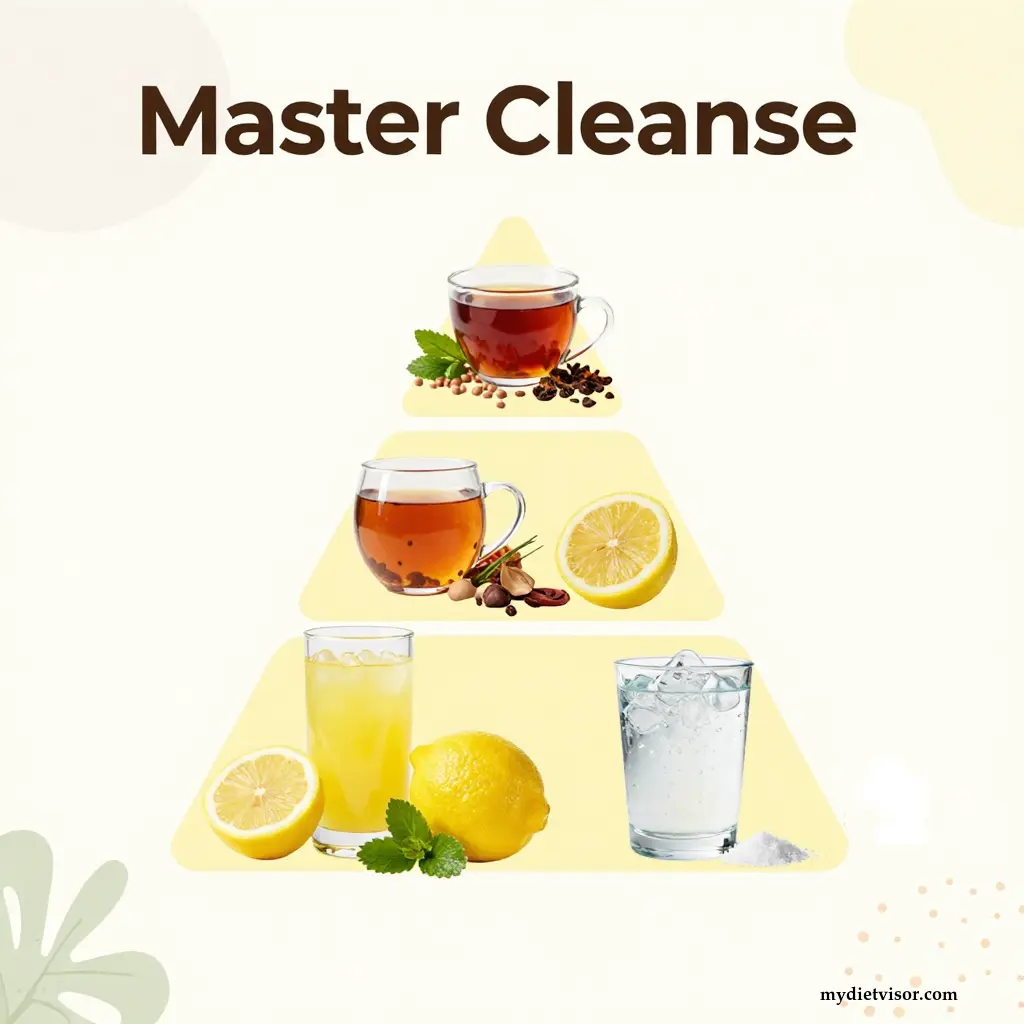
Fiber supplements, such as psyllium husk or flaxseed meal, are often recommended to prevent constipation and support digestive health during the cleanse. Salt flushes, which involve mixing sea salt with water and drinking it in small increments throughout the day, serve to hydrate and aid in detoxification processes.
Moreover, herbal teas like peppermint tea can be a soothing addition to your regimen, providing a caffeine-free alternative that aids digestion and eases discomfort. However, black tea or coffee is strictly off-limits due to their high caffeine content and potential for dehydration.
Understanding these dietary allowances helps you navigate the Master Cleanse more comfortably while adhering to its strict guidelines. But remember, every body responds differently to such extreme diets, so it’s essential to listen to your own health cues closely.
The Master Cleanse was once so popular that it inspired a spin-off known as “The Maple Syrup Diet,” which emphasizes the benefits of pure maple syrup without the lemon juice or cayenne pepper.
Foods to Avoid During Master Cleanse
During the ten-day journey of the Master Cleanse, it’s important to strictly adhere to the lemonade mixture and approved supplements to maximize its intended benefits. However, there are numerous foods that should be completely avoided during this period.
Solid food is the first item on your no-go list. The Master Cleanse is fundamentally a liquid diet designed to cleanse your system by eliminating all solid food intake. This includes fruits, vegetables (even though they’re beneficial in other contexts), grains, proteins, and dairy products. Consuming any solid foods can compromise the effectiveness of the detox process.
Stimulants, such as caffeine and nicotine, are also off-limits during this cleanse. These substances can counteract some of the lemonade mixture’s hydrating effects and may cause dehydration or disrupt sleep patterns, which are crucial for a successful cleanse experience. Additionally, alcoholic beverages should be avoided entirely, as they not only hinder detoxification but also contribute to additional stress on your liver.
Moreover, avoid all forms of sugar other than those specifically allowed in the lemonade recipe. This means no processed sugars or artificial sweeteners should find their way into your diet during these ten days. Even natural sugars like honey should be avoided unless otherwise specified by a modified cleanse version you may follow.
Despite its controversial nature, some people engage in variations of the Master Cleanse that include herbal supplements to enhance detoxification. For instance, adding green tea to the lemonade mix is sometimes suggested, although it contradicts the basic principles laid out by Stanley Burroughs.
Adhering strictly to these guidelines ensures your body remains focused on cleansing and healing rather than processing unwanted substances or trying to digest solid food, which can negate much of what you’re working towards during this detox period.
Health Benefits of Master Cleanse
Proponents of the Master Cleanse often highlight several perceived health benefits that come with embarking on this detox regimen. Advocates claim it can help improve digestion, reduce bloating, and boost energy levels by eliminating what they consider to be toxins from the body. The cleanse aims to give your digestive system a rest and allow for repair and rejuvenation.
One of the key selling points is its potential to support weight loss. By drastically reducing caloric intake through liquid consumption alone, proponents argue that it creates an immediate calorie deficit leading to quick drops in weight. This aspect has attracted many seeking rapid results before special events or as part of a larger health transformation journey.
Another touted benefit is the claimed improvement in skin clarity and overall vitality. Detoxification proponents believe that removing toxins from your system can lead to clearer, more radiant skin, while also providing an energy boost for those feeling sluggish. The Master Cleanse promises to leave you feeling lighter and more energetic as a result of cleansing your body.
However, these perceived benefits are often overshadowed by the lack of concrete scientific evidence supporting them. Many health experts question whether the human body actually needs such extreme measures for detoxification since it already has robust mechanisms in place – like the liver and kidneys – to handle toxin removal on its own.
Moreover, while some people may experience short-term improvements in digestion or a sudden drop in weight, these benefits are not sustainable long-term. The rapid loss of water weight can be misleading and does not equate to lasting fat loss or improved health metrics.
As you consider whether the Master Cleanse is right for you, it’s important to weigh these potential benefits against the risks involved. While some might find temporary relief from symptoms like bloating or fatigue, the long-term effects could pose more significant health challenges if the diet lacks essential nutrients and disrupts normal bodily functions.
The Master Cleanse was once so popular that people reportedly used it as a pre-wedding detox to look their best on their big day.
Are you someone who feels bloated or sluggish regularly? Do you believe in the power of quick fixes for health issues, or do you prefer more sustainable approaches like regular exercise and balanced nutrition? Sharing your thoughts can help others understand different perspectives about detox diets.
Long-Term Risks of Master Cleanse
While the immediate effects of the Master Cleanse might seem promising to some, the long-term risks associated with this extreme detox regimen are substantial and concerning. Prolonged adherence to such restrictive diets can lead to significant health issues that far outweigh any short-term benefits.
Nutritional Deficiencies, one of the primary concerns, arise due to the absence of essential nutrients in the lemonade mixture. Protein deficiency is particularly dangerous as it affects muscle mass and overall metabolic rate. Similarly, a lack of healthy fats can disrupt hormone balance and impact brain function. Vitamins and minerals such as iron, calcium, and vitamin B12 are also crucial for maintaining bone health, energy levels, and immune system functionality.
Electrolyte imbalances are another critical risk associated with the Master Cleanse diet. Dehydration, often accompanied by symptoms like dizziness and fatigue, can occur if not properly managed through salt flushes or other hydration techniques. Moreover, the lack of fiber from solid foods can lead to constipation and digestive issues, disrupting your body’s natural rhythm.
One lesser-known but equally alarming consequence is metabolic changes. The sudden reduction in calorie intake forces your metabolism into conservation mode, leading to a slowed metabolic rate. This means that after completing the cleanse, many individuals may experience slower weight loss or even weight gain as their bodies adjust to higher caloric intakes compared to pre-cleanse levels.
Moreover, prolonged reliance on such extreme detox methods can disrupt the gut microbiome – the diverse community of bacteria living in your digestive tract. These microorganisms play a vital role in digestion, immune function, and mental health. By eliminating solid foods for extended periods, you risk altering this delicate ecosystem negatively.
In severe cases, prolonged adherence to diets like the Master Cleanse can lead to more serious conditions such as metabolic acidosis, characterized by an imbalance of acids and bases in bodily fluids. This condition is potentially dangerous and requires immediate medical attention. In extreme scenarios, severe malnutrition from a lack of essential nutrients could even result in coma or death.
The psychological impact of adhering to such restrictive diets should not be overlooked either. The intense focus on food restriction and the promise of quick fixes can lead to disordered eating patterns and an unhealthy relationship with food. This mindset often carries over into regular eating habits, making it difficult for individuals to maintain balanced nutrition in the long run.
Are you considering a cleanse like this? It’s important to weigh the immediate benefits against these potential long-term risks. Many people believe that detox diets offer quick solutions, but they might be overlooking the importance of sustainable and balanced approaches to health. Reflecting on your personal experiences and consulting with healthcare professionals can provide clearer guidance.
The Master Cleanse gained unexpected popularity among Hollywood stars for its supposed ability to help them achieve rapid weight loss before red carpet appearances.
Nutritionists on Lack of Nutrients
Nutritionists often raise significant concerns about the Master Cleanse diet due to its severe restrictions on nutrient intake. Protein deficiency is one of the most pressing issues, as this diet eliminates all sources of protein from solid foods and even liquid alternatives that might provide amino acids. Protein is essential for muscle repair, hormone regulation, and overall bodily functions.
Additionally, fatty acids, which are crucial for brain function, cell membrane integrity, and energy production, are entirely absent in the Master Cleanse regimen. Healthy fats like omega-3s and monounsaturated fats support cardiovascular health and cognitive performance, but they’re not part of this diet. The absence of these essential nutrients can lead to imbalances that affect mood, memory, and even skin health.
Vitamins and minerals are equally important yet often overlooked in the context of extreme detox diets like the Master Cleanse. For instance, vitamin C, abundant in citrus fruits but completely absent during this cleanse, is vital for immune support and collagen production. Similarly, calcium from dairy products and leafy greens supports bone health and muscle function, while iron from red meat and fortified cereals ensures adequate oxygen transport throughout the body.
To highlight the severity of these deficiencies, consider a fun fact: a single cup of spinach provides more than 10% of your daily recommended intake of iron. Yet, during the Master Cleanse, you’d miss out on this essential mineral entirely for ten days, potentially leading to fatigue and impaired cognitive function.
Given these concerns, it’s crucial to ask yourself if enduring such nutrient deprivation is worth the short-term benefits. Are there healthier ways to address bloating or cleanse your body without resorting to a diet that sacrifices nutritional balance? Engaging with healthcare professionals who can offer personalized advice might provide more sustainable solutions for detoxification and overall wellness.
Exploring alternatives like incorporating whole foods, increasing fiber intake through vegetables and fruits (once the cleanse is over), staying hydrated naturally without relying solely on lemonade, and focusing on long-term lifestyle changes could be safer paths to achieving your health goals.
Permanent Weight Loss with Master Cleanse
The promise of permanent weight loss through the Master Cleanse is one of its most alluring features, yet it raises significant questions about sustainability and effectiveness. Proponents often cite rapid weight loss as a key benefit, but this initial drop in pounds comes primarily from water weight rather than fat loss.
Water Weight vs. Fat Loss: During the cleanse, your body loses a substantial amount of fluid due to the high sugar content in maple syrup causing frequent urination. This can lead to quick reductions on the scale that might be misleadingly interpreted as significant fat loss. However, once you reintroduce solid foods and normal hydration levels, this water weight is likely to return.
The Master Cleanse’s restrictive nature makes it challenging to maintain beyond its ten-day duration. Once you resume eating regular meals, your body may revert to pre-cleanse habits, often resulting in rebound weight gain as your metabolism adjusts back to a higher caloric intake. This can be particularly frustrating for those seeking long-term solutions.
Metabolic Slowdown: Another factor that hinders permanent weight loss is the potential for metabolic slowdown during and after the cleanse. Your body adapts to lower calorie intakes by conserving energy, which can make it harder to lose weight when you start eating normally again. This adaptation might cause your metabolism to remain sluggish even weeks or months post-cleanse.
Moreover, relying solely on liquid diets for extended periods can disrupt normal eating patterns and lead to disordered eating behaviors. The strict rules of the Master Cleanse may create a sense of deprivation and obsession with food that persists after completing the cleanse. This psychological impact could make it difficult to adopt healthy habits long-term.
Sustainable Alternatives: So, if you’re looking for permanent weight loss, the question arises: Is there a better way? Many nutritionists recommend focusing on balanced diets rich in whole foods such as fruits, vegetables, lean proteins, and whole grains. These foods provide essential nutrients while supporting sustained energy levels and fullness throughout the day.
Incorporating regular physical activity alongside healthy eating habits is another critical component of long-term weight management. Exercise not only helps burn calories but also boosts metabolic rate, making it easier to maintain a healthier body composition over time.
Reflecting on your personal journey towards health and wellness, what kind of approach feels more sustainable for you? Would you prefer gradual changes that lead to lasting results or a quick fix that promises immediate gratification?
A single stalk of celery contains only about 10 calories but can provide crucial vitamins like vitamin K and antioxidants that the Master Cleanse diet lacks.
Why Beyoncé Promoted Master Cleanse
The endorsement of high-profile celebrities often plays a significant role in popularizing diets like the Master Cleanse. One such influential figure is Beyoncé Knowles, who brought attention to this detox regimen during her acceptance speech for an MTV Movie Award in 2013. Her public mention of using the cleanse before a major event highlighted its potential as a quick fix solution for rapid weight loss and body purification.
Beyoncé’s decision to share her experience with the Master Cleanse sparked curiosity among fans and the general public, who were eager to learn about how they could achieve similar results through this diet. This kind of high-profile endorsement can dramatically increase awareness and interest in a particular health trend, making it more appealing to those seeking immediate benefits.
However, such endorsements also raise important questions about the safety and effectiveness of extreme detox diets like the Master Cleanse. While celebrities may tout their success stories as motivators for others, they often overlook the potential long-term risks associated with such restrictive regimens. The allure of quick results can overshadow the importance of sustainable health practices.
In considering Beyoncé’s promotion of the Master Cleanse, it’s crucial to reflect on why celebrity endorsements might influence public perception and what this means for individuals looking to adopt similar diets. Are you someone who feels inspired by celebrities to try new health trends? How do you balance the allure of quick fixes with the importance of long-term health goals?
Beyoncé’s endorsement of the Master Cleanse was a pivotal moment that brought unprecedented attention to the diet, making it accessible and appealing to millions of fans looking for rapid results.
Effectiveness of Detox Diets for Toxins
The question of whether detox diets like the Master Cleanse actually remove toxins from your body is at the heart of debates surrounding these regimens. Proponents argue that such diets help flush out accumulated toxins, whereas skeptics contend that our bodies already have efficient mechanisms to eliminate harmful substances through organs like the liver and kidneys.
To understand this better, it’s essential to look into what constitutes a toxin in everyday contexts. Many detox diets claim to target environmental pollutants, heavy metals, or chemical residues from processed foods. However, scientific research suggests that these claims often lack robust evidence. Our body’s natural processes are highly effective at eliminating harmful substances without the need for extreme dietary interventions.
One way to assess the effectiveness of a detox diet is by examining its impact on biomarkers linked to health and wellness. For instance, if a cleanse reduces inflammation markers or improves liver function tests, it might suggest some level of efficacy. Unfortunately, studies focusing specifically on the Master Cleanse have not shown consistent improvements in these areas compared to other dietary approaches.
Moreover, the concept of “detox” itself is often poorly defined, leading to confusion and misinterpretation among both practitioners and consumers. Some diets may inadvertently cause stress on the body due to extreme caloric restriction or nutrient deficiency, potentially negating any purported benefits related to toxin removal.
While the Master Cleanse promises a thorough cleanse for your system, it’s crucial to consider whether such drastic measures are necessary. Are there simpler ways to support liver function and detoxification processes naturally? For example, incorporating more cruciferous vegetables like broccoli or cauliflower can boost glucuronidation pathways that help eliminate toxins from your body.
As you contemplate the benefits of a lemonade cleanse versus other health practices, think about which approach aligns better with your long-term wellness goals. Do you believe in tackling potential health issues through gradual improvements and balanced nutrition? Or are you more inclined towards seeking quick solutions to immediate concerns?
Understanding these nuances helps you make informed decisions about how best to support your body’s natural detoxification processes without resorting to potentially harmful fad diets.
A surprising number of people use the Master Cleanse not just for weight loss but also as a spiritual journey, believing it purifies both their bodies and minds.
Do you view the Master Cleanse more as a quick fix or a pathway towards long-term health improvement? Share your thoughts on how different detox practices might align with individual goals and lifestyles.
Detox Diets and Long-Term Weight Loss
The idea of detox diets like the Master Cleanse often appeals to those seeking rapid results, but when it comes to long-term health outcomes, these extreme measures raise significant concerns. The promise of quick weight loss through a restrictive regimen might seem appealing initially, but the sustainability and effectiveness of such approaches are questionable.
One major issue with using detox diets for long-term weight management is their lack of nutritional balance. While you may lose weight quickly by drastically reducing your caloric intake and eliminating solid foods, your body needs a wide range of nutrients to function optimally. The Master Cleanse severely restricts protein, healthy fats, vitamins, and minerals – all critical components for maintaining muscle mass, hormonal balance, immune health, and overall vitality.
Moreover, the rapid weight loss experienced during such detoxes is largely due to water loss rather than fat loss. When you reintroduce solid foods after a cleanse, your body might initially retain some of this lost fluid, leading to fluctuations on the scale that can be discouraging. This yo-yo effect not only impacts mental well-being but also disrupts metabolic stability over time.
Metabolism is another critical factor in long-term weight management. Extreme diets like the Master Cleanse force your body into a state of conservation by drastically reducing caloric intake. While this might lead to initial weight loss, it can slow down your metabolism as your body adapts to conserve energy. Once you return to regular eating habits post-cleanse, your body may revert to its pre-cleanse metabolic rate or even become slower due to the temporary calorie deficit experienced during the cleanse.
Long-term reliance on such restrictive detox diets also poses risks related to psychological health and disordered eating patterns. The rigid rules associated with these regimens can foster a fear of certain foods and create an unhealthy relationship with food, making it difficult to maintain balanced nutrition in daily life. This mindset can lead to binge-eating episodes or other forms of unhealthy eating behaviors that sabotage long-term weight loss goals.
In contrast, adopting sustainable habits such as regular exercise, incorporating whole foods into your diet, managing stress levels, and prioritizing sleep offers a more comprehensive approach to health and wellness. These practices not only support weight management but also improve overall quality of life by addressing multiple aspects of well-being rather than focusing solely on short-term results.
Are you considering a detox diet like the Master Cleanse for long-term weight loss? Reflecting on your personal experiences and exploring sustainable alternatives might provide clearer guidance towards achieving lasting health goals.
A common misconception is that fasting or extreme calorie restriction can lead to significant fat loss, but in reality, it primarily leads to muscle mass reduction and water weight loss.
Potential Dangers of Master Cleanse
The Master Cleanse may promise quick results and a sense of renewal, but diving into this regimen comes with significant risks that are often overlooked by its enthusiastic proponents. One of the most pressing concerns is electrolyte imbalance, which can lead to serious health complications if not properly managed. The lemonade mixture lacks essential minerals such as potassium, sodium, magnesium, and calcium, all of which play crucial roles in maintaining proper bodily functions.
For instance, electrolytes are vital for nerve signaling, muscle contraction, heart rhythm regulation, and fluid balance within the body. Without a balanced intake, you could experience symptoms like muscle cramps, irregular heartbeat, or even severe dehydration. This is why adhering to strict salt flushes as part of the cleanse protocol becomes crucial, but even then, it’s a precarious tightrope.
Another critical risk lies in the disruption of gut microbiome equilibrium. The gut bacteria community thrives on fiber and diverse food sources, which are entirely absent during the Master Cleanse diet. When you remove solid foods from your diet for an extended period, these microorganisms can become unbalanced or depleted, leading to digestive issues such as bloating, gas, and constipation upon reintegration of normal eating patterns.
Moreover, long-term reliance on such restrictive diets can have severe psychological implications. The rigid rules surrounding the Master Cleanse can foster a fear of food and create unhealthy mental associations with eating. This mindset can translate into obsessive behavior or disordered eating habits once you return to regular meals, making it challenging to establish sustainable healthy practices.
The potential for nutritional deficiencies is another alarming aspect that should not be underestimated. Even though the Master Cleanse emphasizes natural ingredients like lemon juice and maple syrup, these do not provide a complete nutritional profile required by the human body. For instance, vitamin B12 deficiency can occur rapidly due to the absence of animal-based foods, potentially leading to anemia or nerve damage.
In addition to these immediate health risks, there are longer-term consequences that highlight why relying on such extreme measures might be unwise. The metabolic adaptation your body undergoes during a strict cleanse like this can lead to a slower metabolic rate once you resume normal eating patterns. This means your body will burn fewer calories at rest compared to before the cleanse, potentially causing weight gain or making it harder to lose weight in the future.
The Master Cleanse diet’s lack of substantial scientific backing further underscores its potential risks versus benefits. While some may experience temporary improvements like clearer skin or reduced bloating, these effects are not sustainable and might be outweighed by long-term health detriments.
Considering all these factors, it’s essential to approach any extreme detox regimen with caution and seek professional medical advice before embarking on such restrictive diets. Are you still considering the Master Cleanse despite these potential dangers? Reflecting on your personal health goals and consulting healthcare professionals can provide a clearer path towards sustainable wellness.
A surprising number of people who try the Master Cleanse report experiencing severe fatigue and irritability, symptoms that often persist even after they return to their normal diet.
Summary: Understanding the Master Cleanse Diet
The Master Cleanse diet, despite its allure of quick fixes and promises of renewal, is ultimately classified as a fad diet by many nutritionists due to the lack of substantial scientific support backing its claims beyond temporary effects. While it may offer short-term benefits such as rapid water weight loss and detoxification according to proponents, these are often overshadowed by significant risks including nutrient deficiencies, electrolyte imbalances, and disrupted gut health. The long-term sustainability and safety of such extreme dietary restrictions remain questionable, with potential for metabolic slowdown and subsequent weight gain upon resuming normal eating patterns. For lasting health improvements, a balanced diet rich in whole foods along with regular exercise remains the recommended approach. Reflecting on your personal goals and consulting healthcare professionals can guide you towards more sustainable and effective wellness strategies.
Frequently Asked Questions (FAQ)
What is the 10-Day Green Smoothie Cleanse?
The 10-Day Green Smoothie Cleanse involves consuming green smoothies made with fruits and vegetables along with raw fruit, vegetables, nuts, hard-boiled eggs, and other natural foods. It’s one of the most popular detox diets today.
Is the Master Cleanse similar to the 10-Day Green Smoothie Cleanse?
No, they are different diets. The Master Cleanse involves drinking a lemonade-like concoction for ten days without any solid food, while the 10-Day Green Smoothie Cleanse includes green smoothies and other healthy foods.
Does the 10-Day Green Smoothie Cleanse include a saltwater flush?
No, it does not involve a saltwater flush. Instead of flushing, you focus on consuming nutrient-rich smoothies and whole foods.
Can I eat raw eggs during the Master Cleanse or 10-Day Green Smoothie Cleanse?
Raw eggs are typically part of the 10-Day Green Smoothie Cleanse but not allowed in the Master Cleanse diet. The Master Cleanse strictly prohibits solid food consumption.
What are some benefits people might experience from doing a detox diet like the Master Cleanse or 10-Day Green Smoothie Cleanse?
Some report feeling lighter, improved digestion, and increased energy levels during these diets, though there’s little scientific evidence supporting long-term health benefits.
Are detox diets like the Master Cleanse or 10-Day Green Smoothie Cleanse safe for people with medical conditions?
Detox diets may not be suitable for individuals with certain medical conditions such as diabetes, eating disorders, or other metabolic issues. Always consult a healthcare provider before starting any new diet.
Can I lose weight on the 10-Day Green Smoothie Cleanse without regaining it afterwards?
While short-term weight loss is common during the cleanse due to reduced calorie intake, long-term maintenance requires adopting sustainable dietary habits beyond the detox period.
How does the Master Cleanse compare in terms of sustainability and health benefits with a balanced diet rich in whole foods?
A balanced diet rich in whole foods provides essential nutrients and supports overall well-being more sustainably compared to short-term fad diets like the Master Cleanse.
Do detox diets such as the Master Cleanse or 10-Day Green Smoothie Cleanse really remove toxins from your body?
There is little scientific evidence that these diets effectively remove toxins. The body has its own systems, including kidneys and liver, for naturally eliminating toxins without dietary intervention.
How do I transition back to a normal diet after completing the Master Cleanse or 10-Day Green Smoothie Cleanse?
It’s important to gradually reintroduce solid foods into your diet over several days post-cleanse. Start with light meals such as soups and broths, then slowly incorporate other food groups while monitoring how your body reacts.