Overview
The Portfolio Diet is gaining recognition as an effective plant-based dietary approach designed to lower cholesterol and reduce the risk of cardiovascular diseases. Developed by researchers at the University of Toronto over two decades ago, this diet integrates multiple food types that have individually been shown to improve lipid profiles and overall health. The idea behind the Portfolio Diet is simple yet powerful: combining various foods known for their heart-healthy properties can create a synergistic effect, leading to significant health benefits.
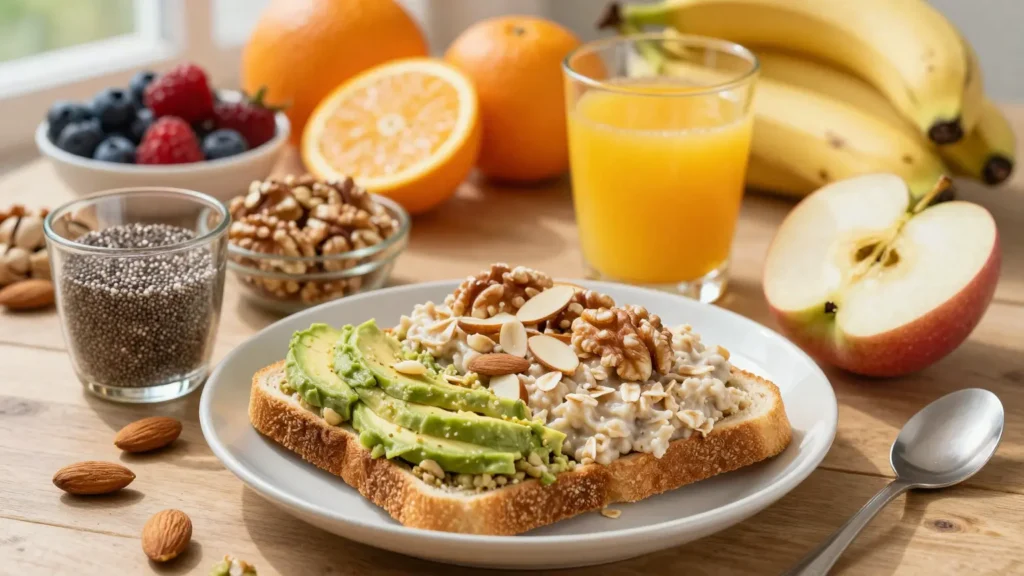
Imagine stepping into a world where every meal you eat not only satisfies your taste buds but also contributes to lowering your cholesterol levels naturally. Picture starting your day with a delicious oatmeal bowl topped with almonds and walnuts, followed by a hearty lunch of lentil soup and a side of steamed vegetables rich in soluble fiber. Each component of the Portfolio Diet is carefully selected for its unique ability to improve heart health, making it easier than ever to adopt a diet that prioritizes your well-being.
By incorporating nuts, plant proteins like tofu and lentils, viscous fibers from oats and fruits, and phytosterols found in seeds and oilseeds, you’re not just eating; you’re actively working towards reducing LDL cholesterol levels by up to 30%. This reduction is comparable to the effectiveness of first-generation statin medications but without their potential side effects. The scientific evidence backing this diet is compelling, making it a promising alternative for those looking to manage or prevent cardiovascular disease through food.
Engaging with the Portfolio Diet involves exploring new recipes and meal ideas that blend these heart-healthy ingredients in delightful ways. From super portfolio breakfasts packed with oats, fruits, nuts, and seeds to savory dinners featuring tofu stir-fries and vegetable soups high in soluble fiber, each dish offers a unique combination of flavor and nutrition. This diet not only focuses on cholesterol reduction but also helps manage blood pressure levels, reduce triglycerides, decrease inflammation markers, and promote weight management – all essential components for maintaining overall cardiovascular health.
As you delve deeper into the Portfolio Diet, you’ll uncover its potential to transform your relationship with food and your body, all while enjoying a delicious and varied culinary journey. Are you ready to explore how this evidence-based approach can improve your heart health naturally?
History & Origin
The concept of the Portfolio Diet was born out of decades of research into heart-healthy eating patterns. Around two decades ago, scientists at the University of Toronto began exploring how to create a diet that would naturally lower cholesterol levels without relying on medication alone. This period marked a critical juncture in dietary science, as researchers were increasingly aware of the limitations and potential side effects associated with statin drugs.
The initial studies focused on identifying individual food items known for their ability to reduce LDL (bad) cholesterol, such as nuts and oats. Researchers then sought to combine these foods into a comprehensive diet that would work synergistically to provide even greater benefits. This approach was revolutionary because it shifted the focus from single-food solutions to an integrated dietary strategy capable of delivering substantial health improvements.
Over time, the Portfolio Diet evolved through rigorous clinical trials and scientific scrutiny, leading to its formal introduction in the early 2000s. The diet’s development involved meticulous testing to ensure that each component contributed effectively to lowering cholesterol levels while also addressing other risk factors for cardiovascular disease. This extensive research process underscored the potential of dietary interventions as a powerful tool in managing heart health.
Today, the Portfolio Diet stands as a testament to the power of combining multiple food types with proven benefits into one cohesive and effective diet plan. Its origins are rooted in the quest for natural methods to combat high cholesterol levels and promote overall cardiovascular wellness, making it an appealing option for individuals seeking healthier alternatives without medication dependence.
Core Principles & Philosophy
The core philosophy behind the Portfolio Diet is to harness the synergistic effects of combining multiple food groups that individually have moderate impacts on cholesterol levels. By integrating these components into a single dietary pattern, it aims to produce significant health benefits beyond just lowering LDL cholesterol. The idea is not merely to focus on individual nutrients but rather to create a holistic approach that addresses multiple risk factors for cardiovascular disease simultaneously.
At its heart, the Portfolio Diet emphasizes a philosophy of balance and inclusion rather than exclusion. Unlike diets that restrict certain food groups entirely, this diet encourages the consumption of a wide variety of plant-based foods known for their health benefits. This inclusive approach makes it easier to maintain long-term adherence, as it doesn’t feel like deprivation but rather an exploration of diverse and delicious flavors.
The key principles of the Portfolio Diet revolve around incorporating specific types of foods that have been scientifically proven to enhance heart health. By focusing on nuts, plant proteins, soluble fibers, and phytosterols, individuals can experience a comprehensive reduction in cholesterol levels while also benefiting from improved blood pressure and reduced inflammation. This multifaceted approach ensures that the diet is not only effective but also versatile enough to fit into various lifestyles.
Understanding these core principles helps in appreciating why the Portfolio Diet stands out as an evidence-based dietary strategy. It’s about more than just eating less of something harmful; it’s about actively adding foods that are beneficial, thus creating a powerful synergy for overall health improvement.
Recommended Food Groups
The Portfolio Diet relies heavily on specific food groups that work together to create a synergistic effect in reducing cholesterol levels and promoting heart health. Nuts are one of the cornerstones of this diet due to their high content of healthy fats and phytosterols. Including about 45 grams (approximately 1.6 ounces) of mixed nuts like almonds, walnuts, or peanuts daily can significantly contribute to lowering LDL cholesterol levels. These crunchy snacks not only provide a satisfying crunch but also deliver essential nutrients that support cardiovascular health.
Plant Proteins, such as soy-based products and pulses, are another vital component of the Portfolio Diet. Soy foods like tofu, tempeh, and edamame offer an excellent source of protein alongside isoflavones, which help in reducing cholesterol. Lentils, chickpeas, and other legumes should be included regularly to provide ample amounts of plant-based proteins that aid heart health while being easy on the wallet. These foods are versatile and can easily be incorporated into various meals throughout the day.
Viscous Fiber, found in oats, barley, apples, berries, eggplant, carrots, psyllium husks, and other similar sources, plays a crucial role in cholesterol reduction by binding to bile acids and excreting them from the body. This process forces the liver to use more circulating cholesterol to produce new bile acids, thereby lowering overall cholesterol levels. Foods rich in soluble fiber are not only beneficial for heart health but also promote satiety and digestive health.
Phytosterols, or plant sterols, are compounds structurally similar to cholesterol that compete with dietary cholesterol absorption in the intestines. Common sources of phytosterols include seeds, nuts, vegetable oils, and fortified margarine spreads. Consuming around 2 grams of these sterols daily can further enhance the diet’s effectiveness in lowering cholesterol levels. Phytosterol-enriched foods offer a convenient way to boost your intake without drastically changing your eating habits.
By focusing on these key food groups, individuals following the Portfolio Diet are not just avoiding harmful ingredients but actively adding beneficial ones to their meals. This holistic approach makes it easier to maintain long-term adherence and enjoy a wide variety of delicious and nutritious dishes.
Foods to Avoid or Limit
When following the Portfolio Diet, it is crucial to limit or avoid certain foods that can undermine the diet’s effectiveness in lowering cholesterol levels. Foods high in saturated fats, such as red meat, full-fat dairy products like cheese and whole milk, should be consumed sparingly. These items tend to increase LDL cholesterol levels, counteracting the beneficial effects of the Portfolio Diet.
Similarly, dietary cholesterol from sources like eggs and shellfish should also be limited. While not all evidence points to a direct link between dietary cholesterol and blood cholesterol levels in everyone, individuals with high cholesterol might benefit from reducing their intake of foods rich in cholesterol. This includes egg yolks and organ meats that can significantly raise LDL levels.
Avoiding or limiting these food types helps maintain the balance necessary for the Portfolio Diet’s success. Instead of relying on such items as primary protein sources, opt for lean proteins like skinless chicken breast, turkey, and fish, which are lower in saturated fats and cholesterol. These alternatives provide essential nutrients without compromising your heart health goals.
Did you know that swapping out just one egg yolk per day with plant-based protein can lead to a notable reduction in LDL cholesterol levels over time?
By focusing on healthier food choices and limiting those that can hinder progress, you create an environment where the beneficial components of the Portfolio Diet can work effectively. This mindful approach not only supports your heart health but also enhances overall well-being by encouraging balanced eating habits.
Nutritional Benefits
The Portfolio Diet not only focuses on lowering LDL cholesterol but also provides a range of additional health benefits that contribute to overall cardiovascular wellness. Reduced blood pressure levels are one such benefit; the inclusion of foods rich in potassium, magnesium, and calcium helps regulate heart function and relaxes blood vessels, leading to lower systolic and diastolic readings.
Moreover, this diet aids in reducing triglyceride levels, another critical component in assessing cardiovascular risk. High triglycerides can contribute to plaque buildup in arteries, increasing the likelihood of heart disease and stroke. The Portfolio Diet’s emphasis on soluble fiber and healthy fats helps stabilize these levels by improving insulin sensitivity and decreasing fat storage.
Inflammation is a significant contributor to chronic diseases, including cardiovascular issues. By incorporating foods high in antioxidants like nuts, fruits, and vegetables, the diet combats oxidative stress and reduces inflammation markers such as C-reactive protein (CRP). This anti-inflammatory effect contributes to better heart health by preventing damage to blood vessels.
Weight management is another crucial aspect of maintaining a healthy lifestyle, particularly when it comes to reducing cardiovascular risks. The Portfolio Diet’s focus on high-fiber foods and lean proteins promotes satiety and curbs overeating, making it easier for individuals to manage their weight without feeling deprived or hungry. This balanced approach supports long-term adherence and sustainable results.
In summary, the nutritional benefits of the Portfolio Diet extend far beyond cholesterol reduction. It offers a comprehensive solution to various health concerns by addressing blood pressure, triglycerides, inflammation, and weight management, all of which are interconnected in maintaining overall cardiovascular health.
Potential Drawbacks & Health Risks
While the Portfolio Diet is generally safe and beneficial for most individuals, there are some potential drawbacks and health risks to be aware of. Strict adherence to the diet’s guidelines may pose challenges due to its restrictive nature when it comes to certain food types. For instance, completely avoiding or limiting foods high in saturated fats and dietary cholesterol might seem daunting to those who enjoy these items regularly.
Another concern is that some individuals may find the variety of plant-based foods less appealing compared to more traditional diets rich in meat and dairy products. This can affect long-term adherence, as it’s easier for people to sustain a diet they genuinely enjoy eating over extended periods. However, partial compliance with the diet still offers significant health benefits, making it a viable option even if not followed perfectly.
For those new to plant-based foods or unfamiliar with integrating nuts and seeds into their meals, there might be an initial learning curve in terms of meal planning and preparation. This could lead to temporary frustration or difficulty in maintaining the diet’s guidelines consistently. Moreover, some individuals may experience digestive issues such as bloating or gas when introducing high-fiber foods like oats and fruits suddenly into their diet.
Lastly, while nuts are a crucial part of the Portfolio Diet due to their heart-healthy benefits, they can be quite caloric if not consumed in moderation. Overeating nuts could potentially lead to weight gain, which contradicts one of the diet’s key goals: promoting healthy body weight through balanced eating habits.
Despite these potential drawbacks, it’s important to recognize that many people find success and satisfaction with the Portfolio Diet by gradually incorporating its principles into their lifestyle. With careful planning and an open mind towards new culinary adventures, individuals can navigate these challenges effectively and reap the numerous health benefits this diet offers.
Sample Meal Plan for a Week
To make the Portfolio Diet practical and accessible, let’s dive into a sample week-long meal plan that incorporates all the recommended food groups while ensuring variety and deliciousness. Each day includes breakfast, lunch, dinner, and snacks tailored to provide a balanced intake of nuts, plant proteins, soluble fibers, and phytosterols.
Monday:
- Breakfast: Oatmeal topped with sliced almonds, walnuts, and fresh blueberries.
- Lunch: Lentil soup served with steamed broccoli and carrots, accompanied by a whole-grain roll spread with almond butter.
- Snack: A handful of mixed nuts (almonds, cashews, pumpkin seeds).
- Dinner: Tofu stir-fry with bell peppers, onions, snap peas, and soy sauce over quinoa.
Tuesday:
- Breakfast: Smoothie bowl made with oats, banana, almond milk, chia seeds, and a sprinkle of ground flaxseed.
- Lunch: Chickpea salad topped with sliced cucumber, cherry tomatoes, feta cheese (if tolerated), and olive oil dressing.
- Snack: A small apple with peanut butter.
- Dinner: Barley pilaf with sautéed spinach and a side of steamed eggplant.
Wednesday:
- Breakfast: Whole-grain toast topped with mashed avocado, sliced pear, and a sprinkle of sunflower seeds.
- Lunch: Hummus wrap using whole wheat tortilla filled with mixed greens, shredded carrots, and red pepper slices.
- Snack: An orange sectioned alongside a small handful of pistachios.
- Dinner: Tofu curry served over basmati rice with a side of steamed green beans.
Thursday:
- Breakfast: Greek yogurt (or dairy-free alternative) topped with sliced almonds, granola, and fresh berries.
- Lunch: Black bean soup garnished with diced onions, tomatoes, and jalapeño peppers.
- Snack: A pear with a handful of mixed seeds like sesame and pumpkin seeds.
- Dinner: Baked tofu with roasted sweet potatoes and steamed kale.
Friday:
- Breakfast: Chia pudding made with almond milk, topped with sliced strawberries and a sprinkle of chopped walnuts.
- Lunch: Quinoa salad packed with chickpeas, corn, cherry tomatoes, cucumber, and a drizzle of olive oil and lemon juice.
- Snack: A small bowl of air-popped popcorn seasoned lightly with nutritional yeast.
- Dinner: Lentil shepherd’s pie featuring mashed sweet potatoes as the crust.
Saturday:
- Breakfast: Smoothie made from blended spinach, banana, flax seeds, and almond milk.
- Lunch: Tempeh stir-fry with bell peppers, onions, broccoli florets, served over brown rice.
- Snack: An apple slice with a smear of peanut butter.
- Dinner: Barley risotto made creamy with vegetable broth, topped with sautéed spinach and pine nuts.
Sunday:
- Breakfast: Whole-grain pancakes topped with sliced bananas, blueberries, and almond butter.
- Lunch: Lentil stew served with a side salad of mixed greens, cherry tomatoes, and cucumbers tossed in olive oil and lemon juice dressing.
- Snack: An orange or tangerine sectioned alongside a handful of mixed seeds (sunflower, pumpkin).
- Dinner: Grilled portobello mushroom caps topped with a tofu and vegetable mix, served on a bed of quinoa.
This sample meal plan illustrates how easy it can be to incorporate the core components of the Portfolio Diet into your daily meals. Each dish is designed not only to taste great but also to deliver the necessary nutrients that contribute to heart health. By following this meal pattern, you’ll find yourself enjoying delicious and nutritious meals while reaping the long-term benefits associated with the Portfolio Diet.
By integrating these meals into your weekly routine, you can experience firsthand how a diet rich in nuts, plant proteins, viscous fibers, and phytosterols can positively impact your cholesterol levels and overall cardiovascular health. This meal plan serves as a practical guide to help you stay on track while making healthy eating enjoyable and sustainable over the long term.
Portfolio Diet and Cholesterol Levels
The Portfolio Diet has been clinically proven to significantly lower LDL cholesterol levels when combined with a low-saturated fat diet. Studies show that individuals following this dietary approach can achieve reductions of up to 30% in their LDL cholesterol, which is comparable to the effectiveness of first-generation statin medications without the associated side effects often experienced by medication users.
This remarkable impact on cholesterol levels stems from the synergistic effect of combining multiple food types known for their heart-healthy properties. For instance, nuts not only provide healthy fats and phytosterols but also help reduce LDL cholesterol absorption in the intestines. Meanwhile, plant proteins like soy and legumes offer an alternative to animal protein sources while contributing essential nutrients that support cardiovascular health.
Foods rich in viscous fibers, such as oats and barley, play a crucial role by binding to bile acids and facilitating their excretion from the body. This process forces the liver to use more circulating cholesterol for producing new bile acids, thereby lowering overall cholesterol levels naturally. Additionally, incorporating foods high in phytosterols like seeds and vegetable oils further enhances this effect by competing with dietary cholesterol absorption.
By integrating these key food groups into daily meals, individuals following the Portfolio Diet can experience substantial improvements in their lipid profiles. This diet stands out as a potent natural alternative to pharmaceutical interventions for those looking to manage or prevent cardiovascular disease through dietary modifications alone.
Popular Portfolio Diet Recipes
When it comes to implementing the Portfolio Diet in your daily life, incorporating delicious recipes can make the transition smoother and more enjoyable. Here are some popular Portfolio Diet recipes that not only taste great but also contribute significantly to heart health by reducing cholesterol levels naturally.
One of the most beloved breakfasts on this diet is a Super Portfolio Breakfast Bowl. This dish typically includes a hearty serving of oats, topped with an assortment of fruits like blueberries and sliced bananas, along with chopped nuts such as almonds and walnuts. The combination of soluble fiber from oats and phytosterols from nuts creates a powerful cholesterol-lowering effect while providing essential nutrients.
For lunch, consider Nut and Seed Spreads on whole-grain breads or crackers. These spreads are simple to make and offer a delightful crunch alongside the nutritional benefits of healthy fats and fibers. A classic example is almond butter spread over slices of whole grain bread, paired with sliced apples or bananas for an extra boost of soluble fiber.
Dinners rich in plant proteins provide a perfect balance of flavor and nutrition. Soy Protein-Based Entrees such as tofu stir-fries, tempeh salads, and lentil stews are excellent choices. A popular recipe involves marinating firm tofu cubes with soy sauce, ginger, garlic, and sesame oil before sautéing them with colorful vegetables like bell peppers and snap peas. Serve this dish over a bed of quinoa or brown rice to round out the meal.
Vegetable soups can also play a starring role in your Portfolio Diet regimen. High-Fiber Vegetable Soups are not only comforting but also packed with soluble fiber from ingredients like carrots, lentils, and barley. A simple yet effective recipe involves simmering these vegetables with low-sodium broth until tender, then blending the mixture to create a creamy texture without added cream or butter.
For dessert, Fruit Salads and Chia Puddings offer sweet alternatives that align perfectly with the diet’s guidelines. Chia pudding made from chia seeds soaked in almond milk provides an excellent source of omega-3 fatty acids and fiber, while fruit salads with a variety of colorful fruits ensure you get a wide range of antioxidants and nutrients.
These recipes not only cater to your taste buds but also help you achieve the dietary goals set by the Portfolio Diet. By making these dishes part of your regular meal plan, you’ll find it easier to stick to this heart-healthy diet while enjoying an array of delicious flavors and textures.
Comparing to Other Popular Diets
When comparing the Portfolio Diet to other popular dietary approaches such as the Mediterranean diet or DASH (Dietary Approaches to Stop Hypertension) diet, it’s important to recognize both similarities and distinct differences. While all these diets advocate for a balanced intake of fruits, vegetables, whole grains, nuts, seeds, and healthy fats, the Portfolio Diet sets itself apart by focusing specifically on cholesterol reduction.
Here are some key points that highlight how the Portfolio Diet differs from other popular dietary strategies:
Focus on Cholesterol Reduction: Unlike the Mediterranean diet or DASH diet, which emphasize overall heart health through various means such as lowering blood pressure and improving insulin sensitivity, the Portfolio Diet is explicitly designed to reduce LDL cholesterol levels. This diet includes specific food types known for their cholesterol-lowering properties, making it a targeted approach for those looking to address high cholesterol.
Specific Food Recommendations: The Portfolio Diet recommends precise amounts of certain foods like nuts (45 grams daily), plant proteins (about 50 grams from soy products or pulses), and phytosterols (2 grams). These specific guidelines are less detailed in other diets, which typically provide general recommendations rather than exact quantities.
Synergistic Effect: The Portfolio Diet’s philosophy centers around the idea that combining multiple food types can create a synergistic effect leading to significant health benefits. This holistic approach contrasts with more generalized dietary plans that may not emphasize the combination of specific foods for maximum benefit.
To illustrate these differences, consider the following table comparing key aspects of each diet:
| Aspect | Portfolio Diet | Mediterranean Diet | DASH Diet |
|---|---|---|---|
| Primary Goal | Lowering LDL cholesterol levels | Reducing cardiovascular disease risk | Managing hypertension |
| Specific Food Types | Nuts, plant proteins, viscous fibers, phytosterols | Olive oil, fish, whole grains | Fruits, vegetables, low-fat dairy |
| Meal Recommendations | Detailed guidelines on food amounts | Emphasis on olive oil and fish intake | Limitation of sodium (<2300 mg/day) |
| Flexibility | Strict adherence to specific food types | Greater flexibility with cultural variations | Flexible meal plans tailored to needs |
While the Mediterranean diet encourages a high intake of healthy fats, particularly from olive oil and nuts, it does not specify exact quantities or focus primarily on cholesterol reduction. Similarly, the DASH diet emphasizes reducing sodium intake and increasing fruits and vegetables to manage blood pressure without targeting LDL cholesterol as its primary goal.
In conclusion, while other popular diets offer broad heart health benefits through various mechanisms, the Portfolio Diet provides a targeted approach specifically aimed at lowering cholesterol levels naturally. This makes it an attractive option for individuals looking for evidence-based dietary strategies to improve their cardiovascular health beyond general heart-healthy recommendations.
Who Should Consider the Portfolio Diet?
Individuals who might benefit most from considering the Portfolio Diet are those looking to manage or prevent cardiovascular disease. This diet is especially appealing to people who need alternatives to statin medications due to side effects such as muscle aches, digestive issues, or liver problems. The Portfolio Diet offers a natural way to lower cholesterol levels without relying on pharmaceutical interventions.
Additionally, individuals interested in reducing their cholesterol levels for overall heart health may find the Portfolio Diet particularly beneficial. It provides a structured approach that includes specific food types known for their ability to improve lipid profiles and reduce cardiovascular risk factors. This makes it an attractive option for anyone looking to take control of their heart health through diet alone.
Moreover, the Portfolio Diet aligns well with those who are environmentally conscious or ethically motivated to avoid animal products. By focusing on plant-based foods, this dietary approach not only benefits personal health but also supports sustainable and ethical eating practices. For individuals concerned about the environmental impact of their food choices, incorporating more nuts, legumes, and whole grains can be a significant step towards reducing carbon footprints while maintaining optimal heart health.
In summary, whether you are looking to avoid medication side effects, actively manage cholesterol levels, or adopt a sustainable diet that supports both personal and planetary well-being, the Portfolio Diet presents a comprehensive and effective solution.
Long-Term Sustainability of the Portfolio Diet
Ensuring long-term sustainability in following the Portfolio Diet hinges on several key factors that make it easier to maintain over time. Adherence is crucial, but it’s important to approach this diet not as a restrictive regimen but rather as an inclusive and enjoyable way of eating. The core principle of incorporating a variety of heart-healthy foods without excluding entire food groups makes the Portfolio Diet more palatable for many individuals.
One of the most significant aspects contributing to long-term sustainability is personalization. While there are specific recommendations, such as consuming 45 grams of nuts daily and about 2 grams of phytosterols, these can be adjusted based on individual preferences and dietary needs. For instance, if someone doesn’t enjoy a certain type of nut, they can opt for another variety that fits their taste preferences while still meeting the cholesterol-lowering goals.
Another critical factor is variety. The Portfolio Diet encourages a wide range of food choices within its guidelines, making it less monotonous and more engaging over time. This diversity not only keeps meals interesting but also ensures nutritional balance without feeling restrictive or limiting. By continually exploring new recipes and meal combinations that integrate nuts, plant proteins, viscous fibers, and phytosterols in creative ways, individuals can maintain their enthusiasm for the diet.
Education and Awareness play a vital role as well. Understanding why each component of the Portfolio Diet is beneficial helps motivate long-term commitment. Knowing that nuts not only lower cholesterol but also provide essential fats and proteins enriches the experience and reinforces the importance of adhering to the diet. Similarly, recognizing how soluble fiber from oats and barley can improve heart health by binding to bile acids makes it easier to stay committed to including these foods regularly.
Moreover, practical tips and easy-to-follow meal plans make the transition smoother and more sustainable. Incorporating Portfolio Diet recipes that are quick, flavorful, and nutritious helps individuals stick to the diet even on busy days. By having a variety of healthy meals readily available, such as nut-packed smoothies for breakfast or plant-protein-based entrees for lunch and dinner, adhering to the dietary guidelines becomes an effortless part of daily life.
Lastly, community support is invaluable in maintaining long-term adherence. Joining groups or forums where individuals share their experiences with the Portfolio Diet can provide motivation and inspiration. Engaging with others who are also committed to improving heart health through diet not only fosters accountability but also offers a sense of belonging and shared purpose.
By focusing on these aspects, individuals can ensure that the Portfolio Diet remains an integral part of their lifestyle for years to come, leading to sustained improvements in cholesterol levels and overall cardiovascular wellness.
Conclusion: Is the Portfolio Diet Right for You?
The decision to adopt the Portfolio Diet depends on several personal factors and health goals. If you are looking for an evidence-based dietary approach that can significantly lower cholesterol levels without relying solely on medication, this diet could be highly beneficial. It is particularly suitable for individuals who have high LDL cholesterol or a family history of heart disease but want to avoid or minimize the use of statins due to side effects.
The inclusive nature of the Portfolio Diet makes it adaptable and enjoyable for many people. By focusing on incorporating heart-healthy foods like nuts, plant proteins, viscous fibers, and phytosterols rather than strictly excluding others, you can maintain a balanced diet that is rich in variety and flavor. This approach not only supports adherence but also ensures nutritional completeness.
Moreover, the Portfolio Diet aligns well with lifestyle changes aimed at improving overall heart health beyond just cholesterol reduction. It addresses multiple risk factors such as blood pressure, triglyceride levels, inflammation, and weight management simultaneously, making it a holistic solution for cardiovascular wellness. For those committed to ethical and sustainable eating practices, this diet offers an appealing option that supports both personal well-being and environmental responsibility.
However, if you find it challenging to adhere strictly to dietary guidelines or prefer more traditional diets rich in animal products, the Portfolio Diet may require some adjustment. In such cases, partial compliance can still yield significant health benefits without fully altering your current eating habits. Engaging with community support groups or seeking guidance from a nutritionist might also help navigate any initial difficulties and ensure long-term success.
Ultimately, the Portfolio Diet presents an effective and natural way to manage cholesterol levels and reduce cardiovascular risks through diet alone. By carefully considering your personal preferences, health goals, and lifestyle needs, you can determine whether this dietary approach aligns with your journey towards better heart health.
Frequently Asked Questions (FAQ)
What is a Portfolio Diet?
The Portfolio Diet is a heart-healthy diet that includes foods rich in cholesterol-lowering nutrients. It emphasizes plant-based proteins, nuts, margarine with added stanols/sterols, and soluble fiber from oats and barley.
How does the Portfolio Diet help with health?
The Portfolio Diet helps improve overall cardiovascular health by lowering LDL (bad) cholesterol levels. This diet also supports weight management, blood sugar control, and reduces inflammation in the body.
Who can benefit from following a Portfolio Diet?
Anyone looking to improve their heart health or manage conditions like high cholesterol could benefit from this diet. It’s particularly recommended for people with cardiovascular disease risk factors but is generally safe for most individuals unless otherwise advised by a healthcare provider.
Is the Portfolio Diet suitable for vegetarians and vegans?
Yes, the Portfolio Diet can be tailored to fit vegetarian and vegan lifestyles by focusing on plant-based protein sources such as legumes, tofu, tempeh, and seitan. It also encourages consumption of nuts and seeds, which are great for vegetarians and vegans.
Are there any foods I should avoid while on a Portfolio Diet?
While the Portfolio Diet isn’t restrictive in terms of banning entire food groups, it recommends minimizing intake of saturated fats from animal products like red meat, full-fat dairy, and processed foods. These can counteract the cholesterol-lowering benefits of the diet.
Can children follow the Portfolio Diet?
The Portfolio Diet is generally safe for adults but should be adjusted carefully for children under a doctor’s supervision. Children have different nutritional needs and might require adjustments to ensure they get enough calories and essential nutrients for growth.
How can I incorporate nuts into my daily routine without gaining weight?
To include nuts in your diet without worrying about weight gain, opt for unsalted varieties and consume them in moderation as part of a balanced meal. Eating about one ounce (a small handful) per day is often recommended to reap health benefits while managing calorie intake.
Is there scientific evidence supporting the Portfolio Diet?
Yes, numerous studies have shown that following the Portfolio Diet can significantly reduce LDL cholesterol levels and improve overall cardiovascular health. The diet has been backed by clinical trials demonstrating its effectiveness over long-term use.
How does the Portfolio Diet compare to other diets like Keto or Mediterranean?
Unlike the Ketogenic (Keto) Diet which focuses on high-fat consumption, the Portfolio Diet emphasizes a balance of plant-based proteins, healthy fats from nuts and seeds, and dietary fiber. It shares some similarities with the Mediterranean diet in its focus on whole foods but has a stronger emphasis on specific cholesterol-lowering nutrients.
Do I need to take supplements while following the Portfolio Diet?
Most people can get all necessary nutrients through food when following the Portfolio Diet. However, if you’re concerned about vitamin B12 or iron intake (especially for vegans), consulting with a healthcare provider about potential supplement needs is advisable.