Overview
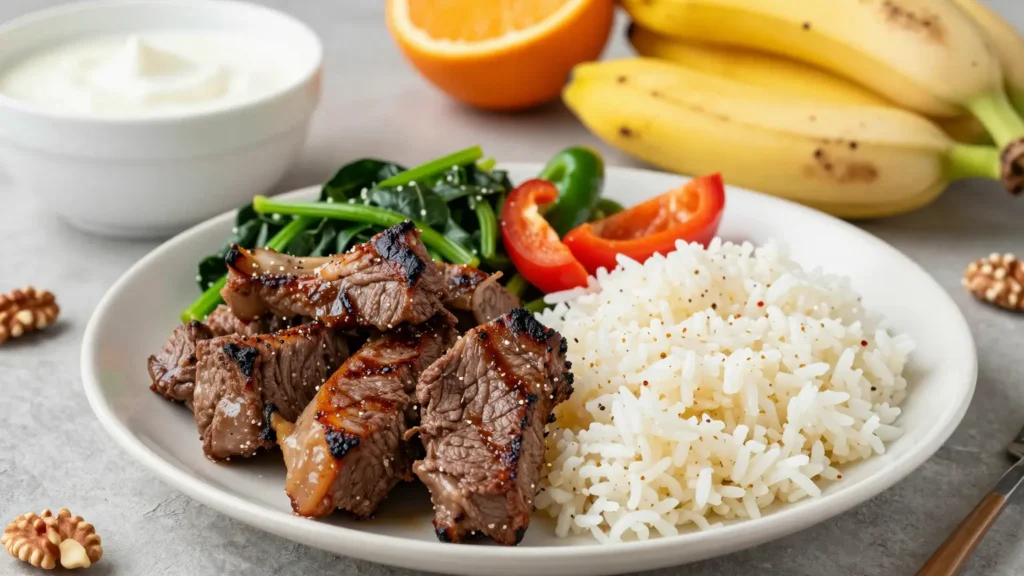
Vertical Diet is a high-calorie, nutrient-dense dietary approach developed specifically to support intense training regimens and rapid muscle gain. Created by Stan Efferding, an elite powerlifter and professional bodybuilder, this diet emphasizes easily digestible foods like red meat and white rice while minimizing digestive stress through limited food variety. By focusing on fewer but higher-quality food items, the Vertical Diet aims to maximize nutrient absorption for optimal performance and recovery.
Imagine starting your day with a hearty breakfast of eggs and fluffy white rice, knowing that every bite is fueling intense workouts ahead. The Vertical Diet isn’t just about eating more; it’s about strategically choosing foods that provide maximum benefits without overwhelming your digestive system. Red meat, particularly beef, lamb, and bison, forms the cornerstone of this diet due to its high-quality protein content, while white rice offers a steady supply of carbohydrates essential for energy.
This unique approach challenges traditional dietary wisdom by advocating fewer food options but in larger quantities, which can seem counterintuitive at first glance. However, proponents argue that this method helps streamline nutrient intake and reduces the body’s need to process a wide range of foods, potentially enhancing muscle growth efficiency. As you delve deeper into the Vertical Diet, you’ll discover how it balances high-calorie needs with digestive comfort – a crucial factor for athletes aiming to push their limits without compromising health.
Are you ready to explore whether this diet could be the missing piece in your fitness journey? Let’s uncover more about its principles and practical applications.
History & Origin
The concept of the Vertical Diet emerged from Stan Efferding’s personal quest to find a dietary strategy that could support his rigorous training regimen and muscle gain goals. As a powerlifter and bodybuilder, Efferding faced the challenge of consuming enough calories to fuel intense workouts while also ensuring efficient digestion to avoid digestive distress. This dilemma led him to develop a unique approach centered around high-quality, easily digestible foods.
The origins of the Vertical Diet can be traced back to Stan’s own experiences with traditional diets that often left him feeling bloated and sluggish due to excessive food variety and lower nutrient density per meal. He observed that by focusing on fewer but higher-calorie meals rich in essential nutrients, he could achieve better muscle growth and recovery outcomes without compromising digestive health.
One of the pivotal moments in developing this diet was recognizing the benefits of red meat as a primary protein source. Efferding noticed that lean cuts of beef, lamb, and bison not only provided ample amounts of high-quality protein but also contained essential amino acids crucial for muscle repair and growth. This realization set the foundation for what would become a cornerstone of the Vertical Diet.
Moreover, Stan’s approach diverged from conventional wisdom by advocating white rice as a staple carbohydrate source. White rice is easily digestible and provides consistent energy levels without causing spikes in blood sugar that could hinder recovery or disrupt training sessions. This simple yet effective combination of red meat and white rice forms the backbone of the Vertical Diet, setting it apart from other dietary strategies.
As Stan continued to refine his diet, he incorporated scientific research on macronutrient ratios and digestive physiology. The result was a methodical approach to nutrition that not only addressed immediate performance needs but also considered long-term health implications for athletes. Through trial and error, Stan identified the key elements necessary for achieving significant muscle gains while minimizing digestive stress – a balance many traditional diets failed to strike effectively.
The Vertical Diet is thus more than just another dietary fad; it represents a thoughtful evolution in how high-performance athletes approach nutrition. By carefully selecting foods based on their digestibility and nutrient density rather than solely focusing on caloric intake, Efferding crafted an eating plan tailored specifically for those seeking rapid muscle growth without compromising digestive comfort or overall well-being.
Core Principles & Philosophy
The core philosophy of the Vertical Diet is to maximize nutrient absorption and optimize recovery by focusing on fewer but higher-quality food items. This approach challenges conventional dietary wisdom that often emphasizes a wide variety of foods. Instead, the Vertical Diet advocates consuming a limited range of easily digestible, high-calorie meals rich in essential nutrients.
At its core, this diet prioritizes nutrient density and digestive efficiency over sheer volume or diversity of food choices. By adhering to fewer but more nutrient-rich options, athletes can achieve their goals without taxing their digestive systems. This philosophy aligns with the idea that less is sometimes more when it comes to dietary optimization for muscle gain.
One key principle of the Vertical Diet is the emphasis on red meat as a primary protein source. Red meats such as beef, lamb, and bison are chosen not just because they are rich in high-quality protein but also because they contain essential amino acids that support muscle growth and repair. The inclusion of these meats underscores the diet’s commitment to providing nutrients that directly contribute to athletic performance.
Equally important is the role of white rice as a staple carbohydrate source. White rice provides consistent energy without causing digestive discomfort or blood sugar spikes, which can hinder recovery and overall performance. This combination of high-protein red meat with easily digestible carbohydrates forms the backbone of the diet’s nutritional strategy.
Another fundamental aspect of the Vertical Diet is its stance on dietary variety. By limiting the number of food types consumed daily, it aims to reduce digestive stress and improve nutrient absorption efficiency. For many athletes who struggle with bloating or sluggishness after meals, this approach offers a targeted solution to enhance recovery times without compromising muscle growth.
The philosophy behind the Vertical Diet also places significant importance on digestive health. By reducing the strain placed on the digestive system through limited food choices and higher-quality nutrients, it aims to create an environment conducive to better nutrient utilization and overall well-being. This alignment with digestive comfort is a key differentiator from many other high-calorie diets that might offer variety but come at the cost of digestive distress.
Ultimately, the Vertical Diet’s core principles are designed to streamline nutrition for athletes seeking rapid muscle gain while maintaining digestive health and performance efficiency. By focusing on quality over quantity in food choices, it offers a unique approach to achieving fitness goals through targeted dietary strategies.
Recommended Food Groups
The recommended food groups within the Vertical Diet play a crucial role in ensuring that athletes receive the necessary nutrients while minimizing digestive stress. Red meat is at the forefront of this diet due to its high-quality protein content and essential amino acids, which are vital for muscle growth and repair. Lean cuts like beef, lamb, bison, and venison provide a steady supply of these proteins without excessive fat.
In addition to red meat, white rice serves as an integral carbohydrate source. White rice is easily digestible and provides consistent energy throughout the day. Unlike brown rice, which contains more fiber and can be harder on the digestive system, white rice helps maintain stable blood sugar levels and reduces the risk of post-meal fatigue.
Eggs are another cornerstone of this diet due to their high protein content and versatility in meal planning. They provide essential nutrients like choline for brain health and selenium for thyroid function alongside muscle-building amino acids. Yogurt is also included, providing probiotics that support gut health while delivering a good amount of calcium and other vitamins.
For vegetables, the Vertical Diet emphasizes low-FODMAP options to minimize digestive discomfort common in high-carbohydrate diets. These include spinach, carrots, celery, cucumber, bell peppers, eggplant, zucchini, butternut squash, and potatoes (both white and sweet). Low-FODMAP vegetables offer essential vitamins and minerals without causing bloating or gas.
Fatty fish like salmon is recommended for its omega-3 fatty acids and high protein content. These fish not only aid in muscle growth but also support heart health by reducing inflammation and improving brain function. Wild Alaskan salmon, known for its purity and nutrient density, stands out as a top choice within this category.
Healthy fats and oils are important components of the diet, providing essential fatty acids that are crucial for hormone production and cell membrane integrity. Sources include avocados, nuts, seeds, olive oil, and flaxseed oil. These fats also contribute to satiety and help maintain muscle mass by supporting protein synthesis.
Dairy products such as full-fat milk and cheese are included in the diet due to their high calcium content and beneficial proteins like casein. While some may be wary of dairy’s fat content, full-fat versions provide more sustained energy compared to low-fat alternatives without compromising on taste or satisfaction.
The Vertical Diet also allows for a select range of fruits that are easier on digestion, such as oranges and cranberries. These fruits supply essential vitamins and antioxidants while being relatively lower in fructose, which can be problematic for some athletes. Certain types of juices might also be permitted but should be consumed in moderation to avoid excess sugar intake.
By focusing on these specific food groups, the Vertical Diet aims to streamline nutritional intake, enhance muscle growth efficiency, and promote digestive comfort. The strategic selection of foods ensures that each meal is not only satisfying but also packed with essential nutrients needed for optimal athletic performance.
Vertical Diet Food List
The foods recommended in the Vertical Diet are meticulously chosen to ensure high nutrient density and easy digestibility. The cornerstone of this diet is red meat, which includes beef, lamb, bison, and venison. These meats provide a rich source of protein along with essential amino acids that support muscle growth and repair.
White rice is another staple in the Vertical Diet due to its high carbohydrate content and ease of digestion. Unlike brown rice or other whole grains, white rice offers consistent energy levels without causing digestive discomfort or blood sugar spikes. This makes it an ideal choice for athletes looking to maintain steady performance throughout their training sessions.
Eggs are a versatile and nutritious addition to the diet. They contain a high amount of protein along with vitamins like choline and minerals such as selenium, which contribute to overall health. Yogurt is also included in the Vertical Diet because it provides probiotics that support gut health while delivering important nutrients like calcium and vitamin D.
Low-FODMAP vegetables play a crucial role in minimizing digestive discomfort often associated with high-carbohydrate diets. These vegetables include spinach, carrots, celery, cucumber, bell peppers, eggplant, zucchini, butternut squash, and potatoes (both white and sweet). By incorporating these vegetables into meals, athletes can ensure they are receiving essential vitamins and minerals without experiencing bloating or gas.
Fatty fish like salmon is another recommended food group due to its high protein content and omega-3 fatty acids. These nutrients not only aid in muscle growth but also support heart health by reducing inflammation and improving brain function. Wild Alaskan salmon, known for its purity and nutrient density, stands out as a top choice within this category.
Healthy fats and oils are an important part of the Vertical Diet, providing essential fatty acids that are crucial for hormone production and cell membrane integrity. Avocados, nuts, seeds, olive oil, and flaxseed oil are among the preferred sources. These fats also contribute to satiety and help maintain muscle mass by supporting protein synthesis.
Dairy products like full-fat milk and cheese are included in the diet due to their high calcium content and beneficial proteins such as casein. While some may be wary of dairy’s fat content, full-fat versions offer more sustained energy compared to low-fat alternatives without compromising on taste or satisfaction.
By focusing on these specific food groups, the Vertical Diet aims to streamline nutritional intake while enhancing muscle growth efficiency and promoting digestive comfort. Each meal is designed to not only satisfy hunger but also provide essential nutrients needed for optimal athletic performance.
Foods to Avoid or Limit
To ensure optimal results from the Vertical Diet while minimizing any negative impacts on digestion or overall well-being, certain foods should be avoided or limited. These include high-FODMAP vegetables such as broccoli and cauliflower, which can cause bloating and discomfort due to their fermentable sugars. Additionally, onions and garlic are best consumed in moderation since they too contain FODMAPs that might disrupt digestive processes.
Legumes like beans and lentils should also be minimized because of their high lectin content, which can interfere with nutrient absorption and potentially cause digestive distress. Brown rice and other grains rich in phytic acid, such as wheat and barley, are discouraged due to their tendency to inhibit the uptake of essential minerals like zinc, iron, and calcium.
Sugary foods and beverages should be limited as they provide empty calories that do not contribute significantly to muscle growth or recovery. Highly processed vegetable oils, including corn oil and soybean oil, should also be avoided in favor of healthier alternatives such as olive oil or avocado oil, which offer beneficial fats without added inflammation risks.
Coffee consumption is advised to be moderate due to its caffeine content, which can disrupt sleep patterns if consumed late in the day. Processed foods like chips, cookies, and sugary cereals are discouraged as they lack nutritional value and contribute to unnecessary calorie intake without providing essential nutrients required for muscle gain and recovery.
By steering clear of these less favorable food options, you ensure that your diet remains focused on high-quality nutrients and easy digestibility, optimizing both performance and digestive comfort.
Nutritional Benefits
The Vertical Diet offers several key nutritional benefits that cater specifically to athletes aiming to maximize muscle gains and energy levels. One of the primary advantages is the high-calorie intake combined with a focus on nutrient-dense foods, which helps create a calorie surplus essential for building muscle mass. This surplus provides the necessary fuel for intense workouts and supports protein synthesis, thereby reducing muscle breakdown.
By emphasizing easily digestible carbohydrates such as white rice, the diet ensures that athletes receive consistent energy throughout their training sessions without experiencing fluctuations in blood sugar levels. Consistent energy levels are crucial for maintaining performance during prolonged or high-intensity activities, helping to prevent fatigue and enhance overall endurance.
Moreover, the inclusion of red meat and eggs supplies a rich source of high-quality protein essential for muscle repair and growth. These foods provide all nine essential amino acids necessary for optimal recovery post-workout. The Vertical Diet’s focus on lean cuts of beef, lamb, bison, and other meats ensures that athletes consume proteins with minimal fat content, further supporting the goal of efficient nutrient absorption.
Another significant benefit is the diet’s alignment with digestive health through its low-FODMAP vegetable choices. For individuals who experience bloating or gas from high-carbohydrate diets, this aspect can greatly improve comfort during workouts and recovery periods. Low-FODMAP vegetables offer essential vitamins and minerals without causing common digestive issues like bloating or discomfort.
Additionally, the inclusion of fatty fish like salmon provides a rich source of omega-3 fatty acids. These fats not only support heart health but also play a vital role in reducing inflammation throughout the body. Omega-3s contribute to better brain function and overall well-being, enhancing an athlete’s mental clarity and focus during training sessions.
Lastly, the Vertical Diet’s emphasis on healthy fats and oils supports hormone production and cell membrane integrity. Avocados, nuts, seeds, olive oil, and flaxseed oil are recommended for their essential fatty acids that help maintain muscle mass by supporting protein synthesis. These fats also contribute to satiety, helping athletes feel full and satisfied after meals without overeating.
In summary, the Vertical Diet offers a strategic approach to nutrition that enhances muscle growth efficiency while promoting digestive comfort. By focusing on high-quality foods like red meat, white rice, eggs, low-FODMAP vegetables, salmon, healthy fats, and dairy products, it provides athletes with essential nutrients needed for optimal performance and recovery.
Potential Drawbacks & Health Risks
The Vertical Diet, while effective for rapid muscle gain and energy enhancement, comes with several potential drawbacks and health risks that are important to consider. One major concern is the limited food variety, which can lead to nutrient deficiencies over time if not carefully managed. By focusing on a narrow range of foods, athletes risk missing out on essential vitamins and minerals found in other food groups.
Another significant drawback is the diet’s potential impact on digestive health. Although it aims to minimize digestive stress by reducing food variety, excessive consumption of red meat can still cause digestive issues for some individuals. Red meats are high in saturated fats and cholesterol, which might contribute to gastrointestinal discomfort or inflammation if consumed in large quantities.
The Vertical Diet is also notably low in fiber, a critical nutrient that supports bowel health and regularity. Fiber-rich foods such as fruits, vegetables (especially those rich in soluble fiber), and whole grains are typically limited in this diet, potentially leading to constipation or other digestive issues over time. This lack of dietary fiber can further exacerbate the problem for athletes who already experience digestive challenges.
Moreover, the emphasis on red meat may pose cardiovascular risks due to its high content of saturated fats and cholesterol. Regular consumption of large amounts of red meat has been associated with an increased risk of heart disease, hypertension, and other chronic conditions. This aspect is particularly concerning for individuals with existing health concerns or those looking to maintain long-term cardiovascular wellness.
The diet’s unsuitability for vegetarians and vegans presents another significant limitation. By focusing on animal products as primary protein sources, it excludes those who follow plant-based diets, limiting their options for muscle gain and energy enhancement without compromising their ethical dietary choices.
Furthermore, the high-calorie nature of the Vertical Diet can be challenging to sustain long-term without leading to weight fluctuations or metabolic imbalances. While a calorie surplus is crucial for muscle growth, maintaining this surplus indefinitely may result in excess body fat accumulation if not balanced with appropriate physical activity and nutritional adjustments.
Lastly, adhering strictly to the Vertical Diet’s guidelines could lead to psychological impacts such as boredom or dissatisfaction due to its restrictive nature. Many athletes might find it challenging to stick to a limited diet over extended periods without feeling deprived of variety and enjoyment in their meals.
In summary, while the Vertical Diet offers promising benefits for muscle gain and energy levels, potential drawbacks like nutrient deficiencies, digestive issues, cardiovascular risks, lack of flexibility for vegetarians, and long-term sustainability challenges must be carefully weighed. It is essential to consult with a healthcare provider or nutritionist before adopting this diet to ensure it aligns with individual health goals and needs.
Sample Meal Plan for a Week
Crafting a meal plan that adheres to the principles of the Vertical Diet is essential for achieving optimal results. Here’s how you can structure your weekly meals with the recommended foods, ensuring high-calorie intake and easy digestion:
Monday:
Breakfast: Scrambled eggs cooked in olive oil, served with a side of white rice.
Lunch: Grilled chicken breast with steamed spinach and carrots on a bed of white rice.
Dinner: Beef stir-fry made with bell peppers, zucchini, and eggplant, accompanied by mashed potatoes.
Tuesday:
Breakfast: Greek yogurt with a handful of walnuts and a piece of fruit (such as an orange).
Lunch: Baked salmon with roasted butternut squash and steamed broccoli.
Dinner: Grilled lamb chops with sautéed celery, cucumber, and sweet potatoes.
Wednesday:
Breakfast: Fried eggs with white rice, seasoned lightly with olive oil and salt.
Lunch: Chicken breast salad topped with avocado slices and a light dressing made from flaxseed oil.
Dinner: Bison steak cooked medium-rare, served alongside steamed carrots and celery.
Thursday:
Breakfast: Omelet filled with spinach and cheddar cheese, accompanied by white rice.
Lunch: Grilled turkey breast with a side of mashed potatoes and steamed bell peppers.
Dinner: Beef tacos made with ground beef and served in corn tortillas (sprouted or low-FODMAP options).
Friday:
Breakfast: Yogurt mixed with honey and topped with sliced almonds, alongside a small bowl of white rice.
Lunch: Grilled chicken breast salad featuring cucumber, eggplant, and zucchini.
Dinner: Venison burger patty grilled to perfection, served with mashed potatoes and steamed celery.
Saturday:
Breakfast: Fried eggs and bacon (or alternative lean protein), accompanied by white rice.
Lunch: Grilled salmon fillet with a side of roasted butternut squash and steamed cucumber.
Dinner: Pork chops cooked in olive oil, served alongside mashed potatoes and sautéed spinach.
Sunday:
Breakfast: Scrambled eggs with cheese, accompanied by white rice.
Lunch: Grilled chicken breast sandwich on whole grain bread (sprouted or low-FODMAP option) with a side of white rice and steamed carrots.
Dinner: Beef stir-fry made with bell peppers, zucchini, eggplant, and served over a bed of white rice.
Snacks:
Full-fat yogurt
Handful of nuts (e.g., almonds or walnuts)
Sliced cheese sticks
This meal plan ensures that you consume nutrient-dense foods while minimizing digestive stress. By sticking to the Vertical Diet’s guidelines, you can enjoy meals that are both satisfying and conducive to rapid muscle gains and sustained energy levels.
By following this structured yet flexible approach, athletes can tailor their dietary intake to match their specific needs and preferences while adhering to the core principles of the Vertical Diet.
Vertical Diet Meal Plan
The Vertical Diet meal plan is designed to provide athletes with a structured yet flexible approach to eating that supports rapid muscle gain and sustained energy levels. Each meal focuses on high-quality protein sources, easily digestible carbohydrates, and essential fats to ensure optimal nutrient absorption while minimizing digestive stress.
Daily Breakfast Example:
Scrambled Eggs: 3 large eggs cooked in olive oil.
White Rice: 1 cup of white rice prepared with water or chicken broth for added flavor and nutrition.
Lunch Options:
Grilled Chicken Breast: Approximately 6 ounces of grilled chicken breast served with steamed spinach, carrots, and a side of mashed potatoes made from white potatoes.
Salmon Fillet: A 4-ounce piece of baked salmon accompanied by roasted butternut squash and a salad of cucumber, bell peppers, and zucchini.
Dinner Suggestions:
Beef Stir-Fry: Use lean cuts like sirloin or tenderloin for about 6 ounces. Add in low-FODMAP vegetables such as bell peppers, eggplant, and zucchini. Serve over a bed of white rice.
Lamb Chops: Grill 4 lamb chops with seasoned olive oil and serve with steamed celery and sweet potatoes.
Snack Ideas:
Greek Yogurt: A small cup of Greek yogurt mixed with honey or maple syrup for sweetness, topped with a handful of walnuts.
Cheese Sticks: Whole milk cheese sticks paired with a few slices of apple or banana.
Avocado Slices: Fresh avocado sprinkled with salt and pepper, providing healthy fats and satiety.
This meal plan ensures that you are consuming the recommended food groups in adequate quantities to support muscle growth while maintaining digestive comfort. The key is to balance high-calorie intake with nutrient-dense foods that are easy on your stomach, allowing for efficient absorption of essential nutrients without compromising performance or recovery.
By sticking to this structured meal pattern and incorporating a variety of permitted foods as outlined, you can optimize your nutritional intake to achieve your fitness goals efficiently while adhering to the principles of the Vertical Diet.
Comparing to Other Popular Diets
When comparing the Vertical Diet to other popular diets, it becomes evident that each approach has unique strengths and limitations tailored to different health goals and lifestyles. Traditional diets often emphasize a broad range of foods across various food groups, promoting a diverse intake of vitamins, minerals, and fiber. This variety can provide more comprehensive nutritional benefits but may be less effective for athletes focused on rapid muscle gain due to its lower calorie density and higher focus on dietary diversity.
In contrast, the Vertical Diet stands out by focusing on fewer, high-quality food items that are easily digestible and nutrient-dense. Unlike a typical balanced diet that aims at overall health through varied meal plans, the Vertical Diet prioritizes specific nutrients essential for muscle growth and recovery without overwhelming the digestive system. This approach is particularly appealing to athletes who need precise nutritional support during intense training phases.
The keto diet, another popular dietary regimen, focuses on drastically reducing carbohydrate intake while increasing fat consumption to induce ketosis – a metabolic state where the body burns fats instead of carbohydrates for energy. While keto diets can be beneficial for weight loss and improved blood sugar control, they are less ideal for athletes looking to rapidly gain muscle mass due to their limited carbohydrate content, which is crucial for post-workout recovery.
On the other hand, plant-based diets such as vegetarian or vegan lifestyles prioritize health through a diet rich in fruits, vegetables, whole grains, nuts, and seeds. These diets emphasize ethical considerations and environmental sustainability but may fall short of providing sufficient protein sources that are essential for rapid muscle gain when compared to the Vertical Diet’s focus on high-quality animal proteins like red meat.
The Mediterranean diet is renowned for its heart-healthy benefits through a balance of olive oil, fruits, vegetables, fish, and moderate amounts of dairy products. It focuses on whole foods with less emphasis on processed items, which can be advantageous in promoting cardiovascular health and overall well-being. However, the Mediterranean diet’s lower caloric density and reliance on diverse food groups may not align as closely with the specific high-calorie needs of athletes aiming to gain muscle mass efficiently.
When it comes to digestive health, the Vertical Diet offers a unique advantage by minimizing FODMAP-rich foods that can cause bloating or discomfort. This aspect is particularly beneficial for individuals dealing with irritable bowel syndrome (IBS) or similar digestive issues who find traditional diets challenging due to their high fiber content and broad range of food items.
In summary, while other popular diets offer a wide array of benefits such as weight loss, heart health, ethical eating, and overall wellness, the Vertical Diet provides a specialized solution for athletes seeking rapid muscle gain and sustained energy levels through its strategic focus on easily digestible, nutrient-dense foods. This targeted approach makes it stand out in scenarios where maximizing performance efficiency is paramount but requires careful consideration regarding long-term nutritional balance and digestive health implications.
Who Should Consider Vertical Diet?
The Vertical Diet may be particularly beneficial for serious athletes and individuals with specific fitness goals. Here are some groups who might find this dietary approach advantageous:
High-Level Athletes: For those engaged in intense training regimens, the Vertical Diet offers a high-calorie intake combined with easily digestible foods that can support rapid muscle gain without causing digestive discomfort.
Individuals Struggling With Digestive Issues: People who experience bloating or other digestive problems from consuming high-FODMAP vegetables and grains might find relief in the diet’s focus on low-FODMAP options. The limited food variety helps reduce potential triggers for symptoms like IBS.
Those Seeking Rapid Muscle Growth: If your goal is to significantly increase muscle mass within a short timeframe, the Vertical Diet’s emphasis on nutrient-dense foods can provide the necessary calories and protein to fuel growth while minimizing digestive stress.
However, it’s important to note that the Vertical Diet may not be suitable for everyone:
Vegetarians and Vegans: Given its heavy reliance on red meat as a primary protein source, this diet is unsuitable for those following plant-based lifestyles.
Individuals Concerned About Long-Term Health: The restrictive nature of the diet might pose challenges in ensuring long-term nutritional balance. A more diverse dietary approach may be necessary to prevent nutrient deficiencies over time.
People with Cardiovascular Concerns: Due to its high intake of red meat and saturated fats, the Vertical Diet could potentially exacerbate cardiovascular issues for those already at risk or dealing with existing heart conditions.
Before embarking on the Vertical Diet, it is crucial to consult a healthcare provider or nutritionist. They can help determine whether this dietary approach aligns with your health goals and needs while minimizing potential risks.
Long-Term Sustainability
The long-term sustainability of the Vertical Diet is a critical consideration given its restrictive nature and focus on rapid muscle gain. While it offers significant short-term benefits such as enhanced muscle growth and improved energy levels, maintaining this dietary approach over an extended period presents several challenges.
One major concern is the limited food variety, which can lead to nutritional imbalances if not carefully managed. Over time, adhering strictly to a narrow range of foods might result in deficiencies of certain vitamins and minerals that are essential for overall health but less emphasized within the Vertical Diet’s framework. For instance, a diet heavy on red meat and white rice may lack sufficient sources of vitamin C, potassium, and other micronutrients commonly found in fruits, vegetables, and whole grains.
Another challenge is digestive health. Although the diet aims to minimize digestive stress by limiting FODMAP-rich foods, excessive consumption of red meat might still cause issues for some individuals due to its high content of saturated fats and cholesterol. Long-term reliance on such a protein source can contribute to gastrointestinal discomfort or inflammation, which may negate the initial benefits of reduced digestive distress.
Furthermore, fiber intake is notably low in the Vertical Diet, making it essential for athletes to consider alternative sources that do not conflict with the diet’s principles. Adequate fiber is crucial for bowel health and regularity, and its absence can lead to issues like constipation or other digestive complications over time. Incorporating small amounts of sprouted grains or fermented foods might be necessary to mitigate these risks while still adhering to the dietary guidelines.
The high-calorie nature of the Vertical Diet also poses challenges in terms of long-term sustainability. Maintaining a consistent calorie surplus is vital for muscle growth, but it can be difficult without appropriate adjustments in physical activity and nutritional balance. Excess body fat accumulation becomes a concern if the diet’s calorie intake is not balanced with sufficient exercise or modified dietary planning to prevent metabolic imbalances.
Moreover, psychological factors play an important role in long-term adherence to any restrictive diet. The Vertical Diet’s limited food choices might lead to feelings of boredom or dissatisfaction over time, potentially undermining motivation and overall enjoyment of eating. Finding ways to incorporate more variety while still adhering to the dietary principles can be crucial for sustained engagement.
Lastly, cardiovascular health remains a significant concern due to the diet’s emphasis on red meat. Regular consumption of large amounts of red meat has been associated with an increased risk of heart disease and hypertension. For individuals looking to maintain long-term cardiovascular wellness alongside muscle gains, it is essential to balance protein intake from other sources such as poultry or fish.
In conclusion, while the Vertical Diet offers promising short-term benefits for rapid muscle gain and energy enhancement, its sustainability over a longer period requires careful consideration and possibly adjustments to ensure nutritional adequacy, digestive health, and overall well-being. Consulting with a healthcare provider or nutritionist can help tailor this diet to individual needs, balancing the need for quick results with long-term health goals.
Stan Efferding’s Vertical Diet Approach
Stan Efferding’s Vertical Diet is a meticulously crafted dietary strategy designed to support rapid muscle gain and intense training regimens. This approach emphasizes the consumption of high-calorie, nutrient-dense foods that are easily digestible and tailored specifically for athletes who require precise nutritional support.
The cornerstone of this diet lies in its focus on fewer but higher-quality food items. Instead of a broad range of meals with varying ingredients, Efferding advocates for a streamlined selection of foods known to be highly effective in promoting muscle growth without causing digestive distress. This approach allows the body to more efficiently absorb and utilize essential nutrients, thereby maximizing recovery and performance.
Efferding’s Vertical Diet challenges traditional dietary practices by advocating for fewer food options but at larger quantities. This method is particularly beneficial for individuals who struggle with bloating or discomfort from high-carbohydrate meals due to their higher fiber content and variety. By reducing the number of foods consumed daily, athletes can minimize digestive stress and improve overall nutrient absorption efficiency.
In essence, Stan Efferding’s Vertical Diet Approach emphasizes quality over quantity in food choices, focusing on easily digestible proteins like red meat and carbohydrates such as white rice to fuel intense workouts and support rapid muscle growth. This targeted dietary strategy aims to provide a clear path for athletes seeking to optimize their performance while maintaining digestive comfort.
Conclusion: Is the Vertical Diet Right for You?
The effectiveness of the Vertical Diet largely depends on individual health goals and dietary requirements. For serious athletes or individuals with specific fitness objectives who need rapid muscle gain and improved energy levels, the diet offers a targeted approach that can deliver impressive results. Its emphasis on easily digestible foods like red meat and white rice provides the necessary nutrients without causing digestive discomfort, making it particularly appealing for those struggling with bloating or other digestive issues common in high-carbohydrate diets.
However, the Vertical Diet’s long-term sustainability is questionable due to its restrictive nature and potential nutritional imbalances. The limited food variety can lead to deficiencies of essential vitamins and minerals over time, posing challenges for individuals looking to maintain overall health beyond rapid muscle gain. Additionally, the diet’s heavy reliance on red meat may increase cardiovascular risks and does not cater well to vegetarians or vegans who prefer plant-based protein sources.
Before embarking on the Vertical Diet, it is crucial to consult with a healthcare provider or nutritionist. They can help assess whether this dietary approach aligns with your health goals while minimizing potential long-term risks. Personalized guidance ensures that you optimize muscle growth and performance without compromising overall well-being in the long run.
Frequently Asked Questions (FAQ)
What is Vertical Diet?
Vertical Diet is a dietary approach designed to help individuals boost their muscle gains, improve energy levels, and enhance overall fitness performance. It focuses on optimizing meal timing and nutrient intake tailored for active lifestyles.
How does the Vertical Diet differ from other diets?
The Vertical Diet differs from other diets by focusing specifically on maximizing muscle growth and maintaining high energy levels throughout the day. Unlike traditional diets that might limit calorie intake or restrict certain food groups, the Vertical Diet emphasizes quality nutrients at the right times to support your fitness goals.
Is Vertical Diet suitable for vegetarians/vegans?
Yes, the Vertical Diet can be adapted for vegetarians and vegans by focusing on plant-based protein sources like lentils, chickpeas, quinoa, tofu, and tempeh. It’s important to ensure a balanced intake of all essential nutrients.
How many meals should I eat per day following the Vertical Diet?
The number of meals can vary based on individual needs but typically includes 4-6 smaller meals throughout the day. This helps maintain steady energy levels and supports muscle recovery by providing regular nutrient delivery.
Can I lose weight while following the Vertical Diet?
While the primary goal is to build muscle, you may also experience fat loss as a result of increased metabolism from muscle growth and better food choices. However, it’s not specifically designed for weight loss; combining it with calorie control might help achieve dual goals.
Do I need to track macronutrients or calories on Vertical Diet?
While tracking can be helpful, especially in the initial stages, the Vertical Diet is more about mindful eating and proper timing rather than strict numbers. Focusing on whole foods and listening to your body’s hunger cues can be very effective.
What are some key ingredients I should include in my diet for best results?
Include high-quality proteins like lean meats, fish, eggs, legumes, and dairy products; complex carbohydrates such as oats, brown rice, quinoa, and vegetables; healthy fats from nuts, seeds, avocados, and olive oil.
How long does it take to see improvements in muscle mass and energy levels?
Results can vary based on individual factors but generally you might start noticing changes within a few weeks. Significant improvement may take 2-3 months or more depending on your consistency and adherence to the diet.
Is there an ideal time of day for consuming carbohydrates according to Vertical Diet principles?
Carbohydrates should be consumed around workout times, especially post-exercise, to replenish glycogen stores and aid in muscle recovery. Consuming them earlier in the day can also help maintain energy levels throughout the day.
Can I follow Vertical Diet if I have dietary restrictions or allergies?
Yes, it’s adaptable based on individual needs. Consult a dietitian for personalized meal plans that accommodate your specific requirements while still adhering to core principles of nutrient timing and quality.