
How Does the 5:2 Diet Work?

The 5:2 Diet is a form of intermittent fasting where you eat normally for five days of the week but restrict your calorie intake significantly on two non-consecutive days. Imagine having complete control over your food choices for most of the week while still making progress towards your health goals – a tantalizing prospect, isn’t it? This diet gained widespread attention after being featured in a BBC documentary called “Eat, Fast and Live Longer,” where Michael Mosley explored its benefits firsthand.
On fasting days, you aim to consume around 600 calories for men and approximately 500 calories for women. These meals are often divided into three small portions – breakfast, lunch, and dinner – to make the day more manageable. Picture yourself waking up on a fasting day knowing that your entire food intake is planned out in advance: no guesswork, just structure. You might start with a nutritious breakfast like scrambled eggs and spinach, followed by a light lunch such as grilled chicken salad or vegetable soup. Dinner could be another small but satisfying meal, perhaps some lean protein with steamed vegetables.
The real magic happens on the non-fasting days when you can enjoy normal meals without overindulging. This balance keeps your metabolism humming while giving you the freedom to eat foods that are typically off-limits in strict diets. Think of it as a way to integrate healthy eating habits into your daily routine, making it easier to stick with long-term.
However, before diving headfirst into this dietary regimen, consider consulting with a healthcare provider or dietitian, especially if you have underlying health conditions such as diabetes or heart disease. The NHS recommends seeking professional advice due to potential risks associated with fasting. It’s important to ensure that the 5:2 Diet is safe and suitable for your unique circumstances.
Research has shown promising results from the 5:2 approach. A study involving overweight adults found that those who followed a modified version of the diet achieved significant weight loss compared to participants adhering to conventional calorie restriction plans. This underscores the potential effectiveness of intermittent fasting when executed correctly, offering hope and motivation for anyone looking to transform their health through sustainable dietary practices.
As you contemplate adopting the 5:2 Diet, imagine the impact it could have on your life. From improved energy levels to better sleep quality and enhanced mental clarity – these benefits are waiting just beyond those first few challenging fasting days. Are you ready to embark on this journey towards a healthier lifestyle?
Is the 5:2 Diet Safe for Everyone?
The 5:2 diet is a form of intermittent fasting that involves consuming about 500-600 calories on two days per week while maintaining normal eating habits for the remaining five days. While this approach can be effective for weight loss and improving metabolic health, it’s not universally safe or suitable for everyone.
Firstly, individuals with certain medical conditions such as diabetes, hypothyroidism, or those taking medications that affect their appetite should consult a healthcare provider before starting the 5:2 diet. The NHS in the UK strongly advises seeking professional guidance to ensure there are no adverse health effects.
Moreover, the drastic calorie reduction required on fasting days can be challenging for some people, potentially leading to feelings of hunger and fatigue. For instance, someone with an active lifestyle might find it difficult to maintain their usual level of physical activity during fasting periods due to reduced energy levels.
Additionally, people with a history of eating disorders or those who are prone to restrictive dieting may trigger unhealthy behaviors when adopting the 5:2 approach. The sudden shift in calorie intake can disrupt normal eating patterns and lead to binge-eating episodes on non-fasting days as a compensatory mechanism.
Lastly, while studies have shown promising results for weight loss among certain populations, individual responses vary widely. Some people might not lose weight at all or may experience significant fluctuations that could be discouraging or harmful if continued without proper oversight.
In summary, the 5:2 diet can offer numerous health benefits when followed correctly and under appropriate medical supervision. However, its suitability largely depends on an individual’s unique health status, lifestyle, and personal circumstances. It’s crucial to consult a healthcare professional before embarking on this dietary journey to ensure safety and effectiveness tailored specifically for you.
The 5:2 diet has roots in ancient fasting traditions practiced across many cultures, where periods of reduced food intake were believed to cleanse the body and enhance spiritual well-being. This historical context underscores the enduring interest in intermittent fasting practices for health improvement.
Recommended Food Groups for the 5:2 Diet
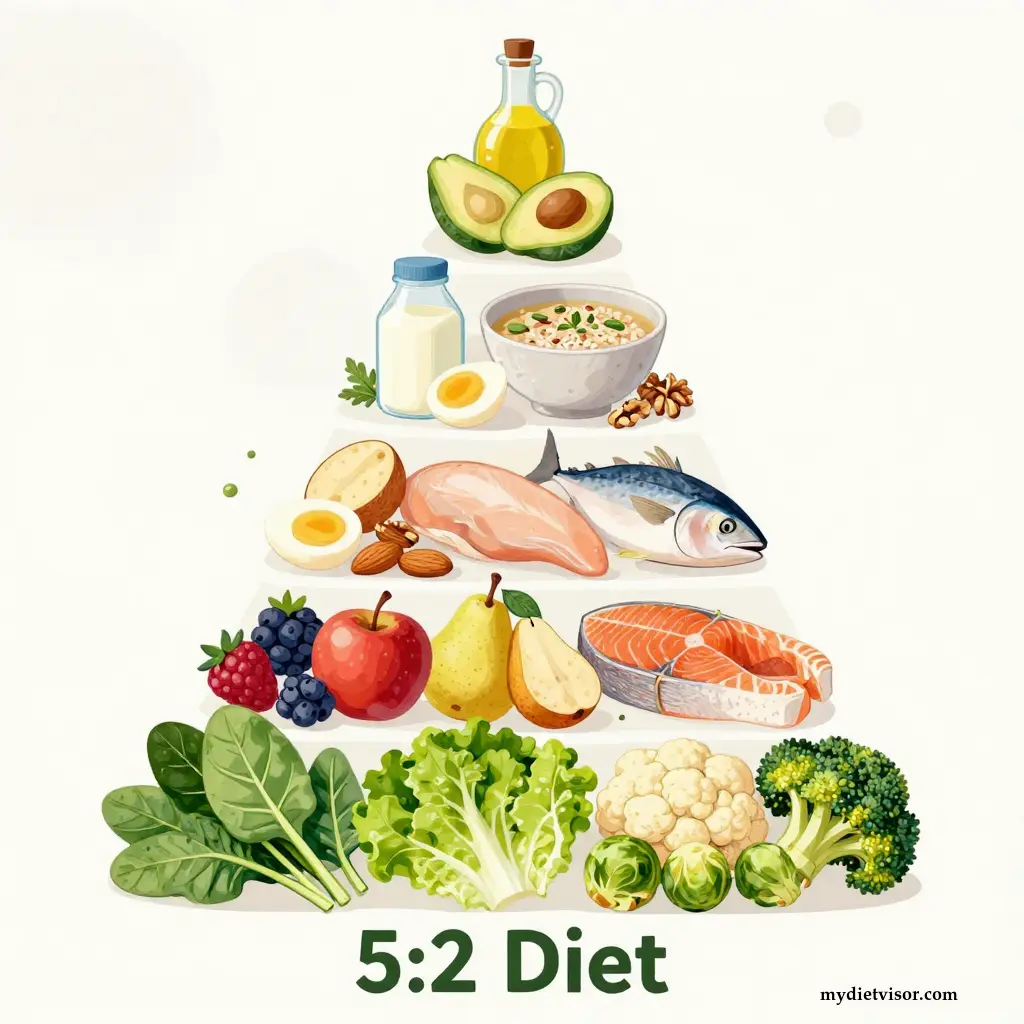
When following the 5:2 diet, understanding which food groups are recommended can make a substantial difference in achieving your health and wellness goals. This diet involves drastically reducing calorie intake on two days per week (around 500-600 calories) while eating normally on the other five days.
Here’s what you should focus on:
- Lean Proteins: Incorporate lean proteins such as chicken breast, turkey, tofu, or legumes into your meals. These foods help keep you full and provide essential nutrients.
- Vegetables: Non-starchy vegetables like broccoli, spinach, carrots, and bell peppers are low in calories but high in fiber and vitamins. They make great sides for your meals on fasting days.
- Whole Grains: Include whole grains such as quinoa, brown rice, or oats to provide sustained energy without spiking blood sugar levels.
- Healthy Fats: While you should limit fat intake on fasting days, it’s important to include healthy fats like avocados, nuts, and olive oil in your meals to maintain a balanced diet.
By focusing on these food groups, you can ensure that you are not only meeting your calorie targets but also providing your body with the necessary nutrients for optimal health. Studies show that this approach leads to better overall health outcomes compared to traditional calorie-restricted diets.
For instance, a study by Junren Kang and colleagues found that participants who followed an intermittent fasting 5:2 plus program lost an average of about 9% of their body weight over twelve weeks, which was significantly higher than the roughly 6% seen in those adhering to daily calorie restriction methods. This underscores how carefully selecting your food groups can enhance your diet’s effectiveness.
Remember, while the 5:2 diet offers numerous benefits, it’s essential to consult with a healthcare provider before starting any new dietary regimen, especially if you have pre-existing health conditions or take medications that might be affected by fasting.
By incorporating these recommended food groups into your meals on fasting days and maintaining balanced eating habits on non-fasting days, you can set yourself up for success in achieving both short-term goals and long-term health benefits.
Forbidden or Limited Foods on the 5:2 Diet
When following the 5:2 diet, it’s crucial to understand which foods should be limited or avoided during fasting days. The goal is to consume around 500-600 calories on these two non-consecutive days while choosing nutrient-dense foods that help you feel full and energized without derailing your plan.
Here are some general guidelines for what to limit:
- Processed Foods: Processed snacks, fast food, or ready-made meals often contain high levels of added sugars, unhealthy fats, and sodium but little nutritional value. These should be avoided during fasting days.
- Sugar-Rich Snacks: Sweets like candy bars, pastries, and sugary drinks can spike your blood sugar quickly and lead to crashes later on, making it harder to maintain steady energy levels throughout the day.
- Alcohol: Beverages such as beer, wine, or spirits are high in calories and lack nutritional benefits. They also interfere with fasting goals by adding unnecessary caloric intake.
Instead of these restricted foods, focus on incorporating:
- Lean Proteins: Opt for chicken breast, turkey, fish, tofu, or legumes to keep you feeling full and support muscle maintenance.
- Vegetables: Load up on leafy greens like spinach, broccoli, carrots, and bell peppers. These are low in calories but packed with vitamins and minerals.
- Whole Grains: Include small portions of brown rice, quinoa, or whole wheat bread for sustained energy.
The 5:2 diet is a part of an ancient tradition where people would eat less to improve their health or spiritual well-being. This historical context adds depth and interest to modern dietary practices like intermittent fasting.
By being mindful of these food choices during fasting days, you can ensure that your body gets the necessary nutrients while still adhering to calorie restrictions.
What Are the Nutritional Benefits of Following the 5:2 Diet?
The 5:2 diet, a form of intermittent fasting, offers several nutritional benefits that contribute to overall health and wellness. This eating pattern involves consuming roughly 500-600 calories on two non-consecutive days each week while maintaining normal caloric intake for the other five days. These nutritional advantages can significantly impact weight loss and metabolic health.
One major benefit is enhanced weight management. The restricted calorie intake during fasting days helps create a substantial weekly calorie deficit, leading to gradual yet sustainable weight loss over time. A study by Junren Kang and colleagues demonstrated that participants on the 5:2 diet lost an average of about 9% body weight over twelve weeks, which is notably higher than the roughly 6% average seen in those practicing daily calorie restriction without meal replacements.
In addition to promoting weight loss, the 5:2 diet can improve metabolic health. By alternating between days of normal eating and restricted intake, your body may better regulate blood sugar levels and reduce insulin resistance. This improvement is crucial for long-term health outcomes, as it lowers the risk of developing type 2 diabetes and cardiovascular diseases.
Furthermore, intermittent fasting diets like the 5:2 diet have been associated with reduced inflammation in the body. Chronic low-grade inflammation has been linked to various chronic conditions such as heart disease, cancer, and arthritis. By reducing overall calorie intake periodically, you can decrease systemic inflammation levels, contributing to better long-term health outcomes.
Moreover, adhering to the 5:2 diet encourages healthier food choices on non-fasting days due to increased awareness of caloric content and nutritional value. People often focus more on whole foods like vegetables, fruits, lean proteins, and whole grains during their regular eating periods, leading to a balanced and nutrient-dense diet.
The flexibility offered by the 5:2 diet also makes it easier for individuals to maintain over time compared to traditional calorie-restricted diets that impose strict daily caloric limits. This can help prevent feelings of deprivation or frustration commonly associated with more rigid dietary plans, thereby improving adherence rates.
In summary, the nutritional benefits of following the 5:2 diet include effective weight management, improved metabolic health, reduced inflammation, and better food choices due to increased awareness about nutrition. However, it’s important for individuals to consult healthcare professionals before starting this or any other restrictive diet to ensure safety and appropriateness based on their unique health conditions.
Ancient civilizations practiced fasting not just for religious reasons but also as a means of detoxifying the body and improving overall well-being. The 5:2 diet taps into these historical traditions while applying modern scientific understanding to enhance its effectiveness in contemporary times.
Are There Any Drawbacks to the 5:2 Diet?
The 5:2 diet, a form of intermittent fasting that involves eating around 500-600 calories on two days per week and maintaining normal caloric intake for the remaining five days, offers numerous benefits but also comes with potential drawbacks. One major concern is the difficulty in sticking to such strict dietary guidelines.
Firstly, adhering to a rigid calorie limit of only 500-600 calories on fasting days can be challenging due to hunger and cravings. Many individuals find it hard to resist temptation when surrounded by social situations where food plays a central role, making consistency difficult. For example, attending family gatherings or dining out with friends might make it tempting to indulge despite being in the middle of a fasting day.
Another potential drawback is the impact on metabolism. Some studies suggest that intermittent fasting diets like 5:2 can slow down your metabolic rate temporarily as your body adapts to periods of low-calorie intake. This metabolic slowdown could potentially hinder weight loss efforts and might cause a rebound effect where you regain weight once you return to regular eating patterns.
Nutrient deficiencies are also a concern if the diet is not well-planned. The focus on caloric restriction rather than specific nutrient requirements means that individuals may not get enough essential vitamins, minerals, or other nutrients like fiber, which are crucial for overall health and wellbeing. For instance, skipping out on fruits and vegetables during fasting days could lead to inadequate intake of vital antioxidants and phytonutrients.
Furthermore, the 5:2 diet might be less suitable for people with certain pre-existing medical conditions such as diabetes, hypothyroidism, or eating disorders. These individuals may experience adverse effects from drastic caloric reduction and should consult a healthcare provider before embarking on this dietary regimen to avoid potential complications.
Lastly, psychological factors play an important role in adherence to any diet plan. Feeling deprived during fasting days can lead to feelings of frustration or even depression, which might undermine long-term commitment to the diet. It’s crucial for individuals to find ways to manage these emotions and stay motivated throughout their journey with intermittent fasting.
In conclusion, while the 5:2 diet offers promising benefits for weight loss and metabolic health, it’s essential to be aware of its potential drawbacks and individual challenges. By carefully considering your own circumstances and seeking professional advice when necessary, you can make an informed decision about whether this dietary approach is right for you.
Interestingly, the 5:2 diet has roots in ancient fasting practices that were not only religious but also believed to have health benefits such as detoxification and spiritual cleansing. This historical context underscores how modern diets often draw inspiration from age-old traditions and beliefs about the body’s natural rhythms.
Sample Meal Plan for a Successful 5:2 Diet Week
Planning your meals ahead is crucial for a successful week on the 5:2 diet. Here’s how you can structure your fasting days within a seven-day cycle, ensuring that you stay within the recommended calorie range of about 500-600 calories.
Fasting Days Meal Plan
On your designated fasting days, distribute your intake evenly throughout the day rather than consuming all calories in one meal. Here’s a sample plan:
- Breakfast: Start with a light breakfast such as two slices of whole-grain toast topped with avocado or a small bowl of unsweetened oatmeal mixed with berries and cinnamon.
- Mid-Morning Snack: A snack like an apple, a few slices of cucumber, or half a banana can help manage hunger.
- Lunch: For lunch, consider having a salad packed with leafy greens (e.g., spinach, kale), chickpeas, cherry tomatoes, and a drizzle of olive oil and lemon juice.
- Afternoon Snack: Include a small snack like raw almonds or a hard-boiled egg to keep energy levels up.
- Dinner: End the day with a light dinner such as grilled chicken breast served with steamed broccoli and quinoa. This meal should be satisfying yet within your calorie limit.
Non-Fasting Days Meal Plan
On non-fasting days, focus on healthy eating habits without severe restrictions:
- Breakfast: Opt for a protein-rich breakfast like scrambled eggs or Greek yogurt topped with mixed berries.
- Lunch: Consider having a balanced meal such as grilled salmon with quinoa and steamed green vegetables.
- Dinner: Enjoy a variety of whole foods, perhaps a stir-fry with lean proteins (like tofu or shrimp) and plenty of colorful vegetables.
By following this structured approach on fasting days and focusing on balanced meals during non-fasting days, you can successfully adhere to the 5:2 diet while maintaining your nutritional needs. Remember, staying hydrated and mindful of portion sizes are key to managing calorie intake effectively.
Studies show: people who plan their meals ahead tend to stick to their dietary goals more consistently than those who do not plan. This structured approach can make the 5:2 diet easier to manage and more enjoyable!
Alternative or Similar Diets Worth Considering
When considering diets similar to the 5:2 diet, it’s valuable to explore different approaches that also offer health benefits and flexibility. One such option is the Time-Restricted Feeding (TRF) method, which focuses on eating all your meals within a specific window of time each day rather than restricting calories on certain days.
- Time-Restricted Feeding (TRF): This approach involves limiting your daily food intake to an 8-hour period and fasting for the remaining 16 hours. For example, you might eat between noon and 8 PM every day. TRF can be particularly appealing because it doesn’t require counting calories or drastically reducing food intake on specific days.
- Benefits Comparable to 5:2: Both diets aim to improve metabolic health by promoting fat loss and enhancing insulin sensitivity. The TRF method also has been shown to reduce inflammation, support heart health, and enhance cognitive function.
- Flexibility in Eating Habits: Unlike the strict calorie limits on fasting days of the 5:2 diet, TRF allows for a more relaxed approach during meal times while still adhering to a set eating window. This can make it easier for people to maintain long-term adherence without feeling overly restricted.
For those seeking alternatives that offer similar health benefits but with different mechanisms and structures, Time-Restricted Feeding is an excellent option to consider. It provides flexibility in daily routines and aligns well with modern lifestyles where maintaining regular eating patterns can be challenging due to work schedules and social commitments.
Another diet worth considering is the 16/8 Method, a variant of TRF that involves fasting for 16 hours every day while having an 8-hour window to eat. This method simplifies meal planning by eliminating the need to count calories or track food intake on specific days, making it easier to maintain over time.
- Benefits Similar to Time-Restricted Feeding: Like TRF, the 16/8 Method helps regulate blood sugar levels and supports weight loss without requiring severe calorie reduction. Both methods also encourage healthy eating habits by promoting mindful consumption during designated meal times.
- Easier Long-Term Adherence: The simplicity of having a fixed daily routine can make it more sustainable for individuals compared to the intermittent nature of the 5:2 diet.
By exploring these alternative diets, you can find one that best suits your lifestyle and health goals while still reaping similar benefits to those offered by the 5:2 diet. Whether through Time-Restricted Feeding or the 16/8 Method, there are various paths to achieving better health through dietary adjustments tailored to individual needs.
Did you know that ancient cultures often incorporated fasting periods into their religious practices? These traditions have influenced modern diets like the 5:2 diet and TRF methods, showing how historical practices can offer contemporary solutions for health improvement.
What Are Common Challenges When Starting the 5:2 Diet?
Starting the 5:2 diet can present several challenges, especially in the initial stages. Here are a few common hurdles you might face:
- Managing Hunger and Cravings: On fasting days, your body may react with increased hunger signals or cravings for high-calorie foods. It’s important to stay hydrated and find non-food ways to manage these feelings, such as drinking herbal teas or engaging in light activities like walking.
- Difficulty Adapting Your Daily Routine: Adjusting to the diet might disrupt your regular eating habits, making it harder to stick to your fasting days if you have a busy schedule. Planning meals ahead of time and packing healthy snacks can help maintain consistency even on hectic days.
- Navigating Social Situations: Eating differently from friends or family members during gatherings can be challenging. Informing close contacts about the 5:2 diet beforehand can reduce social pressures, as understanding supports adherence to your dietary goals.
- Maintaining Motivation Over Time: Sticking to any new routine requires consistent effort and motivation. Tracking progress regularly and celebrating small victories can help sustain enthusiasm for longer-term success.
Each person’s experience with the 5:2 diet will vary based on individual circumstances and responses. Consulting a healthcare provider before beginning this or any other dietary regimen is recommended, especially if you have existing health conditions that could be affected by significant changes in eating patterns.
Did you know that some animals naturally engage in intermittent fasting behaviors as part of their survival strategies? For instance, bears and bats reduce food intake during times when resources are scarce, mimicking the principles behind human intermittent fasting diets like 5:2.
Conclusion and Summary of Key Points About the 5:2 Diet
The 5:2 diet, a form of intermittent fasting introduced by Michelle Harvie and Mark Mattson in a scientific paper published in 2011, offers an innovative approach to weight loss and overall health improvement. This dietary pattern involves eating approximately 500-600 calories on two non-consecutive days each week while maintaining regular caloric intake for the other five days. The diet gained significant attention through Michael Mosley’s BBC documentary “Eat, Fast and Live Longer” in 2012, which highlighted its potential benefits beyond just weight loss.
In the United Kingdom, healthcare professionals recommend consulting a physician before starting this dietary regimen due to individual health considerations. Despite these recommendations, the 5:2 diet has seen notable adoption not only in the UK but also across Australia following Mosley’s documentary.
A key study conducted by Junren Kang and colleagues evaluated the effectiveness of an intermittent fasting 5:2 plus program among Chinese adults struggling with overweight or obesity over a period of twelve weeks. The research compared three groups: those practicing the 5:2 diet, those adhering to daily calorie restriction, and those combining daily calorie restriction with meal replacements. Participants in the 5:2 diet group achieved an average weight loss of around 9%, whereas those following daily calorie restriction without meal replacements lost approximately 5.7% on average.
In summary:
- The 5:2 diet was scientifically introduced in a research paper in 2011.
- It gained widespread recognition through Michael Mosley’s documentary in 2012.
- NHS recommends consulting a healthcare provider before starting this regimen due to safety concerns.
- A pilot study demonstrated that the 5:2 plus program can lead to significant weight loss compared to daily calorie restriction methods, providing promising results for individuals seeking effective and sustainable dietary solutions.
Understanding these key points helps in recognizing the potential benefits of the 5:2 diet while also being aware of its challenges. It is essential to approach this dietary plan with a balanced perspective, considering both its advantages and limitations tailored to individual health needs and lifestyles.
Frequently Asked Questions (FAQ)
- What is the 5:2 diet?
The 5:2 diet involves eating normally for five days a week and restricting calorie intake to around 500-600 calories on two non-consecutive days, usually with no specific food restrictions. - How can I start the 5:2 diet safely?
Before starting any fasting regimen like the 5:2 diet, it’s recommended to consult a physician or healthcare provider to ensure safety and suitability based on your individual health status. - Can I eat anything during my fasting days as long as I stay under 600 calories?
While there are no strict food rules, focusing on nutrient-dense foods like vegetables, lean proteins, and whole grains can help you meet calorie goals without sacrificing nutrition. - Does the 5:2 diet work for weight loss in men just as it does for women?
Yes, research shows that both men and women may experience benefits from the 5:2 diet, including potential improvements in metabolic health markers alongside weight loss. - What are some tips to make fasting days easier?
Drinking plenty of water, avoiding sugary drinks, planning meals ahead of time, and engaging in light exercise like walking can help manage hunger pangs during fasting periods. - Is it necessary to eat at certain times on non-fasting days?
While the 5:2 diet does not specify meal timing, maintaining regular eating patterns can be beneficial for overall health. It’s recommended to have balanced meals throughout the day without overeating. - Can I do other forms of fasting with the 5:16 method (a form of daily intermittent fasting) in conjunction?
Combining different fasting methods requires careful planning and may affect your energy levels or nutrient intake, so consulting a healthcare provider is advisable to ensure safety and effectiveness. - How long should someone follow the 5:2 diet before seeing results?
Results vary by individual, but noticeable changes like weight loss or improved energy levels might become apparent within one to two months of consistent adherence to the plan. - Are there any mental health benefits associated with intermittent fasting such as the 5:2 diet?
Some studies suggest that periodic fasting may positively impact brain function and mood regulation. However, individual responses can differ, so monitoring your personal experience is important. - How do I know if the 5:2 diet is right for me compared to other diets like keto or paleo?
Choosing between different dietary approaches depends on various factors including health goals, lifestyle, food preferences, and medical considerations. Consulting a healthcare professional can provide personalized guidance.