
What is the Grapefruit Diet?

The Grapefruit Diet (Hollywood Diet), also known as the 18-Day diet, is a classic fad that swept through Hollywood during its heyday in the mid-20th century. Promoted as an easy way to drop pounds quickly, this diet gained popularity among celebrities and those looking for a quick fix to their weight concerns. At its core, the Grapefruit Diet encourages eating half a grapefruit at each meal alongside high-fat and protein-rich foods while severely restricting other food groups like grains, fruits (except grapefruits), and most vegetables. Despite its enduring reputation as a miracle cure for excess pounds, does it really live up to the hype?
Imagine starting your day with a tangy slice of grapefruit, only to find yourself restricted from enjoying many of your favorite foods throughout the day. This is exactly what the Grapefruit Diet promises – a strict regimen designed to curtail calorie intake and boost weight loss through the supposed fat-burning properties of grapefruits. However, this diet’s reliance on unverified claims about the magical qualities of grapefruit raises red flags among health experts who advocate for a more balanced approach to nutrition and wellness.
Critics argue that the Grapefruit Diet not only lacks scientific backing but also poses significant nutritional drawbacks. By limiting food choices so dramatically, dieters risk falling short on essential vitamins and minerals needed for optimal health. This means that while you might see initial weight loss due to caloric restriction, your body could be missing out on crucial nutrients necessary for energy, immune function, and overall well-being.
A Brief History of the Grapefruit Diet
The Grapefruit Diet has its roots in the United States during the Great Depression era. It first appeared around 1930, when restrictive diets were gaining popularity as people sought quick fixes for their financial and personal health challenges. The diet’s initial incarnation involved eating half a grapefruit with each meal, coupled with strict limitations on other food groups to drastically reduce calorie intake.
Over the years, the Grapefruit Diet has seen various iterations but remained consistent in its promise of rapid weight loss. During the 1930s and 1940s, it became particularly popular among Hollywood stars who needed to shed pounds quickly for roles or photo shoots. The allure of a “miracle diet” that promised fast results without much effort contributed to its widespread adoption.
As time went on, nutritionists and health experts began pointing out the potential dangers of such restrictive eating patterns. By the late 1930s, medical professionals were already issuing warnings about the nutritional inadequacies and potential harm caused by following the Grapefruit Diet strictly for extended periods.
Despite these concerns, the Grapefruit Diet experienced a resurgence in popularity during the 1980s when it was marketed as a “10-day, 10-pound-off” program. This version reintroduced the concept to a new generation of dieters seeking quick solutions to their weight loss goals. The diet’s enduring appeal can be attributed to its simple structure and promise of rapid results.
Throughout its history, the Grapefruit Diet has been criticized for its lack of scientific support and questionable nutritional value. However, it continues to attract followers who are drawn to its potential for quick fixes and simplified meal plans.
Recommended Foods for the Grapefruit Diet
When embarking on the Grapefruit Diet, adherents are told to focus primarily on foods that complement grapefruits’ supposed fat-burning properties. The diet recommends incorporating high-protein and high-fat meals while drastically limiting other food groups. A typical day might start with half a grapefruit at breakfast, followed by a lunch of lean protein like chicken or fish paired with a salad dressed lightly in olive oil but without many additional vegetables. Dinner could consist of similar ingredients: another serving of protein along with more non-starchy vegetables and the mandatory half-grapefruit addition.
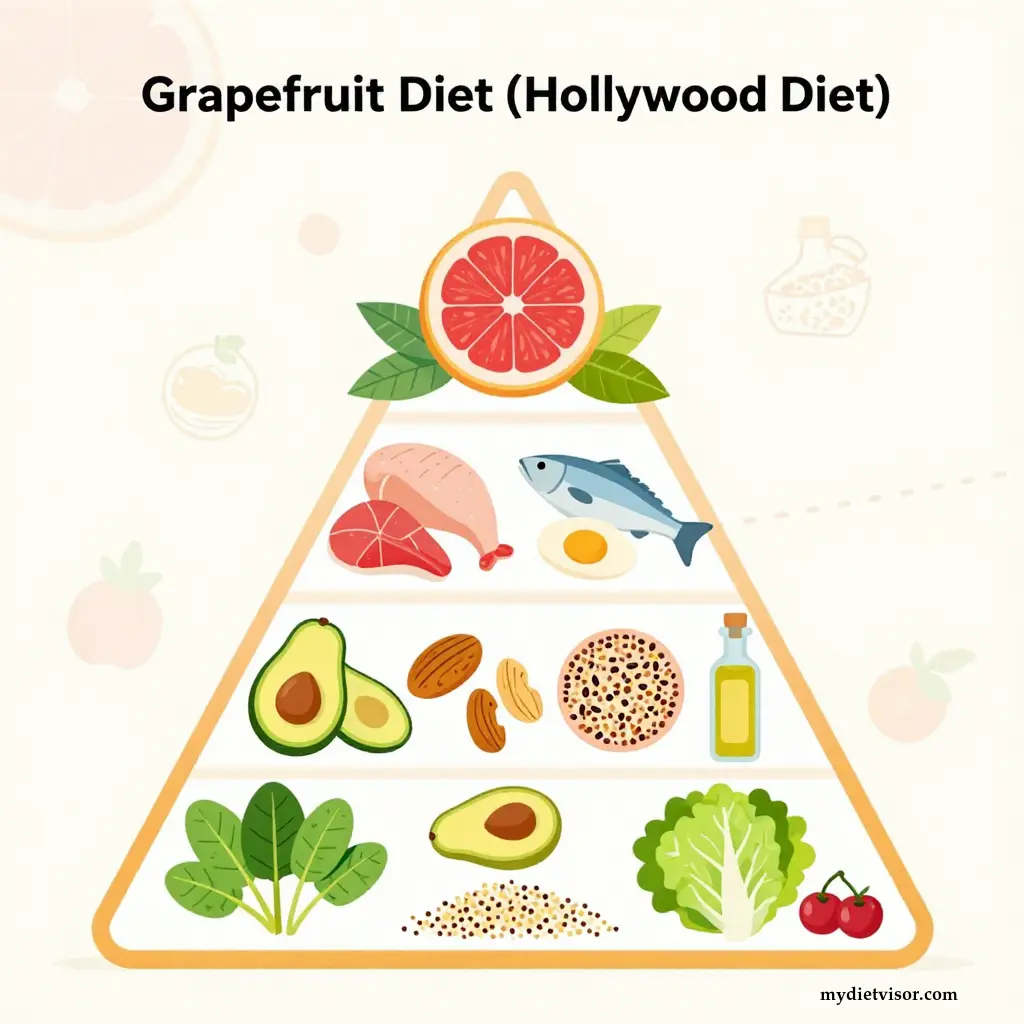
Despite its name, the diet’s focus is not solely on grapefruits but rather on a very restricted list of foods that are supposed to promote weight loss when eaten alongside grapefruit. Proponents claim that consuming grapefruit helps increase metabolism, though there isn’t substantial scientific evidence to back this up. Instead, the rapid results often seen during such restrictive diets stem more from significant caloric deficits than any magical properties attributed to grapefruits.
The Grapefruit Diet’s meal plan is quite limited and repetitive, which can make adhering to it challenging over time. Dieters are advised to avoid grains, most fruits, sugars, and starchy vegetables like potatoes and corn. This leaves very few options for variety or enjoyment in meals, making the diet hard to maintain long-term without feeling deprived.
One of the critical components of any effective weight loss strategy is ensuring that your body receives all necessary nutrients while reducing calorie intake. However, by drastically limiting food groups and focusing so heavily on grapefruit consumption, the Grapefruit Diet fails to provide adequate nutrition. For instance, cutting out grains can lead to deficiencies in B vitamins and fiber, which are essential for digestion and energy levels.
Moreover, excluding fruits other than grapefruits deprives your diet of a wide range of antioxidants, fibers, and other beneficial compounds found in various types of fruit. This restrictive approach not only limits nutritional diversity but also misses out on the health benefits associated with consuming a variety of plant-based foods.
In conclusion, while the Grapefruit Diet may offer short-term weight loss due to its highly restrictive nature, it falls short when considering long-term sustainability and overall health. Dieters often find themselves craving forbidden foods and struggling to maintain adherence beyond the initial few weeks, leading many nutritionists to advise against this approach in favor of balanced, sustainable diets that focus on gradual changes rather than radical restrictions.
Does the Grapefruit Diet Have Any Scientific Basis?
The scientific community has long scrutinized diets like the Grapefruit Diet for their effectiveness and safety. Studies investigating the impact of grapefruits on metabolism have produced mixed results, with some showing modest benefits but falling short of proving any miraculous fat-burning effects.
Research Findings
Several studies suggest that eating grapefruit or drinking its juice might aid in weight loss by affecting insulin levels and reducing appetite, which can lead to lower calorie intake. However, the evidence is far from conclusive:
- Appetite Suppression: A small study found that participants who ate half a fresh grapefruit before meals experienced greater satiety and consumed fewer calories overall compared to those who did not eat grapefruit.
- Insulin Levels: Some research indicates that consuming grapefruit can improve insulin sensitivity, which may help regulate blood sugar levels and contribute to weight loss. However, these effects are minor when compared to significant lifestyle changes like exercise or a balanced diet.
Comparing Grapefruit Diet Claims with Scientific Evidence
| Claim of the Grapefruit Diet | Supporting Evidence from Studies |
|---|---|
| Promotes rapid fat burning | Some studies show no significant fat-burning properties, only slight metabolic improvements. |
| Enhances weight loss | Limited evidence supports moderate weight loss when grapefruit is part of a balanced diet; isolated benefits are minimal. |
| Improves insulin sensitivity | Studies confirm this but to a lesser extent than expected by proponents of the diet. |
While these findings suggest some potential health benefits from consuming grapefruits, they do not support the exaggerated claims made about the Grapefruit Diet’s effectiveness and safety.
Nutritional Value vs. Health Risks
The restrictive nature of the Grapefruit Diet means that dieters might miss out on vital nutrients found in other food groups like whole grains, legumes, fruits (except grapefruits), and starchy vegetables. This can lead to deficiencies in essential vitamins and minerals such as iron, calcium, magnesium, and fiber.
Moreover, the dramatic reduction in calorie intake required by the Grapefruit Diet can cause side effects like fatigue, dizziness, and irritability, making it difficult for individuals to maintain adherence over time. These symptoms underscore the importance of a balanced diet that provides sufficient nutrition without severe caloric restrictions.
Alternative Approaches
Rather than relying on diets with unverified claims, health experts recommend adopting sustainable habits such as regular physical activity, mindful eating, and incorporating a variety of nutritious foods into your daily routine. These practices not only promote weight loss but also support overall wellness by ensuring adequate intake of essential nutrients.
In summary, while grapefruits may offer some benefits when integrated into a balanced diet, the Grapefruit Diet itself lacks solid scientific backing for its proclaimed efficacy in achieving long-term health and weight management goals.
Are There Health Risks Associated with the Grapefruit Diet?
As you delve into the details of the Grapefruit Diet, one cannot overlook the potential health risks that come along with its restrictive nature. The diet’s severe limitations on food groups can lead to nutritional deficiencies and other health issues, which might not be immediately apparent but can have lasting effects.
One significant risk is vitamin deficiency. By cutting out entire food categories such as grains, fruits (except grapefruits), sugars, and starchy vegetables, the Grapefruit Diet limits your intake of essential vitamins and minerals. For example, grains are a primary source of B vitamins and fiber, which are crucial for energy production and digestive health. Without these nutrients, you may experience symptoms like fatigue, constipation, and weakened immune function.
Moreover, mineral deficiencies can occur when you exclude foods rich in calcium, magnesium, iron, and zinc – important minerals that help regulate various bodily functions such as bone density, muscle contractions, and blood clotting. A lack of these essential nutrients not only hampers your physical performance but also puts your long-term health at risk.
Another concern is caloric restriction. The Grapefruit Diet often involves drastically reducing caloric intake to induce rapid weight loss. However, such a severe calorie deficit can cause metabolic slowdown and nutrient deprivation, making it hard for the body to function optimally. This state of semi-starvation can lead to side effects like dizziness, nausea, headaches, and irritability, which are hardly conducive to sustained adherence or overall well-being.
Gastrointestinal issues are also common among those following the Grapefruit Diet. The sudden change in diet and the high acidity from grapefruits might upset your digestive system, causing discomfort such as heartburn, bloating, and indigestion. Over time, this can exacerbate existing gastrointestinal conditions or trigger new ones.
Did you know that excessive consumption of grapefruit juice has been linked to drug interactions? The fruit contains compounds called furanocoumarins which can interfere with certain medications, leading to potential health risks such as increased blood pressure and cholesterol levels when combined with specific drugs.
While the Grapefruit Diet might offer quick results due to its restrictive nature, it poses numerous risks that far outweigh any short-term benefits. Health experts generally advise against following diets like this for prolonged periods, as they can harm your nutritional balance and overall health in the long run. Instead, focusing on a balanced diet rich in fruits, vegetables, whole grains, proteins, and healthy fats is recommended to achieve sustainable weight loss and maintain optimal health.
In conclusion, while the Grapefruit Diet might seem appealing with its promises of rapid weight loss, it’s crucial to weigh these benefits against the potential risks before embarking on such restrictive eating patterns.
How Effective Is the Grapefruit Diet for Weight Loss?
Proponents of the Grapefruit Diet often cite metabolic benefits as one of its primary selling points. They claim that consuming grapefruits can boost metabolism, leading to increased fat burning and more significant weight loss results. However, when we look at the science behind these claims, they are not entirely supported.
Metabolism is a complex process regulated by various factors including genetics, age, muscle mass, and diet. While some studies suggest that grapefruit consumption might have minor effects on metabolism, such as slightly improving insulin sensitivity or reducing appetite, there is no substantial evidence to prove any significant fat-burning properties attributed to the fruit alone.
Metabolism Boosting Claims
- Myth: Grapefruits drastically increase metabolic rate.
- Reality: Some studies indicate a slight improvement in metabolic efficiency but not enough to cause rapid weight loss on their own.
The idea that grapefruit can miraculously boost metabolism is more of an urban myth than a scientific fact. The modest benefits observed in some research do not justify the restrictive nature and potential nutritional drawbacks of following such a rigid diet plan.
Long-term Weight Loss
One critical aspect often overlooked when considering diets like the Grapefruit Diet is their sustainability for long-term weight loss. While rapid initial results might be appealing, maintaining such strict dietary restrictions over an extended period can be challenging both physically and mentally.
People who follow restrictive diets often experience a range of negative side effects including irritability, fatigue, and difficulty concentrating. These symptoms not only make the diet hard to stick to but also contribute to weight regain once the dieter returns to normal eating patterns.
Short-term Benefits vs Long-term Risks
While it’s true that some people may see quick results from adhering strictly to the Grapefruit Diet, these benefits often come at a cost. The rapid weight loss is typically due to significant caloric deficits rather than any unique properties of grapefruits. As soon as you reintroduce normal foods and increase your calorie intake, the pounds can quickly come back.
Moreover, depriving yourself of entire food groups for weeks on end can lead to nutrient deficiencies that might manifest later in chronic health conditions or weakened immune systems. This makes long-term adherence both impractical and unhealthy.
Alternative Approaches
Instead of relying on fad diets with unverified claims, consider adopting a balanced approach to weight loss that includes regular exercise, mindful eating practices, and the inclusion of a variety of nutritious foods. These methods not only promote gradual but sustainable weight loss but also support overall health by ensuring you get all the necessary nutrients your body needs.
In summary, while grapefruits might offer some minor benefits in terms of metabolism and appetite control when consumed as part of a balanced diet, there is no substantial scientific evidence to back up the claims made about the Grapefruit Diet. Its restrictive nature poses significant risks for long-term health and sustainability, making it a less viable option compared to more well-rounded approaches to weight management.
Success Stories and Common Misconceptions
Despite its controversial status among nutritionists, the Grapefruit Diet continues to attract followers who believe in its potential for quick results. Many people share their success stories online, attributing their rapid weight loss solely to following this strict regimen. However, these anecdotal accounts often lack scientific validation and overlook several key factors that contribute to successful outcomes.
Common Misconceptions
- Myth: Eating grapefruit leads directly to significant fat burning.
- Reality: The calorie deficit created by the diet’s restrictions is likely the primary driver of weight loss.
One common misconception is that consuming large quantities of grapefruits alone can trigger substantial fat loss. In reality, any rapid weight loss experienced on this diet stems more from drastically reducing overall caloric intake than any unique metabolic effects of grapefruit consumption.
Another frequent misunderstanding is the belief that grapefruits possess magical properties capable of melting away pounds without requiring additional lifestyle changes or sacrifices in other areas like exercise and balanced nutrition. This oversimplification ignores the complex interplay between diet, physical activity, genetics, and individual health conditions that truly influence weight loss outcomes.
Skepticism from Health Experts
Health professionals often express skepticism about these exaggerated claims, pointing out that sustainable and healthy weight loss typically requires a combination of dietary modifications, increased physical activity, behavioral changes, and long-term commitment. The Grapefruit Diet’s focus on extreme restrictions rather than holistic lifestyle adjustments aligns poorly with modern nutritional guidelines.
Realistic Expectations
It’s important for dieters to approach the Grapefruit Diet – or any other fad diet – with realistic expectations about what it can deliver in terms of health benefits versus potential risks. Achieving sustainable weight loss and maintaining good health over time usually demands a more comprehensive strategy than a brief stint on an overly restrictive plan.
By understanding these misconceptions and seeking evidence-based advice from reputable sources, individuals can make informed decisions about their diet choices and set achievable goals that prioritize both short-term success and long-term well-being.
What Are the Nutritional Deficiencies in the Grapefruit Diet?
The Grapefruit Diet severely restricts various food groups that provide essential nutrients, leading to potential nutritional deficiencies. By limiting grains, fruits (except grapefruits), sugars, starchy vegetables, and most other types of carbohydrates, dieters miss out on a wide range of vitamins, minerals, and fiber.
Key Nutrient Deficiencies
- B Vitamins: Grains are an excellent source of B vitamins such as thiamine (B1) and niacin (B3), which play crucial roles in energy metabolism. Restricting grains can lead to deficiencies that affect your body’s ability to convert food into usable energy, causing fatigue.
- Fiber: Diets lacking whole grains and starchy vegetables are also low in fiber. Fiber is important for digestive health, helping prevent constipation and maintaining a healthy gut microbiome. Without adequate fiber intake, you might experience discomfort or irregularity.
- Calcium: Dairy products and leafy greens provide calcium essential for bone strength and muscle function. Restricting these food groups can lead to weakened bones over time.
- Iron: While the diet allows lean meats as protein sources, it still risks iron deficiency due to the exclusion of other rich sources like spinach, beans, and fortified cereals. Iron is crucial for oxygen transport in blood cells, and a deficiency can cause anemia, leading to fatigue and poor cognitive function.
Impact on Overall Health
The Grapefruit Diet’s restrictive nature not only affects your weight but also compromises your overall health. For instance, deficiencies in iron can result in reduced energy levels and impaired cognitive performance, while insufficient calcium can increase the risk of osteoporosis later in life.
Additionally, by limiting fruits other than grapefruits, you miss out on a variety of antioxidants, vitamins C and K, and phytonutrients that are vital for immune health, skin integrity, and disease prevention. This lack of diversity in your diet can leave you vulnerable to various illnesses and reduce your body’s ability to fight off infections.
Long-term Consequences
Adhering strictly to the Grapefruit Diet over extended periods can have long-lasting negative effects on your nutritional status. Chronic deficiencies may lead to serious health issues such as weakened immune response, cardiovascular problems, and hormonal imbalances. These conditions can take years to develop but will significantly impact your quality of life.
To illustrate this point further, let’s compare the nutritional profile of a typical day’s meals on the Grapefruit Diet versus a balanced diet:
| Nutrient | Grapefruit Diet (Sample Meal Plan) | Balanced Diet (Sample Meal Plan) |
|---|---|---|
| Total Calories | 1000-1200 | 1500-2000 |
| Protein | Adequate | Adequate |
| Fats | High | Moderate |
| Carbohydrates | Low | Balanced |
| Fiber | Very low | High |
| Vitamin C | Sufficient (from grapefruit) | Abundant |
| Iron | Potentially deficient | Adequate |
| Calcium | Potentially deficient | Adequate |
As shown, while the Grapefruit Diet may provide adequate protein and some vitamins due to its heavy reliance on grapefruits, it falls short in essential nutrients like fiber, iron, and calcium. This imbalance can lead to various health issues and hinder your ability to maintain a healthy weight long-term.
In conclusion, while grapefruits offer certain benefits such as enhancing satiety and potentially improving insulin sensitivity when consumed moderately, the Grapefruit Diet’s extreme restrictions on food groups pose significant nutritional risks. It’s crucial to consider these drawbacks alongside any potential short-term benefits before embarking on such restrictive eating patterns.
Why Does the Grapefruit Diet Lack Specificity and Consistency?
The Grapefruit Diet’s lack of specificity in recommended foods and its inconsistent meal plans contribute significantly to skepticism about its efficacy. This vagueness hinders both scientific evaluation and practical application, making it difficult for individuals to follow consistently or verify results.
Vagueness in Dietary Recommendations
One major issue is the ambiguity surrounding exactly what constitutes a “high-fat and protein-rich” diet alongside grapefruit consumption. While the Grapefruit Diet emphasizes consuming lean proteins such as chicken and fish with non-starchy vegetables, there are no clear guidelines on portion sizes or calorie counts. This lack of specificity means that dieters might interpret the rules differently, leading to varied outcomes in weight loss and health impacts.
Variability in Meal Plans
Over time, different versions of the Grapefruit Diet have emerged, each offering slight variations in recommended foods and restrictions. For instance, some iterations may allow small amounts of dairy products or certain vegetables that others strictly prohibit. This inconsistency not only complicates adherence for dieters but also confounds researchers attempting to assess its effectiveness scientifically.
| Version | Key Differences |
|---|---|
| Original 1930s Diet | Allowed very little carbohydrate intake |
| 1980s “10-day” Program | More permissive on certain vegetables |
These differences in recommendations can lead to confusion among dieters and undermine the credibility of claims about its efficacy. Without standardized guidelines, it becomes challenging to determine whether observed weight loss is due to grapefruit consumption or simply a result of caloric restriction.
Impact on Scientific Evaluation
The lack of specificity and consistency in meal plans makes it difficult for scientific studies to produce reliable results regarding the Grapefruit Diet’s effectiveness. When evaluating diet-based interventions, researchers need precise information about food intake, portion sizes, and nutritional content to draw valid conclusions.
Inadequate guidelines also mean that nutritionists and health professionals cannot recommend this diet confidently or advise patients accurately on how to follow it safely. This ambiguity raises ethical concerns as it might lead individuals to make unhealthy dietary choices based on unverified claims.
Potential Health Impacts
Moreover, the vague recommendations can have negative impacts on dieters’ nutritional intake. For example, some versions of the Grapefruit Diet may inadvertently encourage overconsumption of high-fat foods without providing clear limits or alternatives. This could result in individuals consuming excessive amounts of unhealthy fats and sugars while still feeling restricted in other areas.
Conclusion
In summary, the Grapefruit Diet’s lack of specificity and consistency undermines its credibility as a reliable weight loss tool. By not offering clear dietary guidelines, it complicates both adherence for dieters and scientific evaluation by researchers. This ambiguity highlights why health experts generally advise against following such restrictive diets without concrete evidence of long-term benefits.
By addressing these issues and providing more detailed nutritional guidance, future iterations of similar diet plans could potentially offer better support for sustainable weight loss while minimizing risks to overall health and well-being.
Summary: The Truth About the Grapefruit Diet
The Grapefruit Diet may offer initial allure with promises of rapid weight loss, but its restrictive nature and lack of scientific backing make it a questionable choice for long-term health and wellness. By limiting essential food groups and nutrients, the diet risks causing deficiencies that can lead to fatigue, weakened immune function, and other chronic health issues. While some studies suggest potential benefits from moderate grapefruit consumption as part of a balanced diet, the Grapefruit Diet’s extreme approach falls short in providing sustainable weight loss and overall nutritional balance. For lasting results, it’s advisable to opt for evidence-based methods that emphasize gradual changes, diverse eating habits, and holistic lifestyle adjustments.
Frequently Asked Questions (FAQ)
What are some potential side effects of following the Grapefruit Diet long-term?
The Grapefruit Diet often lacks essential nutrients when followed for extended periods, which can lead to malnutrition. It may also cause issues like fatigue and weakness due to insufficient calorie intake.
Is it safe for everyone to follow the Grapefruit Diet?
No, the diet is not recommended for individuals with certain health conditions or those taking medications that interact negatively with grapefruit juice, such as some heart medications.
Can I eat other fruits besides grapefruit on this diet?
The diet typically restricts most fruits except for grapefruit. Eating a variety of fruits could help provide necessary nutrients but might be discouraged by the strict rules of the Grapefruit Diet.
Does the Grapefruit Diet really require eating high-fat and protein-rich foods every day?
Yes, adhering to the diet usually involves consuming foods that are high in fat and proteins at each meal alongside grapefruit to keep calorie intake within limits set by the diet’s guidelines.
Are there variations of the Grapefruit Diet that might be healthier or more sustainable?
Some people adapt the basic principles of the diet by including a wider range of nutritious food options while maintaining its core structure, but these modifications aren’t officially endorsed versions and may not align with original claims about effectiveness.
What happens if I stop eating grapefruit during the diet?
If you cease to include grapefruit in your meals as per dietary guidelines, you might not see results promised by the diet or miss out on potential benefits linked specifically to grapefruit consumption.
Does the Grapefruit Diet help control blood sugar levels for people with diabetes?
There isn’t enough scientific evidence to support claims that the Grapefruit Diet helps regulate blood sugar effectively. People with diabetes should consult healthcare providers before starting any new dietary regimen.
Can I still drink alcohol while on the Grapefruit Diet?
Alcohol is generally not recommended during the diet due to its high caloric content and potential interactions with grapefruit components which can affect medication metabolism.
How does the Grapefruit Diet impact heart health?
The emphasis on animal fats and protein might pose risks for cardiovascular health, as it lacks heart-healthy nutrients found in a balanced diet including fruits, vegetables, whole grains, and healthy fats.
Is there any long-term research about how the Grapefruit Diet affects weight maintenance after completing the program?
Long-term studies are scarce regarding the diet’s efficacy for sustaining weight loss over years. Most successful diets focus on sustainable lifestyle changes rather than short-term fixes.