What is the MIND Diet?
The MIND diet is not just another fad; it’s a scientifically-backed nutritional plan designed to boost your brain health and combat cognitive decline. Developed by researchers at Rush University Medical Center, the MIND diet cleverly combines elements from both the Mediterranean and DASH diets to create something uniquely beneficial for our brains. Imagine eating your way to better mental clarity, sharper focus, and enhanced memory – this isn’t a dream; it’s the promise of the MIND diet.
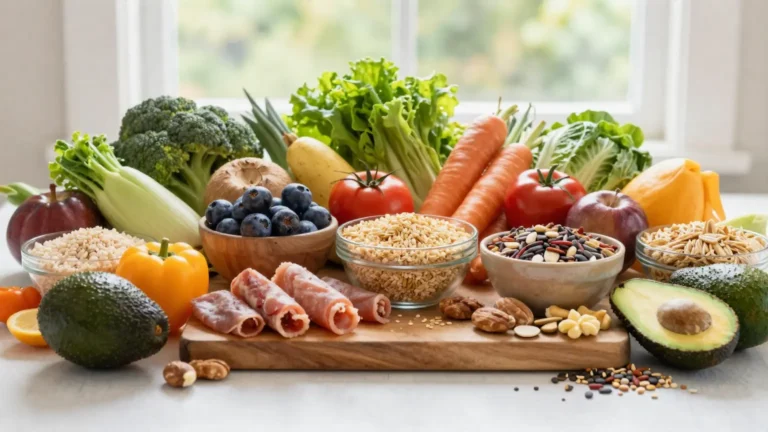
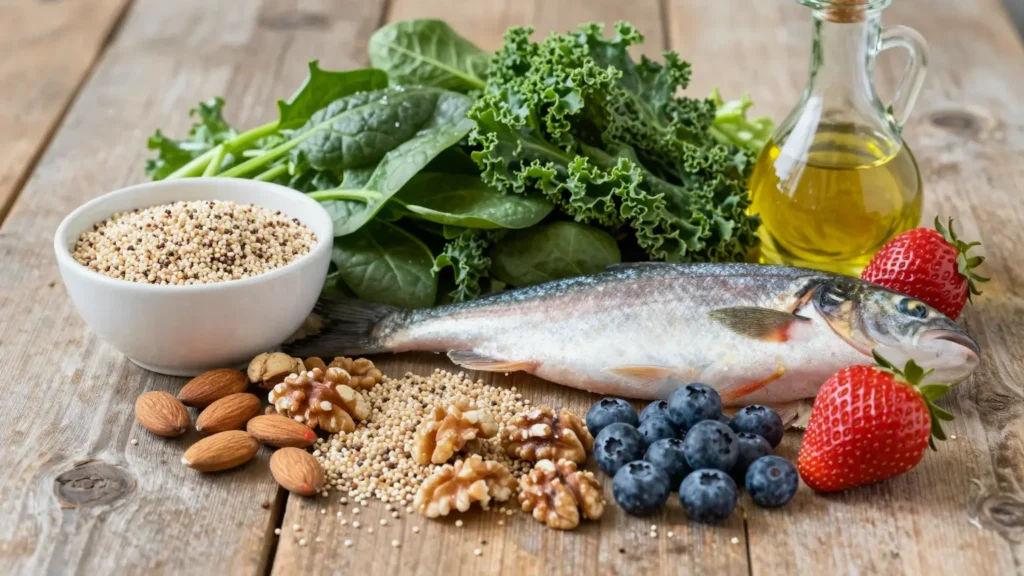
At its core, the MIND diet focuses on whole foods that are rich in antioxidants, vitamins, minerals, and healthy fats – ingredients known to nourish our brain cells. Picture yourself enjoying delicious meals packed with leafy greens, nuts, berries, and fish while sipping a glass of red wine at dinner. This isn’t about deprivation; it’s about embracing foods that actually support your cognitive functions every day.
By integrating key components from the Mediterranean diet – like olive oil, whole grains, and plenty of fruits and vegetables – and beneficial aspects from the DASH diet – such as low sodium intake and an emphasis on dairy alternatives – the MIND diet offers a balanced approach to eating for brain health. It’s about understanding that what you put in your body directly affects how well your mind performs.
So why not take a closer look at the MIND diet? Discover how simple dietary changes could significantly impact your cognitive wellbeing and start exploring meals that nourish both your taste buds and your brain.
Key Components of the MIND Diet
Switching to the MIND diet doesn’t have to be daunting; it can actually be an exciting journey of discovering new recipes and flavors that benefit your brain health. The key is making gradual changes that are sustainable in the long term.
Start by incorporating one or two new ingredients from the recommended list each week, such as adding spinach to your morning smoothie or swapping out red meat for fish on a weekly basis. Over time, these small adjustments will become habits that make up your regular diet.
Think of it like adding chapters to a storybook – each change builds upon the last, making the overall picture more complete and impactful. For instance, try replacing butter with olive oil in your cooking or snacking on almonds instead of chips. These simple swaps can have significant benefits for both your brain and heart health.
Moreover, consider planning meals around specific themes like “vegetarian Monday” where you focus primarily on plant-based proteins and vegetables, or dedicating one day a week to fish dishes rich in omega-3 fatty acids. This not only keeps meal planning interesting but also helps maintain variety while adhering to the MIND diet’s guidelines.
Tips for Adapting the MIND Diet to Your Lifestyle
Adapting the MIND diet to your personal lifestyle can be both fun and rewarding, ensuring you stay committed without feeling restricted or deprived. Here are some practical tips to help make this transition smoother:
- Plan Ahead: Spend a bit of time each week planning your meals and snacks. This helps ensure that you have all necessary ingredients on hand and reduces the temptation to reach for less healthy options.
- Cook in Batches: Preparing large quantities of brain-healthy foods at once can save time and effort during busy weekdays. For example, cook a big pot of beans or lentils over the weekend and use them throughout the week in different dishes like salads, soups, or stews.
- Get Creative with Recipes: Explore new recipes that incorporate MIND diet staples such as spinach, berries, nuts, and fish. There are countless resources available online where you can find innovative ways to enjoy these foods.
- Involve Others: Make the transition a family affair by getting everyone excited about trying out new dishes together. Involving friends or family members also provides support and motivation to stick with your healthier choices.
- Mindful Eating: Pay attention to how different foods make you feel physically and mentally. Notice any improvements in energy levels, mood, and cognitive sharpness as you adopt more MIND diet elements into your routine.
- Stay Flexible: Remember that the goal is long-term brain health rather than immediate perfection. If you slip up once or twice, don’t beat yourself up – just get back on track at your next meal.
Making Healthy Choices When Dining Out
Eating out doesn’t have to derail your commitment to the MIND diet if you know how to navigate restaurant menus wisely:
- Choose Wisely: Opt for dishes featuring fish, poultry, or vegetarian options packed with vegetables and whole grains. Many restaurants offer salads or grilled meals that align well with the MIND diet.
- Ask Questions: Don’t hesitate to ask your server about ingredient choices, cooking methods, and whether substitutions can be made. For instance, request olive oil instead of butter in sautéed dishes when possible.
- Portion Control: Be mindful of portion sizes; many restaurant meals are larger than what’s needed for one person. Ask for half portions or leftovers to take home if you feel full earlier than expected.
- Skip Unhealthy Additions: Avoid sugary drinks, fried appetizers, and creamy sauces that don’t fit into the MIND diet plan. Stick with water, sparkling water, or unsweetened tea instead of sodas or juices.
- Plan Ahead: If you know you’ll be dining out, try to eat a lighter meal earlier in the day so you’re not overly hungry when choosing restaurant options. This can help prevent overeating or indulging too much in less healthy choices.
Making Friends with Nutrient-Dense Snacks
Incorporating nutrient-dense snacks into your daily routine is crucial for adhering consistently to the MIND diet without feeling deprived. Here are some easy and tasty ideas:
- Berries: Keep a variety of fresh berries like blueberries, strawberries, or raspberries on hand as they’re packed with antioxidants beneficial for brain health.
- Nuts: A handful of almonds, walnuts, or pecans make excellent midday snacks rich in healthy fats that support cognitive function.
- Greek Yogurt: Opt for plain Greek yogurt and flavor it with honey, fruit, or nuts rather than choosing pre-flavored options high in sugar.
- Veggies and Hummus: Dipping raw vegetables like carrots, celery sticks, bell peppers, and cucumber slices into hummus provides a satisfying crunch along with essential vitamins and minerals.
- Whole Grain Crackers: Pairing crackers made from whole grains with nut butter or cheese can be both filling and nutritious.
- Smoothies: Blend up a refreshing smoothie using spinach, berries, banana, and almond milk for a brain-boosting treat that’s also great for meal replacements when needed.
By integrating these snacks regularly into your daily routine, you’ll find it easier to maintain adherence to the MIND diet guidelines without sacrificing taste or satisfaction.
Background and Development of the MIND Diet
The creation of the MIND diet was inspired by an urgent need to address age-related cognitive decline and dementia, particularly in older adults. Researchers at Rush University Medical Center identified a gap between existing diets focused on overall health and those specifically targeting brain function. The team, led by Martha Clare Morris, aimed to develop a dietary approach that could slow down the mental deterioration often associated with aging.
The process of developing the MIND diet involved extensive research into which foods are most beneficial for brain health. Scientists reviewed numerous studies on nutrition and cognitive function, identifying specific nutrients that play crucial roles in maintaining neuronal integrity and reducing oxidative stress. This investigative work led to a synthesis of two well-established diets: the Mediterranean diet, known for its longevity benefits, and DASH (Dietary Approaches to Stop Hypertension), which is renowned for improving heart health.
The MIND diet emerged from this research as a tailored approach that emphasizes foods rich in antioxidants, vitamins, minerals, and healthy fats. It was designed to be practical yet effective, with clear guidelines on what to eat more of and what to limit or avoid. This structured framework allows individuals to make informed choices daily about the types of food they consume, knowing these decisions could have a significant impact on their cognitive health.
One of the pivotal moments in the development of the MIND diet was when researchers observed that certain nutrients were particularly beneficial for brain health but underrepresented in other diets. For instance, walnuts and leafy greens were highlighted as crucial due to their high levels of omega-3 fatty acids and vitamins, respectively. By integrating these foods into a cohesive dietary plan, scientists hoped to create an accessible solution for combating cognitive decline.
The development phase also involved testing the diet’s effectiveness through various clinical trials and observational studies. These initial investigations suggested that the MIND diet could offer substantial benefits over other diets in terms of reducing cognitive decline. However, the research community is still working on refining these findings and understanding how each component of the diet contributes to improved brain health.
Ultimately, the development of the MIND diet reflects a growing recognition of the importance of nutrition in maintaining mental acuity as we age. By providing a clear path towards healthier food choices that support cognitive function, this innovative dietary approach aims to empower individuals to take proactive steps in safeguarding their long-term brain health.
Benefits of Following the MIND Diet Recommendations
Adopting the MIND diet can feel overwhelming at first, but with some practical tips and small adjustments, it becomes easier to integrate into your daily routine. Here are a few suggestions to help you get started:
- Start Small: Begin by making minor changes rather than overhauling your entire diet overnight. For example, add an extra serving of leafy greens or swap out red meat for poultry once a week.
- Plan Ahead: Meal planning can make sticking to the MIND diet much easier. Spend some time each week preparing healthy meals and snacks in advance so you’re less likely to turn to convenience foods that aren’t as beneficial for brain health.
- Experiment with Recipes: Find new recipes online or cookbooks dedicated to the MIND diet to keep your meals interesting and enjoyable. Trying out different flavors and combinations can make adhering to dietary guidelines more fun and rewarding.
- Stock Up on Essentials: Keep staples like whole grain bread, nuts, berries, olive oil, and leafy greens on hand for quick and easy meal prep. This ensures you always have the necessary ingredients readily available when planning meals.
By incorporating these tips into your lifestyle, following the MIND diet can become a natural part of your daily routine, helping to support both short-term enjoyment and long-term cognitive health.
Personal Stories: Real-Life Experiences with the MIND Diet
Hearing about others’ experiences can provide motivation and practical insights as you embark on adopting the MIND diet. Here are some real-life stories that highlight the journey of individuals who have embraced this dietary plan:
- Sarah’s Journey: Sarah, a 50-year-old teacher, started following the MIND diet after noticing minor memory lapses. She gradually incorporated more whole grains and leafy greens into her meals while reducing butter and sweets. Within six months, she felt mentally sharper and noticed improved energy levels throughout the day.
- Mike’s Transition: Mike, a 65-year-old retiree with hypertension, was initially skeptical about making significant changes to his diet. He started by swapping red meat for fish twice a week and gradually incorporated more berries into his snacks. Over time, he felt more mentally alert and experienced better control over his blood pressure.
- Emily’s Family Focus: Emily, a 35-year-old mother of two young children, wanted to instill healthy habits from an early age. She began cooking with olive oil instead of butter and introduced her family to more leafy greens and berries through creative recipes like smoothies and salads. Her kids loved the new flavors, making it easier for everyone to stick to healthier choices.
These personal stories illustrate that adopting the MIND diet can be a gradual process full of positive outcomes, both in terms of physical health and cognitive function. Each individual’s journey is unique but offers valuable lessons on how small changes can lead to significant benefits over time.
Resources for Further Exploration
To deepen your understanding and successfully implement the MIND diet, there are numerous resources available:
- Books: “The MIND Diet: A Scientific Approach to Enhancing Brain Function and Helping Prevent Alzheimer’s and Parkinson’s Disease” by Martha Clare Morris provides detailed insights into the science behind this dietary plan.
- Websites: Websites like Rush University Medical Center offer comprehensive information on the MIND diet, including guidelines, recipes, and research updates. These sites can be invaluable for staying informed and motivated.
- Cookbooks: Look for cookbooks that focus specifically on the MIND diet to find delicious recipe ideas that align with its principles. Many of these books include helpful tips and meal planning suggestions.
- Online Communities: Joining online forums or social media groups dedicated to the MIND diet can connect you with others who are also navigating this dietary approach. Sharing experiences and advice within such communities can provide valuable support and inspiration.
These resources can serve as a roadmap for anyone looking to enhance their brain health through better eating habits, offering both practical guidance and emotional encouragement on your journey towards cognitive wellness.
Which Foods Should You Eat on the MIND Diet?
The MIND diet focuses on specific food groups that have been linked with better brain health and reduced risk of cognitive decline. By integrating these foods into your daily meals, you can enhance your overall well-being and potentially support long-term mental sharpness.
Whole Grains
Whole grains are a cornerstone of the MIND diet due to their rich content of essential nutrients like B vitamins and fiber. These grains not only provide sustained energy but also help regulate blood sugar levels, which is crucial for brain health.
- Examples: Brown rice, quinoa, whole wheat bread, oatmeal
- Benefits: Helps maintain steady glucose levels in the bloodstream, providing consistent fuel to your brain throughout the day.
Green Leafy Vegetables
Green leafy vegetables are packed with vitamins and minerals that can help protect your brain cells from damage. These include nutrients like folate, vitamin K, lutein, and beta-carotene – all known for their antioxidant properties.
- Examples: Spinach, kale, lettuce, collard greens
- Benefits: Contributes to better cognitive performance by supporting nerve cell function and reducing oxidative stress.
Other Vegetables
In addition to leafy greens, incorporating a variety of other vegetables into your diet can provide an array of essential nutrients that are beneficial for brain health. These include vitamins C and E, which act as antioxidants, protecting against age-related mental decline.
- Examples: Broccoli, carrots, cauliflower, bell peppers
- Benefits: Helps maintain strong cognitive functions like memory and processing speed by providing a range of vital nutrients.
Berries
Berries are not just delicious but also rich in flavonoids, which act as powerful antioxidants. These compounds can help shield your brain from oxidative stress and inflammation, two major contributors to cognitive decline over time.
- Examples: Blueberries, strawberries, raspberries
- Benefits: Enhances learning capacity and improves motor skills due to their high antioxidant content.
Nuts
Nuts are a fantastic source of healthy fats, protein, and vitamins that support brain function. They contain omega-3 fatty acids, vitamin E, and other nutrients known for promoting cognitive health.
- Examples: Almonds, walnuts, cashews
- Benefits: Improves memory and reduces inflammation in the brain by providing essential fats and proteins.
Beans/Lentils
Beans and lentils offer a fantastic combination of protein and fiber, helping to regulate blood sugar levels and keep you feeling full longer. They are also rich in B vitamins that play a crucial role in maintaining brain health.
- Examples: Chickpeas, black beans, lentils
- Benefits: Provides sustained energy while supporting cognitive functions by managing blood glucose levels effectively.
Poultry
Poultry is an excellent source of lean protein that can help support brain function without adding unhealthy fats or cholesterol. Fish rich in omega-3 fatty acids are particularly beneficial for cognitive health.
- Examples: Chicken, turkey
- Benefits: Enhances mental clarity and focus by providing vital nutrients like B vitamins and proteins.
Olive Oil
Olive oil is a staple of the MIND diet due to its heart-healthy monounsaturated fats. It’s ideal for cooking because it can withstand high heat without breaking down into harmful compounds, making it safer and more nutritious than many other oils.
- Benefits: Helps reduce inflammation in the body while protecting brain cells from damage due to its antioxidant properties.
Red Wine (in moderation)
Red wine, when consumed in moderation, can provide health benefits thanks to its antioxidants called flavonoids. These compounds may help protect the brain against oxidative stress and potentially improve cognitive function over time.
- Benefits: Can enhance cardiovascular health along with brain health by reducing inflammation and improving blood flow.
By focusing on these key food groups and limiting less beneficial foods, you can enjoy delicious meals that not only taste great but also support your long-term cognitive health. Making small changes in what you eat each day can have a significant impact on how well your mind ages over the years.
Which Foods Should You Limit or Avoid on the MIND Diet?
When following the MIND diet, it’s crucial to be mindful of certain foods that may detract from its benefits and potentially harm your brain health over time. Here’s a closer look at what you should limit or avoid:
- Butter and Margarine: These spreads are high in saturated fats which can contribute to inflammation and negatively impact heart and brain health. Opt for healthier fat sources like olive oil, avocados, or nuts instead.
- Sweets and Pastries: Excessive consumption of sugary treats might taste good but they offer little nutritional value that supports brain function. Swap them with natural sweeteners such as honey or maple syrup in moderation, or better yet, enjoy a handful of berries for their antioxidant-rich benefits.
- Red Meat and Processed Meats: Regular intake of red meat and pork can increase your risk of chronic diseases like heart disease and diabetes, both of which can indirectly harm cognitive health. Instead, opt for lean protein sources such as poultry and fish rich in omega-3 fatty acids.
- Cheese: Cheese is a beloved food but it’s high in saturated fats and sodium, contributing to elevated cholesterol levels and blood pressure – both risk factors for cognitive decline over the long term. Use cheese sparingly or choose low-fat alternatives when possible.
- Fried Foods and Fast Food: These options are often loaded with unhealthy fats and excessive sodium, promoting inflammation and increasing risks of various diseases that can negatively impact your brain. Opt for healthier cooking methods like grilling, baking, or steaming at home.
By consciously reducing these items in your diet and focusing more on the recommended foods, you can maximize the benefits of the MIND diet for cognitive health. Think of it as a mindful approach to eating where every choice contributes positively to both physical well-being and mental acuity.
Regular consumption of fried foods has been linked to higher risks of Alzheimer’s disease due to their high levels of harmful fats that promote inflammation in the brain.
Limiting these less healthy options can be challenging, especially when dining out or during social gatherings. However, making small changes like swapping butter for olive oil, choosing grilled chicken over a cheeseburger, and opting for fresh fruits instead of pastries can significantly enhance your adherence to the MIND diet. These adjustments not only support brain health but also improve overall wellness by reducing the risks associated with chronic diseases.
Remember, the goal is to foster sustainable habits that promote long-term cognitive function rather than strict dietary rules. By gradually incorporating more nutrient-dense foods and limiting those that are less beneficial, you can enjoy delicious meals while supporting your brain’s health in the process.
Research Findings on the Effectiveness of the MIND Diet
The effectiveness of the MIND diet has been explored through several research studies, each contributing valuable insights into how this dietary plan can impact cognitive health. One pivotal study conducted in 2015 demonstrated that adherence to the MIND diet could significantly reduce the risk of Alzheimer’s disease and other forms of dementia. Participants who closely followed the diet showed a marked decrease in cognitive decline compared to those who did not strictly adhere to it.
Another significant finding is that even partial compliance with the MIND diet can yield positive results. A study published later found that people who moderately adhered to the dietary guidelines experienced better outcomes than those who did not follow any specific diet at all. This suggests that incorporating elements of the MIND diet into your regular eating habits, rather than following it rigorously from day one, can still offer substantial benefits.
Moreover, researchers have discovered that certain nutrients within the MIND diet play a critical role in maintaining brain health. For instance, foods rich in vitamin E and flavonoids are particularly beneficial due to their antioxidant properties, which help protect neurons from damage caused by oxidative stress. Leafy green vegetables and nuts, key components of the MIND diet, are especially abundant in these nutrients.
In addition to reducing cognitive decline, studies also highlight the potential for the MIND diet to improve overall brain function and enhance mental agility. Regular consumption of whole grains, fish, and olive oil can help stabilize blood sugar levels and reduce inflammation, both of which contribute to better brain health over time. This dual benefit makes the MIND diet a compelling choice for individuals concerned about their long-term cognitive well-being.
However, while these findings are promising, it is important to recognize that more research is needed to fully understand the mechanisms behind the MIND diet’s benefits and how they compare with other dietary interventions. Future studies aim to dissect individual nutrients’ impacts on brain health and explore cultural variations in dietary patterns and their effects on cognitive outcomes.
As we continue to unravel the complexities of nutrition and its role in mental sharpness, the MIND diet stands out as a practical and promising approach for those seeking to safeguard their cognitive functions into old age. By focusing on nutrient-dense foods that are easy to integrate into daily meals, this dietary plan offers an accessible pathway towards enhancing brain health through simple yet impactful choices.
Regular consumption of leafy greens like spinach and kale can provide up to 10 times the recommended amount of vitamin K per serving, which is crucial for protecting neurons from oxidative damage.
How Does the MIND Diet Compare to Other Diets for Cognitive Health?
When comparing the MIND diet to other popular diets like DASH or Mediterranean in terms of cognitive health benefits, it’s crucial to look at what each diet emphasizes and how they differ.
- Unique Focus: The MIND diet stands out by concentrating on foods that are specifically beneficial for brain function. While the Mediterranean diet promotes overall wellness with a focus on fats and carbohydrates, and DASH focuses primarily on heart health through reduced salt intake and increased potassium consumption, MIND zeroes in on nutrients linked to cognitive health.
- Nutrient-Specific Benefits: A key aspect of the MIND diet is its emphasis on specific brain-boosting foods such as leafy greens, berries, nuts, fish, and olive oil. These foods are chosen for their high levels of antioxidants, vitamins, minerals, and healthy fats that support cognitive function.
Table Comparing Diets for Cognitive Health
| Diet | Focus | Key Foods | Benefits for Brain Health |
|---|---|---|---|
| MIND | Reducing cognitive decline | Leafy greens, berries, nuts, olive oil | High in antioxidants and healthy fats |
| Mediterranean | Overall wellness | Olive oil, fish, vegetables | Rich in monounsaturated fats |
| DASH | Heart health | Fruits, vegetables, low-fat dairy | Lowers blood pressure |
Specific Comparisons
- MIND vs. Mediterranean: While both diets are rich in fruits and vegetables, the MIND diet places a stronger emphasis on specific brain-boosting foods like leafy greens and berries. The Mediterranean diet includes more red meat and wine (in moderation), which may not align as closely with the brain health focus of the MIND diet.
- MIND vs. DASH: Although DASH is designed to lower blood pressure, it doesn’t specifically target cognitive benefits. The MIND diet, however, includes foods high in omega-3 fatty acids and antioxidants that are known to support brain function. For instance, fish consumption is higher on the MIND diet compared to DASH.
Practical Applications
- Adherence: Studies suggest that adhering closely to the MIND diet may offer more pronounced benefits for cognitive health than either DASH or Mediterranean diets alone. However, both of these parent diets also show positive effects when followed strictly, emphasizing heart and overall health benefits.
- Personalization: When choosing between diets, consider your personal dietary preferences and health goals. If you are looking specifically to support brain function as you age, the MIND diet might be more beneficial due to its targeted approach.
Final Thoughts
The MIND diet offers a specialized path towards cognitive health by integrating key elements from both the Mediterranean and DASH diets but focusing on foods that promote neuronal health. While research continues to explore the full impact of these dietary choices on brain function, adopting habits such as eating plenty of leafy greens, nuts, fish, and limiting red meat and sweets can contribute positively to mental sharpness over time.
By understanding how each diet compares in terms of cognitive benefits, you can make an informed decision about which eating plan best suits your individual health needs. Whether it’s the MIND diet or another approach, prioritizing brain-friendly foods is a step towards better long-term cognitive function.
Summary: Understanding and Applying the MIND Diet for Cognitive Health
The MIND diet offers a unique blend of nutritional strategies aimed at preserving cognitive function as we age. By integrating elements from both the Mediterranean and DASH diets, it focuses on foods that nourish the brain while minimizing those that could harm it over time. Research suggests that adhering closely to this dietary plan may offer significant benefits in reducing cognitive decline compared to following either parent diet alone. However, further studies are needed to fully understand its long-term effects and individual nutritional components’ roles.
Incorporating whole grains, leafy greens, nuts, berries, poultry, fish, and olive oil into your meals can be a delicious way to support brain health. By making these small but impactful changes, you’re not only enhancing the flavor of your dishes but also laying a strong foundation for cognitive longevity. Remember, while the MIND diet shows promise in supporting mental sharpness as we age, it’s always wise to consult with healthcare providers before making significant dietary shifts.
So, whether you’re just starting out or already familiar with the MIND diet, continue exploring and embracing these brain-healthy choices. Your taste buds – and your mind – will thank you for it.
Frequently Asked Questions (FAQ)
What is the main goal of the MIND diet?
The primary aim of the MIND diet is to reduce cognitive decline in older adults by focusing on specific foods that have been shown to be neuroprotective.
Is it necessary to strictly follow the MIND diet guidelines to see benefits?
While strict adherence can yield better results, even moderate compliance with the MIND diet recommendations has been associated with less cognitive decline over time.
Can following the MIND diet help if I don’t have any current health issues?
Yes, the MIND diet is beneficial for all adults looking to maintain brain health and potentially reduce their risk of developing neurodegenerative diseases later in life.
How does the MIND diet impact heart health as well?
Like both the DASH and Mediterranean diets, the MIND diet also supports heart health by promoting foods high in nutrients that benefit cardiovascular function.
Can I still enjoy sweets on the MIND diet?
The MIND diet encourages moderation; while it is possible to include some sweets, they should be limited to no more than five servings a week.
Are there any special preparations needed before starting the MIND diet?
No specific preparation is required. Simply begin by incorporating the recommended foods into your daily meals and gradually reducing the intake of discouraged items.
How long does it take to see results from following the MIND diet?
Research indicates that benefits for cognitive health may start appearing within a few months, but consistent adherence over several years can yield more substantial positive outcomes.
Is the MIND diet suitable for vegetarians or vegans?
The MIND diet can be adapted to vegetarian and vegan lifestyles by focusing on plant-based proteins like legumes and nuts while still adhering to the recommended servings of fruits, vegetables, and whole grains.
What are some easy meal ideas that fit within the guidelines of the MIND diet?
Simple meals could include a spinach salad with berries and nuts for lunch, grilled chicken breast served with quinoa and steamed broccoli for dinner, or overnight oats topped with fresh blueberries and almonds for breakfast.
How can I keep track of my adherence to the MIND diet?
You might consider using food diaries or mobile apps designed to help track your intake and ensure you are hitting all dietary recommendations.