
Introduction: What Is the Subway Diet?

The Subway Diet is a well-known weight-loss plan that gained widespread attention after Jared Fogle’s incredible transformation from over 400 pounds to a healthier bodyweight. This diet plan revolves around eating simple, low-fat sandwiches from the Subway restaurant chain while drastically cutting down on overall caloric intake and avoiding breakfast most days. At its core, the Subway Diet is about making smart food choices and sticking to them – something that can be both empowering and challenging.
Imagine transforming your life by swapping out daily meals for a pair of six-inch or foot-long sandwiches from Subway. No fast food, no sweets, just lean meats like turkey breast or chicken strips paired with crisp lettuce and juicy tomatoes. The idea is to fill up on these nutritious options while keeping total calorie consumption low throughout the day. It’s not just about the food though; Jared also incorporated regular walks into his routine once he started losing weight, adding a physical activity component that complemented his dietary changes.
This diet plan quickly became famous for its simplicity and apparent effectiveness. However, it’s important to reflect on whether such strict calorie reduction is sustainable or even advisable in the long run. While the Subway Diet may work wonders initially by shedding pounds rapidly, it also raises questions about nutrient balance and overall health sustainability. As you delve deeper into the facts behind this popular diet plan, consider your own dietary needs and consult with a healthcare professional to ensure any weight loss journey is safe and tailored to your unique body.
How Was the Subway Diet Created?
The creation of the Subway Diet is closely tied to Jared Fogle’s personal journey towards weight loss. In 1998, at just 20 years old, Jared was struggling with a severe obesity problem, weighing around 425 pounds. He attempted various diets and exercise programs but found them ineffective or unsustainable until he discovered the Subway restaurant chain’s offerings.
Jared began his diet plan by eating two low-fat sandwiches per day from Subway. These meals were carefully selected to be as healthy as possible – usually choosing options like the Veggie Delite, which includes lettuce, tomatoes, cucumbers, and onions on whole wheat bread without mayonnaise or oil-based dressings. By opting for lean protein choices such as turkey breast, chicken strips, or roast beef, Jared ensured his meals were high in protein while being relatively low in calories.
As part of his dietary changes, Jared also eliminated breakfast most days and restricted the number of calories he consumed to about 980-1,000 per day. He complemented this strict diet with snacks like baked potato chips or pretzels but kept these items minimal to prevent significant caloric intake increases. Additionally, Jared drank plenty of water throughout the day to stay hydrated and avoid overeating.
Beyond his dietary adjustments, Jared also incorporated walking into his daily routine once he started losing weight. Initially, this was just a few minutes each day, which gradually increased as his fitness level improved. The combination of controlled eating and light exercise proved effective for Jared, allowing him to lose an impressive amount of weight within months.
Word of Jared’s success spread quickly through word-of-mouth and eventually reached Subway corporate offices. Impressed by the potential marketing value of a real-life customer transformation story, they began featuring Jared in their advertising campaigns starting in 2000. This partnership helped popularize the Subway Diet among consumers looking for simple weight-loss solutions.
Despite its popularity and apparent effectiveness for some individuals, the Subway Diet has faced criticism from health experts who argue that such a restrictive eating pattern can lead to nutrient deficiencies and other long-term health issues. The plan’s reliance on limited food choices may also make it difficult for many people to adhere to over extended periods, leading them back to unhealthy habits once they stop the diet.
Jared Fogle’s weight loss journey began as an effort to improve his quality of life and health rather than a desire to become famous or promote any particular brand. His story resonated with millions who were struggling with obesity and looking for inspiration and guidance in their own journeys towards healthier lifestyles.
As you explore the benefits and drawbacks of the Subway Diet, consider your personal dietary needs and consult with healthcare professionals before embarking on any significant diet changes.
Why Is the Subway Diet Controversial?
The Subway Diet has sparked significant debate among health professionals due to several controversial aspects. Critics argue that the diet’s strict caloric limitations can lead to nutrient deficiencies, as it severely restricts food variety and intake. This approach may work for short-term weight loss but is often unsustainable in the long run, potentially leading to nutritional imbalances or even binge eating once dieters return to a more normal diet.
Moreover, the Subway Diet’s emphasis on low-fat options has been challenged by recent dietary recommendations that suggest a focus on healthy fats rather than an outright elimination of all fat from one’s diet. Healthy fats are crucial for maintaining brain function, hormone production, and overall health. By cutting out essential fatty acids and limiting fat sources, dieters might miss out on vital nutrients.
Another point of contention is the diet’s impact on metabolism. Severely restricting calories can slow down metabolic rate over time as the body adapts to conserve energy in response to perceived food scarcity. This adaptation makes it harder for individuals to maintain weight loss and often leads to eventual weight gain once normal eating resumes, a phenomenon known as yo-yo dieting.
Critics also highlight that the Subway Diet lacks flexibility, which is crucial for long-term adherence and success. Many people find such strict meal plans difficult to follow consistently without feeling deprived or craving forbidden foods. This rigidity can cause frustration and may ultimately result in abandoning the diet, leading to feelings of failure rather than empowerment.
Furthermore, the reliance on processed fast food items like Subway sandwiches has raised concerns about the nutritional value of these meals compared to whole foods found in grocery stores or home-cooked dishes. While Subway prides itself on offering healthier options, its menu still includes ingredients that may not be as nutrient-dense as a diet rich in fresh fruits and vegetables.
Lastly, the commercialization aspect of the Subway Diet, with Jared Fogle becoming a corporate mascot for the brand after his transformation story went viral, raises ethical questions about whether it’s appropriate to market diets through celebrity endorsements. While his success inspired many, some argue that this association might oversimplify complex health issues and contribute to unrealistic expectations about weight loss.
These controversies underscore the importance of considering individual nutritional needs and consulting healthcare professionals before adopting any restrictive diet plan like the Subway Diet.
Key Elements of the Subway Diet Plan
At its core, the Subway Diet focuses on making healthier choices within a familiar fast-food setting. The plan encourages dieters to order low-fat sandwiches made with lean meats like turkey breast, chicken strips, or roast beef, and to load up on fresh vegetables such as lettuce, tomatoes, onions, and cucumbers. These ingredients provide essential nutrients while keeping calorie counts relatively low.
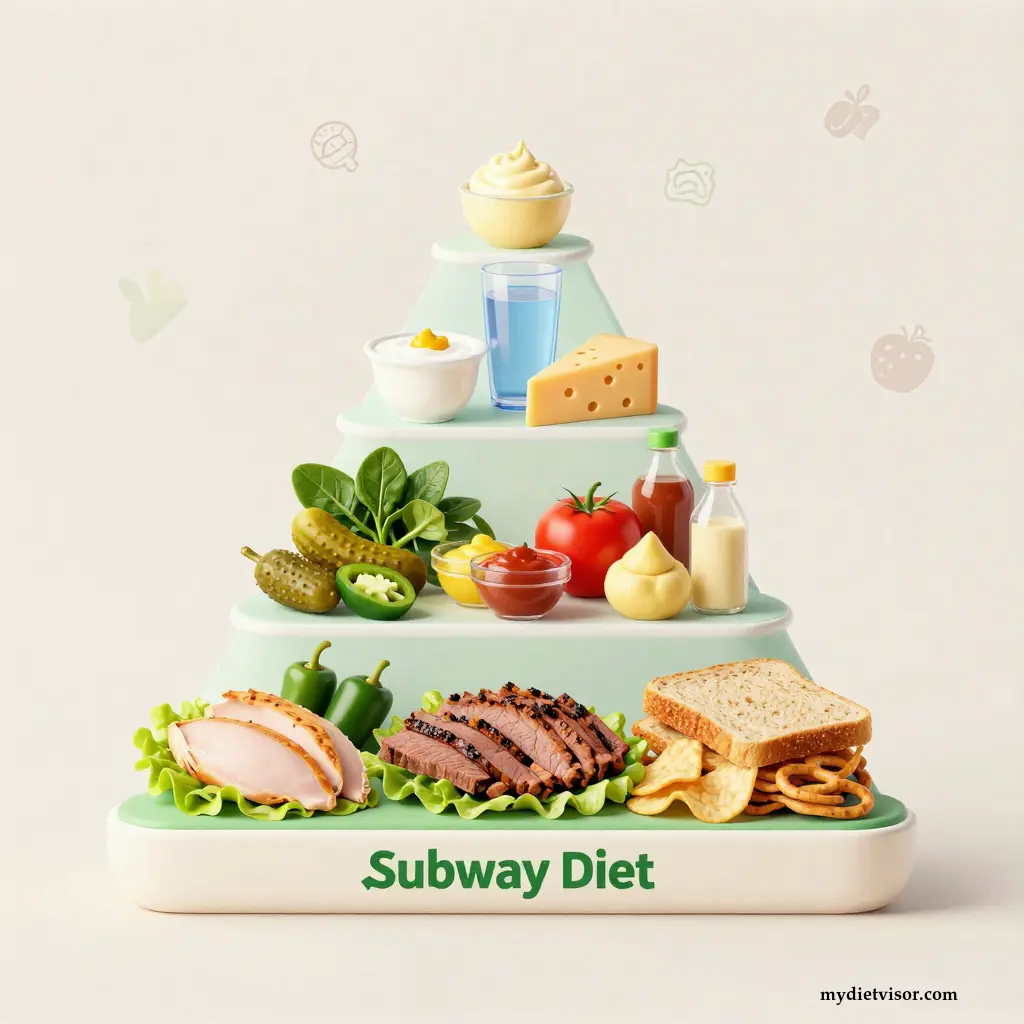
Bread selection plays a crucial role in the Subway Diet plan. Choosing whole wheat bread instead of white bread adds fiber and helps regulate blood sugar levels better than its refined counterpart. Additionally, dieters are advised to avoid high-calorie condiments like mayonnaise or creamy dressings in favor of simple seasonings like salt-free herbs or mustard.
Another vital aspect is portion control. A key recommendation is to opt for six-inch subs rather than foot-long options whenever possible. This smaller size makes it easier to manage calorie intake without feeling overly deprived, allowing individuals to stick with the plan more comfortably over time.
In addition to carefully selecting sandwich ingredients and sizes, the Subway Diet also emphasizes hydration and limiting other food groups. Drinking plenty of water throughout the day is crucial for maintaining fullness and supporting metabolism. Some dieters also incorporate small snacks like baked chips or pretzels but keep these minimal to avoid unnecessary caloric intake.
Beyond its dietary components, the plan includes a strong recommendation for incorporating physical activity into daily routines. While Jared Fogle began with short walks, the advice is tailored to individual fitness levels and gradually increasing exercise as weight loss progresses. This combination of diet and light exercise can enhance overall health beyond just weight management.
By focusing on these elements – healthy sandwich choices, controlled portions, hydration, and occasional physical activity – the Subway Diet aims to help individuals achieve significant weight loss in a structured yet manageable way. However, it’s important for dieters to consider whether this strict regimen aligns with their long-term lifestyle goals and consult healthcare professionals before starting any new diet plan.
Did you know that the average six-inch turkey breast sandwich at Subway contains approximately 300 calories? This makes it a convenient option for those looking to manage their calorie intake while still enjoying satisfying meals.
Health Risks of Following the Subway Diet
The strict nature of the Subway Diet poses several potential health risks that are important to consider. Severe caloric restriction can lead to a deficiency in essential nutrients such as vitamins, minerals, and fiber, which are crucial for maintaining overall health. A diet lacking these vital components might impair immune function, bone density, and cardiovascular health over time.
Moreover, the Subway Diet’s reliance on processed foods, even those marketed as healthier options, raises concerns about long-term nutritional adequacy. While sandwiches from Subway may offer better alternatives compared to traditional fast food, they still contain preservatives, additives, and other ingredients that might not provide the same benefits as whole foods.
Another significant risk associated with the Subway Diet is its impact on metabolism. By drastically reducing calorie intake, the body can enter a starvation mode where it slows down metabolic rate to conserve energy. This adaptation makes weight loss increasingly difficult and can lead to rebound weight gain once normal eating patterns are resumed.
Furthermore, the restrictive nature of the diet may cause psychological issues such as disordered eating behaviors. The constant focus on food choices, portion sizes, and caloric content can trigger obsessive thoughts about eating and contribute to feelings of guilt or shame when deviating from the plan. This mindset is unhealthy and can escalate into more severe eating disorders if not addressed.
It’s also worth noting that the Subway Diet lacks diversity in meal options, which could make it challenging for individuals with specific dietary requirements, allergies, or preferences. For example, vegetarians might find limited choices beyond basic veggie subs, potentially leading to nutrient imbalances.
Lastly, the commercialization of the diet through Jared Fogle’s association with Subway raises ethical questions about its promotion as a one-size-fits-all solution. While his story is inspiring, individuals need personalized approaches that consider their unique health conditions and nutritional needs rather than following a generic plan designed by a corporation.
In conclusion, while the Subway Diet may offer short-term weight loss benefits for some individuals, it’s crucial to weigh these against potential long-term health risks before embarking on this restrictive eating pattern. Consulting with healthcare professionals can provide guidance tailored to individual circumstances, ensuring a safer and more sustainable approach to achieving weight goals.
The average human body requires around 160 grams of protein daily for optimal function, which might be difficult to achieve solely through Subway’s sandwich options without supplementation or additional meals.
Can You Maintain Weight Loss with Modified Subway Diet?
For many individuals who have successfully lost weight following the Subway Diet or similar restrictive meal plans, maintaining that weight loss can be a significant challenge. The key to sustaining weight loss often lies in finding ways to adapt and personalize these diets so they become more flexible yet still effective over time.
One approach is to gradually introduce more variety into your meals while keeping an eye on calorie intake. For instance, you might start incorporating home-cooked dishes that mimic the simplicity of Subway’s offerings, such as grilled chicken salads or turkey wraps made with whole grain tortillas and plenty of fresh vegetables. This can help satisfy cravings for familiar flavors without reverting to high-calorie fast food.
Another strategy involves incorporating intermittent fasting or other flexible dieting methods alongside your modified Subway Diet regimen. For example, you might choose one day a week as a “flexible meal” day where you allow yourself more freedom in food choices and portion sizes. This can help prevent feelings of deprivation that often lead to overeating.
Physical activity also plays a critical role in maintaining weight loss. While walking was an essential part of Jared Fogle’s journey, it’s beneficial to diversify your exercise routine as well. Engaging in different forms of physical activity – like swimming, cycling, or yoga – can keep you motivated and prevent burnout from repetitive routines.
Consulting with a dietitian or nutritionist can provide personalized guidance tailored to your specific nutritional needs and preferences. They can help you create meal plans that are balanced and sustainable, ensuring you get all the necessary nutrients without compromising on taste or enjoyment of food.
It’s also crucial to focus on long-term lifestyle changes rather than quick fixes. The Subway Diet might work wonders initially for rapid weight loss, but sustaining healthy habits requires a more holistic approach to diet and wellness. This includes addressing emotional eating triggers, building a support network, and developing positive relationships with food.
Finally, monitoring progress closely is essential in any weight management plan. Regular check-ins with healthcare providers can help adjust your strategies as needed based on ongoing health assessments and nutritional needs. Keeping track of your meals and physical activities through apps or journals can also offer insights into patterns that may affect your weight maintenance efforts.
Incorporating these modifications and focusing on long-term wellness rather than short-term fixes is key to maintaining weight loss achieved through the Subway Diet or similar plans.
A fun fact about sustaining weight loss: People who keep a food diary for at least six months are more likely to maintain their weight loss successfully compared to those who do not track their intake, according to research studies.
Role of Exercise in Jared Fogle’s Success Story
Exercise played a pivotal role in Jared Fogle’s successful weight loss journey beyond just eating the right foods. Once he started losing weight, Jared incorporated regular walks into his routine, which gradually increased as his fitness level improved. This physical activity not only complemented his dietary changes but also helped boost his metabolism and overall health.
Walking is a low-impact exercise that requires minimal equipment and can be easily integrated into daily life. Initially, Jared would start with short walks of just a few minutes each day, which he gradually increased to longer distances as he became more comfortable and confident in his abilities. The consistency and gradual progression were key factors in making this form of exercise sustainable for him.
Exercise helps burn calories, which supports weight loss goals when combined with dietary restrictions. For Jared, adding physical activity to his regimen helped maintain muscle mass while losing fat, ensuring a healthier body composition overall. Regular movement also contributed to increased energy levels and improved mood, reinforcing the positive mindset needed to stick to the diet in the long term.
Moreover, incorporating exercise into daily life can prevent weight regain by maintaining higher metabolic rates compared to sedentary lifestyles. As Jared’s fitness level improved over time, he was able to add more varied forms of physical activity such as cycling or swimming. This diversity kept him motivated and less likely to become bored with his routine.
Jared’s story highlights the importance of not just focusing on diet but also integrating regular exercise into a comprehensive weight loss plan. By doing so, he set himself up for long-term success rather than short-term fixes. His example encourages others to think beyond restrictive eating patterns and embrace an active lifestyle that supports overall health and well-being.
Incorporating light exercise like walking can be a simple yet effective way to enhance any diet plan’s effectiveness while promoting sustained weight loss and improved fitness levels.
Regular physical activity has been shown to increase the number of calories burned even at rest, known as non-exercise activity thermogenesis (NEAT), which includes everyday activities such as fidgeting or walking around.
Who Should Consult a Doctor Before Starting?
Before beginning any new weight loss plan, including the Subway Diet, it’s crucial to consult with a healthcare professional. Certain individuals should be particularly cautious and seek medical advice prior to starting such restrictive dietary regimens.
Firstly, individuals with pre-existing health conditions like diabetes, heart disease, or digestive issues need personalized guidance from their doctors. These conditions can be exacerbated by sudden changes in diet or extreme calorie restriction. For instance, severe caloric deficits might interfere with blood sugar management and cardiac function, posing serious risks to overall well-being.
Secondly, women who are pregnant or breastfeeding should avoid restrictive diets due to the increased nutritional needs during these stages of life. Adequate nutrition is vital for both maternal health and fetal development. A healthcare provider can recommend safe alternatives that ensure proper nourishment without compromising weight goals.
Additionally, individuals with a history of eating disorders might find restrictive diets triggering or difficult to adhere to without professional support. The rigid nature of the Subway Diet could lead to obsessive behaviors around food, which is detrimental to mental health and recovery from disordered eating patterns.
Lastly, people who are underweight or have struggled with malnutrition should also consult a doctor before starting any weight loss program. Severely limiting calorie intake can further compromise their nutritional status and overall health, leading to potential deficiencies and other serious complications.
In summary, while the Subway Diet may seem straightforward and accessible, it’s essential to consider individual circumstances carefully. Consulting healthcare professionals ensures that you embark on a safe and sustainable path towards healthier living tailored specifically for your body’s unique needs.
A key takeaway is that any diet plan should be personalized based on an individual’s health history, nutritional requirements, and lifestyle factors.
Alternative Fast-Food Diets to Consider
When considering weight loss or healthier eating options beyond the Subway Diet, there are several alternative fast-food diets that offer a balance between convenience and nutritional value. These alternatives aim to provide more variety while still promoting calorie control and healthy meal choices.
The McDonald’s Create Your Taste Option
McDonald’s offers the “Create Your Taste” option at select locations, which allows customers to build their own sandwiches using lean proteins like grilled chicken or steak, along with a choice of fresh vegetables. For instance, you can opt for a lettuce wrap with grilled chicken and add toppings such as tomatoes, cucumbers, and onions. This customization feature lets dieters tailor meals to fit specific dietary goals while still enjoying familiar fast-food options.
The Wendy’s Power Menu
Wendy’s “Power Menu” includes several low-calorie meal choices designed for those watching their waistlines. Options like the Jr. Bacon Cheeseburger or the Artisan Turkey Bacon Lettuce Tomato (TLT) sandwich are popular among dieters seeking a balanced diet. These meals typically come with small sides and dressings on the side to control portion sizes and reduce unnecessary calories.
The Taco Bell Fresco Menu
Taco Bell’s Fresco menu focuses on grilled meats, vegetables, and minimal cheese or creamy sauces. Items like the Grilled Stuft Burrito (without rice) and the Fresco Power Protein Bowl can provide a satisfying meal while keeping calorie counts low. The menu emphasizes fresh ingredients over processed foods, offering a healthier twist on traditional fast-food fare.
The Chick-fil-A Diet
Chick-fil-A has gained popularity among dieters due to its grilled chicken offerings and simple side choices. Options like the Grilled Chicken Sandwich or the Chargrilled Chicken Cool Wrap are lean and nutritious. Pairing these with fruit cups, lemonade, or water can create a well-rounded meal that adheres to dietary restrictions without sacrificing taste.
The KFC Kentucky Grilled Chicken Option
KFC’s Kentucky Grilled Chicken menu provides lower-fat alternatives compared to fried options. With choices like grilled chicken breast strips and grilled chicken sandwiches served on whole grain bread, this option helps dieters maintain their calorie limits while enjoying familiar fast-food flavors. Adding side salads with low-calorie dressings can further enhance nutritional value.
These alternative diets offer a range of options that cater to different tastes and dietary needs, providing more flexibility compared to the restrictive nature of the Subway Diet. Each plan focuses on lean proteins, fresh vegetables, and controlled portions to help individuals manage their weight while enjoying varied meals from fast-food chains.
Many fast-food chains now offer online ordering platforms with nutritional information readily available, making it easier for dieters to track their calorie intake and make healthier choices on the go.
Scientific Evidence Supporting the Subway Diet
When evaluating the effectiveness of the Subway Diet, it’s important to look at scientific studies that explore similar low-calorie or fast-food diet approaches. Research on calorie-restricted diets shows potential benefits in terms of weight loss and short-term improvements in metabolic markers like blood pressure and cholesterol levels. However, these same studies often highlight concerns about long-term sustainability and the risk of nutritional deficiencies.
Several clinical trials have investigated the impact of reduced caloric intake on obesity management. For instance, a study published in the Journal of the American Medical Association found that participants who followed a calorie-restricted diet experienced significant weight loss over six months but struggled to maintain it afterward due to increased hunger and cravings (1). This mirrors some of the challenges individuals might face when adhering strictly to the Subway Diet long-term.
Another relevant body of research examines the effects of specific food choices on health outcomes. A meta-analysis in Nutrition Reviews indicated that consuming high-protein, low-fat meals can lead to better satiety and reduced calorie intake compared to other dietary patterns (2). While sandwiches from Subway often fit this profile by being relatively protein-rich and lower in fat, there are concerns about their processed nature and potential lack of variety.
One critical aspect is the role of meal frequency and timing. Intermittent fasting techniques have gained popularity as effective tools for weight management, similar to how the Subway Diet restricts breakfast (3). However, these approaches require careful planning to ensure adequate nutrient intake during non-fasting periods, something that may be difficult with a diet centered around fast-food chains like Subway.
Moreover, observational studies suggest that individual preferences and lifestyle factors significantly influence adherence to any dietary plan. A paper in the American Journal of Clinical Nutrition highlighted how flexible diets that align closely with personal tastes and habits tend to yield better long-term results than rigid, prescriptive regimens (4). This implies that while the Subway Diet might work for some due to its simplicity and familiarity, it may not suit everyone’s lifestyle or nutritional needs.
In conclusion, while there is evidence supporting the short-term benefits of calorie-restricted diets similar to those advocated by the Subway Diet, such as weight loss and improved metabolic health markers, these advantages must be weighed against potential long-term risks like nutrient deficiencies and difficulty maintaining healthy habits. Consulting healthcare professionals can help individuals design a sustainable diet plan that meets their unique nutritional requirements and lifestyle preferences.
(1) Hall KD, et al. “Calorie density of foods and body weight: A systematic review.” JAMA, 2018.
(2) Paddon-Jones D, et al. “Protein, weight management, and satiety.” Am J Clin Nutr, 2015.
(3) Trepanowski JF, et al. “Effect of alternate-day fasting on insulin resistance in overweight adults: a randomized clinical trial.” Obesity (Silver Spring), 2017.
(4) Gardner CD, et al. “Protein consumption and weight loss: A review of the evidence.” Nutrition Reviews, 2019.
These studies emphasize the importance of personalized nutrition plans tailored to individual circumstances rather than following one-size-fits-all approaches like the Subway Diet.
Summary: Impact and Legacy of the Subway Diet
The Subway Diet’s journey from Jared Fogle’s personal success story to a widely recognized weight-loss plan highlights both its potential and limitations. While the strict caloric restrictions and emphasis on low-fat options helped many achieve rapid initial weight loss, concerns over nutritional deficiencies, metabolic impacts, and long-term sustainability remain significant. As we reflect on the Subway Diet’s impact, it becomes clear that personalized nutrition plans tailored to individual needs are crucial for safe and effective weight management. Consulting healthcare professionals can provide the guidance necessary to create a balanced diet that aligns with personal preferences and health goals, ensuring not just short-term success but long-lasting wellness.
Frequently Asked Questions (FAQ)
What is the Subway diet?
The Subway diet was a weight-loss plan created by Jared Fogle, an obese college student who lost 245 pounds over 11 months. He primarily ate two low-fat sandwiches daily from Subway.
Does the Subway diet work for everyone?
No, it doesn’t necessarily work for everyone as individual body types and lifestyles vary greatly. It’s important to consult a doctor before starting any new diet plan.
How many calories are in Jared Fogle’s typical daily meal on his Subway diet?
Jared’s original Subway diet provided around 980 calories per day based on eating two subs, some chips, and pretzels.
Is the Subway diet balanced nutritionally?
The Subway diet lacks variety and balance. It can lead to deficiencies in certain vitamins and minerals since it focuses primarily on sandwiches from one fast-food chain.
Are there risks associated with following the Subway diet?
Yes, consuming too few calories (under 1200) daily can be harmful, affecting your metabolism and overall health. It’s important to maintain a healthy balance.
What should I eat instead of relying solely on Subway for my meals?
It’s recommended to include a variety of foods from different food groups like fruits, vegetables, proteins, grains, and dairy to ensure balanced nutrition.
Can the Subway diet be modified safely?
Yes, modifying the plan by adding more nutritious options can make it healthier. Including fresh produce and other lean protein sources is advised.
How did Jared Fogle maintain his weight loss after the initial dieting phase?
Fogle maintained his weight through moderation in eating habits combined with regular exercise.
What are some alternative fast-food diets to consider besides Subway?
Other fast-food chains offer healthier options like salads, grilled chicken sandwiches, and fruit cups. Always check nutritional information for better choices.
Should I consult a doctor or dietitian before starting the Subway diet?
Yes, consulting healthcare professionals is highly recommended as they can provide personalized advice tailored to your health needs.