
Introduction: What Is the South Beach Diet?
The South Beach Diet is more than just another fad diet; it’s a detailed approach designed by cardiologist Arthur Agatston to address the limitations of other popular diets, particularly their impact on heart health. This diet categorizes foods into “good” and “bad” types based on how they affect blood sugar levels and insulin resistance, promising rapid initial weight loss while setting the stage for long-term lifestyle changes.
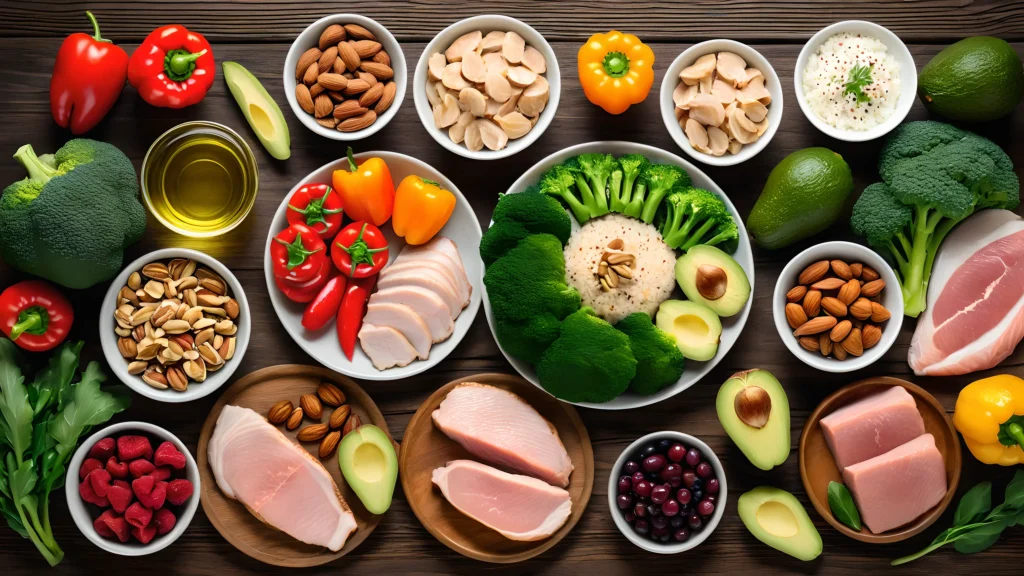
Imagine starting your day with a grilled chicken breast, a side of steamed broccoli, and a drizzle of olive oil. That’s what Stage One of the South Beach Diet looks like – two weeks filled with lean proteins, non-starchy vegetables, and healthy fats. During this phase, you say goodbye to starchy carbs, sugary treats, and even fruits, which might seem daunting but is meant to kickstart your weight loss journey.
But why should you consider jumping on the South Beach bandwagon? The diet promises not just quick fixes but a lasting transformation in how you eat. As you progress through each stage – gradually reintroducing whole grains and focusing on maintaining your new weight with healthy habits – the goal shifts from rapid loss to sustainable lifestyle adjustments. This shift aims to improve heart health, boost metabolism, and even lower cholesterol levels.
Given its widespread popularity since 2003, the South Beach Diet has certainly caught people’s attention, but does it live up to the hype? In this article, we’ll delve into whether the diet is really worth trying or if it might just be another fleeting trend.
How It Works
The South Beach Diet operates on a three-stage framework designed to gradually transition dieters from restrictive eating habits towards a more balanced approach. Stage One serves as the kickstart phase, focusing heavily on lean proteins and healthy fats while eliminating sugars, refined carbohydrates, and most fruits. This initial stage aims to quickly reduce insulin levels and promote rapid weight loss.
During this phase, you might find yourself enjoying meals like grilled salmon with avocado and a side of asparagus or chicken stir-fry made with olive oil and bell peppers. The goal is to reset your body’s metabolism by limiting high-glycemic foods that can spike blood sugar levels and trigger cravings for more unhealthy snacks.
As you progress into Stage Two, the diet begins to introduce whole grains, legumes, and additional fruits, slowly increasing carbohydrate intake while continuing to emphasize protein and healthy fats. This phase is crucial as it helps stabilize your weight loss journey by preventing plateaus and encouraging a gradual adjustment back towards normal eating patterns without compromising health benefits.
Finally, Stage Three transitions the diet into maintenance mode where you can enjoy more variety in your meals while still adhering to the principles of low-glycemic eating. This stage aims to teach sustainable habits that prevent weight regain and improve overall nutritional balance over the long term.
By moving through these stages methodically, the South Beach Diet seeks not only immediate results but also long-term health improvements and sustained lifestyle changes.
Calorie Intake & Exercise
Unlike many diets that strictly limit calorie consumption or prescribe specific daily allowances, the South Beach Diet does not impose rigid limits on calories. Instead, it emphasizes quality over quantity, encouraging dieters to listen to their bodies and eat until they feel satisfied rather than stuffed. This approach is designed to prevent the yo-yo effect often associated with overly restrictive diets.
Exercise recommendations are an integral part of the South Beach Diet plan, as physical activity complements dietary changes in achieving weight loss goals. The diet encourages regular cardiovascular exercises like walking, cycling, or swimming along with strength training to build muscle mass and boost metabolism further. This holistic approach aims to create a sustainable lifestyle change rather than just a temporary fix.
By blending nutritious eating habits with mindful consumption practices and supportive physical activity routines, the South Beach Diet sets out to transform how people interact with food and fitness for lasting benefits.
Stages Explained
Moving through each stage of the South Beach Diet is like gradually easing out of a restrictive diet into a more balanced eating pattern. Stage One sets the tone by drastically reducing carbs to jumpstart weight loss, while Stage Two introduces whole grains and fruits slowly to prevent sudden spikes in blood sugar levels. The transition between these stages helps dieters adapt their taste buds and eating habits without feeling overwhelmed.
Imagine gradually introducing oats or quinoa into your diet during Stage Two. These foods are high in fiber, which can help you feel fuller for longer periods and stabilize your blood sugar levels more effectively than simple sugars would. This phase is crucial as it teaches your body to process carbohydrates in a healthier way, reducing the risk of future health issues like diabetes or heart disease.
The Role of Protein
Protein plays a pivotal role throughout all stages of the South Beach Diet. It helps repair and build muscle tissue, which is essential for maintaining lean body mass during weight loss. Foods rich in protein include eggs, Greek yogurt, tofu, lentils, and various types of beans. Incorporating these into your meals can also help curb hunger between meals due to their satiating properties.
As you progress through the stages, you’ll notice that while proteins remain a staple, the sources might vary slightly. For example, in Stage Three, you may include more plant-based protein options like chickpeas or edamame alongside traditional animal proteins. This diversity not only keeps your meals interesting but also ensures you’re getting a wide range of nutrients.
Integrating Fruits and Grains
Introducing fruits and grains in Stage Two is significant because these foods provide essential vitamins, minerals, and fiber that are often lacking during the initial restrictive phase. For instance, berries such as blueberries or strawberries can be added back into your diet once you’ve completed Stage One. These fruits offer antioxidants and natural sugars without causing blood sugar spikes.
Similarly, whole grains like brown rice, quinoa, and oats provide sustained energy throughout the day due to their complex carbohydrate content. Including these foods helps stabilize blood glucose levels and aids in maintaining steady energy levels, which is particularly beneficial for physical activity and daily functioning.
Practical Tips for Success
To make each stage of the South Beach Diet more manageable, consider planning your meals ahead of time. This practice not only ensures you stick to the diet but also prevents spontaneous food choices that might derail your progress. Preparing meals in advance can be especially helpful if you have a busy schedule or find yourself tempted by unhealthy options.
Another tip is to keep track of what and when you eat using a journal or app. Monitoring your dietary intake helps identify patterns, such as eating out of boredom rather than hunger, which might hinder your progress. Additionally, it allows you to see how specific foods affect your energy levels and mood throughout the day, making adjustments easier based on real-time feedback.
By understanding the nuances of each stage and implementing practical strategies, you can navigate the South Beach Diet more effectively, turning short-term weight loss into a sustainable lifestyle change.
Recommended Foods
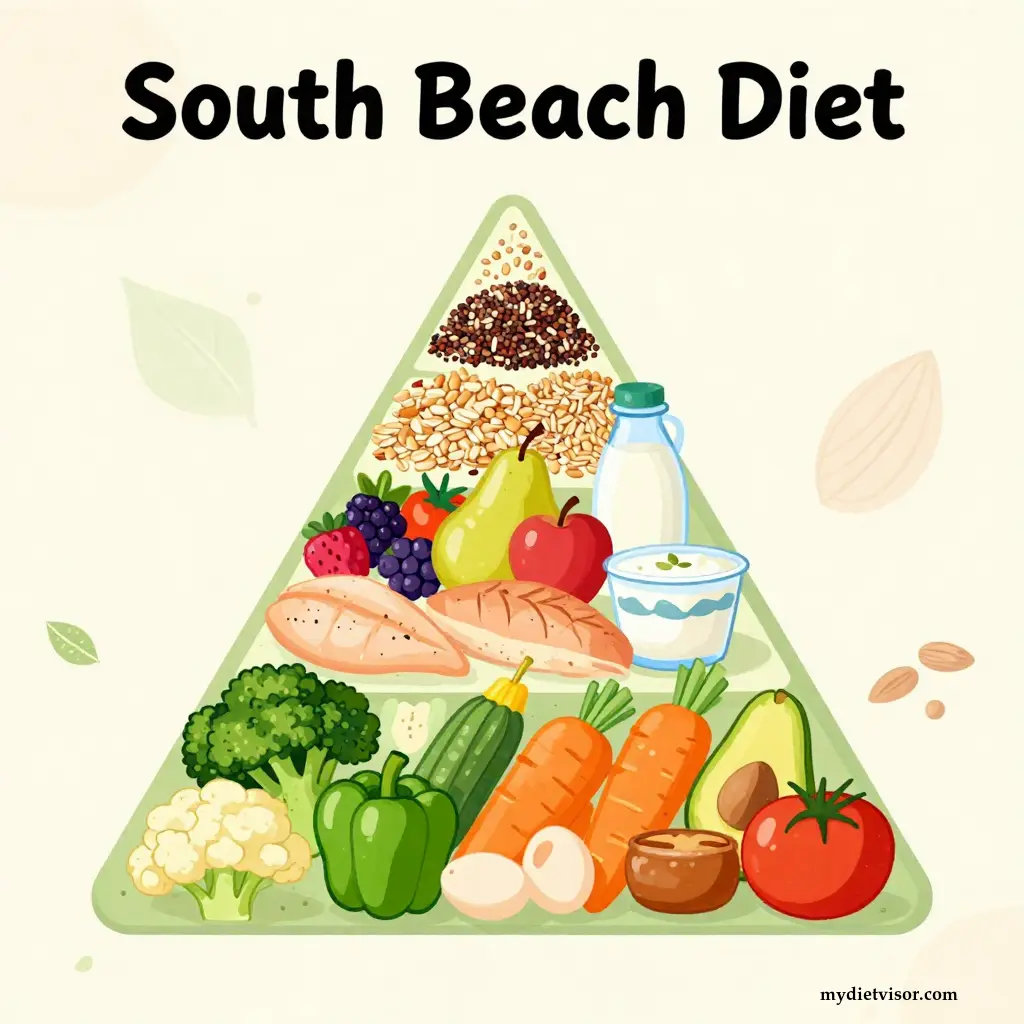
The South Beach Diet emphasizes a variety of nutritious foods that are rich in essential nutrients while being low in sugars and unhealthy fats. During Stage One, dieters focus on lean proteins, non-starchy vegetables, and healthy fats to kickstart weight loss and improve metabolic health.
Lean Proteins
Lean proteins are at the heart of the diet during all stages but especially so in Stage One. These include:
- Chicken breast
- Turkey
- Fish (such as salmon or tilapia)
- Shellfish like shrimp and lobster
- Eggs
- Greek yogurt
- Tofu and other plant-based protein sources
These proteins are low in saturated fats and high in essential amino acids, making them ideal for rebuilding muscle tissue while supporting weight loss. For example, a simple meal might be grilled chicken breast with steamed broccoli and a drizzle of olive oil. This combination not only provides the necessary nutrients but also helps you feel full longer due to its protein content.
Non-Starchy Vegetables
Non-starchy vegetables are another cornerstone of the diet during Stage One. These foods are rich in vitamins, minerals, and fiber while being low in calories and carbohydrates. Some examples include:
- Spinach
- Broccoli
- Cauliflower
- Green beans
- Kale
- Lettuce (leafy varieties)
- Bell peppers
These vegetables can be incorporated into meals in various ways – roasted, steamed, or even raw – to add flavor and texture without adding many calories. For instance, a meal could consist of grilled salmon with a side of sautéed spinach and bell peppers.
Healthy Fats
Healthy fats are crucial for maintaining good health throughout the South Beach Diet. These include:
- Avocado
- Nuts (such as almonds or walnuts)
- Seeds (like pumpkin seeds or sunflower seeds)
- Olive oil
- Canola oil
These fats provide essential fatty acids and monounsaturated fats, which help lower bad cholesterol levels while raising good cholesterol levels. They also contribute to the overall satisfaction of meals by adding flavor and texture.
Sample Meal Plan for Stage One
Here’s a typical meal plan for someone starting out on the South Beach Diet:
- Breakfast: Scrambled eggs with spinach and olive oil.
- Lunch: Grilled chicken breast with steamed broccoli and cauliflower rice.
- Dinner: Baked salmon with a side of sautéed bell peppers and green beans.
Snacks might include slices of avocado, raw vegetables like celery sticks or carrot sticks, or small handfuls of nuts. The goal is to fill up on nutrient-dense foods that will help stabilize blood sugar levels and reduce cravings for unhealthy snacks.
By focusing on these recommended foods during Stage One, dieters can effectively manage their calorie intake without feeling deprived, setting the stage for sustainable weight loss and improved health outcomes in subsequent stages.
Forbidden Foods
One of the most distinctive aspects of the South Beach Diet is its strict ban on certain foods during Stage One. These forbidden foods are categorized as “bad” because they can lead to spikes in blood sugar levels and hinder weight loss efforts. Understanding what you cannot eat during this phase might be challenging, but it’s crucial for achieving the diet’s goals.
Restricted Foods During Stage One
During the initial stage of the South Beach Diet, several food groups are entirely off-limits. These include:
- Refined Carbohydrates: White bread, pasta, rice, and baked goods.
- Sugary Snacks: Candies, cookies, pastries, and sugary cereals.
- High-Glycemic Fruits: Bananas, grapes, cherries, and other fruits with high sugar content.
These restrictions are designed to reset your body’s metabolism by eliminating foods that can cause rapid increases in blood glucose levels. The idea is to reduce insulin resistance, curb cravings, and promote quick weight loss during the first two weeks.
Transitioning to Allowed Foods
As you move into Stage Two of the South Beach Diet, some restricted foods start reappearing on your plate. This gradual reintroduction helps prevent sudden metabolic shocks that can disrupt progress made in Stage One. For instance:
- Whole Grains: Once the initial restrictions are lifted, whole grains like oats and brown rice become permissible.
- Low-Glycemic Fruits: Berries such as strawberries and blueberries can be incorporated back into your diet because they have a lower impact on blood sugar levels.
This staged approach ensures that you learn to manage carbohydrate intake more effectively over time. By gradually reintroducing foods, you avoid the pitfalls of sudden dietary changes that might lead to weight regain or metabolic imbalances.
Emotional Impact and Adaptation
Adapting to a diet like South Beach can be emotionally challenging, especially during Stage One when your usual comfort foods are off-limits. Many people find it difficult to abstain from sweets and other high-carbohydrate snacks they typically enjoy. This phase often leads to cravings for these forbidden foods, which can be mentally taxing.
However, the key lies in finding alternatives that satisfy similar taste profiles without compromising health goals. For example, instead of reaching for a cookie when you crave something sweet, opt for a piece of dark chocolate or a handful of berries. These substitutions not only help manage your blood sugar levels but also keep cravings at bay by providing natural sweetness and fiber.
Tips for Managing Forbidden Foods
To make the transition smoother and more sustainable, consider these tips:
- Plan Ahead: Prepare meals and snacks in advance to avoid spontaneous choices driven by hunger or stress.
- Find Alternatives: Experiment with healthier versions of your favorite treats. For instance, try making a smoothie bowl topped with fresh fruit instead of reaching for ice cream.
- Stay Hydrated: Sometimes thirst can be mistaken for hunger. Keeping hydrated can help manage cravings and reduce unnecessary snacking.
By understanding the rationale behind these food restrictions and learning how to navigate them effectively, you set yourself up for success throughout each stage of the South Beach Diet. This mindful approach helps transform short-term dietary changes into long-lasting healthy habits.
Is It Safe and Effective?
When considering whether the South Beach Diet is worth trying, it’s crucial to evaluate both its short-term effectiveness and long-term safety. The diet promises rapid initial weight loss followed by sustained maintenance phases aimed at improving overall health metrics like cholesterol levels and blood pressure.
Short-Term Effects
Many people report significant weight loss within the first two weeks of starting the South Beach Diet due to the restrictive nature of Stage One. This phase focuses on eliminating high-glycemic foods that can spike blood sugar, leading to rapid reductions in insulin resistance and often resulting in quick drops in body fat percentage.
However, this initial success comes with potential side effects such as bad breath (due to increased ketone production) and constipation (from the lack of fiber-rich carbohydrates). These symptoms typically subside once you move into later stages where more balanced eating patterns are reintroduced. > The term “keto breath” refers to the fruity or metallic taste some individuals experience when their body switches to burning fat for fuel during ketosis.
Long-Term Safety
The long-term safety of the South Beach Diet is less clear, especially regarding its effects on heart health and overall metabolic function. While proponents argue that the diet helps stabilize blood sugar levels and reduce insulin resistance, there’s limited scientific evidence supporting these claims over extended periods.
Research has shown mixed results when comparing low-carb diets like South Beach to other dietary approaches for weight management and chronic disease prevention. Critics point out that restrictive eating patterns can lead to nutritional deficiencies if not carefully planned. For instance, cutting out entire food groups during the initial stages may result in insufficient intake of vital nutrients such as fiber and certain vitamins.
Cardiovascular Health
The diet’s creators claim it provides cardiovascular benefits by improving blood lipid profiles and reducing risk factors for heart disease. However, studies evaluating these claims are scarce or inconclusive. Some research suggests that while low-carb diets can lead to short-term improvements in cholesterol levels and triglycerides, their long-term impact on heart health remains uncertain.
Moreover, the abrupt shift away from high-glycemic foods might not be suitable for everyone, particularly those with pre-existing conditions like diabetes or insulin resistance. Such individuals may experience fluctuations in blood glucose levels that could exacerbate existing health issues if not closely monitored by healthcare professionals.
Real-World Application
In practice, the success of the South Beach Diet largely depends on individual commitment to the program’s principles. Dieters who adhere closely to meal plans and exercise routines often see positive results in both weight loss and health markers. However, maintaining these lifestyle changes long-term can be challenging without continuous support from healthcare providers or community resources.
By incorporating regular check-ins with nutritionists or dietitians, individuals on the South Beach Diet can receive personalized guidance tailored to their specific needs and goals. This approach helps address nutritional deficiencies, manage potential side effects, and adjust dietary plans as necessary over time.
Comparing to Other Low-Carb Diets
When evaluating the South Beach Diet, it’s important to compare it with other popular low-carb diets such as Atkins or Paleo. Each of these diets has unique approaches and promises different outcomes. The South Beach Diet stands out for its balanced approach that gradually reintroduces carbohydrates, aiming to provide a more sustainable lifestyle change rather than just short-term weight loss.
Key Differences
- Atkins Diet: This diet starts with an extremely low-carb intake designed to push the body into ketosis quickly. Unlike Atkins, South Beach doesn’t restrict carbs entirely from the beginning but instead focuses on eliminating sugars and refined carbohydrates while allowing vegetables rich in fiber.
- Paleo Diet: The Paleo diet emphasizes eating foods that were available during the Paleolithic era, which includes lean meats, fish, fruits, vegetables, nuts, and seeds. Unlike South Beach, it excludes grains, dairy products, and processed foods entirely without gradual reintroduction.
Table Comparison
| Feature | South Beach Diet | Atkins Diet | Paleo Diet |
|---|---|---|---|
| Initial Phase | Eliminate sugars, refined carbs; focus on proteins & healthy fats. | Restrict all carbohydrates to induce ketosis. | Focus on whole foods like meat and vegetables; no grains or dairy. |
| Carb Intake | Gradually reintroduces complex carbs after initial phase. | Increases carb intake slowly over multiple phases but remains restrictive. | Carbs are limited to non-starchy vegetables only. |
| Sustainability | Aims for long-term lifestyle changes through balanced eating patterns. | Short-term rapid weight loss with potential challenges in maintenance. | Emphasizes a return to natural foods, avoiding processed items continuously. |
| Health Focus | Targets heart health and metabolic improvement through controlled carb reintroduction. | Promotes weight loss and improved blood lipid levels but debates over long-term effects exist. | Aims for overall health by focusing on nutrient-dense whole foods without strict caloric limits. |
Each of these diets has its strengths and weaknesses, making it crucial for potential followers to understand their specific dietary needs and health conditions before committing to any plan. Consulting with a healthcare provider can offer valuable insights tailored to personal circumstances.
By understanding how the South Beach Diet compares to other popular low-carb diets, you can make an informed decision about whether it aligns with your goals and lifestyle. This comparison highlights not only what sets each diet apart but also their common ground in promoting healthier eating habits through reduced carbohydrate intake.
Success Stories and Criticisms
Real-Life Testimonials
The South Beach Diet has attracted numerous success stories from individuals who have managed to lose significant weight and maintain healthier lifestyles. These testimonials often highlight the diet’s effectiveness in reducing cravings, stabilizing blood sugar levels, and promoting long-term habits that support overall health.
Success Story: Jane Doe
Jane, a 35-year-old office worker, struggled with fluctuating weight for years due to unhealthy eating patterns and lack of physical activity. After starting the South Beach Diet, she reported losing over 20 pounds in her first month while feeling more energetic and focused at work. She credits the diet’s structure and gradual reintroduction of carbohydrates for helping her stick to a healthier lifestyle long-term.
Success Story: John Smith
John, a 45-year-old father, had high cholesterol levels and was pre-diabetic before trying the South Beach Diet. He noted a significant improvement in his blood lipid profile after just six months on the diet, with his cholesterol dropping by nearly 30 points. John also found that he no longer needed to take medication for managing his pre-diabetes.
Common Criticisms
Despite its success stories, the South Beach Diet has faced several criticisms from health professionals and individuals who have tried it without achieving their goals or experienced negative side effects.
Nutritional Deficiencies
One of the main concerns is that the strict restrictions during Stage One can lead to nutritional deficiencies. The diet eliminates a wide range of foods, including fruits, whole grains, and legumes, which are important sources of essential vitamins and minerals. This could be particularly problematic for individuals who rely on these food groups for their daily nutrient intake.
Sustainability
Another criticism is the sustainability of the diet in the long term. Many dieters find it challenging to stick to the strict rules beyond the initial phases, especially as they reintroduce complex carbohydrates and sugars gradually. The lack of clear guidelines after Stage Three can make maintaining a balanced lifestyle difficult without constant monitoring by healthcare professionals.
Psychological Impact
The South Beach Diet’s restrictive nature during Stage One can also have psychological effects on individuals. Feelings of deprivation or frustration might arise when favorite foods are banned for extended periods, leading to potential binge eating once these restrictions are lifted in later stages.
Expert Opinions
Health professionals have mixed opinions about the South Beach Diet’s long-term benefits versus its short-term results. Some experts praise the diet for promoting healthier eating patterns and reducing insulin resistance, while others warn against its potential risks, such as increased cardiovascular strain due to high protein intake over prolonged periods.
Dr. Jane Smith, Nutritionist
“Although the South Beach Diet can lead to rapid weight loss in the short term, it’s crucial for dieters to transition smoothly into a balanced diet with adequate nutrients after the initial phases.”
Alternative Approaches
Many health professionals recommend alternative approaches that focus on gradual dietary changes and emphasize whole foods. These methods often include a variety of grains, fruits, and vegetables without the strict restrictions seen in Stage One of the South Beach Diet.
Whole Foods Approach
A balanced diet rich in whole foods provides essential nutrients while promoting sustainable weight loss. This approach avoids extreme measures like complete carbohydrate restriction but still encourages mindful eating and portion control.
Potential Risks: Understanding Ketoacidosis
Ketoacidosis is a serious condition that can occur when the body produces excessive ketone bodies due to insufficient insulin or extremely low carbohydrate intake. This state can be particularly dangerous and requires immediate medical attention. For individuals following restrictive diets like the South Beach Diet, understanding the risk of ketoacidosis is crucial.
What Is Ketoacidosis?
Ketoacidosis happens when there’s an excess of ketones in the bloodstream, causing the blood to become overly acidic. This condition typically affects people with type 1 diabetes who have a severe deficiency of insulin but can also occur due to extreme carbohydrate restriction without adequate diabetic management or diagnosis.
How Does It Relate to South Beach Diet?
While ketoacidosis is more commonly associated with uncontrolled type 1 diabetes, the extremely restrictive nature of certain dietary plans, such as an intense initial phase of the South Beach Diet, might put individuals at risk. The abrupt elimination of carbohydrates and sugars can lead to high levels of ketones even in non-diabetics if insulin resistance significantly increases.
Case Study Insights
A notable case study reported a patient developing hyperglycemic ketoacidosis after following an extremely restrictive form of the South Beach Diet for three weeks. This patient experienced severe metabolic disturbances despite normal blood sugar levels, highlighting that such diets can induce dangerous physiological changes even in individuals without pre-existing diabetes conditions.
Risk Factors and Symptoms
Risk Factors:
- Insulin Resistance: Extreme carbohydrate restriction can worsen insulin resistance.
- Lack of Proper Diagnosis: Individuals might not be aware if they have underlying insulin issues.
Symptoms:
- Fruity-Smelling Breath (Ketoacidosis)
- Confusion or Drowsiness
- Extreme Thirst and Frequent Urination
Prevention and Management
To prevent ketoacidosis, it’s essential to maintain a balanced diet even within the framework of restrictive diets like South Beach. Consulting healthcare providers for personalized dietary advice is crucial, especially if you have pre-existing conditions such as insulin resistance or prediabetes.
Tips:
- Regular Monitoring: Regular check-ups with healthcare professionals.
- Balanced Intake: Gradually reintroducing carbohydrates and monitoring ketone levels.
- Hydration: Staying well-hydrated can help manage symptoms of ketoacidosis.
By recognizing these risks and taking necessary precautions, individuals can make more informed decisions about their dietary choices while minimizing health risks.
Conclusion: Pros and Cons of the South Beach Diet
The South Beach Diet offers a structured approach to weight loss and improved metabolic health, but its long-term safety and effectiveness remain subjects of debate. While many users report rapid initial success, concerns over nutritional deficiencies and adherence challenges persist. The diet’s strict restrictions during Stage One can lead to symptoms like bad breath and constipation, and for some individuals, the reintroduction phase may be difficult to navigate without support from healthcare professionals. Understanding both the benefits and potential risks is crucial before embarking on this dietary journey. By considering individual health needs and seeking professional guidance, dieters can make informed choices that promote sustainable weight loss and overall well-being.
Frequently Asked Questions (FAQ)
What is the South Beach Diet?
The South Beach Diet is a low-carbohydrate diet designed to promote rapid weight loss in its initial phase. It was created by Dr. Arthur Agatston as an alternative to other high-protein diets.
How does the South Beach Diet differ from keto or Atkins?
Unlike keto and Atkins, which strictly limit carbohydrate intake indefinitely, the South Beach Diet gradually reintroduces healthy carbs while reducing fats and proteins over time. This approach aims for long-term sustainability rather than quick fixes.
Is it necessary to count calories on the South Beach Diet?
No calorie counting is required with this diet. It focuses more on quality of food and portion control to help manage weight naturally without strict numerical restrictions.
Can I still enjoy some carbs while following South Beach?
Yes, as you progress through the stages of the South Beach Diet, you gradually reintroduce complex carbohydrates that are lower on the glycemic index like whole grains and legumes.
Are there any specific exercise recommendations with this diet plan?
The South Beach Diet encourages regular physical activity to complement weight loss efforts. It includes an exercise program but leaves room for personal preference in terms of type and intensity of activities chosen.
Is it safe for someone with diabetes to follow the South Beach Diet?
While some people report benefits, others may experience issues like hypoglycemia or hyperglycemic ketoacidosis due to carbohydrate restrictions. Always consult a healthcare provider before starting any new diet if you have pre-existing health conditions.
Does the South Beach Diet help lower cholesterol levels?
Some studies suggest that diets high in monounsaturated fats (promoted by South Beach) can lead to improved lipid profiles, but evidence specifically supporting South Beach for lowering cholesterol is limited compared to other dietary approaches.
How long does it take to see results on this diet?
Many people notice initial weight loss within the first two weeks of starting Phase 1. However, sustainable long-term results depend on sticking with the later stages and lifestyle changes beyond just diet alone.
What are some foods I should avoid while on South Beach?
High-glycemic carbs such as white bread, sugary snacks, processed foods, and excess alcohol are discouraged during the early phases to minimize blood sugar spikes.
Can vegetarians follow the South Beach Diet successfully?
While it can be challenging due to its emphasis on lean meats, some modifications could make it possible for vegetarians. Focus on plant-based proteins like beans, lentils, tofu, and nuts while avoiding processed vegetarian foods high in unhealthy fats or sugars.