Is the Cotton Ball Diet Safe?

The cotton ball diet is a highly controversial and dangerous method for weight loss that involves consuming bleached polyester cotton balls soaked in liquids like juices or smoothies. It may seem appealing as a quick fix to reduce calorie intake, but the risks involved are alarming and far outweigh any potential benefits.
Imagine feeling full without actually eating anything substantial – a dream come true for those struggling with weight management issues, right? Wrong. Consuming these indigestible fibers can lead to severe health complications that no diet fad is worth risking. The polyester material in cotton balls cannot be broken down by the digestive system and may cause blockages or other serious gastrointestinal issues.
Engaging in such practices not only endangers physical health but also signals deeper psychological struggles, often linked with eating disorders or disordered eating behaviors. This means that behind the desire for rapid weight loss might lie more complex emotional and mental challenges. It’s crucial to address these underlying issues rather than resorting to dangerous shortcuts.
Can Polyester-Based Cotton Balls Cause Harm When Consumed?
Consuming polyester-based cotton balls for weight loss poses significant health risks that far outweigh any perceived benefits. Here’s why this practice is extremely dangerous:
- Digestive Health Risks: Polyester fibers can cause blockages in the digestive system, leading to dehydration and bowel obstructions. These issues can be severe enough to require hospitalization or surgical intervention to remove foreign objects.
- Toxicity Issues: The synthetic materials used in cotton balls may contain harmful chemicals that could gradually damage internal organs as they break down inside your body. This includes potential impacts on liver, kidney, and other vital organ functions.
- Nutritional Deficiencies: Consuming non-food items like cotton balls offers no nutritional value whatsoever. Instead of getting essential vitamins, minerals, proteins, and fiber from a balanced diet, you’re putting yourself at risk for malnutrition and related health problems.
It’s important to recognize the signs that someone might be engaging in unhealthy behaviors for weight loss. The use of cotton balls as a tool for weight management is often indicative of underlying issues such as eating disorders or body image concerns. These conditions can lead to serious mental health challenges, including depression and anxiety.
Why Are Polyester Cotton Balls Particularly Harmful?
Polyester-based cotton balls are made from synthetic fibers that are not meant for human consumption. Here’s why these materials pose a specific threat:
- Indigestibility: Polyester is designed to be durable and non-biodegradable, meaning it cannot break down in the digestive system like natural food does. This indigestible nature can cause severe blockages or even perforations of the intestines.
- Chemical Exposure: The manufacturing process for polyester often involves the use of various chemicals that could potentially leach into your body when ingested, leading to toxic exposure and long-term health risks.
Alternatives That Are Safe and Effective
Instead of resorting to dangerous fads like the cotton ball diet, safer alternatives are available:
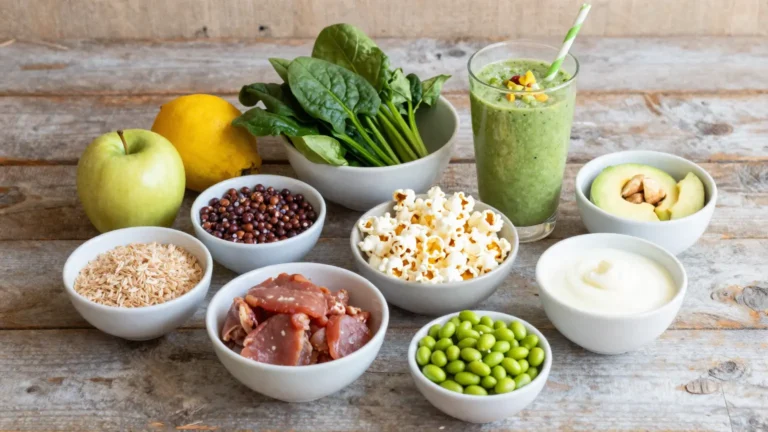
- Volumetrics Diet: This approach emphasizes filling up on high-volume, low-calorie foods such as fruits and vegetables to achieve satiety while ensuring adequate nutrition intake. By focusing on these nutritious choices, you can feel full without consuming too many calories.
- Mindful Eating Practices: Mindfulness involves being aware of portion sizes and the calorie density of different foods, helping you make informed choices about what goes into your meals. This approach promotes a healthier relationship with food overall.
What Are the Long-Term Consequences?
Consuming polyester-based cotton balls can have serious long-term consequences:
- Chronic Health Issues: The continuous ingestion of non-food items like cotton balls can lead to chronic digestive issues, such as persistent blockages and inflammation.
- Nutritional Imbalance: Over time, a lack of essential nutrients from the diet can result in weakened immune systems, reduced energy levels, poor bone health, and various other complications due to malnutrition.
Seeking Professional Help
If you or someone you know is struggling with eating disorders or unhealthy weight loss practices, seeking professional help is crucial:
- Healthcare Professionals: Consulting a doctor, nutritionist, or mental health expert can provide the guidance needed to address underlying issues safely.
- Support Groups: Joining support groups for individuals dealing with similar challenges can offer emotional and practical support.
In conclusion, polyester-based cotton balls are not only ineffective but also extremely dangerous when consumed as part of a weight loss diet. Always opt for evidence-based methods that prioritize health, safety, and sustainable outcomes over risky fads.
Why Is Volumetrics a Better Alternative to the Cotton Ball Diet?
Volumetrics offers a safer and more effective alternative to the cotton ball diet by focusing on high-volume, low-calorie foods that provide satiety without compromising nutrition. Here’s why volumetrics is a better choice:
- Safety First: Unlike cotton balls, which pose severe health risks such as digestive blockages and toxic exposure from chemicals used in manufacturing, Volumetrics emphasizes natural food choices. By consuming fruits, vegetables, lean proteins, and whole grains, you reduce the risk of digestive issues and nutrient deficiencies.
- Nutritional Balance: The core principle of Volumetrics is to eat foods that are high in water content and fiber but low in calories – such as leafy greens, berries, broccoli, cucumbers, and zucchini. These foods not only help you feel full but also ensure your body receives essential vitamins and minerals it needs for optimal health.
- Sustainable Weight Loss: By eating more volume with fewer calories, Volumetrics aids weight loss without the need to drastically cut down food intake or starve yourself. This approach is easier to stick with in the long term compared to extreme diets that can lead to binge eating once abandoned.
- Mindful Eating Practices: The diet encourages awareness of portion sizes and calorie density of different foods, helping you make informed choices about what goes into your meals. It’s not just about what you eat but also how much you eat, promoting a healthier relationship with food overall.
In contrast to the cotton ball diet, which can exacerbate eating disorders by fostering unhealthy attitudes towards food and body image, Volumetrics supports a balanced approach that emphasizes health over quick fixes. By integrating Volumetrics into your lifestyle, you’re less likely to fall back on dangerous shortcuts and more equipped to achieve sustainable weight management goals.
How Does Volumetrics Promote Healthy Eating Habits?
Volumetrics promotes healthy eating habits by focusing on high-volume, low-calorie foods that can make you feel full while consuming fewer calories. Here’s how it works:
- High Volume, Low Calories: The idea behind volumetrics is to consume foods that take up a lot of space in your stomach but don’t contain many calories. This strategy allows you to eat until you feel full while keeping calorie intake under control.
- Healthy Choices: By emphasizing whole foods such as leafy greens, berries, beans, and lean meats, the diet ensures that you get essential nutrients without resorting to processed or high-fat options that can sabotage your weight loss goals.
- Portion Control Through Satiation: Because these foods are rich in fiber and water, they help regulate hunger signals more effectively than less voluminous but calorie-dense foods like chips or cookies. This means you won’t feel hungry soon after eating, which helps maintain a caloric deficit over time.
By focusing on natural, high-volume foods, Volumetrics not only promotes weight loss but also supports long-term health by encouraging balanced nutrition and mindful eating habits. Unlike fad diets that promise quick results but often lead to relapse or binge eating, volumetric eating offers sustainable methods for maintaining a healthy lifestyle.
How Does the Volumetrics Diet Compare to Other Fad Diets?
When compared to other fad diets like the cotton ball diet, the Volumetrics diet stands out as a science-backed method that promotes long-term health and weight loss without posing serious risks. Here’s why:
- Scientifically Proven: The volumetrics approach is grounded in scientific research, emphasizing foods that are high in volume but low in calories. This strategy has been shown to be effective for both short-term and long-term weight management.
- Nutritional Integrity: Unlike fad diets that may limit essential nutrients or focus on highly processed foods, the Volumetrics diet prioritizes a wide range of whole foods rich in vitamins, minerals, and fiber.
- Sustainability: The goal of volumetric eating is not just to lose weight quickly but to develop healthy eating habits that can be maintained indefinitely. This approach encourages long-term lifestyle changes rather than temporary fixes.
In contrast, fad diets like the cotton ball diet may offer quick results but often come with significant health risks and are difficult to sustain over time. By choosing evidence-based methods like Volumetrics, individuals can achieve sustainable weight loss while also improving their overall health.
Why Should You Choose Evidence-Based Methods for Weight Loss?
Choosing evidence-based methods like the Volumetrics diet is crucial because they provide long-term benefits without posing significant risks. Here’s why:
- Safety and Effectiveness: Research-backed diets have been extensively tested and proven to be both safe and effective, reducing the likelihood of adverse health outcomes.
- Healthier Eating Patterns: These diets focus on creating healthy eating patterns that promote balanced nutrition and sustainable weight loss, rather than quick fixes that can lead to yo-yo dieting.
- Better Long-Term Outcomes: Fad diets often result in short-term success followed by regaining lost weight. In contrast, evidence-based methods like Volumetrics encourage lasting changes that contribute to better long-term health outcomes.
By prioritizing scientifically validated approaches over risky fads, individuals can achieve their weight loss goals while also improving their overall well-being and quality of life.
How Does Volumetrics Help in Losing Weight Safely?
Volumetrics helps individuals lose weight safely by focusing on high-volume, low-calorie foods that can make you feel full and satisfied without compromising your nutritional needs or overall health. This approach is rooted in scientific principles and offers a sustainable way to achieve your weight loss goals.
Key Benefits of Volumetrics
- High Volume, Low Calories: The core principle of the volumetrics diet is to consume foods that are high in water content and fiber but low in calories. Examples include fruits, vegetables, lean proteins, and whole grains. These foods take up more space in your stomach, which helps you feel full faster.
- Nutrient-Rich Foods: Unlike fad diets that may restrict food intake or promote the consumption of non-food items like cotton balls, volumetrics emphasizes a diet rich in essential nutrients. This ensures that you get all the vitamins and minerals needed for optimal health while managing your weight.
Practical Application
To effectively implement the volumetrics diet:
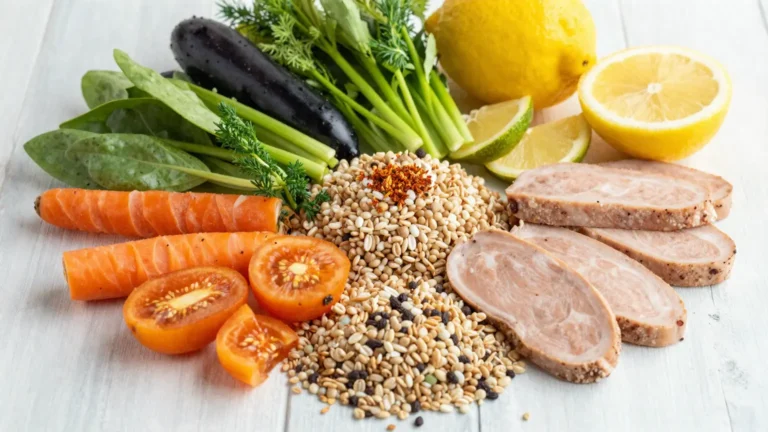
- Incorporate More Vegetables: Adding more vegetables to every meal can dramatically increase the volume of food without adding too many calories. Aim to fill half your plate with non-starchy vegetables like leafy greens, broccoli, and cucumbers.
- Choose Fruits Wisely: Opt for fruits that are high in water content such as berries, melons, and citrus fruits rather than dried or overly sweet options.
- Lean Proteins and Whole Grains: Include lean proteins like chicken breast, fish, tofu, and legumes alongside whole grains to provide sustained energy throughout the day.
Mindful Eating Practices
The volumetrics diet also encourages mindful eating practices:
- Portion Control Through Satiation: By focusing on foods that are high in fiber and water content, you can regulate your hunger signals more effectively. This means less snacking between meals due to feeling satisfied for longer periods.
- Balanced Meal Planning: Plan meals with a mix of carbohydrates, proteins, fats, and vegetables to maintain energy levels and avoid overeating.
Long-Term Health Benefits
Beyond immediate weight loss, the volumetrics diet supports long-term health by:
- Reducing Risk of Chronic Diseases: A high intake of fruits, vegetables, whole grains, and lean protein can help reduce risks associated with chronic diseases such as heart disease, diabetes, and obesity.
- Promoting Mental Well-being: Eating a balanced diet that satisfies both physical hunger and nutritional needs can positively impact your mood and mental health.
Conclusion
Volumetrics provides a safe, effective, and sustainable approach to weight loss by focusing on the quality of food rather than extreme calorie reduction or risky practices. By embracing high-volume, low-calorie foods and mindful eating habits, you can achieve healthy weight management while ensuring that your body receives all the nutrients it needs for optimal functioning.
Incorporating volumetrics into your lifestyle not only helps with short-term goals but also sets a foundation for long-lasting health benefits. Always consult healthcare professionals before starting any new diet plan to ensure it aligns with your individual needs and health status.
What Other Fad Diets Have Been Discouraged by Health Experts?
Health experts consistently warn against several popular but risky diets that promise quick results with minimal effort or drastic measures. Here are a few examples:
- Juice Cleanses: These involve replacing meals with juices for extended periods, often marketed as detoxifying the body. While consuming more fruits and vegetables can be beneficial, prolonged juice cleanses can lead to nutritional deficiencies, electrolyte imbalances, and muscle loss.
- Bulking Agents and Hydrogels: Some diets recommend using products like hydroxycut or other bulking agents that claim to absorb water in your stomach to make you feel full. While these might offer some temporary satiety, they can cause digestive issues such as bloating, constipation, and in severe cases, blockages.
- High-Protein Diets: These diets focus on consuming large amounts of protein while drastically reducing carbohydrate intake. They often lead to rapid weight loss due to the body burning through stored glycogen, but this is mostly water weight and can compromise kidney function over time.
The HCG Diet
The HCG diet involves taking human chorionic gonadotropin (HCG), a hormone produced during pregnancy, along with very low calorie intake. Proponents claim it helps reset the hypothalamus to burn fat more efficiently. However, health experts warn that:
- Nutritional Deficiencies: The extremely low caloric intake can lead to severe deficiencies in essential nutrients like vitamins and minerals.
- Hormonal Imbalance: Introducing hormones without medical supervision poses risks such as hormonal imbalances and endocrine disruption.
- Sustainability Issues: Once the diet ends, it’s difficult to maintain weight loss due to the restrictive nature of the regimen.
The Cabbage Soup Diet
Cabbage Soup Diet involves eating a specific cabbage soup formula for seven days, coupled with minimal other foods. While it might lead to quick weight loss initially:
- Lack of Nutrients: It deprives your body of essential nutrients and can cause electrolyte imbalances.
- Dehydration Risks: The high sodium content in the soup combined with limited fluid intake increases dehydration risks.
- Irregularity: Lack of fiber from other food groups can lead to digestive issues like constipation.
Other Unhealthy Trends
- Intermittent Fasting Extremes: While intermittent fasting can have benefits when done correctly, extreme versions (like eating only one meal a day) can be harmful and are not sustainable long-term.
- Egg White Diets: These diets focus on consuming large quantities of egg whites while severely restricting other food groups. This can lead to protein imbalances and malnutrition.
Why Are Health Experts Against Fad Diets?
Health experts discourage these diets because they often prioritize short-term weight loss over long-term health:
- Lack of Sustainable Weight Loss: These diets rarely lead to lasting results due to their unsustainable nature.
- Health Risks: They can cause significant harm by depriving your body of essential nutrients and introducing harmful practices.
- Psychological Impact: Fad diets often exacerbate negative body image issues and contribute to eating disorders.
Alternatives Supported by Health Experts
Instead of resorting to these risky methods, experts recommend evidence-based approaches:
- Balanced Diets: Focus on a variety of whole foods including fruits, vegetables, lean proteins, and whole grains.
- Caloric Deficit with Nutrient Density: Create a calorie deficit that is sustainable while ensuring you get all necessary nutrients.
- Behavioral Therapy: Address underlying emotional triggers for overeating through therapy and mindfulness practices.
When considering any new diet or weight loss method, it’s crucial to prioritize health over quick fixes. Fad diets might offer temporary solutions but come with significant risks that outweigh their benefits. Always consult healthcare professionals before starting any new regimen to ensure your safety and well-being.
Is There a Scientifically Proven Way to Feel Full Without Harm?
When looking for ways to feel full and manage your appetite healthily, it’s essential to explore alternatives that are both effective and safe. Here’s a closer look at some healthier options:
- High-Fiber Foods: Fiber-rich foods like whole grains, fruits, vegetables, legumes, and nuts can help you feel fuller longer due to their high water content and bulkiness. These foods slow down digestion and keep your stomach feeling full without overeating.
- Protein-Rich Options: Consuming protein is another great way to manage hunger because it takes more time for your body to digest and metabolize proteins compared to carbohydrates or fats. Foods like lean meats, fish, eggs, dairy products, and legumes are excellent sources of protein.
- Hydration: Drinking plenty of water throughout the day can help control appetite by preventing dehydration (which is often mistaken for hunger) and keeping you hydrated and full. Herbal teas and infused waters also make great alternatives that provide flavor without added sugars or calories.
What Are Some Innovative but Safe Approaches to Weight Loss?
Innovative approaches are being explored to offer safer alternatives to fad diets:
- Microbead Technology: Research in China involves developing microbeads made from natural compounds like tea and seaweed that aim to trap dietary fats as they pass through the digestive system. This technology could help reduce fat absorption without introducing harmful plastics.
- Hydrogel Capsules: Hydrogel capsules, though discontinued due to low sales figures, were designed to absorb water in the stomach for a feeling of fullness. These products offer a safer alternative by providing satiety without compromising nutritional balance or causing digestive issues.
Can Sustainable Eating Habits Support Weight Loss?
Sustainable eating habits can play a crucial role in supporting weight loss and promoting long-term health:
- Balanced Diets: A balanced diet that includes a variety of foods from all food groups provides essential nutrients while also helping you maintain a healthy weight. This approach focuses on moderation rather than extreme calorie restriction.
- Mindful Eating: Practicing mindful eating involves being fully present during meals, paying attention to your body’s hunger and fullness cues. It helps prevent overeating by fostering a healthier relationship with food.
- Regular Physical Activity: Combining a healthy diet with regular physical activity can enhance weight loss efforts and improve overall health. Activities like walking, cycling, or swimming not only burn calories but also boost mental well-being.
How Can You Ensure Your Weight Loss Journey Is Safe?
To ensure your weight loss journey is safe and effective:
- Consult Professionals: Always consult healthcare professionals before starting any new diet plan. They can provide personalized advice based on your health status and help you set realistic goals.
- Choose Evidence-Based Methods: Stick to methods supported by scientific studies, such as the Volumetrics Diet or FDA-approved products like Plenity (before its discontinuation). These approaches are grounded in research and have proven track records for safety and efficacy.
- Monitor Progress Regularly: Keep track of your progress regularly and adjust your diet and exercise plan as needed. This helps you stay motivated and ensures that your weight loss efforts remain sustainable over time.
What Are the Long-Term Benefits of Choosing Safe Weight Loss Methods?
Choosing safe weight loss methods can lead to numerous long-term benefits:
- Improved Health: A balanced diet rich in fruits, vegetables, lean proteins, and whole grains provides essential nutrients necessary for optimal health. This approach reduces the risk of chronic diseases like heart disease, diabetes, and obesity.
- Enhanced Wellbeing: By focusing on sustainable methods that support both weight loss and overall health, you can improve your quality of life and mental well-being. This includes better sleep patterns, higher energy levels, and reduced stress.
In conclusion, while the cotton ball diet may seem like an easy fix for weight loss, it poses significant risks to your health and wellness. By opting for safer alternatives such as the Volumetrics Diet or exploring innovative technologies backed by scientific research, you can achieve sustainable weight management goals without compromising your well-being.
Can Hydrogel Capsules Offer Safer Alternatives to Cotton Balls?
Hydrogel capsules offer a promising and safer alternative to cotton balls for individuals looking to manage their appetite and support healthy eating habits. These capsules are designed specifically for consumption and come with safety approvals from regulatory bodies like the FDA, making them a more reliable option compared to non-food items.
Here’s why hydrogel capsules might be worth considering:
- Safety Approval: Hydrogel capsules have undergone rigorous testing by health authorities to ensure they do not pose risks of blockages or toxicity issues. Unlike cotton balls and other foreign objects, these capsules are designed to pass through the digestive system without causing harm.
- Nutritional Complement: These capsules work by absorbing water and expanding in the stomach, creating a feeling of fullness without adding calories or compromising nutritional intake. They are meant to complement your diet rather than replace essential nutrients.
- Scientific Research: Hydrogel technology is based on research that focuses on enhancing satiety through natural means. This approach aligns with scientific principles aimed at supporting long-term health and wellness, unlike unproven fad diets or unsafe practices like the cotton ball method.
How Do Hydrogel Capsules Work?
Hydrogel capsules are typically made from materials that can absorb water and expand in the stomach, creating a sense of fullness. These capsules work by mimicking the feeling of eating without adding calories to your diet. They do this by:
- Absorbing Water: When consumed with liquids, these capsules expand in volume, taking up space in your stomach.
- Creating Fullness: The expanded capsule creates a physical barrier that sends signals to your brain indicating fullness, helping you eat less throughout the day.
Comparing Hydrogel Capsules to Cotton Balls
While both hydrogel capsules and cotton balls aim to create a feeling of fullness, they differ significantly in terms of safety and effectiveness:
| Feature | Hydrogel Capsules (Safe) | Cotton Balls (Dangerous) |
|---|---|---|
| Safety Approval | FDA-approved | No approval or testing |
| Nutritional Value | Complements diet without replacing | Offers no nutritional value whatsoever |
| Digestive Impact | Designed to pass safely | Can cause blockages and damage |
| Toxicity Risk | Low risk due to natural materials | High risk from harmful chemicals |
Practical Tips for Using Hydrogel Capsules
If you are considering hydrogel capsules as an alternative to cotton balls, here are some practical tips:
- Consult Healthcare Professionals: Always consult with a doctor or dietitian before starting any new dietary supplement.
- Follow Instructions Carefully: Read the label and follow the manufacturer’s guidelines regarding dosage and timing.
- Monitor Your Body: Pay attention to how your body reacts. If you experience any discomfort, stop using them immediately and seek medical advice.
Long-Term Benefits of Hydrogel Capsules
When used correctly under professional guidance, hydrogel capsules can offer several long-term benefits:
- Sustainable Weight Loss: By promoting a sense of fullness without compromising nutritional intake, these capsules can help you maintain a caloric deficit over time.
- Healthy Eating Habits: They encourage mindful eating and portion control, which are essential for sustainable weight management.
- Reduced Risk of Health Complications: Unlike cotton balls or other fad diets, hydrogel capsules do not pose significant health risks, making them a safer option.
The cotton ball diet poses serious health risks that far outweigh any perceived benefits. Hydrogel capsules provide a safer and more effective alternative by ensuring you feel full without compromising your nutritional needs or digestive health. By choosing scientifically-backed methods like hydrogel capsules over risky fads, you can support long-term weight management goals while prioritizing your overall well-being.
Remember, when it comes to dieting, safety should always be the top priority. Consult with healthcare professionals and opt for evidence-based approaches that promote both physical and mental health.
Are There Any Current Researches on Microbeads for Fat Trapping and Excretion?
Researchers are actively exploring innovative ways to manage fat absorption and promote healthy eating habits through natural compounds like tea and seaweed. These microbead technologies show promise in potentially trapping dietary fats without introducing harmful plastics or synthetic materials.
Here’s what you need to know about the current research on these fat-trapping microbeads:
- Natural Materials: Unlike traditional plastic-based alternatives, these microbeads are made from natural substances such as tea and seaweed. This approach aims to minimize health risks and environmental impact by using biodegradable components that break down naturally.
- Fat Trapping Mechanism: The research focuses on developing beads that can pass through the digestive system without being absorbed, potentially trapping dietary fats along the way. These microbeads would then be excreted from the body, reducing overall fat absorption and supporting weight management goals.
- Early Studies in China: Preliminary studies conducted in China have shown some positive results regarding the effectiveness of these natural microbeads. Researchers are currently investigating how well these beads interact with dietary fats and how they can be optimized to enhance their trapping capabilities without causing any harm to the digestive system.
However, it’s important to note that while this concept holds potential benefits, extensive research is still needed to validate its safety and efficacy:
- Clinical Trials: Before recommending these microbeads for general use, scientists must conduct rigorous clinical trials to assess their effectiveness in real-world settings. These studies will help determine whether the fat-trapping mechanism works as intended and if there are any side effects or long-term health risks associated with their use.
- Regulatory Approval: Regulatory bodies like the FDA require robust evidence demonstrating both safety and efficacy before approving new products for consumption. Researchers must ensure that these microbeads meet all necessary criteria to be deemed safe for public use.
In the meantime, sticking with scientifically-backed methods such as the volumetrics diet or FDA-approved options like Plenity capsules (before its discontinuation) remains crucial. These approaches have been extensively tested and proven effective in managing weight safely while providing essential nutrients and promoting long-term health.
What Are the Potential Benefits of Using Microbead Technology?
Microbead technology offers several potential benefits for those looking to manage their weight without resorting to dangerous fad diets or unproven methods. Here are some key advantages:
- Natural Ingredients: The use of natural materials like tea and seaweed can provide a safer alternative compared to synthetic plastics, which may introduce harmful chemicals into the body.
- Fat Trapping Capabilities: These microbeads have the potential to trap dietary fats as they pass through the digestive system. This could help in reducing overall fat absorption, contributing to healthier weight management.
- Enhanced Satiety: By filling up space in the stomach with these non-caloric beads, individuals may feel more full and satisfied after meals, potentially leading to reduced calorie intake over time.
- Potential Environmental Impact: Unlike traditional plastic-based alternatives that can contribute to environmental pollution, natural microbeads are biodegradable and less harmful to ecosystems.
While these benefits sound promising, it’s crucial to recognize the ongoing research needed before any conclusive statements can be made about their effectiveness and safety. Continued studies will help determine whether this innovative technology can truly revolutionize weight management practices in a safe and effective manner.
What Are the Potential Risks of Microbead Technology?
Despite the potential benefits of microbead technology, there are several risks that need to be thoroughly investigated before it can be deemed safe for widespread use:
- Digestive Health: The impact on digestive health is a major concern. While designed not to be absorbed by the body, there’s still a risk of blockages or irritation in the gastrointestinal tract if these beads do not pass through properly.
- Long-Term Effects: The long-term effects of consuming these microbeads regularly are unknown and need further study. It’s essential to understand how these materials interact with various bodily functions over extended periods.
- Nutritional Imbalance: Relying on fat-trapping technology might lead individuals to overlook the importance of a balanced diet rich in essential nutrients. This could result in nutritional deficiencies if proper dietary intake is neglected.
- Regulatory Compliance: Ensuring that any new product meets regulatory standards for safety and efficacy is crucial. The approval process can be lengthy, requiring extensive testing and validation before microbeads can be recommended for public use.
While the concept of using natural microbead technology to manage fat absorption shows promise, it’s important to approach such innovations with caution. Ensuring that these products undergo rigorous scientific scrutiny and regulatory approval is crucial before they are deemed safe for widespread adoption. In the meantime, sticking with evidence-based methods like volumetrics or FDA-approved alternatives remains the best strategy for achieving sustainable weight loss goals while maintaining overall health.
By prioritizing safety and thorough research, we can pave the way for innovative yet responsible solutions in the field of weight management.
What Are the Potential Environmental Impacts of Using Plastic Particles in Diets?
Using plastic particles in diets has several potential environmental impacts that should be carefully considered. These effects extend beyond individual health risks to encompass broader ecological and sustainability issues.
Firstly, the production and disposal of plastics contribute significantly to environmental degradation. Plastics are derived from fossil fuels and their manufacturing process releases greenhouse gases, which exacerbate climate change. When individuals use plastic-based products for dieting purposes, it indirectly supports industries with substantial carbon footprints, further contributing to global warming.
Secondly, the long-term persistence of plastics in the environment is a major concern. Unlike natural materials that biodegrade over time, plastics can take hundreds or even thousands of years to decompose. This means that any plastic waste generated by using such products for dietary practices will accumulate in landfills and the natural world, leading to environmental pollution.
Moreover, when plastic particles enter ecosystems through improper disposal or breakdown, they pose significant threats to wildlife and aquatic life. Microplastics can be ingested by various organisms, disrupting their digestive systems and potentially causing starvation or poisoning. These particles also have the potential to accumulate up the food chain, affecting larger predators including humans who consume contaminated seafood.
Additionally, plastics in the environment can leach harmful chemicals into soil and water bodies, impacting aquatic ecosystems and agricultural lands. This contamination not only affects biodiversity but also has implications for human health through the consumption of polluted resources such as drinking water and food grown on contaminated soils.
Lastly, the use of plastic particles in diets encourages a culture of disposability and waste generation. As these products become more popular, there could be an increase in demand for their production, leading to greater environmental degradation from both manufacturing processes and post-consumption waste management challenges.
In summary, while fad diets that incorporate plastics might seem like quick solutions for weight loss, they come with significant environmental costs. Promoting sustainable dietary practices that focus on natural materials and reducing waste is crucial not only for individual health but also for the long-term health of our planet.
Did you know that every year, about 8 million metric tons of plastic waste end up in oceans around the world? This highlights the urgent need to reduce plastic use and find sustainable alternatives.
Summary: The Dangers and Myths Behind Fad Weight Loss Methods
In conclusion, the cotton ball diet poses significant health risks that far outweigh any perceived benefits, making it a dangerous and misguided approach to weight loss. Instead of engaging in such risky practices, individuals should opt for proven and safer alternatives like the Volumetrics Diet or FDA-approved products like Plenity capsules (prior to its discontinuation). These methods focus on high-volume, low-calorie foods that promote satiety while ensuring adequate nutrition and overall health. By prioritizing evidence-based strategies and consulting healthcare professionals, you can achieve sustainable weight management goals without compromising your well-being.
Keywords: cotton ball diet, fad diets, Volumetrics Diet, Plenity capsules, weight loss, digestive health, nutritional balance, eating disorders, safe alternatives
Frequently Asked Questions (FAQ)
Is eating cotton balls a safe way to lose weight?
Eating cotton balls is not a safe method for weight loss. It can lead to serious health issues such as intestinal blockages, dehydration, bowel obstructions, and potential damage to internal organs.
Can I substitute regular food with cotton balls to manage my appetite?
No, substituting regular food with cotton balls is very dangerous and ineffective. Cotton balls provide no nutritional value and can harm your digestive system severely.
What are the health risks of consuming cotton balls for weight loss?
Health risks include intestinal blockages that could cause pain, dehydration, bowel obstructions, damage to internal organs, choking hazards due to non-digestible materials, and possible long-term organ damage from synthetic ingredients in polyester-based cotton balls.
Are there safer alternatives to the cotton ball diet for feeling full?
Safer alternatives include eating high-volume, low-calorie foods like fruits and vegetables, which can help you feel full without harmful side effects. Volumetrics is a recommended method that focuses on consuming nutrient-rich, lower calorie options.
Could I use Plenity instead of cotton balls to manage my appetite?
Plenity is an FDA-approved alternative made from modified cellulose and citric acid that safely expands in the stomach to help you feel full without blocking your digestive system or causing other health risks.
What should I do if someone suggests using plastic microbeads for weight loss?
Avoid any suggestion involving plastic microbeads or similar materials. These have not been proven safe and could introduce harmful substances into your body.
Are there any psychological aspects to consider with fad diets like the cotton ball diet?
Fad diets such as the cotton ball diet can indicate an underlying eating disorder, which often comes with mood disorders like depression. Seeking professional help for both physical and mental health is crucial.
How does consuming cotton balls affect my overall nutrition?
Consuming cotton balls negatively impacts your nutritional intake since they offer no nutrients and may lead to malnutrition by reducing the consumption of healthy foods.
Is there any medical evidence against using cotton balls as a weight loss aid?
Medical professionals widely condemn the use of cotton balls for weight loss due to serious health risks and lack of efficacy. Numerous studies highlight the dangers associated with this practice.
What are some key things I should know before trying unconventional diets like the cotton ball diet?
Before attempting unconventional or fad diets, it’s important to understand that they often pose significant health risks and offer no proven benefits for long-term weight management or overall wellness.