What Are Traditional Arctic Diets?
Imagine a world where food sources are as diverse and resilient as the people who rely on them. The traditional Arctic diet of the Inuit is more than just a collection of foods; it’s a testament to adaptability, ingenuity, and cultural richness. Rooted in millennia of survival in one of Earth’s most extreme environments, this diet features an intricate balance between hunted animals and gathered plants, each element playing a crucial role in sustaining life.
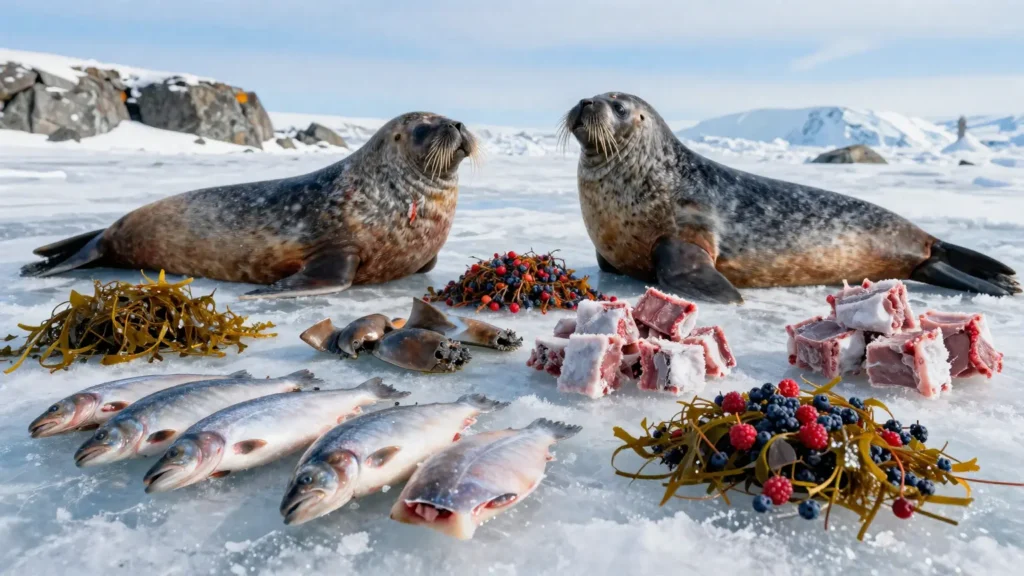
Traditional Arctic diets are characterized by an abundance of animal products that reflect the Inuit’s deep connection to their environment. Food sources include fish, marine mammals such as seals, whales, and walruses, land mammals like caribou, birds, and even native plants like berries, herbaceous plants, roots/tubers, and seaweed. Each item in this diet is carefully selected not only for its nutritional value but also for its role in cultural traditions and social cohesion.
The traditional Arctic diet thrives on the principle of sustainability through hunting practices that have evolved over generations. Imagine the skill required to spear a seal from an ice hole or track caribou across vast tundra landscapes. These methods ensure both conservation and respect for nature, highlighting how the Inuit diet is deeply intertwined with cultural beliefs and communal sharing.
As you delve deeper into this article, you’ll explore how these traditional practices are adapting in response to modern challenges such as climate change and market integration. The shift from relying on country foods to embracing market goods presents a fascinating narrative of resilience and transformation, affecting every aspect of Inuit life – from health outcomes to community dynamics. Join us as we uncover the intricate details behind this remarkable dietary transition.
Importance of Animal-Based Foods in Inuit Diet
Animal-based foods have long been the cornerstone of the traditional Inuit diet. Meat from marine mammals like seals, walruses, and whales provides a rich source of essential nutrients that are vital for survival in harsh Arctic conditions. These animals not only supply high-quality protein but also significant amounts of omega-3 fatty acids, which support brain health and cardiovascular function.
Similarly, land mammals such as caribou offer another critical component to the diet, providing lean meat that is easier to preserve and transport over long distances. The fat content in these meats varies seasonally, ensuring a balanced intake throughout the year. Caribou hunting also carries deep cultural significance, with specific rituals and traditions tied to each hunt.
The importance of birds and fish cannot be overstated either. Seabirds like auks and puffins provide essential vitamins and minerals, while fatty fish such as salmon are prized for their high omega-3 content and nutritional density. These elements together create a diet that is not only calorically dense but also nutritionally complete.
In addition to these staple foods, the Inuit incorporate native plants into their diet when available. Berries like cloudberries and blueberries offer bursts of flavor and antioxidants during summer months, while herbaceous plants, roots, tubers, and seaweed contribute vitamins and minerals year-round. These plant-based additions may seem minor in quantity compared to animal products but play a crucial role in dietary diversity.
The shift from traditional foods towards market goods introduces new challenges for the Inuit community. As they adapt their diets, they face significant health impacts, including rising rates of obesity and diabetes. > Despite consuming higher levels of omega-3 fatty acids than most populations, Inuit communities still experience health issues related to dietary changes.
Understanding this transition requires examining the intricate balance between cultural traditions and modern realities. The preservation of traditional hunting practices alongside the increasing reliance on store-bought foods presents a complex narrative that reflects both resilience and adaptation in the face of environmental and socio-economic pressures.
Impact of Climate Change on Traditional Foods
Climate change is reshaping the Arctic landscape in profound ways, impacting traditional food sources that have sustained Inuit communities for generations. Rising temperatures, melting ice caps, and unpredictable weather patterns are altering hunting grounds and migration routes of key wildlife species. This environmental transformation not only threatens biodiversity but also disrupts long-established practices.
Table: Climate Impact on Food Sources
| Food Source | Traditional Conditions | Current Challenges |
|---|---|---|
| Seals | Stable ice conditions, predictable breeding grounds | Unpredictable sea ice, disrupted breeding cycles |
| Caribou | Seasonal migration patterns | Irregular migration routes, habitat loss |
| Fish and Seafood | Cold water ecosystems | Warming oceans affecting fish stocks, new invasive species |
Seals are a critical food source for the Inuit diet. Historically, hunting seals required stable ice conditions that provided predictable breeding grounds and safe passages through which hunters could track and capture these animals. However, today’s warmer Arctic temperatures lead to thinner ice layers and unpredictable sea ice formation patterns, making seal hunting significantly more dangerous and less reliable.
Similarly, caribou have always played a pivotal role in the diet by providing lean meat that can be preserved for long periods. The traditional migration routes of caribou are now altered due to habitat loss from warmer temperatures and increased human activity, such as oil exploration and infrastructure development. This disruption means Inuit hunters must travel longer distances or face empty hunting grounds.
Fish and seafood, another staple in the diet, come from cold water ecosystems that are rapidly changing. Warmer ocean waters affect fish stocks by altering their distribution patterns, leading to a decrease in species traditionally hunted by the Inuit. Additionally, new invasive species may move into areas previously untouched, adding complexity to fishing practices.
These changes force Inuit communities to adapt their dietary habits and food acquisition strategies. The shift towards market goods can be partly attributed to the instability of traditional hunting grounds due to climate change. As natural resources become less reliable, store-bought alternatives that were once a supplement have increasingly become necessary for daily sustenance.
The Arctic has warmed twice as fast as the global average over the past few decades, dramatically altering ecosystems and challenging traditional ways of life more rapidly than ever before.
Understanding these challenges highlights the urgent need for sustainable adaptation strategies. How will Inuit communities continue to thrive while maintaining their cultural identity in an increasingly unpredictable environment? This question lies at the heart of ongoing research and community initiatives aimed at preserving both health and heritage amidst rapid environmental change.
Inuit Food Sharing Practices Explained
Inuit food sharing practices are a cornerstone of their culture, reflecting a deep sense of social solidarity and communal responsibility. This practice is rooted not only in survival needs but also in the intrinsic value placed on generosity and collective well-being. When hunters return from successful hunts, they distribute their catch among community members without expecting anything in return. This tradition ensures that even those who are unable to hunt or gather food due to age, disability, or other reasons can still benefit from the communal bounty.
Key Aspects of Food Sharing
- Generosity and Reciprocity: Hunters share their catches freely, knowing they will receive support when needed. This reciprocal system strengthens social bonds and fosters a sense of community.
- Health and Well-being: The practice ensures that nutritional needs are met across the population, reducing health disparities.
- Cultural Identity: Food sharing reinforces cultural values and traditions, passing them down through generations as an integral part of Inuit heritage.
Imagine attending a feast where everyone contributes what they can, whether it’s a small piece of fish or a large seal. This communal effort not only ensures food security but also strengthens familial ties and social networks within the community. Each meal is more than just sustenance; it’s a celebration of unity and mutual support.
Challenges to Traditional Food Sharing
As Inuit communities increasingly rely on store-bought foods, traditional practices like sharing country foods face new challenges. The cost of imported goods can be prohibitive for many families, leading to food insecurity issues that undermine the communal sharing system. Moreover, the convenience and availability of processed foods often lead to less frequent distribution of hunted or gathered foods.
This shift has led to a complex interplay between traditional practices and modern realities, where community members must navigate the balance between preserving cultural traditions and addressing practical needs. The resilience of Inuit communities is evident in their ability to adapt these practices while maintaining their core values.
Community Efforts and Initiatives
To address the challenges posed by dietary shifts and food insecurity, many Inuit communities have started implementing innovative solutions. Community-based initiatives focus on promoting traditional hunting skills among younger generations, encouraging the use of local resources, and educating about the nutritional benefits of country foods over store-bought alternatives.
These efforts not only aim to preserve cultural heritage but also to improve overall health outcomes by emphasizing a return to nutritious and sustainable food sources. By fostering a deeper understanding and appreciation for these traditional practices, communities hope to ensure that the values and traditions embedded in food sharing continue to thrive.
Understanding how Inuit communities navigate this transformation is crucial for appreciating both their resilience and the complexities they face in preserving cultural integrity while adapting to modern challenges.
Nutritional Value Compared to Western Diets
The shift from traditional country foods to market goods in Inuit diets brings about significant changes in the types of nutrients consumed. While traditional Arctic diets are rich in fats, protein, and omega-3 fatty acids, modern diets often introduce higher levels of refined carbohydrates, sugars, and processed foods. This transition has profound implications for health outcomes and nutritional balance.
Nutrient Comparison
Traditional Diet:
- High in Fats: Animal-based foods like seal meat are extremely high in healthy fats, including omega-3 fatty acids essential for brain function and heart health.
- Lean Protein: Caribou provides lean protein that is easier to preserve and transport.
- Micronutrients: Berries and herbs contribute vital vitamins and minerals.
Market Goods:
- Refined Carbohydrates: Processed foods often contain refined grains, sugars, and additives lacking in essential nutrients found in traditional diets.
- Saturated Fats & Trans Fats: Store-bought products may have high levels of unhealthy fats compared to the healthy fats consumed traditionally.
- Lower Omega-3 Levels: Although some market goods offer omega-3 supplements or fortified foods, they do not match the natural content available in country foods.
Impact on Health Outcomes
The shift towards a diet dominated by store-bought items correlates with increased rates of obesity and chronic diseases like diabetes. While traditional diets provide abundant nutrients essential for health, modern foods often lack these vital components, leading to nutritional deficiencies despite higher caloric intake.
Table: Nutrient Comparison
| Nutrient Type | Traditional Diet (Country Foods) | Market Goods |
|---|---|---|
| Fats | High in healthy omega-3 fats | Higher levels of unhealthy fats |
| Protein | Lean and high-quality | Variable quality, often processed |
| Micronutrients | Rich in vitamins and minerals from plants | Limited micronutrient content |
| Carbohydrates | Lower refined carbohydrates | High refined carbohydrates |
Despite the higher intake of omega-3 fatty acids from traditional foods, Inuit communities still face significant health challenges. This paradox highlights that while certain nutrients are plentiful, the overall nutritional balance is disrupted by the introduction of processed and less nutritious market goods.
Community Health Initiatives
Recognizing these impacts, many communities have launched initiatives to educate about the benefits of maintaining a diet rich in traditional foods. These efforts aim not only to preserve cultural practices but also to improve health outcomes through better nutrition. By promoting a balanced approach that integrates both country foods and healthier alternatives from market goods, Inuit communities hope to mitigate the negative effects of dietary shifts while preserving their heritage.
Understanding these dynamics is crucial for developing effective strategies to support the nutritional well-being of Inuit populations as they navigate this significant transition in their diets.
Health Impacts of Transitioning to Store-Bought Food
As Inuit communities shift towards a diet rich in market goods, the health implications are becoming increasingly apparent. The traditional diet’s balance of fats, proteins, vitamins, and minerals from hunted animals and gathered plants is being replaced by processed foods high in refined sugars, unhealthy fats, and additives. This dietary change has introduced several health concerns that were once rare or non-existent in Inuit populations.
The introduction of store-bought food often means a decrease in the consumption of whole, nutrient-dense foods found in traditional diets. Processed snacks, sugary beverages, and packaged meals may provide quick energy but lack essential nutrients such as vitamins A, C, D, calcium, iron, and zinc that are abundant in country foods like seal meat, caribou, and berries.
Before the widespread availability of store-bought goods, Inuit communities rarely experienced conditions like obesity or type 2 diabetes. Today, these diseases have become prevalent alongside the shift to processed food diets.
The health impacts extend beyond just nutritional deficiencies. The transition to a diet dominated by market goods also correlates with rising rates of chronic illnesses such as cardiovascular disease and diabetes. These trends are particularly troubling considering that traditional Inuit diets were known for their heart-healthy fats, lean proteins, and low carbohydrate content – all factors traditionally associated with better health outcomes.
Chronic Disease Risk
Chronic diseases like obesity, diabetes, and hypertension are becoming more common in Inuit populations due to the shift towards processed foods. While these conditions can be managed through medication and lifestyle changes, their prevention is much more effective when rooted in a diet that supports overall well-being from an early age.
The high levels of unhealthy fats found in store-bought goods contrast sharply with the healthier omega-3 fatty acids prevalent in traditional country foods. Although Inuit diets historically provided ample amounts of beneficial fats, the influx of processed and fast food introduces higher levels of saturated and trans fats that can contribute to cardiovascular disease.
Nutritional Deficiencies
The shift from a diet rich in whole foods to one dominated by packaged goods can lead to significant nutritional deficiencies. Traditional diets offered a diverse range of nutrients through various sources like seal meat, caribou, fish, berries, and plants. These natural food items provided essential vitamins and minerals that are often lacking in processed alternatives.
Moreover, the traditional practice of consuming raw or minimally cooked foods was linked to preserving certain nutrients and bioactive compounds that might be lost during cooking processes common with store-bought goods. This dietary shift not only affects immediate nutritional intake but also long-term health outcomes related to growth, development, and disease prevention.
Community Efforts for Healthier Choices
Recognizing the health risks associated with the transition towards processed foods, many Inuit communities are taking proactive steps. Initiatives focus on promoting traditional hunting skills among younger generations, encouraging the use of local resources, and educating about the nutritional benefits of country foods over store-bought alternatives.
By fostering a deeper understanding and appreciation for these traditional practices, communities aim to ensure that the values and traditions embedded in food sources continue to thrive while addressing practical needs. These efforts not only help preserve cultural heritage but also improve overall health outcomes by emphasizing a return to nutritious and sustainable food sources.
Understanding how Inuit communities navigate this dietary transformation is crucial for supporting their resilience and adaptability in the face of modern challenges. By balancing preservation of traditional practices with innovation, these communities strive to maintain both their cultural identity and physical well-being as they embrace changes brought about by globalization and climate change.
Spiritual Significance of Hunting Rituals
Hunting is more than a practical necessity for Inuit communities; it holds profound spiritual significance that permeates every aspect of their culture. Before embarking on a hunt, hunters undertake rigorous preparations that go beyond physical readiness. They engage in rituals and ceremonies to seek the guidance and blessing of spirits, ensuring both safety and success.
Rituals and Ceremonies
- Offerings to Spirits: Hunters often make offerings of tobacco or small gifts as tokens of respect to the spirit world before setting out.
- Ancestral Guidance: Many Inuit believe that ancestors can offer wisdom and protection through dreams and visions, which are carefully interpreted by hunters.
These rituals create a deep spiritual connection between the hunter, the hunted, and the natural environment. The act of hunting is not seen as merely taking life but rather as participating in an ancient and sacred cycle of giving and receiving.
Cultural Beliefs
The Inuit believe that animals have spirits similar to humans and must be treated with respect and gratitude. This belief fosters a sense of responsibility towards nature, emphasizing the importance of sustainable practices that ensure the survival of wildlife populations for future generations.
- Killing Rituals: After a successful hunt, hunters perform specific rituals to honor the animal’s spirit. These may include singing songs or reciting prayers.
- Sharing Practices: The distribution of hunted food is not just about sustenance but also serves as a way to redistribute the gift from nature among community members, reinforcing social bonds and mutual respect.
Impact on Community Resilience
The spiritual aspect of hunting practices strengthens Inuit communities by fostering resilience in the face of environmental challenges. As climate change disrupts traditional hunting grounds and migration patterns, maintaining these rituals helps preserve cultural identity and continuity.
The elaborate preparations for a successful hunt can sometimes take several days or even weeks, highlighting the depth of respect and spiritual preparation involved in such endeavors.
Understanding the spiritual significance behind Inuit hunting practices provides insight into why preserving these traditions is vital as communities navigate dietary changes. These rituals not only connect hunters to their cultural heritage but also underscore the interconnectedness between people, animals, and the environment – a bond that remains integral to Inuit identity and resilience.
How do you think maintaining traditional hunting practices can help Inuit communities adapt to modern challenges while preserving their cultural integrity?
Diverse Plant Life Gathered by Inuit People
In addition to the rich variety of animal products in their diet, the Inuit also rely heavily on a range of native plants gathered from both land and sea. These plant-based foods offer essential vitamins, minerals, and antioxidants that complement the high-protein, fat-rich meats commonly consumed. Herbaceous plants, such as arctic willow and crowberry leaves, are often used for their medicinal properties to treat minor ailments like colds or infections.
Berries play a particularly important role in Inuit cuisine during summer months when they are abundant. Cloudberries, blueberries, and lingonberries not only add flavor but also provide crucial vitamins C and A, essential nutrients that may be lacking in animal-based foods alone. Seaweed, another valuable resource, is collected along coastal areas and eaten fresh or dried for later use.
The gathering of these plants is a communal activity often carried out by women and children during spring and summer months when the land is most accessible. Each type of plant has specific uses – some are used as food sources, while others serve medicinal purposes. For example, roots and tubers such as sweet vetch root provide carbohydrates and energy.
This diverse array of plants not only adds variety to the diet but also helps maintain a balanced nutritional profile essential for good health in the harsh Arctic environment. The knowledge of which plants are safe to eat and how they can be prepared or stored has been passed down through generations, highlighting the importance of traditional ecological knowledge within Inuit communities.
As climate change alters vegetation patterns and availability, these plant resources face new challenges that threaten their role in sustaining the Inuit diet. Understanding these impacts is crucial for developing strategies to preserve both cultural heritage and nutritional integrity as the Arctic continues to evolve.
Despite the challenging environment, over 20 different species of edible plants are known to be gathered by Inuit people for various purposes throughout the year.
How do you think preserving traditional knowledge about plant gathering can help Inuit communities adapt to changing environmental conditions?
Unique Eating Habits in Inuit Culture
In addition to their reliance on animal-based foods, the Inuit have developed unique eating habits that reflect their deep understanding of survival in extreme conditions. One such practice is consuming meat raw or partially frozen, which has both practical and cultural significance.
Consuming Raw Meat
Eating meat raw or semi-frozen was traditionally practiced for several reasons:
- Preservation: Freezing food naturally preserves it without the need for refrigeration.
- Flavor: The texture and taste of frozen meat are considered superior by some Inuit, who believe it retains more flavor than cooked meats.
This tradition also stems from a belief that consuming meat in its natural state is healthier. Many Inuit assert that eating raw or partially thawed meat helps maintain body warmth and prevents illness. This practice not only highlights the adaptability of Inuit dietary customs but also underscores their deep respect for nature’s offerings.
Seasonal Diet Adjustments
Inuit diets vary seasonally, reflecting both natural resource availability and cultural practices:
- Summer: Berries and plants are gathered during summer months when they are most abundant.
- Winter: Hunted meats dominate the diet as plant-based foods become scarce.
This seasonal variation ensures a balanced intake of nutrients year-round while also reinforcing connections to specific times of year through traditional activities like berry picking or seal hunting.
Social Gatherings Around Food
Food plays a central role in Inuit social gatherings and celebrations, fostering community cohesion. Feast days often involve the sharing of hunted meats, emphasizing communal bonds rather than individual consumption.
Imagine attending a feast where every dish is a testament to weeks of hunting efforts and months of planning – each meal shared not just as sustenance but as a celebration of collective achievement.
Understanding these unique eating habits provides insight into how Inuit culture intertwines with their diet, showcasing the importance of traditional practices in maintaining both cultural identity and physical well-being.
How do you think these unique eating habits contribute to the overall resilience and adaptability of Inuit communities?
Recommended Foods for a Traditional Inuit Diet
Traditional Arctic diets are not only rich in animal products but also incorporate various native plants that offer essential nutrients. Understanding the recommended foods helps appreciate the complexity and balance of this diet.
Key Animal-Based Foods
- Marine Mammals: Seals, walrus, whales provide high-quality protein and omega-3 fatty acids.
- Land Animals: Caribou offers lean meat with varying fat content depending on the season.
- Birds: Auks, puffins, and other seabirds supply essential vitamins and minerals.
Native Plants and Their Roles
The inclusion of native plants might seem minor in quantity but is vital for dietary diversity:
- Berries: Cloudberries, blueberries offer antioxidants and vitamins C and A.
- Herbaceous Plants: Used both as food and medicine; examples include arctic willow leaves.
- Seaweed: Provides minerals and can be eaten fresh or dried.
Seasonal Adjustments
Inuit diets are inherently seasonal:
- Summer Months: Focus on gathering berries, herbs, and other plant-based foods when available.
- Winter Months: Concentrate on hunted meats from marine and land animals to survive harsh conditions.
Each season brings its unique set of challenges and opportunities for food acquisition. This seasonal variation ensures that Inuit communities remain adaptable and resilient in the face of environmental changes.
Nutritional Balance
The traditional diet emphasizes a balance between animal products, which provide high levels of protein and healthy fats, and plant-based foods, offering vitamins and minerals essential for overall health:
- Omega-3 Fatty Acids: Essential for brain function and heart health.
- Vitamins and Minerals: Crucial for immune system support and growth.
This balance is crucial as it helps in preventing nutritional deficiencies that can arise from relying solely on store-bought foods, which are often less nutrient-dense compared to traditional country foods.
Preserving Traditional Practices
As Inuit communities continue to adapt to modern challenges, maintaining the practice of gathering native plants alongside hunting remains vital. This not only preserves cultural heritage but also ensures access to a diverse range of nutrients essential for health and well-being.
Imagine the joy felt by an Inuit child discovering their first cloudberries in summer or the sense of accomplishment when successfully harvesting seaweed along the coast – these experiences are more than just food gathering; they are part of a rich cultural tapestry that nurtures identity and resilience.
Understanding and preserving traditional dietary practices is crucial for ensuring that future generations of Inuit can continue to thrive while embracing both their heritage and modern realities.
Balancing Risks and Benefits of Traditional Foods
Navigating the shift from traditional country foods to store-bought goods requires a careful evaluation of both the risks and benefits associated with each dietary option. For Inuit communities, this balance is critical as they seek to maintain health while adapting to changing environmental and socio-economic conditions.
Evaluating Nutritional Risks and Benefits
The high content of omega-3 fatty acids in traditional foods like seal meat provides significant cardiovascular benefits. However, these foods can also contain contaminants such as mercury and PCBs, which pose serious health risks when consumed in large quantities over extended periods. On the other hand, store-bought goods often lack the nutritional density found in country foods but come with lower exposure to environmental toxins.
Health Risks of Contaminants
Contaminants like mercury are a concern in traditional diets due to their presence in marine mammals and fish. Long-term exposure can lead to neurological damage, particularly impacting developing children. This risk underscores the need for careful monitoring and regulation of consumption levels while maintaining cultural practices that ensure food security.
Community Health Initiatives
Community initiatives focus on educating about both the nutritional benefits and risks associated with traditional foods. Programs promote sustainable hunting practices alongside awareness campaigns highlighting safer consumption guidelines. For example, communities might encourage diversifying diets to include a wider range of marine mammals rather than relying solely on those with high contaminant levels.
Cultural and Economic Considerations
The decision to continue traditional dietary habits versus adopting modern alternatives is influenced by cultural attachment and economic feasibility. Many Inuit families struggle financially to purchase store-bought goods, making country foods an essential part of daily life despite potential health risks. Additionally, the cultural importance of hunting rituals and food sharing practices adds a layer of complexity to this decision-making process.
Innovative Solutions
In response to these challenges, innovative solutions are being explored that aim to integrate traditional knowledge with modern nutritional science. For instance, some communities have started using filtration techniques to reduce contaminant levels in harvested foods or developing hybrid diets that combine the best aspects of both dietary approaches. These efforts not only improve health outcomes but also reinforce cultural pride and resilience.
Future Outlook
As Inuit communities continue to adapt to a rapidly changing world, maintaining a balanced approach towards their diet will be crucial. This involves preserving traditional practices while embracing new strategies that enhance food security, nutritional quality, and overall community well-being. By doing so, these communities can navigate the complexities of modern life while honoring their rich cultural heritage.
Understanding this intricate balance is essential for supporting Inuit resilience in the face of ongoing environmental and socio-economic challenges. As they continue to adapt, finding a sustainable path that respects both tradition and health needs remains a collective goal.
How do you think balancing traditional dietary practices with modern nutritional guidelines can help ensure long-term health outcomes for Inuit communities?
Summary: Preserving Cultural Identity Through Arctic Diets
The traditional Arctic diet of the Inuit, rooted in centuries of survival in one of Earth’s harshest environments, is more than just a collection of foods; it’s a testament to cultural adaptability and sustainability. This diet, rich in animal products and native plants, has been crucial for maintaining health and social cohesion but faces significant challenges as communities increasingly turn to store-bought goods. As Inuit people navigate these changes, they must balance the preservation of their cultural heritage with practical needs, ensuring that traditional practices continue to thrive while addressing modern health concerns.
Understanding this intricate balance is essential for supporting Inuit resilience in the face of ongoing environmental and socio-economic challenges. By integrating traditional knowledge with contemporary nutritional science, communities can foster a sustainable path that respects both tradition and health needs, thereby preserving cultural identity and promoting overall well-being.
Frequently Asked Questions (FAQ)
What are some common country foods that Inuit traditionally eat?
Inuit traditional diets include marine mammals like seal, whale, and walrus; land animals such as caribou and fish; birds like ptarmigan; shellfish; berries; and local plants. These foods provide essential nutrients adapted to the Arctic environment.
How does climate change affect Inuit access to traditional country foods?
Climate change impacts ice formation and migration patterns of marine mammals, making hunting more challenging and sometimes dangerous for Inuit communities who rely on these resources for food security.
What are some health risks associated with switching from traditional diets to market goods?
Shifting towards a diet rich in processed foods high in sugar, salt, and fat can lead to increased rates of obesity, diabetes, cardiovascular diseases, and other non-communicable diseases among Inuit populations.
Are there any nutritional benefits that country foods offer over store-bought items?
Country foods are often richer in proteins, vitamins A and D, omega-3 fatty acids, and minerals like iron and zinc. They also contain fewer processed ingredients compared to market goods available in supermarkets.
How do Inuit communities ensure food security during times of scarcity?
Inuit rely heavily on sharing practices within their community where surplus traditional foods are distributed among family and friends to ensure everyone has enough to eat year-round, especially when certain resources become scarce due to environmental changes or hunting difficulties.
What role does social media play in promoting the importance of Inuit traditional diets?
Social media platforms help raise awareness about the cultural significance and nutritional value of country foods. They also provide a space for sharing recipes, cooking tips, and stories that highlight the importance of preserving these dietary traditions.
Can someone who doesn’t live in an Arctic region still adopt elements of the Inuit diet?
Yes, people can incorporate healthy components from the Inuit diet like lean meats, fish rich in omega-3s, and locally available plants to enhance their overall nutrition while respecting sustainable food practices.
What is being done to help Inuit communities maintain traditional diets despite modern influences?
Various organizations are working with Inuit communities to develop programs that support traditional hunting, fishing activities, and food preservation techniques. They also advocate for policies that protect access to country foods in the face of climate change impacts.
How do cultural events celebrate Inuit dietary traditions today?
Cultural festivals and gatherings often feature traditional dishes prepared using country foods, showcasing both their taste and importance within Inuit culture. These events promote community unity and pride in preserving ancient culinary practices.
What are some challenges faced by young generations regarding the transition from traditional diets to modern food systems?
Younger generations growing up with more access to market goods may face difficulties reconnecting with their cultural roots tied to hunting, fishing, and other subsistence activities integral to maintaining a balanced diet based on country foods.