What is a Low-Sulfur Diet?
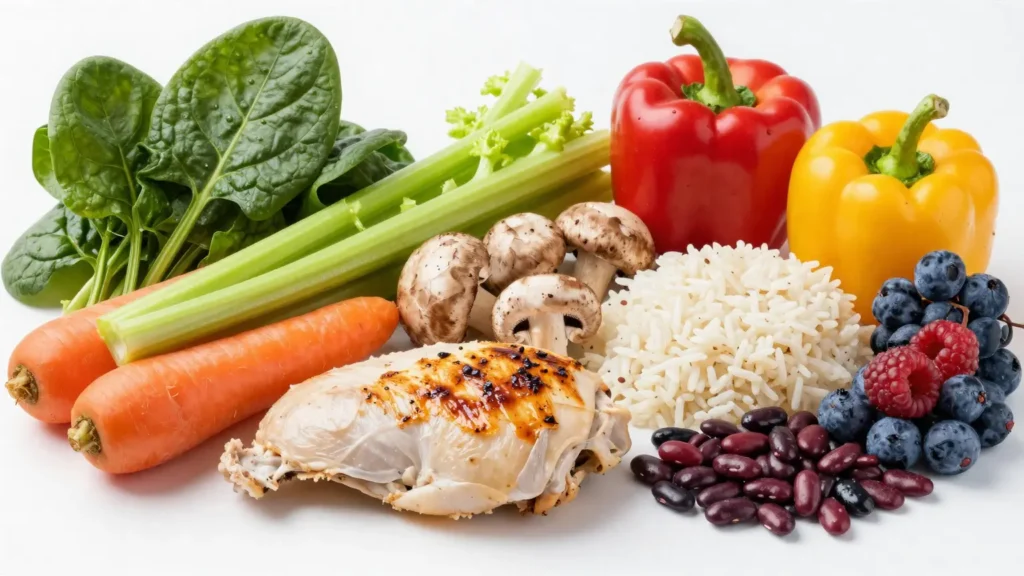
A low-sulfur diet is a dietary regimen that restricts or limits the intake of sulfur-containing compounds. This type of diet may be necessary due to certain health conditions, such as cystathionine beta-synthase (CBS) deficiency or small intestinal bacterial overgrowth (SIBO), which can exacerbate symptoms if not managed properly.
Imagine walking into a grocery store with the goal of maintaining your health but feeling overwhelmed by all the options. What if you discovered that some common foods could actually be contributing to your discomfort and needed to be avoided? This is precisely what happens for individuals following a low-sulfur diet. These diets are specifically tailored for people dealing with specific medical conditions, where dietary sulfur can exacerbate symptoms such as digestive issues or neurological damage.
Sulfur is an essential mineral in the human body, playing vital roles in various physiological processes. However, it can also support harmful bacteria when present in excessive amounts. For instance, individuals suffering from SIBO often experience increased hydrogen sulfide production due to bacterial fermentation of sulfur-containing foods. This surplus of hydrogen sulfide can lead to bloating, diarrhea, and abdominal pain. Therefore, limiting dietary sulfur becomes crucial for these conditions.
By exploring the world of low-sulfur diets, you unlock a path toward managing symptoms and improving overall health. Each bite taken carefully aligns with your body’s unique needs, fostering a sense of control over your well-being. As you venture into this journey, you’ll find yourself discovering new flavors and textures while learning about the intricate connection between food and health. Are you ready to embark on this fascinating adventure?
Why Follow a Low-Sulfur Diet?
Following a low-sulfur diet not only benefits your personal health but also has significant environmental implications. Reducing dietary sulfur, particularly in livestock feed, contributes to more sustainable agricultural practices and helps minimize the ecological footprint of food production.
Agricultural Impact:
- Reduction in Manure Odors: Livestock manure often contains high levels of volatile sulfur compounds, which contribute to noxious odors affecting nearby communities. By reducing dietary sulfur in animal feed, farmers can decrease these emissions, making farming operations more neighbor-friendly and sustainable.
- Improved Soil Quality: Sulfur is essential for plant growth but excessive sulfur in soil can lead to acidification and nutrient imbalance. By managing livestock diets carefully, less sulfur enters the ecosystem through manure, potentially enhancing soil health over time.
Health Benefits:
- Environmental Well-being: Lowering dietary sulfur also means reducing environmental pollutants that impact air quality and contribute to climate change. This not only benefits public health but also supports broader ecological sustainability goals.
Balancing Act:
Maintaining a balance between personal nutrition and environmental stewardship is key when considering a low-sulfur diet. By choosing plant-based proteins over animal products, you can reduce your carbon footprint while still meeting nutritional needs.
For instance, incorporating more rice, beans, lentils, and other legumes into daily meals provides essential nutrients without the high sulfur content found in many meat and dairy products.
Practical Steps:
- Consult Professionals: Before making significant changes to diet, consult with nutritionists or healthcare providers who specialize in metabolic disorders or environmental health.
- Educate Yourself: Stay informed about how dietary choices affect both personal health and the environment. Understanding these connections can empower you to make more conscientious decisions.
By adopting a low-sulfur diet, you contribute to creating a healthier planet while also supporting your own well-being. This dual benefit underscores why following such a diet is not just a health choice but an ethical and environmental responsibility.
Did you know that certain types of seaweed contain less sulfur compared to other marine products? Including seaweed in dishes like sushi or salads can offer a unique twist on your low-sulfur diet while adding beneficial minerals and vitamins.
Understanding Methionine’s Role in a Low-Sulfur Diet
Methionine plays a pivotal role in understanding a low-sulfur diet due to its sulfur content and essential functions in the body. As an amino acid, methionine is vital for various biological processes such as muscle growth, protein synthesis, and cellular function.
Why Methionine Matters:
- Essential Amino Acid: Methionine cannot be synthesized by the human body and must be obtained through diet.
- Sulfur Carrier: It introduces sulfur into the body when broken down, making it a significant contributor to total dietary sulfur intake.
When following a low-sulfur diet, particularly for conditions like cystathionine beta-synthase (CBS) deficiency or managing symptoms of SIBO, reducing methionine is crucial. High methionine intake can exacerbate these conditions by increasing hydrogen sulfide production in the gut.
Foods Rich in Methionine
To effectively manage a low-sulfur diet, it’s important to be aware of foods that are high in methionine and limit their consumption:
- Animal Products: Eggs, dairy products like milk and cheese, sesame seeds, Brazil nuts, beef, chicken, fish, and legumes such as lentils and chickpeas.
Alternative Food Sources
By focusing on low-methionine foods, you can still maintain a balanced diet rich in essential nutrients:
- Vegetables: Spinach, carrots, celery, bell peppers, mushrooms are excellent choices that offer vitamins and minerals without excessive sulfur content.
- Fruits: Berries like strawberries, blueberries, and raspberries provide antioxidants and flavor with lower methionine levels compared to fruits like bananas or apples.
Balancing the Diet
To ensure you’re getting adequate nutrition while adhering to a low-sulfur diet:
- Plan Meals Carefully: Include meals that balance protein from plant-based sources with vegetables and grains.
- Consult Professionals: Working closely with healthcare providers or registered dietitians ensures your dietary plan meets your specific health needs.
For instance, a typical day’s meal might include:
- Breakfast: Rice cereal topped with fresh berries and unsweetened coconut cream.
- Lunch: A salad with mixed greens, bell peppers, carrots, and lean plant-based protein like tofu or tempeh.
- Dinner: Grilled vegetables paired with brown rice and steamed spinach.
By making thoughtful choices about your food intake and focusing on low-sulfur alternatives, you can manage sulfur levels effectively while enjoying a nutritious diet. Remember, it’s all about finding the right balance that works best for your body and lifestyle.
Recommended Daily Allowance for Methionine
Understanding the recommended daily allowance (RDA) for methionine is crucial when following a low-sulfur diet. This essential amino acid plays pivotal roles in various bodily functions, such as protein synthesis and antioxidant processes. However, individuals with specific health conditions like cystathionine beta-synthase (CBS) deficiency need to manage their intake of methionine carefully.
Importance of Methionine
Methionine is an indispensable amino acid that introduces sulfur into the body when broken down. This element is crucial for forming strong bonds within proteins and supporting many biological processes in your body, such as muscle growth and repair. It also serves as a precursor to other important compounds like cysteine and taurine.
RDA for Methionine
The RDA for methionine varies based on an individual’s body weight but generally ranges from 13 to 25 milligrams per kilogram of body weight each day. This range ensures that the body has enough methionine to maintain its essential functions without overwhelming sulfur intake, particularly in conditions where excess sulfur can be problematic.
Foods High in Methionine
To meet your RDA for methionine while following a low-sulfur diet, it’s important to know which foods are rich in this amino acid:
- Eggs: One large egg provides about 13% of the daily recommended amount.
- Dairy Products: Milk and cheese contain significant amounts of methionine.
- Sesame Seeds and Brazil Nuts: These nuts offer high levels of methionine along with other essential nutrients like zinc and magnesium.
Foods Low in Methionine
To manage your sulfur intake effectively, focus on incorporating foods that are naturally low in methionine:
- Spinach, Carrots, Celery, Bell Peppers, Mushrooms: These vegetables provide a variety of vitamins and minerals without excessive amounts of sulfur.
- Berries: Offer antioxidants and lower methionine content compared to other fruits like bananas or apples.
Balancing Methionine Intake
Balancing your intake of methionine is key. Completely cutting out all sources can lead to deficiencies, while overconsumption might exacerbate certain health conditions. A dietician can help create a meal plan that ensures you get enough methionine from foods like rice and beans without exceeding the recommended levels.
Practical Tips for Managing Methionine
- Meal Planning: Start your day with a low-sulfur breakfast, such as rice cereal topped with berries.
- Balanced Meals: For lunch, opt for salads with lean protein sources like tofu or chicken breast. Dinner can feature grilled vegetables and brown rice.
- Consult Professionals: Always consult healthcare providers to tailor your diet according to individual needs.
Did you know that brassicas like broccoli and cabbage are high in sulfur compounds but also contain glucoraphanin, which supports detoxification processes? This underscores the complexity of nutrition science, highlighting how foods we might initially think should be avoided can offer unexpected health benefits.
By understanding the RDA for methionine and making informed food choices, you can manage your low-sulfur diet effectively while maintaining overall health.
Cystathionine Beta-Synthase Deficiency and Dietary Sulfur
Cystathionine beta-synthase (CBS) deficiency is a metabolic disorder where your body has difficulty breaking down homocysteine, an amino acid that can accumulate to harmful levels if not managed properly. This condition affects the way sulfur-containing compounds are processed in the body, leading to potential health issues such as developmental delays and neurological problems.
Key Points About CBS Deficiency
- Genetic Basis: CBS deficiency is inherited and results from mutations in the CBS gene.
- Symptoms: Common symptoms include intellectual disabilities, speech difficulties, seizures, and abnormal muscle tone (hypotonia).
- Impact on Sulfur Metabolism: Individuals with this condition cannot efficiently convert homocysteine to cystathionine, a compound that typically aids in detoxifying sulfur compounds.
Dietary Management
To manage CBS deficiency effectively, it’s crucial to follow a specific low-sulfur diet. This approach focuses on reducing the intake of methionine and other sulfur-containing amino acids, which are precursors for homocysteine production.
Foods to Avoid:
- High Methionine Foods: Eggs, dairy products (milk, cheese), sesame seeds, Brazil nuts.
- Red Meat and Poultry: Beef, chicken, pork.
- Fish and Shellfish: These contain significant amounts of sulfur compounds.
- Legumes: Lentils, chickpeas.
Suitable Food Choices:
- Vegetables: Spinach, carrots, celery, bell peppers, mushrooms.
- Fruits: Berries like strawberries, blueberries; apples, bananas.
- Grains: Rice, quinoa, oats (in moderation).
- Proteins: Beans, lentils, tofu.
Practical Tips for Managing CBS Deficiency
- Consult Healthcare Professionals: Work closely with a metabolic specialist or genetic counselor to tailor your diet specifically to your needs.
- Monitor Nutritional Needs: Ensure you’re getting all necessary nutrients by supplementing appropriately under medical supervision. Avoid supplements containing sulfur compounds like sulfite and sulfate.
- Educate Yourself About Labels: Learn to read food labels carefully, paying attention to ingredients that might be high in sulfur.
By adhering to a low-sulfur diet tailored for CBS deficiency, you can help manage symptoms and improve quality of life significantly. Remember, dietary management is just one aspect of care; regular medical check-ups are essential to monitor your health closely.
Did you know that certain vegetables like spinach contain high levels of magnesium, which plays a role in nerve function and muscle control? This highlights the importance of including nutrient-rich foods in your diet while adhering to dietary restrictions.
Food Sources of Methionine
Methionine is an essential amino acid that plays a significant role in maintaining various bodily functions, including muscle growth and the production of other important compounds like cysteine. However, for individuals following a low-sulfur diet due to specific health conditions or environmental concerns, managing methionine intake is crucial.
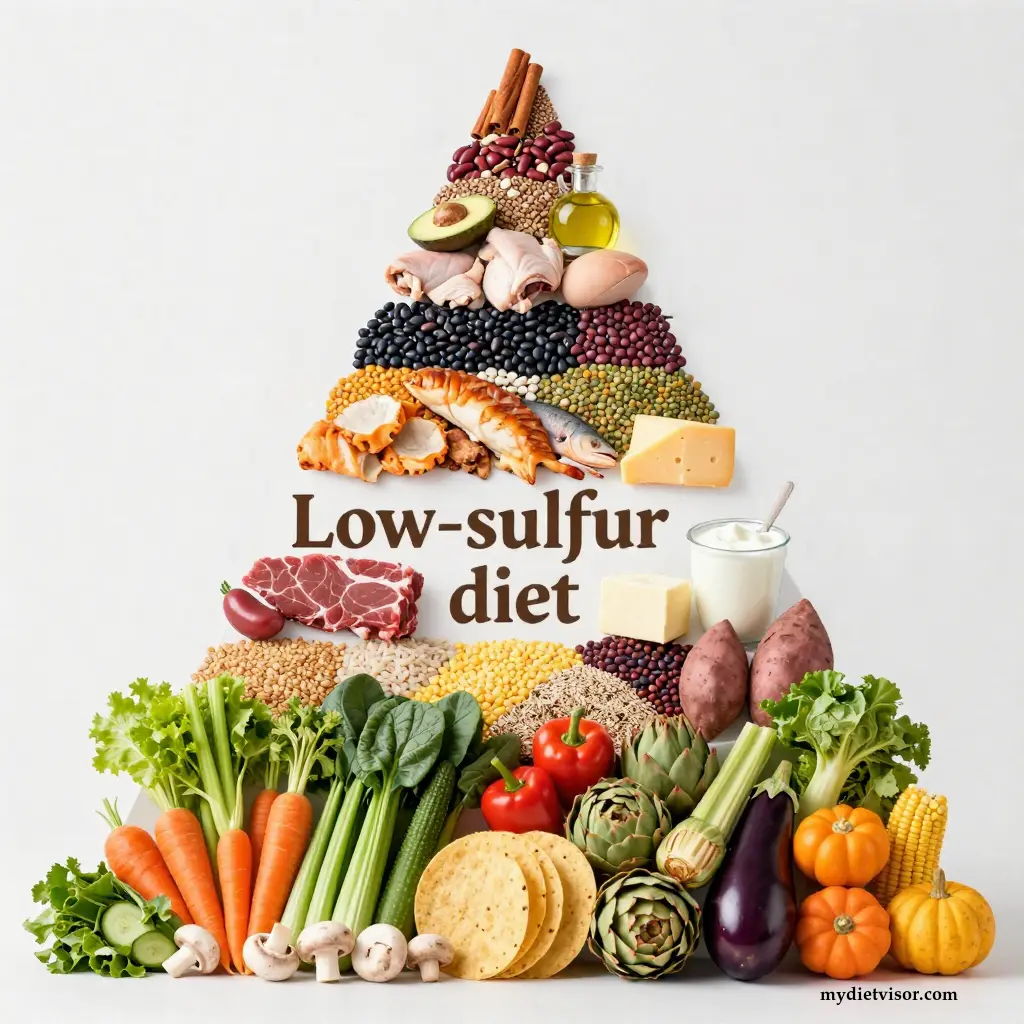
High-Methionine Foods
When considering which foods contain high levels of methionine, it’s essential to know that:
- Eggs are one of the richest sources of methionine. Just one large egg can provide about 13% of your daily requirement.
- Dairy Products: Cheese and milk also contain significant amounts of methionine, making them less suitable for a strict low-sulfur diet.
- Sesame Seeds and Brazil Nuts offer not only high levels of methionine but also other essential nutrients like zinc and magnesium.
Lower-Methionine Food Choices
To reduce your sulfur intake while still ensuring you get necessary amino acids, consider the following alternatives:
- Spinach: This leafy green is a great source of vitamins and minerals with relatively low amounts of sulfur.
- Carrots provide beta-carotene and other essential nutrients without contributing significantly to dietary sulfur levels.
- Bell Peppers: These colorful vegetables add flavor and nutrition while keeping sulfur content in check.
- Berries, such as strawberries, blueberries, or raspberries, are lower in methionine compared to high-sulfur fruits like bananas or apples.
It’s important to note that completely cutting out all sulfur-containing foods isn’t recommended, as sulfur is essential for health. Instead, the goal should be balancing intake to suit individual needs. A dietitian can help create a meal plan that ensures adequate methionine while adhering to low-sulfur guidelines.
Personal Reflection
Think about your current dietary habits. Do you often consume high-methionine foods? If you’re considering a low-sulfur diet due to health reasons or environmental concerns, start by identifying these foods in your meals and gradually reducing them. Remember, it’s okay to ask questions and seek guidance from healthcare professionals as you navigate this change.
Did you know that the sulfur compounds in garlic contribute significantly to its strong taste and aroma? While garlic is delicious, reducing high-sulfur foods like this can be beneficial for those managing specific health conditions or environmental concerns.
By understanding which foods are high in methionine and how to manage them within a low-sulfur diet, you can better tailor your meals to meet both your nutritional needs and dietary restrictions.
Impact of Sulfur Content on Agriculture Practices
Sulfur content in livestock feed has significant implications for both animal welfare and the environment. Managing dietary sulfur levels can lead to substantial improvements in agricultural practices, enhancing sustainability and reducing adverse effects.
Environmental Benefits of Reduced Dietary Sulfur
One major environmental benefit is the reduction in noxious odors from manure. When livestock consume diets high in sulfur compounds, these are broken down during gut fermentation and released as volatile gases such as hydrogen sulfide and other sulfur oxides. These emissions contribute to local air quality issues and can be a nuisance for nearby residents. By lowering dietary sulfur through strategic feed management, farmers can reduce the concentration of these noxious gases, improving community relations and overall environmental health.
Health Benefits for Livestock
Reducing dietary sulfur also has direct benefits for livestock health. Lowering sulfur intake in animal diets helps mitigate excessive hydrogen sulfide production by harmful bacteria within the digestive tract. Hydrogen sulfide is toxic to gut cells at high levels and can lead to various gastrointestinal issues, including inflammation and decreased nutrient absorption. By managing sulfur content through diet, farmers can improve the overall digestive health of their animals, leading to better productivity and reduced veterinary costs.
Practical Applications in Feed Management
To effectively manage dietary sulfur for both environmental and animal welfare benefits, farmers need to make informed decisions about feed composition. Incorporating more plant-based proteins and grains with naturally lower sulfur levels into livestock diets can help achieve these goals while ensuring the animals still receive adequate nutrition:
- Soybeans: A rich source of protein that is generally low in sulfur.
- Rice Bran: Contains fewer sulfur compounds compared to other cereal grains.
- Specific Legumes: Certain legume varieties, such as peas or lentils, offer lower sulfur content while providing essential nutrients.
By carefully selecting and balancing feed ingredients based on their sulfur content, farmers can create diets that are both environmentally friendly and supportive of animal health. This approach not only addresses immediate concerns but also contributes to long-term sustainability in agricultural practices.
Did you know that incorporating more legumes in livestock feed not only reduces dietary sulfur but also enhances soil fertility through nitrogen fixation? This dual benefit further illustrates how thoughtful agricultural practices can support both immediate needs and long-term ecological balance.
Sulfur Content in Common Foods: What to Avoid?
When embarking on a low-sulfur diet, it’s essential to know which foods should be avoided or limited due to their high sulfur content. Here’s a detailed look at the types of food that might need to be restricted:
High-Sulfur Proteins
- Eggs: Eggs are an excellent source of protein but also contain significant amounts of methionine, making them a prime candidate for restriction.
- Dairy Products: Cheese and milk are rich in sulfur-containing amino acids like methionine and cysteine. Avoid or significantly reduce the consumption of these dairy products.
- Meats: Beef, chicken, fish, and other animal-derived proteins should be limited as they contain high levels of sulfur compounds.
High-Sulfur Nuts and Seeds
- Brazil Nuts: These nuts are particularly rich in sulfur-containing amino acids. They should generally be avoided or eaten sparingly.
- Sesame Seeds: Sesame seeds also contain substantial amounts of sulfur and should be limited to maintain a low-sulfur diet.
High-Sulfur Legumes
- Soybeans and Chickpeas: These legumes are high in sulfur compounds, so they may need to be reduced or substituted with lower-sulfur alternatives like lentils.
- Kidney Beans: Similar to other beans, kidney beans contain moderate amounts of sulfur.
Grains High in Sulfur
- Wheat Products: Cereals, breads, pastas, and other wheat-based products can contribute to higher sulfur intake. Opt for rice or gluten-free alternatives instead.
- Refined Grains: Avoid processed grain products as they often contain added sulfites.
Vegetables High in Sulfur
- Cruciferous Vegetables: Broccoli, cauliflower, Brussels sprouts, and cabbage are all high in glucosinolates which break down into sulfur compounds. While nutritious otherwise, these should be limited.
- Alliums: Onions, garlic, leeks, scallions, and shallots are known for their pungent flavor due to their sulfur content.
Fruits High in Sulfur
While fruits generally have lower sulfur levels compared to other food groups, certain dried fruits like prunes and raisins should be consumed with caution. Citrus fruits can also contain moderate amounts of sulfur compounds.
Tips for Reducing Dietary Sulfur
To manage a low-sulfur diet effectively, consider the following tips:
- Choose Low-Sulfur Alternatives: Opt for spinach, carrots, celery, bell peppers, mushrooms, berries, rice, beans, lentils, and other legumes instead of high-sulfur foods.
- Monitor Processed Foods and Beverages: Check labels carefully to avoid hidden sources of sulfur compounds in processed foods and beverages like beer or wine.
- Cooking Methods Matter: Steaming, roasting, or stir-frying vegetables can help retain nutrients while minimizing sulfur losses compared to boiling.
By understanding which foods are high in sulfur and making mindful dietary choices, you can better manage conditions such as CBS deficiency or SIBO while supporting your overall health and well-being. Always consult with healthcare professionals for personalized advice tailored to your specific needs and goals.
Amino Acids Containing Sulfur Explained
Methionine is central to understanding why a low-sulfur diet can be beneficial, especially for individuals dealing with specific health conditions or aiming to reduce environmental impact. This amino acid plays a crucial role in the body’s protein synthesis and acts as a methyl donor for various biochemical reactions.
Why Focus on Methionine?
Methionine is essential because it introduces sulfur into the body when broken down, which is vital for forming strong bonds within proteins and supporting numerous biological processes. However, for people with conditions like cystathionine beta-synthase (CBS) deficiency or those managing small intestinal bacterial overgrowth (SIBO), reducing methionine intake helps manage symptoms by minimizing sulfur compounds in the body.
Key Foods to Avoid
To reduce your methionine intake, you need to be mindful of foods that are high in this amino acid. These include eggs, dairy products such as milk and cheese, sesame seeds, Brazil nuts, beef, chicken, fish, and legumes like lentils and chickpeas. By limiting these items, you can significantly lower your overall sulfur content.
Alternative Food Choices
Finding the right balance is crucial when following a low-sulfur diet. Opt for vegetables that are naturally lower in sulfur compounds such as spinach, carrots, celery, bell peppers, and mushrooms. Berries also make excellent choices due to their low sulfur content. Additionally, grains like rice provide good options alongside proteins from beans or legumes.
Balanced Meal Ideas
Imagine planning your day’s meals with a focus on reducing methionine intake:
- Breakfast: Start the day with a bowl of rice cereal topped with fresh berries and a dollop of unsweetened coconut cream.
- Lunch: Enjoy a salad made with mixed greens, sliced carrots, bell peppers, and celery. Add grilled chicken breast or tofu for protein, dressed lightly with olive oil and lemon juice.
- Dinner: For dinner, grill some vegetables like bell peppers, zucchini, and mushrooms. Serve them alongside brown rice and steamed spinach to ensure you get enough plant-based proteins while adhering to the diet’s restrictions.
By carefully selecting your meals each day, you can enjoy a varied diet that still meets all your nutritional needs without compromising on taste or satisfaction.
Fun Fact:
Did you know that spinach is not only rich in vitamins and minerals but also lower in sulfur compared to other leafy greens? This makes it an excellent choice for those looking to reduce their dietary sulfur intake while maintaining a nutritious meal plan.
The Role of Cysteine in a Low-Sulfur Diet
Cysteine plays a pivotal role when adhering to a low-sulfur diet due to its sulfur content and impact on overall health. Understanding the nuances of cysteine can help you make informed dietary choices that support both your well-being and specific health conditions.
Cysteine Basics
Cysteine is an amino acid known for its sulfur-containing properties, essential for various bodily functions such as antioxidant protection through glutathione synthesis. However, individuals with certain medical conditions like cystathionine beta-synthase (CBS) deficiency must manage their intake of cysteine to prevent exacerbating symptoms.
Sources and Substitutions
Foods rich in cysteine include eggs, dairy products, sesame seeds, Brazil nuts, beef, chicken, fish, and legumes. These items need to be limited or avoided when following a low-sulfur diet. Instead, opt for lower sulfur alternatives such as spinach, carrots, celery, bell peppers, mushrooms, berries, rice, beans, lentils, and other plant-based proteins.
Impact on Health Conditions
For those managing CBS deficiency, reducing cysteine intake helps mitigate symptoms by lowering hydrogen sulfide production, which can be harmful. This dietary adjustment also benefits individuals dealing with Small Intestinal Bacterial Overgrowth (SIBO), as it decreases the fuel available for bacteria that produce hydrogen sulfide.
Nutritional Balance
While limiting high-sulfur foods is crucial, ensuring nutritional balance remains paramount. Incorporating a variety of low-sulfur options provides essential amino acids and other nutrients without overloading on sulfur compounds. For example, including brown rice in your meals can offer necessary carbohydrates and proteins while being lower in sulfur content.
Practical Tips
- Meal Planning: Plan meals that include low-sulfur vegetables like spinach or carrots as the base, with lean proteins such as beans or lentils.
- Snack Ideas: Swap high-sulfur snacks for alternatives like rice cakes or unsalted nuts (excluding Brazil nuts).
- Consult Professionals: Always consult healthcare providers to tailor your diet according to specific health needs and monitor progress.
Did you know that glutathione, which cysteine helps produce, is often called “the mother of all antioxidants”? This highlights the critical role of this amino acid in protecting cells from oxidative stress.
By understanding how cysteine fits into a low-sulfur diet, individuals can make informed choices to support their health while adhering to dietary restrictions. Tailoring your meals with these principles in mind ensures you achieve nutritional balance and manage sulfur intake effectively.
How Does Lowering Sulfur Intake Help with SIBO?
Lowering sulfur intake can be particularly beneficial for managing Small Intestinal Bacterial Overgrowth (SIBO), a condition characterized by an abnormal increase in bacteria in the small intestine. These bacteria often produce hydrogen sulfide, which can cause uncomfortable symptoms like bloating and abdominal pain.
Here’s how reducing sulfur helps:
- Reduces Harmful Byproducts: Sulfur is used by certain harmful bacteria to create hydrogen sulfide, a gas that can irritate your digestive system and worsen the symptoms of SIBO. When you lower sulfur intake from foods such as eggs, dairy products, and some types of meat, there’s less fuel for these bad bacteria.
- Balances Gut Health: By focusing on low-sulfur foods like spinach, carrots, mushrooms, and berries, you help create an environment where beneficial gut bacteria can thrive. These foods are not only easier to digest but also provide essential nutrients that support overall digestive health.
- Supports Specific Dietary Needs: For conditions linked with excessive hydrogen sulfide production, like SIBO, sticking to a low-sulfur diet helps manage symptoms effectively. This approach isn’t just about cutting out certain foods; it’s about making smart choices to nurture your gut health and reduce discomfort.
Did you know that the sulfur in garlic is what gives it its strong smell and taste? While it’s delicious, reducing such high-sulfur foods can be a key part of managing digestive issues like SIBO.
By understanding how reducing sulfur intake affects SIBO, individuals can make informed choices about their diet to alleviate symptoms and improve overall gut health. This tailored approach not only addresses specific medical needs but also promotes a balanced and nutritious lifestyle.
Supplements and Ingredients High in Sulfur/Sulfate
When adhering to a low-sulfur diet, it’s essential to be aware of supplements and ingredients that might inadvertently increase your sulfur intake. Here’s what you need to know:
Common Supplements to Avoid
Certain dietary supplements can contain significant amounts of sulfur compounds, which may not align with the goals of a low-sulfur diet. Here are some common examples:
- Methylsulfonylmethane (MSM): MSM is often used for joint health and pain relief due to its ability to reduce inflammation. However, it’s primarily composed of sulfur and can be counterproductive on this type of diet.
- Glucosamine Hydrochloride: This supplement is popular for supporting bone and joint health but contains a substantial amount of sulfur. It’s advisable to consult with a healthcare provider before using if you are restricting your sulfur intake.
Ingredients Commonly Found in Foods
Certain ingredients commonly used in cooking or available as food products can also contribute significantly to dietary sulfur levels:
- Eggs: Eggs, particularly the yolks, contain high amounts of methionine. If you’re managing a condition that requires low-sulfur intake, reducing egg consumption might be necessary.
- Dairy Products: Milk and cheese are not only rich in proteins but also include significant amounts of sulfur-containing compounds. Butter is an exception as it contains less sulfur than other dairy products.
- Legumes: Soybeans and lentils provide substantial plant-based proteins containing sulfur-rich amino acids, which may need to be limited if you’re on a strict low-sulfur diet.
Choosing Low-Sulfur Alternatives
To maintain a balanced diet while adhering to the low-sulfur guidelines, opt for alternatives that are lower in sulfur content:
- Herbs and Spices: Instead of using garlic or onions to flavor dishes, choose herbs like parsley, cilantro, or thyme. These options add rich flavors without increasing sulfur intake.
- Beverages: Opt for water, herbal teas (chamomile, peppermint), and fruit juices made from low-sulfur fruits like berries and apples. Avoid alcoholic beverages and certain types of mineral water that may contain sulfates.
Nutritional Considerations
While reducing high-sulfur foods is crucial, it’s equally important to ensure you’re still getting all necessary nutrients:
- Proteins: Focus on plant-based proteins such as beans, lentils, and legumes. These sources provide essential amino acids without the excess sulfur found in many animal products.
- Fruits and Vegetables: Incorporate a variety of low-sulfur fruits like berries, apples, and bananas. For vegetables, choose spinach, carrots, celery, bell peppers, mushrooms, and other varieties that are naturally lower in sulfur content.
By being mindful of these high-sulfur supplements and ingredients, you can better manage your dietary sulfur intake while maintaining a healthy and balanced diet tailored to your specific needs. Remember, consulting with healthcare professionals or registered dietitians is crucial for creating a personalized plan that supports both your health and environmental goals.
Did you know that certain types of seaweed contain less sulfur compared to other marine products? Including seaweed in dishes like sushi or salads can offer a unique twist on your low-sulfur diet while adding beneficial minerals and vitamins.
Beverages Rich in Sulfur Content
When planning your diet on a low-sulfur regimen, it’s essential not only to focus on food but also to be mindful of beverages that might contribute significantly to your sulfur intake. Some drinks contain higher levels of sulfur compounds and should be approached with caution or avoided entirely.
Common Beverages High in Sulfur
Alcoholic Drinks
- Beer: Contains high levels of sulfur due to the brewing process.
- Wine: Often includes added sulfites as preservatives, which can increase sulfur content significantly.
Juices and Nectars
- Grape Juice (especially red grape juice): Naturally rich in sulfur compounds found in grapes.
- Certain fruit juices that are processed with additives or preservatives might also contribute to higher sulfur intake.
Mineral Waters
- Some brands of mineral water contain naturally occurring sulfates due to the geological source of their minerals, which can add unexpected levels of sulfur to your diet.
Low-Sulfur Beverage Options
Water
- Pure water remains one of the best choices for hydration without adding any additional sulfur compounds.
Herbal Teas
- Chamomile Tea: Provides a calming effect and is generally low in sulfur.
- Peppermint Tea: Offers digestive benefits with minimal sulfur content.
- Ginger Tea: Known for its anti-inflammatory properties, it also has a low sulfur profile.
Fresh Fruit Juices
- Choose juices made from fruits like berries (strawberries, blueberries) or apples, which typically have lower sulfur levels compared to grapes and citrus fruits.
Tips for Managing Sulfur Intake Through Beverages
- Read Labels Carefully: For packaged beverages, carefully read the labels to check for added sulfites.
- Opt for Fresh Over Processed: Whenever possible, choose fresh ingredients over processed or canned options.
- Consider Homemade Options: Making your own juices and teas from scratch allows you more control over the ingredients and additives.
Balancing Act
While reducing high-sulfur beverages is important, it’s equally crucial to ensure that your diet remains nutritionally balanced. Incorporating a variety of low-sulfur foods and drinks can help maintain essential nutrient intake while adhering to dietary restrictions.
For example, a typical day on a low-sulfur diet might include herbal tea in the morning, water throughout the day, and fresh fruit juices or smoothies for added flavor without increasing sulfur levels significantly. This approach not only supports your health goals but also keeps meals enjoyable and diverse.
By being aware of both high- and low-sulfur beverages, you can make informed choices that align with your dietary requirements while still enjoying a wide range of flavors and nutrients in your diet.
Certain brands of sparkling water might naturally contain sulfates due to their mineral content. Always check the label or research the source of the water to ensure it fits within your low-sulfur guidelines.
Fruits to Avoid on a Low-Sulfur Diet
When following a low-sulfur diet, it’s important to be mindful of which fruits you can include in your meals and which ones need to be avoided due to their higher sulfur content. This diet aims to reduce the intake of sulfur compounds, which is crucial for individuals dealing with specific health conditions or seeking to minimize environmental impacts.
High-Sulfur Fruits to Limit
Certain fruits are particularly high in sulfur compounds and should generally be limited on a low-sulfur diet:
- Dried Fruit: Prunes, raisins, and apricots contain moderate levels of sulfur compounds. These dried fruits can quickly add up to your daily sulfur intake without you realizing it.
- Citrus Fruits: Oranges, lemons, limes, and grapefruits are rich in vitamin C but also have notable amounts of sulfur-containing compounds.
- Figs: While figs offer a range of nutrients, they contain relatively high levels of sulfur compared to other fruits.
Lower-Sulfur Fruit Alternatives
To maintain nutritional balance while adhering to your low-sulfur diet, opt for these lower-sulfur fruit alternatives:
- Berries: Strawberries, blueberries, raspberries are excellent choices as they offer antioxidants and fiber without significant sulfur content.
- Apples: Many varieties of apples contain less sulfur than citrus fruits. Honeycrisp and Fuji apples tend to have lower levels compared to more acidic types like Granny Smith or Gala.
- Bananas: Bananas provide a great source of potassium and energy without the high sulfur content found in other fruits.
By choosing these low-sulfur options, you can still enjoy the natural sweetness and health benefits that fruits offer while adhering to your dietary restrictions. Remember, variety is key to ensuring you get all necessary nutrients from your food choices.
Did you know that certain varieties of apples contain less sulfur than others? Honeycrisp and Fuji are generally lower in sulfur content compared to more acidic types like Granny Smith or Gala. This means you have a delicious choice while sticking to your low-sulfur diet!
Understanding the specific fruits to avoid can help you make informed choices, ensuring your diet remains both nutritious and compliant with health and environmental considerations.
By incorporating these insights into your daily routine, you can maintain a balanced diet that aligns with your individual health needs. Always remember to consult with healthcare professionals or nutritionists for personalized advice tailored to your specific situation.
Vegetables with High Sulfur Levels
When you’re on a low-sulfur diet, certain vegetables should be monitored closely due to their high sulfur content. These foods contain significant amounts of glucosinolates and other compounds that break down into isothiocyanates – substances rich in sulfur. By understanding which vegetables are high in sulfur, you can make more informed choices about what to include or avoid in your meals.
Cruciferous Vegetables
Cruciferous vegetables are among the most notable for their high sulfur content:
- Broccoli: Rich in glucosinolates that break down into isothiocyanates when cooked.
- Cauliflower: Similar to broccoli, it also contains significant amounts of these sulfur compounds.
- Brussels Sprouts: These small but mighty veggies are packed with sulfur-rich nutrients.
- Cabbage: Whether eaten raw or cooked, cabbage contributes significantly to your daily sulfur intake.
- Kale and Collard Greens: Leafy greens like kale and collard greens contain glucosinolates that are metabolized into isothiocyanates.
Allium Vegetables
Allium vegetables are another group known for their pungent flavors and high sulfur content:
- Onions: They provide a strong flavor due to the presence of thiosulfinates, which are volatile sulfur compounds.
- Garlic: Known for its potent taste and smell, garlic contains allicin, which breaks down into sulfenic acid and other sulfur compounds.
- Leeks, Scallions, Shallots: These vegetables share similar characteristics with onions and garlic in terms of their high sulfur content.
Legumes
While legumes are often recommended as a healthy protein source, they also contain significant amounts of sulfur:
- Chickpeas (Garbanzo Beans): High in amino acids like methionine and cysteine.
- Lentils: These pulses offer plenty of nutrients but also contribute to your daily sulfur intake.
- Soybeans: Often used as a protein source, soybeans contain high levels of lecithin which is rich in sulfur compounds.
Other Vegetables with High Sulfur Levels
Several other vegetables have notable amounts of sulfur:
- Fermented Vegetables: Sauerkraut and kimchi are fermented foods that can be high in sulfur due to the fermentation process.
- Asparagus: This vegetable contains inorganic sulfur, which gives it a distinct taste and smell.
Making Informed Choices
While these vegetables offer numerous health benefits such as antioxidants and fiber, they might need to be limited if you’re managing conditions like CBS deficiency or SIBO. Incorporating them into your diet carefully can help balance your nutritional needs with dietary restrictions. For instance:
- Cooking Methods: Choose cooking methods that minimize sulfur loss, such as steaming rather than boiling.
- Portion Control: Include these vegetables in moderation and focus on a variety of low-sulfur options to ensure a balanced intake.
By understanding the role of sulfur in various vegetables, you can make informed decisions about which foods to include or limit based on your dietary goals. Remember, it’s crucial to consult with healthcare professionals for personalized advice tailored to your specific health needs.
Did you know that the distinctive taste and smell of cruciferous vegetables like broccoli come from sulfur compounds called glucosinolates? While these compounds can be beneficial in small amounts, they may need to be limited on a low-sulfur diet.
Proteins That Are High in Sulfur
When managing a low-sulfur diet, it’s crucial to be aware of proteins that are high in sulfur-containing compounds. These foods can contribute significantly to your overall sulfur intake and may need to be limited or avoided depending on your health condition or environmental considerations.
Common Sources of High-Sulfur Proteins
Eggs: Eggs are a rich source of protein but also contain substantial amounts of methionine, an essential amino acid that is high in sulfur.
Dairy Products:
- Milk and Cheese: Dairy products like milk and cheese provide vital nutrients such as calcium and vitamin D but also carry significant levels of sulfur compounds due to their content of methionine and cysteine.
Meats:
- Beef, Chicken, Fish: These animal-based proteins are not only high in protein but also contain notable amounts of sulfur-containing amino acids.
Plant-Based Proteins as Alternatives
To maintain a balanced diet while adhering to low-sulfur guidelines, you can opt for plant-based proteins that offer essential nutrients without the excess sulfur. Consider incorporating these options:
- Beans: Various types of beans like black beans, pinto beans, and kidney beans provide good sources of protein and fiber.
- Lentils: Lentils are high in protein and also supply iron and folate, making them an excellent choice for a low-sulfur diet.
- Legumes: Include other legumes such as chickpeas (garbanzo beans) or split peas to diversify your protein sources while limiting sulfur intake.
Practical Tips for Reducing Sulfur Intake
Choose Alternatives Wisely:
- When preparing meals, look for lower-sulfur alternatives that still provide adequate nutrition.
Balance Your Diet:
- Ensure you get a variety of nutrients by combining different types of low-sulfur foods to create balanced and satisfying meals.
Example Meal Plan Incorporating Low-Sulfur Proteins
Here’s an example day to illustrate how you can incorporate plant-based proteins into your diet while limiting high-sulfur options:
- Breakfast: Rice cereal topped with sliced strawberries, blueberries, and a sprinkle of sunflower seeds.
- Lunch: A hearty salad with mixed greens, roasted bell peppers, carrots, and celery. Add chickpeas or lentils for protein, and dress lightly with olive oil and lemon juice.
- Snack: Hummus made from garbanzo beans served with rice cakes or cucumber slices.
- Dinner: Grilled vegetables like zucchini, mushrooms, and bell peppers paired with a side of brown rice. You can also include tofu or tempeh for additional protein.
By thoughtfully selecting your meals and snacks, you can enjoy nutritious food while adhering to the low-sulfur diet guidelines. This approach helps manage specific health conditions or environmental concerns effectively without sacrificing flavor or variety in your meals.
Did you know that chickpeas not only offer a good source of protein but also contain prebiotics that support gut health, making them an ideal choice for those on a low-sulfur diet who are also focusing on digestive wellness?
Nuts, Seeds, Beans, Lentils, Grains: Which Ones to Limit?
When following a low-sulfur diet, it’s important to be mindful of which nuts, seeds, beans, lentils, and grains you should limit or avoid due to their sulfur content. These foods can contribute significantly to your daily intake of sulfur compounds, potentially exacerbating certain health conditions such as CBS deficiency or SIBO.
Nuts
Nuts are a great source of healthy fats and protein but contain varying levels of sulfur compounds:
- Avoid: Brazil nuts should be avoided because they have one of the highest concentrations of methionine among all nuts.
- Limit: Almonds, walnuts, and sunflower seeds contain moderate amounts of sulfur and should be consumed in moderation.
Seeds
Seeds can also contribute to your sulfur intake, so it’s important to choose wisely:
- Avoid: Sesame seeds are particularly high in sulfur-containing amino acids and should be avoided.
- Limit: Pumpkin seeds and chia seeds should be eaten sparingly if you need to reduce your sulfur intake.
Beans
Beans are a good source of plant-based protein but can also be high in sulfur content:
- Avoid: Soybeans, chickpeas (garbanzo beans), and kidney beans contain significant levels of methionine and cysteine.
- Limit: Black beans and navy beans have higher sulfur content compared to other legumes. Opt for lentils or green peas instead.
Lentils
Lentils are generally lower in sulfur content than many other legumes, making them a better choice:
- Moderate: Green lentils and red lentils can be included in your diet but should still be consumed moderately if you need to strictly limit sulfur intake.
Grains
While grains like wheat tend to be higher in sulfur compounds, there are alternatives that are better suited for a low-sulfur diet:
- Avoid: Wheat products such as bread, pasta, and pastries can contain significant amounts of sulfur.
- Limit: Even rice, while generally lower in sulfur than other grains, should still be consumed moderately if you need to severely restrict your sulfur intake.
Tips for Making Informed Choices
- Read Labels: Always check food labels for additives like sulfites or preservatives that might increase the sulfur content of a product.
- Choose Fresh Over Processed: Opt for fresh foods over processed ones, as processing can often introduce additional sulfur compounds.
- Variety is Key: Incorporating a variety of low-sulfur vegetables, fruits, and proteins can help ensure you get all necessary nutrients without exceeding your sulfur limit.
By carefully selecting which nuts, seeds, beans, lentils, and grains to include in your diet, you can better manage your sulfur intake while still enjoying nutritious and flavorful meals. Remember, the key is moderation and thoughtful selection of food sources that are naturally lower in sulfur content.
Other Foods and Ingredients to Watch Out For
When adhering to a low-sulfur diet, it’s essential to be mindful of various foods and ingredients that may contain hidden sources of sulfur compounds. Here’s what you need to consider:
Processed Foods and Additives
Processed foods often include preservatives and flavor enhancers that contain sulfites or other sulfur-containing additives. For example:
- Canned Soups: Many canned soups use sodium sulfite as a preservative, which can significantly increase your sulfur intake.
- Sauces and Condiments: Soy sauce and some salad dressings may include high-sulfur ingredients like soybeans or garlic.
Always read food labels carefully to identify products that contain these additives. Opting for fresh, whole foods over processed items is generally a safer bet when you’re on a low-sulfur diet.
Beverages
Some beverages also contribute to your sulfur intake:
- Alcoholic Drinks: Beer and wine typically contain sulfites as preservatives. These can be particularly problematic if you’re trying to manage conditions like SIBO.
- Certain Juices: Grape juice, especially red grape juice, may have high levels of natural sulfur compounds due to its content.
Choose beverages that are free from added sulfites or minimize your consumption of alcoholic drinks when following a low-sulfur diet. Water remains the best choice for staying hydrated without increasing sulfur intake.
Cooking Methods
The way you prepare and cook foods can also affect their sulfur content:
- Boiling Vegetables: Boiling vegetables like broccoli and Brussels sprouts allows sulfur compounds to leach into the water, potentially increasing your sulfur intake if you consume that cooking water.
- Grilling or Steaming: These methods are preferable as they help retain more nutrients while minimizing sulfur losses.
By using steaming, roasting, or stir-frying instead of boiling, you can keep the sulfur content of vegetables lower and still enjoy their health benefits.
Condiments and Sauces
Condiments and sauces often include high-sulfur ingredients that might not be immediately obvious:
- Ketchup: Often made with tomatoes and vinegar, both which can contain moderate levels of sulfur compounds.
- Garlic Powder and Onion Powder: Commonly used in many recipes but are rich in sulfur content.
Choosing simple condiments or making your own dressings from basic ingredients like olive oil and lemon juice can help reduce the overall sulfur intake from these sources.
Snacks
Even snacks should be considered carefully:
- Crackers and Chips: Many snack foods include high-sulfur ingredients such as wheat flour or soy.
- Energy Bars: Some energy bars contain protein sources with significant amounts of sulfur, like whey powder.
Opt for low-sulfur snacks like fresh berries, rice cakes, or air-popped popcorn to enjoy your treats without compromising your diet’s effectiveness.
By being aware of these additional food and ingredient categories, you can better manage your sulfur intake. This awareness ensures that even the less obvious sources are accounted for in your dietary choices, helping you stay on track with your health goals while adhering to a low-sulfur regimen.
Did you know that certain spices like turmeric contain compounds similar to those found in cruciferous vegetables but without as much sulfur content? Including spices rich in curcumin can add flavor and potential health benefits while keeping your sulfur intake lower.
Sample Meal Plan for a Low-Sulfur Diet Day
A sample meal plan can help illustrate how you can enjoy delicious, nutritious meals while adhering to a low-sulfur diet. Here’s an example of what your day might look like:
Breakfast: Rice Cereal with Berries and Coconut Cream
Ingredients:
- Cooked rice cereal (use organic brown rice for added nutrients)
- Fresh berries (strawberries, blueberries, raspberries)
- Unsweetened coconut cream or almond milk
- A pinch of cinnamon for flavor
Instructions:
- Prepare the rice cereal according to package instructions using water instead of milk.
- Top with fresh berries and a dollop of unsweetened coconut cream or a splash of almond milk. Sprinkle a little bit of cinnamon on top.
This meal is low in sulfur but still provides essential nutrients, vitamins, and fiber from the berries. It’s also delicious and easy to prepare!
Lunch: Grilled Chicken Salad with Vegetables
Ingredients:
- Skinless chicken breast (or tofu if you prefer a plant-based option)
- Mixed greens
- Carrots, sliced thinly
- Bell peppers, chopped into strips
- Celery sticks
- Olive oil and lemon juice for dressing
Instructions:
- Grill the chicken breast until fully cooked. Alternatively, use tofu and sauté it with some olive oil.
- Prepare a large salad bowl by combining mixed greens, sliced carrots, bell peppers, and celery.
- Add the grilled chicken or tofu on top of the salad.
- Drizzle a simple dressing made from olive oil and lemon juice over everything.
This lunch is packed with nutrients while maintaining low sulfur levels. The vegetables provide essential vitamins and minerals, making this meal both satisfying and nourishing.
Snack: Rice Crackers with Unsulfured Dried Apricots
Ingredients:
- Rice crackers
- Unsulfured dried apricots (check labels to ensure no added sulfites)
Instructions:
- Have a handful of rice crackers along with some unsulfured dried apricots.
- This snack is low in sulfur and provides a sweet, tangy flavor that can be quite satisfying.
Dinner: Grilled Vegetables with Brown Rice
Ingredients:
- Bell peppers
- Zucchini
- Mushrooms (button or shiitake)
- Spinach
- Olive oil for cooking
- Brown rice
Instructions:
- Preheat your grill to medium heat.
- Slice bell peppers, zucchini, and mushrooms into bite-sized pieces. Toss them in a little olive oil and season with salt and pepper.
- Grill the vegetables until tender and lightly charred.
- Steam some spinach separately or add it raw if you prefer.
- Serve the grilled vegetables alongside a portion of steamed brown rice.
This dinner is nutritious, low in sulfur, and full of flavor. Grilling brings out the natural sweetness in the veggies while keeping their nutritional value intact.
Snack: Smoothie with Spinach
Ingredients:
- Frozen berries
- Banana (ensure it’s not overly ripe)
- Fresh spinach leaves
- Unsweetened almond milk or coconut water
Instructions:
- Blend the ingredients until smooth and creamy.
- Drink this refreshing and nutritious smoothie as a late-night snack.
By following this meal plan, you can enjoy delicious meals that are low in sulfur while still providing all the nutrients your body needs. Each component of the day’s menu is carefully chosen to balance taste with health benefits, ensuring that adhering to a low-sulfur diet isn’t just about what you avoid but also about what you can include and savor.
Did you know that steaming vegetables like carrots and spinach helps retain their vitamins while minimizing sulfur loss compared to boiling them? This method is gentle on these nutritious foods and ensures they maintain their health benefits.
Summary of Key Points for Following a Low-Sulfur Diet
A low-sulfur diet is designed to limit your intake of sulfur compounds, which can be particularly beneficial for managing specific health conditions or reducing environmental impact from livestock farming. Here’s a concise summary of key points to help you follow this dietary approach effectively:
- Sulfur’s Role in Health: Sulfur plays a critical role through amino acids like methionine and cysteine, but excessive intake can exacerbate certain health issues.
- Dietary Choices: High-sulfur foods include eggs, dairy products (except butter), sesame seeds, Brazil nuts, beef, chicken, fish, and legumes. Opt for low-sulfur alternatives such as spinach, carrots, celery, bell peppers, mushrooms, berries, rice, beans, lentils, and other plant-based proteins.
- Health Benefits: Reducing sulfur intake can help manage conditions like CBS deficiency (by limiting methionine) and SIBO (by decreasing hydrogen sulfide production from harmful bacteria).
- Environmental Considerations: Lowering dietary sulfur for livestock reduces manure odor and environmental disruption caused by volatile compounds released during gut fermentation.
- Tips for Reducing Sulfur Intake: Avoid or limit high-sulfur foods, use supplements cautiously, and focus on a balanced intake of essential nutrients from plant-based sources.
By adhering to these guidelines, you can maintain a nutritious diet that supports your health while also considering broader environmental impacts. Always consult with healthcare professionals for personalized advice tailored to your specific needs.
Frequently Asked Questions (FAQ)
What are some snack options that fit into a low-sulfur diet?
Fresh fruit, nuts, flax crackers, and red bell pepper soup can be great snack choices. Opting for celery, jicama, and carrot slices dipped in guacamole or your favorite dip is also a tasty option.
Are there any specific fruits I should avoid on a low-sulfur diet?
Avoid dried fruits such as raisins, dates, prunes, and apricots. Also limit consumption of dried coconut.
What vegetables are high in sulfur that I should cut back on if following this diet?
Cruciferous vegetables like broccoli, cauliflower, and Brussels sprouts, along with arugula, asparagus, and mustard greens, should be limited or avoided.
Can you provide a sample breakfast menu for someone adhering to a low-sulfur diet?
Breakfast options include rice-based cereal (hot or cold) with coconut milk, cinnamon, mixed berries, and ground flax seed. Another idea is avocado toast on whole grain bread with scrambled eggs made without dairy products.
What are good starch sources that won’t raise my sulfur intake too much?
Rice, beans, lentils, potatoes, yams, and sweet potatoes are all great choices for maintaining a balanced diet while adhering to low-sulfur guidelines.
Can I still enjoy protein in my meals if I’m on a low-sulfur diet?
Yes, you can still include proteins like chicken, turkey, or fish. Choose 3-4oz portions of lean meats with low-sulfur vegetables such as salads, carrots, celery, mushrooms, bell peppers, cucumbers, eggplant, spinach, collards, artichokes, and corn.
Are there particular beverages I need to avoid while on a low-sulfur diet?
Beverages high in sulfur include beer, red & white wine, cider, apple juice, tomato juice, grape juice, and cow’s milk. Well water can sometimes be an issue depending on the source; city water is generally safe.
What are some dinner ideas that fit within a low-sulfur diet plan?
For dinner, aim for grilled veggies like zucchini, yellow squash, portobello mushrooms, bell peppers with 3oz protein and brown rice. Serve it with teriyaki or tamari sauce.
Are there any herbs or spices I should be cautious about on this diet?
Most herbs and spices are fine but avoid those that explicitly mention sulfur, sulfite, or sulfate in their ingredients list to prevent excess sulfur intake.
What dessert options align with a low-sulfur dietary plan?
Fresh fruit like kiwi or melon slices sprinkled with cinnamon and chopped pecans make for a delightful low-sulfur dessert.