Introduction to Lacto-Vegetarianism

Lacto vegetarianism is a dietary lifestyle that excludes meat and eggs but includes dairy products such as milk, cheese, yogurt, and ghee. This diet not only offers a rich tapestry of cultural and historical significance but also holds profound implications for personal health and well-being. Imagine stepping into the world of lacto-vegetarianism – a realm where ancient traditions blend seamlessly with modern nutritional science to offer a unique perspective on dietary choices.
Rooted in centuries-old practices, especially prevalent among followers of Hinduism, Jainism, Buddhism, and Sikhism, lacto vegetarianism is more than just about food; it’s a reflection of ethical principles. The concept of ahimsa (non-violence) guides these diets, ensuring that no harm comes to living beings through dietary choices. This principle resonates deeply with individuals seeking alignment between their dietary practices and moral values.
Lacto-vegetarianism has evolved over time, adapting to various contexts. From its origins in ancient India as a way of promoting non-harmful living, it was later championed by figures like George Cheyne for health benefits during the 18th century. Today, this dietary practice continues to thrive, supported by both cultural and religious traditions that emphasize compassion and respect for life. As you explore the nuances of lacto vegetarianism, you’ll uncover a world where each meal is not just about sustenance but also about making conscious choices that honor ethical values and promote health.
The History of Lacto-Vegetarianism
Lacto vegetarianism has deep roots that extend back to ancient times. How did this practice evolve from a spiritual directive to become a widely recognized dietary pattern? The answer lies in both religious teachings and the practical benefits of following such a diet.
In ancient India, lacto-vegetarian practices were deeply intertwined with philosophical thought. Hindu scriptures like the Bhagavad Gita advocate for ahimsa, or non-violence, which encourages adherents to avoid causing harm to any living being. This principle was not only applied in dietary choices but also extended to daily life, influencing societal norms and personal ethics.
During the 18th century, lacto vegetarianism found a new champion in George Cheyne, a Scottish physician. What did this influential figure see as the benefits of such a diet? Cheyne promoted lacto vegetarianism for its health advantages, particularly in managing weight-related issues. His advocacy brought attention to dietary practices that could enhance well-being beyond cultural and religious contexts.
In the 19th and early 20th centuries, lacto vegetarianism gained further traction through the work of notable figures such as Elmer McCollum, a biochemist who emphasized the nutritional benefits of dairy products. Meanwhile, German naturopaths began to incorporate lacto vegetarian principles into their holistic approaches to health care. How did these early proponents shape our understanding of this diet? They highlighted the role of dairy in providing essential nutrients like calcium and protein, which were crucial for overall health.
During World War I, Denmark faced food shortages that led people to adopt a more plant-based diet rich in dairy products. This period inadvertently promoted lacto vegetarianism as an effective way to maintain nutrition despite limited resources. The success of this approach further underscored the practical benefits of incorporating dairy into a predominantly plant-based diet.
Throughout its history, lacto vegetarianism has continuously adapted and evolved, reflecting changing societal norms and scientific understanding. Understanding the evolution of lacto vegetarianism reveals how deeply it is rooted in both spiritual and practical considerations, influencing not only dietary choices but also broader ethical perspectives on living a compassionate life.
Religious and Cultural Influences on Lacto-Vegetarian Diets
Lacto vegetarianism is not just a dietary choice but a deeply rooted practice influenced by religious and cultural traditions. In Hinduism, the principle of ahimsa (non-violence) underpins many aspects of daily life, including dietary practices. Followers are encouraged to avoid harm to all living beings, making lacto-vegetarianism a natural extension of this philosophy. Dairy products, being non-sentient in origin according to Hindu beliefs, fit seamlessly into the framework of ethical eating.
Similarly, Jainism places an even stricter emphasis on ahimsa, extending dietary restrictions to exclude root vegetables and honey. Jains believe that plants have life forms too subtle for human perception but still deserving respect. This makes lacto vegetarianism an ideal compromise between strict adherence to non-violence and the need for nutritional balance.
In Buddhism, while there is no specific mandate against consuming dairy products, many Buddhists adopt a form of lacto vegetarianism as a personal expression of compassion towards all living beings. The emphasis on minimizing suffering aligns well with the choice to avoid meat consumption but include dairy as it does not necessarily involve killing animals directly.
Sikhism also promotes a form of lacto vegetarianism through its teachings, although it is more permissive compared to Hindu and Jain traditions. Sikhs emphasize the importance of treating all beings kindly and avoiding harm, making a plant-based diet inclusive of dairy products a practical way to live according to these principles.
How do these religious practices influence everyday dietary choices for followers? The impact is profound, shaping not only what individuals eat but also how they view their relationship with the environment and other living creatures. For instance, many devout Hindus will avoid eating eggs or meat on special occasions like festivals or during fasting periods to maintain purity and ethical integrity.
In India, where lacto vegetarianism is deeply ingrained in cultural practices, it often reflects a broader philosophy of sustainability and respect for nature. Dairy products are seen as gifts from cows and buffaloes treated with care and reverence by farmers who consider them sacred animals. This perspective underscores the interconnectedness between human health, animal welfare, and environmental preservation.
What role does education play in maintaining these dietary traditions? Schools and religious institutions often teach about the importance of ethical eating through lacto vegetarianism. By instilling these values early on, they help ensure that future generations continue to uphold these principles as part of their lifestyle choices.
Understanding how these religions and cultures influence dietary practices provides a richer context for appreciating the complexities involved in maintaining a lacto-vegetarian diet. It’s not merely about food; it is an embodiment of centuries-old wisdom that guides individuals towards a more compassionate and sustainable way of living.
Recommended Food Groups for a Lacto-Vegetarian Diet
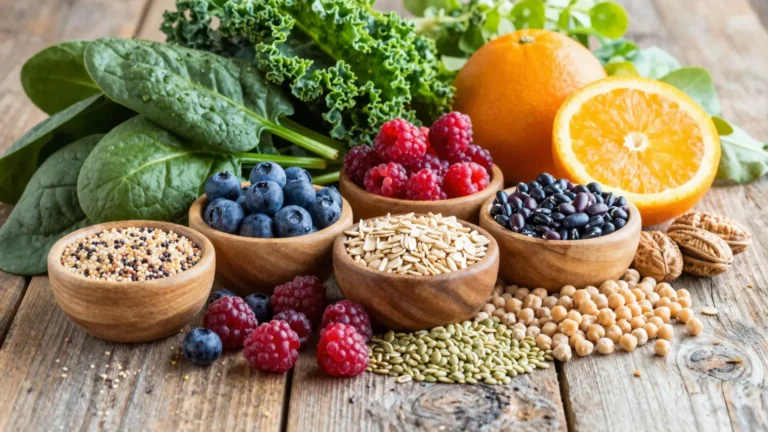
To thrive on a lacto vegetarian diet, it’s essential to include a variety of food groups that provide all necessary nutrients. The core components of this diet are vegetables, fruits, grains, legumes, nuts and seeds, and dairy products. By focusing on these groups, individuals can ensure they receive balanced nutrition while adhering to ethical principles.
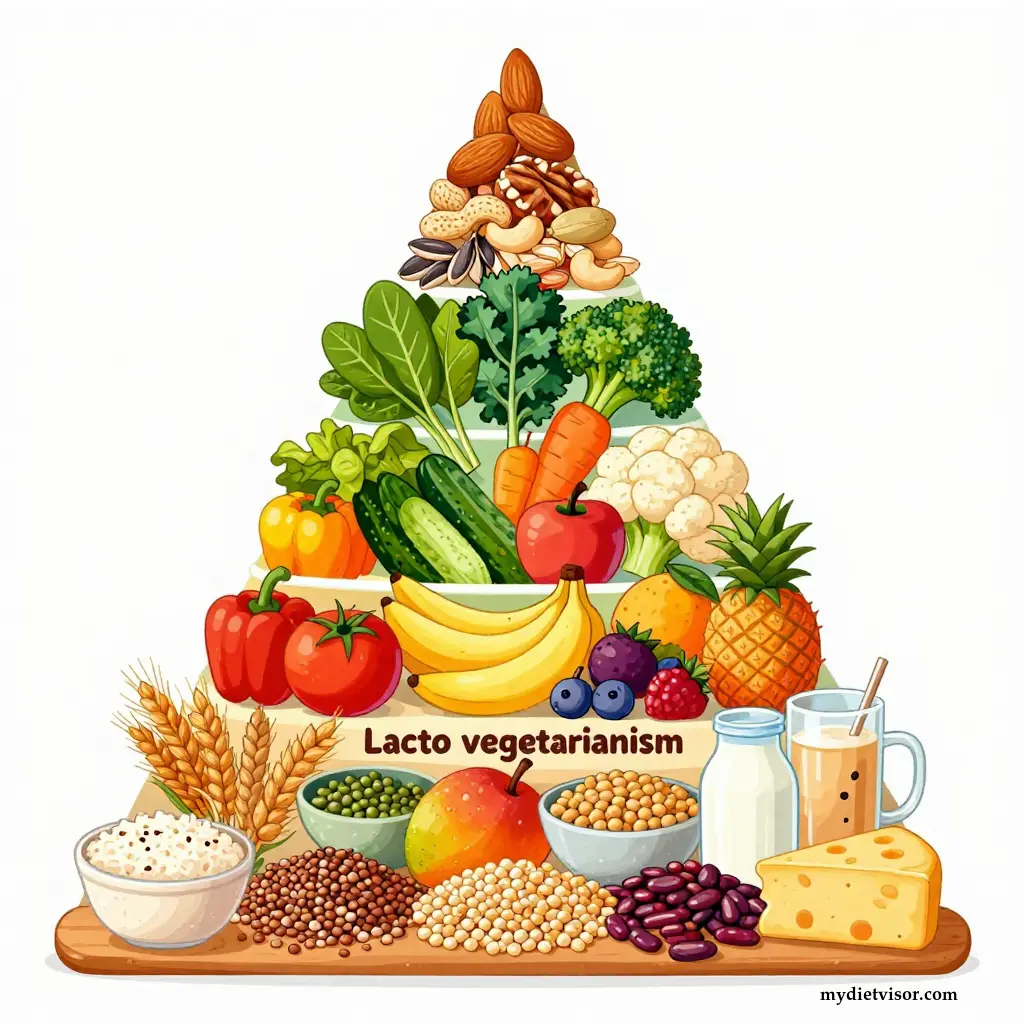
Vegetables and Fruits: These form the foundation of any healthy diet, providing essential vitamins, minerals, and fiber. Aim for a colorful plate with plenty of leafy greens like spinach and kale, as well as vibrant vegetables such as bell peppers and sweet potatoes. Including fruits like bananas, apples, and berries can also boost your intake of antioxidants and natural sugars.
Grains: Whole grains are rich in complex carbohydrates, B vitamins, and fiber. Opt for foods like brown rice, quinoa, oats, barley, and whole wheat bread. These not only provide sustained energy but also support digestive health and help manage weight effectively.
Legumes: Beans, lentils, chickpeas, and peas are excellent sources of plant-based protein, iron, zinc, and folate. Incorporating legumes into meals can be as simple as adding them to soups, salads, or making dishes like dal and hummus. They offer a versatile way to meet your daily protein needs without relying on animal products.
Nuts and Seeds: These provide healthy fats, proteins, minerals (such as magnesium), and vitamins E and B. Include almonds, walnuts, chia seeds, flaxseeds, and sunflower seeds in your diet for additional nutritional benefits. Sprinkling a handful of nuts or seeds over cereals, yogurt, or salads can enhance flavor while boosting nutrient intake.
Dairy Products: Given that lacto-vegetarians include dairy products, this group is crucial for obtaining essential nutrients such as calcium, vitamin D, and protein. Dairy sources like milk, cheese, yogurt, and ghee are readily available options. However, it’s important to choose low-fat or fat-free varieties to avoid excessive calorie intake while still benefiting from their nutritional profile.
Combining these food groups effectively requires mindful planning and creativity in meal preparation. For instance, a balanced breakfast could include whole grain toast with avocado and scrambled eggs made without meat products but enriched by dairy milk. Lunch might consist of a quinoa salad topped with chickpeas, mixed vegetables, and feta cheese. Dinner can be a hearty lentil soup served with steamed broccoli and rice pudding for dessert.
How do you balance your lacto vegetarian meals to ensure nutritional completeness? Experimenting with different combinations and recipes allows individuals to enjoy diverse flavors while meeting their dietary needs comprehensively. By integrating these food groups thoughtfully, lacto vegetarians can maintain robust health without compromising on taste or ethical principles.
Forbidden or Limited Foods in Lacto-Vegetarianism
In a lacto vegetarian diet, certain food items are explicitly excluded to align with both ethical principles and health considerations. What foods are typically off-limits for those adhering to this dietary practice? The core restrictions revolve around meat, fish, poultry, eggs, and sometimes honey, depending on cultural or personal interpretations.
Meat, Fish, Poultry
All forms of animal flesh, including beef, pork, lamb, chicken, turkey, and seafood, are strictly prohibited. This exclusion stems from the principle of ahimsa, which advocates for non-violence towards all living beings. Why do lacto vegetarians abstain from consuming meat? The answer lies in the ethical belief that taking life unnecessarily goes against the core tenet of compassion and respect for all creatures.
Eggs
Eggs are also excluded from a lacto vegetarian diet, although there can be some variation within different cultural contexts. What makes eggs controversial among lacto vegetarians? While they are an excellent source of protein and other nutrients, many followers see egg consumption as inconsistent with the non-violent ethos associated with lacto vegetarianism. Eggs often involve the exploitation of hens and may not align perfectly with the holistic view of life’s interconnectedness.
Honey
The inclusion or exclusion of honey in a lacto vegetarian diet can be more nuanced. Some adherents avoid it due to ethical concerns about bee welfare, while others see no issue with consuming honey as long as it is obtained sustainably without harming bees. Why does the stance on honey vary among lacto vegetarians? This variability reflects differing interpretations of what constitutes non-violence and compassion in dietary choices.
Processed Foods
While not strictly forbidden, there is a strong emphasis on avoiding highly processed foods that often contain additives and preservatives derived from animal products such as gelatin or certain types of rennet. How can lacto vegetarians navigate the complexity of processed food ingredients? Reading labels carefully and opting for minimally processed alternatives help maintain adherence to dietary principles while enjoying convenience.
Cultural Variations
Different cultural and religious backgrounds may influence what is considered acceptable within a lacto vegetarian diet. For instance, Jains might avoid root vegetables like onions and garlic due to the belief that they contain life forms too subtle for human perception but still deserving respect. How do these variations impact dietary practices across cultures? Understanding local customs and traditions can provide insight into why certain foods are avoided or included in different contexts.
By adhering to these guidelines, lacto vegetarians not only maintain their health but also uphold ethical values that resonate deeply with spiritual beliefs. Each choice made within this framework is an opportunity to reflect on the interconnectedness of life and our impact on it through everyday actions like eating.
How do you navigate the balance between nutritional needs and dietary restrictions in your daily meals? This question invites readers to consider their own experiences and challenges when following a lacto vegetarian diet, fostering engagement with the material beyond mere factual consumption.
Nutritional Benefits of Lacto-Vegetarianism
A lacto vegetarian diet offers numerous nutritional benefits that contribute to overall well-being. By incorporating a wide range of plant-based foods alongside dairy products, individuals can achieve balanced nutrition while adhering to ethical principles.
Protein Sources: One of the key concerns for vegetarians is obtaining sufficient protein without meat or eggs. Legumes such as lentils and chickpeas are excellent sources, providing all essential amino acids when combined with grains like rice or quinoa. Dairy products like milk and yogurt also contribute significant amounts of high-quality protein, ensuring that lacto vegetarians meet their daily requirements.
Calcium Absorption: Calcium is crucial for bone health, muscle function, and nerve signaling. Why do dairy products play a vital role in calcium intake? Milk, cheese, and yogurt are rich in bioavailable forms of calcium, making them superior sources compared to many plant-based alternatives. While plants like kale and broccoli contain calcium too, the body absorbs it less efficiently than that found in dairy.
Vitamin D Intake: Vitamin D is essential for bone health and immune function. How does a lacto vegetarian diet ensure adequate vitamin D? Fortified milk and yogurt often provide significant amounts of this vital nutrient, helping to combat deficiencies common among vegetarians who do not consume fish or egg yolks.
Omega-3 Fatty Acids: These fats are important for brain health and reducing inflammation. What role does dairy play in meeting omega-3 requirements? While most plant-based diets rely on flaxseeds and chia seeds, certain fermented dairy products like kefir contain small amounts of omega-3s along with probiotics that support gut health.
Vitamin B12: Vitamin B12 is vital for nerve function and red blood cell production. How do lacto vegetarians avoid B12 deficiency? Fortified cereals, plant-based milk alternatives (like almond or soy milk fortified with B12), and nutritional yeast are reliable sources to ensure adequate intake without relying solely on dairy.
Incorporating a variety of these food groups not only ensures comprehensive nutrition but also enhances the enjoyment of meals through diverse flavors and textures. For example, blending quinoa with spinach and adding feta cheese can create a nutrient-packed dish that is both satisfying and balanced.
How do you incorporate diversity into your lacto vegetarian diet to ensure all necessary nutrients? Exploring new recipes and experimenting with different ingredients from various cultures can help maintain nutritional completeness while keeping meals interesting and enjoyable. By embracing the full spectrum of available options within this dietary framework, individuals can thrive on a lacto vegetarian lifestyle.
Understanding these benefits underscores why many people choose to adopt a lacto vegetarian diet not just for ethical reasons but also for its profound impact on health and well-being.
Potential Nutritional Drawbacks to Consider
While a lacto vegetarian diet offers numerous benefits, it also presents certain potential drawbacks that individuals should be aware of. One significant concern is the risk of protein inadequacy if the diet lacks variety or sufficient sources of plant-based proteins and dairy products. Legumes, which are crucial protein sources in this diet, must be paired with grains to form complete amino acid profiles. Failure to do so could result in insufficient intake of essential amino acids.
Another potential issue is the risk of vitamin B12 deficiency. Vitamin B12 is vital for maintaining healthy nerve cells and producing DNA, but it is predominantly found in animal products like meat and eggs. Lacto vegetarians rely on dairy products as their primary source of this vitamin; however, milk and yogurt may not provide sufficient amounts to meet daily requirements consistently. Fortified plant-based milks or supplements are often necessary to prevent deficiency.
Calcium absorption can also be a challenge for those who consume large quantities of spinach, rhubarb, beet greens, and Swiss chard, which contain oxalates that interfere with calcium uptake. How do you ensure adequate calcium intake while limiting high-oxalate vegetables? Incorporating low-oxalate sources like kale, collards, broccoli, and fortified plant milks can help maintain optimal bone health without compromising on dietary principles.
Iron deficiency is another common concern among vegetarians due to the lower bioavailability of non-heme iron found in plants compared to heme iron from animal products. What strategies do you use to enhance iron absorption? Combining iron-rich plant foods with vitamin C–rich fruits and vegetables can significantly improve its absorption, as can avoiding tea or coffee during meals which contain tannins that inhibit iron uptake.
Zinc is another mineral whose bioavailability is lower in vegetarian diets compared to omnivorous ones. This nutrient plays a crucial role in immune function and wound healing. How do you ensure adequate zinc intake? Including whole grains, nuts, seeds, legumes, and dairy products can help meet daily requirements, though these sources may still require careful planning due to phytate content which binds zinc.
Omega-3 fatty acids are essential for heart health but are primarily found in fish. Although some fermented dairy products contain small amounts of omega-3s, lacto vegetarians often need to rely on plant-based alternatives like flaxseeds and walnuts. What supplements or fortified foods do you incorporate? Fish oil supplements made from algae provide a vegetarian source of EPA and DHA, supporting cardiovascular health without compromising dietary ethics.
Lastly, the exclusion of eggs can limit dietary diversity and protein quality if not carefully managed. Eggs are one of the most complete sources of high-quality protein available in plant-based diets. How do you compensate for excluding eggs? Ensuring a wide variety of legumes, nuts, seeds, and whole grains, along with adequate dairy intake, helps maintain nutritional balance.
Addressing these potential drawbacks requires diligent planning and awareness of dietary needs to ensure comprehensive nutrition without compromising on ethical principles or health goals. By being proactive in identifying nutrient gaps and exploring creative solutions, lacto vegetarians can enjoy a diet rich in both cultural significance and nutritional benefits.
Sample Meal Plan for a Day as a Lacto-Vegetarian
Creating balanced meals that incorporate all necessary nutrients is key to thriving on a lacto vegetarian diet. A well-planned day can offer variety, flavor, and comprehensive nutrition without compromising ethical principles.
Breakfast: Start the day with a nutritious meal that sets you up for success.
- Oatmeal: Prepare oatmeal using dairy milk instead of water for added creaminess and calcium content. Top it off with sliced bananas or berries for natural sweetness and antioxidants. A sprinkle of chia seeds adds extra omega-3s, fiber, and protein.
Lunch: A hearty lunch can fuel your afternoon activities.
- Quinoa Salad: Mix cooked quinoa with chickpeas, cherry tomatoes, cucumber slices, bell peppers, and feta cheese for a refreshing salad. Drizzle olive oil and lemon juice over the top to enhance flavors without adding unnecessary fats or preservatives.
Snack: A small snack keeps you energized between meals.
- Yogurt Parfait: Layer Greek yogurt with fresh fruits like strawberries and blueberries, mixed nuts, and granola for a satisfying treat. This combination provides protein, healthy fats, and essential vitamins from dairy and natural foods.
Dinner: End the day with a nourishing dinner that includes all necessary nutrients.
- Dal Makhani: A traditional Indian dish made with lentils, tomatoes, onions, garlic, and ghee. Serve it over steamed basmati rice for a complete meal rich in protein, fiber, and essential minerals.
Dessert: Indulge in something sweet without compromising on health.
- Rice Pudding: Cook rice in dairy milk until creamy, then add sugar or honey, cardamom powder, and raisins. This dessert is not only comforting but also provides calcium and other nutrients from the milk used.
Beverage: Hydration is essential throughout the day.
- Herbal Tea with Milk: Enjoy a soothing cup of chamomile tea sweetened with honey and mixed with dairy milk for added vitamins and minerals. Herbal teas can help relax while providing antioxidants.
Each meal in this plan includes a mix of vegetables, grains, legumes, nuts, seeds, and dairy products to ensure nutritional completeness. How do you incorporate these elements into your meals? Experimenting with different recipes and ingredient combinations not only keeps the diet interesting but also helps meet all dietary needs comprehensively.
Understanding how to balance and plan meals effectively can make adhering to a lacto vegetarian lifestyle more enjoyable and sustainable, allowing individuals to reap both health benefits and ethical satisfaction from their dietary choices.
How is Lacto-Vegetarianism Different from Other Diets?
Lacto vegetarianism is just one of several types of vegetarian diets, each with its own set of rules and benefits. Understanding how lacto vegetarianism differs from other forms can provide valuable insights into dietary choices and their implications.
Comparison with Vegan Diet
A vegan diet excludes all animal products, including dairy and eggs. This means that vegans avoid cheese, yogurt, butter, milk, and any other foods derived from animals. In contrast, lacto vegetarians include a range of dairy products in their diets while abstaining only from meat and eggs.
| Feature | Lacto Vegetarian | Vegan |
|---|---|---|
| Animal Products | Includes dairy | Excludes all animal products |
| Protein Sources | Legumes, dairy proteins | Plant-based protein |
| Calcium Sources | Milk, cheese, yogurt | Fortified plant milks |
Why do some choose lacto vegetarianism overveganism? The inclusion of dairy in a lacto vegetarian diet can make it easier for individuals to meet their nutritional needs without relying on supplements or fortified foods. Dairy provides readily absorbable forms of calcium and vitamin D, which are essential nutrients that vegans often need to source from other non-animal products.
Contrast with Ovo-Vegetarianism
An ovo-vegetariandiet allows the consumption of eggs but excludes meat and dairy. This contrasts sharply with lacto vegetarianism, which includes dairy while excluding eggs. Both diets exclude meat but differ in their stance on animal by-products.
| Feature | Lacto Vegetarian | Ovo-Vegetarian |
|---|---|---|
| Animal Products | Includes dairy | Includes eggs |
| Calcium Sources | Milk, cheese, yogurt | Fortified plant milks |
How does the inclusion of different animal products impact dietary practices? The choice between these diets often hinges on personal health goals and ethical considerations. Lacto vegetarians may find it easier to obtain adequate calcium and vitamin D through dairy consumption compared to ovo-vegetarians who rely more heavily on fortified plant-based milk alternatives.
Distinction from Flexitarian Diets
A flexitariandiet emphasizes mostly vegetarian foods but allows for occasional meat consumption. This contrasts with lacto vegetarianism, which strictly excludes meat while including dairy products.
| Feature | Lacto Vegetarian | Flexitarian |
|---|---|---|
| Animal Products | Includes dairy | Occasional meat |
| Flexibility | Strict exclusion of meat | Flexible inclusion of meat |
How does the flexibility of these diets affect daily meal planning? While lacto vegetarians have a clear set of guidelines for food selection, flexitarians enjoy greater freedom in their dietary choices. This flexibility can make it easier to adapt traditional recipes that typically include meat by substituting with dairy-based alternatives or plant proteins.
Understanding these distinctions helps individuals choose a diet that aligns best with their personal values and nutritional needs. Each type of vegetarianism offers unique benefits, making it essential for consumers to consider both ethical and health-related factors when selecting a dietary lifestyle.
Which dietary approach do you find most appealing, and why? Exploring different dietary patterns can provide valuable insights into what works best for your body and personal beliefs, fostering a more informed and satisfying relationship with food.
Conclusion and Summary on Lacto-Vegetarianism
In summary, the lacto vegetarian diet offers a balanced approach to nutrition and ethical eating by including dairy products while excluding meat and eggs. Rooted in ancient traditions and influenced by modern nutritional science, this diet provides essential nutrients like calcium, protein, and vitamins from diverse sources such as vegetables, fruits, grains, legumes, nuts, seeds, and dairy. While it aligns with religious principles of non-violence and compassion towards all living beings, lacto vegetarianism also presents potential nutritional challenges that can be managed through careful meal planning and supplementation when necessary.
Understanding the historical context and cultural significance of this diet reveals its enduring impact on dietary practices worldwide. Whether driven by ethical convictions or health benefits, adhering to a lacto vegetarian lifestyle requires mindfulness in choosing nutrient-dense foods to ensure comprehensive nutrition. By embracing the rich tapestry of flavors and traditions associated with this diet, individuals can enjoy a fulfilling and healthy way of eating that honors both body and spirit.
Exploring alternatives such as ovo-vegetarianism, pescatarianism, flexitarianism, or pollotarianism offers further insight into dietary patterns that may align better with personal values and health goals. Ultimately, making an informed choice about which diet to follow can lead to a more satisfying and sustainable relationship with food.
Frequently Asked Questions (FAQ)
What are the main differences between a lacto vegetarian diet and an ovo-vegetarian diet?
The main difference is that lacto vegetarians consume dairy products but no eggs, while ovo vegetarians eat eggs but avoid all other animal-derived foods except for honey.
Can pregnant women follow a lacto vegetarian diet safely?
Yes, many health organizations recommend well-planned vegetarian diets, including lacto vegetarianism, as safe during pregnancy. However, it’s important to ensure adequate intake of nutrients like iron and B12 through fortified foods or supplements.
What are the potential long-term benefits of switching to a lacto vegetarian diet?
Long-term benefits can include reduced risk of chronic diseases such as heart disease, high blood pressure, type 2 diabetes, and certain cancers. It may also aid in weight management and support overall longevity.
Are there any specific foods I should avoid while following a lacto vegetarian diet?
It’s generally recommended to limit or avoid highly processed foods, excessive sodium intake, and refined sugars as part of maintaining a balanced diet that focuses on whole grains, fruits, vegetables, legumes, nuts, seeds, dairy products, and eggs.
Can I get enough protein on a lacto vegetarian diet?
Yes, you can obtain sufficient protein through various plant-based sources like lentils, chickpeas, beans, quinoa, tofu, seitan, tempeh, as well as from dairy products. Eggs are also an excellent source of high-quality protein.
How does a lacto vegetarian diet affect cholesterol levels?
Studies show that lacto-ovo vegetarian diets can help lower LDL (bad) cholesterol and total cholesterol levels compared to non-vegetarian diets, which may contribute to better heart health over time.
What about vitamin B12 intake on a lacto vegetarian diet?
Vitamin B12 is primarily found in animal products. Since dairy provides some B12, it’s easier for lacto vegetarians to meet this need compared to vegans. However, fortified foods or supplements are often necessary to ensure adequate intake.
Can I still eat out when following a lacto vegetarian diet?
Yes, many restaurants offer vegetarian options that include eggs and dairy products, making it possible to find suitable meals even at non-vegetarian establishments.
Are there any specific challenges for children following a lacto vegetarian diet?
Children on this diet can grow normally if they receive adequate nutrition. Parents should ensure their child’s diet includes enough protein, calcium, iron, zinc, and vitamins B12 and D through dairy products, eggs, fortified foods, or supplements.
What are some tips for transitioning to a lacto vegetarian lifestyle?
Start by gradually incorporating more plant-based meals into your routine while maintaining consumption of eggs and dairy. Educate yourself about nutrition to ensure balanced intake, experiment with new recipes, join online communities, and consult healthcare professionals if needed.