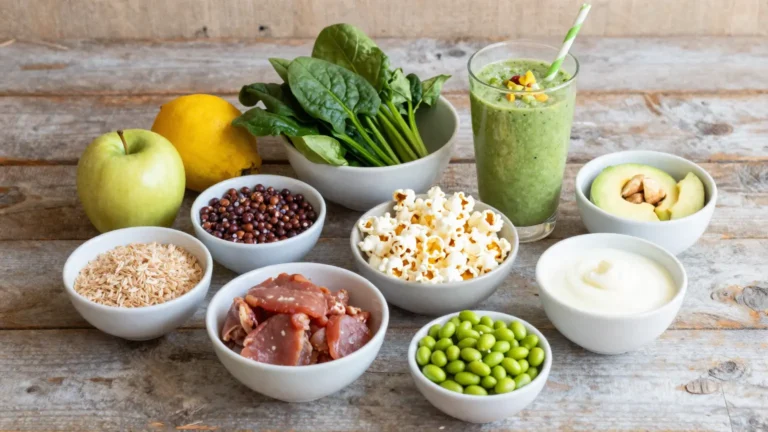
Introduction to the No-Aging Diet
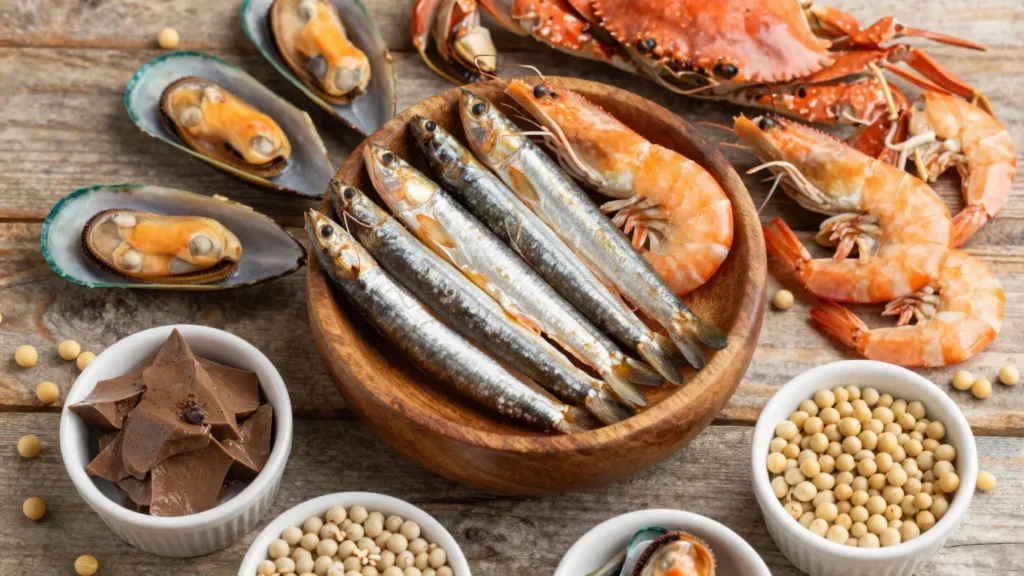
The No-Aging Diet, introduced by Dr. Benjamin S. Frank in his 1976 book “Dr. Frank’s No-Aging Diet,” promises an intriguing yet controversial approach to slowing down the aging process through diet alone. This dietary plan centers around consuming foods rich in nucleic acids – specifically RNA (ribonucleic acid) – with claims that it can rejuvenate cellular structures and functions, thereby making you appear younger and feel more energetic.
Imagine a world where simply changing your eating habits could turn back time or at least slow down the clock. That’s precisely what Dr. Frank proposes with his No-Aging Diet. The idea is to consume foods like sardines, calf’s liver, lentils, and soybeans, which are naturally high in nucleic acids. According to Dr. Frank, these nutrients help replenish DNA decay, combating age-related cellular decline that leads to reduced energy levels and deteriorating health.
But why does this diet generate such heated discussions? For starters, the notion that we can slow aging by eating certain foods is both tantalizing and contentious. Dr. Frank’s book not only claims dramatic results but also promises a range of health benefits from improved skin condition to thicker hair and enhanced cognitive function. Could it really be that simple?
The Science Behind the No-Aging Diet: How RNA and DNA Play a Role
The No-Aging Diet’s promise to slow aging through dietary changes hinges on the intricate relationship between RNA (ribonucleic acid) and DNA (deoxyribonucleic acid). At the core of Dr. Frank’s theory is the idea that consuming foods rich in nucleic acids can help repair and maintain cellular structures, leading to a slowdown in the aging process.
How do RNA and DNA interact within our bodies? When we eat foods high in nucleic acids like sardines or calf’s liver, these molecules are broken down into their component parts during digestion. The body then uses these components to synthesize new RNA and DNA strands. This is where the potential for rejuvenation lies: as cells divide and regenerate, they rely on fresh supplies of nucleic acids to create accurate copies of their genetic material.
Did you know that while DNA stores all the information necessary for life, RNA acts like a messenger, carrying instructions from DNA for controlling the synthesis of proteins? This interplay is crucial not just for growth but also for repair and maintenance at the cellular level. By providing more building blocks through diet, proponents of the No-Aging Diet believe they can enhance this natural process.
Critics argue that while RNA and DNA play pivotal roles in cell function and replication, introducing extra nucleic acids via food may not have any significant impact because most ingested RNA and DNA are broken down into simpler molecules before absorption. This breakdown means that much of the dietary nucleic acid might never reach cells intact enough to influence their internal processes.
Understanding these mechanisms is key to evaluating whether Dr. Frank’s claims hold water scientifically. For those considering this diet, understanding both its potential benefits and limitations becomes crucial in making an informed decision about adopting such a radical approach to health and aging.
Understanding Dr. Benjamin S. Frank’s Approach
Dr. Benjamin S. Frank’s approach to slowing aging through diet is built on a foundation of cellular biology, emphasizing the role of nucleic acids in maintaining youthful health. His theory posits that by consuming foods rich in RNA and DNA, individuals can combat age-related degeneration at the cellular level.
According to Dr. Frank, as we age, our cells lose their ability to efficiently repair and replicate themselves due to a decline in nucleic acid reserves. By ingesting these vital molecules through food, he argues, one can replenish this reservoir and support cellular regeneration. But how does the body actually use these nutrients? When you eat foods high in RNA, such as sardines or calf’s liver, your digestive system breaks them down into nucleotides, which are then used by cells to build new RNA molecules necessary for protein synthesis.
This process is akin to providing essential building blocks that help maintain cellular functions and structures. Dr. Frank believed that this supplementation could enhance the body’s natural rejuvenation mechanisms, leading to improved overall health and vitality as we age.
However, it’s important to critically evaluate these claims in light of current scientific understanding. While RNA and DNA are indeed crucial for life processes, there is skepticism about whether dietary intake can effectively influence cellular repair beyond what our bodies naturally achieve through normal metabolic functions. Does the body truly benefit from extra nucleic acids via diet? Studies suggest that much of the ingested material is broken down into simpler compounds during digestion, limiting its direct impact on cell health.
In exploring Dr. Frank’s claims, one must consider both the potential benefits and the limitations highlighted by scientific scrutiny. Understanding these nuances helps in assessing whether the No-Aging Diet could genuinely offer a path to slowing aging or if it remains more of an intriguing but unproven concept.
Despite its controversial nature, Dr. Frank’s diet gained a cult following among celebrities and health enthusiasts in the 1970s, showcasing how compelling promises about longevity can capture public imagination.
As you delve deeper into this topic, pondering these questions becomes crucial for making an informed decision on whether to adopt such dietary practices aimed at battling aging through food.
Recommended Food Groups for the No-Aging Diet
Dr. Frank’s diet revolves around specific food groups that are naturally high in nucleic acids. These include seafood, organ meats, legumes, and soy products. Incorporating these foods into your meals is central to following his dietary plan effectively.
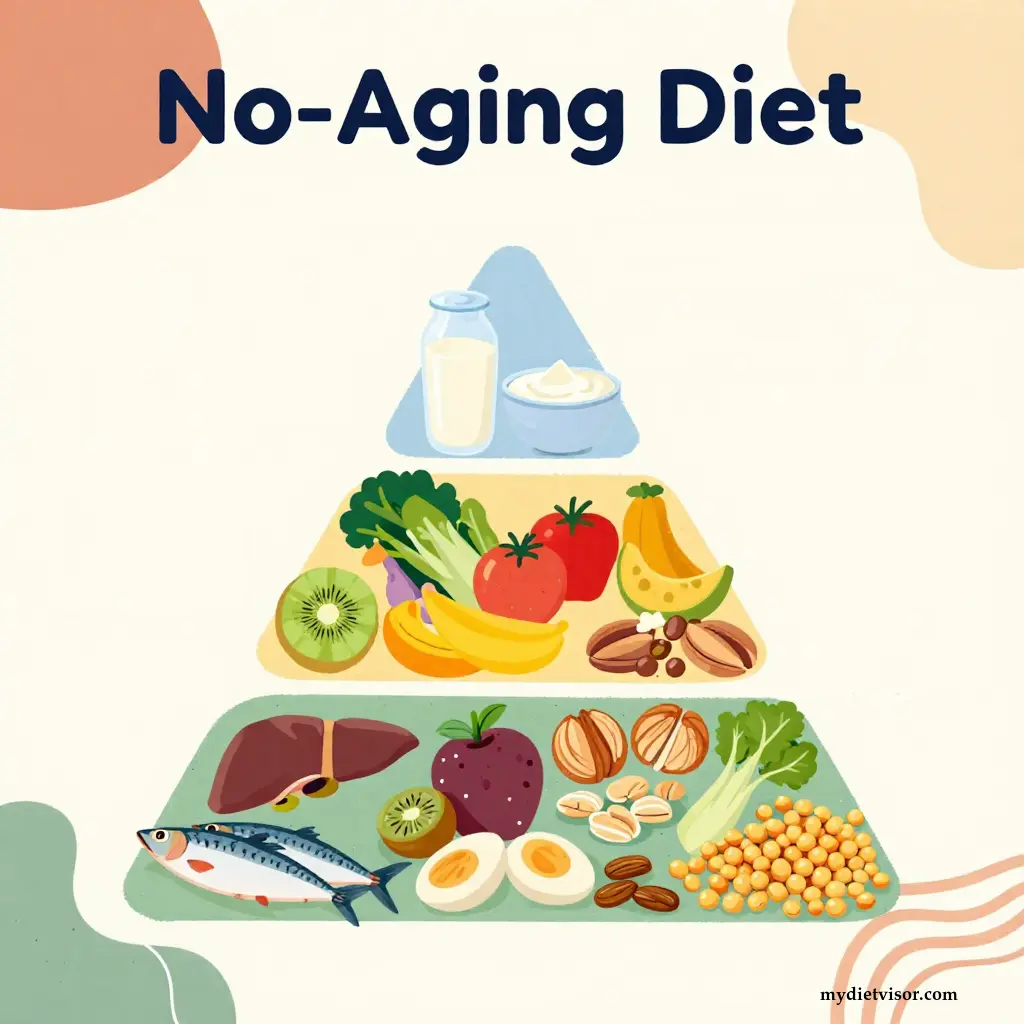
Seafood stands out as a cornerstone of this diet due to its rich content of RNA and DNA. Sardines, anchovies, mackerel, and other small fatty fish are particularly emphasized because they provide essential nutrients like nucleic acids along with healthy fats that support overall health. Why focus on these tiny but nutrient-dense fish? Not only do sardines offer a high concentration of RNA, but their ease of preparation also makes them an accessible choice for daily consumption.
Organ meats, such as calf’s liver and heart, are also highly recommended in the No-Aging Diet. These foods contain concentrated amounts of nucleic acids and other vital nutrients like B vitamins and iron that support cellular health. What benefits do organ meats offer beyond just RNA? They provide a robust source of essential minerals and vitamins necessary for energy production and blood formation.
Legumes, including lentils and soybeans, are another key component due to their high protein content and nucleic acid levels. These foods not only help in building muscle but also contribute to the body’s ability to repair cellular structures over time. How do legumes fit into a balanced diet? They offer versatile options for meals like soups, salads, and side dishes, making them easy to integrate into daily eating habits.
Incorporating these food groups can be challenging for those accustomed to modern dietary patterns. However, the potential benefits promised by Dr. Frank may motivate some individuals to explore this unconventional approach to health and longevity. Are you willing to try incorporating these foods into your diet in hopes of slowing down aging? It’s a significant commitment but could offer unique insights into how diet impacts cellular health.
Understanding and embracing these food groups is essential for anyone looking to adopt the No-Aging Diet. Each choice on this list plays a critical role in delivering the nutrients Dr. Frank believes are key to combating age-related decline.
While most diets focus on calorie counting, the No-Aging Diet emphasizes the quality of nutrients rather than quantity or caloric intake, highlighting a unique perspective on nutrition and aging.
This approach challenges traditional views on diet and aging, inviting individuals to reconsider how food choices impact cellular health over time.
Forbidden or Limited Foods in the No-Aging Diet
The No-Aging Diet imposes strict limitations on certain food groups to maximize the intake of nucleic acids while minimizing factors that could hinder cellular regeneration. Which foods are off-limits? Dr. Frank advises against consuming processed and refined foods, sugars, alcohol, and high-fat red meats, as these can interfere with the body’s ability to utilize nucleic acids effectively.
Processed foods and sugary products are particularly frowned upon because they often lack essential nutrients while being rich in harmful additives and preservatives. These items can disrupt metabolic processes and lead to inflammation, which counters the diet’s goal of rejuvenation. Why should you avoid processed foods? They not only deplete your body’s resources but also introduce toxins that may accelerate aging.
Alcohol is another substance Dr. Frank recommends avoiding entirely due to its negative effects on liver function and overall cellular health. The liver plays a crucial role in detoxification, and alcohol consumption can impede this process, hindering the absorption and utilization of nucleic acids from food sources. How does alcohol affect your body’s ability to regenerate cells? It not only damages liver cells but also interferes with nutrient uptake and storage.
Red meats, especially those high in saturated fats like beef, pork, and lamb, are limited as well. Although these meats contain some beneficial nutrients such as iron and B vitamins, their high fat content can lead to oxidative stress and inflammation, which are detrimental to cellular health. Why opt for leaner proteins over red meat? Foods like fish, poultry, and legumes provide similar benefits without the added risk of exacerbating age-related degeneration.
This restrictive approach aims to create an optimal environment within the body where nucleic acids can work most effectively in supporting cellular regeneration and repair. By carefully selecting foods based on their nutrient density and potential impact on cellular health, adherents hope to harness the full benefits promised by Dr. Frank’s diet.
Despite its strict guidelines against certain food types, some followers of the No-Aging Diet report feeling more energized and experiencing skin improvements within weeks of adopting it, highlighting both the allure and skepticism surrounding this unconventional dietary plan.
Navigating these restrictions requires a thoughtful approach to meal planning but can offer intriguing possibilities for those seeking innovative solutions to combat aging through diet.
Nutritional Benefits of the No-Aging Diet
The No-Aging Diet not only focuses on high nucleic acid content but also provides a range of other nutrients essential for overall health. Seafood, organ meats, legumes, and soy products are rich in vitamins, minerals, and antioxidants that support various bodily functions.
What makes these food groups beneficial beyond their RNA content? Sardines, anchovies, mackerel, and similar small fatty fish offer omega-3 fatty acids, which have anti-inflammatory properties. These fats help reduce the risk of heart disease, improve brain function, and promote healthy skin. Do you know how omega-3s benefit your body? They can lower blood pressure and cholesterol levels while reducing symptoms of depression and anxiety.
Organ meats such as calf’s liver provide an abundance of vitamins A, B12, iron, zinc, copper, selenium, and other essential nutrients. Vitamin A is crucial for eye health and immune function, while vitamin B12 supports the nervous system and helps prevent anemia. Iron in these foods aids in oxygen transport through hemoglobin synthesis.
Legumes like lentils and soybeans contribute significant amounts of plant-based protein along with dietary fiber. Protein helps maintain muscle mass and repair tissues, while fiber promotes digestive health by preventing constipation and lowering cholesterol levels. How does incorporating more legumes into your diet benefit you? They can help manage weight and lower blood sugar levels due to their low glycemic index.
Soy products such as tofu, tempeh, and soy milk are rich sources of isoflavones, which have been linked to reduced risk factors for cardiovascular disease and certain cancers. Additionally, they provide calcium, magnesium, and other minerals essential for bone health. Why consider integrating more soy into your meals? Soy can be a versatile ingredient that enhances the flavor and nutritional value of dishes.
While focusing on these food groups, it’s important to ensure variety in consumption to receive a broad spectrum of nutrients. Combining different foods from each category ensures that you get all necessary vitamins and minerals without relying too heavily on any single item. This diversity can enhance the overall effectiveness of the No-Aging Diet by providing comprehensive support for cellular health and well-being.
Are you considering trying out some of these food groups to see if they might improve your health? Experimenting with new recipes incorporating sardines, liver pâté, lentil soup, or soy stir-fries can be an exciting way to explore the potential benefits while enjoying delicious meals.
The No-Aging Diet encourages a holistic approach to nutrition that goes beyond calorie counting and focuses on nutrient density and food quality, setting it apart from many conventional dietary plans.
Potential Drawbacks and Criticisms of the No-Aging Diet
Critics raise several concerns about the No-Aging Diet’s efficacy and safety. One major issue is the high sodium content found in some recommended foods, such as sardines and organ meats, which can pose significant risks for individuals with hypertension or heart disease. How might this diet affect someone already managing these conditions? Excessive salt intake can lead to increased blood pressure, fluid retention, and even kidney damage, overshadowing any potential benefits of nucleic acid consumption.
Another critical aspect is the lack of robust scientific evidence supporting Dr. Frank’s claims. While RNA and DNA are vital for cellular functions, much of what we eat in terms of these molecules gets broken down into simpler components before being absorbed by the body. Does this breakdown mean that dietary nucleic acids have no impact on cellular health? Studies suggest that ingested nucleic acids may not reach cells intact enough to influence their internal processes directly.
Moreover, the diet’s restrictive nature can make it challenging for many people to follow consistently. Limiting certain food groups and requiring a high intake of potentially unfamiliar or unappealing ingredients might deter long-term adherence. Would you be willing to drastically change your eating habits if there were no concrete proof of its benefits? This question highlights the risk-benefit analysis individuals must undertake when considering such radical dietary changes.
Finally, expert opinions are decidedly mixed. Biochemist Harold A. Harper famously described the diet as “quackery,” while nutritionists like Fredrick J. Stare and Elizabeth Whelan have criticized it for lacking a solid scientific basis. Why do experts remain skeptical despite anecdotal evidence of success? Their concerns stem from a lack of rigorous clinical trials demonstrating efficacy and safety, which are standard in evaluating nutritional interventions.
Understanding these criticisms is essential before embracing the No-Aging Diet as a means to combat aging through diet. While its promises may be appealing, the potential drawbacks highlight the importance of caution and informed decision-making.
Despite the skepticism surrounding the No-Aging Diet, some individuals continue to report positive outcomes after adopting it, which raises intriguing questions about personalized nutrition and individual responses to dietary interventions.
As you explore this controversial diet further, consider these points critically and consult with healthcare professionals to ensure any dietary changes are safe and appropriate for your health needs.
Sample Meal Plan to Follow the No-Aging Diet Guidelines
Adopting the No-Aging Diet involves a careful selection of foods rich in nucleic acids while avoiding those that could interfere with cellular rejuvenation. Here’s an example meal plan designed around Dr. Frank’s guidelines, illustrating how one might incorporate these principles into daily eating habits.
Breakfast:
- Sardine and Avocado Toast: Start your day with a slice of whole-grain bread topped with canned sardines packed in water (to avoid excessive sodium) and mashed avocado. The sardines provide high amounts of nucleic acids, while the avocado adds healthy fats.
- Green Smoothie: Blend spinach or kale with unsweetened almond milk, a handful of blueberries, and a scoop of protein powder made from soy or pea isolate to maximize nutrient density.
Lunch:
- Seared Tuna Salad: Use fresh tuna steaks seared briefly on each side for maximum flavor and nutritional value. Top the salad with mixed greens like arugula and radicchio, cherry tomatoes, cucumber slices, and a sprinkle of toasted sesame seeds.
- Legume Soup: A hearty lentil soup or chickpea stew packed with vegetables such as carrots, onions, celery, and garlic. This meal provides ample protein and fiber while being rich in nucleic acids.
Snack:
- Roasted Soybeans: Enjoy a handful of roasted soybeans seasoned lightly with sea salt for a snack that’s high in protein and beneficial nutrients.
- Calf’s Liver Pâté Spread: Serve this spread on whole-grain crackers or over lettuce leaves. Calf’s liver is exceptionally rich in nucleic acids, B vitamins, and iron.
Dinner:
- Grilled Chicken Breast with Broccoli: Opt for skinless chicken breasts grilled to perfection alongside steamed broccoli spears. The lean protein helps maintain muscle mass, while broccoli offers antioxidants.
- Quinoa and Edamame Salad: Mix cooked quinoa with shelled edamame beans, diced bell peppers, shredded carrots, and a dressing made from soy sauce (reduced sodium), sesame oil, rice vinegar, and honey.
Dessert:
- Greek Yogurt with Berries: A simple yet satisfying dessert featuring unsweetened Greek yogurt topped with fresh berries like strawberries or raspberries. This provides probiotics for gut health alongside natural sugars.
By following this meal plan, you can see how the No-Aging Diet incorporates a variety of nutrient-dense foods while adhering to Dr. Frank’s guidelines on nucleic acid consumption and avoiding processed items. Each dish is crafted to balance flavor with nutritional value, making it easier to sustain long-term adherence.
Many followers of the No-Aging Diet report feeling more energetic and experiencing improved skin health within weeks of adopting this diet, suggesting that for some individuals, these dietary changes can yield noticeable benefits.
As you contemplate integrating such meals into your routine, remember to consult with a healthcare provider or nutritionist to ensure it aligns with your specific health needs.
How Does the No-Aging Diet Compare with Other Anti-Aging Diets?
When considering diets aimed at slowing aging, it’s essential to compare the No-Aging Diet with other popular anti-aging dietary approaches. Each diet has unique features and benefits that cater to different health goals and lifestyles.
One of the most well-known alternatives is the Caloric Restriction (CR) diet, which focuses on reducing overall calorie intake while maintaining adequate nutrition. Proponents of CR suggest it can extend lifespan by slowing down metabolic processes linked to aging. Unlike the No-Aging Diet, CR advocates for a significant reduction in daily caloric consumption rather than focusing specifically on nucleic acid-rich foods.
| Feature | No-Aging Diet | Caloric Restriction (CR) Diet |
|---|---|---|
| Focus | High intake of RNA and DNA | Reduction of total calorie intake |
| Key Foods | Sardines, calf’s liver, lentils, soybeans | Variety of low-calorie foods |
| Goal | Slow aging by enhancing cellular regeneration | Extend lifespan through metabolic slowdown |
Another dietary approach gaining popularity is the Mediterranean Diet, known for its emphasis on plant-based foods, healthy fats, and moderate consumption of lean proteins. This diet promotes longevity through heart health benefits, antioxidant-rich foods, and overall balanced nutrition.
| Feature | No-Aging Diet | Mediterranean Diet |
|---|---|---|
| Focus | High intake of RNA and DNA | Emphasis on plant-based foods, healthy fats |
| Key Foods | Sardines, calf’s liver, lentils, soybeans | Fruits, vegetables, olive oil, nuts |
| Goal | Slow aging by enhancing cellular regeneration | Promote heart health and longevity through balanced nutrition |
The DASH (Dietary Approaches to Stop Hypertension) diet is another option that focuses on lowering blood pressure through dietary modifications. Rich in fruits, vegetables, whole grains, lean proteins, and low-fat dairy products, the DASH diet indirectly supports anti-aging efforts by reducing cardiovascular risks associated with aging.
| Feature | No-Aging Diet | DASH Diet |
|---|---|---|
| Focus | High intake of RNA and DNA | Lower blood pressure through dietary modifications |
| Key Foods | Sardines, calf’s liver, lentils, soybeans | Fruits, vegetables, whole grains, lean proteins |
| Goal | Slow aging by enhancing cellular regeneration | Prevent hypertension and promote heart health |
Each of these diets has its unique strengths and potential benefits. While the No-Aging Diet aims to enhance cellular function through nucleic acid intake, other dietary plans focus on broader aspects such as metabolic slowdown (CR), cardiovascular health (Mediterranean), and blood pressure regulation (DASH).
Choosing a diet that aligns with your personal goals is crucial. For instance, if you are primarily concerned about heart health, the Mediterranean or DASH diets might be more appealing than the No-Aging Diet. However, if you believe in the unique benefits of nucleic acid-rich foods and their potential to support cellular regeneration, then Dr. Frank’s diet could offer a compelling path.
Which dietary approach aligns most closely with your personal health goals? Exploring these options allows for an informed decision tailored to your specific needs and preferences.
While the No-Aging Diet focuses on nucleic acid-rich foods, many other anti-aging diets prioritize overall nutritional balance and heart health, highlighting a broader approach to longevity.
By comparing various dietary approaches, you can make a more nuanced choice about which diet might best support your journey towards a healthier, longer life.
Is the No-Aging Diet Safe for Everyone?
Given the unique nutritional requirements and restrictions of the No-Aging Diet, it’s crucial to evaluate whether this diet is safe and appropriate for all individuals. The high intake of specific nutrients like nucleic acids from foods such as sardines, calf’s liver, lentils, and soybeans raises several important questions about its applicability across different demographics.
Who should be cautious before adopting the No-Aging Diet? People with pre-existing conditions like hypertension or kidney disease need to proceed with extreme caution. The diet’s reliance on foods high in sodium can exacerbate these issues, leading to adverse health outcomes despite potential anti-aging benefits. For instance, individuals taking medication for blood pressure control might find it challenging to manage their condition while following a diet rich in salt.
Furthermore, pregnant women and those planning to conceive should exercise caution as well. While the diet’s emphasis on nutrient-dense foods can provide essential vitamins and minerals, some of its core components like organ meats may pose risks related to contamination or excessive vitamin A intake, which can be harmful during pregnancy.
Children and teenagers undergoing rapid growth might also need tailored dietary plans that ensure proper development while considering long-term health benefits. The unique nutritional needs of young individuals require careful balancing to avoid deficiencies in other critical nutrients essential for growth and maturation.
Are there any age groups more suited to the No-Aging Diet? Some older adults looking to manage chronic conditions might find this diet beneficial if adapted under medical supervision. For instance, those with mild hypertension or manageable cholesterol levels might benefit from incorporating high-protein foods like fish and legumes while minimizing sodium intake through careful food selection.
However, it’s essential for everyone considering the No-Aging Diet to consult healthcare professionals before making significant dietary changes. A personalized approach can help identify potential risks and benefits, ensuring that the diet aligns with individual health needs rather than posing unnecessary threats.
Would you consider consulting a doctor or nutritionist before starting this diet? Given its controversial nature and specific requirements, seeking professional advice is crucial to ensure safety and efficacy. This step not only helps in addressing any immediate concerns but also allows for continuous monitoring of your health as you adjust to new dietary habits.
While the No-Aging Diet gained popularity among some celebrities and health enthusiasts decades ago, modern nutritional guidelines emphasize a balanced intake of all essential nutrients rather than focusing solely on one or two categories.
Considering these factors, it becomes evident that adopting the No-Aging Diet requires careful consideration and professional guidance to ensure it aligns with individual health profiles and goals.
Conclusion: Evaluating the Claims and Practicality of the No-Aging Diet
The No-Aging Diet offers an intriguing yet controversial approach to slowing aging through diet, centered around consuming foods rich in nucleic acids like RNA. While proponents claim it can rejuvenate cells and enhance overall health, critics point out the lack of scientific evidence supporting these claims and highlight potential risks such as high sodium intake for those with hypertension. As you consider whether this diet aligns with your goals, it’s crucial to weigh both its promised benefits and known limitations. Consulting healthcare professionals before making significant dietary changes can help ensure that any approach you take is safe and effective for your specific health needs.
Frequently Asked Questions (FAQ)
What are some common foods recommended on the No-Aging Diet?
The diet emphasizes consuming high-RNA foods like sardines, calf’s liver, lentils, and soybeans. These foods help rebuild DNA according to Dr. Benjamin S. Frank’s theory.
Does the No-Aging Diet require strict adherence for benefits?
While it’s recommended to follow a high-RNA diet strictly, many find moderate changes in their diet also yield noticeable health improvements like increased energy levels and smoother skin.
How does the No-Aging Diet address heart disease risks?
Critics point out that due to its heavy emphasis on seafood and organ meats, which often contain high salt content, it may not be suitable for individuals with hypertension or cardiovascular issues without medical supervision.
Are there any scientific studies supporting Dr. Frank’s claims about slowing aging?
There are limited scientific studies directly validating Dr. Frank’s specific claims about the No-Aging Diet; however, his anecdotal evidence and patient testimonials suggest significant health benefits.
Can vegetarians follow the No-Aging Diet effectively?
The diet includes many foods that are not vegetarian-friendly such as fish and organ meats, making it challenging for vegetarians to adhere strictly to this regimen. However, alternatives like chlorella or nutritional yeast rich in RNA can be considered.
What are some potential side effects of following the No-Aging Diet long-term?
Long-term adherence might lead to nutrient imbalances due to its restrictive nature and emphasis on certain foods over others. Consulting a healthcare provider is recommended before starting any new diet plan.
Is it possible to achieve similar benefits through other means besides dietary changes?
While dietary changes are central, combining the No-Aging Diet with regular exercise, adequate sleep, and stress management can enhance overall health outcomes and potentially slow aging more effectively.
What should I do if I am allergic to seafood or cannot consume sardines frequently?
For individuals allergic to seafood, incorporating alternative sources of RNA like chlorella or nutritional yeast into the diet can help maintain dietary balance while adhering to the principles of the No-Aging Diet.
How much protein is recommended on the No-Aging Diet compared to a regular diet?
The No-Aging Diet recommends significantly higher protein intake than typical diets, focusing on quality sources rich in RNA and nucleic acids to support cellular health.
Are there any supplements that can complement the benefits of the No-Aging Diet?
Supplements like multivitamins and specific formulations containing DNA/RNA are recommended by Dr. Frank for therapeutic purposes, especially when followed under medical supervision.