INTRODUCTION TO VERY-LOW-CALORIE DIETS (VLCD)
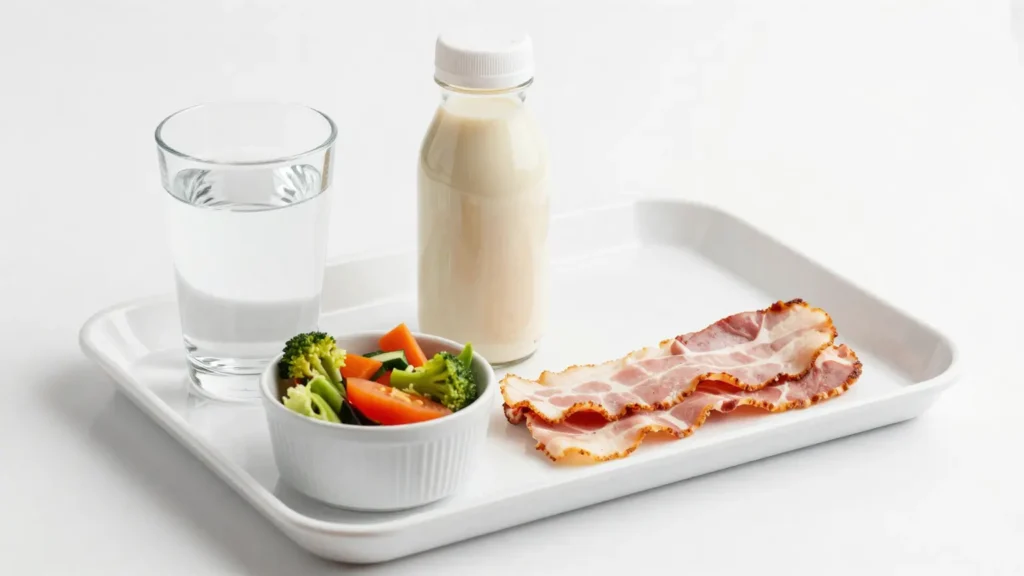
Very-low-calorie diets (VLCDs) represent a dramatic approach to weight loss, often promising rapid results through severe caloric restriction. Imagine drastically cutting your daily calorie intake to around 800 kilocalories or less – far below what most people need for basic bodily functions. This extreme reduction is not something you’d casually undertake but rather a medical intervention recommended under strict supervision due to its high risk profile.
Picture this: instead of counting every bite and guessing whether you’re getting enough nutrients, VLCDs rely on complete meal replacements that provide all the essential vitamins, minerals, trace elements, fatty acids, protein, and electrolytes your body needs. These meals are carefully formulated to prevent nutrient deficiencies while maintaining such strict calorie limits. The idea is compelling – lose weight quickly without sacrificing health – but it’s a path fraught with potential pitfalls if not managed by professionals.
So why would anyone consider such an extreme measure? VLCDs find their niche in clinical settings where rapid weight reduction can mean the difference between life and death or significant improvements in serious conditions like type 2 diabetes. In these scenarios, the benefits of quick, dramatic weight loss – such as improved metabolic health and reduced risk factors for cardiovascular disease – are clear and urgent.
As you ponder whether a VLCD might be right for you, it’s crucial to reflect on the risks involved. Are you prepared to navigate potential health hazards like muscle loss or refeeding complications? And what happens after the diet ends? These are questions best answered with expert guidance.
WHAT IS A VERY-LOW-CALORIE DIET (VLCD)?
A very-low-calorie diet (VLCD) is a highly restrictive eating plan that involves consuming around 800 kilocalories or less per day. To put this into perspective, the average adult requires between 2,000 and 2,500 calories daily to maintain their weight and health. A VLCD cuts those numbers drastically, pushing your body into a state of significant calorie deficit.
One of the key aspects of VLCDs is that they rely on formulated meal replacements rather than regular food. These meal substitutes come in various forms such as shakes, soups, bars, or even complete meals designed to deliver all essential nutrients while severely limiting caloric intake. This approach aims to address one major concern with traditional calorie-restricted diets: nutrient deficiencies.
Imagine preparing a meal that must not only satisfy your hunger but also provide all the necessary vitamins and minerals in precise quantities. That’s precisely what these formulated products strive to achieve, making VLCDs seem like a scientific solution for weight loss. However, this level of control over nutrition requires strict adherence to the prescribed regimen to ensure health benefits.
While VLCDs promise quick results, they also come with significant risks. Your body relies on calories not just for energy but also for maintaining bodily functions such as muscle repair and immune system support. Severely limiting calorie intake can lead to unintended consequences like fatigue, dizziness, and in extreme cases, organ dysfunction.
Moreover, the dramatic weight loss achieved through VLCDs often leads people to wonder about long-term sustainability. Can you maintain this level of restriction indefinitely? Studies suggest that while VLCDs are effective for short-term weight loss, most individuals find it challenging to sustain such a restrictive diet long-term due to the severe limitation on food variety and social eating opportunities.
Considering these factors, it’s clear why VLCDs are generally reserved for specific clinical applications rather than being recommended as a lifestyle choice. As you explore your options for weight management, reflecting on whether a VLCD aligns with your health goals and willingness to manage potential risks is crucial. Are you ready to commit to such an intense dietary regimen under medical supervision?
HEALTH EFFECTS AND RISKS OF VLCDs
When considering a very-low-calorie diet (VLCD), it’s essential to weigh the potential health effects and associated risks. One of the primary concerns is muscle mass reduction, which can occur due to inadequate protein intake or excessive calorie restriction. Your body relies on muscle tissue as an energy source during periods of starvation, leading to a loss of lean body mass that affects metabolism and physical performance.
Additionally, VLCDs may cause other adverse effects like electrolyte imbalances, constipation, gallstone formation, and refeeding syndrome. Refeeding syndrome is particularly dangerous; it happens when someone severely malnourished begins eating again too quickly or with insufficient nutrient replenishment, potentially leading to severe complications such as heart failure or neurological issues.
| Health Risk | Description |
|---|---|
| Muscle Loss | Protein deficiency can lead to muscle wasting. |
| Electrolyte Imbalance | Critical minerals like potassium and magnesium may drop dangerously low. |
| Gallstones | Rapid weight loss increases the risk of developing gallstones. |
| Refeeding Syndrome | Can be life-threatening if not managed carefully in a clinical setting. |
Moreover, VLCDs can impact mental health by causing irritability, depression, and anxiety due to lack of energy and nutrients necessary for brain function. These psychological effects can further complicate adherence and long-term success.
Another critical consideration is the risk of weight regain after stopping a VLCD. Studies show that people who undergo severe calorie restriction often experience rapid weight gain once they return to normal eating patterns, sometimes even surpassing their initial starting weight. This yo-yo effect can be discouraging and detrimental to overall health and self-esteem.
Imagine going through an intense period of dieting only to find yourself back at square one or worse after just a few months. Such fluctuations in body weight are not only frustrating but also pose significant risks to your cardiovascular system and metabolic health over time. So, it’s vital to ask yourself if the short-term benefits outweigh these long-term concerns.
In conclusion, while VLCDs offer potential benefits for certain clinical scenarios, they come with a high risk profile that demands careful consideration and professional oversight. Are you prepared to face these challenges head-on?
RECOMMENDED FOOD GROUPS FOR VLCDs
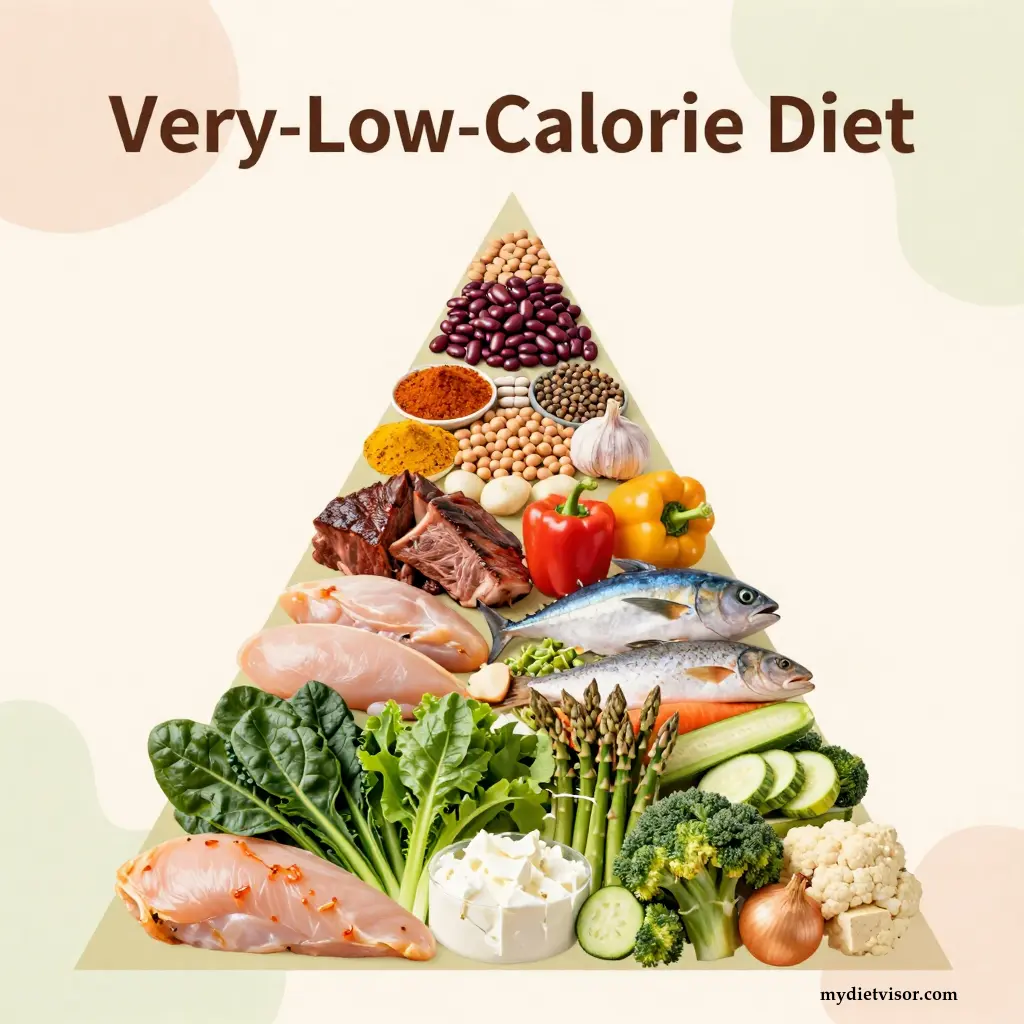
When it comes to very-low-calorie diets (VLCDs), understanding which food groups to prioritize is crucial for managing health and minimizing potential risks. While traditional food intake is limited or eliminated, VLCD regimens typically emphasize specific types of meal replacements that are nutritionally balanced.
Formulated Meal Replacements: The cornerstone of a VLCD includes meal replacement shakes, bars, soups, or complete meals designed to deliver all essential nutrients within the extremely low caloric allowance. These products are meticulously engineered to ensure you receive adequate protein, vitamins, and minerals despite drastically reduced calorie intake. For instance, a single serving might provide 20 grams of protein along with several other critical micronutrients.
Hydration: Staying hydrated is paramount during a VLCD as dehydration can exacerbate the risks associated with such restrictive diets. Aim to drink at least 8 glasses (64 ounces) of water daily unless otherwise specified by your healthcare provider. Hydration plays a key role in maintaining metabolic functions and preventing constipation, which is common due to low fiber intake.
Supplements: Despite careful formulation, some individuals might require additional nutritional support during VLCDs. Your doctor or dietitian may recommend supplements such as calcium, vitamin D, iron, and B12 if your meal replacements don’t provide sufficient amounts. It’s important to consult with a healthcare professional before starting any supplementation regimen.
While the focus is heavily on meal replacement products, incorporating small portions of fresh fruits and vegetables can be beneficial for their water content and fiber, though this must be done carefully under medical guidance. Eating too much fiber when calorie intake is extremely low could lead to gastrointestinal discomfort or further restrict necessary caloric consumption.
Imagine preparing a meal where every bite has to contribute significant nutrients without adding excessive calories. This precision in nutrition underscores why VLCDs are typically not recommended for unsupervised use, highlighting the importance of professional oversight during such restrictive dietary interventions.
Are you considering a very-low-calorie diet? Reflect on whether you’re willing and able to adhere strictly to this regimen while managing potential health risks under medical supervision.
FORBIDDEN OR LIMITED FOODS ON VLCDs
On very-low-calorie diets (VLCDs), many familiar foods that you might typically enjoy are either limited or completely off-limits. This restriction is crucial because it helps prevent the intake of excess calories and ensures you meet your nutrient needs within such a strict caloric allowance.
Forbidden Foods:
Certain items are outright prohibited due to their high calorie content relative to their nutritional value. These include sugary beverages, fast food, alcohol, and most sweets. For instance, a single soda can easily add over 200 calories – far too much for someone on an 800-calorie-per-day diet.
Limited Foods:
While fresh fruits and vegetables are essential for hydration and fiber intake, even these must be consumed in moderation due to their carbohydrate content. Starchy vegetables like potatoes and corn, as well as high-sugar fruits such as bananas and grapes, should be severely limited or avoided entirely unless your healthcare provider gives specific permission.
Imagine trying to stick to a diet where you can’t have more than a small handful of berries each day because even they exceed the calorie limit. This stark reality underscores how challenging it is to adhere strictly to a VLCD without professional support and guidance.
Nutritionally Dense, Low-Calorie Options:
To keep your body fueled while staying within the strict caloric limits, you’ll need to focus on nutrient-dense foods that pack the most nutritional punch per calorie. For example, leafy greens like spinach and lettuce are excellent choices due to their low-calorie nature coupled with high vitamin content.
However, even when selecting these healthier options, portion control remains paramount. A typical salad might seem harmless, but its dressing, croutons, or cheese could easily push your daily caloric intake over the limit – forcing you back to meal replacement products instead of actual food.
Social and Emotional Challenges:
Beyond the physical challenges, adhering to a VLCD can also take an emotional toll. Social gatherings centered around meals become particularly difficult when most foods are off-limits or require careful preparation at home beforehand. This can lead to feelings of isolation and frustration.
As you navigate through a very-low-calorie diet, it’s vital to consider not just the physical impact but also how these dietary restrictions might affect your mental well-being. Are you prepared for the social and emotional challenges that come with drastically limiting your food choices?
Considering all these factors, it becomes evident why VLCDs are typically reserved for clinical settings where healthcare professionals can closely monitor both physical health and emotional needs. Without such oversight, attempting a VLCD independently can be both risky and unsustainable.
Are you prepared to face the daily reality of saying no to most foods while carefully managing your nutrient intake? Reflecting on these considerations will help you make an informed decision about whether a VLCD is right for you under professional supervision.
NUTRITIONAL BENEFITS AND DRAWBACKS OF VLCDs
When considering a very-low-calorie diet (VLCD), understanding the nutritional benefits and drawbacks is crucial. While these diets are designed to provide all essential nutrients within a severely restricted caloric intake, they also come with several nutritional risks.
Nutritional Benefits:
The primary benefit of VLCD meal replacements lies in their ability to deliver essential vitamins, minerals, fatty acids, protein, and other trace elements necessary for bodily functions. These formulated products aim to prevent nutrient deficiencies that can occur when someone drastically reduces calorie intake without proper nutrition planning. For instance, a single meal replacement shake might provide 100% of the recommended daily allowance (RDA) for most vitamins and minerals.
However, relying solely on these replacements also means missing out on the variety and sensory experience of eating real food. The monotony can lead to psychological discomfort and difficulty in maintaining adherence over time. Imagine having only shakes or bars for meals day after day – it’s not just about nutrients but also about enjoying your meals and the social aspects that come with them.
Nutritional Drawbacks:
One major drawback is the risk of protein deficiency, which can lead to muscle loss even when you’re under strict medical supervision. Muscle mass is crucial for maintaining metabolic rate, physical strength, and overall health. Without sufficient protein intake, your body may break down lean tissue as an energy source, leading to a decline in muscle function.
Another significant concern is the potential disruption of gut microbiota due to the limited food variety and high processing of meal replacement products. A diverse diet rich in fiber from whole foods helps maintain a healthy balance of bacteria in your gut. This diversity supports immune health, digestion, and even mental well-being. By contrast, VLCDs can lead to an imbalance that might cause digestive issues or affect overall health.
Furthermore, while meal replacements are designed to be nutritionally balanced, individual nutritional needs vary widely. Some people may require more specific nutrients based on their age, sex, activity level, or pre-existing conditions such as iron-deficiency anemia or osteoporosis. Relying solely on standardized meal replacement formulas might not address these personalized requirements.
Did you know that the first VLCDs in the 1950s were primarily liquid diets used to treat obesity-related complications like diabetes and heart disease? These early formulations lacked essential nutrients, leading to severe health issues for many participants. Modern VLCD meal replacements aim to avoid such pitfalls by providing comprehensive nutritional support.
Considering these factors, it’s clear that while VLCDs can offer substantial short-term benefits under professional guidance, they also present significant nutritional challenges. Are you prepared to navigate the complexities of adhering to a diet that strictly controls your nutrient intake? Reflecting on whether this approach aligns with your health goals and willingness to manage potential risks is crucial before making any decisions.
Would you feel comfortable sticking to a highly restrictive diet where every meal must be planned out meticulously, leaving little room for flexibility or spontaneous enjoyment of food? As you weigh the pros and cons, it’s important to consider how these nutritional impacts might affect your overall well-being both in the short term and long term.
CAN I EXPECT SUSTAINED WEIGHT LOSS WITH A VLCD?
Achieving sustained weight loss with a very-low-calorie diet (VLCD) is challenging and often unrealistic without ongoing support and lifestyle changes. Many people who follow VLCDs experience rapid initial success but struggle to maintain their weight once the diet ends. This phenomenon raises important questions about long-term sustainability.
Firstly, the rapid weight loss associated with VLCDs typically involves significant water loss and muscle mass reduction rather than fat loss alone. While this can be encouraging at first, it sets a foundation that may not support lasting results. Imagine shedding pounds quickly but much of what you lose is water and lean tissue rather than stubborn body fat – how long will these effects last?
Moreover, the drastic nature of VLCDs often leads to yo-yo dieting, where individuals regain weight once they return to normal eating patterns. This cycle can be demoralizing and harmful to overall health. Research shows that people who undergo severe calorie restriction are at risk of regaining more weight than what they lost due to changes in metabolism and hormonal balance.
Behavioral challenges also play a significant role in the sustainability of VLCDs. The strict limitations on food choices can lead to feelings of deprivation, which may undermine adherence over time. For example, imagine planning meals meticulously but still craving familiar foods or social eating experiences that are off-limits. These cravings and emotional connections with food can be tough to navigate without a robust support system.
Another critical aspect is the lack of long-term dietary patterns established during VLCDs. Effective weight management often requires lasting lifestyle changes rather than short-term fixes. Developing healthy habits such as regular meal planning, mindful eating, and physical activity should ideally accompany any diet plan for sustained success. However, transitioning from a highly restrictive diet to more balanced eating can be difficult without clear guidance on how to proceed.
Consider this: Would you feel comfortable shifting from VLCDs directly into a typical eating pattern or does the idea of incorporating gradual dietary changes and lifestyle modifications seem more practical? Reflecting on these questions might help you determine whether a VLCD aligns with your long-term health goals and personal commitment levels.
In essence, while very-low-calorie diets can offer dramatic short-term results under strict medical supervision, they often fall short in providing sustainable weight loss solutions. Are you prepared for the journey ahead, knowing that sustained success may require more than just a temporary dietary intervention?
SAMPLE MEAL PLAN FOR A VERY-LOW-CALORIE DIET
Planning meals on a very-low-calorie diet (VLCD) requires meticulous attention to detail and strict adherence to the prescribed regimen. Below is an example meal plan for one day, illustrating what a typical VLCD might look like under professional guidance.
Breakfast:
- Meal Replacement Shake: A single serving of a nutritionally balanced shake providing approximately 200 calories with high-quality protein (around 15g), essential fats, vitamins, and minerals.
- Hydration: Drinking one glass of water to ensure proper hydration throughout the morning.
Mid-Morning Snack:
- Meal Replacement Bar: A small bar formulated for VLCDs, providing around 100 calories with a mix of protein (about 5g), healthy fats, and minimal carbs.
- Hydration: Another glass of water to maintain fluid balance.
Lunch:
- Nutritionally Formulated Soup: A meal replacement soup offering roughly 300 calories, packed with necessary nutrients like fiber, vitamins, and minerals. This might include a mix of vegetables in a broth-based formulation.
- Hydration: Drinking one glass of water to aid digestion.
Afternoon Snack:
- Meal Replacement Shakes or Bars: An additional shake or bar similar to the mid-morning snack, providing around 100 calories each with essential nutrients and hydration benefits.
- Hydration: A glass of water to keep hydrated throughout the afternoon.
Dinner:
- Complete Meal Replacement Formula: The final meal might be a more comprehensive formula containing approximately 300 calories, designed to provide all necessary macronutrients and micronutrients for dinner time.
- Hydration: Drinking one glass of water before bed to ensure continued hydration while sleeping.
Evening Hydration:
- Adding an extra half-glass of water just before bedtime to maintain fluid balance overnight.
Imagine adhering strictly to this meal plan, where every bite and sip is carefully measured and planned. This level of control over your nutrition underscores the strict nature of VLCDs and highlights why such diets are typically managed under medical supervision rather than attempted independently.
Are you prepared for the discipline required to adhere to a diet that requires meticulous planning and measurement? Reflecting on whether you can commit to this level of dietary restriction is crucial before embarking on such an intense regimen.
HOW DO VLCDs COMPARE TO OTHER SIMILAR DIETS?
When considering very-low-calorie diets (VLCDs), it’s essential to compare them with other dietary approaches that aim for rapid weight loss but operate under different principles and structures. Understanding these differences can help you make an informed decision about which path might be best suited to your needs.
Ketogenic Diets:
A ketogenic diet, often referred to as a keto diet, is another approach focused on dramatic calorie reduction and significant changes in macronutrient ratios. Unlike VLCDs, which limit total caloric intake severely, ketogenic diets aim to induce ketosis by drastically reducing carbohydrate consumption while increasing fat intake. This shift triggers the body to burn stored fats for energy instead of glucose.
| VLCD | Ketogenic Diet |
|---|---|
| Focus on extreme calorie restriction | Focus on high-fat, low-carbohydrate diet |
| Formulated meal replacements as main source of nutrition | Emphasis on natural foods like meats, eggs, cheese, and oils |
| Short-term rapid weight loss goal | Long-term management of blood sugar levels and metabolic health |
While both diets aim for significant weight reduction, VLCDs focus more on reducing total caloric intake to induce a state of starvation, whereas ketogenic diets achieve calorie deficit through a different mechanism by altering hormonal signals that regulate appetite and metabolism.
Intermittent Fasting:
Another popular dietary pattern is intermittent fasting (IF), which alternates between periods of eating normally and fasting. This approach can be more flexible compared to VLCDs as it doesn’t restrict total daily caloric intake but rather controls the timing of when you consume those calories.
| VLCD | Intermittent Fasting |
|---|---|
| Severe calorie reduction all day long | Periodic fasting with normal eating during specified windows |
| Use of meal replacement products exclusively | Flexible food choices within non-fasting periods |
| Typically medically supervised | Can be self-managed but often guided by professionals |
Unlike VLCDs, intermittent fasting doesn’t rely on pre-packaged meals and can integrate a wider variety of foods while still promoting significant weight loss. However, the psychological aspect of giving up entire meals or food groups is different from managing caloric intake strictly through formulated products.
Behavioral Weight Loss Programs:
These programs typically involve gradual dietary changes alongside behavioral strategies to improve eating habits and increase physical activity levels over time. They emphasize long-term lifestyle modifications rather than short-term calorie restriction.
| VLCD | Behavioral Weight Loss Program |
|---|---|
| Rapid weight loss through extreme caloric reduction | Gradual change in diet and behavior patterns |
| High risk of refeeding syndrome if not supervised | Lower initial weight loss but sustainable long-term results |
| Often prescribed for specific medical conditions | Suitable for general population aiming at long-term health improvement |
Behavioral programs focus on making small, consistent changes that become habits over time. This approach contrasts with VLCDs, which are intense and require strict adherence to very low-calorie formulas.
Very Low-Calorie Ketogenic Diet (VLCKD):
This diet combines elements of both VLCDs and ketogenic diets by aiming for a very low calorie intake while also reducing carbohydrate consumption significantly. It’s often used in clinical settings but can be more flexible with food choices than typical VLCDs, focusing on high-fat foods.
| VLCD | Very Low-Calorie Ketogenic Diet (VLCKD) |
|---|---|
| Severe calorie restriction through meal replacements | Combination of caloric and carbohydrate reduction |
| High risk of muscle loss due to low protein intake | Reduced risk of muscle loss with higher fat intake |
| Often recommended for short-term use | May be used longer under medical supervision |
VLCKDs aim to achieve rapid weight loss while minimizing the risks associated with significant muscle loss by ensuring sufficient fatty acid intake. This approach can offer a balanced alternative that still aims at quick results but might be easier to sustain due to its macronutrient flexibility.
Comparing VLCDs with these other dietary strategies highlights their unique benefits and drawbacks, particularly regarding sustainability and risk profiles. Each diet has its place, depending on the individual’s health status, lifestyle preferences, and specific weight loss goals. As you consider your options for managing your weight, it’s important to weigh these factors carefully.
Do any of these comparisons resonate with your personal experiences or concerns about dietary approaches? Reflecting on how each option aligns with your long-term health objectives can help guide you towards the best fit for your needs.
CONCLUSION ON THE USE OF VERY-LOW-CALORIE DIETS
In conclusion, a very-low-calorie diet (VLCD) involves consuming 800 kilocalories or less per day, typically through formulated meal replacements designed to provide essential nutrients. While VLCDs can lead to significant short-term weight loss and offer therapeutic benefits for specific conditions like morbid obesity under strict medical supervision, they come with substantial risks if not properly managed. These include muscle mass reduction, electrolyte imbalances, and the potential for refeeding syndrome upon resuming normal eating patterns. Given these challenges, VLCDs are best suited for clinical applications rather than as a long-term solution or lifestyle choice. Reflecting on whether you can adhere to such strict dietary restrictions while managing health risks under professional guidance is crucial before considering this approach.
Frequently Asked Questions (FAQ)
What is the daily calorie limit for a very-low-calorie diet (VLCD)?
A very-low-calorie diet typically involves consuming 800 kilocalories or less per day, usually with medically supervised meal replacements.
Who should consider using a VLCD?
People who are morbidly obese, preparing for bariatric surgery, athletes aiming to meet weight class requirements, and individuals with obesity and metabolic issues like type II diabetes may benefit from a VLCD under medical supervision.
Can I do a VLCD on my own without professional guidance?
It’s strongly recommended against doing a very-low-calorie diet independently due to the risk of nutritional deficiencies and severe health complications. Always consult a healthcare provider for advice tailored to your specific needs.
How long can someone safely follow a VLCD?
Medically supervised VLCDs are generally safe for up to 12 weeks, but should only be used as part of an overall weight management plan that includes longer-term strategies for maintaining weight loss.
What types of food are included in a VLCD meal replacement?
VLCD meals often consist of liquid or powdered supplements specifically formulated to provide all necessary nutrients, vitamins, and minerals while keeping calorie intake extremely low.
Will I lose muscle mass on a VLCD?
Yes, rapid weight loss from very-low-calorie diets can lead to significant lean body mass (muscle) loss. This is why adequate protein consumption and resistance exercise are crucial during this period.
How much protein should one consume on a VLCD?
Consuming enough high-quality protein throughout the day is important for minimizing muscle loss, which might involve adding shakes or other sources of lean proteins to the diet.
Are there any potential side effects of a VLCD besides weight loss?
Common side effects include fatigue, dizziness, constipation, and gallstone formation. Severe cases can lead to cardiac issues if not managed properly.
Can I eat fruits and vegetables on a VLCD?
VLCD plans often limit fruit intake due to their caloric content but typically encourage the consumption of non-starchy vegetables since they are low in calories yet nutrient-dense.
What happens after completing a VLCD phase?
Transitioning back to regular meals must be done gradually with careful planning and monitoring by healthcare professionals to avoid rapid weight regain or other health issues.