
What is the Hal Huggins Diet?

Hal Huggins diet is an intriguing yet controversial nutritional regimen proposed by Hal Alan Huggins, a dentist known for his unconventional views on mercury toxicity from dental amalgam fillings. Imagine being told that the metal in your teeth could be making you sick, affecting everything from your mood to your immune system. This is precisely what Huggins claimed over decades of practice and advocacy. His diet isn’t just about eating less sugar or cutting out processed foods – it’s a complex set of guidelines centered around eliminating certain food groups believed to exacerbate the alleged toxic effects of mercury exposure.
Huggins’s dietary approach, which he developed alongside his controversial dental practices, is rooted in the idea that balancing body chemistry could reverse health issues linked to mercury poisoning. This concept was influenced by Melvin E. Page, a dentist known for his work on blood pH and its impact on oral health. However, Huggins took this theory much further, suggesting that dietary changes were crucial to detoxifying the body from harmful substances supposedly released by dental amalgam fillings.
The Hal Huggins diet restricts dairy products and seafood, among other foods, because of Huggins’s belief that these items could increase mercury levels in the body or exacerbate its effects. But is there any scientific backing for this claim? Critics argue that while some people may feel better after eliminating certain foods from their diets, the evidence supporting Huggins’s specific guidelines remains scant. As you delve into the details of his dietary recommendations and their underlying rationale, questions arise about their validity and potential risks.
Recommended Food Groups for the Hal Huggins Diet
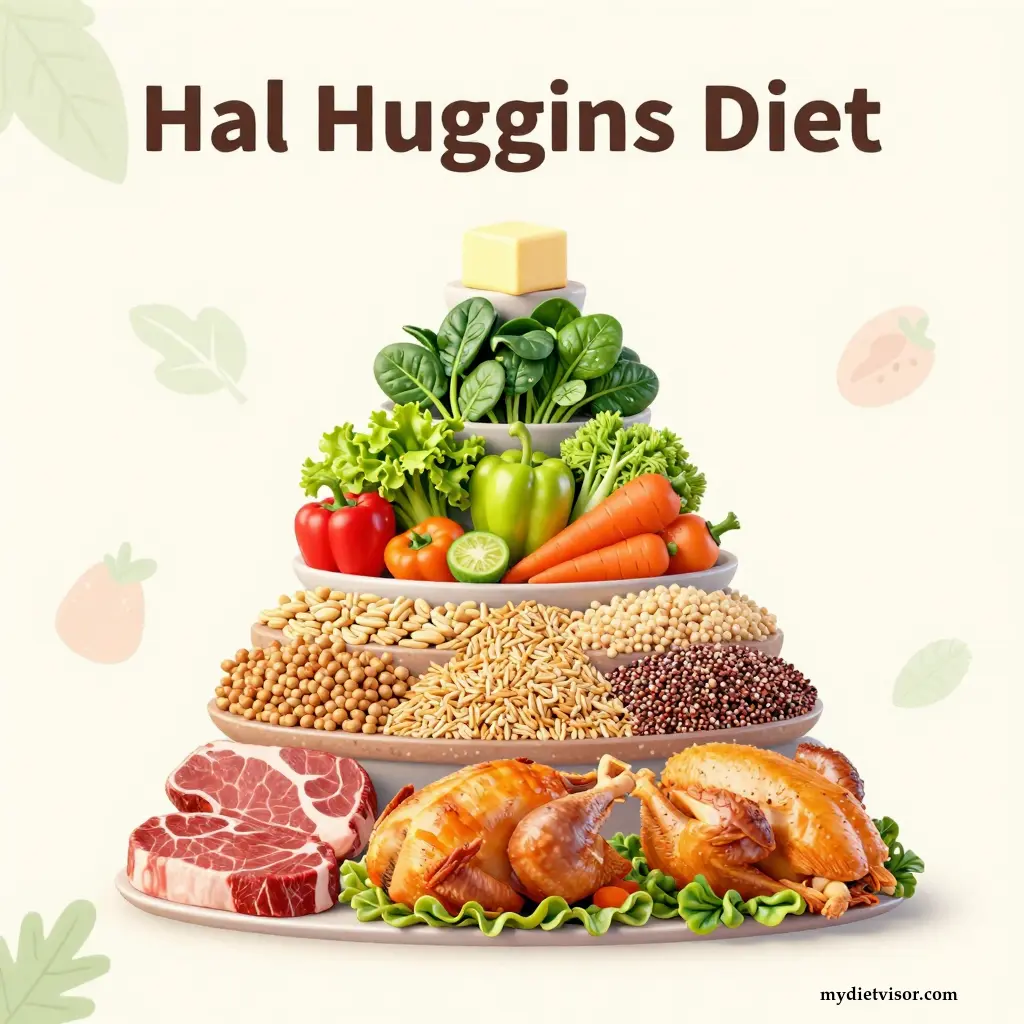
The Hal Huggins diet recommends specific food groups to be included in one’s daily meals while strictly avoiding others. At the core of this regimen is the restriction of dairy products, which Huggins believed could contribute to inflammation and further exacerbate mercury toxicity symptoms. This includes all forms of milk, cheese, yogurt, and even butter. Instead, the diet encourages the consumption of alternative calcium sources such as leafy greens, legumes, nuts, and fortified plant-based milks.
Another significant restriction in the Hal Huggins diet is seafood, particularly fish and shellfish, due to concerns about their mercury content. Fish like tuna, swordfish, and king mackerel are among those often highlighted for their high levels of mercury. However, Huggins’s guidelines suggest that even lower-mercury options such as salmon may still pose risks because they could interact with existing trace amounts of mercury in the body.
In contrast to these restrictions, the diet promotes a higher intake of fruits and vegetables, emphasizing organic varieties wherever possible. The rationale behind this recommendation is that these foods are rich in antioxidants and fiber, which can help mitigate oxidative stress linked to heavy metal exposure. Organic produce is favored due to concerns about pesticide residues potentially complicating the body’s detoxification processes.
Furthermore, the diet advocates for a reduction of carbohydrate intake, focusing more on proteins and healthy fats. This low-carb approach is intended to stabilize blood sugar levels and reduce overall inflammation in the body. Recommended protein sources include lean meats like chicken and turkey, as well as plant-based options such as beans and lentils. Healthy fats from avocados, nuts, seeds, and olive oil are encouraged for their anti-inflammatory properties.
While these dietary recommendations sound straightforward enough, they raise questions about their practicality and efficacy. How do individuals ensure they’re getting all necessary nutrients while adhering to such strict guidelines? And what scientific evidence supports the claim that eliminating certain food groups can reverse or mitigate mercury toxicity? These considerations highlight the need for cautious exploration of any new diet regimen, especially one as restrictive as the Hal Huggins diet.
The Hal Huggins diet’s impact extends beyond just nutritional advice; it has also influenced discussions about mercury exposure and detoxification in alternative health circles.
Forbidden or Limited Foods on the Hal Huggins Diet
When discussing the Hal Huggins diet, one of the central points is the list of foods that are forbidden or heavily restricted. These restrictions extend beyond just dairy and seafood to include several other food categories that Huggins believed could interact negatively with mercury in the body.
One significant restriction involves grains and cereals, particularly gluten-containing products like wheat, barley, and rye. According to Huggins’s theory, these foods might exacerbate inflammation and autoimmune responses due to their protein content, which is thought to be problematic for individuals sensitive to heavy metal exposure. This means that bread, pasta, and other baked goods made with these grains are off-limits.
In addition to avoiding dairy and seafood, Huggins’s diet also limits the consumption of processed meats like bacon, sausage, and hot dogs. These foods are often high in nitrates and nitrites, which can potentially increase oxidative stress in the body. Processed meat products are discouraged because they might interfere with detoxification processes, making it harder for the body to eliminate harmful substances.
Another critical aspect of the Hal Huggins diet is the restriction on refined sugars and artificial sweeteners. Foods high in sugar, such as candies, sodas, and even some fruit juices, are considered problematic due to their potential to disrupt blood glucose levels and cause inflammation. Artificial sweeteners like saccharin, aspartame, and sucralose are also avoided because they may contribute to metabolic imbalances.
These restrictions can be quite challenging for many individuals accustomed to a more varied diet. The Hal Huggins diet often requires significant lifestyle changes and careful meal planning to ensure that nutritional needs are met without breaking any of the dietary rules set by Huggins. Adherents must closely monitor their food intake, seeking out alternatives like sugar-free sweeteners, gluten-free grains, and lean proteins.
The extensive list of forbidden foods raises important questions about the practicality and sustainability of such a restrictive diet. Can individuals maintain adherence to these guidelines long-term? Are there nutritional deficiencies that might arise from avoiding certain food groups indefinitely? These concerns highlight the need for careful consideration before adopting any dietary regimen as strict as the Hal Huggins diet.
The Hal Huggins diet’s emphasis on eliminating specific food groups is reminiscent of other restrictive diets like Paleo or Keto, but with a unique focus on heavy metal detoxification.
Nutritional Benefits of the Hal Huggins Diet
Despite its restrictive nature, proponents argue that the Hal Huggins diet offers several potential nutritional benefits. For instance, the emphasis on fruits and vegetables provides a rich source of vitamins, minerals, and antioxidants crucial for overall health. This focus aligns with general dietary guidelines that encourage high consumption of plant-based foods to reduce the risk of chronic diseases.
Moreover, the inclusion of lean proteins like chicken and turkey alongside plant-based protein sources such as beans and lentils ensures a balanced intake of essential amino acids necessary for muscle repair and growth. This diversity in protein sources helps meet nutritional needs without relying heavily on potentially problematic food groups.
The diet’s recommendation to incorporate healthy fats from avocados, nuts, seeds, and olive oil contributes to cardiovascular health by providing omega-3 fatty acids and other beneficial lipids. These fats are known for their anti-inflammatory properties, which can support the body’s natural detoxification processes.
However, while these nutritional benefits sound promising, it’s important to consider the potential drawbacks of such restrictive guidelines. By eliminating dairy products entirely, individuals might miss out on key nutrients like calcium and vitamin D, unless they find suitable alternatives through fortified foods or supplements.
Similarly, avoiding seafood not only eliminates a significant source of omega-3 fatty acids but also restricts the intake of iodine, which is essential for thyroid function. While Huggins believed that these restrictions were necessary to manage mercury toxicity, critics argue that this approach may be overly simplistic and neglect other important nutritional considerations.
As you weigh the potential benefits against the limitations, it’s worth asking yourself: How practical is it to maintain such a restrictive diet long-term? Could there be alternative approaches that offer similar health benefits without being as stringent?
Interestingly, some of Huggins’s recommendations overlap with dietary trends like Paleo and Keto, which also emphasize whole foods and the reduction of processed items. However, the unique focus on heavy metal detoxification sets his diet apart from these mainstream trends.
Understanding the complexities and nuances of the Hal Huggins diet is crucial for anyone considering adopting it as part of their health regimen.
Potential Drawbacks and Criticisms of the Hal Huggins Diet
Critics of the Hal Huggins diet point to several significant drawbacks that cast doubt on its effectiveness and safety. One major concern is the lack of scientific evidence supporting many of Huggins’s dietary recommendations. While anecdotal reports may suggest improvements in health for some individuals, rigorous clinical trials and peer-reviewed studies are scarce.
For example, while it’s true that certain foods like seafood can contain mercury, the impact of this exposure on overall health remains debated among experts. The blanket recommendation to avoid all seafood could deprive people of important nutrients found exclusively or more abundantly in fish, such as omega-3 fatty acids and selenium, which have numerous health benefits.
Moreover, the diet’s strict avoidance of dairy products raises nutritional concerns. Dairy is a rich source of essential nutrients like calcium, vitamin D, and protein – nutrients that are crucial for bone health, immune function, and muscle maintenance. Eliminating these foods entirely without a balanced substitute can lead to deficiencies, particularly in populations with higher dietary needs such as children and older adults.
Another criticism centers on the practicality of adhering to such restrictive guidelines long-term. Many people find it challenging to maintain strict diets over extended periods due to lifestyle constraints, social eating habits, or simply personal preferences. The complexity involved in tracking every meal and ingredient can be overwhelming, potentially leading to nutritional imbalances even with careful planning.
Furthermore, the diet’s emphasis on detoxification through dietary changes alone may be overly simplistic. Detoxification is a complex process involving multiple organs and systems, influenced by genetics, environmental factors, and lifestyle choices beyond just diet. Relying solely on food restrictions for detoxification might overlook other important aspects of health maintenance, such as regular exercise, adequate hydration, and stress management.
Critics also highlight the potential psychological impact of following a highly restrictive diet. For some individuals, the sense of deprivation inherent in such diets can lead to obsessive behaviors or even eating disorders. The mental burden of constantly monitoring food intake and adhering to strict rules can detract from overall well-being and quality of life.
In conclusion, while the Hal Huggins diet offers a unique perspective on addressing health issues through dietary modifications, its potential drawbacks must be carefully considered. The absence of substantial scientific evidence, nutritional deficiencies, practical challenges, and psychological impacts are factors that warrant caution before adopting this regimen.
Sample Meal Plan Following the Hal Huggins Diet Guidelines
To illustrate how one might follow the guidelines of the Hal Huggins diet in a practical way, let’s look at a sample meal plan. This example aims to provide balanced nutrition while adhering strictly to the recommended food groups and restrictions.
Breakfast:
- A smoothie made with almond milk, spinach, blueberries, chia seeds, and a tablespoon of flaxseed oil.
- A slice of gluten-free bread topped with avocado spread.
Lunch:
- Grilled chicken breast served over a bed of mixed greens (lettuce, kale, arugula) dressed in olive oil and lemon juice.
- Served alongside quinoa salad with diced cucumbers, cherry tomatoes, and bell peppers.
Snack:
- A handful of raw almonds and walnuts.
- An apple or pear.
Dinner:
- Baked salmon (if you choose to include this based on your specific health considerations) served with steamed broccoli.
- Brown rice pilaf made with coconut oil and topped with chopped parsley and sunflower seeds for added flavor.
Dessert/Evening Snack:
- A small bowl of mixed berries like strawberries, raspberries, and blackberries.
- Optionally, a couple squares of dark chocolate (at least 70% cocoa) for its antioxidant properties.
This meal plan avoids all dairy products, seafood, processed grains, sugars, and artificial sweeteners while providing essential nutrients through whole foods. However, following such strict guidelines can be challenging and might require careful planning to ensure nutritional adequacy. For instance, calcium intake from non-dairy sources is crucial, as eliminating dairy entirely without a proper substitute could lead to deficiencies.
A key consideration when adopting the Hal Huggins diet is how it fits into your overall lifestyle. Are you prepared for the meticulous meal planning and preparation required? How will social situations impact adherence? These questions are vital to reflect upon before committing to such a restrictive diet regimen.
For individuals interested in exploring alternatives, consulting with healthcare professionals or registered dietitians can provide personalized advice tailored to their specific health needs and lifestyle preferences.
Alternative Diets to Hal Huggins’ Protocol: Similarities and Differences
When considering alternative diets similar to the Hal Huggins diet, several notable options emerge. These include the Paleo Diet, Keto Diet, and Autoimmune Protocol (AIP). Each of these diets shares some common ground with Huggins’s approach in terms of emphasizing whole foods and eliminating processed items, but they differ significantly in their underlying principles and specific dietary guidelines.
The Paleo Diet, inspired by the eating habits of our Paleolithic ancestors, primarily focuses on consuming meat, fish, fruits, vegetables, nuts, and seeds while excluding grains, dairy products, legumes, and processed foods. This diet’s goal is to mimic what humans ate before agriculture became prevalent, aiming for a reduction in chronic diseases linked to modern diets.
The Keto Diet, on the other hand, centers around drastically reducing carbohydrate intake while increasing fat consumption to induce ketosis – a metabolic state where the body burns fats rather than carbohydrates for energy. This diet also emphasizes whole foods and minimizes processed items but differs from the Paleo Diet by allowing certain dairy products like cheese and butter.
The Autoimmune Protocol (AIP), developed specifically for individuals with autoimmune conditions, involves eliminating common irritants such as gluten, dairy, eggs, legumes, nuts, seeds, grains, sugar, alcohol, and nightshades to reduce inflammation. Over time, foods are reintroduced gradually under careful monitoring to identify personal triggers.
Comparing these diets to the Hal Huggins diet, we see some overlapping principles but also key distinctions. For instance:
| Diet | Common Elements | Distinctive Features |
|---|---|---|
| Paleo | Emphasizes whole foods and excludes processed items like dairy, grains, legumes, and sugar. | Focuses on meat, fish, fruits, vegetables, nuts, seeds; does not specifically target mercury toxicity. |
| Keto | Restricts carbohydrates significantly while promoting healthy fats from avocados, olive oil, etc.; allows for certain dairy products. | Aims to induce ketosis for weight loss and metabolic benefits rather than detoxification purposes. |
| AIP | Eliminates common irritants such as gluten, dairy, eggs, legumes, nuts, seeds, grains, sugar, alcohol, and nightshades; reintroduces foods gradually under medical supervision. | Designed primarily to manage autoimmune diseases by reducing inflammation, not mercury toxicity specifically. |
Each of these diets offers its own set of benefits but may also present unique challenges in terms of nutritional balance and long-term sustainability. The Paleo Diet aligns closely with the Hal Huggins diet’s emphasis on whole foods while excluding dairy and grains, yet it lacks the focus on heavy metal detoxification that is central to Huggins’s approach.
The Keto Diet, although restrictive in its carbohydrate intake, diverges from Huggins’s protocol by allowing certain dairy products and focusing more on metabolic health rather than detoxifying from mercury exposure. This diet also typically does not place restrictions on seafood or processed meats beyond the general low-carb principles.
Lastly, the AIP shares some of the restrictive qualities seen in the Hal Huggins diet but is tailored specifically for autoimmune conditions. It offers a systematic method for identifying and addressing individual food sensitivities, which can be beneficial for those with multiple triggers affecting their health.
Considering these similarities and differences, it’s clear that while other diets share certain nutritional principles with the Hal Huggins diet, they differ in their primary goals and specific dietary guidelines. The choice between them ultimately depends on an individual’s unique health needs and personal preferences.
Reflecting on these alternative diets can help individuals make informed decisions about which approach might best suit their overall health objectives. Would you consider trying a diet similar to the Paleo or Keto if it meant easing up on some of the more restrictive elements found in the Hal Huggins diet?
Conclusion and Summary of the Hal Huggins Diet Plan
The Hal Huggins diet presents a unique approach to addressing potential health issues linked to mercury exposure from dental amalgams, but its effectiveness and safety remain subjects of debate. While the diet emphasizes whole foods like fruits, vegetables, lean proteins, and healthy fats, it also imposes strict restrictions on dairy products, seafood, processed meats, sugars, and grains. Critics argue that these limitations lack strong scientific backing and could lead to nutritional deficiencies or other health concerns. As with any significant lifestyle change, potential adherents should carefully consider the evidence, consult healthcare professionals, and weigh the benefits against possible drawbacks before making a decision. Ultimately, while the diet offers an intriguing perspective on holistic wellness, its practicality and long-term viability remain questions that warrant further exploration.
Frequently Asked Questions (FAQ)
What is the Hal Huggins diet based on?
The Hal Huggins diet is based on the pseudoscientific concept known as “balancing body chemistry,” which suggests that certain dietary changes can improve overall health, including dental health. This diet was influenced by Melvin E. Page’s dietary ideas.
Is there scientific evidence supporting the Hal Huggins diet?
There is little or no documented evidence to support the broad claims made about the benefits of the Hal Huggins diet for general and dental health. The Council on Dental Research reviewed available publications but found insufficient evidence to support its wide-ranging claims.
What are some foods I should avoid if following the Hal Huggins diet?
If you follow the Hal Huggins diet, you should avoid all fish and seafood, dairy products (except butter), processed sugar, white flour, and soft drinks. These restrictions aim to reduce exposure to certain chemicals believed by proponents of this diet to harm health.
Are there any studies that prove the effectiveness of the Hal Huggins diet?
Currently, no unbiased clinical studies have been conducted to prove the effectiveness or benefits of the Hal Huggins diet. Further research is needed to provide solid evidence about its efficacy and safety.
Can you eat fruits on the Hal Huggins diet?
The context provided does not specify whether all types of fruit are allowed under this diet, but since processed sugar is restricted, it’s likely that only non-processed forms of sugars would be recommended. However, specific guidance regarding individual fruits isn’t detailed here.
What kind of benefits do people claim from the Hal Huggins diet?
Proponents of the Hal Huggins diet claim various health benefits, including improved dental health and overall wellness. These claims are based on balancing body chemistry through dietary restrictions rather than conventional nutritional science.
Is it necessary to consult a doctor before starting this diet?
Due to the restrictive nature of the diet and lack of scientific evidence supporting its efficacy, consulting with a healthcare provider or nutritionist is advisable before starting the Hal Huggins diet. They can provide personalized advice regarding your specific health needs and risks.
Are there any potential downsides to following the Hal Huggins diet?
Potential drawbacks include nutritional deficiencies due to restrictive food choices and lack of scientific backing for its efficacy, which may lead to skepticism among medical professionals about its benefits.
What are some alternatives to the Hal Huggins diet if I’m interested in improving dental health through nutrition?
Alternative diets that focus on whole foods and balanced nutrition might be more scientifically supported options. These include a Mediterranean diet or other evidence-based dietary guidelines for better oral health.
How does the Hal Huggins diet compare with other popular diets like keto or paleo?
Unlike keto or paleo diets, which have substantial research supporting their effects on weight loss and overall health, the Hal Huggins diet is based on less rigorous scientific evidence. It focuses more on theoretical concepts related to body chemistry balance rather than proven nutritional principles.