Introduction to the Teflon Diet: What It Is and How It Works?
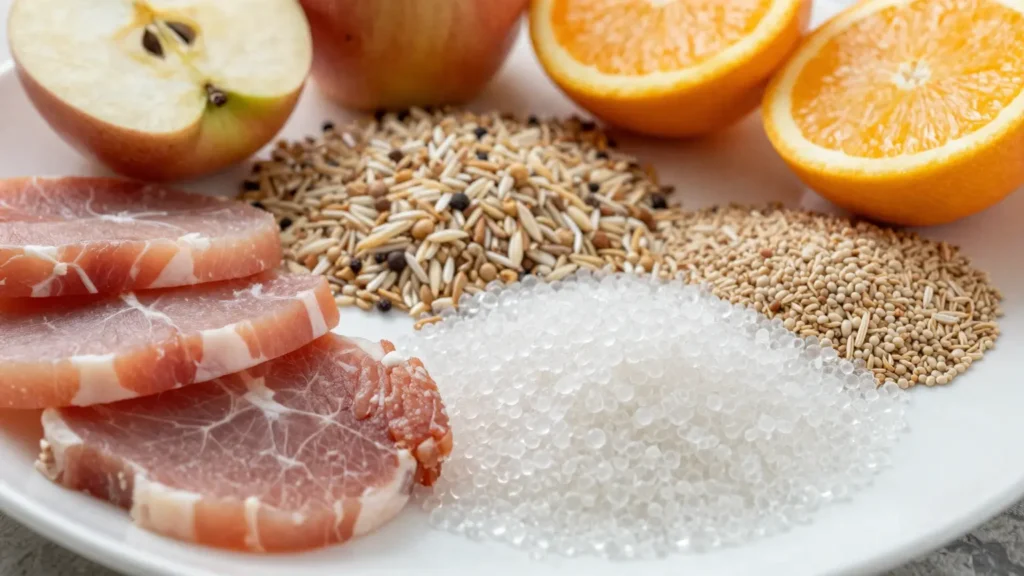
The Teflon diet is a fascinating concept that uses polytetrafluoroethylene (PTFE), better known by its brand name Teflon, to help individuals feel full without consuming extra calories. This innovative approach aims to address one of the primary challenges in weight loss: achieving satiety with minimal caloric intake.
Imagine eating your favorite foods but feeling fuller faster and for longer periods than ever before. That’s what the Teflon diet promises. By mixing a small amount of PTFE into meals, individuals can potentially reduce their overall calorie consumption while still enjoying their food. This method taps into the principle that increasing the volume of food consumed can lead to greater feelings of fullness without adding significant calories.
PTFE is an intriguing material due to its unique properties. Unlike other bulking agents such as fiber or sugar alcohols, PTFE remains intact throughout digestion and does not affect taste or texture. This means you can enjoy your meals with the same flavor and satisfaction but with added volume that helps stretch your stomach. The key here is understanding how our bodies perceive fullness – when we eat larger portions, regardless of their actual caloric content, we tend to feel more satiated.
The concept of using PTFE in food might seem unusual, but it builds on well-established scientific principles regarding the role of volume in appetite regulation. Research has shown that when stomach receptors are stimulated by increased volumes of food or non-digestible substances like PTFE, they send signals to the brain indicating fullness. This can help curb overeating and promote weight loss.
As you consider this novel dietary approach, it’s natural to wonder about safety concerns. After all, introducing a material commonly used in cookware into your meals requires careful consideration. Fortunately, extensive studies have demonstrated that PTFE is safe for ingestion when properly processed and consumed within recommended guidelines. These findings open up exciting possibilities for integrating PTFE into everyday diets as a tool for managing weight effectively without sacrificing taste or enjoyment.
The Teflon diet represents an intriguing intersection of science and nutrition, offering a fresh perspective on how we can manage our appetites in healthier ways. As research progresses, this innovative approach could pave the way for more effective and enjoyable solutions to obesity management.
Why Use PTFE for Weight Loss?
Using polytetrafluoroethylene (PTFE), commonly known by the brand name Teflon, in food could potentially aid in weight loss by increasing the volume of meals without adding calories. This method aims to enhance feelings of fullness, or satiety, which can help reduce overall calorie intake.
PTFE is widely recognized for its inert nature and chemical stability. These properties make it ideal as an additive in food because it does not interact with stomach acids or enzymes involved in digestion, meaning it passes through the digestive system unchanged. Additionally, PTFE has a soft texture and no discernible taste, which allows it to blend into various foods without altering their flavor profile.
Safety Concerns Addressed
Research from DuPont in the 1960s demonstrated that consuming up to 25% of one’s diet as PTFE for an extended period (90 days) resulted in no toxicological effects, and even led to weight loss. This suggests a high level of safety when ingested. Further studies have confirmed its non-toxicity, genotoxicity, and reproductive safety, making it suitable for use in medical devices.
Specifications for Ingestion
To ensure the safest usage, experts recommend using virgin PTFE resin powder that is free from dispersing agents. The particles should be at least 20 micrometers (µm) in size to prevent them from entering the bloodstream and accumulating within organs. This precaution ensures long-term safety and reduces potential risks associated with smaller particle sizes.
Potential Applications
The hypothesis suggests that incorporating PTFE into food at a ratio of three parts food to one part PTFE could enhance satiety and lead to reduced calorie consumption, aiding in weight management efforts. However, rigorous clinical trials are needed to confirm these benefits and establish optimal usage guidelines.
Did you know that the discovery of PTFE was accidental? It was first noticed as a slippery substance coating pans during experiments with other chemicals at DuPont’s laboratory, leading to its widespread use today not just in cookware but also in medical applications.
Recommended Food Groups for the Teflon Diet
The Teflon Diet focuses on integrating polytetrafluoroethylene (PTFE), commonly known as Teflon, into foods to increase their volume while maintaining a zero-calorie profile. This innovative approach aims to improve satiety and support healthy weight loss without compromising nutritional value.
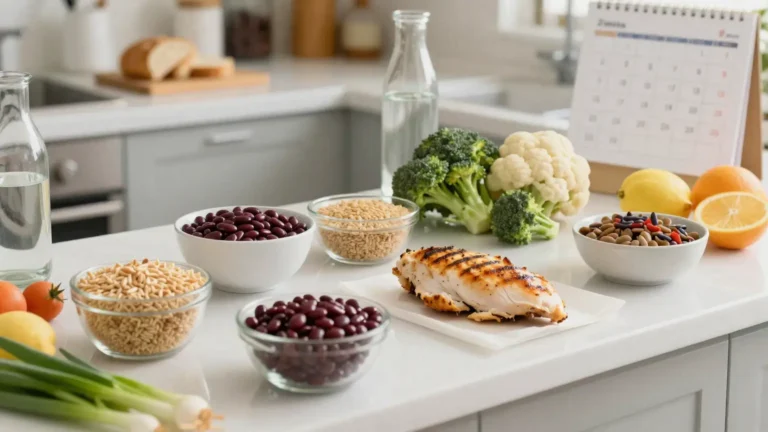
To maximize the benefits of the Teflon diet, certain food groups are recommended based on their compatibility with PTFE integration and overall dietary balance. These include:
- Grains: Whole grains like brown rice or quinoa can be bulked up with PTFE to enhance satiety without adding extra calories.
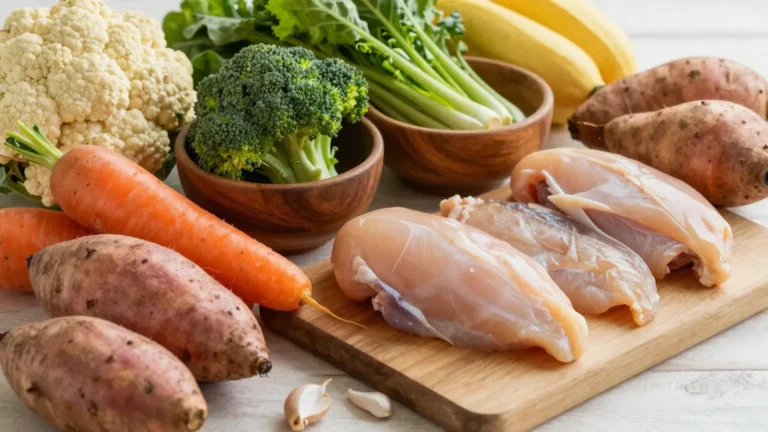
- Vegetables: Voluminous vegetables such as spinach, broccoli, and cauliflower are ideal for incorporating PTFE due to their high water content and nutrient density.
- Fruits: Fleshy fruits like apples or pears can be prepared with PTFE to increase volume while keeping sugar intake in check.
These food groups provide a balanced nutritional profile alongside the satiety benefits offered by PTFE integration. For instance, combining vegetables with grains creates a filling and nutritious meal that supports weight management goals.
Food Preparation Tips
When preparing meals for the Teflon diet, it’s crucial to follow specific guidelines to ensure safety and effectiveness:
- Particle Size: Use granular virgin PTFE resin powder where particle sizes are greater than 20 micrometers. This prevents any particles from being absorbed into the bloodstream.
- Mixing Technique: Carefully blend food with PTFE until it is evenly distributed throughout, ensuring that no large clumps remain.
Did you know that Teflon was originally developed as a coating for atomic weapons during World War II before finding its way into kitchen cookware and now potentially weight management diets?
Forbidden or Limited Foods on the Teflon Diet
On the Teflon Diet, certain foods are restricted due to their caloric density or interactions with PTFE. These limitations ensure that dieters achieve maximum satiety while minimizing calorie intake.
- Fried Foods: Deep-frying can cause PTFE to release harmful fluorocarbons at high temperatures, compromising its safety and negating its purpose of being a zero-calorie additive.
- High-Fat Dairy Products: Items like cream, full-fat cheese, and butter are off-limits because they provide significant calories without offering the volume needed for satiety.
Limited Foods
- Grains: While grains can be included in moderation on this diet, highly processed grain products such as white bread or sugary cereals should be avoided. Opt for whole-grain options that offer more fiber and bulk.
- Fruits with High Sugar Content: Fruits like bananas, grapes, and cherries are nutritious but contain high levels of natural sugars. Dieters are advised to choose lower-sugar fruits like berries or apples instead.
These restrictions aim to maximize the benefits of PTFE as a volumizing agent by pairing it with low-calorie, nutrient-dense foods that enhance satiety without adding unnecessary calories. For instance, incorporating leafy greens and non-starchy vegetables into meals can help dieters feel full while adhering to the diet’s guidelines.
Did you know? PTFE was accidentally discovered by Roy Plunkett in 1938 when he was experimenting with refrigerants, leading to one of the most versatile materials used today!
Nutritional Benefits of the Teflon Diet
The Teflon Diet aims to increase food volume without adding calories by incorporating polytetrafluoroethylene (PTFE), commonly known as Teflon. This innovative approach seeks to enhance feelings of fullness or satiety, thereby aiding in weight loss efforts.
When considering the nutritional benefits of the Teflon Diet, it’s important to recognize that PTFE itself does not contribute any nutrients. Instead, its primary role is as a volumizing agent designed to make food more filling without altering its caloric content or taste. This property can be particularly beneficial for individuals looking to manage their calorie intake while maintaining the volume and texture of their meals.
Despite being widely recognized for its non-stick properties in cookware, PTFE is actually completely inert when ingested, meaning it passes through the digestive system without any interaction with body tissues or metabolism. This characteristic makes it an ideal candidate for use as a dietary additive aimed at increasing food volume.
PTFE’s ability to mimic the bulk of regular foods offers potential nutritional benefits by providing a sense of fullness similar to that of traditional meals but without the caloric load. By enhancing satiety, PTFE may help curb overeating and promote healthier eating habits. For instance, adding a small amount of PTFE powder to soups or stews could make them feel more substantial while keeping the calorie count low.
Research suggests that incorporating PTFE into meals in a controlled manner might significantly reduce overall caloric intake without compromising on meal satisfaction. This approach could be especially valuable for individuals struggling with portion control and those seeking sustainable weight loss solutions that don’t involve drastic dietary changes or restrictive eating patterns.
Drawbacks and Potential Risks Associated with the Teflon Diet
The Teflon diet, which involves consuming food mixed with polytetrafluoroethylene (PTFE), aims to increase volume without adding calories. However, this approach comes with several drawbacks and potential risks that warrant careful consideration.
Drawbacks in Food Texture
One of the primary concerns with incorporating PTFE into food is its impact on texture and palatability. When mixed into meals, PTFE can alter the sensory experience by making foods feel less natural and more artificial. This change might deter individuals from continuing the diet due to the diminished enjoyment of eating.
Potential Health Risks
Consuming PTFE in large quantities poses several health risks despite its generally benign profile under controlled conditions. Studies focusing on long-term consumption are scarce, raising questions about the cumulative effects over extended periods. Here are some specific concerns:
- Gastrointestinal Complications: Although PTFE is inert and does not break down, there’s a risk of it causing blockages or irritation in the digestive tract if particles become lodged in narrow passages.
- Particle Size Issues: Ensuring that all ingested PTFE particles meet the minimum size requirement (≥20 µm) to prevent absorption into the bloodstream is crucial. However, ensuring consistency and accuracy in particle sizing can be challenging without proper equipment.
Did you know that while PTFE is widely used for its non-stick properties in cookware, it’s also employed in surgical implants due to its inert nature?
Safety Concerns
Despite initial research indicating low toxicity levels when rats were fed high concentrations of PTFE, human studies are limited. The potential long-term health implications remain uncertain and require further investigation.
- Toxicological Uncertainties: While early toxicology reports showed no significant harm in animal models over 90 days, there is less certainty about the effects over longer periods or in different species.
- Immune Response Risks: There are concerns that PTFE particles could trigger an immune response leading to inflammation or other adverse reactions if they do not behave as expected.
These factors highlight the need for thorough and extensive research before considering PTFE a viable long-term solution for weight management.
Sample Meal Plan for a Day on the Teflon Diet
A sample meal plan on the Teflon Diet would include meals prepared by mixing food with polytetrafluoroethylene (PTFE) to increase volume while keeping calories low. This approach aims to boost feelings of fullness without adding unwanted nutrients.
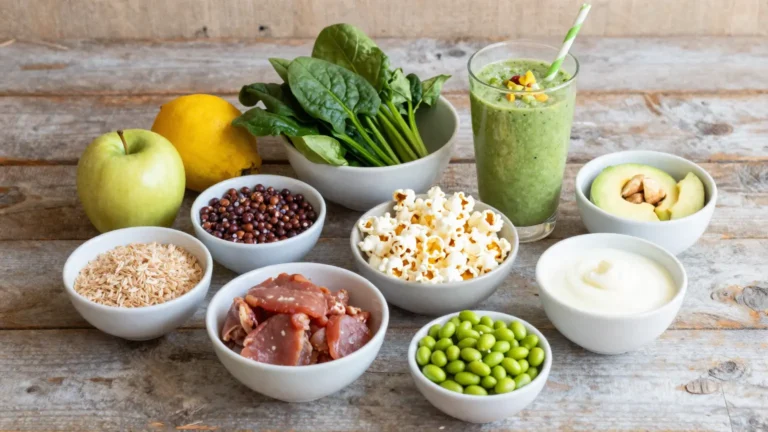
- Start your day with a PTFE-enhanced smoothie bowl. Blend your favorite fruits, add some spinach for greens, and mix in a small amount of PTFE powder to increase the bulkiness. Top it off with nuts or seeds for added texture.
- Alternatively, make a fluffy scrambled egg dish using a mixture that includes finely ground PTFE particles alongside eggs and milk. This meal would be less calorically dense yet filling.
Lunch Options
- For lunch, consider a hearty salad that’s been thickened with PTFE granules. Combine leafy greens, vegetables, chicken or tofu, and add the PTFE to give it extra volume without adding fats or sugars.
- Another option is a soupy dish like vegetable soup where you can incorporate PTFE directly into the broth before serving. This would create a more satisfying sensation of fullness.
Dinner Suggestions
- At dinner, opt for lean protein sources such as grilled fish or chicken breast that have been prepared with a sprinkle of PTFE powder mixed into any sauces or marinades.
- A pasta dish can be made healthier by using a PTFE-infused sauce, ensuring the dish feels hearty without adding excessive calories.
Snacks and Drinks
- As snacks, munch on air-popped popcorn dusted lightly with PTFE for extra bulk. This snack would keep you fuller longer but still low in calories.
- For beverages, prepare iced tea or coffee mixed with a tiny amount of PTFE powder to extend its volume and provide more satiety.
Each meal is designed to maximize fullness while minimizing caloric intake by leveraging the unique properties of PTFE. The goal here is to feel satisfied after meals without consuming excess calories.
How to Integrate PTFE into Your Daily Meals?
To integrate polytetrafluoroethylene (PTFE) into your daily meals, start by understanding its unique properties that make it an ideal candidate for enhancing food volume without adding calories. PTFE is widely known as Teflon due to its non-stick characteristics.
- Inertness and Safety: Studies show that PTFE can be safely ingested without causing toxicological harm, making it a promising additive for food.
- Non-Caloric Volumizing Agent: By adding PTFE to your meals, you increase the volume of food consumed, which can help in feeling fuller faster due to gastric distention.
To start using PTFE effectively:
- Use granular virgin PTFE resin powder that is free from dispersing agents.
- Ensure particle sizes are ≥20 µm to avoid absorption into the bloodstream and potential bioaccumulation.
Practical Application of PTFE in Meals
When incorporating PTFE into your diet, consider these practical tips:
- Mixing Ratio: Begin with a ratio of 3 parts food to 1 part PTFE by volume. This ratio is hypothesized to enhance satiety and reduce overall caloric intake.
- Types of Foods Suitable for PTFE: Incorporate PTFE into solid foods such as pasta, rice dishes, or starchy vegetables like potatoes. These foods absorb the PTFE powder well without compromising taste.
Ensuring Safety and Effectiveness
To ensure that your use of PTFE is both safe and effective:
- Monitor Intake Levels: Start with small amounts and gradually increase to observe how your body reacts.
- Consult Healthcare Providers: Before beginning any new dietary regimen, especially one involving the ingestion of materials like PTFE, consult a healthcare provider for personalized advice.
Did you know that PTFE was accidentally discovered in 1938 by Roy Plunkett while he was experimenting with gases? This discovery led to its use not only in non-stick cookware but also as a potential dietary aid.
Alternative or Similar Diets to Consider: A Comparative Guide
When considering the Teflon Diet or similar approaches to managing caloric intake while increasing feelings of fullness, several alternative diets come into play. These options offer varied strategies to achieve similar goals but through different methods and ingredients.
Water-rich foods can naturally enhance satiety without adding significant calories. Incorporating high-water-content fruits like watermelon or vegetables such as cucumbers in meals helps fill the stomach, promoting a sense of fullness and reducing overall calorie intake. These foods are also rich in essential vitamins and minerals.
Fiber-Dense Diets
Diets rich in fiber are another approach to feeling fuller for longer periods without consuming many calories. Foods like oatmeal, legumes, and whole grains contain high amounts of soluble and insoluble fibers that slow down digestion and prolong the feeling of fullness. This dietary strategy not only aids weight management but also supports digestive health.
Aerated Diets
Aerated foods can be a creative solution to increase volume without adding calories. Foods like marshmallows or gelatin-based desserts incorporate air bubbles, making them less dense and more voluminous. This method is particularly popular in low-calorie dessert options, providing an indulgent treat with minimal impact on caloric intake.
Dietary Supplements
Certain dietary supplements designed to fill the stomach can mimic the effects of high-volume foods without adding significant calories. These products often contain ingredients like glucomannan or chitosan that swell when mixed with water, creating a satiating gel-like substance in the digestive tract.
While each of these diets offers unique ways to manage calorie intake and promote satiety, they differ in their approach, ingredients, and potential side effects. Understanding the characteristics and benefits of various options can help individuals make informed decisions about which method best suits their needs and preferences.
Did you know that the air trapped inside a marshmallow makes up about 40% of its total volume? This air helps to create the fluffy texture we love while significantly reducing the overall calorie content per bite.
Conclusion and Final Thoughts on the Teflon Diet
The concept of using polytetrafluoroethylene (PTFE), commonly known as Teflon, in food to increase volume while maintaining low calorie content is an intriguing approach to enhancing satiety and supporting weight loss. Throughout the exploration of this idea, several key aspects have been highlighted that underscore its potential benefits and safety.
Firstly, the inert nature of PTFE plays a crucial role in ensuring it does not interact with food or digestive systems negatively. This material’s ability to withstand stomach acid and maintain its structure throughout digestion makes it an ideal candidate for volumizing foods without altering their taste or nutritional value. The absence of any toxicological effects noted even at high concentrations in safety studies further bolsters the case for PTFE’s use.
Moreover, the biological safety profile of PTFE is exceptionally reassuring. Extensive research confirms its non-toxicity and lack of genotoxicity, indicating that it poses no risk to reproductive health or development. Its extensive history in medical devices also highlights its safety when exposed to skin and immune systems, adding another layer of confidence in its use.
The specifications for ingesting PTFE are critical to ensure maximum effectiveness and safety. Using granular virgin PTFE resin powder without dispersing agents ensures purity, while particle size requirements prevent potential health risks such as bioaccumulation or absorption into the bloodstream. These precautions underline the meticulous approach needed when introducing any new material into human diets.
The hypothesis that a 3:1 ratio of food to PTFE by volume could effectively improve satiety and aid in weight loss sets the stage for further investigation. Future clinical trials will be essential in confirming these theoretical benefits through practical application, comparing calorie consumption between subjects eating foods with and without PTFE additives.
In conclusion, while the idea of using Teflon as a volumizing agent in food is innovative and promising, it requires rigorous testing to validate its potential benefits fully. If successful, this approach could offer new avenues for obesity treatment and weight management by providing a novel method to enhance satiety without compromising health or nutritional intake. As research progresses, the Teflon diet may well represent an exciting step forward in addressing one of today’s most pressing public health issues.
Encouraging ongoing discussions and continued scientific exploration will be vital as we navigate this potentially transformative area of food science and nutrition.
Frequently Asked Questions (FAQ)
What is polytetrafluoroethylene (PTFE) commonly known as Teflon used for in food?
PTFE, often called Teflon, is a plastic that can be mixed into food to increase volume without adding calories. It’s being explored as a way to improve satiety and help with weight loss.
Is Teflon safe to eat according to studies?
Studies on rats showed no signs of toxicity after 90 days of consuming diets containing up to 25% PTFE, though subsequent trials used lower percentages like 10%.
Can Teflon pass through the digestive system without being absorbed by the body?
Yes, it’s believed that PTFE is excreted in feces and does not bioaccumulate because it clumps together due to its hydrophobic nature.
How could a Teflon diet help people lose weight?
By increasing the volume of food consumed without adding calories, making you feel fuller longer which can reduce overall caloric intake.
Are there any concerns about long-term use of PTFE in food for humans?
More research is needed to determine long-term effects. Current studies suggest it’s safe but more human trials are required for a definitive answer.
Can PTFE be used with all types of foods or only specific ones?
PTFE can theoretically be added to any type of food, though practical application and taste might vary.
How does adding Teflon powder affect the taste of food?
Ideally, PTFE is tasteless and inert. However, it’s important that the PTFE used in food is high-quality and free from contaminants or dispersing agents.
Could eating foods with Teflon be harmful to people’s health over time?
Current evidence suggests no reproductive harm and no signs of toxicity, but further research is needed for long-term health effects.
How much weight could someone lose on a Teflon diet compared to other diets?
The amount of weight loss can vary depending on individual metabolism and adherence to the diet. Comparative studies against other dietary approaches are still in development.
Is there any risk of choking or digestive issues with PTFE in food?
PTFE is smooth, inert, and passes through without being absorbed, reducing risks like choking. However, proper preparation is key to avoiding clumping that might cause blockages.