
What is the Lion Diet?
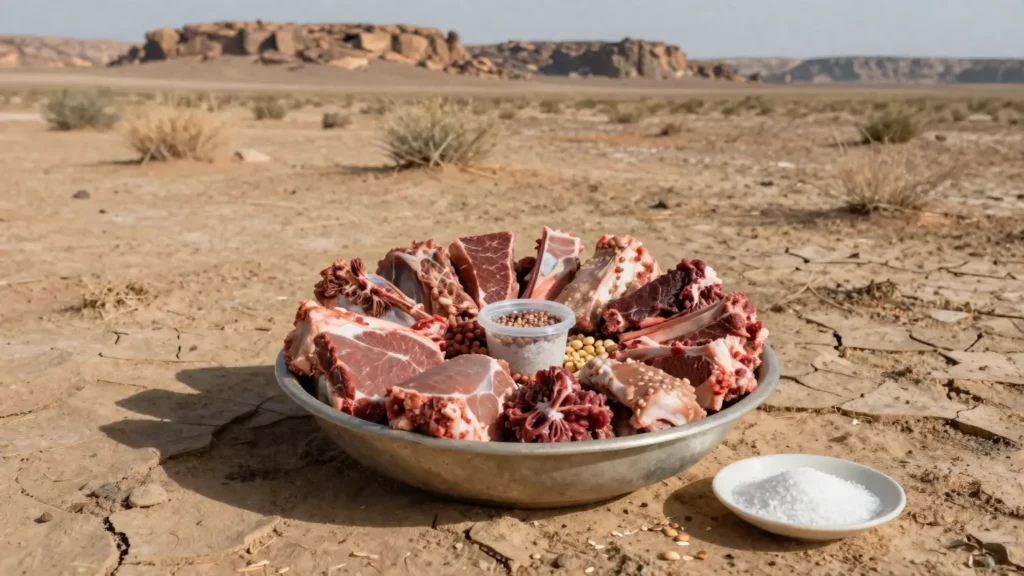
The Lion Diet is an extremely restrictive eating plan that focuses solely on specific types of meat along with salt and water, setting it apart from other diets like the carnivore diet. Imagine a world where your meal options are as limited as those in the wild – only certain red meats, no fruits, vegetables, grains, or any beverages except water. It sounds primal and intense, doesn’t it? But what does this mean for your body?
Under the lion diet regimen, all familiar foods like fruits, vegetables, grains, legumes, nuts, seeds, oils, and even most supplements are completely off-limits. This stark limitation makes it one of the harshest elimination diets currently discussed in nutritional circles. Picture yourself having to choose from a very short list of meats every day – beef, lamb, elk, bison, deer, or goat – and little else but salt and water to sustain you.
Registered dietitian Maria Garcia Luis notes that while some individuals claim improvements in digestive issues and mental health from this diet, these claims often lack substantial clinical evidence. Think about it: how would your body feel if all you consumed were specific meats and nothing else for weeks on end? It’s a radical experiment with potential benefits but also significant risks.
The restrictive nature of the lion diet poses several serious risks to overall health. One major concern is the risk of vitamin C deficiency, since meat alone doesn’t provide this crucial nutrient essential for immune function and other vital bodily processes. Imagine your body struggling without adequate vitamins and minerals – it’s a stark reality under such strict dietary constraints.
Moreover, excluding fiber-rich fruits, vegetables, and grains can disrupt the balance of gut bacteria, potentially causing digestive issues like constipation. Picture yourself dealing with irregular bowel movements or discomfort due to a lack of dietary fiber. It’s not just about what you’re missing nutritionally; it’s also about how your body functions day-to-day.
And then there’s the cardiovascular impact: high saturated fats and cholesterol from the limited meat options can increase the risk of heart problems over time. Envision yourself worrying more about clogged arteries than enjoying a varied diet that supports long-term health. This is not just theoretical; it’s backed by what we know about nutrition science.
Socially, adhering strictly to such a restrictive diet can lead to isolation as it becomes increasingly difficult to enjoy meals with others who don’t follow the same dietary rules. Picture yourself at social gatherings where everyone else enjoys diverse dishes while you stick to your limited choices. It’s not just about what you’re eating; it’s also about how this affects your personal and social life.
So, when considering the Lion Diet, think carefully about the long-term impacts on both physical health and social well-being. It’s a diet that challenges conventional nutritional wisdom but comes with significant risks. Is such an extreme approach really worth the potential benefits?
Understanding the Restrictions: What Can and Cannot Be Eaten
Lions in the wild consume a diet consisting solely of meat from large herbivores like buffalo, wildebeest, and zebra, complemented by salt and water. For humans adopting the lion diet, the menu is similarly limited to specific types of red meats such as beef, lamb, elk, bison, and deer, alongside salt and water.
- Meat from large herbivores only.
- No poultry, fish, dairy, fruits, vegetables, grains, legumes, nuts, seeds, oils, or beverages other than water.
- Most supplements are also excluded unless strictly meat-based.
These restrictions mean that lion diet followers must avoid a wide range of common food items. For instance:
- Poultry and eggs are off-limits due to their classification as non-meat proteins.
- Fish is not included because it does not fit the definition of land mammal prey preferred by lions in nature.
- Dairy products such as milk, cheese, yogurt, and cream are excluded despite being animal-derived.
- Fruits and vegetables, which provide essential vitamins and minerals, are omitted entirely.
- Common grains like wheat, rice, oats, and quinoa are not part of the lion diet menu.
- Legumes, nuts, seeds, and oils are also strictly prohibited to adhere closely to a lion’s natural eating habits.
The exclusion of these food groups can lead to nutritional imbalances, making it crucial for individuals interested in the lion diet to carefully consider their health risks.
How Does the Lion Diet Differ from Other Diets Like Carnivore?
The lion diet diverges sharply from the carnivore diet by limiting food sources to only specific types of meat and excluding all other animal products, fruits, vegetables, grains, legumes, nuts, seeds, oils, beverages besides water, and most supplements.
- Meat Variety: The lion diet is more restrictive than the carnivore diet. It excludes poultry, fish, eggs, dairy products, and certain types of meat such as pork.
- Health Risks: Both diets risk nutritional deficiencies but the lion diet’s narrower range of meats increases the likelihood of specific nutrient gaps like vitamin C, which can lead to scurvy if not supplemented.
Nutritional Deficiencies
Lions on this diet must rely heavily on organ meats and bone broth for essential nutrients that are difficult to obtain from muscle meat alone. This can be challenging as these items might not align with the strict dietary guidelines of the lion diet, leading to potential deficiencies in vitamins like C and E, and minerals like calcium.
Social Implications
Adhering strictly to a lion diet can lead to social isolation due to the limited availability of compliant foods in most restaurants and social gatherings. This contrasts with the carnivore diet, which allows for more flexibility and greater food choice at social events.
Did you know that lions in the wild also avoid eating fish, despite being near rivers or lakes? This preference underscores the dietary specificity found in both natural lion behavior and human diets inspired by them.
Nutritional Benefits of the Lion Diet
The lion diet is an extremely restrictive eating plan that focuses solely on meat from specific animals like beef, lamb, elk, bison, and deer, along with salt and water. Unlike the carnivore diet, which allows for a broader range of animal-based products such as eggs and dairy, the lion diet excludes poultry, fish, fruits, vegetables, grains, legumes, nuts, seeds, oils, and most supplements.
Proponents of the lion diet argue that it can alleviate digestive issues like bloating and constipation by eliminating common allergens and irritants found in plant-based foods. They also claim mental clarity and reduced inflammation due to a decrease in dietary lectins and other anti-nutrients, which are often present in grains and legumes.
Nutritional Deficiencies
However, this restrictive diet can lead to significant nutritional deficiencies because it lacks essential vitamins and minerals commonly found in fruits, vegetables, nuts, seeds, and whole grains. For example, vitamin C is crucial for immune function and wound healing, but the lion diet does not provide a natural source of it, necessitating supplementation.
Fiber Intake
Another critical concern with the lion diet is reduced fiber intake, which can lead to an imbalance in gut microbiota and potential digestive issues such as constipation. Fiber is vital for maintaining regular bowel movements and supporting overall gastrointestinal health.
Did you know that lions consume the entire prey, including bones and organs? This behavior provides them with a wide range of nutrients that are missing from the lion diet practiced by humans, highlighting how restrictive human dietary patterns can be in comparison to natural behaviors.
Nutritional Drawbacks and Health Risks Associated with the Lion Diet
The lion diet presents significant health risks and nutritional drawbacks due to its extreme restriction on food types.
Proponents of the lion diet argue that it can help with various ailments, but there is no scientific evidence supporting these claims. The diet’s exclusion of fruits, vegetables, dairy products, and other sources of essential nutrients like vitamin C leads to severe deficiencies. Vitamin C, for instance, plays a crucial role in immune function and collagen production. Without adequate intake from diverse food sources, individuals on the lion diet risk developing scurvy, characterized by bleeding gums, joint pain, and poor wound healing.
Gut Microbiome Imbalance
The lion diet’s lack of fiber from plant-based foods can severely disrupt gut health. Fiber is essential for maintaining a healthy microbiome, which in turn supports digestion, immune function, and mental well-being. A diet devoid of fruits, vegetables, legumes, nuts, seeds, and grains leads to reduced microbial diversity and potential overgrowth of harmful bacteria. This imbalance can cause symptoms such as bloating, diarrhea, constipation, and other digestive issues.
Cardiovascular Health Concerns
High consumption of red meat, which is a staple in the lion diet, carries risks for cardiovascular health. Red meats are rich in saturated fats and cholesterol, both of which can contribute to elevated blood pressure and increased risk factors for heart disease when consumed excessively over time. Regular intake without balancing with other nutrient-rich foods further exacerbates these concerns.
Social Isolation
Adhering strictly to the lion diet often isolates individuals from communal eating experiences and social gatherings where food is central, such as family dinners or celebrations. This can lead to emotional distress and feelings of alienation, affecting mental health negatively over time.
Recommended Food Groups for Balanced Nutrition
Lions in the wild enjoy a diet rich in protein from their prey but also benefit from essential nutrients found in grasses and plants they occasionally consume, which supports their overall health. For humans following a lion-inspired diet, however, focusing solely on meat can lead to severe nutritional imbalances.
The lack of variety in the lion diet means missing out on crucial vitamins and minerals typically found in fruits, vegetables, grains, nuts, seeds, and legumes. Registered dietitian Maria Garcia Luis highlights several key nutrients that become deficient:
- Vitamin C: Found abundantly in citrus fruits, berries, and leafy greens.
- Fiber: Essential for digestive health and typically obtained from plant-based foods.
Recommended Food Groups
To maintain balanced nutrition, including the following food groups is essential:
- Meat and Poultry: Lean cuts of beef, pork, chicken, and turkey provide high-quality protein.
- Dairy Products: Milk, cheese, yogurt contribute calcium and other vitamins.
- Fruits and Vegetables: A variety ensures intake of antioxidants, vitamins, minerals, and fiber.
- Grains: Whole grains like brown rice, quinoa, and oats offer complex carbohydrates and B-vitamins.
- Nuts, Seeds, and Legumes: These provide healthy fats, proteins, and essential amino acids.
Balanced Approach
Maria Garcia Luis stresses the importance of a balanced diet that includes all major food groups. This approach not only prevents nutritional deficiencies but also promotes better heart health and digestive function. By incorporating diverse foods, individuals can enjoy a wide range of flavors while ensuring their bodies receive all necessary nutrients for optimal functioning.
While lions primarily feed on large herbivores like wildebeest or buffalo in the wild, they sometimes consume plant material to aid digestion and prevent intestinal parasites – a strategy humans should not emulate given our digestive systems’ differences.
Forbidden or Limited Foods on the Lion Diet
Lions, the apex predators of their ecosystems, have a diet entirely focused on meat from large ungulates like antelope, zebra, and wildebeest. In human terms, this translates to an extremely restrictive eating plan known as the “lion diet,” which excludes all non-meat food items found in typical diets.
The lion diet strictly prohibits a wide range of foods commonly consumed by humans:
- Poultry: Chicken, turkey, and other birds are off-limits.
- Fish and Seafood: No salmon, tuna, shrimp, or any aquatic animals.
- Dairy Products: Cheese, milk, yogurt, and butter are excluded due to the absence of dairy in a lion’s diet.
- Fruits and Vegetables: All produce is forbidden as lions do not consume plant matter for sustenance.
- Grains and Legumes: Wheat, rice, beans, lentils, and similar items are entirely avoided.
- Nuts, Seeds, and Oils: These sources of fats and protein are absent from the lion diet.
- Beverages Other Than Water: No tea, coffee, juices, or soft drinks are allowed.
- Supplements: Most dietary supplements are not recommended since lions do not need additional nutrients beyond those found in their prey.
This strict regimen ensures that only meat sources such as beef, lamb, elk, bison, and deer – along with water – are part of the lion diet. Registered dietitian Maria Garcia Luis notes that while some individuals report benefits like improved digestion and mental clarity on these restrictive diets, there is no scientific evidence backing these claims.
Risks Associated
The lion diet’s exclusionary nature can lead to serious health issues:
- Nutritional Deficiencies: Lack of essential nutrients such as vitamin C, found primarily in fruits and vegetables.
- Gut Health Issues: Reduced fiber intake can cause constipation and disturb the balance of gut microbiota necessary for digestive health.
- Cardiovascular Risks: High consumption of saturated fats and cholesterol increases the risk of heart disease.
A balanced diet that incorporates a variety of food groups is generally recommended to ensure comprehensive nutritional support and long-term health.
Sample Meal Plan: A Day in the Life on the Lion Diet
A day on the lion diet involves consuming only specific meats, salt, and water, mirroring the eating habits of lions in their natural habitat.
- Breakfast: A typical morning starts with a generous portion of bison or elk meat, often prepared as jerky for convenience. Many adherents find this meal satisfying but may struggle to maintain such a strict regimen without proper nutritional support.
- Hydration: Throughout the day, hydration is crucial. Pure water is consumed regularly to prevent dehydration and ensure that no other fluids are accidentally ingested.
Midday Meal
- Lunch: For lunch, lion diet followers might opt for beef or lamb, cooked in various ways such as roasting or slow-cooking, ensuring it remains tender enough to eat without causing digestive issues. This meal provides a substantial amount of protein and fat necessary for energy but lacks essential nutrients like fiber and vitamins found in plant-based foods.
Evening
- Dinner: Dinner is another meat-centric meal, often consisting of deer or bison again, prepared simply with added salt for flavor. The simplicity of the evening meal contrasts sharply with the variety and complexity typical in a balanced diet.
- Wind Down: Before bed, adherents might consume additional water to stay hydrated through the night, ensuring they do not wake up thirsty or dehydrated.
Interestingly, while lions can go days without drinking water by obtaining it from their prey, humans on this diet must be vigilant about fluid intake due to the body’s different hydration needs.
Why Some Experts Advise Against Following the Lion Diet
Experts advise against following the lion diet due to its extreme restrictions and lack of scientific backing.
Registered dietitian Maria Garcia Luis highlights several concerns about the lion diet. One primary issue is the risk of nutritional deficiencies, as it excludes fruits and vegetables which are crucial sources of vitamins like vitamin C, B-vitamins, and minerals essential for overall health. For instance, without vitamin C-rich foods such as oranges or strawberries, individuals may experience fatigue, weakened immune systems, and slow wound healing.
Gut Health
Another significant risk is the impact on gut health. The lion diet severely limits fiber intake from plants, which can lead to an imbalanced gut microbiome and digestive issues like constipation and bloating. A healthy gut requires a diverse range of fibers found in vegetables, fruits, whole grains, and legumes to support beneficial bacteria.
Cardiovascular Risks
The diet’s reliance on meat also means high levels of saturated fat and cholesterol, which can contribute to heart disease over time if consumed excessively without balancing nutrients from other food groups. Prolonged adherence might increase the risk of cardiovascular problems such as hypertension and atherosclerosis.
Social Impact
Beyond physical health, the lion diet could lead to social isolation since it restricts many common foods enjoyed in group settings like meals out or family dinners. This dietary exclusivity can strain relationships and limit social interactions, potentially affecting mental well-being.
Lions are not strict on their “diet” as humans interpret; they consume grass and other vegetation occasionally when dealing with digestive issues, something that goes against the lion diet’s principles for humans.
Is It Safe to Try the Lion Diet?
The lion diet is an extreme eating plan that closely mimics the feeding habits of lions by exclusively consuming meat from specific animals such as beef, lamb, elk, bison, and deer. This regimen goes beyond the carnivore diet, which typically includes a wider variety of animal-based products like fish, eggs, and dairy. The lion diet strictly prohibits poultry, fish, fruits, vegetables, grains, legumes, nuts, seeds, oils, beverages other than water, and most supplements.
Registered dietitian Maria Garcia Luis warns that the lion diet carries significant health risks due to its restrictive nature. By eliminating all plant-based foods, essential nutrients such as vitamin C are notably absent, leading to potential deficiencies that can cause scurvy or weaken immune function. Additionally, a lack of fiber from fruits and vegetables disrupts gut microbiome balance, potentially causing digestive issues like constipation.
Nutritional Deficiencies
- Vitamin C deficiency: Essential for collagen synthesis and immune system health.
- Fiber insufficiency: Leads to gastrointestinal problems such as bloating, cramps, and irregular bowel movements.
The high intake of saturated fats and cholesterol from red meat can also contribute to cardiovascular diseases over time. Moreover, the social aspect of eating is often neglected with this diet, potentially causing feelings of isolation and alienation from communal dining experiences.
Lions in the wild consume large amounts of water along with their prey but do not drink regularly like domesticated animals. This adaptation helps them survive without a reliable water source.
Professional Advice
Maria Garcia Luis advises individuals considering such diets to consult healthcare professionals before making drastic changes. She highlights the importance of achieving balanced nutrition through varied food sources, ensuring sustained physical and mental well-being.
Summary: Evaluating the Lion Diet and Considering Healthier Options
The lion diet, an extreme version of the carnivore diet, limits food choices to meat from specific animals such as beef, lamb, elk, bison, and deer. It also includes only salt and water, excluding all other types of foods like poultry, fish, dairy products, fruits, vegetables, grains, legumes, nuts, seeds, oils, beverages other than water, and most supplements. This diet is designed to mimic what lions might eat in the wild but ignores key differences between human and lion nutritional needs.
Registered dietitian Maria Garcia Luis highlights several concerns about the lion diet. First, while some individuals report improvements in digestive issues or mental clarity, there’s no scientific evidence backing these claims. The restrictive nature of this diet can lead to significant health risks. For example, eliminating fruits and vegetables means missing out on essential vitamins and minerals like vitamin C, which is crucial for immune function and skin health.
Moreover, a lack of dietary fiber from plant-based foods can disrupt the balance of gut bacteria, potentially leading to digestive issues such as constipation. Additionally, consuming high amounts of saturated fats and cholesterol without balancing them with heart-healthy nutrients found in plants might increase the risk of cardiovascular diseases over time. These risks underscore why it’s important to approach any diet change carefully and seek professional guidance.
Garcia Luis advises individuals considering the lion diet to consult a healthcare provider or registered dietitian who can offer personalized advice on meeting nutritional needs safely. She advocates for balanced diets that include a variety of foods, ensuring sufficient intake of all essential nutrients while promoting long-term health and well-being.
Frequently Asked Questions (FAQ)
What is the lion diet?
The lion diet is an extremely restrictive eating plan that limits food intake to specific types of meat like beef, lamb, goat, elk, bison, and deer. Unlike other diets, it completely excludes fruits, vegetables, dairy, poultry, fish, eggs, grains, legumes, nuts, seeds, oils, and most supplements.
How is the lion diet different from a regular carnivore diet?
While both exclude plants, the lion diet narrows down meat choices even further to certain land animals only. The carnivore diet typically includes more variety like poultry and fish, but excludes plant-based foods too.
Can I lose weight on the lion diet?
Some people may experience initial weight loss due to a calorie deficit when switching from a mixed diet rich in plants to one that’s highly restrictive. However, long-term sustainability is questionable, and experts advise against it for overall health reasons.
Is there any scientific evidence supporting the benefits of the lion diet?
There isn’t substantial clinical research backing up claims about its effectiveness or safety. Most testimonials come from individuals rather than peer-reviewed studies, making it hard to recommend this diet based on reliable data.
What are some potential risks associated with following the lion diet long-term?
Eliminating entire food groups like fruits and vegetables can lead to nutritional deficiencies in essential vitamins, minerals, fiber, antioxidants, and phytonutrients necessary for overall health. This could affect bone density, heart health, immune system function, and more.
Are there any alternative diets or eating plans that are considered healthier by nutritionists?
Health experts generally recommend balanced diets rich in whole grains, lean proteins, healthy fats, fruits, vegetables, nuts, seeds, and legumes. These provide a wide range of nutrients necessary for maintaining health over time.
Can I try the lion diet if I have food allergies or sensitivities?
If you suspect certain foods are causing issues but haven’t been medically diagnosed, consult with a healthcare provider who can guide you through proper elimination diets rather than extreme restrictions like those seen in the lion diet.
Is it possible to get enough protein on the lion diet without eating too much meat?
Since only specific meats from land animals are allowed, you may need to carefully plan meals to ensure adequate but not excessive intake of proteins while also considering other important nutrients.
What about hydration and water consumption on this diet?
Water is the recommended beverage for staying hydrated. Other fluids like coffee or tea should be avoided according to the lion diet rules. Proper hydration remains crucial regardless of dietary restrictions.
Can I safely reintroduce foods after trying the lion diet briefly?
After a short period, you might consider reintroducing eliminated foods gradually under professional guidance to monitor any adverse reactions and maintain nutritional balance.