What Is the hCG Diet?
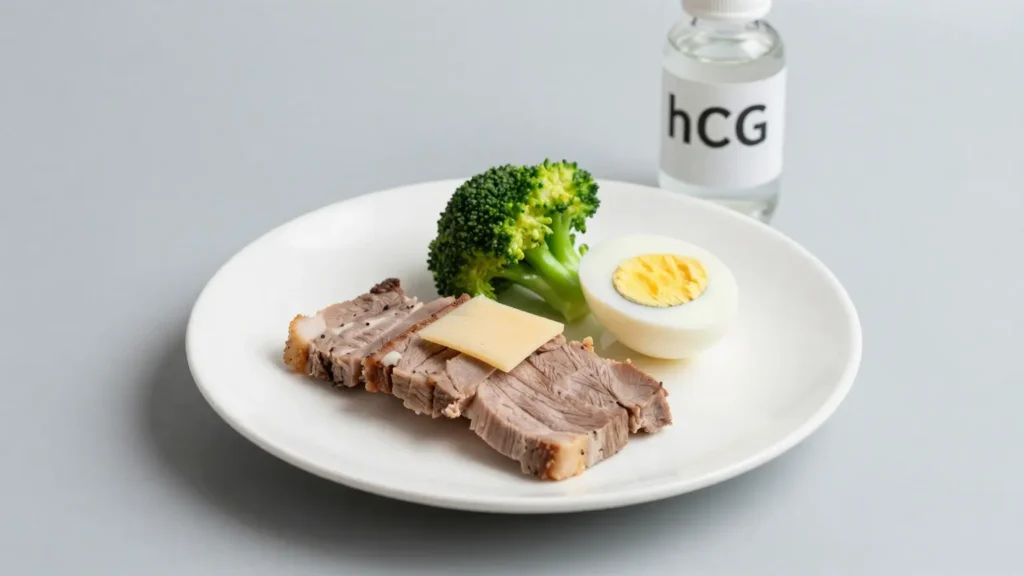
Human Chorionic Gonadotropin (hCG) Diet is a controversial method that has been touted as a quick fix for shedding pounds rapidly. This dietary regimen involves the use of human chorionic gonadotropin (hCG), a hormone typically produced during pregnancy, alongside an extremely low-calorie diet. The concept might sound intriguing if you’re looking to drop weight fast, but is it really worth trying? Let’s dive into what the hCG Diet entails and why it has sparked so much debate.
Developed by Dr. Albert T. W. Simeons in the 1950s, the hCG Diet claims that injecting or supplementing with hCG can boost your metabolism and suppress your appetite while you follow a very restrictive diet. The theory is that these injections will help release stored fat into your bloodstream for energy, theoretically allowing you to eat less without feeling starved. Sounds too good to be true? That’s because it likely is.
The hCG Diet requires adherents to consume an extremely low number of calories each day, usually between 500 and 800 calories per day. This extreme caloric restriction can make your body feel deprived and tired, leading you to crave unhealthy foods even more than usual. Moreover, the diet severely limits what types of food you can eat, focusing primarily on lean proteins like chicken breast or fish while completely cutting out fats and sugars.
So, does this mean that millions who have tried the hCG Diet saw significant weight loss? While many report initial success with rapid weight loss during the diet phase, studies show little to no difference in outcomes compared to a low-calorie diet alone. In fact, most of the lost weight is attributed to water weight and lean muscle mass rather than fat.
This sets up an interesting dilemma: while the hCG Diet might help you shed pounds quickly, it doesn’t address long-term sustainability or overall health. As we explore more about this controversial method in subsequent sections, consider what your true goals are when it comes to weight loss – quick fixes or lasting results?
The History of the hCG Diet
The history of the hCG Diet traces back to the mid-20th century when Dr. Albert T. W. Simeons, a British endocrinologist, developed the concept while working in India. Simeons was initially investigating hCG’s potential for treating obesity in boys with Fröhlich syndrome, a condition characterized by delayed puberty and hormonal imbalances. He noticed that administering hCG to these patients led to significant weight loss without affecting their growth and development.
Inspired by these findings, Simeons began experimenting with hCG injections on obese adults as well. His observations suggested that the hormone could reduce appetite and mobilize fat reserves for energy use. In 1954, he published his theories in a book titled “Pounds & Inches: A New Approach to Obesity,” which gained widespread attention and sparked debate within medical circles.
Despite initial interest, the hCG Diet fell out of favor as more rigorous scientific studies failed to substantiate Simeons’ claims. The lack of substantial evidence and concerns about potential health risks led many medical professionals to advise against its use. However, in recent years, with the rise of celebrity endorsements and online marketing, the diet has experienced a resurgence in popularity.
Throughout this period, regulatory bodies such as the U.S. Food and Drug Administration (FDA) have remained cautious, issuing warnings about the potential dangers associated with using hCG for weight loss. Despite these concerns, proponents continue to advocate for its use based on anecdotal evidence and personal success stories. As you might imagine, navigating through this controversy can be confusing, especially when trying to make informed decisions about your health.
Dr. Simeons was not only known for his work with hCG but also contributed significantly to the understanding of malaria by discovering that it could temporarily alleviate symptoms of schizophrenia and bipolar disorder in some patients – a discovery far removed from his later dietary regimen.
hCG Diet Plan: Phases Explained
The hCG Diet is structured into distinct phases designed to work in conjunction with daily hormone injections or supplements. Each phase has specific goals and dietary guidelines that are intended to help participants lose weight effectively and safely, although critics argue these rules can be overly restrictive and potentially harmful.
Loading Phase: Building Up Fat Stores
The loading phase, also known as the fat-loading period, is a preparatory stage lasting two days before the main diet begins. During this time, you’re encouraged to eat a high-calorie diet rich in fats to build up your body’s stores of adipose tissue. The idea behind this phase is that these excess calories will be converted into stored fat, which hCG will then target for mobilization during subsequent phases. Foods like steak, sausages, and butter are typically recommended.
Weight Loss Phase: Rapid Fat Burn
Following the loading phase, dieters enter the weight loss or active diet period, where they drastically reduce their caloric intake to around 500-800 calories per day. This is when participants begin taking hCG supplements or injections daily. The goal here is to encourage your body to burn stored fat for energy, rather than breaking down muscle tissue that occurs during severe calorie restriction without the aid of hCG.
Maintenance Phase: Transitioning to a Balanced Diet
Once you’ve reached your desired weight loss goals, usually after 3 to 6 weeks, it’s time to transition into the maintenance phase. This stage involves gradually reintroducing a more balanced diet and incorporating regular exercise to prevent weight regain. The aim is not just to lose weight but also to maintain that weight over the long term, by adopting healthier eating habits and lifestyle changes.
Dietary Restrictions Throughout the Phases
Throughout these phases, the hCG Diet imposes strict dietary guidelines. For instance, you’re only allowed certain types of proteins such as lean meats, fruits, and vegetables while being forbidden from consuming many other common food items like bread, potatoes, or sugary snacks. These restrictions are meant to prevent fluctuations in blood sugar levels, which might trigger cravings and disrupt the diet’s effectiveness.
Potential Risks During Each Phase
While proponents of the hCG Diet claim it can help individuals lose weight quickly without sacrificing muscle mass, critics argue that adhering to such strict guidelines could lead to nutritional deficiencies and other health issues. For example, severely limiting calorie intake can cause fatigue, irritability, and a weakened immune system, making you more susceptible to illness.
The hCG Diet’s phases are designed to offer a structured approach for rapid weight loss, but they come with significant potential risks and limitations that users should carefully consider before embarking on this journey. The question remains: Is the hCG Diet worth the effort and risk when there are other scientifically-backed methods available?
What You Can Eat and What You Can’t: Recommended Food Groups, Forbidden or Limited Foods
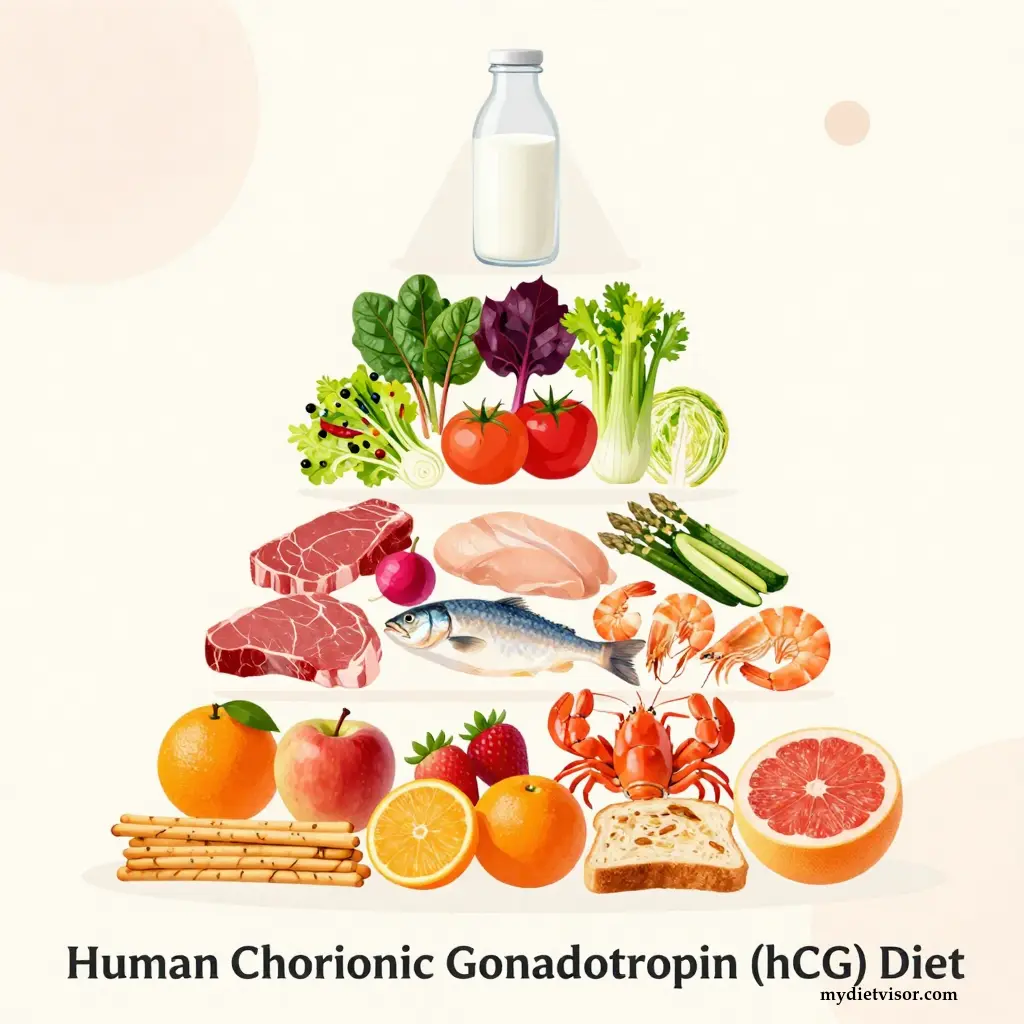
When it comes to understanding what you can and cannot eat on the hCG Diet, the rules are quite strict and detailed. The dietary guidelines during the active phase focus heavily on lean proteins and specific fruits and vegetables, while completely cutting out or severely limiting a wide range of other food items that many people consider staples in their diet.
On this diet, adherents are encouraged to consume:
- Lean Proteins: Chicken breast (no skin), turkey, beef sirloin, veal, shrimp, crabmeat, lobster.
- Specific Vegetables: Asparagus, broccoli, celery, chicory greens, lettuce, spinach, tomatoes, onions, cucumbers. These vegetables should be eaten raw or steamed without butter or oil.
The diet also allows for certain fruits like apples, oranges, and strawberries, though only one fruit is permitted per day. Sugar is not allowed, but sugar substitutes such as Stevia are okay to use in moderation.
Forbidden or Limited Foods
A long list of foods is off-limits during the active phase:
- All bread products (including crackers), cereals, potatoes.
- Pasta and rice.
- Fruits like bananas, grapes, pears, and dried fruits.
- Oils, butter, margarine, mayonnaise, salad dressings, or any other fats.
- Dairy products except for 1 tablespoon of fat-free cream cheese per day.
- No nuts, seeds, beans, or legumes.
- All types of sweets, candy, chocolate, cookies, cakes, and sugary drinks.
These restrictions are designed to prevent fluctuations in blood sugar levels and ensure your body primarily uses stored fat as an energy source. However, this leaves very little room for variety and can make adhering to the diet challenging for many individuals. The limited food choices might also lead to nutritional deficiencies if followed long-term, which could have negative health consequences.
Consider these dietary guidelines carefully before embarking on the hCG Diet. Are you prepared to adhere strictly to such a restrictive eating plan? How will this affect your day-to-day life and overall well-being?
Understanding what is allowed and prohibited in the hCG Diet helps paint a clearer picture of just how demanding this approach can be. While it might seem appealing due to its promise of rapid weight loss, the stringent rules about food intake are something many people struggle with over extended periods.
Nutritional Benefits and Drawbacks of the hCG Diet
The nutritional landscape of the hCG Diet is as polarizing as the debate surrounding its efficacy. While proponents argue that it can help people lose significant amounts of weight quickly, critics emphasize severe limitations in nutrient intake and potential long-term consequences.
Nutritional Benefits
Proponents claim that one of the benefits of the hCG Diet lies in its ability to target fat reserves specifically, potentially preserving muscle mass more effectively than other diets. The diet’s theory suggests that by mobilizing stored body fat for energy rather than breaking down lean tissue, it allows individuals to maintain a higher metabolism and strength during weight loss phases.
Moreover, adherents often report feeling less hungry due to the hormone’s purported appetite-suppressing effects. This reduction in hunger can make sticking to the diet easier, which might be appealing to those who struggle with overeating or cravings on other low-calorie diets.
Nutritional Drawbacks
However, one of the most significant drawbacks is the severe restriction on a wide range of food groups. The hCG Diet eliminates many common staples like bread, rice, potatoes, and even fruits like bananas and grapes. This exclusion can make it challenging to meet daily nutritional needs for essential vitamins, minerals, fiber, and other vital nutrients.
For example:
- Protein Sources: While the diet includes lean meats as protein sources, vegetarians or individuals who prefer plant-based proteins are left with very limited options.
- Carbohydrates: The lack of whole grains and starchy vegetables means a significant drop in dietary fiber intake. Fiber is crucial for digestive health, blood sugar regulation, and satiety.
Another critical issue is the severe caloric restriction enforced during the weight loss phase. Consuming only 500 to 800 calories daily can lead to inadequate protein synthesis, which could cause muscle breakdown and impact physical performance. Such low calorie intake also reduces energy levels, making it difficult for individuals to engage in regular exercise or even basic activities.
Potential Health Risks
The restrictive nature of the hCG Diet can pose several health risks. A prolonged period of such severe caloric restriction increases the risk of nutritional deficiencies, which could weaken your immune system and make you more susceptible to illness. Furthermore, skipping essential nutrients like calcium and vitamin D may affect bone density over time.
Moreover, rapid weight loss followed by quick regain is common after discontinuing the diet. This yo-yo effect can lead to an increased risk of developing metabolic syndrome, type 2 diabetes, and cardiovascular diseases in the long run. The hCG Diet does not focus on sustainable lifestyle changes or behavior modification techniques necessary for maintaining a healthy body weight over time.
Balancing Perspective
While some individuals may experience rapid initial weight loss due to water retention reduction and muscle glycogen depletion when starting an extremely low-calorie diet, this is not indicative of sustained fat loss. The hCG Diet’s approach fails to address the importance of balanced nutrition and gradual lifestyle changes, which are essential for long-term health benefits.
In conclusion, while the hCG Diet promises quick results, it may fall short in providing sustainable weight management solutions. The potential nutritional drawbacks and associated health risks highlight the need for more comprehensive and evidence-based approaches to weight loss. It’s crucial to consider all aspects of your health before adopting such restrictive methods.
Despite its controversial nature, the hCG Diet has been featured in numerous tabloids and magazines due to celebrity endorsements, adding a layer of allure and mystery around its effectiveness.
Sample Meal Plan for the hCG Diet
Crafting a meal plan that adheres to the strict guidelines of the hCG Diet can be challenging but is essential for achieving its intended results. Below is an example of what your daily intake might look like, keeping in mind the limited options and caloric restrictions.
Breakfast:
- 100g (about 3 oz) lean chicken breast or turkey
- Steamed broccoli florets (1 cup)
- 1 apple
This meal provides a good balance of protein from the poultry and fiber from the apple, while the steamed broccoli adds essential vitamins without any fat content.
Lunch:
- 100g (about 3 oz) lean beef sirloin
- Steamed spinach leaves (1 cup)
- 1/2 an orange
A simple lunch focusing on a portion of lean meat and a variety of vegetables, complemented with half an orange for some natural sweetness.
Dinner:
- 100g (about 3 oz) shrimp or crabmeat
- Steamed asparagus spears (1 cup)
- 1 small banana
This dinner provides a different protein source along with low-calorie vegetables, ensuring variety while adhering to the diet’s strict rules.
Snack:
- Half an apple or half a cup of strawberries
Having snacks that comply with dietary restrictions is crucial. Here, you can opt for fruits like apples and strawberries in moderation to curb hunger without breaking the diet’s guidelines.
Adjustments Based on Personal Preferences and Tolerance
While this meal plan follows the strict requirements set by the hCG Diet, it’s important to note that some individuals may find these rules too restrictive or challenging to adhere to. For instance, those with dietary preferences or restrictions due to allergies might struggle with such limited food choices.
Key Considerations:
- Variety and Balance: While the diet aims for rapid weight loss, maintaining a variety of vegetables can be beneficial in ensuring you get all necessary nutrients.
- Hydration: Despite focusing on calorie intake, staying hydrated is crucial. Drinking plenty of water helps manage appetite and supports overall health during the restrictive phase.
As you explore meal plans like this one, ask yourself if such severe limitations are sustainable for your lifestyle and long-term goals. Can you see yourself sticking to these guidelines indefinitely? Or do you feel that incorporating a wider variety of foods might be more realistic?
The hCG Diet’s rigid structure offers a stark contrast to the flexibility many modern diets advocate for. It’s worth considering how this approach aligns with your personal values around food and health before committing to such restrictive measures.
Despite its strict guidelines, some creative individuals have found ways to incorporate foods like fat-free yogurt or sugar-free jello during the maintenance phase by interpreting diet rules loosely, sparking debates about adherence versus flexibility.
Safety Concerns of the hCG Diet
When considering whether to try the hCG Diet, understanding the safety concerns is crucial. While proponents may tout quick results, there are significant health risks associated with using this hormone for weight loss.
Potential Side Effects and Complications
The use of hCG injections or supplements can lead to various side effects that range from mild discomforts to serious medical complications. Common reported issues include:
- Allergic Reactions: Some individuals may experience allergic responses, which could manifest as rashes, itching, or swelling.
- Hormonal Imbalance: The introduction of an external hormone like hCG can disrupt natural hormonal balances, potentially leading to mood swings and other psychological symptoms.
- Breast Changes: Women using hCG might notice breast tenderness or enlargement, while men may experience testicular pain or swelling due to the hormone’s influence on reproductive systems.
More severe complications include:
- Gallstones Formation: Rapid weight loss can increase the risk of gallstone formation, a painful condition that often requires medical intervention.
- Electrolyte Imbalance and Dehydration: Extreme calorie restriction can lead to electrolyte imbalances and dehydration, affecting heart rhythm and muscle function.
Regulatory Perspectives
Regulatory bodies like the U.S. Food and Drug Administration (FDA) have issued warnings about using hCG for weight loss purposes. The FDA does not approve hCG products or marketing claims for obesity treatment because there is insufficient scientific evidence to support their effectiveness and safety. This lack of approval underscores significant doubts regarding the diet’s legitimacy, making it a risky choice for many individuals.
Long-term Health Implications
The severe caloric restrictions imposed by the hCG Diet can have long-term health implications beyond immediate side effects. Prolonged periods of inadequate nutrition can weaken your immune system, affect bone density, and disrupt normal metabolic functions. Moreover, rapid weight loss followed by regaining lost pounds, often seen after discontinuing such diets, increases the risk of developing conditions like type 2 diabetes and cardiovascular diseases.
Lack of Evidence for Efficacy
Numerous studies conducted over decades have failed to provide substantial evidence supporting hCG’s role in promoting significant or sustainable weight loss beyond what can be achieved with a low-calorie diet alone. This lack of scientific backing further diminishes the credibility of using this hormone for weight management, despite anecdotal success stories.
Considering Safer Alternatives
Given these risks, it’s advisable to consider safer and more evidence-based methods for achieving and maintaining a healthy weight. Doctors often recommend balanced diets rich in whole foods alongside regular physical activity as effective long-term solutions. These approaches not only promote gradual but sustainable weight loss but also enhance overall health and well-being.
In light of the numerous safety concerns surrounding hCG, it’s essential to weigh these risks against potential benefits carefully before deciding whether this diet is right for you. Could there be a safer way to achieve your weight loss goals that aligns better with long-term health outcomes?
Are There Alternative Diets to the hCG Diet?
When considering alternatives to the hCG Diet, it’s important to explore scientifically-backed methods that promote sustainable weight loss while prioritizing overall health. Here are some popular dietary approaches that have garnered significant attention due to their effectiveness and safety:
Intermittent fasting is not a diet per se but rather an eating pattern that cycles between periods of fasting and non-fasting over a defined period. Popular methods include the 16/8 method, where you fast for 16 hours each day and eat within an 8-hour window, or the 5:2 diet, which involves regular eating for five days and calorie restriction (around 500-600 calories) on two non-consecutive days.
Benefits of IF:
- Weight Loss: Studies show that intermittent fasting can help you lose weight by reducing overall calorie intake without the need to meticulously track every meal.
- Improved Metabolism: This eating pattern may enhance your metabolic rate and insulin sensitivity, making it easier for your body to burn fat more efficiently.
Drawbacks:
- Hunger and Fatigue: Initial stages can be challenging due to increased hunger and fatigue. It might take a few weeks to adapt.
- Social Impact: Eating at different times than others can sometimes make social gatherings or dining out tricky.
Mediterranean Diet
The Mediterranean diet emphasizes eating primarily plant-based foods, such as fruits and vegetables, whole grains, legumes, and nuts, along with olive oil as the primary source of added fat. It also includes moderate amounts of fish and poultry, a few eggs each week, and limited red meat consumption. Red wine is consumed in moderation, generally during meals.
Benefits:
- Heart Health: Numerous studies have linked this diet to reduced risk factors for heart disease.
- Weight Management: By focusing on nutrient-dense foods and balanced portions, it naturally aids weight control without feeling deprived.
Drawbacks:
- Cost Considerations: Fresh ingredients can be expensive compared to processed alternatives.
- Preparation Time: May require more time spent cooking than following a simpler meal plan.
Ketogenic Diet
The ketogenic diet is extremely low in carbohydrates and high in fats, forcing your body to burn fat rather than carbs for energy. This leads to the production of ketones, which can suppress appetite and encourage rapid weight loss.
Benefits:
- Fast Weight Loss: Many people notice quick results due to significant calorie deficit.
- Improved Blood Sugar Control: Can help manage blood sugar levels more effectively in those with type 2 diabetes or prediabetes.
Drawbacks:
- Nutritional Deficiencies: Severe carbohydrate restriction can lead to deficiencies in certain nutrients, such as fiber and vitamins found primarily in fruits and vegetables.
- Difficulty Sustaining Long-term: The strictness of the diet makes it hard for many people to adhere to over extended periods.
Vegan Diet
A vegan diet excludes all animal products, focusing on plant-based foods. It includes plenty of fruits, vegetables, grains, nuts, seeds, and legumes. This approach aligns with ethical considerations regarding animal welfare but also offers substantial health benefits.
Benefits:
- Heart Health: High in fiber, antioxidants, and other beneficial compounds that can reduce the risk of heart disease.
- Weight Loss: Often leads to natural weight loss due to lower calorie density compared to meat-based diets.
Drawbacks:
- Protein Deficiency: Requires careful planning to ensure adequate protein intake from sources like legumes, tofu, and quinoa.
- Social Considerations: Dining out or attending social events can be challenging without proper preparation.
Paleo Diet
Based on the eating habits of our Paleolithic ancestors, this diet emphasizes whole foods while avoiding processed items, grains, dairy products, sugar, salt, and legumes. The focus is on lean meats, fish, fruits, vegetables, nuts, seeds, and healthy oils like olive oil and avocado oil.
Benefits:
- Weight Loss: Can be effective for weight loss due to high protein content and low carbohydrate intake.
- Improved Blood Sugar Control: Helps regulate blood sugar levels by minimizing simple carbohydrates.
Drawbacks:
- Nutritional Deficiencies: The elimination of entire food groups can lead to deficiencies in essential nutrients like calcium, iron, and B vitamins.
- Costly: Fresh produce, lean meats, and specialty ingredients often come with a higher price tag compared to processed foods.
Each of these alternatives offers unique benefits and challenges. When choosing an alternative to the hCG Diet, it’s crucial to consider your personal health goals, dietary preferences, lifestyle, and long-term sustainability. Consulting with a healthcare provider or registered dietitian can help you select the most suitable option tailored to your needs.
Many people find success with these alternatives not only in weight loss but also in improving overall well-being and maintaining healthy habits over time.
Takeaways from the hCG Diet Experience
Experiencing the hCG Diet firsthand offers a unique perspective on both its promises and pitfalls. Many who embark on this journey report initial success with rapid weight loss during the active phase, but the long-term outcomes often tell a different story.
Initial Weight Loss:
Many dieters are drawn to the hCG Diet due to its promise of quick results. During the weeks of severe caloric restriction, you might experience noticeable changes in your body size and appearance as water weight and muscle glycogen stores diminish. This can be motivating initially but doesn’t reflect sustained fat loss.
Psychological Impact:
The strict dietary rules of the hCG Diet can have a significant psychological impact. The constant monitoring and adherence to an extremely limited menu can lead to feelings of deprivation, frustration, and even anxiety for some individuals. This stress might overshadow any initial satisfaction from weight loss, leading many to feel burnt out before they reach their goals.
Long-term Sustainability:
One critical aspect to consider is whether the hCG Diet’s regimen is sustainable long term. The rigid structure and severe caloric restrictions can make it difficult to maintain over an extended period. After discontinuing the diet, most individuals find it challenging to stick with healthy habits without reverting to old eating patterns or indulging in binges.
Health Considerations:
From a health standpoint, adhering to such restrictive guidelines can lead to nutritional deficiencies and potential long-term risks. The lack of variety in food intake means missing out on essential nutrients, which is crucial for maintaining overall health and well-being. This could impact your immune system, bone density, and mental clarity over time.
Comparative Analysis:
When comparing the hCG Diet with other weight loss methods like intermittent fasting or balanced meal plans rich in whole foods, it becomes clear that alternative approaches offer more comprehensive benefits. These diets not only promote gradual but sustainable weight loss but also emphasize a holistic approach to health, incorporating regular exercise and mindful eating habits.
Real-Life Stories:
Personal anecdotes highlight the variability of experiences with the hCG Diet. Some individuals report feeling energized and satisfied during their journey, while others struggle with extreme hunger pangs and nutrient deficiencies. These diverse stories underscore the importance of considering individual needs and preferences before committing to such a restrictive diet.
Ultimately, deciding whether the hCG Diet is worth trying depends on your personal goals and willingness to adhere to its strict guidelines over time. Are you looking for quick fixes or sustainable solutions? Understanding these nuances can help you make an informed choice about what’s best for your health journey.
Many who have tried the hCG Diet report initial excitement but often feel disillusioned by the diet’s rigid rules and potential long-term health risks, prompting a shift towards more balanced and sustainable weight loss strategies.
Summary: Understanding the Pros and Cons of the hCG Diet
The hCG Diet promises rapid weight loss through a combination of extreme calorie restriction and hormone supplementation, but its effectiveness and safety remain highly questionable. Developed by Dr. Albert T. W. Simeons in the 1950s and gaining renewed popularity recently, this diet lacks substantial scientific backing despite anecdotal claims of success. Key phases include loading with high-calorie foods, followed by a restrictive low-calorie period supplemented with hCG, and finally transitioning to a balanced diet for maintenance. However, the severe caloric limitations and strict dietary rules can lead to nutritional deficiencies, mood swings, and other health risks, making it unsustainable long term. As such, considering safer alternatives like balanced meal plans and regular exercise may offer more sustainable and healthier outcomes for weight loss goals.
Frequently Asked Questions (FAQ)
Is the hCG diet safe?
The FDA advises everyone to avoid hCG weight loss products because hCG isn’t approved for this purpose, and it could be risky.
Does taking hCG help with weight loss?
Claims about the weight loss benefits of the hCG diet are not proven. Studies have found no evidence that this diet helps reduce hunger or promote weight loss.
Can you eat normally while on an hCG diet?
No, the hCG diet involves eating a very low-calorie diet, usually between 500 to 800 calories per day, which is far below what most health professionals recommend for daily calorie intake.
Is the hCG diet approved by doctors or medical associations?
The American Society of Bariatric Physicians recommends against using the hCG diet for weight loss due to a lack of evidence supporting its effectiveness and safety.
Can you buy hCG supplements over-the-counter?
While some products claim to contain lab-made versions of hCG, these are not approved by the FDA for weight loss purposes and their efficacy is unproven.
Does hCG help with metabolism or appetite control?
Studies have found that placebo injections worked just as well as hCG injections for treating obesity, indicating no specific benefits related to hunger reduction or metabolic boost from hCG.
How does the hCG diet compare to other diets?
Many experts recommend safer ways to lose weight, such as eating a balanced diet and getting regular exercise. These methods are supported by scientific evidence and have fewer potential risks compared to the hCG diet.
What are some side effects of using hCG for weight loss?
Potential side effects include headaches, irritability, and in more serious cases, blood clots or swelling. However, there’s limited information about long-term safety due to a lack of research.
Is it safe to follow an extremely low-calorie diet like the one prescribed by the hCG plan?
Following such restrictive diets can lead to nutritional deficiencies and may not be sustainable for long-term weight management. It’s important to consult with healthcare professionals before starting any extreme diet plans.
Are there natural ways to boost your metabolism for weight loss without using hCG or similar supplements?
Eating balanced meals, incorporating lean proteins and whole grains into your diet, staying hydrated, getting adequate sleep, and engaging in regular physical activity are all effective methods to support healthy metabolism.