
What Are Nutrigenomics and Nutrigenetics?

Nutrigenomics and Nutrigenetics are two interrelated but distinct scientific fields that investigate the complex relationship between nutrition, genes, and health outcomes. These disciplines have emerged as critical areas of study in the broader field of nutritional genomics, aiming to understand how diet influences genetic expression and individual response to nutrients.
Imagine walking into a grocery store and being able to pick out foods tailored specifically for your body’s unique needs based on your DNA. This isn’t science fiction; it’s what researchers in nutrigenomics are working towards. Nutrigenomics delves deep into understanding how the food we eat interacts with our genes, influencing everything from weight management to disease prevention. It examines how dietary compounds can change gene expression and metabolic pathways within us, opening up a world of personalized nutrition based on genetic insights.
Meanwhile, nutrigenetics zeroes in on why one person might thrive on a particular diet while another struggles with it. This field explores the variations within our DNA that dictate how we absorb, metabolize, and utilize nutrients differently from others. For example, certain genetic markers can determine if someone is more prone to developing iron deficiency anemia or vitamin B12 malabsorption. By identifying these genetic traits, nutrigenetics paves the way for personalized dietary advice that caters to your unique genetic profile.
Together, these fields are reshaping our understanding of how food and genes interact in ways that were once unimaginable. As you explore this fascinating realm of nutritional genomics, prepare to uncover surprising insights about yourself and the intricate dance between diet and genetics that affects your health.
How Do Nutrients Interact with Our Genome?
Nutrients interact with our genome through a complex network of biochemical pathways and mechanisms that regulate gene expression. This interaction starts at the cellular level, where nutrients serve as signals that activate or deactivate certain genes. For example, vitamin D is not only important for bone health but also plays a role in immune function by influencing the expression of hundreds of genes involved in inflammation and innate immunity.
Understanding how specific nutrients affect gene activity can lead to targeted nutritional interventions aimed at preventing diseases. Consider omega-3 fatty acids, which have been linked to reduced risk of cardiovascular disease through their interaction with genes that control cholesterol metabolism and inflammatory responses. These interactions highlight the potential for dietary modifications to mitigate genetic predispositions towards chronic conditions.
Moreover, certain nutrients act as co-factors or precursors in enzymatic pathways, directly impacting gene expression. Folate, for instance, is essential for DNA methylation – a critical process in epigenetics that influences gene regulation without altering the DNA sequence itself. Deficiencies in folate can lead to improper DNA methylation patterns, which have been implicated in conditions like cancer and neurodevelopmental disorders.
How does this intricate dance between diet and genetics play out in everyday life? Consider a scenario where two individuals consume the same meal but experience different health outcomes due to variations in their genetic makeup. These differences are often subtle but can significantly influence long-term health risks, such as heart disease or diabetes. By understanding these nuances, healthcare providers can offer more personalized dietary advice that aligns with an individual’s unique genetic profile.
Did you know that some people have a genetic variation that makes them more likely to crave fatty and sugary foods? This is due to differences in how the brain processes certain neurotransmitters related to reward and satiety, highlighting yet another way our genes influence dietary choices and preferences.
The Role of Genetic Variation in Diet Response
Genetic variation plays a pivotal role in how different individuals respond to the same dietary regimen. Single nucleotide polymorphisms (SNPs) are variations at single positions in DNA sequences that can significantly influence nutrient metabolism and absorption. For instance, an SNP in the CYP1A2 gene affects caffeine metabolism, making some people metabolize it much faster than others. This genetic variability means that what works for one person might not work for another when it comes to dietary recommendations.
Understanding these genetic differences is crucial because they can dictate whether a diet promotes health or exacerbates existing conditions. For example, variations in the MTHFR gene affect folate metabolism and can increase the risk of neural tube defects and cardiovascular disease if proper nutritional intake isn’t maintained. Similarly, individuals with specific SNPs related to vitamin D receptors might require higher dietary intakes of this nutrient to achieve optimal blood levels.
These genetic nuances mean that a one-size-fits-all approach to nutrition is often insufficient. Tailored dietary advice based on an individual’s genetic makeup can help optimize health outcomes and reduce the risk of chronic diseases. For instance, people with a genetic predisposition to high cholesterol might benefit more from diets rich in plant sterols and stanols, which inhibit cholesterol absorption.
How do we account for these differences when creating dietary guidelines? The answer lies in comprehensive genetic testing combined with thorough nutritional assessments. By identifying specific genetic variations, healthcare professionals can offer personalized advice that aligns with an individual’s unique needs. This approach not only enhances health outcomes but also empowers individuals to take control of their diet based on scientific evidence.
Did you know that your genes could determine how quickly you feel full after a meal? Variations in the FTO (fat mass and obesity-associated) gene can affect appetite-regulating hormones, making some people more prone to overeating compared to others.
Recommended Food Groups for Optimal Health Based on Genetics
Based on the insights provided by nutrigenomics and nutrigenetics, certain food groups stand out as particularly beneficial depending on an individual’s genetic profile. Understanding which nutrients are best suited for your unique genetic makeup can significantly enhance your dietary choices to support overall health.
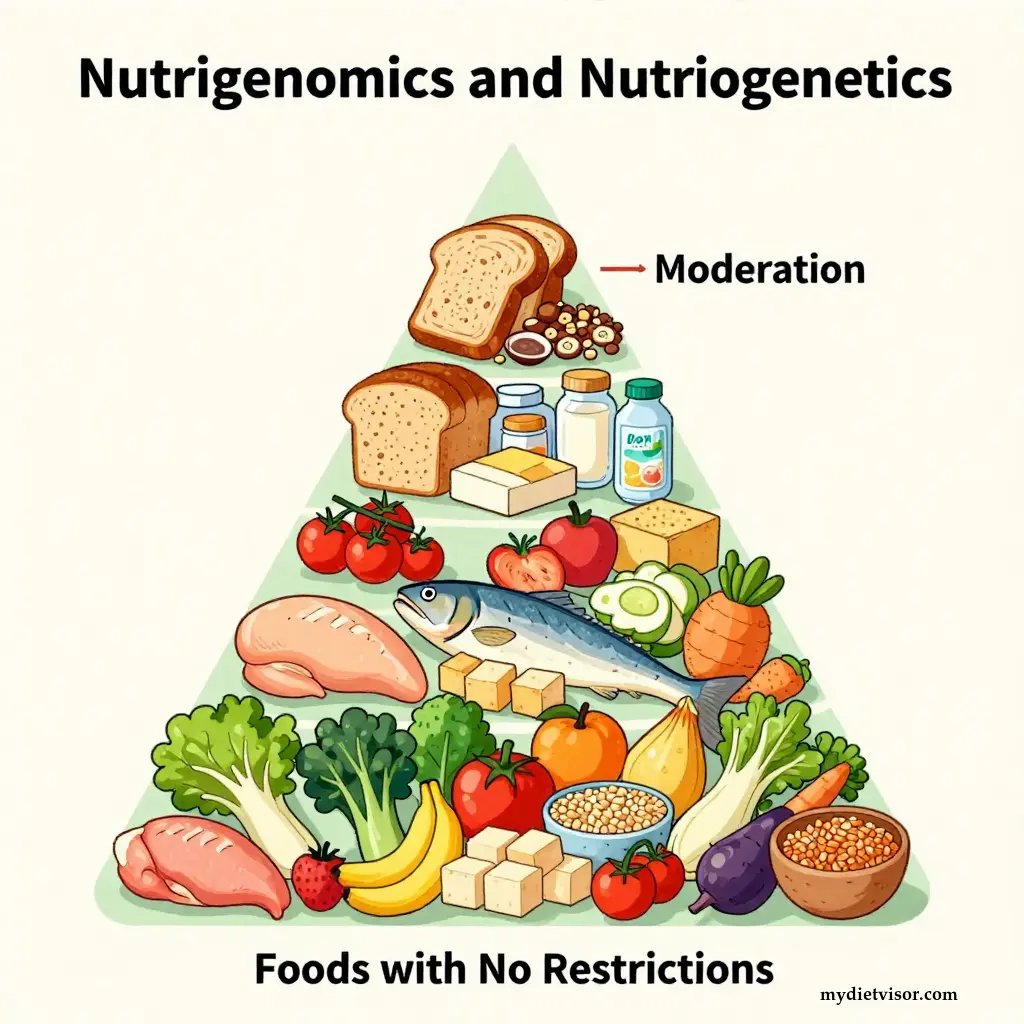
For instance, individuals with a variant in the APOE gene, associated with cholesterol metabolism, might benefit more from diets rich in omega-3 fatty acids found in fish like salmon and mackerel. These foods help reduce LDL (bad) cholesterol levels and improve cardiovascular health by influencing gene expression related to lipid regulation.
Similarly, people carrying variations in genes involved in folate metabolism should prioritize leafy green vegetables and fortified cereals as sources of vitamin B9. High-folate diets are crucial for those with MTHFR polymorphisms, which can impact the conversion of dietary folate into its active form needed for DNA synthesis and repair.
Another example is seen in individuals with genetic variants affecting iron absorption, such as mutations in the HFE gene associated with hemochromatosis. These people might need to focus on non-heme iron sources like beans, tofu, and spinach, while limiting heme iron from red meat to avoid excessive iron buildup.
Incorporating these tailored dietary recommendations can lead to significant improvements in health outcomes by addressing genetic vulnerabilities directly through diet. For instance, a diet rich in antioxidants for those genetically predisposed to oxidative stress could prevent damage to cells and reduce the risk of chronic diseases like cancer and cardiovascular disease.
Think about how personalized your shopping list might become if it were tailored based on your DNA. Would you be more motivated to eat foods that directly benefit your unique genetic makeup?
Understanding these nuances empowers individuals to make informed dietary choices that can mitigate genetic risks and promote long-term health benefits.
Forbidden or Limited Foods According to Your Genotype
As we dive deeper into the world of nutrigenomics and nutrigenetics, it becomes evident that certain foods might be beneficial for some individuals but harmful to others based on their unique genetic makeup. This concept is particularly relevant when considering foods that may exacerbate specific health conditions linked to genetic variations.
For example, people with a CYP1A2 gene variant who metabolize caffeine slowly should limit coffee and tea consumption as excessive intake can lead to elevated blood pressure and increased heart rate. On the other hand, those who metabolize caffeine quickly might not experience these adverse effects but could still benefit from moderation due to potential disruptions in sleep patterns.
Another notable example involves individuals with LCT (lactase) gene variants, which influence lactose digestion. Those with reduced lactase activity may find that consuming dairy products leads to gastrointestinal discomfort, bloating, and diarrhea. Opting for lactose-free alternatives or minimizing dairy intake can alleviate these symptoms significantly.
Additionally, people carrying genetic variations in the BRCA1/2 genes associated with breast cancer risk might need to be cautious about alcohol consumption. Studies suggest that even moderate drinking can increase breast cancer risk among those predisposed genetically. Limiting or avoiding alcohol could help mitigate this risk.
Considering these examples, it’s clear how personalized nutrition recommendations based on genetic profiles can guide individuals toward healthier dietary choices. By identifying which foods might pose risks due to genetic factors, people can make more informed decisions that enhance their well-being and longevity.
Your genes may even dictate your preference for bitter tastes! Variations in the TAS2R38 gene affect sensitivity to bitter compounds, influencing food preferences and potentially impacting nutrient intake.
Nutritional Benefits and Drawbacks: How Your Diet Affects Gene Expression
Your diet can either support or hinder the proper functioning of your genes, influencing a wide range of physiological processes and health outcomes. Understanding how different nutrients affect gene expression is crucial for tailoring dietary recommendations to individual genetic profiles.
Firstly, consider the impact of antioxidant-rich foods such as berries, nuts, and leafy greens. These foods are packed with vitamins C and E, which protect cells from oxidative damage by neutralizing harmful free radicals. By consuming these antioxidants regularly, you can help maintain healthy DNA methylation patterns and prevent mutations that could lead to diseases like cancer.
On the other hand, diets high in processed sugars and refined carbohydrates can have detrimental effects on gene expression. High sugar intake is linked to increased inflammation and oxidative stress, which can alter DNA methylation and histone modifications – key mechanisms involved in epigenetic regulation. This disruption can activate genes associated with metabolic disorders like type 2 diabetes and cardiovascular disease.
Another example of dietary influence on genetic expression involves polyphenols found in tea, coffee, and cocoa. These compounds have been shown to modulate gene activity related to inflammation and cellular signaling pathways. Regular consumption of these beverages might help reduce the risk of chronic inflammatory diseases by enhancing antioxidant defense mechanisms and reducing oxidative stress.
However, excessive intake of certain nutrients can also pose risks. For instance, high levels of omega-6 fatty acids from processed vegetable oils may promote an imbalance in pro-inflammatory versus anti-inflammatory processes when consumed disproportionately to omega-3s. This shift in the balance of these essential fats could exacerbate conditions such as arthritis and cardiovascular disease.
Understanding how your diet interacts with genetic factors can empower you to make informed choices that benefit your health. For example, if you know you carry a variant in the PTGS2 gene (associated with inflammation), incorporating more omega-3 fatty acids into your diet might help mitigate increased inflammation linked to this genotype. Conversely, knowing that you have a higher risk of iron overload due to genetic factors could guide you towards limiting red meat and focusing on non-heme iron sources like legumes and leafy greens.
By considering both the benefits and drawbacks of various dietary choices in relation to your unique genetic makeup, you can optimize your nutritional intake for better health outcomes.
Sample Meal Plan Tailored to Your Genetic Profile
When it comes to personalizing your diet according to your genetic profile, the possibilities are vast and intriguing. By integrating genetic information with dietary recommendations, you can create a meal plan that not only satisfies your taste buds but also supports your unique biological needs.
Let’s start by considering how specific nutrients interact with your genes. For example, people with certain APOE gene variants may benefit from diets rich in omega-3 fatty acids found in foods like salmon and walnuts. These nutrients can help regulate cholesterol levels and support cardiovascular health by influencing lipid metabolism pathways.
Another key consideration is the impact of dietary fiber on gut microbiota and overall health. Research shows that individuals with genetic variations affecting digestive enzyme production might need to focus more on soluble fibers from oats, bananas, and beans to improve digestion and nutrient absorption. These foods promote a healthy gut environment, which in turn influences immune function and metabolic health.
Furthermore, those carrying MTHFR gene variants often require higher intakes of folate-rich foods such as leafy greens, broccoli, and fortified cereals. Folate is essential for DNA synthesis and repair processes, making it particularly important for individuals with genetic predispositions towards neural tube defects or cardiovascular diseases.
Incorporating a variety of these targeted nutrients into your diet can be challenging but incredibly rewarding. Imagine shopping for groceries knowing exactly which foods will optimize your health based on your unique genetic makeup. Would you feel more motivated to choose items that directly benefit your specific needs?
By tailoring your meals with these insights, you are not just eating for taste and satiety; you are making informed choices that cater to your body’s biological requirements at a molecular level.
This personalized approach to nutrition not only enhances health outcomes but also provides a deeper understanding of how diet directly influences genetic expression. By integrating scientific knowledge about genetics with practical dietary advice, individuals can take proactive steps towards better health and longevity based on their unique genetic profiles.
Alternative Diets Similar to Nutrigenomics-Based Approaches
Several dietary approaches share similarities with the principles of nutrigenomics and nutrigenetics, tailoring nutrition recommendations based on individual health needs. These diets often emphasize the importance of understanding one’s unique biological requirements, much like how nutrigenomic studies personalize nutrition advice according to genetic predispositions.
One such diet is the Mediterranean Diet, renowned for its emphasis on plant-based foods, whole grains, olive oil, and fish while limiting red meat and dairy products. This dietary pattern aligns with the principles of nutrigenomics by focusing on nutrient-dense food choices that promote health through their impact on genetic expression and metabolic pathways. For instance, the high polyphenol content in olive oil and fruits acts as antioxidants, potentially mitigating oxidative stress-related gene damage.
Another notable diet is the Ketogenic Diet, which restricts carbohydrate intake to induce ketosis – a state where the body burns fat for energy instead of glucose. This diet can be particularly beneficial for individuals with genetic predispositions towards insulin resistance or metabolic syndrome. By limiting certain macronutrients, it helps regulate gene expression related to blood sugar levels and inflammation.
The Paleo Diet also draws parallels with nutrigenomic principles by advocating a return to ancestral eating patterns, focusing on whole foods such as lean meats, fish, fruits, vegetables, nuts, and seeds while excluding processed foods, grains, and dairy. This diet can be especially supportive for people with genetic variants affecting digestive enzyme production or those at risk of chronic inflammation due to dietary choices.
Lastly, the Whole30 Diet emphasizes the elimination of common allergens like gluten, sugar, and dairy to identify food sensitivities that may not be immediately apparent but could have significant health impacts. This approach is akin to nutrigenomic testing in its aim to uncover hidden factors influencing gene expression and overall well-being.
Each of these diets offers unique benefits tailored towards optimizing health based on individual needs, much like the personalized nutrition recommendations derived from nutrigenomics research. By aligning dietary choices with genetic profiles and health goals, individuals can maximize their nutritional intake and reduce risks associated with chronic diseases.
The Mediterranean Diet has been shown to increase lifespan by nearly a decade in some populations due to its heart-healthy benefits and impact on gene expression related to longevity.
Conclusion: Leveraging Nutrigenomics for Better Health Outcomes
Nutrigenomics and nutrigenetics have opened a new frontier in understanding how our diets interact with our genes to influence health outcomes. By personalizing nutrition based on individual genetic makeup, these fields offer the potential to optimize health and prevent chronic diseases like cancer, cardiovascular disease, and obesity. As we continue to unravel the complex interplay between diet and genetics, tailored dietary recommendations can become a powerful tool in managing genetic predispositions and promoting longevity. Embracing this knowledge empowers individuals to make informed choices that align with their unique biological needs, paving the way for healthier, more personalized lifestyles.
Frequently Asked Questions (FAQ)
What is nutrigenetics and how does it affect me?
Nutrigenetics studies how your unique genetic makeup influences the way you respond to different foods. This means that what works well nutritionally for one person might not work as well for another, based on their genetics.
Can my diet really change how my genes behave?
Yes, certain dietary components can influence gene expression and activity. Nutrigenomics explores these interactions between food and your genome, showing how nutrients can alter genetic processes that affect health and disease risk.
How does nutrigenomics help prevent diseases?
Nutrigenomics helps identify specific foods or nutrients that could reduce the risk of developing chronic conditions like heart disease or diabetes by understanding their effects on gene expression related to these diseases.
Is there a perfect diet based on genetics?
While there’s no one-size-fits-all “perfect” diet, nutrigenetics can help tailor dietary recommendations to better suit your genetic profile, potentially optimizing health outcomes and reducing the risk of certain diseases.
Can I use nutrigenomics to improve my athletic performance?
Yes, by understanding how your genes affect nutrient metabolism and energy production, you might find that specific diets or supplements could enhance your physical capabilities and overall fitness level.
How accurate are genetic tests for dietary recommendations?
Genetic testing can provide insights into personalized nutrition but the accuracy depends on the quality of the test, research behind it, and individual factors. It’s important to consult with a healthcare provider who understands nutrigenomics.
What should I eat if my genes show sensitivity to sugar?
If your genetic profile indicates you have a higher risk for issues related to high sugar intake, reducing sugars in your diet could be beneficial. Focus on whole foods like fruits and vegetables instead of processed sweets.
Can kids benefit from knowing their nutrigenomic information early?
Yes, understanding a child’s genetic predispositions can help prevent future health problems by making informed dietary choices from an early age that align with their unique needs.
How does nutrition impact aging according to nutrigenomics?
Nutrients play critical roles in maintaining cell function and preventing damage as we age. By eating foods that support healthy gene expression related to longevity, you might help slow down the aging process.
Are there any risks associated with relying heavily on nutrigenomics for diet planning?
While beneficial, relying solely on genetic information can overlook other influential factors like environment and lifestyle. A balanced approach combining genetics with other health considerations is often recommended.