Introduction to Intuitive Eating: Embracing a Healthier Relationship with Food

Intuitive Eating (IE) is a revolutionary approach to food and body management that contrasts sharply with traditional dieting practices. Defined by its reliance on internal hunger and satiation cues rather than external or emotional triggers, IE encourages individuals to cultivate a positive relationship with both their bodies and the foods they consume. This concept diverges from conventional dietary approaches which often emphasize strict rules and restrictions, ultimately leading to disordered eating patterns and diminished psychological well-being.
At its core, Intuitive Eating challenges the pervasive diet mentality that dominates modern society. Instead of adhering to restrictive diets that can foster a negative body image and unhealthy food relationships, IE promotes listening to one’s own biological cues for hunger and fullness as guiding factors in making dietary choices. This approach not only encourages individuals to eat when hungry but also to stop eating when satisfied, thereby fostering a healthier relationship with both food and the body.
Imagine breaking free from the cycle of restrictive diets that leave you feeling guilty, anxious, or deprived every time you deviate from their rigid rules. Intuitive Eating offers an alternative path where you learn to trust your own body’s signals, allowing for a more flexible and enjoyable approach to eating without the fear of gaining weight or falling off track. By embracing this philosophy, individuals can experience improved mental health outcomes and reduced instances of disordered eating behaviors over time.
How Does Intuitive Eating Work?
Intuitive Eating works by fostering a deep connection between individuals and their bodies, helping them recognize and respond to natural hunger cues without judgment or external pressures. This process involves several key principles, including rejecting the diet mentality, honoring your hunger, making peace with food, and respecting fullness. By adopting these principles, people learn to eat in response to physical sensations rather than emotional triggers or societal expectations.
For instance, when you start listening to your body’s cues of hunger and satiety, you might find yourself choosing more nourishing foods that truly satisfy you, instead of reaching for snacks driven by boredom or stress. This shift can lead to a significant reduction in the urge to engage in disordered eating behaviors such as bingeing or purging, which often stem from an unhealthy relationship with food and one’s body.
Imagine sitting down to a meal without the pressure of sticking to rigid dietary rules. Instead, you eat slowly and mindfully, paying attention to how your body feels throughout the process. You might start to notice subtle signs that indicate when you are full or hungry, such as a slight emptiness in your stomach or feeling comfortably satisfied. Over time, this practice can lead to a more balanced approach to eating where food is enjoyed without guilt and overeating becomes less common.
How does one begin to implement Intuitive Eating principles? A good starting point is to observe your current relationship with food and identify any restrictive patterns that might be present. Once you recognize these patterns, the next step involves challenging them by introducing more flexibility into your eating habits. This could mean experimenting with different types of foods without labeling them as “good” or “bad,” and gradually building trust in your body’s wisdom.
For example, if you typically avoid desserts due to a fear of weight gain, try allowing yourself to have one occasionally while focusing on how it tastes and how your body feels afterward. This can help dismantle the restrictive mindset that often accompanies traditional dieting approaches. By consistently practicing these principles, you may begin to notice improvements in both your psychological well-being and eating habits.
Did you know that our bodies are equipped with an innate ability to regulate food intake effectively, much like how we breathe or sleep without conscious effort? Embracing this natural mechanism is at the heart of Intuitive Eating.
Recommended Food Groups for Intuitive Eaters
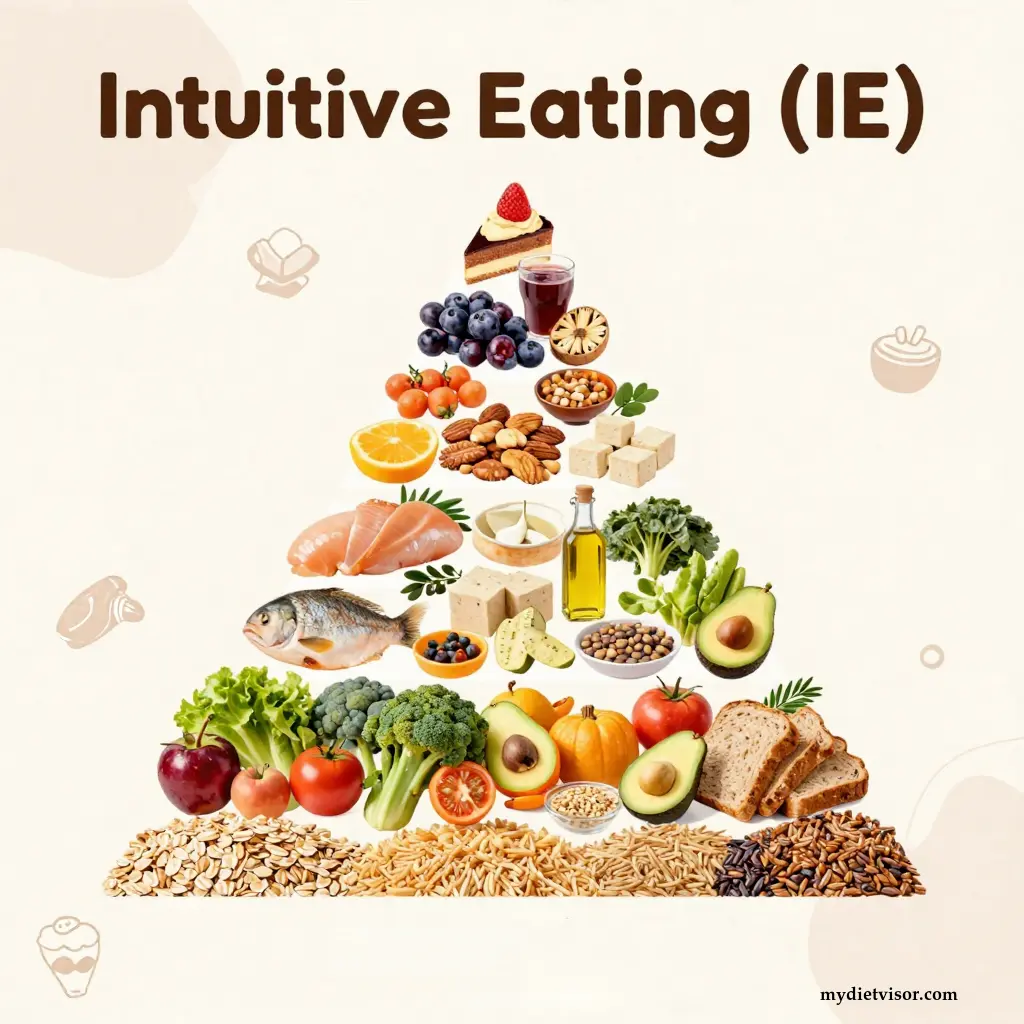
Intuitive Eating emphasizes the importance of consuming a variety of foods from all food groups to ensure that your body receives the necessary nutrients without placing restrictive labels on any specific types of food. This approach encourages embracing whole grains, fruits and vegetables, lean proteins, healthy fats, and dairy or dairy alternatives.
Whole grains provide essential fiber, which is crucial for maintaining digestive health and feeling full longer. Incorporating whole grains like brown rice, quinoa, oats, and barley into your diet can help stabilize blood sugar levels and prevent spikes in energy followed by crashes that often lead to overeating. By choosing whole grain options, you’re also supporting heart health due to their high content of vitamins, minerals, and antioxidants.
Fruits and vegetables are rich sources of vitamins, minerals, and fiber, which are vital for overall health. They add color, flavor, and variety to meals while being low in calories. Aim to include a wide range of colorful produce in your diet, as each fruit or vegetable offers unique nutritional benefits. For instance, leafy greens like spinach and kale provide iron and calcium, whereas berries offer antioxidants that protect against cell damage.
Lean proteins such as chicken breast, turkey, fish, tofu, and legumes are essential for muscle repair and growth. They also contribute to satiety and can help manage appetite throughout the day. Incorporating a variety of protein sources ensures you get all the necessary amino acids while avoiding excessive saturated fats found in some red meats.
Healthy fats like avocados, nuts, seeds, and olive oil provide important nutrients that support brain health, heart function, and skin integrity. These fats are also more satisfying than their unhealthy counterparts, which means they can help reduce cravings for high-calorie snacks later on.
Dairy products or dairy alternatives such as milk, yogurt, cheese, and plant-based options like almond milk offer calcium and vitamin D, essential for bone health. Choosing lower-fat versions of these foods can still provide the necessary nutrients without adding excessive calories.
By incorporating a diverse range of food groups into your diet through Intuitive Eating, you not only meet nutritional needs but also enrich your meals with flavors that enhance the overall eating experience. This balanced approach to nutrition allows you to enjoy food freely while maintaining optimal health.
Are There Foods I Should Avoid or Limit?
When it comes to Intuitive Eating, there isn’t a set list of foods you should avoid or limit because this approach focuses on eliminating food rules rather than imposing new ones. However, understanding how certain types of food might impact your body and mind can help you make more informed decisions about what and when to eat.
For example, highly processed foods often contain high levels of added sugars, unhealthy fats, and preservatives that may lead to rapid spikes in blood sugar followed by crashes, leaving you feeling less satisfied and potentially craving more. These types of foods might also contribute to inflammation in the body over time if consumed frequently. On the other hand, whole foods tend to provide sustained energy and greater satisfaction because they are packed with fiber, vitamins, minerals, and nutrients.
It’s important to note that there is a difference between avoiding certain foods due to health concerns and restricting them out of fear or societal pressure. If you find that eating specific foods causes physical discomfort or exacerbates existing conditions like diabetes or food allergies, it might be wise to limit those items. However, if you restrict yourself from enjoying something simply because society labels it as unhealthy, this could perpetuate disordered eating behaviors.
Consider asking yourself: What are the reasons behind my desire to avoid a particular food? Is it based on genuine health concerns or societal expectations? By exploring these questions, you can better understand your motivations and make choices that align with both your physical needs and emotional well-being. Remember, Intuitive Eating is about finding balance and flexibility in your relationship with food rather than adhering to strict guidelines.
Did you know that the concept of Intuitive Eating was first introduced by Evelyn Tribole and Elyse Resphoni back in 1995? Since then, it has evolved into a widely recognized approach to healthy eating that emphasizes mental health alongside physical well-being.
Nutritional Benefits and Drawbacks of Intuitive Eating
Intuitive Eating offers numerous nutritional benefits that can improve overall well-being when practiced consistently. One significant advantage is the promotion of a balanced diet through listening to internal hunger cues. This approach encourages individuals to eat a variety of foods without labeling them as “good” or “bad,” thereby reducing food guilt and enhancing enjoyment during meals.
When you trust your body’s signals, you are more likely to consume a wider range of nutrients essential for optimal health. For instance, if you feel the urge for leafy greens one day and crave something sweet another day, Intuitive Eating allows you to honor both desires without restrictions. This flexibility can lead to better nutrient intake overall because you’re not ignoring what your body is asking for.
However, there are also potential drawbacks to consider with Intuitive Eating, especially in terms of nutritional adequacy and weight management. One concern is the possibility of over-relying on less nutritious foods if emotional or environmental factors influence eating patterns. Without strict guidelines, some individuals might find it challenging to balance their diet appropriately, potentially leading to nutrient deficiencies.
Another drawback could be the initial period of adjustment where people might struggle with portion control and may experience fluctuations in weight due to varying levels of consumption. This can be particularly unsettling for those who are accustomed to calorie counting or following strict meal plans. The lack of a rigid structure might also make it difficult for some individuals to manage their food intake effectively, especially if they have a history of disordered eating.
Despite these challenges, the long-term benefits of Intuitive Eating often outweigh the initial hurdles. By fostering a healthier relationship with food and one’s body, this approach can lead to more sustainable weight management practices over time. It encourages mindful consumption, which can help individuals recognize when they are truly hungry versus eating out of boredom or stress.
To navigate these potential drawbacks effectively, it is crucial for practitioners to educate themselves about basic nutrition principles while embracing the flexibility of Intuitive Eating. This balanced approach ensures that both mental well-being and physical health goals are met without falling into harmful dietary patterns.
Imagine a scenario where you feel satisfied after eating a piece of chocolate cake because you genuinely wanted it, rather than feeling guilty or anxious about breaking diet rules. This is what Intuitive Eating aims to achieve – a harmonious relationship with food that supports both your psychological and nutritional needs in the long run.
Research has shown that people who practice Intuitive Eating tend to have a more positive body image and lower levels of disordered eating behaviors compared to those who follow restrictive diets.
Sample Meal Plan for Intuitive Eating Beginners
Adopting Intuitive Eating can seem daunting at first, especially when you’re used to strict dietary rules and restrictions. A meal plan can serve as a helpful guide during the initial stages of your journey towards more mindful eating habits. Here’s an example of what a day might look like using Intuitive Eating principles:
- Breakfast: Start with something that appeals to you in the morning. It could be oatmeal topped with fresh berries and nuts, or perhaps scrambled eggs with avocado and whole grain toast.
- Mid-Morning Snack: Listen to your body for hunger cues around mid-morning. If you feel hungry, a piece of fruit like an apple or banana can be satisfying.
- Lunch: Consider your lunch as an opportunity to mix different food groups. A salad with mixed greens, grilled chicken or tofu, and a variety of vegetables could work well. Dress it up with olive oil and lemon juice for flavor.
- Afternoon Snack: If you notice hunger around late afternoon, opt for something like yogurt or a handful of almonds.
- Dinner: Experiment with different cuisines and flavors at dinner time. Maybe try some baked salmon with sweet potato fries and steamed broccoli. Pay attention to your body’s signals about fullness as you eat.
- Evening Snack (if needed): If you’re still hungry after dinner, consider a small snack like dark chocolate or popcorn made with minimal butter. This helps in avoiding overeating later at night out of boredom or habit.
Remember, there are no strict rules here – eat what your body is asking for and enjoy it without guilt. The goal is to create a balanced diet that feels good both physically and mentally. By following this kind of meal plan, you can begin to understand how Intuitive Eating works in practice and start building trust in your own hunger cues.
Consider journaling about your meals and any emotional triggers around food for a few days. This reflective practice can provide insights into your eating patterns and help you identify areas where mindful changes might be beneficial.
How do you think your current diet would change if you started listening to your body’s natural hunger and fullness signals rather than following rigid dietary rules?
Alternative Diets to Intuitive Eating: What Are Your Options?
When considering alternatives to Intuitive Eating (IE), it’s essential to understand how other dietary approaches compare and contrast with its core principles. Some popular diets, such as the ketogenic diet or paleo diet, emphasize strict guidelines and restrictions that can lead to disordered eating behaviors over time.
Comparison Table: Intuitive Eating vs. Popular Diets
| Criteria | Intuitive Eating | Ketogenic Diet | Paleo Diet |
|---|---|---|---|
| Hunger and Satiety Cues | Emphasizes internal cues | External rules govern eating | External rules govern eating |
| Food Rules | No food is forbidden | High-carbohydrate foods are restricted | Processed foods, grains, dairy, legumes are restricted |
| Flexibility in Eating | Flexible and adaptable | Strictly adheres to macronutrient ratios | Adheres to specific historical diet patterns |
| Psychological Impact | Promotes positive body image | May lead to guilt or anxiety over deviations | Can foster feelings of deprivation |
Understanding Popular Diets
Ketogenic Diet: This high-fat, low-carbohydrate approach aims to induce ketosis by severely limiting carbohydrate intake and increasing fat consumption. While it can be effective for weight loss and managing certain medical conditions like epilepsy, its restrictive nature might trigger disordered eating behaviors in some individuals.
Paleo Diet: Inspired by the dietary habits of early humans, this diet focuses on whole foods that could have been hunted or gathered during prehistoric times. It excludes processed foods, dairy, grains, legumes, and refined sugars. Although it can improve certain aspects of health like inflammation levels, its rigid rules might lead to feelings of deprivation and guilt if not strictly followed.
Potential Drawbacks of Alternative Diets
While these diets may offer benefits in specific contexts, they often come with drawbacks that Intuitive Eating aims to address:
- Rigidity: The strict nature of alternative diets can be psychologically taxing. Instead of focusing on internal cues, individuals are guided by external rules and limitations.
- Food Anxiety: Following rigid dietary guidelines can cause anxiety about making mistakes or failing to stick to the plan perfectly.
- Long-term Sustainability: Many people find it challenging to maintain restrictive diets long-term due to their lack of flexibility and enjoyment.
Balancing Nutritional Needs with Enjoyment
Intuitive Eating encourages a balanced diet that includes all food groups without judgment. While popular diets might help achieve certain health goals quickly, they often overlook the importance of mental well-being and sustainable eating habits. By focusing on internal cues rather than external rules, Intuitive Eating promotes a healthier relationship with food over the long term.
Imagine experiencing freedom from rigid dietary guidelines while still maintaining your nutritional needs through mindful eating practices. How might your daily meal planning change if you started to trust your body’s natural signals instead of adhering to strict diet rules?
By exploring these questions and comparing different approaches, it becomes clearer why Intuitive Eating stands out as a holistic method for improving both physical and mental health over time.
Did you know that the concept of “mindful eating,” which is closely related to Intuitive Eating, has roots in Buddhist teachings dating back thousands of years?
Conclusion: Embracing the Journey of Intuitive Eating
By embracing the principles of Intuitive Eating, individuals can foster a healthier relationship with food and their bodies, leading to improved psychological well-being and reduced instances of disordered eating behaviors. This approach emphasizes listening to internal hunger and satiety cues, rejecting dieting mentality, and enjoying meals without guilt or restrictions. The study discussed highlights that higher baseline scores in intuitive eating are associated with better mental health outcomes and fewer unhealthy weight control practices over time. As such, adopting Intuitive Eating can be a transformative journey towards sustainable, enjoyable eating habits that support both physical and emotional health.
Frequently Asked Questions (FAQ)
What is intuitive eating?
Intuitive eating is a concept that encourages individuals to eat based on their internal cues of hunger and fullness rather than external rules or diets. It promotes listening to your body’s needs, rejecting the diet mentality, and cultivating a positive relationship with food.
Is intuitive eating good for weight loss?
While intuitive eating isn’t specifically designed as a weight-loss program, many people find that it leads to more stable and healthier long-term weight management compared to traditional diets. It focuses on fostering a healthy relationship with food rather than restrictive rules.
Can intuitive eating help with binge eating?
Research suggests that adopting an intuitive eating approach can be beneficial in reducing disordered eating behaviors like binge eating by improving overall psychological health, which contributes to better self-control and emotional regulation around food.
Does intuitive eating work for everyone?
Intuitive eating is not a one-size-fits-all solution. It works best when individuals are ready to challenge their beliefs about dieting and food rules and can embrace flexibility with their eating patterns. Success varies based on personal readiness and willingness to change.
How do I start practicing intuitive eating if I have been following diets for years?
Starting with small steps, such as observing your hunger and fullness levels without judgment, can be a good way to begin shifting from dieting towards an intuitive eating approach. It’s also helpful to work with a healthcare professional or registered dietitian who specializes in intuitive eating.
Will I gain weight if I stop dieting and start eating intuitively?
While some people may experience initial fluctuations when transitioning away from strict dietary rules, long-term studies suggest that intuitive eaters tend to have healthier and more stable body weights compared to those frequently switching between diets.
What kind of psychological benefits does intuitive eating offer?
Intuitive eating is associated with improved self-esteem, reduced stress around food, better body image, and decreased symptoms of depression. It helps individuals develop a more positive relationship with their bodies and food.
How can I learn more about intuitive eating if I want to practice it but don’t know where to start?
There are numerous books, online courses, workshops, and communities dedicated to teaching the principles of intuitive eating. Websites like the Intuitive Eating website or local health professionals who specialize in this area offer great resources.
Is intuitive eating compatible with certain dietary needs such as vegetarianism or veganism?
Absolutely! The principles of intuitive eating can be applied regardless of your specific dietary choices, including vegetarian and vegan diets. It’s about listening to your body’s nutritional needs within the framework you choose to follow.
Can I still enjoy my favorite foods while practicing intuitive eating?
Yes, one of the core tenets of intuitive eating is allowing yourself permission to eat all types of food without guilt or shame. This includes enjoying your favorites in moderation as part of a balanced diet focused on internal cues rather than external rules.