
Introduction to One-Meal-a-Day (OMAD) Fasting: What Is It?

One-Meal-a-Day (OMAD) fasting is a form of intermittent fasting where you consume all your daily calories in one meal, usually at night. This radical eating pattern challenges conventional wisdom about how we should nourish our bodies throughout the day.
Imagine if you could optimize your body’s natural rhythms by aligning your single meal with your evening hours when activity levels naturally decrease. OMAD fasting extends your fasting window from early morning until late into the evening, potentially syncing up with your circadian clock and enhancing metabolic processes like fat burning and glucose regulation. By reducing daily food intake to one large meal, you’re not just limiting calorie consumption but also training your body to become more efficient at using its energy stores.
This approach is a bold departure from typical eating habits, where meals are spread throughout the day. OMAD challenges these norms by focusing on metabolic flexibility – the ability of cells to switch between glucose and fat for fuel – which can be improved through prolonged fasting periods. As you restrict your food intake to just one meal daily, your body adapts by becoming more adept at burning stored fats instead of relying solely on dietary carbohydrates, a mechanism that could be particularly beneficial for those looking to manage weight or improve metabolic markers like blood sugar levels and cholesterol.
By diving deeper into OMAD fasting, we uncover a world where the timing and frequency of meals play a crucial role in health outcomes. This eating pattern not only simplifies your daily routine but also promises significant physiological benefits that could reshape how we think about dieting and wellness.
Understanding OMAD Benefits and Potential Risks
One-Meal-a-Day (OMAD) fasting can offer several benefits for those who adhere to it diligently. Firstly, weight loss is a common outcome due to the calorie restriction inherent in consuming all daily food intake within one meal. This method often leads to a significant reduction in overall caloric consumption without requiring strict dietary choices beyond that single meal. As you cut out multiple meals and snacks throughout the day, your body naturally consumes fewer calories than it would otherwise.
Secondly, OMAD can enhance metabolic flexibility, which refers to the ability of cells to efficiently switch between glucose and fat for energy depending on availability. By extending fasting periods during waking hours and then feasting in a single meal, you teach your body to become more adept at utilizing stored fats as fuel rather than relying solely on dietary sugars. This adaptation can lead to better blood sugar control and improved insulin sensitivity.
Moreover, OMAD may contribute to reduced inflammation within the body. Chronic low-grade inflammation is associated with numerous health issues such as heart disease, diabetes, and obesity. Fasting periods help lower levels of inflammatory markers in the bloodstream, which might be particularly beneficial for individuals suffering from chronic conditions linked to inflammation.
Potential Risks of OMAD
However, while OMAD fasting offers promising benefits, it also comes with potential risks that must be carefully considered. Nutritional deficiencies can occur if the single meal does not contain a balanced mix of essential nutrients. Since you’re condensing all your dietary intake into one sitting, there’s a risk of neglecting certain vitamins and minerals that are typically consumed in smaller amounts throughout the day.
Additionally, digestive issues might arise from overwhelming your digestive system with such a large volume of food at once. Eating one big meal can put significant strain on organs like the stomach and intestines, leading to discomfort, bloating, or even more severe gastrointestinal problems over time.
Lastly, there is a psychological aspect to consider. OMAD can be quite challenging for some individuals, potentially triggering eating disorders or exacerbating existing ones. The extreme nature of eating only one meal a day might not sit well with everyone’s relationship with food and body image, leading to feelings of deprivation or binge eating when the fasting period ends.
Are you someone who feels up to the challenge of OMAD fasting? How do you think it would fit into your lifestyle?
Recommended Food Groups for OMAD Diet Success
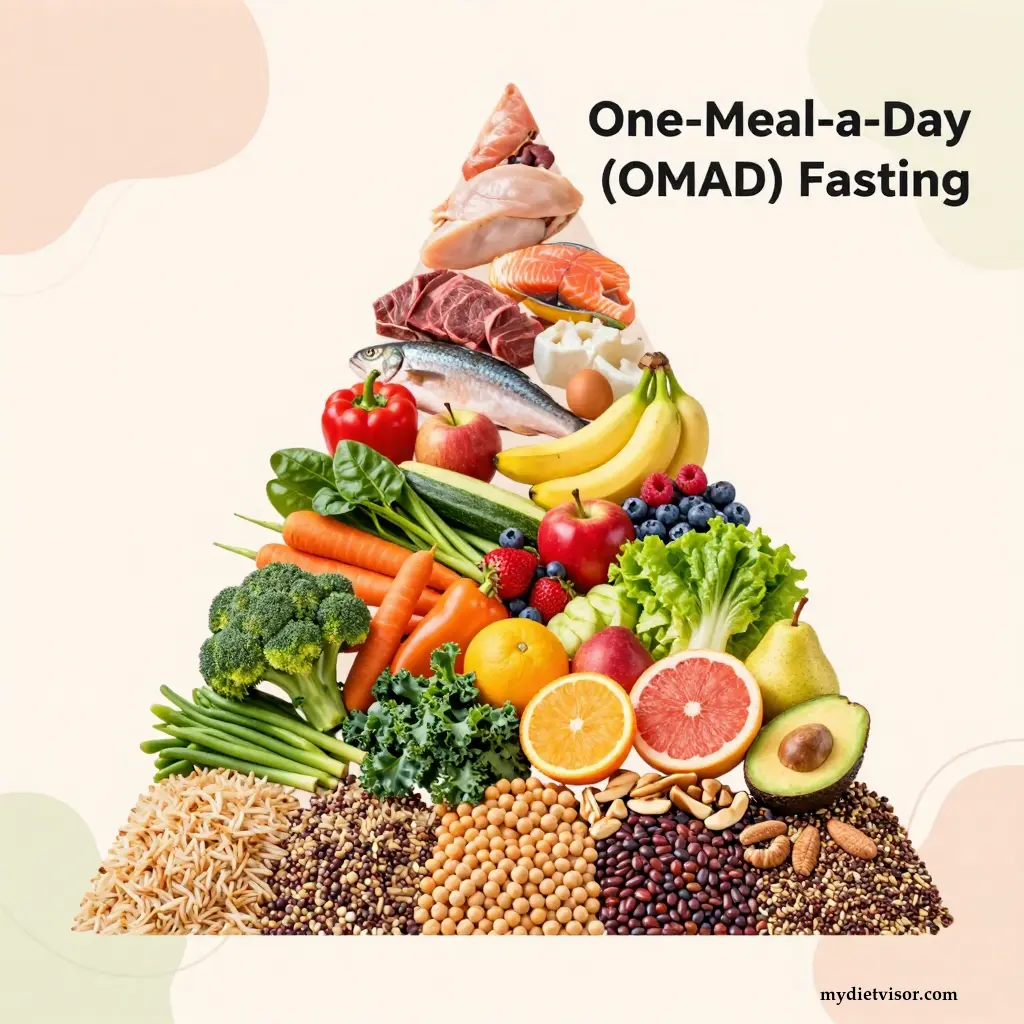
To ensure success with the One-Meal-a-Day (OMAD) fasting approach, it’s crucial to focus on a balanced meal that provides all essential nutrients. Protein is an important component as it helps keep you full and maintains muscle mass during calorie restriction. Opt for lean sources such as chicken breast, turkey, fish like salmon or tilapia, and plant-based options like lentils, chickpeas, and tofu.
Incorporating complex carbohydrates into your meal is also vital since they provide sustained energy throughout the fasting period. Whole grains such as quinoa, brown rice, oats, and sweet potatoes are excellent choices. These foods break down slowly in the digestive system, helping to maintain stable blood sugar levels without causing spikes or crashes.
Healthy fats should not be overlooked; they play a key role in hormone production and brain function while providing long-lasting energy. Avocados, nuts, seeds, olive oil, and fatty fish are rich sources of beneficial fats that support overall health. Including these can help you feel satiated longer after your meal, reducing the temptation to snack during fasting hours.
Vitamins and minerals are essential for optimal health and should be included in your OMAD meal through a variety of fruits and vegetables. Aim for a colorful array like leafy greens (spinach, kale), berries (blueberries, strawberries), bell peppers, broccoli, and citrus fruits to cover a broad spectrum of nutrients.
| Food Group | Examples |
|---|---|
| Protein | Chicken breast, salmon, lentils, tofu |
| Carbohydrates | Quinoa, brown rice, oats, sweet potatoes |
| Fats | Avocados, almonds, olive oil, fatty fish |
| Vitamins & Minerals | Leafy greens, berries, bell peppers, broccoli |
A single meal containing all these food groups can provide over 60 different vitamins and minerals essential for your body’s health.
By focusing on a balanced meal rich in protein, complex carbs, healthy fats, and a variety of fruits and vegetables, you set yourself up for success with OMAD fasting. This approach not only supports weight loss goals but also helps maintain energy levels and overall well-being throughout the day. How do you think incorporating these food groups into one meal will affect your daily routine?
Forbidden or Limited Foods on the OMAD Plan
While the One-Meal-a-Day (OMAD) plan emphasizes a balanced approach to nutrition, certain foods should be approached with caution or outright avoided. Processed snacks, such as chips, cookies, and sugary cereals, are best limited as they tend to be high in unhealthy fats, sugars, and preservatives that can disrupt your metabolic balance. These types of foods not only provide little nutritional value but also spike blood sugar levels rapidly, leading to energy crashes later on.
Similarly, high-sugar drinks such as soda, fruit juices, and sweetened coffee should be minimized or eliminated from your diet while practicing OMAD. Sugary beverages can lead to excessive calorie intake without providing the necessary nutrients that a balanced meal offers. They also contribute to poor blood sugar control, which is counterproductive to the metabolic benefits you aim for with fasting.
Alcohol consumption should also be moderated when following an OMAD regimen. While it’s not entirely off-limits, drinking alcohol can interfere with your body’s ability to burn fat efficiently and may disrupt sleep patterns essential for recovery and weight loss. Moreover, alcohol often leads to poor food choices, increasing the likelihood of overeating during your single meal.
Incorporating these guidelines into your OMAD plan will help you achieve better nutritional balance and support your health goals more effectively. How do you think limiting processed snacks might impact your daily routine?
Sample Meal Plan for a Day on the OMAD Diet
Crafting a meal plan that fits within the One-Meal-a-Day (OMAD) framework requires careful planning to ensure you meet all your nutritional needs while maintaining satiety. A balanced and nutritionally dense meal is key, as it will sustain you throughout your extended fasting period.
A typical OMAD meal might look something like this:
Breakfast-Lunch-Dinner Combo in One Sitting:
- Protein Source: Grilled chicken breast or tofu stir-fry
- Complex Carbohydrates: Brown rice or quinoa bowl with mixed vegetables
- Healthy Fats: Avocado slices and a drizzle of olive oil over the meal
This combination provides all necessary macronutrients in one sitting, ensuring that you remain full and energized throughout your fasting window. You can adjust portion sizes based on your personal calorie requirements and activity levels.
Incorporating variety into your OMAD meals is important for both taste satisfaction and nutritional diversity. For instance, swapping chicken breast with salmon can introduce essential omega-3 fatty acids, while changing from brown rice to sweet potatoes can offer different vitamins and minerals.
How do you think planning one meal a day will influence your relationship with food? Will it be easier or harder to stick to this regimen compared to multiple meals?
Did you know that some cultures have historical practices similar to OMAD fasting, such as the Jewish tradition of eating only once during Yom Kippur’s fast?
How to Start and Stay Committed to OMAD Fasting
Starting an OMAD fasting routine involves several steps that can help you ease into the lifestyle change smoothly. Planning is key when embarking on a new dietary regimen like OMAD, particularly because it requires significant adjustment from your current eating habits.
Firstly, begin by setting realistic goals and expectations. Understand that transitioning to one meal per day might not happen overnight. Many people start with shorter fasting windows or fewer meals before gradually moving towards the full OMAD protocol. For instance, you could begin by skipping breakfast and having lunch as your sole meal for a week or two.
Secondly, focus on meal preparation. Since OMAD requires condensing all of your daily nutrition into one meal, it’s important to prepare high-quality, nutrient-dense food in advance. Consider preparing large portions of dishes that you enjoy and can easily store in the refrigerator or freezer. This way, you ensure that each day’s meal is both satisfying and balanced.
Another crucial aspect is hydration. Staying well-hydrated is vital during fasting periods, especially when transitioning from eating several meals a day to just one. Drink plenty of water throughout your waking hours to avoid dehydration and maintain energy levels.
Lastly, don’t forget about the psychological impact of OMAD. Some individuals might find it challenging to adhere strictly to the regimen due to feelings of deprivation or discomfort during extended fasting periods. It’s essential to listen to your body and adjust as necessary. If you feel overwhelmed, consider incorporating intermittent fasting strategies like 16/8 (fasting for 16 hours and eating within an 8-hour window) before fully committing to OMAD.
How do you think the psychological aspect of OMAD might affect your daily life? Would it be easier or harder to stick with a single meal plan compared to multiple meals?
Staying Committed to Your OMAD Routine
Maintaining commitment to OMAD fasting over time can be challenging, but several strategies can help sustain long-term adherence. Creating a support network is one effective way to stay motivated and accountable. Sharing your goals with friends or family who also practice OMAD can provide encouragement and camaraderie during the journey.
Tracking progress through journals or apps can also enhance your commitment level. Regularly noting your weight, body measurements, energy levels, and mood helps you observe tangible improvements in health and wellness over time. This data serves as a powerful motivator when days feel tough.
Additionally, incorporating variety into your single meal is crucial for sustained adherence. Experimenting with different recipes and ingredients keeps meals interesting while ensuring nutritional balance. For example, you might enjoy a hearty vegetable stir-fry one day and a grilled salmon bowl the next.
Lastly, be mindful of listening to your body’s signals without judgment. If you experience unusual fatigue or discomfort during fasting hours, it may indicate that adjustments are needed in terms of meal timing or nutrient intake. Flexibility and self-awareness contribute significantly to long-term success with OMAD.
How do you plan to keep yourself motivated during challenging times? What strategies will you use to stay committed to your single-meal-per-day routine?
By integrating these practices into your daily life, you can build a sustainable OMAD fasting regimen that enhances your overall health and well-being.
Alternative Diets Similar to OMAD: What are Your Options?
When considering dietary changes such as One-Meal-a-Day (OMAD) fasting, it’s valuable to explore other intermittent fasting methods that offer similar benefits. 16/8 Method, which involves eating during an 8-hour window and fasting for the remaining 16 hours each day, is one popular alternative. This approach is less extreme than OMAD but still encourages periods of extended fasting, which can promote metabolic flexibility and fat loss.
Another method to consider is 5:2 Diet. In this plan, you consume a normal diet five days a week followed by two non-consecutive days where calorie intake is severely restricted (typically around 500-600 calories per day). This intermittent fasting style allows for more flexibility in your eating habits while still providing the metabolic benefits associated with reduced caloric intake.
| Fasting Method | Description |
|---|---|
| OMAD | One meal a day, typically at night. |
| 16/8 | Eating within an 8-hour window each day. |
| 5:2 Diet | Normal eating for five days and restricted calories for two days weekly. |
Each method offers unique benefits but also comes with different levels of challenge and commitment. For example, the 16/8 Method might be easier to maintain long-term as it doesn’t require drastically reducing your caloric intake on certain days like the 5:2 Diet does.
Choosing the Right Fasting Approach
The decision between OMAD, 16/8, or another fasting method often hinges on individual lifestyle factors and personal preferences. Are you someone who finds daily routine changes challenging? If so, the 16/8 Method might be more appealing due to its flexibility and resemblance to typical eating patterns. On the other hand, if you’re looking for a more radical approach that promises rapid results in terms of weight loss and metabolic health improvements, OMAD could be worth exploring.
It’s important to evaluate these options not only from a nutritional standpoint but also considering how they align with your daily routine and social life. Will sticking to a single meal each day disrupt family meals or social gatherings? Are you prepared for the psychological aspects that come with such restrictive eating patterns?
Ultimately, experimenting with different fasting methods can help you find an approach that works best for your body and lifestyle. How do these various options sound to you? Which one might fit into your daily routine more comfortably?
Are there any specific concerns or benefits that resonate with you as you consider these alternatives to OMAD fasting?
Summary of Key Points: OMAD Fasting Explained
In conclusion, One-Meal-a-Day (OMAD) fasting is a powerful dietary approach that can significantly impact weight loss, metabolic flexibility, and overall health when implemented correctly. By condensing all daily caloric intake into one meal, typically at night, OMAD challenges conventional eating patterns and leverages extended fasting periods to enhance fat burning and glucose regulation. However, it’s crucial to ensure nutritional balance in your single meal to avoid deficiencies and digestive issues. Incorporating a variety of protein sources, complex carbohydrates, healthy fats, and vitamins from fruits and vegetables is key to success. While OMAD offers promising benefits, individuals must weigh the potential risks against their personal health goals and lifestyle factors. Whether you’re exploring OMAD or considering alternative fasting methods like 16/8 or 5:2, finding a routine that suits your needs will be crucial for long-term adherence and optimal results.
Frequently Asked Questions (FAQ)
What is One-Meal-a-Day (OMAD) fasting?
One-Meal-a-Day (OMAD) fasting involves eating all your daily calories within a single meal, usually in the evening. It’s an extreme form of intermittent fasting and can be beneficial for weight loss and metabolic health.
Is OMAD suitable for everyone?
No, OMAD may not be appropriate for people with certain medical conditions or those who are pregnant or breastfeeding. Always consult your doctor before starting any new diet.
How does OMAD affect metabolism and energy levels?
OMAD can improve metabolic flexibility and insulin sensitivity but might initially cause fluctuations in energy levels as the body adjusts to fewer meals.
Can I still eat my favorite foods on an OMAD plan?
Yes, you can include your favorite foods within your single meal as long as they fit into your daily caloric needs and dietary goals. Moderation is key.
What are some common side effects of starting OMAD fasting?
Common side effects might include headaches, irritability, hunger, and difficulty concentrating in the initial weeks as your body adjusts to fewer meals.
Does OMAD improve mental clarity or focus over time?
Some people report improved mental clarity and focus once their bodies adjust to OMAD, though this can vary among individuals.
How do I ensure I’m getting enough nutrients on an OMAD diet?
It’s crucial to include a variety of nutrient-dense foods in your single meal such as lean proteins, healthy fats, vegetables, and whole grains.
Can I still work out while doing OMAD fasting?
Yes, you can exercise while following OMAD. However, listen to your body and adjust your workout intensity or timing if needed.
How does OMAD compare to other intermittent fasting methods like 16/8?
OMAD is more restrictive than methods like the 16/8 fast, which allows for a longer eating window but fewer hours of fasting. OMAD leads to more extended periods without food.
What tips do you have for social situations while on an OMAD plan?
In social settings, it’s helpful to inform friends and family about your diet ahead of time or bring a dish that aligns with your meal plan.