
Introduction: Understanding the Kellogg Diet
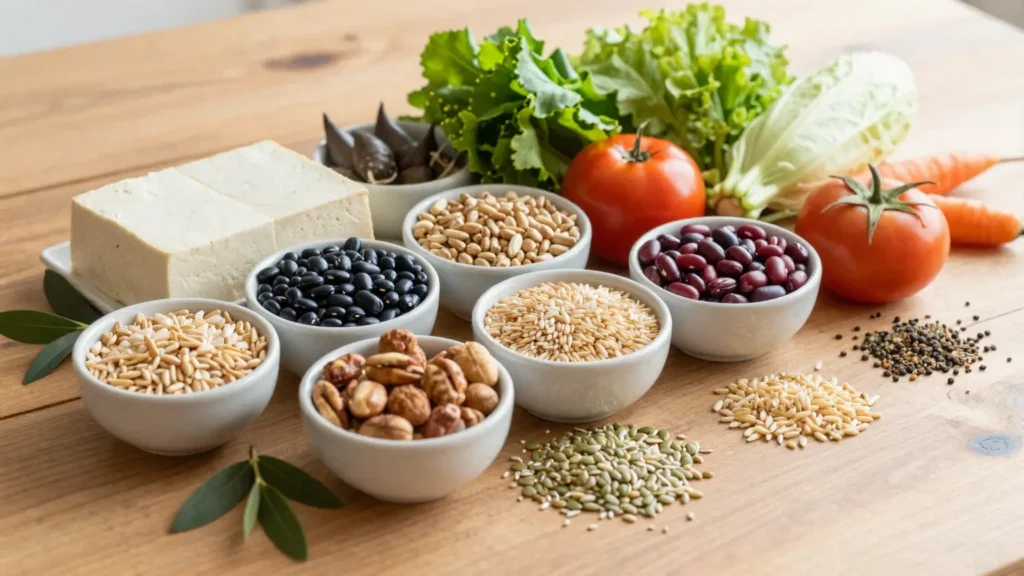
When one thinks of John Harvey Kellogg, images of Corn Flakes and morning cereals might spring to mind. Yet, his legacy extends far beyond breakfast tables, delving into pioneering efforts in health practices and plant-based nutrition that have left an indelible mark on modern wellness trends. As a figure who emerged at the dawn of the 20th century, Kellogg was not only ahead of his time but also a cornerstone for today’s booming plant-based movement. His advocacy for vegetarianism, holistic living, and nutritious diets laid the groundwork for what would evolve into today’s multibillion-dollar industry.
Kellogg’s contributions to health and wellness were multifaceted, making him a trailblazer in an era when such concepts were not yet mainstream. He was more than just a doctor or nutritionist; he was also an inventor and entrepreneur who created innovative products like Nuttose and Protose – early versions of meat substitutes that predated today’s extensive vegan market by over a century. These creations, made from ground-up nuts, cereal grains, and wheat gluten, were part of his vision for healthier, more sustainable protein sources.
The Kellogg Diet didn’t just offer nutritional alternatives; it challenged the status quo with its emphasis on whole foods and plant-based ingredients. His dietary philosophy was rooted in the belief that a diet rich in fruits, vegetables, nuts, and grains could improve not only physical health but also mental clarity and overall well-being. This holistic approach to nutrition has influenced countless health enthusiasts, wellness gurus, and everyday individuals looking for healthier lifestyle choices.
By exploring The Kellogg Diet, we uncover a fascinating story of innovation, controversy, and lasting impact that continues to shape how we think about food today.
The Inventor Behind the Diet: Dr. John Harvey Kellogg
Dr. John Harvey Kellogg was a medical doctor, health reformer, and prolific inventor who lived from 1852 to 1943. His career spanned an era marked by significant social change and technological advancement, yet his influence on modern dietary practices is often overshadowed by the commercial success of his cereal creations. Kellogg’s work was deeply rooted in holistic health principles, focusing on preventive medicine long before it became a common practice.
Born in Michigan, Kellogg graduated from the Medical College of Temperanceville (now Battle Creek College) and quickly established himself as a leading proponent of health reform through his innovative approach to nutrition and hygiene. He founded the Battle Creek Sanitarium in 1876, which became a renowned institution for those seeking natural remedies and preventive healthcare.
Kellogg’s interest in plant-based eating was not merely dietary but also philosophical. He believed that meat consumption contributed to various health issues, including digestive problems, chronic diseases, and even mental illness. His views were shaped by his own experiences as well as the prevailing scientific understanding of nutrition at the time. He advocated for a diet rich in whole grains, fruits, vegetables, nuts, and seeds – a stark contrast to the heavily meat-centric diets common during this period.
In addition to his dietary recommendations, Kellogg was known for promoting a range of unconventional therapies such as hydrotherapy, enemas, and strict abstinence from sexual activity. These practices were controversial but garnered significant attention due to their perceived effectiveness in improving overall health. His holistic approach included not just food but also exercise, fresh air, sunlight exposure, and avoidance of alcohol and tobacco.
Kellogg’s influence extended beyond his clinical practice. He wrote extensively on health topics, authoring more than 80 books and numerous articles that reached a wide audience through magazines like Good Health (later renamed Prevention) which he founded in 1906. Through these publications, he disseminated his dietary principles and lifestyle advice to millions of readers.
One fascinating aspect of Kellogg’s work was his experimentation with meat alternatives long before the concept became mainstream. His products Nuttose and Protose, made from ground nuts and wheat gluten respectively, were early examples of what we today recognize as plant-based protein substitutes. These inventions reflected his belief in the importance of providing viable nutritional options without relying on animal products.
While Kellogg’s contributions to health and wellness are numerous, it is important to acknowledge the controversies that surrounded him during his lifetime and beyond. His support for eugenics and restrictive sexual practices has tarnished parts of his legacy among modern critics. However, his pioneering work in plant-based nutrition remains a cornerstone of today’s wellness industry.
As we delve deeper into the impact of The Kellogg Diet on contemporary health trends, it becomes clear that its influence is far-reaching and enduring. From early meat alternatives to holistic lifestyles, Kellogg’s legacy continues to inspire and challenge us as we navigate our relationship with food in the modern era.
Key Principles of the Kellogg Diet
At the core of The Kellogg Diet were several fundamental principles that set it apart from other dietary plans of its time. Kellogg emphasized simplicity, naturalness, and variety in his meal planning, believing these elements would lead to better health outcomes. He advocated for a diet consisting primarily of whole grains, fruits, vegetables, nuts, and seeds, all prepared minimally so as not to lose their nutritional value during cooking.
One of the most distinctive features of the Kellogg Diet was its emphasis on fiber-rich foods. Kellogg believed that a high-fiber intake could help regulate digestion and prevent constipation, which he saw as a root cause of many health issues. His dietary advice often included recommendations for consuming whole grains like oats, barley, and wheat bran, which were less processed than their modern counterparts.
In addition to fiber, Kellogg stressed the importance of raw foods in his diet plan. He argued that eating fruits and vegetables in their uncooked form retained more nutrients and enzymes compared to cooked versions. This philosophy was somewhat ahead of its time but has gained traction among today’s health-conscious consumers who value enzyme-rich diets.
Another critical aspect of The Kellogg Diet was the promotion of water consumption, particularly through drinking a glass of warm water upon waking up in the morning. He believed this practice helped kickstart digestion and overall metabolic functions for the day ahead. This simple yet effective recommendation highlights how Kellogg integrated small, practical changes into daily routines to achieve better health outcomes.
Kellogg’s approach also included portion control and mindful eating practices. His dietary guidelines suggested that meals should be eaten slowly and with attention to satiety cues rather than rushed or in large quantities. He believed this method could prevent overeating and promote a healthier relationship with food, which aligns closely with modern intuitive eating principles.
The diet’s focus on plant-based ingredients not only aimed at improving physical health but also had environmental implications that were less discussed during his time. By advocating for diets rich in grains, nuts, and seeds, Kellogg unknowingly promoted sustainable agricultural practices that have become increasingly relevant today as concerns about climate change grow.
John Harvey Kellogg’s brother, Will Keith Kellogg, built upon the success of their plant-based innovations by popularizing breakfast cereals like Corn Flakes. However, unlike his health-focused sibling, he focused more on commercialization and marketing to a wider audience.
By exploring these key principles, it becomes evident how The Kellogg Diet laid foundational ideas that have evolved into contemporary dietary practices emphasizing whole foods and sustainability. As we continue to grapple with global health challenges and environmental concerns, the lessons from this century-old plan remain as pertinent and relevant today as they were in their inception.
Recommended Food Groups in the Kellogg Diet
John Harvey Kellogg’s diet recommendations were centered around specific food groups that he believed were essential for optimal health. His dietary philosophy highlighted the importance of incorporating a variety of whole foods, each contributing unique nutritional benefits to one’s overall well-being.
Whole Grains and Legumes
Kellogg placed a strong emphasis on whole grains such as oats, barley, wheat bran, and rice, which he saw as foundational elements in his diet. These grains were often prepared minimally or served raw to preserve their nutrients. He also included legumes like beans and lentils, which provided essential proteins and fiber without the drawbacks of meat consumption.
Fruits and Vegetables
Fresh fruits and vegetables played a crucial role in The Kellogg Diet, especially when consumed raw. Raw produce retained more enzymes and vitamins compared to cooked varieties, according to his belief. He recommended incorporating a wide array of leafy greens, root vegetables, and seasonal fruits into daily meals for their high vitamin content and natural sugars.
Nuts and Seeds
Nuts and seeds were integral components in Kellogg’s dietary plan due to their high protein, healthy fats, and nutrient density. Products like Nut Butter (a precursor to today’s nut butters) were created from ground-up nuts such as almonds and peanuts. These items not only served as nutritious snacks but also functioned as meat alternatives for those seeking plant-based proteins.
Dairy Alternatives
Kellogg advocated for reducing dairy intake, believing that milk and other dairy products could lead to digestive issues and other health concerns. Instead, he recommended using soy milk and nut milks made from almonds or cashews as healthier substitutes. These early iterations of non-dairy beverages paved the way for today’s extensive range of plant-based milk options.
Fermented Foods
Incorporating fermented foods was another key aspect of The Kellogg Diet. Yogurt, kefir, sauerkraut, and other probiotic-rich products were suggested to enhance gut health and digestion. These foods helped in maintaining a balanced microbial environment within the digestive tract, an idea that aligns closely with current research on the microbiome.
Minimal Processing
A distinctive feature of Kellogg’s dietary guidelines was his insistence on consuming whole foods without excessive processing or refinement. This meant avoiding refined sugars, white flours, and other heavily processed ingredients that were prevalent in typical diets of the time. By sticking to minimally processed foods, he aimed to preserve maximum nutritional value.
Sample Meal Plan
A typical meal following The Kellogg Diet might include a breakfast of oatmeal topped with fresh berries and nuts, followed by a lunch consisting of a salad made from leafy greens, sliced vegetables, and avocado. Dinner could feature a dish like quinoa mixed with lentils, steamed broccoli, and a side of fermented pickles.
By focusing on these food groups, The Kellogg Diet offered a comprehensive approach to nutrition that prioritized health benefits over conventional dietary norms. This holistic view continues to resonate in today’s plant-based movement, underscoring the enduring relevance of Kellogg’s early innovations.
One of John Harvey Kellogg’s lesser-known creations was “Nut Porridge,” an early form of granola made from toasted nuts and grains – a precursor to the breakfast cereal we enjoy today.
Forbidden or Limited Foods on the Kellogg Diet
In line with his holistic approach to health, John Harvey Kellogg was strict about certain foods that he believed were detrimental to well-being. The Kellogg Diet included a list of forbidden and limited items, reflecting a cautious stance towards ingredients that could potentially harm digestive health or overall wellness.
Forbidden Foods
Kellogg strongly discouraged the consumption of meat products due to his belief in their negative impact on digestion and other bodily functions. He viewed meat as an unnecessary source of protein that contributed to chronic diseases and mental health issues. Red meats, poultry, pork, and even fish were largely off-limits within his dietary framework.
Processed foods also held a prominent place on the banned list. Kellogg was critical of refined sugars, white flours, and other heavily processed ingredients because he believed they stripped away essential nutrients and enzymes necessary for optimal health. He argued that such items led to poor digestive function and increased risk of diseases like diabetes and heart conditions.
Limited Foods
While some foods were outright forbidden, others could be consumed in moderation under specific circumstances. Dairy products, particularly milk, fell into this category. Kellogg limited dairy intake due to concerns about lactose intolerance and the potential for contributing to mucus buildup in the respiratory system. Cheese and other full-fat dairy items were generally discouraged unless used sparingly as condiments or flavor enhancers.
Eggs presented a more nuanced view within The Kellogg Diet. While eggs were considered less harmful compared to red meats, they still held potential drawbacks such as cholesterol concerns and digestive strain. Therefore, eggs were allowed but recommended to be consumed infrequently and in small quantities.
Comparative Table
| Food Category | Allowed | Limited | Forbidden |
|---|---|---|---|
| Meat | – | – | ✔️ |
| Processed Foods | – | – | ✔️ |
| Dairy | ❌ | ✅ (sparingly) | ✔️ |
| Eggs | ❌ | ✅ (rarely) | ✔️ |
Kellogg’s dietary restrictions went beyond just food items; he also discouraged the use of stimulants such as coffee and tea. He believed that these beverages could disrupt sleep patterns, interfere with digestion, and lead to dehydration. Instead, herbal teas and water were encouraged for their hydrating properties and minimal impact on bodily functions.
Personal Reflection
As you explore The Kellogg Diet’s guidelines, it’s worth reflecting on how his stringent stance might influence your own dietary choices today. While his views were rooted in the medical knowledge of his time, they continue to challenge modern perceptions about food and health. By adopting some of his principles, such as reducing meat consumption or avoiding processed foods, you may find that these adjustments align with contemporary nutritional science and personal wellness goals.
By understanding what was off-limits on The Kellogg Diet, we gain deeper insight into the rationale behind his holistic approach to nutrition. This knowledge not only illuminates a critical aspect of his dietary philosophy but also offers practical guidance for those seeking healthier eating habits today.
Dr. Kellogg once experimented with creating soy milk decades before it became widely popular in health food circles, demonstrating how ahead of his time he truly was when it came to plant-based nutrition.
Nutritional Benefits of Following the Kellogg Diet
Adopting the principles of The Kellogg Diet can offer numerous nutritional benefits, aligning closely with modern dietary recommendations for health and wellness. By focusing on whole foods and plant-based ingredients, followers of this diet can experience improved digestive health, enhanced nutrient intake, and better overall metabolic function.
One of the primary benefits is improved digestion, which was a central focus in Kellogg’s dietary philosophy. The inclusion of high-fiber foods like whole grains, fruits, vegetables, nuts, and seeds promotes regular bowel movements and helps prevent constipation. This emphasis on fiber-rich foods can also aid in maintaining healthy gut microbiota, contributing to better digestive health.
In addition to digestion, consuming a variety of plant-based foods supports nutrient density. Whole grains provide essential B vitamins, minerals like magnesium and zinc, and complex carbohydrates that are slowly digested for sustained energy levels. Fruits and vegetables offer an array of vitamins, antioxidants, and phytochemicals which help boost the immune system and protect against chronic diseases.
Another significant advantage is lowered cholesterol levels due to a diet low in saturated fats found predominantly in animal products. By replacing meat with plant-based protein sources such as nuts, seeds, legumes, and grains, individuals can reduce their intake of unhealthy fats while still meeting their daily nutritional requirements for proteins and essential amino acids.
Moreover, The Kellogg Diet’s emphasis on raw foods provides additional benefits by preserving enzymes that are often destroyed during cooking. Raw fruits and vegetables not only retain more vitamins but also offer live enzymes crucial for various metabolic processes within the body.
Comparative Table
| Nutritional Aspect | Kellogg Diet Focus | Modern Recommendations |
|---|---|---|
| Fiber | High-fiber foods | Incorporate whole grains, fruits, and vegetables |
| Plant-Based Proteins | Nuts, seeds, legumes | Include beans, tofu, tempeh |
| Cholesterol | Low animal fat | Consume lean proteins and plant-based alternatives |
| Enzyme Preservation | Raw foods | Introduce raw fruits and veggies |
The diet’s encouragement of drinking plenty of water also contributes to overall hydration, which is vital for numerous bodily functions including temperature regulation, nutrient transport, and waste elimination. Hydration levels are often overlooked but play a critical role in maintaining optimal health.
Furthermore, adhering to The Kellogg Diet can lead to an improvement in mental clarity and cognitive function, as suggested by Kellogg’s holistic approach. By providing the brain with steady nutrients from whole foods rather than relying on processed or fast-digesting meals, individuals may experience enhanced focus and reduced mental fatigue throughout their day.
In summary, embracing The Kellogg Diet offers a wealth of nutritional benefits that resonate with contemporary health guidelines. From better digestion to improved nutrient absorption, this century-old plan continues to provide valuable insights into achieving optimal wellness through mindful food choices.
One of the earliest known recipes for granola was developed by Dr. John Harvey Kellogg in 1894, predating today’s popular breakfast cereal trend by more than a century.
By integrating these principles into modern diets, individuals can reap the rewards of healthier eating habits that promote longevity and wellness, reinforcing the enduring relevance of The Kellogg Diet in shaping contemporary plant-based nutrition practices.
Drawbacks and Potential Risks of the Kellogg Diet
While The Kellogg Diet offers numerous health benefits, it also comes with certain drawbacks and potential risks that are important to consider. For one, eliminating meat entirely from the diet can lead to nutritional deficiencies if not properly planned. Meat provides essential nutrients like B12, iron, zinc, and omega-3 fatty acids, which might be difficult to obtain in sufficient quantities through plant-based sources alone.
Furthermore, strict adherence to raw foods, as advocated by Kellogg, poses challenges for those who may struggle with the taste or texture of uncooked produce. Raw vegetables and fruits are less palatable for some individuals compared to their cooked counterparts, potentially leading to reduced consumption and inadequate nutrient intake.
Another potential issue is the high reliance on processed plant-based alternatives. While Kellogg was pioneering in creating products like Nuttose and Protose, these items often require significant processing that might negate some of the nutritional benefits of whole foods. Modern versions of similar products can be laden with additives and preservatives, which may not align with the original intent of The Kellogg Diet.
Kellogg’s dietary restrictions on dairy also raise concerns for individuals who rely heavily on milk and other dairy products as sources of calcium and vitamin D. Removing these items from the diet without proper supplementation or alternative sources could lead to deficiencies in bone health nutrients, increasing the risk of osteoporosis and related conditions over time.
Moreover, the strict avoidance of all stimulants, including coffee and tea, might seem extreme for many people today. While Kellogg believed that these beverages disrupted sleep patterns and caused dehydration, moderate consumption is now recognized as potentially beneficial when balanced with sufficient hydration from water and herbal teas.
It’s also worth noting that Kellogg’s dietary guidelines were rooted in the medical knowledge of his time, which was limited compared to contemporary understanding. For instance, some of his views on sexual abstinence and eugenics have since been widely criticized for being overly restrictive and harmful. While his nutritional advice remains relevant, these aspects of his philosophy may be less applicable or acceptable today.
By acknowledging these drawbacks and risks, individuals can approach The Kellogg Diet with a balanced perspective, incorporating beneficial elements while mitigating potential downsides through modern dietary science and personal health needs.
John Harvey Kellogg’s Battle Creek Sanitarium was not just a place for medical treatments but also served as an early wellness retreat center offering spa-like amenities like hydrotherapy baths.
Sample Meal Plan for a Week on the Kellogg Diet
A week-long meal plan following The Kellogg Diet can provide insight into how one might incorporate its principles effectively. This sample meal plan includes breakfast, lunch, dinner, and snacks that adhere to the diet’s emphasis on whole foods, plant-based ingredients, and minimal processing.
Monday
- Breakfast: Oatmeal cooked in almond milk with a mix of fresh berries and a sprinkle of chopped nuts.
- Lunch: Salad with mixed greens, sliced cucumbers, cherry tomatoes, avocado, and sunflower seeds. Drizzled with olive oil and lemon juice dressing.
- Dinner: Quinoa pilaf made with sautéed spinach, bell peppers, and chickpeas. Served with a side of fermented pickles for probiotics.
- Snacks: A handful of raw almonds or an apple.
Tuesday
- Breakfast: Smoothie bowl consisting of blended bananas, frozen berries, chia seeds, and topped with coconut flakes and granola (raw oats toasted with nuts).
- Lunch: Lentil soup made from dried lentils, carrots, celery, and onions. Served with whole-grain bread or crackers.
- Dinner: Steamed broccoli florets with a tahini sauce on the side. Accompanied by brown rice pilaf cooked in vegetable broth.
- Snacks: A small bowl of yogurt (dairy-free almond yogurt) topped with sliced peaches and chia seeds.
Wednesday
- Breakfast: Bowl of raw oatmeal with sliced pears, walnuts, and a drizzle of maple syrup. Served cold or warmed slightly.
- Lunch: Grilled vegetable sandwich on whole grain bread (lettuce, tomatoes, cucumbers, peppers) with hummus spread.
- Dinner: Stir-fried tofu cubes mixed with broccoli florets, bell pepper slices, and soy sauce. Accompanied by steamed brown rice or quinoa.
- Snacks: A few raw carrots sticks with a side of guacamole.
Thursday
- Breakfast: Fresh fruit salad made from seasonal fruits like strawberries, blueberries, melon chunks, and grapes served over crushed ice.
- Lunch: Chickpea salad with chickpeas, cherry tomatoes, cucumber, red onion, parsley, and lemon juice for dressing. Served cold or at room temperature.
- Dinner: Lentil curry cooked in a pressure cooker with coconut milk, spinach, and spices like turmeric and cumin. Accompanied by steamed basmati rice.
- Snacks: A small handful of mixed raw nuts and dried cranberries.
Friday
- Breakfast: Whole grain toast topped with avocado slices and sprouts or a slice of banana with almond butter.
- Lunch: Tomato soup made from fresh tomatoes, onions, garlic, herbs, and served with whole-grain crackers.
- Dinner: Grilled portobello mushrooms stuffed with quinoa and spinach mixture. Served with steamed green beans on the side.
- Snacks: A small apple or pear.
Saturday
- Breakfast: Chia pudding made from chia seeds, almond milk, vanilla extract, sweetened with honey or maple syrup. Topped with sliced banana and coconut flakes.
- Lunch: Chickpea salad with chickpeas, mixed greens, cherry tomatoes, cucumber, red onion, parsley, and lemon juice dressing.
- Dinner: Stir-fried vegetables (carrots, broccoli, bell peppers) served over brown rice or quinoa. Served with a side of tofu cubes marinated in soy sauce and ginger.
- Snacks: A small portion of nuts like almonds or walnuts.
Sunday
- Breakfast: Yogurt bowl made from almond yogurt topped with granola (raw oats mixed with chopped nuts), sliced strawberries, and a drizzle of honey.
- Lunch: Whole grain sandwich on pumpernickel bread filled with hummus, turkey-free veggie slices, avocado, tomato, and lettuce. Served with side of carrot sticks or cucumber rounds.
- Dinner: Vegetable lasagna made with layers of eggplant, zucchini, spinach, tomato sauce, cheese (dairy-free option), and ricotta substitute like cashew-based spread.
- Snacks: A few slices of fresh fruit or a handful of dried fruits.
This meal plan exemplifies how one can follow The Kellogg Diet by emphasizing whole foods, minimizing processed ingredients, and incorporating a variety of plant-based proteins and fibers. By adhering to these principles, individuals can experience the health benefits while enjoying flavorful meals that align with contemporary wellness trends.
By integrating such meal plans into daily routines, it becomes easier to appreciate how The Kellogg Diet’s foundational ideas continue to shape modern dietary practices focused on whole foods and sustainability.
Dr. John Harvey Kellogg once developed a version of granola as early as 1894, showcasing his forward-thinking approach in plant-based nutrition long before the popularity of breakfast cereals like Corn Flakes.
How Does the Kellogg Diet Compare to Other Diets?
To fully appreciate The Kellogg Diet’s impact, it is essential to compare its principles with those of other well-known dietary plans that have emerged over the years. This comparison provides a clearer picture of how Kellogg’s philosophy aligns with and diverges from contemporary nutritional trends.
Vegetarian and Vegan Diets
Vegetarian diets, which exclude meat but may include dairy and eggs, share similar goals with The Kellogg Diet in terms of reducing animal product consumption for health and ethical reasons. However, vegetarians often rely more heavily on these non-meat sources of protein compared to the Kellogg approach that focuses on plant-based proteins like nuts and seeds.
Vegan diets, which completely abstain from all animal products including honey and gelatin, align closely with The Kellogg Diet’s principles but are generally stricter in their exclusions. Both diets emphasize whole foods and fiber-rich ingredients, promoting digestive health and reducing the risk of chronic diseases. However, vegans might also place a stronger emphasis on fortified supplements to ensure adequate intake of certain nutrients like vitamin B12 and omega-3 fatty acids.
Paleo Diet
The Paleo diet advocates for eating as our Paleolithic ancestors did by focusing on whole foods such as meat, fish, fruits, vegetables, nuts, and seeds while excluding processed foods, grains, dairy, and legumes. While both The Kellogg Diet and the Paleo diet emphasize unprocessed foods and a focus on natural ingredients, they differ significantly in their inclusion of animal products. The Paleo diet relies heavily on meat for protein, which is entirely avoided in The Kellogg Diet.
Mediterranean Diet
The Mediterranean diet is known for its emphasis on olive oil, fruits, vegetables, legumes, and whole grains while limiting red meat and sweets. It shares several similarities with The Kellogg Diet in terms of promoting heart-healthy fats from plant sources, high fiber intake, and moderate dairy consumption. However, the Mediterranean diet includes more fish and poultry compared to The Kellogg Diet’s strict vegetarian stance.
Comparative Table
| Diet | Animal Products | Processed Foods | Fiber-Rich Ingredients |
|---|---|---|---|
| Kellogg Diet | Minimal to None | Avoided | High |
| Vegetarian Diet | Some (dairy, eggs) | Limited | High |
| Vegan Diet | None | Limited | Very High |
| Paleo Diet | High | Avoided | High |
| Mediterranean Diet | Moderate Fish and Poultry | Limited | High |
Personal Reflection
Reflecting on these comparisons, it’s evident that The Kellogg Diet offers a unique blend of principles from various dietary approaches. It encourages the consumption of whole foods while minimizing or eliminating animal products, aligning closely with modern vegan and vegetarian diets. However, its emphasis on raw foods and water intake sets it apart and can be seen as an early precursor to today’s trends in natural and plant-based eating.
By understanding these comparative aspects, individuals can make informed decisions about which dietary practices best suit their health goals and personal values, drawing inspiration from the enduring legacy of The Kellogg Diet.
Dr. John Harvey Kellogg was one of the earliest proponents of a meatless diet for overall health benefits, pioneering ideas that would eventually gain traction in later decades.
In conclusion, while The Kellogg Diet shares many similarities with contemporary dietary trends such as vegetarianism and veganism, its strict stance on raw foods and minimal processing distinguishes it from more modern approaches like Paleo or Mediterranean diets. This uniqueness underscores the enduring relevance of Kellogg’s pioneering work in plant-based nutrition.
A surprising fact is that Dr. John Harvey Kellogg was also an advocate for water fasting as a detoxification method, which has since become a popular practice among health enthusiasts today.
Is the Kellogg Diet Suitable for Everyone?
While The Kellogg Diet offers numerous health benefits, its suitability varies depending on individual needs and preferences. Several factors must be considered before adopting this diet fully:
Individual Health Needs
Those with specific dietary requirements or medical conditions may find it challenging to follow the Kellogg Diet strictly. For instance, individuals who need high levels of certain nutrients like vitamin B12, iron, or calcium might struggle to meet these needs without animal products. Vegans and vegetarians often require supplements to ensure adequate nutrient intake; this is even more crucial for those following The Kellogg Diet.
Lifestyle Constraints
The emphasis on raw foods and minimal processing can be difficult for some individuals due to taste preferences or access to fresh produce. Raw vegetables might not appeal to everyone, particularly those accustomed to cooked meals. Additionally, the availability of fresh ingredients varies based on geographic location and seasonal changes, which could pose challenges in adhering strictly to the diet.
Cultural and Social Considerations
Cultural eating habits often play a significant role in dietary choices. Many social gatherings revolve around traditional dishes that include meat or processed foods, making it challenging for individuals following The Kellogg Diet to participate fully without compromising their health goals. Adapting recipes and finding plant-based alternatives can help bridge this gap but may not always be feasible.
Practicality
The practical aspects of preparing meals according to the Kellogg Diet might deter some from adopting it wholeheartedly. Raw foods require special handling, storage conditions, and preparation methods that not everyone is equipped for or willing to undertake daily. Similarly, sourcing high-quality whole grains, nuts, seeds, and fresh produce can be time-consuming and expensive.
Nutritional Balance
While The Kellogg Diet emphasizes a balanced intake of fiber, proteins, vitamins, and minerals from plant sources, it might lack certain nutrients found abundantly in animal products. For example, vitamin D and omega-3 fatty acids are more readily available through fish or fortified foods rather than relying solely on plant-based options.
Personal Preferences
Ultimately, individual taste preferences and willingness to experiment with new food combinations play a significant role. The Kellogg Diet encourages creativity in meal planning but can be daunting for those who prefer familiar flavors and dishes. Exploring various recipes and adapting traditional favorites into plant-based versions might help make the transition smoother.
By acknowledging these factors, individuals can approach The Kellogg Diet with realistic expectations and tailor its principles to fit their unique circumstances, ensuring they reap the benefits without undue stress or inconvenience.
A lesser-known fact is that Dr. John Harvey Kellogg was also an early advocate for intermittent fasting as a means of improving health, a practice that has seen renewed interest in recent years.
Considering these aspects helps in understanding the broader applicability and limitations of The Kellogg Diet, making it easier to integrate beneficial elements into modern lifestyles while accommodating personal needs and preferences.
Conclusion: Evaluating the Long-Term Sustainability of the Kellogg Diet
In conclusion, The Kellogg Diet’s impact on modern plant-based eating cannot be overstated. While it offers a wealth of nutritional benefits such as improved digestion, enhanced nutrient intake, and sustainable food choices, its strict guidelines and historical context present both opportunities and challenges for contemporary adoption. By emphasizing whole foods and minimizing processed ingredients, the diet aligns closely with today’s wellness trends but also requires careful consideration of individual health needs, lifestyle constraints, cultural factors, practicality, nutritional balance, and personal preferences. Through a balanced approach that integrates beneficial elements while addressing potential drawbacks, individuals can harness the enduring wisdom of The Kellogg Diet to promote healthier eating habits and overall well-being in our modern era.
Frequently Asked Questions (FAQ)
What is the Kellogg diet?
The Kellogg diet is a plant-based eating plan developed by Dr. John Harvey Kellogg over a century ago, which emphasizes whole grains and nuts as primary protein sources.
How did Dr. Kellogg develop his dietary philosophy?
Dr. Kellogg developed his dietary philosophy while working at the Battle Creek Sanitarium, where he experimented with various health treatments and promoted fresh air, bathing, and foods containing live bacteria.
Why is the Kellogg diet considered a precursor to modern plant-based eating?
The Kellogg diet is seen as a precursor because it focuses on whole grains, nuts, and other plant-based protein sources, similar to today’s emphasis on sustainable and ethical food choices.
What are some key benefits of following the Kellogg diet?
Some benefits include improved digestion due to high fiber intake from whole grains and nuts, weight management, and reduced risk of chronic diseases linked to meat consumption.
Are there any risks associated with the Kellogg diet?
Potential risks might include inadequate protein intake if not properly balanced and monitored, especially for individuals with higher nutritional needs like athletes or pregnant women.
How does the Kellogg diet differ from other popular plant-based diets today?
While it shares principles of vegetarianism, the Kellogg diet includes specific foods such as corn flakes and granola that have since been adapted in modern variations due to advancements in nutrition science.
Can someone who is not a strict vegetarian follow the Kellogg diet?
Yes, modifications can be made for non-vegetarians by incorporating small amounts of lean meats or fish while maintaining a focus on plant-based foods as the dietary foundation.
What are some common misconceptions about the Kellogg diet?
One common misconception is that it only consists of corn flakes and other processed cereals; in reality, it emphasizes whole grains and nuts over refined products.
How can someone get started with following the Kellogg diet?
To start, gradually increase consumption of whole grains, nuts, and fruits while reducing intake of meat and dairy. Consulting a nutritionist for personalized guidance is recommended.
Is there scientific evidence supporting the health claims of the Kellogg diet?
While some aspects align with modern nutritional recommendations like high fiber diets, much of the dietary advice from Dr. Kellogg lacks contemporary scientific backing due to his era’s limited understanding of nutrition.