What is the Warrior Diet?
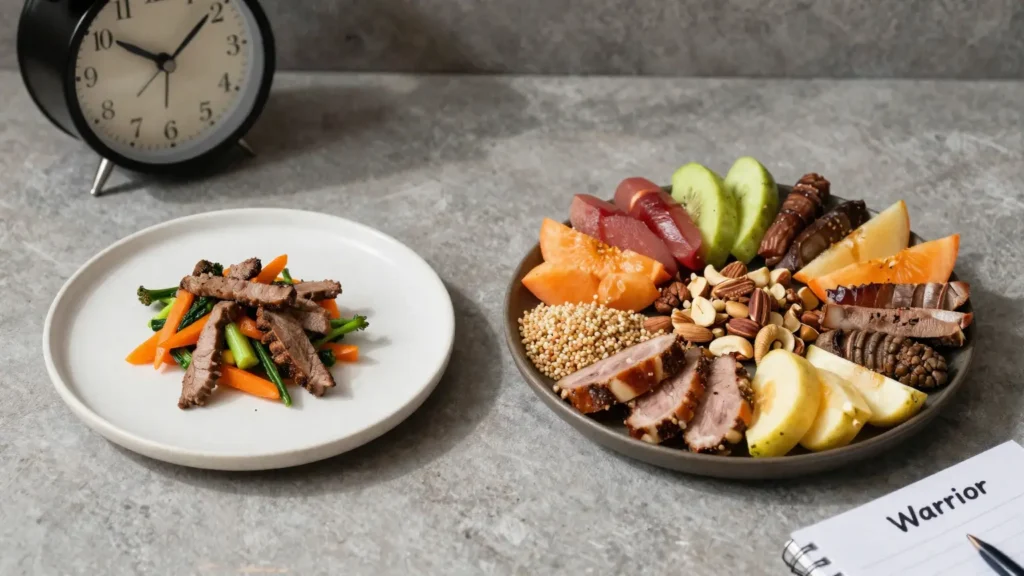
The Warrior Diet, introduced by fitness specialist Ori Hofmekler in 2002, is an intermittent fasting regimen designed for weight loss and fat reduction. This diet philosophy draws inspiration from ancient survival patterns of alternating between periods of fasting and feasting to optimize metabolic functions.
At its core, the Warrior Diet consists of three phases over a period of 3 weeks: detox, adaptation to fats, and adaptation to carbs. During these phases, individuals are expected to undereat during the day – consuming minimal calories – and then eat a large meal in a strict 4-hour window at night when the body’s insulin sensitivity is highest. This mimics the historical survival cycles of humans where food scarcity alternated with periods of plenty.
Imagine starting your day with just water and perhaps a small snack, gradually working up to a big dinner that might seem overwhelming but is timed perfectly for your body’s peak nutrient absorption. The concept sounds intriguing, doesn’t it? But as we delve deeper into the Warrior Diet, questions arise: Is this diet sustainable in our modern world where food is readily available throughout the day? Can it truly offer the metabolic benefits its proponents claim?
As you consider trying out this unique approach to eating, think about your daily routine and whether strict fasting could fit comfortably into your life. The Warrior Diet challenges conventional wisdom on nutrition and offers an interesting take on how ancient survival techniques might translate into today’s lifestyle choices.
The Warrior Diet Philosophy
The Warrior Diet not only focuses on when you eat but also emphasizes what types of foods are consumed during the restricted daytime hours and the nightly feast. Proponents of this diet argue that eating mostly raw, unprocessed foods during the day can help cleanse the body, while a large meal at night provides ample nutrients for recovery and growth.
Key principles include:
- Eating Lightly During the Day: Small snacks like fruits or vegetables are allowed but should be minimal to maintain a state of mild fasting.
- Nighttime Feast: The nightly feast is meant to include a variety of foods, with a focus on protein, healthy fats, and complex carbohydrates. This period allows for enjoying a wide range of delicious meals without worrying about calorie counting.
Imagine the contrast: starting your day with just water or a small fruit, then gradually building up to a substantial dinner that could even involve celebrating special occasions like birthdays or holidays. This diet encourages finding ways to enjoy food while sticking to its strict guidelines. However, this approach can be challenging for those used to regular meals throughout the day.
Impact on Metabolism and Body Composition
Supporters of the Warrior Diet claim it helps boost metabolism by promoting insulin sensitivity during nighttime feasting. When you eat a large meal after fasting, your body is more efficient at processing nutrients due to increased insulin sensitivity, which can help with fat loss.
Potential metabolic benefits:
- Improved Insulin Sensitivity: Fasting followed by feeding enhances the body’s ability to use glucose effectively.
- Increased Growth Hormone Release: Some studies suggest that intermittent fasting can boost growth hormone levels, which may aid in muscle building and fat burning.
However, these claims are based on general principles of intermittent fasting rather than specific research focused on the Warrior Diet itself. The unique 20-hour fast followed by a 4-hour feast might have distinct effects that require further investigation to understand fully.
Social and Psychological Considerations
One aspect often overlooked when discussing diet plans is their impact on social interactions and mental well-being. The Warrior Diet’s strict structure can limit spontaneous eating opportunities, making it harder for individuals to engage in typical daily activities like meeting friends for lunch or having dinner with family without planning around the dietary restrictions.
Challenges include:
- Social Dining Scenarios: Adhering strictly to the diet rules might strain social relationships if you have to turn down invitations for meals outside your eating window.
- Psychological Stress: The rigid nature of the Warrior Diet can lead to stress and feelings of deprivation, especially during the day when hunger pangs are more intense.
Did you know that ancient warriors likely didn’t follow such precise eating schedules? The Warrior Diet is more of a modern interpretation inspired by historical survival techniques rather than an exact replication of how ancient fighters ate.
Are you intrigued by the idea of following strict fasting periods followed by feasting, or does it seem too restrictive for your lifestyle?
How Does the Diet Work?
The Warrior Diet operates on the principle of intermittent fasting, where you eat very little throughout most of the day and then consume a large meal during a short window in the evening. This pattern is intended to mimic the eating habits of ancient warriors who had limited access to food but could feast after successful hunts or battles.
During the day, dieters are encouraged to have small snacks like raw fruits or vegetables to curb hunger while keeping calorie intake extremely low. These snacks should be minimal and spaced out across the day. By late afternoon or early evening, when your body’s insulin sensitivity is at its peak, you can indulge in a substantial meal. This practice aims to optimize nutrient absorption and metabolic function.
For example, someone following this diet might start their day with just water or perhaps a single piece of fruit. As the day progresses, they may have small servings of raw vegetables like carrot sticks or celery. Around dinner time, all previous caloric restrictions are lifted for an extended period, allowing for a hearty meal that could include protein-rich foods like grilled chicken or fish, along with healthy fats such as avocados and nuts.
Imagine the psychological contrast: you start your day feeling somewhat deprived but then experience a sense of liberation and indulgence at night. This can create a unique mental state where nighttime meals are not only satisfying but also rewarding after a long period of minimal eating.
However, adhering to this strict schedule requires significant self-control and planning. It might be challenging for individuals who lead busy lifestyles with unpredictable schedules or those who enjoy spontaneous dining experiences. The Warrior Diet pushes the boundaries of conventional meal patterns, making it an interesting yet demanding dietary approach.
Interestingly, ancient civilizations didn’t adhere to a rigid 20:4 fasting-to-eating ratio like today’s Warrior Diet suggests. This modern adaptation aims to capture the spirit of historical survival strategies rather than replicating them exactly.
Are you someone who enjoys strict routines and finds comfort in planning meals ahead? Or does the idea of such structured eating patterns feel daunting and unsustainable?
Recommended Food Groups
When following the Warrior Diet, it’s crucial to understand which food groups should be prioritized during your nighttime feasting period. The diet recommends consuming a variety of foods that are rich in nutrients and beneficial for overall health.
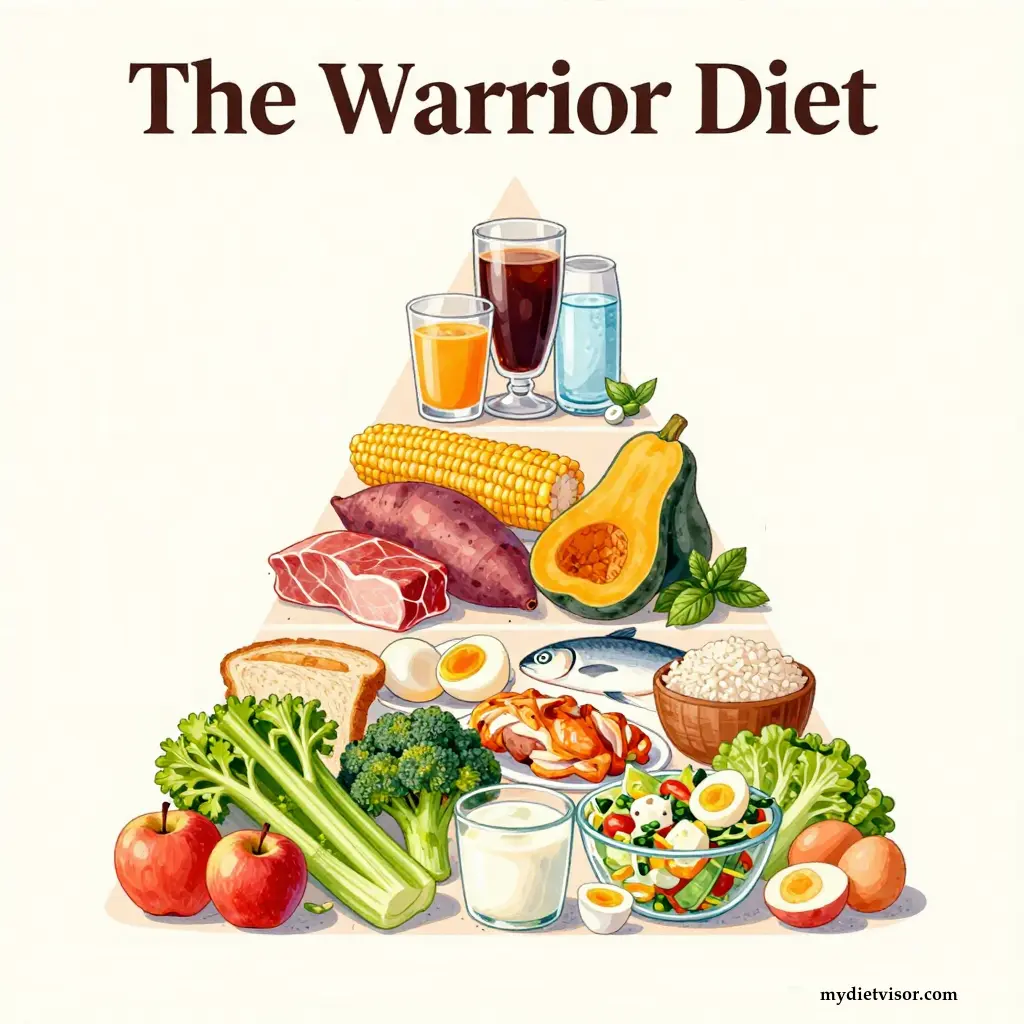
Key recommendations include:
- Proteins: High-quality proteins such as lean meats (chicken, turkey), fish, eggs, and plant-based options like beans and lentils should be included to support muscle growth and maintenance.
- Healthy Fats: Incorporating healthy fats is essential for hormone production and brain health. Opt for sources like avocados, nuts, seeds, olive oil, and fatty fish.
- Complex Carbohydrates: While the daytime consists of minimal carbs, during your nighttime feast, it’s important to include complex carbohydrates such as whole grains (brown rice, quinoa), sweet potatoes, and fruits to provide sustained energy.
The Warrior Diet encourages a balance between these macronutrients but with an emphasis on quality over quantity. This approach aims to ensure that you are getting all the necessary nutrients while minimizing processed foods and sugars.
For example, imagine preparing a meal consisting of grilled salmon seasoned with herbs, served alongside quinoa pilaf and steamed broccoli. Not only does this dish adhere to the dietary guidelines but it also provides a satisfying blend of proteins, fats, and complex carbs that can help you feel full and energized throughout your fasting period.
However, while the Warrior Diet emphasizes these healthy food choices, it’s important to note that the diet doesn’t provide detailed nutritional guidance for the daytime snacks. During this restricted eating phase, focusing on raw fruits or vegetables is advised, but the variety and quantity are limited.
Despite its name and inspiration from ancient warriors, there’s no concrete historical evidence suggesting that these fighters followed a strict 20:4 fasting-to-eating schedule as modern interpretations might suggest. This diet is more of an innovative take on traditional survival techniques adapted for contemporary lifestyles.
Do you find the idea of balancing your nutritional needs within such strict time constraints appealing or challenging?
Forbidden or Limited Foods
In the context of the Warrior Diet, certain foods are either restricted entirely during the day or heavily discouraged due to their potential negative impacts on metabolic function and overall health. These restrictions aim to maintain a state of mild fasting throughout most daylight hours.
Forbidden foods include:
- Processed Sugars and Flours: Foods high in refined sugars such as candy, soda, pastries, and white bread are completely off-limits during the day due to their rapid spike in blood sugar levels.
- Junk Food: Fast food items, fried snacks, and processed meats like hot dogs or sausages are also prohibited. These foods often lack nutritional value and can hinder weight loss goals.
- Alcohol and Stimulants: Beverages containing caffeine or alcohol are restricted during the daytime as they can disrupt sleep patterns and metabolic processes. Water remains the primary fluid intake throughout most of the day.
During the nightly feast, while you have more flexibility in your food choices, it’s still recommended to avoid these items for optimal health benefits. The diet encourages a focus on whole foods rich in nutrients rather than relying on processed alternatives that may lead to weight gain and other health issues.
For example, imagine starting your day with just water or a small piece of fruit, then avoiding any sugary drinks or snacks until your late-night feast. This practice might seem challenging at first but can become easier as you adapt to the diet’s principles over time.
Important Key Foods:
- Raw Vegetables and Fruits: During daytime fasting periods, consuming raw vegetables like carrots, celery sticks, and fruits such as apples or pears is encouraged.
- Water and Herbal Teas: Staying hydrated with water and unsweetened herbal teas helps manage hunger and keeps the body functioning optimally.
By adhering to these dietary restrictions during daylight hours, individuals following the Warrior Diet aim to maintain a state of mild caloric deficit that supports weight loss goals. However, this strict adherence can make it difficult for people who are used to more flexible eating habits or frequent snacking throughout the day.
Imagine how challenging it might be to stick to raw fruits and vegetables all day while everyone else around you is enjoying meals and snacks. The Warrior Diet’s restrictive nature during the daytime hours highlights its intensity but also underscores the potential difficulty in sustaining such a rigid routine long-term.
Are you someone who finds it easy to resist processed foods and can handle sticking to a strict diet during daylight hours? Or does the thought of avoiding your favorite treats for most of the day feel too overwhelming?
Despite being called “The Warrior Diet,” there’s no historical evidence suggesting that ancient warriors followed such a structured eating pattern. The name is more symbolic, inspired by the idea of resilience and strength associated with ancient warriors.
Do you think the strict food restrictions during the day make it easier or harder to stick to this diet long-term?
Nutritional Benefits and Drawbacks of the Warrior Diet
From a nutritional standpoint, the Warrior Diet offers both potential benefits and drawbacks that need to be carefully considered.
Potential Nutritional Benefits:
- Increased Nutrient Absorption: The diet’s emphasis on consuming large meals in the evening can potentially enhance nutrient absorption due to higher insulin sensitivity at this time. When your body is more efficient at processing glucose, it can better utilize nutrients for energy and cell repair.
- Promotes Healthy Eating Patterns: By limiting processed foods and encouraging consumption of raw fruits and vegetables during the day, the Warrior Diet promotes a diet rich in fiber, vitamins, and minerals. This can lead to improved digestive health and overall nutrition.
Drawbacks:
- Limited Nutrient Intake During Fasting Periods: The strict restriction on eating during most of the day means that individuals may miss out on essential nutrients such as proteins and healthy fats needed for daily energy and bodily functions.
- Risk of Overeating at Night: While the diet encourages a large meal in the evening, there is a risk of overconsumption due to excessive hunger after fasting. This can lead to poor food choices or consuming too many calories, negating potential weight loss benefits.
Comparative Analysis
To better understand the nutritional impact, let’s compare it with a typical balanced diet:
| Aspect | Warrior Diet | Balanced Diet |
|---|---|---|
| Daytime Eating | Minimal calorie intake (raw fruits/veggies) | Regular meals with varied macronutrients |
| Evening Feasting | Large meal focused on proteins/fats/carbs | Moderately sized meals balanced in nutrients |
| Nutrient Absorption | Enhanced due to insulin sensitivity | Consistent throughout the day |
| Hunger Levels | Intense during fasting periods | Managed by regular, smaller meals |
This table highlights how the Warrior Diet’s unique structure can influence daily nutritional intake and absorption patterns. While it promotes healthy eating habits in some ways, the extreme nature of its guidelines can also lead to issues such as binge-eating or nutrient deficiencies.
Case Studies and Research
While there is limited research specifically on the Warrior Diet, studies examining intermittent fasting regimens have shown varied results:
- Weight Loss: Intermittent fasting diets often result in weight loss due to calorie restriction. However, adherence can be an issue.
- Metabolic Health: Some studies suggest that such diets improve insulin sensitivity and reduce cholesterol levels, which could benefit metabolic health.
However, the lack of specific research on the Warrior Diet’s particular regimen means that these benefits cannot be conclusively attributed to this diet alone. More targeted studies are needed to determine if the unique 20:4 fasting-to-eating ratio offers distinct advantages over other intermittent fasting methods.
Personalization and Flexibility
One significant drawback of the Warrior Diet is its rigidity, which can make it difficult for many individuals to follow consistently. Most health professionals recommend a more personalized approach that takes into account individual needs, preferences, and lifestyle factors.
For instance, a balanced diet with regular meal timings might offer similar benefits without the extreme restrictions on daily eating patterns. This flexibility allows for a sustainable long-term commitment to healthier living rather than short bursts of strict adherence followed by periods of relapse.
Do you find it easier to stick to a strict meal schedule or prefer flexibility in your daily food choices? How do these preferences impact your approach to nutrition?
Considering the unique challenges and benefits of the Warrior Diet, how might incorporating elements from this diet into a more flexible eating pattern benefit you personally?
Sample Meal Plan During Each Phase
During each phase of the Warrior Diet, meal plans vary slightly based on dietary restrictions and nutritional goals. Understanding these phases can help individuals better prepare for what to expect in terms of eating habits.
Detox Phase (Week 1)
The detox phase aims to cleanse the body by eliminating processed foods and focusing on raw fruits and vegetables during daytime fasting periods. This initial week sets a foundation for improved metabolic function.
Meal Plan Example:
- Morning: Start with a glass of water followed by a small piece of fruit.
- Midday Snack: Raw carrot sticks or celery with almond butter.
- Evening Feast (4-hour Window):
- Grilled chicken breast
- Steamed broccoli and cauliflower
- Brown rice
Imagine the contrast: beginning your day feeling refreshed after a night’s sleep, only to have minimal sustenance until you’re ready for your evening feast. This phase can be mentally challenging but sets a strong foundation.
Adaptation to Fats Phase (Week 2)
During this phase, individuals gradually introduce healthy fats into their nighttime feasts while still maintaining low-calorie intake during the day. The goal is to optimize fat metabolism and energy levels.
Meal Plan Example:
- Morning: A glass of water with a single piece of fruit.
- Midday Snack: Raw cucumber slices or bell pepper strips.
- Evening Feast (4-hour Window):
- Baked salmon with olive oil
- Quinoa pilaf
- Steamed green beans
This phase can feel like a step up from the detox phase, as you start enjoying meals that are slightly more filling and satisfying due to the inclusion of healthy fats.
Adaptation to Carbs Phase (Week 3)
The final phase of the Warrior Diet reintroduces complex carbohydrates in moderation. This transition aims to prepare your body for sustainable eating patterns moving forward.
Meal Plan Example:
- Morning: A glass of water followed by a small piece of fruit.
- Midday Snack: Raw vegetable sticks like carrots or celery.
- Evening Feast (4-hour Window):
- Grilled chicken thighs
- Sweet potato fries
- Spinach salad with olive oil dressing
By the end of this phase, you should feel more balanced and energized as your body adjusts to a wider range of nutrients.
Transition Tips
Transitioning into each new phase requires careful planning and adherence to the diet’s strict guidelines. Here are some tips for making it smoother:
- Stay Hydrated: Drink plenty of water throughout the day to keep hunger at bay.
- Plan Ahead: Prepare snacks like raw fruits or vegetables in advance so they’re ready when you need them.
- Gradual Adjustment: Ease into new food groups gradually rather than overwhelming your system with sudden changes.
Imagine how empowering it feels to control your hunger and plan meals strategically. The Warrior Diet’s strict structure can be daunting but also rewarding as you adapt to a healthier lifestyle.
Did you know that ancient warriors probably didn’t have access to a wide range of processed foods like we do today? This makes the Warrior Diet’s focus on raw fruits and vegetables during fasting periods feel more in line with historical practices, even if the exact 20:4 ratio is modern adaptation.
How do you think the strict meal plans during each phase impact your daily routines and food choices?
By carefully following these meal plans, individuals can navigate through the Warrior Diet’s phases while minimizing discomfort. However, the diet’s demanding nature underscores the importance of personal commitment and adaptability to its principles.
Alternative Diets to The Warrior Diet: Intermittent Fasting Variations
When exploring alternatives to the Warrior Diet, many people look towards other forms of intermittent fasting that offer more flexibility or a different approach to meal timing. These variations aim to address some of the challenges associated with strict 20-hour fasts and four-hour feasts while still providing potential benefits for weight loss and metabolic health.
Time-Restricted Feeding (TRF)
Time-restricted feeding involves limiting your eating period to a shorter window each day, typically between 8 to 10 hours. For example, someone might eat all their meals between 12 PM and 8 PM daily. This approach is less rigid than the Warrior Diet but still allows for fasting periods that can enhance insulin sensitivity and promote weight loss.
Key Benefits:
- Sustainability: Many find TRF easier to stick with long-term compared to strict regimens like the Warrior Diet.
- Social Flexibility: The relatively short eating window makes it more manageable for social events, as you have a longer day to plan meals around commitments.
5:2 Diet
The 5:2 diet is another form of intermittent fasting where an individual consumes normal calorie intake five days a week and restricts calories significantly on two non-consecutive days. On fasting days, consumption is typically reduced to about 600-800 calories for men and 500-600 calories for women.
Key Benefits:
- Flexible Timing: Unlike the Warrior Diet’s strict daily fasting-to-feasting pattern, the 5:2 diet allows you to choose which days are best suited for calorie restriction.
- Weight Loss Success: Studies have shown that this method can lead to significant weight loss and improved metabolic health.
Alternate Day Fasting (ADF)
Alternate day fasting alternates between a high-calorie intake day and a low-calorie day, where calories on fasting days range from 20% to 50% of typical daily calorie needs. On regular eating days, individuals can consume normal or even slightly increased amounts of food.
Key Benefits:
- Mental Endurance: This diet teaches your body to be more efficient with the nutrients it consumes, potentially leading to improved metabolic flexibility.
- Nutritional Balance: The high-calorie intake days ensure that you receive adequate nutrition and can maintain energy levels without feeling deprived.
Pros and Cons Compared
| Aspect | Warrior Diet | Time-Restricted Feeding (TRF) | 5:2 Diet | Alternate Day Fasting (ADF) |
|---|---|---|---|---|
| Eating Window | 4 hours at night | 8-10 hours | No specific window | High/low calorie days alternate |
| Flexibility | Very strict | Moderately flexible | Highly flexible | Flexible but requires planning |
| Nutrient Intake | Minimal during fasting, large feast at night | Moderate throughout day | Balanced nutrition daily | High on regular eating days |
| Sustainability | Challenging due to rigidity | More sustainable than Warrior Diet | Less challenging | Requires strict adherence |
These diets offer various ways to incorporate intermittent fasting into your lifestyle without the extreme restrictions of the Warrior Diet. Each has its unique benefits and challenges, making them suitable for different individuals based on their health goals, daily routines, and personal preferences.
Imagine choosing a diet that allows you to enjoy meals with friends or family while still reaping the rewards of fasting periods. These alternatives provide more flexibility without compromising the metabolic benefits associated with intermittent fasting techniques.
Which form of intermittent fasting do you think aligns best with your lifestyle? Are you someone who prefers strict guidelines for clear results, or do you value a diet that offers greater freedom and adaptability?
By exploring these different approaches, individuals can find a regimen that suits their personal needs and helps them achieve their health goals effectively.
Is the Warrior Diet Safe for Everyone?
When considering whether the Warrior Diet is suitable for everyone, it’s important to weigh its potential benefits against the risks and individual needs of different populations.
Medical Considerations:
- Pregnant or Breastfeeding Women: These individuals require a steady intake of nutrients to support both their health and that of their baby. The extreme fasting periods mandated by the Warrior Diet can be detrimental during pregnancy or breastfeeding, potentially leading to nutrient deficiencies.
- Athletes and Active Individuals: Athletes often need consistent fueling throughout the day to maintain energy levels and performance. The strict fasting protocol of the Warrior Diet could lead to decreased muscle mass and impaired physical performance due to insufficient caloric intake.
Special Populations:
- People with Eating Disorders: The restrictive nature of the diet may trigger or exacerbate disordered eating behaviors, making it unsuitable for individuals recovering from such conditions.
- Older Adults: Older adults often have more sensitive nutritional requirements and might struggle with the extreme fasting periods. Additionally, they could experience adverse effects like muscle loss and weakened immune function.
Potential Health Risks:
- Nutrient Deficiencies: The severe restriction on daytime eating can result in inadequate intake of essential vitamins and minerals, leading to health issues over time.
- Metabolic Imbalance: While the diet claims to boost metabolism during feasting periods, prolonged fasting could disrupt hormonal balance and lead to metabolic disorders.
Case Studies and Personal Testimonials
While some individuals may find success with the Warrior Diet due to its potential benefits like weight loss and improved insulin sensitivity, others have reported negative experiences:
- Weight Fluctuations: Many people experience rapid weight loss during initial phases but struggle to maintain this effect long-term. The yo-yo pattern of losing and regaining weight can be harmful.
- Fatigue and Irritability: Prolonged fasting periods often cause fatigue, mood swings, and irritability, which can impact daily functioning and overall well-being.
Imagine how challenging it might feel to adhere strictly to this diet when your body is sending signals of hunger or low energy. The Warrior Diet’s demands can be overwhelming, especially for those who lead busy lives with fluctuating schedules or have medical conditions that require consistent nutritional intake.
Alternatives for Specific Groups
For individuals for whom the Warrior Diet may not be suitable, alternative dietary approaches might offer better outcomes:
- Pregnant and Breastfeeding Women: A balanced diet rich in fruits, vegetables, lean proteins, whole grains, and healthy fats is recommended to ensure adequate nutrition.
- Athletes: High-protein meals spaced throughout the day can help maintain muscle mass and energy levels while supporting athletic performance.
- Eating Disorder Recovery: Professional guidance from a dietitian or therapist who specializes in eating disorders can provide personalized meal plans that focus on gradual, sustainable changes.
Did you know that ancient warriors likely didn’t adhere to such precise eating schedules as proposed by the Warrior Diet? The concept is more symbolic than historical accuracy, reflecting an innovative approach rather than a traditional practice.
Do you think the rigorous demands of the Warrior Diet make it unsuitable for certain groups or populations?
In summary, while the Warrior Diet offers intriguing insights into intermittent fasting and its potential benefits, it may not be appropriate for everyone. It’s crucial to evaluate personal health conditions, lifestyle factors, and nutritional needs before embarking on such a restrictive regimen.
Summary: Pros, Cons, and Considerations of the Warrior Diet
As we conclude our exploration of the Warrior Diet, it’s clear that while this unique approach offers intriguing insights into intermittent fasting and its potential benefits for weight loss and metabolic health, it also comes with significant challenges and limitations. The strict regimen of undereating during the day and feasting in the evening is inspired by historical survival patterns but may not align well with modern lifestyles or individual needs.
The Warrior Diet’s rigid structure can be particularly difficult to adhere to long-term, posing potential risks such as nutrient deficiencies, fatigue, and other health issues. While some individuals might find success in achieving short-term goals like weight loss, the diet’s demands often make it unsustainable for many people, leading to a high rate of relapse.
In considering alternative approaches, a balanced diet that focuses on regular meal patterns and nutritional variety can offer more sustainable results while minimizing the risks associated with extreme fasting. Consulting healthcare professionals before adopting such restrictive diets is crucial, especially for individuals with specific health conditions or dietary needs.
Ultimately, finding a personalized approach to nutrition that aligns with your lifestyle and goals is key to achieving lasting success in any weight management journey.
Frequently Asked Questions (FAQ)
What are the main principles behind the Warrior Diet?
The Warrior Diet focuses on consuming small amounts of food throughout the day and eating a large meal in the evening. It aims to improve metabolic flexibility and support weight loss.
Can I follow the Warrior Diet if I have diabetes?
It is recommended to consult with your healthcare provider before starting any new diet, especially if you have conditions like diabetes that require careful management of blood sugar levels.
How can the Warrior Diet affect my energy levels during the day?
Some people may experience low energy levels due to undereating during the day. It’s important to listen to your body and adjust the diet as necessary or seek professional advice.
Is it possible to socialize while following the Warrior Diet?
Social eating situations might be challenging on this diet because of its restrictions. You may need to plan ahead if you know you will be dining out or at a party.
What are some common side effects reported by people who try the Warrior Diet?
Some individuals report side effects such as dizziness, fatigue, and irritability due to undereating during daylight hours.
Can the Warrior Diet help with muscle building for athletes?
Athletes often require more calories and protein than this diet might provide. It’s advisable to speak with a sports nutritionist or doctor before adopting it if you are an athlete.
Are there any long-term studies on the effectiveness of the Warrior Diet?
There is currently limited scientific research specifically about the Warrior Diet, though some studies suggest benefits from intermittent fasting in general.
How does the Warrior Diet compare to other popular diets like keto or paleo?
Unlike keto and paleo which focus on specific macronutrient ratios or food exclusions, the Warrior Diet focuses more on meal timing rather than what you eat.
Can pregnant women safely follow the Warrior Diet?
Pregnant women need adequate nutrition for both themselves and their baby’s development. The Warrior Diet may not provide sufficient nutrients during pregnancy; it’s best to consult a healthcare provider first.
How do I transition back to normal eating after following the Warrior Diet?
Gradually reintroduce regular meals throughout the day, focusing on balanced portions of all food groups to ensure nutritional adequacy and ease into a new routine.