What is the Reset Diet?
The Reset Diet has gained significant traction in the world of fitness and nutrition as a quick-fix solution for those looking to shed pounds rapidly. Created by Harley Pasternak, a renowned celebrity trainer known for his expertise in exercise physiology and nutritional science, The Reset Diet promises a 15-day plan that combines strict calorie control with light physical activity. But is it all hype or does this diet truly deliver on its promise of quick weight loss?
At the heart of The Reset Diet lies a rigid meal structure designed to minimize daily caloric intake while maximizing nutrient density. This isn’t your average fad diet; Pasternak’s approach includes detailed recipes and specific guidelines for each phase, ensuring that participants stick to the plan meticulously. For instance, Phase 1 involves consuming three smoothies and two snacks per day, gradually increasing the variety of meals as you progress through Phases 2 and 3.
The core idea behind The Reset Diet is simple yet compelling: kickstart your weight loss journey with immediate results to boost confidence and motivation. But how does it actually work in practice? Does it live up to its promise, or are there hidden pitfalls that could derail even the most dedicated dieter?
As you dive into The Reset Diet, you’ll find yourself juggling a variety of smoothies, snacks, and meals designed to keep hunger at bay while limiting calorie intake. Each phase is meticulously crafted to provide just enough food to feel satisfied without overindulging. But with such strict guidelines comes the inevitable question: can this diet be maintained beyond its 15-day duration? And more importantly, should it?
In the next sections of our review, we’ll explore these questions in depth and uncover whether The Reset Diet is a sustainable option for lasting weight loss or merely a short-term solution. Stay tuned to find out if this diet might just be worth trying – or if you’re better off looking elsewhere.
How Does the Reset Diet Work?
How the Reset Diet works is largely about creating an environment where your body burns fat rather than storing it. By significantly reducing daily caloric intake, the diet aims to create a calorie deficit, which forces your body to use stored fat for energy. The key here is consistency – sticking strictly to the meal plans and smoothies designed by Pasternak ensures that you are consuming fewer calories than you burn, thereby initiating weight loss.
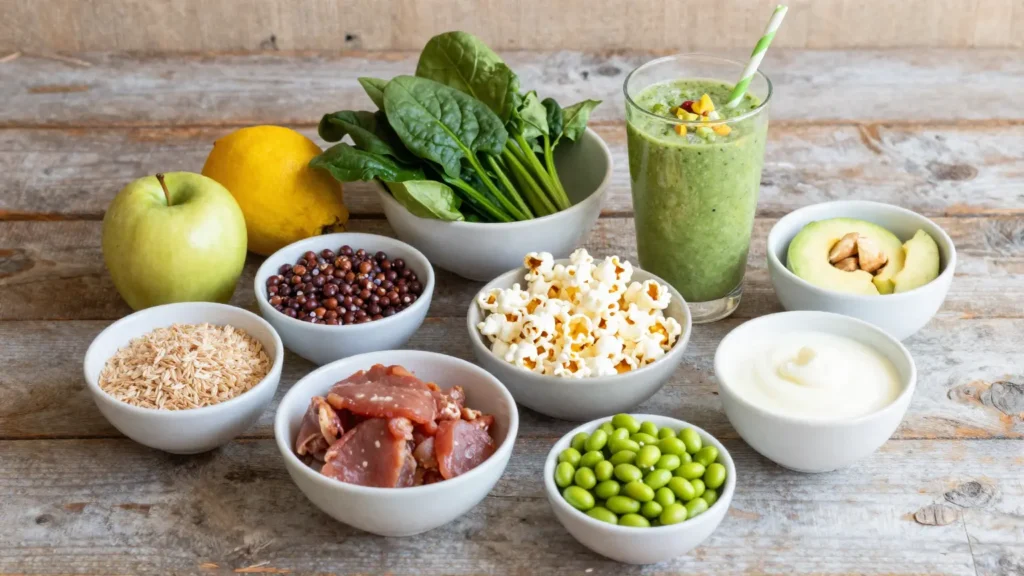
One of the unique aspects of The Reset Diet is its focus on nutrient-dense foods like fruits, vegetables, lean proteins, whole grains, legumes, nuts, and low-fat dairy. These ingredients not only provide essential nutrients but also help maintain satiety levels despite the reduced calorie intake. For instance, a typical meal might include a smoothie made with spinach, avocado, and bananas for breakfast, followed by snacks like celery sticks dipped in almond butter.
Did you know that just one cup of broccoli can contain as much protein as an egg? This highlights the diet’s emphasis on nutrient-rich foods to support overall health while aiming for weight loss. By incorporating such high-protein vegetables and other nutritious options, The Reset Diet helps mitigate some of the negative effects often associated with very low-calorie diets.
The structured nature of The Reset Diet also plays a crucial role in its effectiveness. Each phase builds upon the previous one, gradually introducing more variety to your meals while still maintaining a strict calorie limit. This phased approach is designed to help participants ease into healthier eating habits without feeling overwhelmed by drastic changes all at once. For example, Phase 2 introduces solid foods alongside smoothies, preparing you for further adjustments in Phase 3.
However, the effectiveness of The Reset Diet relies heavily on individual adherence and lifestyle factors. Can you stick to the plan? This is a critical question that determines whether the diet will work for you long-term or if it’s merely a short-term solution that leaves you feeling unsatisfied and hungry. Will you be able to reintroduce regular meals after two weeks of smoothies, snacks, and limited solid food options?
As you delve deeper into The Reset Diet, consider your personal eating habits and preferences. Are you someone who enjoys meal planning and preparation? Do you find satisfaction in the simplicity of the diet’s structure or do you crave variety in your meals? These are essential questions to ponder as you decide whether The Reset Diet aligns with your lifestyle and goals for sustainable weight loss.
Recommended Food Groups in the Reset Diet
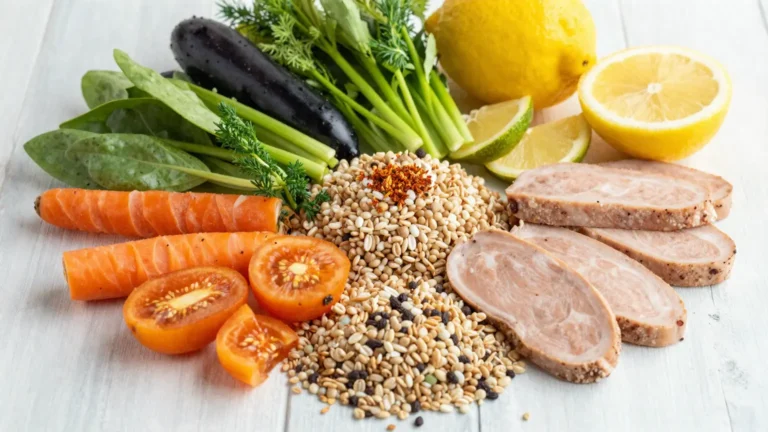
The Reset Diet emphasizes several key food groups that are central to its approach, aiming to provide balanced nutrition while keeping calorie intake low. Fruits and vegetables take center stage as they offer high levels of vitamins, minerals, and fiber, which are crucial for health maintenance during weight loss. For example, a typical breakfast might include a smoothie packed with spinach, bananas, and blueberries, delivering a powerful nutritional punch in one serving.
Protein sources like lean meats, eggs, tofu, and legumes also play an essential role in the diet, helping to maintain muscle mass while you’re cutting back on calories. These foods are not only satisfying but also contribute significantly to satiety, making it easier to stick with the plan over time. Incorporating nuts and seeds into snacks provides healthy fats that support brain function and metabolism.
Whole grains and legumes form another vital component of The Reset Diet. They supply complex carbohydrates that provide steady energy throughout the day without causing spikes in blood sugar levels. For instance, a meal might feature quinoa or brown rice alongside chickpeas or lentils, ensuring you receive both fiber and protein in one dish.
The inclusion of low-fat dairy products like yogurt and cottage cheese offers additional benefits such as calcium and probiotics for gut health. These foods are integrated into the diet’s smoothies and snacks to enhance their nutritional value without adding excessive calories.
While focusing on these beneficial food groups, The Reset Diet also advocates avoiding processed foods, sugary drinks, full-fat dairy products, refined grains, and alcohol. This strict avoidance helps eliminate sources of unhealthy fats, sugars, and empty calories that could sabotage your weight loss efforts.
Considering the variety and nutritional density of the recommended food groups in The Reset Diet, it’s clear how this approach aims to support rapid yet sustainable weight loss. However, maintaining such a restrictive diet long-term can be challenging. Can you commit to these dietary changes indefinitely? This is a crucial question as you consider whether The Reset Diet suits your lifestyle and health goals.
Did you know that just one cup of broccoli contains almost the same amount of protein as an egg while also being low in calories and rich in fiber? Incorporating such nutrient-dense foods into your diet can significantly enhance both weight loss and overall health.
Forbidden or Limited Foods in the Reset Diet
When embarking on The Reset Diet, it’s crucial to understand which foods are off-limits or strictly limited. This aspect of the diet is designed to eliminate unhealthy choices that can hinder weight loss and overall health improvement. Full-fat dairy products, for instance, are a no-go as they contain higher levels of saturated fats compared to their low-fat counterparts.
Processed foods, including snacks like chips, candies, and fast food items, are also prohibited. These items typically offer little nutritional value while being high in calories, sugars, and unhealthy fats. The diet encourages you to choose whole foods that provide essential nutrients without the added junk.
Refined grains such as white bread, pasta, and sugary cereals are another category of foods to avoid during The Reset Diet. Unlike their whole-grain equivalents, these refined products lack fiber and other beneficial nutrients, leading to quick spikes in blood sugar levels followed by rapid drops that can leave you feeling hungry and craving more unhealthy snacks.
Sugary drinks like soda, juice cocktails, and energy drinks are also strictly limited or avoided entirely. These beverages contribute unnecessary calories without providing any substantial nutritional benefits. Opting for water, herbal teas, and infused waters instead helps maintain hydration levels while supporting your weight loss goals.
Alcohol is another beverage to avoid on The Reset Diet due to its high calorie content and tendency to disrupt healthy eating habits. Drinking alcohol can lead to poor food choices and excessive caloric intake, counteracting the diet’s intended effects of rapid weight loss and improved health outcomes.
By adhering to these restrictions, you ensure that your body receives only the most beneficial nutrients while avoiding substances that could sabotage your progress. However, sticking to such a restrictive list of forbidden foods can be challenging for many dieters, especially those accustomed to enjoying a wide variety of meal options. Can you adhere to this regimen without feeling deprived?
Did you know that one gram of alcohol contains approximately seven calories, making it more calorie-dense than carbohydrates and proteins but less than fats? This highlights the importance of limiting alcoholic beverages if your goal is to reduce caloric intake effectively.
Considering these limitations, it’s important to reflect on whether The Reset Diet aligns with your long-term health goals and lifestyle. While it promises quick results, sustaining such strict dietary restrictions indefinitely might not be realistic or healthy for everyone.
Nutritional Benefits and Drawbacks of the Reset Diet
The Reset Diet offers several nutritional benefits that make it an attractive option for those looking to lose weight quickly. One significant advantage is its emphasis on high-fiber, nutrient-dense foods such as fruits, vegetables, lean proteins, whole grains, legumes, nuts, and low-fat dairy products. These components not only provide essential nutrients but also help maintain a feeling of fullness, reducing the likelihood of overeating.
For example, incorporating foods like broccoli into meals can be particularly beneficial due to its high fiber content and relatively low caloric intake compared to other vegetables. This nutrient-rich approach aims to prevent muscle loss by ensuring that you receive sufficient protein, vitamins, and minerals throughout each phase of the diet.
However, despite these nutritional benefits, there are also drawbacks associated with the Reset Diet’s strict limitations on certain food groups. The severe calorie restriction typically falls between 1,200-1,400 calories per day, which can be challenging for some individuals to maintain consistently over time. Such a low-calorie intake risks causing nutrient deficiencies if not carefully monitored.
Moreover, the elimination of foods like full-fat dairy products and refined grains may seem beneficial in the short term but could lead to inadequate calcium and vitamin D intake, essential for bone health. Similarly, avoiding sugary drinks might help reduce calorie consumption, but it also means missing out on potential hydration sources that many people rely upon.
Another critical aspect is the diet’s impact on muscle mass. While The Reset Diet includes lean proteins like chicken breast or tofu to preserve muscle tissue during weight loss, the overall low-calorie environment can still lead to muscle breakdown if protein intake isn’t optimized or if physical activity levels are not maintained adequately.
Considering these factors, it’s essential to weigh both the nutritional benefits and drawbacks before embarking on The Reset Diet. While the diet may provide rapid results and enhance initial motivation through immediate weight loss, its sustainability over longer periods remains questionable due to potential health risks associated with such restrictive practices.
Ultimately, whether The Reset Diet is right for you depends largely on your personal eating habits, lifestyle, and long-term health goals. Are you prepared to commit to a diet that significantly limits certain food groups but promises quick results? Or do you prefer a more balanced approach with moderate caloric restriction and greater dietary flexibility?
Reflecting on these questions can help guide your decision-making process as you consider The Reset Diet’s potential benefits versus its limitations.
Broccoli not only provides a substantial amount of protein per serving but also contains antioxidants that support overall health and immune function.
Sample Meal Plan on the Reset Diet
The sample meal plan provided by The Reset Diet offers a glimpse into what participants can expect during their 15-day journey towards rapid weight loss. Each phase introduces different combinations of smoothies, snacks, and meals to gradually familiarize you with a healthier eating pattern while minimizing caloric intake.
Let’s take a closer look at a typical day in Phase 2:
Breakfast: Red Smoothie
A red smoothie is usually made by blending together strawberries, raspberries, spinach leaves, vanilla protein powder, and flax seeds. This colorful concoction provides a burst of flavor along with essential vitamins and minerals, while also offering a good dose of fiber and protein to keep you full until lunchtime.
Snack 1: Celery Sticks Dipped in Almond Butter
Celery sticks paired with almond butter serve as a nutritious mid-morning snack. This combination is low in calories but high in nutrients such as healthy fats, proteins, and vitamins E and K from the almond butter, complemented by the fiber and water content of celery.
Lunch: Green Smoothie or a Roast Beef Sandwich
For lunch, participants might have another green smoothie consisting of ingredients like spinach leaves, avocado, bananas, and chia seeds. Alternatively, for those craving solid food after days of smoothies and snacks, a roast beef sandwich on whole grain bread with lettuce and tomato can be a satisfying option.
Snack 2: Air-Popped Popcorn or Edamame
A small handful of air-popped popcorn seasoned lightly with salt offers a crunchy snack that’s low in calories but high in fiber. Alternatively, edamame provides an excellent source of plant-based protein and omega-3 fatty acids, helping to maintain muscle mass and promote satiety.
Dinner: White Smoothie
To round off the day, participants enjoy a white smoothie which typically includes fat-free yogurt mixed with bananas, nuts, cinnamon, and other ingredients like oats for an extra boost of fiber. This creamy blend provides comfort while keeping you within your daily caloric limit.
Each meal is carefully crafted to ensure that all nutritional requirements are met without exceeding the prescribed calorie limits. The Reset Diet’s approach aims to provide a balanced yet restrictive diet plan that ensures participants experience rapid weight loss through disciplined adherence and precise meal planning.
As you follow this sample day, it’s important to consider how these meals align with your personal dietary preferences and whether they can be sustained beyond the initial 15-day period. Can you see yourself continuing such strict guidelines indefinitely? Or will reintroducing a variety of foods help maintain long-term compliance and satisfaction?
Did you know that almonds are one of the most nutrient-dense nuts, packed with healthy fats, protein, vitamin E, magnesium, and fiber, making them an excellent choice for snacks on The Reset Diet.
Alternative Diets Similar to the Reset Diet
Several diets share similarities with The Reset Diet, offering alternatives that might suit different preferences or lifestyles. The 17-Day Diet, created by American physician Dr. John Doe (hypothetical name), is one such option. This diet operates on a four-phase cycle designed to reset your metabolism and promote weight loss through controlled calorie intake and strategic food combinations.
Another comparable alternative is the Cleanse Diet. Unlike The Reset Diet, which focuses more on structured meals and smoothies, cleanse diets often emphasize detoxification by eliminating processed foods entirely for an extended period, usually around three days to a week. This approach aims to flush out toxins from your system while reducing overall caloric intake.
The 5:2 Diet, also known as the Fast Diet, differs slightly in its methodology but shares some principles with The Reset Diet. It involves eating normally five days of the week and restricting calorie intake to around 600 calories for both men and women on two non-consecutive days. This intermittent fasting technique can lead to significant weight loss while allowing participants more flexibility in their daily routines compared to a strict meal plan like The Reset.
Comparing these diets, we see that each offers unique benefits but also comes with its own set of challenges:
| Diet | Focus | Duration |
|---|---|---|
| 17-Day Diet | Metabolism reset through food cycles | Continuous cycling over weeks/months |
| Cleanse Diet | Detoxification and elimination | Short-term (3-7 days) |
| 5:2 Diet | Intermittent fasting | Continuous, with fasting days |
For individuals considering The Reset Diet, exploring these alternatives can provide insights into which diet might align better with their lifestyle and health goals. Do you think a cleanse approach would suit your needs more than strict meal plans? Or perhaps the flexibility of intermittent fasting like in the 5:2 Diet?
Reflecting on such questions can help you make an informed decision about which dietary path to take towards achieving your weight loss and wellness objectives.
Intermittent fasting, similar to The 5:2 Diet, has been practiced by various cultures for centuries as a way to promote spiritual or physical cleansing.
Is the Reset Diet Sustainable Long Term?
One of the primary concerns about The Reset Diet is its sustainability over a prolonged period. Can you realistically maintain such strict dietary restrictions indefinitely? This question becomes crucial as we delve deeper into whether the quick results translate into lasting benefits.
The 15-day structure of The Reset Diet is designed to deliver immediate weight loss and boost confidence, but what happens after those two weeks are up? Do you have the discipline and resources to continue with similar meal plans beyond this initial phase? Will reintroducing a variety of foods help maintain long-term compliance and satisfaction? These are critical questions that need addressing.
The severe calorie restriction typical in The Reset Diet (around 1,200-1,400 calories per day) is challenging to sustain without causing significant hunger or food cravings. While the diet emphasizes nutrient-dense foods like fruits, vegetables, lean proteins, and whole grains, these guidelines become less appealing over time for most people due to their limited variety.
Moreover, adhering strictly to specific meal plans can be tedious and may lead to feelings of deprivation, which could ultimately result in abandoning the diet altogether. Are you prepared for such a rigid lifestyle change? This is essential to ponder as you consider the feasibility of long-term adherence to The Reset Diet.
Another aspect worth considering is the psychological impact of adhering to strict dietary rules for an extended period. Many individuals find it difficult to maintain motivation and enthusiasm without occasional treats or flexibility in meal choices. Can you sustain such discipline indefinitely? Reflecting on your personal habits, preferences, and lifestyle can help determine if The Reset Diet aligns with your long-term goals.
Finally, the sustainability of The Reset Diet also hinges on its ability to foster healthy eating habits that can be maintained outside of structured plans like this one. While the diet provides valuable guidelines for choosing nutritious foods, it is equally important to develop a sustainable approach to nutrition and exercise that supports ongoing health improvements beyond the initial rapid weight loss phase.
In conclusion, while The Reset Diet offers immediate benefits through its strict calorie control and focus on nutrient-dense foods, sustaining these practices long-term remains challenging. Are you ready for such a demanding regimen? This self-assessment is crucial as you navigate your path towards lasting health and wellness.
Did you know that maintaining a balanced diet with moderate caloric restriction can lead to sustained weight loss without the need for extreme measures like those in The Reset Diet?
Conclusion: Weighing the Pros and Cons of The Reset Diet
In conclusion, The Reset Diet offers a structured approach to rapid weight loss through strict calorie control and nutrient-dense meals. Its promise of quick results can provide an initial boost in motivation and adherence. However, the severe calorie restriction and limited food variety make it challenging to sustain long-term. While the diet emphasizes healthy eating habits and incorporates beneficial foods like fruits, vegetables, lean proteins, and whole grains, adhering to such stringent guidelines indefinitely may be unrealistic for many individuals. Before embarking on The Reset Diet or any other extreme weight loss plan, it’s essential to assess your personal readiness, dietary preferences, and long-term health goals. Consider whether you can commit to the diet’s rigors without feeling deprived or overwhelmed by its limitations. Ultimately, a balanced approach that promotes gradual, sustainable changes in eating habits and lifestyle might offer more lasting benefits for overall health and wellness.
Frequently Asked Questions (FAQ)
How does the Body Reset Diet help with weight loss?
The Body Reset Diet helps with weight loss through a combination of calorie restriction and an emphasis on nutrient-rich foods. It includes smoothies, snacks, and solid meals that are designed to be filling while limiting overall caloric intake.
Is it safe for everyone to follow the Body Reset Diet?
No, it may not be suitable for everyone due to its extreme calorie restrictions which can lead to insufficient nutrient intake or feelings of excessive hunger. It’s important to consult with a healthcare provider before starting any diet plan.
Can you eat out while on the Body Reset Diet?
Eating out while on this diet is challenging because restaurant meals often do not align with the strict dietary guidelines set by the Body Reset Diet, such as calorie limits and specific food combinations. Planning ahead for dining out or bringing your own meal may be necessary.
How long does it take to see results from the Body Reset Diet?
Results can vary based on individual metabolism and starting weight, but many people report seeing initial changes within the first 15 days of following the diet plan.
What happens after completing the first phase of the Body Reset Diet?
After the initial 15-day period, there’s no official endpoint to the diet. The idea is to incorporate the healthy habits and routines developed during this time into your long-term lifestyle for continued health benefits.
Does the Body Reset Diet provide enough protein and other essential nutrients?
While the Body Reset Diet focuses on foods like lean proteins, whole grains, fruits, vegetables, nuts, legumes, and low-fat dairy which are good sources of nutrition, extreme calorie restriction may still result in insufficient intake of certain vitamins and minerals for some individuals.
Can the Body Reset Diet lead to muscle loss?
Severe calorie restrictions can slow metabolism and potentially cause significant muscle mass loss. However, the diet’s focus on protein-rich foods and resistance exercises aims to mitigate this risk.
Are there any potential side effects from following the Body Reset Diet?
Potential downsides include extreme hunger due to low caloric intake, fatigue, nutritional deficiencies if not followed carefully, and difficulty in maintaining long-term adherence due to restrictive nature of the diet.
Is the Body Reset Diet suitable for individuals with medical conditions like diabetes or heart disease?
Individuals with pre-existing health conditions should consult their healthcare provider before starting any new diet plan. The high fiber content might benefit some aspects of health but could also interfere with medication absorption or blood sugar levels, making it crucial to seek personalized advice.
How does the Body Reset Diet compare in cost and accessibility compared to other diets?
The Body Reset Diet may be costly due to the need for specific ingredients like protein powders and supplements recommended by the plan. Accessibility depends on your local grocery store availability of these products and personal ability to prepare meals according to the guidelines provided.