Understanding the Principles Behind the Autoimmune Paleo (AIP) Diet
The Autoimmune Paleo Diet (AIP) is an elimination-based dietary approach designed specifically for individuals grappling with autoimmune disorders. If you’re wondering how this diet works and why it’s gaining traction among people dealing with conditions like Hashimoto’s thyroiditis, rheumatoid arthritis, or inflammatory bowel disease, read on to uncover the principles behind AIP.
Imagine stepping into a world where common foods are viewed as potential enemies lurking in your pantry. That’s precisely what happens during the initial phase of the AIP diet: a strict elimination process begins. You’ll say goodbye to grains, legumes, nightshade vegetables like tomatoes and peppers, nuts and seeds, dairy products, eggs, coffee, alcohol, refined sugars, oils, processed foods, artificial additives, colors, and flavors. The rationale behind this sweeping removal is simple yet powerful – by removing all potential triggers of inflammation or autoimmune reactions, you create a baseline to understand which foods might be causing harm.
But why take such drastic measures? Think about the last time you felt unwell after eating something questionable. Remember how your body reacted? Now imagine if that reaction was happening every day due to hidden food intolerances and sensitivities, exacerbating an already fragile autoimmune condition. By starting from scratch with AIP, you empower yourself to identify these triggers accurately through a methodical reintroduction process. This phase is crucial because it allows for careful observation of how your body responds to different foods as they are gradually reincorporated.
Understanding the Autoimmune Paleo Diet (AIP) isn’t just about knowing what to avoid; it’s also about recognizing its potential to offer relief and improve quality of life. As you embark on this journey, consider not only the physical benefits but also the psychological empowerment that comes with understanding your body’s unique needs. Each step taken towards identifying your specific triggers is a step closer to reclaiming control over your health.
Why is Gut Health Crucial for Autoimmune Conditions?
Gut health plays a pivotal role in managing autoimmune conditions because it serves as a gatekeeper between your body and the outside world. Your gut, lined with a delicate membrane called the intestinal barrier, acts as a filter for nutrients while blocking harmful substances from entering your bloodstream. When this barrier becomes compromised, a condition known as leaky gut syndrome can occur, allowing toxins, bacteria, and undigested food particles to pass through into your blood. This breach triggers inflammation throughout your body and can exacerbate autoimmune diseases.
The connection between gut health and autoimmune conditions is strong because the majority of immune cells reside in your gastrointestinal tract. These cells constantly monitor for threats while maintaining tolerance towards beneficial bacteria and harmless dietary proteins. When this balance is disrupted, autoimmunity can arise as your immune system starts to attack healthy tissue by mistake.
To illustrate how critical this relationship is, consider that 70-80% of the body’s immune defenses are located in the gut. This means that maintaining a robust intestinal barrier and a balanced microbiome is essential for preventing autoimmune flare-ups. Poor dietary choices can compromise your gut health, leading to chronic inflammation and weakened immunity.
Moreover, the gut houses trillions of microorganisms collectively known as the microbiota, which play crucial roles in immune function and overall health. These tiny inhabitants help train your immune system to distinguish between harmful pathogens and harmless substances like food proteins. When this delicate ecosystem is disrupted by factors such as a poor diet or stress, it can lead to an overactive immune response that targets your own tissues.
Did you know that the gut microbiome influences not just digestive health but also mental well-being? Research shows that certain strains of bacteria in your gut can produce neurotransmitters like serotonin and dopamine, which affect mood and behavior. This highlights how interconnected our body systems are, reinforcing the importance of nurturing gut health for overall wellness.
By focusing on gut health through dietary changes, you not only support immune function but also address a root cause of many autoimmune symptoms. The Autoimmune Paleo Diet (AIP) specifically targets these issues by eliminating potential irritants and providing nourishing foods that heal your digestive system from the inside out.
Recommended Food Groups for the AIP Diet
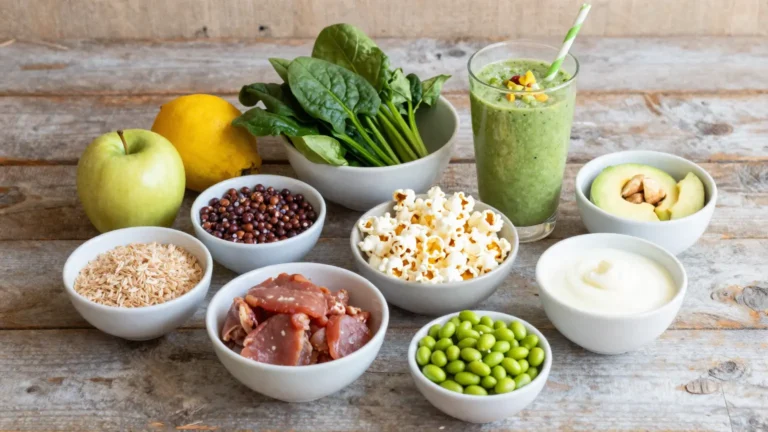
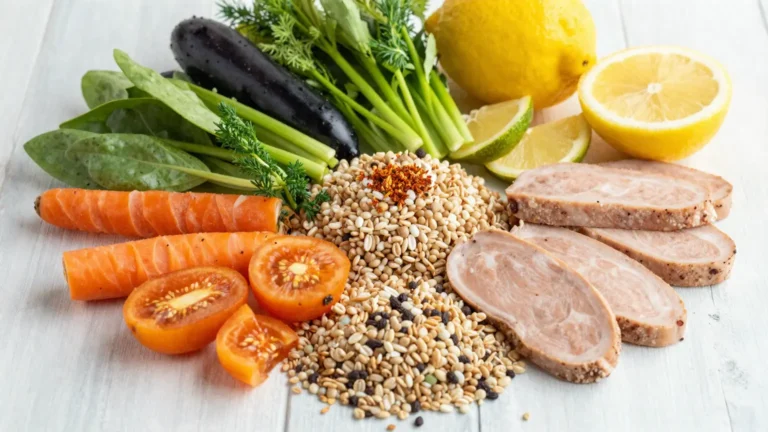
Once you have successfully navigated through the elimination phase of the Autoimmune Paleo Diet (AIP), it’s time to start focusing on what you can eat. The goal during this period is to nourish your body with nutrient-dense foods that support gut healing and reduce inflammation. Let’s delve into the key food groups recommended in the AIP diet:
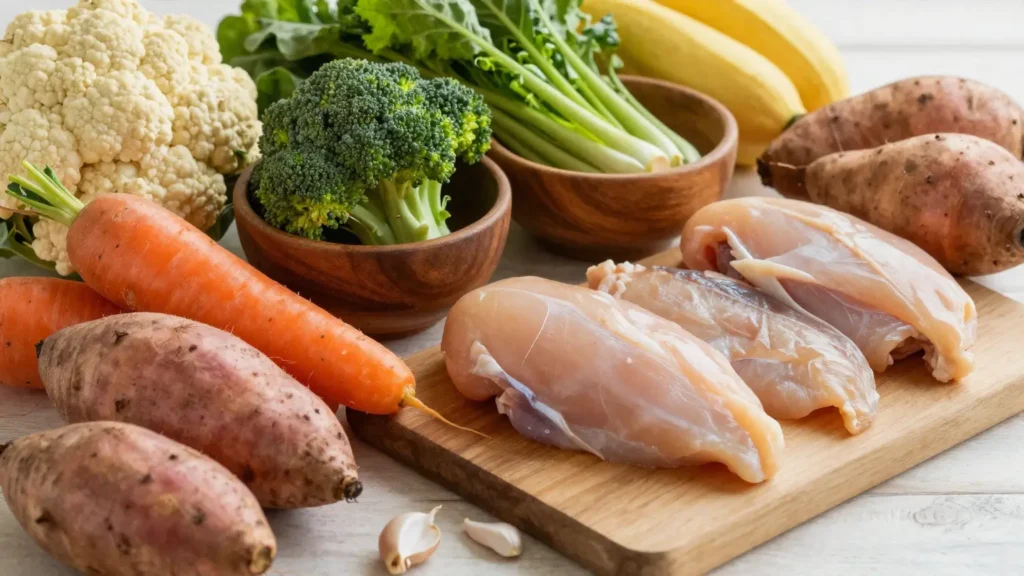
Animal proteins: These form a cornerstone of the AIP diet, providing essential amino acids crucial for tissue repair and immune function. Include lean meats like chicken or turkey, fish such as salmon or cod, and eggs (once reintroduced). Eggs are rich in choline, which supports liver health and brain function.
Vegetables: Aim to eat a wide variety of non-nightshade vegetables that offer diverse nutrients. Leafy greens like spinach and kale provide vitamins A, C, K, and folate; while cruciferous veggies such as broccoli and cauliflower support detoxification processes in the body. > Did you know that one cup of cooked broccoli contains more than 100% of your daily vitamin C requirement?
Fruits: Opt for low-sugar fruits like berries (once reintroduced), which are packed with antioxidants to combat oxidative stress. Berries also contain beneficial compounds known as anthocyanins, which have anti-inflammatory properties.
Healthy fats: Incorporate sources of healthy fats that support cell membrane integrity and hormone production. Avocado, coconut oil, ghee, and olive oil are excellent choices. These fats not only provide essential fatty acids but also aid in nutrient absorption.
Herbs and spices: Utilize herbs and spices to add flavor without relying on salt or artificial additives. Cumin, coriander, turmeric (rich in curcumin), and ginger can be particularly beneficial due to their anti-inflammatory properties. Turmeric, for instance, has been used for centuries in traditional medicine to combat inflammation.
Fermented foods: Include fermented products like sauerkraut, kimchi, or kombucha to enhance gut microbiota diversity and support digestive health. Fermentation breaks down some of the food compounds that might be hard on your gut, making nutrients more accessible.
By focusing on these recommended food groups, you can provide your body with the necessary tools for healing while minimizing the risk of triggering autoimmune responses. Each meal becomes an opportunity to nourish yourself mindfully and thoughtfully, considering not just taste but also how each ingredient contributes to your overall well-being.
Forbidden or Limited Foods on the AIP Diet
When transitioning to the Autoimmune Paleo (AIP) diet, one of the most crucial aspects is understanding which foods you need to avoid. These restrictions are not just about dietary preferences but are rooted in scientific evidence and clinical experience. The goal is to eliminate potential triggers that might cause inflammation or provoke an autoimmune response.
Some of the main categories of forbidden or limited foods include grains, legumes, nightshade vegetables, nuts, seeds, dairy products, eggs, coffee, alcohol, refined sugars, oils, processed foods, food additives, artificial colors, and flavors. These items are removed to establish a baseline from which you can identify your specific intolerances.
Grains and Legumes: Contain compounds like lectins and phytates that can irritate the gut lining. For example, wheat contains gluten, a protein that many people with autoimmune conditions find particularly problematic.
Nightshade Vegetables: Include tomatoes, peppers (bell peppers, chili peppers), eggplants, potatoes (except sweet potatoes or yams), and goji berries. These vegetables contain alkaloids like solanine which can aggravate inflammation in some individuals.
Nuts and Seeds: While they are nutritious, nuts and seeds may also contain inflammatory agents such as lectins and omega-6 fatty acids that promote systemic inflammation. For instance, almonds and walnuts are popular but might be problematic for certain people dealing with autoimmune conditions.
Dairy Products and Eggs: Dairy is a common allergen and contains casein, another potential trigger for some individuals. Similarly, eggs can cause allergic reactions or sensitivities that exacerbate autoimmune symptoms in susceptible persons.
Coffee and Alcohol: Both can irritate the gut lining and disrupt sleep patterns, which are critical factors in managing inflammation and immune function. Coffee, for example, is a stimulant that affects cortisol levels; alcohol, on the other hand, contributes to liver toxicity and digestive stress.
Each of these foods has its own unique set of properties and potential impacts on health, making it important to approach them with caution during the initial phases of the AIP diet. By systematically eliminating these items from your diet, you give your body a chance to heal and reset, potentially leading to significant improvements in symptoms and overall well-being.
Imagine if every bite you take could either help or hinder your journey towards better health. The Autoimmune Paleo Diet is like giving your body a fresh start by removing the triggers that might be holding it back. Are there any specific foods on this list that challenge you the most? How do you think your life would change if you were able to pinpoint and eliminate these triggers?
Nutritional Benefits of Following the AIP Diet
The nutritional benefits of following the Autoimmune Paleo (AIP) diet are substantial, offering both immediate relief from symptoms and long-term health improvements. By focusing on nutrient-dense foods and avoiding potential triggers, you provide your body with a robust foundation for healing.
Eliminating inflammatory foods is one of the primary benefits of AIP. Common dietary irritants like gluten, dairy, and processed sugars are known to trigger inflammation in many individuals. For example, gluten, found in wheat, barley, and rye, can cause intestinal permeability (leaky gut) in sensitive individuals, leading to systemic inflammation. Removing these foods reduces the burden on your immune system, allowing it to focus on fighting real threats rather than reacting to food particles.
In addition to reducing inflammation, the AIP diet supports gut healing. The emphasis on easily digestible proteins and high-fiber vegetables helps repair damaged intestinal walls. For instance, bone broth, a staple in the early stages of AIP, is rich in amino acids like glycine and proline that promote tissue repair and reduce inflammation in the gut lining.
The diet also encourages consumption of omega-3 fatty acids, which have potent anti-inflammatory properties. Fatty fish such as salmon and sardines are excellent sources of EPA and DHA, two types of omega-3s crucial for reducing systemic inflammation. These fats play a critical role not only in mitigating pain but also in supporting brain function and cardiovascular health.
Furthermore, the AIP diet is rich in antioxidants that combat oxidative stress. Berries like blueberries and raspberries are loaded with anthocyanins, potent antioxidants that help neutralize free radicals and reduce inflammation. Antioxidants work synergistically with anti-inflammatory foods to provide comprehensive protection against cellular damage caused by chronic inflammation.
Lastly, the AIP diet promotes hormonal balance through its focus on whole, unprocessed foods. For instance, chia seeds are a great source of phytoestrogens that can help regulate hormone levels. Hormonal imbalances often exacerbate autoimmune symptoms; therefore, stabilizing hormones through proper nutrition is crucial for overall health.
Incorporating these nutritional benefits into your daily diet not only aids in managing autoimmune conditions but also supports long-term wellness and disease prevention. Are you ready to discover how a more mindful approach to eating can transform your life?
Potential Drawbacks and Considerations of the AIP Diet
While the Autoimmune Paleo (AIP) diet offers promising benefits, it’s essential to be aware of potential drawbacks and considerations that may affect your experience. One significant challenge is adherence, as the strict elimination phase can feel restrictive and overwhelming. Imagine trying to stick to a regimen where common staples like bread or pasta are off-limits indefinitely; it’s no small feat.
Nutritional deficiencies are another concern, especially during prolonged adherence to AIP. Since many nutritious foods are eliminated initially, there’s a risk of missing out on vital nutrients if not careful. For instance, vitamin B12 and iron levels can drop, particularly in those who rely heavily on dairy products or eggs as sources for these vitamins. To mitigate this, it’s crucial to work closely with a healthcare provider to ensure you’re meeting your nutritional needs through alternative food choices or supplements.
Moreover, the reintroduction phase, while critical for identifying individual triggers, requires patience and meticulous tracking. Missing even subtle signs of reactions can lead to inaccurate conclusions about what foods should remain off-limits long-term. It’s like a detective puzzle where each clue (symptom) must be carefully observed and recorded. This process demands time and attention but is indispensable in creating an individualized diet plan.
Another consideration is the impact on social life. Dining out or attending gatherings can become challenging when adhering to such restrictive dietary guidelines. Imagine always having to ask about ingredients meticulously or bringing your own meal, which might strain relationships or cause embarrassment. It’s important to communicate openly with friends and family to navigate these situations gracefully.
Lastly, the AIP diet’s efficacy is highly individualized, meaning what works for one person may not work for another. This variability can be both a strength and a challenge. While it allows for personalized approaches, it also highlights the need for careful monitoring and adaptability in your dietary plan. Every body reacts differently to foods; understanding these nuances is key.
Navigating through the complexities of AIP requires commitment, patience, and sometimes professional guidance. Are you prepared to embark on this journey, knowing that every step might reveal something unique about how your body responds to food?
Sample Meal Plan to Get You Started with AIP
Embarking on the Autoimmune Paleo (AIP) diet can feel daunting, especially when trying to plan meals that adhere strictly to dietary guidelines. Here’s a sample meal plan designed to help you get started, ensuring you cover all nutritional bases while enjoying delicious and satisfying food.
Breakfast
Start your day with a nourishing breakfast to fuel your body without triggering inflammation.
- Smoothie Bowl: Blend together 1 ripe banana (once reintroduced), half an avocado, a handful of spinach, and a tablespoon of coconut oil. Top it off with fresh berries (like blueberries or raspberries) once reintroduced and unsweetened shredded coconut flakes for texture.
Lunch
Lunch should be balanced to provide energy throughout the afternoon.
- Grilled Chicken Salad: Mix together leafy greens like kale and spinach, slices of grilled chicken breast, shredded carrots, chopped apples (once reintroduced), and a dressing made from olive oil and apple cider vinegar. Add some diced hard-boiled eggs or avocado for extra protein.
Snack
Midday snacks can help stabilize blood sugar levels and curb cravings.
- Homemade Trail Mix: Combine unsweetened dried cranberries (once reintroduced), raw pumpkin seeds, coconut flakes, and chopped almonds (once reintroduced). This snack provides a mix of healthy fats, fiber, and natural sugars.
Dinner
Dinner should be hearty to support your body’s recovery and repair processes.
- Baked Salmon with Vegetables: Bake salmon fillets seasoned with lemon juice, garlic powder, and paprika. Serve alongside roasted sweet potatoes (unpeeled), steamed broccoli, and a side of quinoa or rice that has been prepared without any additives.
Snack
End the day with a light yet satisfying snack.
- Bone Broth: Sipping on bone broth is an excellent way to provide your body with essential amino acids like glycine and proline. You can add a pinch of salt for flavor.
This meal plan offers a variety of flavors and nutrients while sticking closely to AIP guidelines. Remember, the key to success lies in understanding how each food item affects your unique body. As you progress through the diet phases, gradually reintroduce foods under careful observation to identify any triggers that might cause adverse reactions.
How do you think incorporating such meals into your daily routine would impact your overall health and well-being? Would these meal ideas be challenging or manageable for you given your current lifestyle?
Alternative or Similar Diets to Autoimmune Paleo (AIP)
Exploring other dietary approaches can provide valuable insights into the benefits and limitations of the Autoimmune Paleo Diet. Some diets share similarities with AIP, focusing on inflammation reduction and gut health, while others diverge in their principles and guidelines. Understanding these alternatives helps you make informed decisions about your dietary journey.
Elimination Diets
The FODMAP diet, for instance, is an elimination diet designed to manage symptoms of irritable bowel syndrome (IBS) by reducing consumption of fermentable carbohydrates. While it differs from AIP in its focus on specific carbohydrate groups rather than broad categories of potentially inflammatory foods, both diets aim at identifying and eliminating triggers that cause digestive distress.
The Low-FODMAP Diet
| FODMAPs | AIP |
|---|---|
| Focuses on carbohydrates like fructose, lactose, fructans, galacto-oligosaccharides (GOS), and polyols. | Eliminates grains, legumes, nightshades, nuts, seeds, dairy products, eggs, coffee, alcohol, refined sugars, oils, processed foods, food additives, artificial colors, and flavors. |
| Aims to reduce symptoms of IBS such as bloating, pain, diarrhea, or constipation. | Aims to alleviate autoimmune symptoms by reducing inflammation and promoting gut healing. |
Gluten-Free Diet
The Gluten-Free diet eliminates gluten-containing grains like wheat, barley, and rye due to their impact on individuals with celiac disease or non-celiac gluten sensitivity (NCGS). Although this diet is narrower in scope compared to AIP, it shares the goal of removing harmful substances that can exacerbate autoimmune conditions.
Specific Carbohydrate Diet (SCD)
The Specific Carbohydrate Diet restricts complex carbohydrates and focuses on specific simple sugars. SCD aims to heal the digestive system by eliminating foods that promote bacterial overgrowth in the gut. While it doesn’t focus on all potential AIP triggers, it shares similarities in promoting a cleaner, less inflammatory diet.
Whole30
The Whole30 program encourages eating whole, unprocessed foods for 30 days to improve overall health and identify food sensitivities. Although Whole30 is not specifically tailored for autoimmune disorders like AIP, it eliminates many of the same problematic foods such as sugars, grains, legumes, dairy, and alcohol. This diet can serve as a stepping stone towards an AIP approach by introducing individuals to healthier eating habits.
Mediterranean Diet
The Mediterranean Diet emphasizes whole foods, fruits, vegetables, olive oil, fish, and lean meats while limiting red meat and processed foods. Though it doesn’t target specific autoimmune triggers like AIP does, the diet’s focus on anti-inflammatory foods can complement an AIP regimen by providing a broader nutritional profile.
GAPS Diet
The Gut and Psychology Syndrome (GAPS) diet focuses on healing leaky gut syndrome and improving mental health through dietary changes. Similar to AIP, GAPS eliminates many common allergens but also includes fermented vegetables and probiotic foods to support gut flora balance.
Exploring these alternative diets can offer a broader perspective on managing autoimmune conditions and provide additional strategies for promoting overall wellness. Each diet has its unique strengths and limitations, so choosing the right one depends on your specific needs and health goals. Which of these dietary approaches do you think would work best alongside or as an adaptation of AIP?
How Long Should I Follow the Elimination Phase?
The duration you should follow the elimination phase of the Autoimmune Paleo Diet (AIP) can vary based on individual circumstances, but typically it lasts between 30 to 90 days. This period is crucial for establishing a baseline where your body’s symptoms and inflammation levels are stabilized. During this time, many people experience significant improvements in their autoimmune-related symptoms, such as reduced fatigue, joint pain, skin rashes, or digestive issues.
However, the exact timeline can be flexible and should be guided by how you feel physically and emotionally. Some individuals might notice immediate changes within a few weeks, while others may need more time to see clear benefits. It’s important to listen to your body and seek guidance from healthcare professionals who are familiar with AIP to tailor this phase according to your specific needs.
Why is 30 days often recommended as a minimum? This period allows enough time for noticeable improvements in symptoms, but it also provides an opportunity to assess whether you can realistically adhere to the diet’s strict guidelines. For instance, after about a month, you might feel more confident about managing meal planning and navigating social situations while adhering strictly to AIP.
On the other hand, extending the elimination phase up to 90 days can be beneficial for individuals who have multiple autoimmune conditions or those whose symptoms are particularly stubborn. This extended period gives your body more time to heal and reset, potentially leading to even greater reductions in inflammation and symptom severity.
Ultimately, the decision on how long to follow the initial elimination phase should balance between achieving noticeable health benefits and maintaining realistic expectations about dietary compliance over an extended period. It’s crucial to reassess periodically with your healthcare provider to determine when it’s appropriate to begin the reintroduction phase based on both clinical markers and personal symptom improvement.
Are you finding the elimination phase challenging, or are you noticing positive changes in how you feel? Reflecting on these questions can provide valuable insights into whether extending or shortening this initial phase might be beneficial for your journey towards better health.
Maintaining a Balanced Lifestyle Beyond Strict Dieting
While adhering strictly to the Autoimmune Paleo (AIP) diet during the initial phases can be transformative, it’s equally important to maintain a balanced lifestyle that incorporates more than just dietary changes. Lifestyle factors such as stress management, sleep quality, and physical activity play crucial roles in overall health, especially for those dealing with autoimmune conditions.
Stress Management: Chronic stress is known to exacerbate symptoms of many autoimmune diseases by triggering inflammatory responses. Techniques like mindfulness meditation, yoga, or deep-breathing exercises can help reduce stress levels significantly. Imagine the impact on your body if you could lower daily stress just by dedicating 15 minutes each day to a calming activity.
Sleep Quality: Adequate sleep is vital for immune system regulation and overall health. Aim for at least seven to eight hours of quality sleep per night, as poor sleep can lead to increased inflammation and weakened immunity. Consider establishing a relaxing bedtime routine that includes activities like reading or taking warm baths before bed to promote better sleep.
Physical Activity: Regular exercise can improve cardiovascular health, boost mood, and enhance immune function without overtaxing your body. Low-impact exercises such as walking, swimming, cycling, and gentle yoga are particularly beneficial for those dealing with autoimmune conditions. Engaging in these activities can also help maintain muscle strength, flexibility, and endurance.
Integrating these lifestyle components alongside the AIP diet creates a comprehensive approach to managing autoimmune symptoms. Each aspect complements the others, creating a holistic environment that supports healing and well-being.
How do you think incorporating stress-reduction techniques, better sleep habits, and regular exercise into your daily routine would impact your overall health journey? Would adding these elements make it easier or harder for you to stick with the diet in the long term?
By focusing on both dietary restrictions and lifestyle improvements, you’re creating a multifaceted strategy that addresses all aspects of wellness. This balanced approach not only enhances your immediate symptom relief but also sets the foundation for sustained health over time.
Would taking these steps feel like adding too much to an already challenging diet, or do you see them as integral components that could make the process more manageable and enjoyable?
Summary: Is the AIP Diet Right for Me?
The Autoimmune Paleo Diet (AIP) offers a comprehensive approach to managing autoimmune conditions by eliminating potential triggers that can cause inflammation and disrupt gut health. While the strict elimination phase may seem daunting, many individuals find significant relief from symptoms such as fatigue, joint pain, and digestive issues within weeks or months of adhering to this diet. The key lies in understanding how each food affects your unique body and gradually reintroducing items under careful observation.
By focusing on nutrient-dense foods and mindful eating practices, you provide your body with the tools it needs to heal and regain balance. However, maintaining a balanced lifestyle that includes stress management, quality sleep, and regular physical activity is equally crucial for long-term health benefits. Integrating these holistic approaches can enhance the positive impacts of AIP, creating a supportive environment that fosters overall well-being.
Are you ready to embark on this journey towards better health? How do you think incorporating these dietary changes and lifestyle improvements will impact your daily life and overall quality of wellness?
By embracing the principles of the Autoimmune Paleo Diet and supporting them with holistic living practices, you can take a significant step toward reclaiming control over your health.
Frequently Asked Questions (FAQ)
What is the Autoimmune Paleo (AIP) diet?
The Autoimmune Paleo (AIP) diet is a personalized elimination diet that aims to identify and exclude foods that might trigger immune responses, leading to inflammation and symptoms associated with autoimmune diseases. It focuses on reducing inflammation and supporting gut health.
How does the AIP differ from the regular Paleo diet?
While both diets include an elimination phase, the AIP goes further by eliminating a broader range of potentially inflammatory foods to minimize any possible antigen that might trigger an autoimmune response.
Is expert guidance necessary for the AIP diet?
Yes, accurately implementing the AIP requires guidance and support because it is essential to follow the phases correctly to address individual food sensitivities and health concerns. Unlike the Paleo diet, which doesn’t require this level of expert assistance.
How long should I stay in the elimination phase of the AIP diet?
The duration of the elimination phase can vary based on individual needs and improvements observed. Typically, it is recommended to continue until symptoms significantly improve or stabilize.
What are some benefits of following the AIP diet?
Following the AIP diet can help reduce inflammation, support gut health, manage autoimmune conditions, regulate immune responses, and promote overall well-being through better nutrient intake and dietary choices.
Are there any drawbacks to the AIP diet?
Potential drawbacks include the strictness of the diet during the elimination phase, which might be challenging for some individuals. It can also be difficult to maintain long-term without support or adjustments based on individual needs.
Can I reintroduce foods after the elimination phase?
Yes, once symptoms have improved significantly, you can gradually reintroduce certain foods under professional guidance to identify personal food sensitivities and tolerance levels.
What kind of food should I avoid while following AIP?
Commonly avoided foods include grains, legumes, nuts, seeds, dairy, nightshades (like tomatoes and peppers), eggs, coffee, alcohol, processed sugars, and other potentially inflammatory ingredients.
How does the gut microbiome play a role in the AIP diet?
The gut microbiome is crucial for immune regulation and overall health. The AIP focuses on improving gut health to enhance immune responses and reduce inflammation associated with autoimmune diseases.
Can the AIP diet help manage specific autoimmune conditions?
Yes, studies suggest that the AIP can potentially help manage various autoimmune conditions by reducing symptoms and inflammation through dietary modifications aimed at supporting gut health and immune regulation.