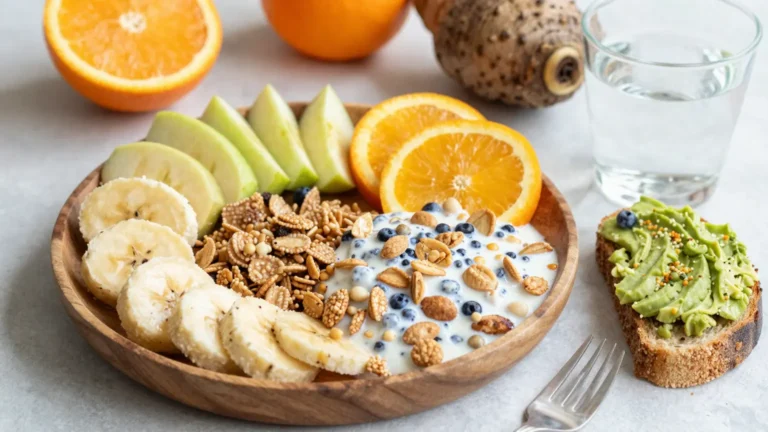
Introduction: Understanding Low FODMAP Fibers
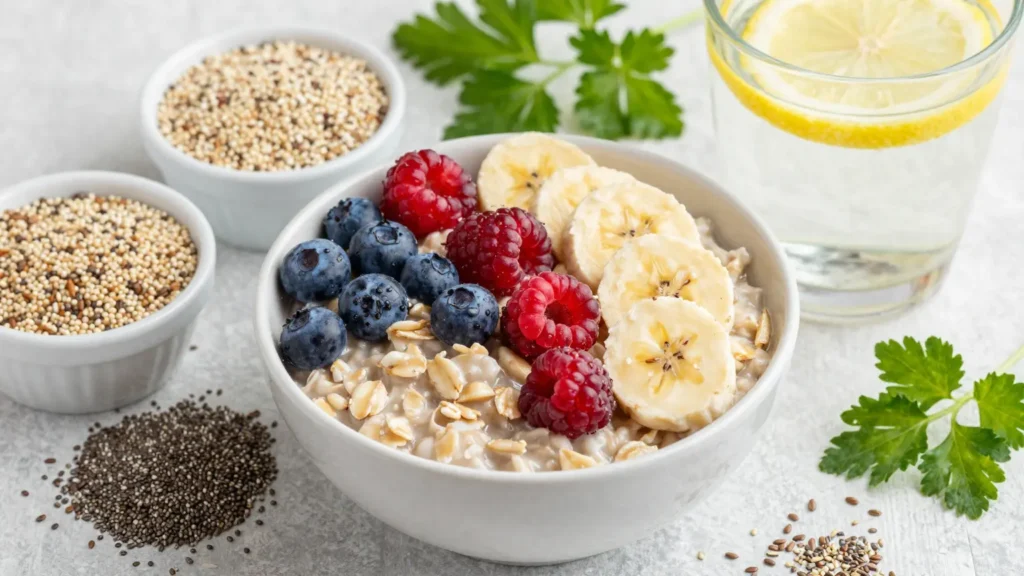
Embarking on the journey of understanding Low FODMAP Fibers opens up a world of possibilities for those navigating the complexities of irritable bowel syndrome (IBS) and other functional digestive issues. The term “FODMAPs” stands for Fermentable Oligosaccharides, Disaccharides, Monosaccharides, And Polyols – these are short-chain carbohydrates that can cause discomfort when not properly absorbed in the small intestine. By identifying which foods contain these fermentable sugars and limiting their intake through a low FODMAP diet, individuals can often find relief from symptoms like bloating, gas, cramping, and diarrhea.
Recent studies have unveiled intriguing insights into how our dietary choices influence gut health beyond just symptom management. For example, lactose intolerance is common among those with IBS due to reduced production of the enzyme lactase as we age, which affects how well dairy products are digested. This connection underscores why a diet tailored to reduce or eliminate trigger foods can be so beneficial for digestive comfort.
Understanding low FODMAP fibers also means delving into the intricate relationship between dietary intake and gut microbiota balance. Emerging research suggests that microbial dysbiosis – when the types and ratios of bacteria in our gut become imbalanced – plays a crucial role in IBS symptoms. For instance, lower levels of Prevotella, a fiber-loving bacterium linked to better digestion, correlate with more severe IBS symptoms. This finding highlights how adjusting one’s diet can positively impact gut health by fostering a more favorable bacterial environment.
As you delve deeper into the low FODMAP approach, consider it not just as a restrictive diet but as a strategic tool for optimizing digestive comfort and overall well-being. By choosing Low FODMAP Fiber Sources wisely, you’re taking control of your dietary journey towards better gut health.
What Are Low FODMAP Foods?
When exploring low FODMAP foods, it’s crucial to understand which fruits and vegetables are safe for consumption. Fruits like bananas, blueberries, cantaloupe, kiwi, mandarins, oranges, strawberries, and pineapple can be enjoyed without triggering symptoms in most people following a low FODMAP diet. However, keep an eye on serving sizes as even these “safe” fruits can become problematic if eaten excessively.
Similarly, vegetables such as bell peppers, carrots, cucumbers, green beans, lettuce (romaine), zucchini, and potatoes are generally considered safe. These vegetables not only provide essential nutrients but also support a healthy diet rich in fiber without exacerbating digestive issues.
Grains and Legumes: When it comes to grains, rice and quinoa are excellent choices for those adhering to a low FODMAP diet. They offer a good source of carbohydrates that can be easily digested by individuals sensitive to certain sugars. On the other hand, legumes like chickpeas and lentils contain higher levels of FODMAPs, making them less suitable for immediate consumption unless well-cooked or in small portions.
Proteins: Fish, lean meats, eggs, and tofu are safe protein options that do not typically cause digestive discomfort. These foods provide essential amino acids necessary for muscle repair and growth without the risk of triggering IBS symptoms.
Dairy Alternatives:
Choosing dairy alternatives is also important if you’re lactose intolerant or avoiding high FODMAP dairy products. Almond milk, rice milk, and coconut milk are great substitutes that can be used in various recipes from smoothies to cooking sauces. However, always check labels carefully as some brands may add ingredients like inulin, which increases the FODMAP content.
Understanding what foods contain low levels of FODMAPs is just one aspect of managing IBS through diet. Hydration also plays a critical role in maintaining digestive health. Drinking plenty of water helps soften stools and prevent constipation, further reducing symptoms associated with irritable bowel syndrome.
Adopting a low FODMAP lifestyle doesn’t have to be restrictive; it can offer relief from uncomfortable symptoms while still allowing for a balanced diet full of delicious foods. Experimenting with different low FODMAP recipes and ingredients might help you discover new favorite meals that don’t compromise your digestive health.
The human body produces about 10 liters of saliva daily, which contains enzymes to begin breaking down food even before it reaches the stomach. This highlights how our digestive process starts much earlier than we often think!
How Do Low FODMAP Foods Affect Gut Health?
The impact of low FODMAP foods on gut health is profound and multifaceted. By reducing the intake of fermentable carbohydrates, individuals can experience significant relief from digestive symptoms commonly associated with IBS. Fermentation in the large intestine by bacteria produces gases such as hydrogen and methane, which often cause bloating, pain, and discomfort.
One key way low FODMAP foods benefit gut health is by reducing inflammation. High levels of certain fermentable sugars can lead to increased intestinal permeability and chronic inflammation, both of which are detrimental to overall digestive wellness. By eliminating or reducing these sugars, the body has less opportunity to trigger inflammatory responses in the gut lining.
Moreover, the low FODMAP diet helps stabilize bowel movements by balancing fluid levels within the intestines. This regulation is crucial for preventing conditions such as constipation and diarrhea, which are frequent complaints among individuals with IBS. For instance, foods rich in soluble fiber like oats help absorb water to soften stools, while insoluble fibers found in vegetables can add bulk to aid in regular bowel movements.
Another significant benefit of adhering to a low FODMAP diet is its potential to rebalance gut microbiota. Certain high-FODMAP foods feed specific types of bacteria that may exacerbate symptoms when present in excess. By limiting these foods, you encourage the growth of beneficial bacterial strains, thereby fostering a more balanced and healthy microbial environment.
It’s important to note that while the low FODMAP diet provides immediate relief from digestive discomfort for many people, it should not be viewed as a long-term solution without proper guidance. Over time, healthcare providers may recommend reintroducing certain foods in controlled amounts to identify personal tolerance levels and maintain dietary diversity.
Did you know? The human gut is home to trillions of microorganisms, collectively known as the microbiome. This complex ecosystem plays a crucial role not only in digestion but also in immune function, mood regulation, and even weight management.
By making informed choices about low FODMAP foods, individuals can take proactive steps towards improving their gut health and overall quality of life.
Which Foods Contain Beneficial Low FODMAP Fibers?
Identifying foods rich in low FODMAP fibers is essential for those looking to alleviate digestive symptoms without sacrificing nutritional value. Certain grains and legumes can serve as excellent sources of fiber while being relatively low in fermentable carbohydrates. For example, rice and quinoa are beneficial choices due to their lower levels of fructans and galacto-oligosaccharides (GOS), which are common FODMAP culprits. These grains can be incorporated into meals like salads, stir-fries, or as a base for soups.
Similarly, while many legumes pose challenges for individuals following a low FODMAP diet due to their high GOS content, there are exceptions. Mung beans and black-eyed peas, when properly prepared through soaking and cooking, can be partially tolerated by some people. However, it’s crucial to start with small servings and monitor your body’s response.
Another important source of low FODMAP fiber is nuts and seeds. While almonds and cashews are generally well-tolerated in moderate amounts, chia seeds stand out for their high fiber content without significant FODMAPs. These can be added to smoothies or used in baking recipes as a nutritious alternative.
Additionally, exploring various types of fruits and vegetables beyond the commonly known options opens up more dietary choices. For instance, avocados, which are rich in monounsaturated fats and fiber but low in fructans, make for great additions to salads or served on their own with a squeeze of lime juice. Another lesser-known option is papaya; its enzymes aid digestion, making it an excellent choice for those managing IBS symptoms.
Understanding the nuances between different fruits and vegetables can significantly enhance one’s ability to navigate dietary restrictions while maintaining optimal nutrition. For example, green peas are typically avoided in a low FODMAP diet due to their high GOS content, but yellow split peas (when cooked thoroughly) might be more easily digestible for some individuals.
Incorporating these diverse sources of fiber into daily meals helps ensure that essential nutrients are not neglected while adhering to the low FODMAP guidelines. This approach supports a balanced diet and better digestive health.
Did you know? The gut microbiome is incredibly dynamic, capable of changing composition rapidly in response to dietary shifts within just 24 hours!
Incorporating Low FODMAP Fibers into Your Diet
Incorporating low FODMAP fibers into your daily meals requires thoughtful planning and creativity. One effective way to start is by gradually introducing new food items while carefully monitoring how your body reacts. For instance, chia seeds can be a versatile addition to various dishes. They absorb liquid and become gel-like, making them perfect for thickening sauces or as a base for puddings.
Another strategy involves experimenting with different preparation methods. Cooking techniques such as boiling, steaming, and sautéing can reduce the FODMAP content in certain foods while retaining their nutritional value. For example, carrots are well-tolerated when cooked but may cause discomfort if consumed raw due to higher levels of fructans.
Creating a balanced meal plan that includes a variety of low FODMAP fiber sources is also beneficial. Combining different types of grains like rice and quinoa with vegetables such as bell peppers, cucumbers, and zucchini provides a diverse range of nutrients while minimizing potential triggers.
Moreover, preparing snacks and meals in advance can help manage symptoms effectively. Homemade granola bars made from oats (a low FODMAP grain) combined with nuts, seeds, and dried fruits like cranberries or cherries offer both convenience and nutritional value.
Understanding portion control is equally important when integrating new foods into your diet. Even naturally occurring safe foods can become problematic if consumed in large quantities. For example, bananas are generally well-tolerated but should be eaten in moderation as the FODMAP content increases with ripeness.
By staying informed about low FODMPA fiber sources and experimenting with different recipes, individuals can enjoy a wide variety of delicious meals while managing their digestive health effectively.
The human body contains more bacterial cells than human cells, outnumbering them by approximately 10 to 1!
Incorporating Low FODMAP Fiber into Your Diet
Incorporating low FODMAP fibers into your meals doesn’t have to mean sacrificing taste or variety. One way to make this transition easier is by exploring new recipes that use approved ingredients in creative ways. For example, you can turn chia seeds into a delightful pudding by combining them with almond milk and a touch of vanilla extract. This simple recipe not only provides a tasty snack but also delivers essential nutrients like omega-3 fatty acids and fiber.
Another idea is to experiment with different cooking methods for vegetables that might otherwise be off-limits due to their FODMAP content when raw. Green beans, which are generally well-tolerated once cooked, can become the star ingredient in a creamy bean soup made with coconut milk and seasoned with herbs like thyme or parsley.
When it comes to grains, consider making a quinoa salad packed with low-FODMAP vegetables such as bell peppers, cucumbers, and zucchini. Adding a squeeze of lemon juice and a drizzle of olive oil can enhance the flavors while keeping the dish simple and refreshing.
For those who enjoy baking but need to be mindful of FODMAPs, try making your own chia seed crackers by mixing chia seeds with water until they form a gel-like consistency. Spread this mixture on a baking sheet and sprinkle it with sesame or pumpkin seeds for added crunch. These crackers make an excellent snack or can be used as a base for spreads like avocado or hummus.
Experimenting with different flavors and textures through these recipes not only keeps your meals interesting but also ensures you’re getting all the necessary nutrients without triggering digestive symptoms.
Did you know that our gut microbiome contains over 1,000 species of bacteria? This diverse community plays a critical role in maintaining overall health.
Long-Term Benefits of Adhering to Low FODMAP Guidelines
Adhering to low FODMAP guidelines isn’t just about immediate relief from digestive symptoms; it can also lead to long-term improvements in gut health and overall well-being. By consistently following these dietary recommendations, you may notice a reduction in inflammation throughout the body, which could have broader implications for chronic conditions such as arthritis or even mental health issues like depression.
Furthermore, maintaining a balanced diet rich in low FODMAP fibers helps stabilize bowel movements over time. This consistency can reduce the frequency of alternating diarrhea and constipation that many IBS sufferers experience, leading to more predictable digestive patterns and less anxiety about unexpected symptoms.
In addition to symptom management, adopting a low FODMAP lifestyle encourages mindful eating habits and greater awareness of food intolerances. Learning to identify personal triggers through gradual reintroductions under professional guidance can empower individuals to tailor their diets even further based on individual responses rather than following a one-size-fits-all approach.
Lastly, the psychological impact of managing IBS symptoms successfully cannot be overlooked. Knowing that specific dietary changes lead to improved quality of life can boost self-confidence and overall satisfaction with health management strategies.
The gut-brain axis is a complex communication network involving neural, hormonal, and immunological pathways between the gastrointestinal tract and the central nervous system.
Benefits of Eating Low FODMAP Foods
Eating low FODMAP foods can significantly improve digestive comfort and overall well-being for individuals dealing with IBS. By reducing the intake of fermentable carbohydrates, you minimize symptoms like bloating, gas, and abdominal pain. This dietary approach allows many people to enjoy a more relaxed and enjoyable dining experience without worrying about triggering uncomfortable reactions.
A key benefit is the reduction in inflammation. High levels of FODMAPs can lead to increased intestinal permeability and chronic inflammation, contributing to digestive discomfort and potentially other health issues like inflammatory bowel disease (IBD). By adhering to a low FODMAP diet, you create an environment less conducive to inflammatory responses within your gut lining.
Another significant advantage is the regulation of bowel movements. Low FODMAP foods help maintain consistent fluid levels in the intestines, which can prevent both constipation and diarrhea – common challenges for those with IBS. Soluble fibers found in certain fruits, vegetables, and grains absorb water to soften stools, while insoluble fibers add bulk to aid regularity.
Low FODMAP diets also play a crucial role in balancing gut microbiota. Specific types of bacteria thrive on fermentable sugars, which can lead to an imbalance if consumed excessively. By limiting these foods, you encourage the growth and dominance of beneficial bacterial strains that support digestive health.
Moreover, adopting a low FODMAP lifestyle promotes greater awareness of individual food sensitivities and triggers. This heightened sensitivity allows for personalized diet adjustments based on personal responses, rather than following generic guidelines. Over time, this can lead to more sustainable dietary practices tailored specifically to your unique needs.
Incorporating low FODMAP foods into your daily meals not only addresses immediate digestive symptoms but also lays the groundwork for long-term gut health and improved quality of life.
The human body contains over 100 trillion bacteria cells, outnumbering human cells by a ratio of about 10 to 1. This vast microbial community plays a vital role in digestion and overall health.
By embracing low FODMAP foods and understanding their benefits, you can take proactive steps towards enhancing your digestive comfort and supporting your gut microbiota for better long-term wellness.
Did you know? The human gut produces more than 20 neurotransmitters, including serotonin, which significantly influences mood regulation. This highlights the intricate connection between gut health and mental well-being.
Continuing to explore and incorporate low FODMAP foods can lead to a richer, more varied diet that supports your digestive needs without compromising on taste or nutrition.
The human gut microbiome is so diverse that no two individuals share exactly the same microbial composition, making personalized dietary approaches increasingly important for optimal health.
Risks and Considerations for Low FODMAP Diets
While the low FODMAP diet offers substantial benefits for those dealing with digestive issues like IBS, it’s important to consider potential risks and limitations. Nutritional deficiencies can occur if the diet is followed too strictly over a long period without proper guidance. For instance, limiting whole grains might reduce intake of essential vitamins and minerals such as iron, calcium, and B-vitamins.
Another critical aspect is reintroduction phases, which are often overlooked or rushed through. These phases are crucial for identifying personal tolerance levels to various FODMAPs after initial symptom relief has been achieved. Skipping this step can lead to unnecessary restrictions that aren’t truly necessary for maintaining digestive health.
Furthermore, the low FODMAP diet isn’t a one-size-fits-all solution; individual variations in tolerance play a significant role. What triggers symptoms for one person might not affect another equally. Understanding personal thresholds requires careful monitoring and professional guidance, making it less about strict rules and more about personalized dietary adjustments.
It’s also important to note that while the diet can be highly effective, there are situations where other approaches may offer better results or complement a low FODMAP strategy. For example, probiotics might help in rebalancing gut bacteria, especially when certain foods need to be reintroduced gradually.
Lastly, the emotional aspect of dietary changes shouldn’t be underestimated. The psychological impact of adhering to strict guidelines can lead to stress and anxiety for some individuals, potentially exacerbating digestive symptoms. Encouraging a balanced approach that includes support from healthcare professionals, nutritionists, and mental health experts can help manage these challenges more effectively.
By acknowledging these risks and considerations, individuals can better navigate the complexities of the low FODMAP diet, ensuring it remains a positive tool in their journey towards improved digestive health.
Did you know? The gut microbiome’s influence extends beyond digestion to include metabolism, immune function, and even brain development!
Comparing Low FODMAP Diets to Other Approaches
When considering various diets aimed at improving digestive health, the low FODMAP diet stands out for its efficacy and specificity. However, it’s crucial to understand how it compares to other dietary approaches like the Specific Carbohydrate Diet (SCD), Paleo Diet, and Gluten-Free Diet.
Low FODMAP vs. SCD
The Specific Carbohydrate Diet restricts all disaccharides and polysaccharides, focusing on monosaccharide-based foods such as fruits, vegetables, meats, fish, and certain oils. While both diets aim to reduce digestive symptoms by eliminating specific carbohydrates, the low FODMAP diet is more focused and less restrictive.
- Low FODMAP Diet: Targets fermentable sugars (FODMAPs) in small quantities that can cause bloating and other IBS symptoms.
- SCD: Completely avoids all complex carbs, which may be overly restrictive for some individuals looking to maintain a balanced diet.
Low FODMAP vs. Paleo Diet
The Paleo Diet emphasizes eating like our Paleolithic ancestors by excluding processed foods, grains, dairy products, and legumes while focusing on lean meats, fish, fruits, vegetables, nuts, and seeds. Unlike the low FODMAP diet, it does not specifically address fermentable sugars.
- Low FODMAP Diet: Provides a detailed list of safe and restricted foods based on scientific research.
- Paleo Diet: Is more about eliminating processed foods and modern dietary components rather than focusing on specific carbohydrates like FODMAPs.
Low FODMAP vs. Gluten-Free Diet
The Gluten-Free Diet is designed for those with celiac disease or gluten sensitivity, avoiding all products containing wheat, barley, rye, and other sources of gluten. While this diet can improve symptoms in some individuals, it doesn’t specifically target fermentable sugars that cause digestive issues.
- Low FODMAP Diet: Offers a structured approach to identifying and eliminating specific trigger foods based on their FODMAP content.
- Gluten-Free Diet: Is more general in its focus, primarily concerned with gluten-containing grains rather than other fermentable carbohydrates.
Table Comparison
| Approach | Focus | Dietary Restrictions |
|---|---|---|
| Low FODMAP | Fermentable sugars (FODMAPs) | Eliminates specific high-FODMAP foods; gradually reintroduces them to identify personal triggers. |
| Specific Carbohydrate | Complex carbohydrates | Avoids all disaccharides and polysaccharides, focusing on monosaccharide-based foods. |
| Paleo | Modern processed foods, grains | Excludes grains, dairy products, legumes; emphasizes lean meats, fruits, vegetables, nuts, seeds. |
| Gluten-Free | Gluten-containing grains | Avoids wheat, barley, rye; eliminates other sources of gluten but does not specifically address fermentable sugars. |
Each diet has its unique benefits and drawbacks when it comes to managing digestive symptoms. While the low FODMAP diet is highly specialized in addressing IBS-related discomfort through targeted elimination of specific carbohydrates, others like SCD, Paleo, and Gluten-Free offer broader dietary guidelines aimed at overall health and well-being.
Choosing the right approach often depends on individual needs, symptom severity, and personal preferences. Consulting with healthcare professionals can provide tailored guidance to ensure that dietary changes effectively support digestive health without unnecessary restrictions.
Did you know? The gut microbiome is as unique as a fingerprint, making personalized nutrition plans increasingly important for optimal health outcomes.
By understanding the nuances between different dietary approaches, individuals can make informed decisions about which diet aligns best with their specific needs and goals.
Improving IBS Symptoms with Low FODMAP Fibers
Adhering to low FODMAP guidelines isn’t just about immediate relief from digestive symptoms; it can also lead to long-term improvements in gut health and overall well-being. By consistently following these dietary recommendations, you may notice a reduction in inflammation throughout the body, which could have broader implications for chronic conditions such as arthritis or even mental health issues like depression.
Furthermore, maintaining a balanced diet rich in low FODMAP fibers helps stabilize bowel movements over time. This consistency can reduce the frequency of alternating diarrhea and constipation that many IBS sufferers experience, leading to more predictable digestive patterns and less anxiety about unexpected symptoms.
In addition to symptom management, adopting a low FODMAP lifestyle encourages mindful eating habits and greater awareness of food intolerances. Learning to identify personal triggers through gradual reintroductions under professional guidance can empower individuals to tailor their diets even further based on individual responses rather than following a one-size-fits-all approach.
Lastly, the psychological impact of managing IBS symptoms successfully cannot be overlooked. Knowing that specific dietary changes lead to improved quality of life can boost self-confidence and overall satisfaction with health management strategies.
Benefits of Eating Low FODMAP Foods
Eating low FODMAP foods can significantly improve digestive comfort and overall well-being for individuals dealing with IBS. By reducing the intake of fermentable carbohydrates, you minimize symptoms like bloating, gas, and abdominal pain. This dietary approach allows many people to enjoy a more relaxed and enjoyable dining experience without worrying about triggering uncomfortable reactions.
A key benefit is the reduction in inflammation. High levels of FODMAPs can lead to increased intestinal permeability and chronic inflammation, contributing to digestive discomfort and potentially other health issues like inflammatory bowel disease (IBD). By adhering to a low FODMAP diet, you create an environment less conducive to inflammatory responses within your gut lining.
Another significant advantage is the regulation of bowel movements. Low FODMAP foods help maintain consistent fluid levels in the intestines, which can prevent both constipation and diarrhea – common challenges for those with IBS. Soluble fibers found in certain fruits, vegetables, and grains absorb water to soften stools, while insoluble fibers add bulk to aid regularity.
Low FODMAP diets also play a crucial role in balancing gut microbiota. Specific types of bacteria thrive on fermentable sugars, which can lead to an imbalance if consumed excessively. By limiting these foods, you encourage the growth and dominance of beneficial bacterial strains that support digestive health.
Moreover, adopting a low FODMAP lifestyle promotes greater awareness of individual food sensitivities and triggers. This heightened sensitivity allows for personalized diet adjustments based on personal responses, rather than following generic guidelines. Over time, this can lead to more sustainable dietary practices tailored specifically to your unique needs.
Incorporating low FODMAP foods into your daily meals not only addresses immediate digestive symptoms but also lays the groundwork for long-term gut health and improved quality of life.
The human body contains over 100 trillion bacteria cells, outnumbering human cells by a ratio of about 10 to 1. This vast microbial community plays a vital role in digestion and overall health.
By embracing low FODMAP foods and understanding their benefits, you can take proactive steps towards enhancing your digestive comfort and supporting your gut microbiota for better long-term wellness.
Did you know? The human gut produces more than 20 neurotransmitters, including serotonin, which significantly influences mood regulation. This highlights the intricate connection between gut health and mental well-being.
Continuing to explore and incorporate low FODMAP foods can lead to a richer, more varied diet that supports your digestive needs without compromising on taste or nutrition.
The human gut microbiome is so diverse that no two individuals share exactly the same microbial composition, making personalized dietary approaches increasingly important for optimal health.
Summary: Importance of Low FODMAP Fibers in Gut Health
In summary, embracing a low FODMAP diet can significantly enhance digestive comfort and overall well-being for individuals dealing with irritable bowel syndrome (IBS). By identifying and eliminating foods that contain fermentable sugars like fructans, galacto-oligosaccharides (GOS), lactose, fructose, and polyols, you can reduce symptoms such as bloating, gas, and abdominal pain. This dietary approach not only offers immediate relief but also supports long-term gut health by reducing inflammation, stabilizing bowel movements, and balancing gut microbiota.
Understanding the importance of low FODMAP fibers in your diet allows for a more mindful and personalized eating experience. By experimenting with diverse recipes and preparation methods, you can enjoy a wide variety of nutritious foods without triggering digestive discomfort. Incorporating beneficial fiber sources like rice, quinoa, avocados, and chia seeds not only nourishes the body but also promotes mental well-being by reducing anxiety associated with unpredictable symptoms.
As you navigate your dietary journey, remember to approach this process with patience and curiosity. Consultation with healthcare professionals can provide tailored guidance to identify personal food tolerances and optimize long-term digestive health. By embracing low FODMAP foods, you take a proactive step towards enhancing both your physical and mental well-being.
Frequently Asked Questions (FAQ)
What are low FODMAP fiber sources?
Low FODMAP fiber sources include foods that contain fermentable fibers but are processed to remove or significantly reduce oligosaccharides (like fructans and galacto-oligosaccharides), disaccharides (such as lactose), monosaccharides, and polyols. Examples of low FODMAP fiber sources include brown rice, quinoa, oats without added sugars, lentils in limited amounts, and certain fruits like strawberries and blueberries.
Are there benefits to eating more low FODMAP fibers?
Yes, consuming low FODMAP fibers can help manage symptoms associated with irritable bowel syndrome (IBS), such as bloating, gas, abdominal pain, and diarrhea. It can also support gut health by promoting the growth of beneficial bacteria without triggering digestive discomfort in sensitive individuals.
Can I eat fruits on a low FODMAP diet? If so, which ones?
Yes, you can eat certain fruits that are lower in FODMAPs. Some examples include bananas (when ripe), blueberries, strawberries, and oranges. However, it’s important to consume these fruits in moderation and be aware of portion sizes as they may still contain some level of FODMAP content.
What vegetables can I incorporate into my low FODMAP diet?
You can enjoy a variety of vegetables on a low FODMAP diet such as carrots (raw or cooked), green beans, cucumbers, lettuce, and spinach. Just be mindful of the serving sizes to avoid high-FODMAP vegetables like onions, garlic, and legumes.
Are there grains suitable for a low FODMAP diet?
Yes, several grains are acceptable on a low FODMAP diet, including rice (white or brown), quinoa, oats without added sugars, and cornmeal. Whole wheat products should be avoided as they contain high levels of fructans which can cause digestive issues.
How does the low FODMAP diet compare to other dietary approaches for gut health?
The low FODMAP diet is often recommended alongside other diets like the specific carbohydrate diet (SCD) and paleo diet, especially in cases of IBS. It differs from these diets in its focus on reducing fermentable carbohydrates specifically known to trigger symptoms in sensitive individuals.
What are some meal ideas for someone following a low FODMAP diet?
Breakfast options might include oatmeal with bananas and blueberries or scrambled eggs with spinach. For lunch, you could have a salad made from mixed greens topped with grilled chicken breast and cherry tomatoes. Dinner ideas include baked salmon served with quinoa and steamed green beans.
How long should I follow the low FODMAP diet?
The length of time varies depending on individual needs but typically involves an elimination phase lasting about 6-8 weeks followed by a reintroduction phase where specific foods are gradually introduced to identify personal triggers. Consulting with a healthcare provider or registered dietitian can help tailor this process.
Are there risks associated with the low FODMAP diet?
While generally safe for short-term use, prolonged adherence to the low FODMAP diet may lead to deficiencies in certain nutrients due to restrictive food choices. This includes fiber and other important vitamins and minerals. Therefore, it’s crucial to seek professional guidance when planning this type of diet.
How can I ensure I get enough fiber while on a low FODMAP diet?
To meet your daily fiber requirements, focus on including plenty of vegetables, fruits in limited quantities (like strawberries), nuts and seeds, as well as gluten-free grains like rice and quinoa. Always aim for variety within the guidelines to maintain balanced nutrition.
Can I drink milk while following a low FODMAP diet? If not, what are some alternatives?
Regular dairy products containing lactose should be avoided or limited. Instead, opt for lactose-free milk, almond milk, rice milk, or oat milk which generally have lower levels of fermentable carbohydrates and are better tolerated by those sensitive to FODMAPs.