Introduction: Guide to Low-Fiber Diet Before Colonoscopy
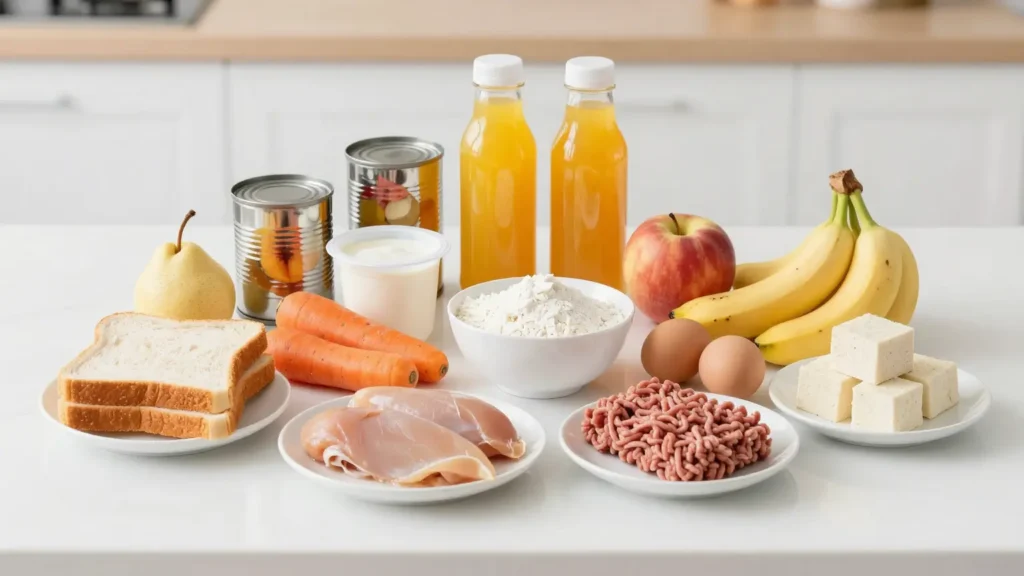
Foods Low in Fiber for Colonoscopy are essential to ensure that your digestive system is as clear and clean as possible during the colonoscopy procedure. This preparatory diet plays a critical role in helping doctors accurately detect any potential issues or early signs of colorectal cancer. Imagine how much clearer the view would be if there were no undigested food particles clouding up your intestines!
Starting this low-fiber journey means making some adjustments to your usual eating habits, but it’s not as daunting as it might seem. Think of it as a temporary culinary adventure where you explore new textures and flavors that are easier for your body to process. You’ll be savoring soft, smooth meals rather than crunchy or chewy ones, ensuring everything passes through smoothly without leaving behind any unnecessary residue.
From white bread to peeled bananas, the list of acceptable foods is surprisingly versatile and includes many familiar items you might not have realized were low in fiber. But before you dive into this new menu, remember that there are certain things you’ll need to avoid – like whole grains and tough vegetables – to make sure your colonoscopy goes off without a hitch. This temporary dietary shift isn’t just about what you eat; it’s also about making the most of a crucial health check-up.
Are you ready to embark on this digestive journey? Let’s explore how these simple changes can make a big difference in ensuring your colonoscopy is as effective and thorough as possible.
Understanding Low-Fiber Foods
Choosing low-fiber foods before your colonoscopy means selecting items that are easy to digest and leave little residue behind. Think of it as preparing your body for a thorough cleaning by opting for softer, smoother textures rather than crunchy or fibrous ones.
Low-fiber options include refined grains like white rice, pasta made from white flour, and bread without bran or whole grain ingredients. When selecting fruits, opt for those that are peeled and cooked if possible, such as bananas or canned peaches. This process helps break down the fiber content and makes digestion easier on your system.
Important Note: It’s crucial to read labels carefully, even when you think a product is low in fiber. For instance, some bread labeled “white” might still contain whole grains or seeds that are higher in fiber than what’s ideal for this dietary plan.
Vegetables can also be included but must be well-cooked and without skins or seeds. Examples include carrots, squash, and peas served soft and mushy rather than crisp and fresh from the garden. This preparation method ensures that vegetables don’t cause any obstruction during your bowel prep process.
Did you know that canned fruits and vegetables often contain added sugars? While these are acceptable on a low-fiber diet, it’s wise to check for lower-sugar options or rinse them before eating to reduce sugar intake.
As you plan your meals, consider how each food item will affect your digestive system. Remember, the goal is not just about taste but also about making sure that nothing interferes with the clarity of your colonoscopy images.
Foods to Include in Your Low-Fiber Diet
When crafting your low-fiber meal plan, focus on foods that are gentle on your digestive system and easy to digest. Start by incorporating plenty of refined grains such as white rice, pasta, and noodles made from white flour. These choices provide the necessary carbohydrates without adding bulk or fiber.
Incorporating dairy products can also be beneficial during your low-fiber diet. Opt for items like buttermilk, skim milk, and soft cheese that are free from added seeds or whole grains. Nonfat yogurt is another great option, especially if it’s smooth with no fruit chunks or granola mixed in.
Protein sources should also be lean and well-cooked to ensure they pass through your digestive system smoothly. Eggs, tender meats like chicken breast without skin, and tofu are excellent choices. Creamy peanut butter can be used sparingly, but make sure there are no added nuts or seeds within the spread.
Juices play a crucial role in your low-fiber diet as well. Choose clear juices such as apple juice or grape juice to stay hydrated while avoiding fiber-rich pulp and solids. Avoiding beverages with high sugar content is wise; opt for water or unsweetened drinks instead.
When it comes to fruits, prioritize those that are peeled or canned without their skins or seeds. Examples include bananas (peeled), applesauce, and canned peaches.
A medium-sized banana has around 3 grams of fiber, but when peeled, this fibrous content is eliminated in the low-fiber diet context.
By selecting these specific foods, you help ensure that your colonoscopy provides clear views for better diagnosis and treatment outcomes. Remember, every choice made during this period contributes to a smoother procedure experience.
Milk and Milk Products Allowed
Incorporating dairy products into your low-fiber meal plan can provide essential nutrients while keeping fiber content to a minimum. Buttermilk, skim milk, and soft cheeses are excellent choices as they do not contain added seeds or whole grains that might interfere with the preparation process.
Nonfat yogurt is another great option for adding calcium and protein to your diet without the worry of excess fiber. Opt for varieties that are smooth and free from fruit chunks, granola, or other add-ins that could increase fiber content.
Smoothies made with non-fat milk or buttermilk can be a refreshing way to incorporate dairy into your meals while ensuring they remain low in fiber. Adding some honey or sugar-free flavorings can enhance the taste without adding unnecessary bulk.
It’s important to note that lactose intolerance shouldn’t prevent you from including these products, as many people with mild lactose intolerance can still consume small amounts of milk and yogurt without significant discomfort. However, if you are severely intolerant, alternatives like soy or almond milk might be necessary, provided they don’t contain added fibers.
Including dairy not only helps in maintaining a balanced diet but also ensures that your body remains well-nourished during the preparation period for your colonoscopy.
Did you know that one cup of skim milk provides about 8 grams of protein and is virtually fiber-free? This makes it an ideal choice for anyone looking to stay full and energized while adhering to a low-fiber diet.
Vegetables to Enjoy
When preparing for your colonoscopy, it’s important to include vegetables that are easy on your digestive system. These should be well-cooked and without skins or seeds to ensure they pass through smoothly.
Examples of suitable vegetables:
- Carrots (cooked until soft)
- Squash (peeled and cooked thoroughly)
- Green beans (cooked until very tender)
Cooking methods like boiling, steaming, or blending are ideal as these techniques break down the vegetable fibers, making them easier to digest. Avoid raw or crunchy vegetables that might cause discomfort or interfere with your bowel prep.
Did you know that canned carrots can be a great option for those on a low-fiber diet? They’re already cooked and often have a softer texture compared to fresh ones.
Choosing the right cooking methods is just as important as selecting the right vegetables. For instance, mashing or pureeing your vegetables will make them even easier to digest without losing their nutritional value. This approach ensures that you get essential vitamins and minerals while keeping fiber levels low.
Incorporating these soft and well-cooked vegetable options can help maintain a balanced diet while adhering to the necessary restrictions for your colonoscopy preparation. Not only do they provide nutrients, but they also contribute to making your meals more satisfying during this temporary dietary adjustment.
Meats and Other Protein Sources
Choosing the right proteins during your low-fiber diet is crucial to ensure you maintain adequate nutrition while adhering to dietary restrictions. Opt for lean meats that are tender and well-cooked, such as chicken breast without skin or ground beef with minimal fat content. These options provide essential nutrients like protein and iron without adding significant fiber.
Fish can also be a great choice if prepared correctly. Opt for fillets instead of whole fish with bones, and ensure it is cooked to a point where it easily flakes apart. This preparation makes it easier on your digestive system while still delivering vital omega-3 fatty acids that benefit heart health.
Eggs are another versatile option that can be prepared in various ways without the risk of adding fiber. Boiled eggs or scrambled eggs without any added vegetables make for a nutritious and low-fiber meal. Eggs provide high-quality protein and essential vitamins, making them an excellent choice to keep you full between meals.
Tofu is also a valuable addition if you’re looking for plant-based proteins. It’s naturally low in fiber and can be prepared in numerous ways, such as stir-frying or blending into smoothies. Tofu is rich in protein and contains all nine essential amino acids your body needs but cannot produce on its own.
For those who enjoy peanut butter, choose creamy varieties that are free from added nuts or seeds. This type of peanut butter can be spread on white bread for a quick and low-fiber meal option. However, it’s important to consume this in moderation as even creamy versions can sometimes contain small bits of fiber if they’re not finely ground.
By including these protein sources in your diet, you ensure that your body gets the necessary nutrients while adhering strictly to the guidelines set forth for a successful colonoscopy preparation.
A 3-ounce serving of cooked chicken breast contains about 26 grams of protein and less than 1 gram of fiber, making it an ideal choice during your low-fiber diet.
Grains to Consume
Incorporating the right types of grains into your low-fiber diet is essential to maintain energy levels and satisfy hunger without adding unnecessary fiber. White bread, white rice, and pasta made from refined flour are key choices that fit this dietary plan perfectly.
Examples of suitable grains:
- White rice
- Pasta (made with refined white flour)
- Cooked cereals like farina or cream of wheat
These options provide carbohydrates which your body needs for energy but don’t contribute significantly to fiber intake. Eating these grains can help you stay full and maintain stable blood sugar levels throughout the day.
White bread, when made without bran or whole grain components, also fits into a low-fiber diet. Look for labels that specify “white flour” as the primary ingredient to ensure it meets your dietary requirements. > Did you know that just one slice of white bread contains about 1 gram of fiber compared to around 2 grams in a slice of whole wheat bread?
When selecting cereals, opt for cooked varieties like Cream of Wheat or farina rather than oatmeal or other high-fiber breakfast options. These choices provide a smooth texture and minimal fiber content, ensuring that your digestive system remains unburdened.
Incorporating these grains not only helps in managing hunger but also ensures you stay well-nourished with essential nutrients like B vitamins while adhering to the low-fiber guidelines necessary for your colonoscopy preparation. By choosing wisely from this list of grain options, you can enjoy a variety of meals without compromising on taste or nutritional value during this temporary dietary adjustment.
Including these grains in your diet provides a balanced intake of carbohydrates and other essential nutrients while keeping fiber levels low. This not only helps with digestion but also ensures that your meal plans remain satisfying and enjoyable throughout the preparation period for your colonoscopy.
Fruits Recommended
When planning your low-fiber meal plan, it’s essential to choose fruits that are peeled and cooked whenever possible. This process helps break down their natural fiber content, making them easier on your digestive system.
Examples of suitable fruits:
- Bananas (peeled)
- Applesauce
- Canned peaches or pears without syrup
These fruits offer natural sweetness and essential vitamins while being easy to digest. Eating bananas is a great way to enjoy potassium-rich food that aids in maintaining electrolyte balance during the preparation period.
Cooked applesauce is another excellent choice as it’s free from skin, which contains much of an apple’s fiber content. Canned peaches or pears without added syrup are also good options because they are already peeled and cooked, reducing their fiber levels significantly.
When selecting canned fruits, make sure to choose varieties that do not have added sugars or syrups as these can be high in calories but offer little nutritional value beyond sweetness. Opting for unsweetened versions is ideal if you want to keep your sugar intake under control while adhering to the low-fiber diet.
Incorporating these fruit choices into your meals provides a natural way to add flavor and nutrition without compromising on fiber content, ensuring that your digestive system remains unburdened during this crucial period.
A medium-sized banana has approximately 3 grams of fiber, but when peeled and consumed as part of a low-fiber diet, the peel is removed, reducing its impact significantly.
Safe Snacks, Sweets, and Condiments
Navigating your low-fiber dietary choices extends beyond main meals to include snacks and sweets that are easy on digestion. These options can provide a pleasant break between meals while maintaining the necessary guidelines.
Hard candy, such as lollipops or peppermints, is a good choice as it melts in your mouth without chewing, reducing fiber intake. Jell-O desserts offer a light, tasty treat that’s easy to digest and has virtually no fiber content. Similarly, plain cakes, cookies, and puddings made with refined flours can be enjoyed but ensure they do not contain nuts or seeds.
For beverages, opt for clear juices like apple juice or grape juice as mentioned earlier, which are free from pulp and solids. Sports drinks can also be helpful if you need electrolyte replenishment during your preparation period. However, avoid those with added fiber or high sugar content.
Coffee and tea can still be part of your diet but choose plain varieties without milk or cream unless specified by your doctor. Adding a little bit of honey to sweeten these beverages is acceptable as long as it doesn’t contain any fibers from seeds like chia or flax.
Condiments play an important role in enhancing the flavor of meals while keeping fiber content low. Choose smooth, creamy condiments such as mayonnaise, ketchup, and mustard without added vegetables or grains. Avoid relishes that often contain diced vegetables which add unwanted fiber.
Choosing the right snacks, sweets, and condiments ensures you can enjoy a variety of foods during your preparation period for a colonoscopy while adhering to low-fiber guidelines.
Did you know that plain chocolate chips are generally considered safe on a low-fiber diet? They’re easy to digest and add a touch of sweetness without adding bulk or fiber.
Beverages for Colonoscopy Prep
When preparing for your colonoscopy, the beverages you choose can significantly impact how well you manage your low-fiber dietary requirements. Opting for clear juices like apple juice or grape juice is beneficial as they are free from pulp and solids that could interfere with your bowel prep.
Water plays a crucial role in staying hydrated while adhering to a low-fiber diet. Drinking plenty of water throughout the day helps flush out any remaining residue in your digestive tract, ensuring it’s clean for the procedure. Aim for at least 64 ounces (about 2 liters) daily, but follow your healthcare provider’s specific instructions.
Another key beverage to include is sports drinks that replenish electrolytes without adding fiber or unnecessary sugars. These are particularly useful if you feel dehydrated or need extra energy during the preparation period. However, always check the label to ensure it doesn’t contain added fibers from seeds like chia or flax.
Avoiding certain beverages is equally important. Steer clear of milk, carbonated drinks, and fruit juices with pulp as these can add fiber and disrupt your bowel prep process. Additionally, limit consumption of caffeine-based drinks such as coffee or tea unless specified by your healthcare provider, as excessive caffeine may cause dehydration and constipation.
Choosing the right beverages ensures you stay hydrated while minimizing potential obstacles to a clear colonoscopy.
Did you know that drinking 64 ounces of water daily is equivalent to about eight standard glasses? This helps keep your body well-hydrated during your low-fiber diet preparation.
Condiments Compatible with Low-Fiber Diet
Choosing condiments that fit into your low-fiber meal plan can enhance the flavor of your dishes without adding unwanted fiber. Opt for smooth, creamy options like mayonnaise and ketchup, which do not contain added vegetables or grains.
Key Tips:
- Avoid relishes and mustards with visible vegetable chunks as they add unnecessary fiber.
- Look for condiments labeled “refined” or “smooth” to ensure they are low in fiber content.
- Plain mustard is an excellent choice because it’s free from seeds, making it easy on your digestive system.
When selecting dressings, stick to creamy varieties made with oil and vinegar rather than those containing vegetables like celery or onions. This ensures you can enjoy a flavorful meal without compromising the guidelines set for your colonoscopy preparation.
By being mindful of condiment choices, you can add variety and flavor to your meals while adhering strictly to low-fiber requirements.
Did you know that a tablespoon of mayonnaise contains less than 0.5 grams of fiber? This makes it an ideal choice when looking to enhance the taste of your food without adding bulk during your colonoscopy prep period.
Incorporating these condiments into your meals can help make your preparation process more enjoyable and manageable, ensuring you stick to a low-fiber diet while still enjoying flavorful meals.
Foods to Avoid Before Colonoscopy
Switching to a low-fiber diet might seem challenging initially, but with some practical tips and planning, you can make it smoother and more manageable. Start by gradually reducing your fiber intake over the course of several days before fully transitioning into this dietary phase. This helps your digestive system adjust without sudden shocks.
Meal planning is key during this period. Prepare meals in advance to avoid last-minute decisions that might lead to high-fiber choices. Consider setting aside a few hours on the weekend or another convenient time to batch-cook and store meals for easy access throughout the week.
Labeling your food choices can be helpful, especially when dining out or managing multiple diet plans at home. Use stickers or notes to mark low-fiber options clearly in your refrigerator or pantry. This visual reminder ensures you stay on track with your dietary requirements without guesswork.
Involving family members or roommates who share the household can also ease this transition. Inform them about your dietary needs and enlist their support by asking them to shop for and prepare low-fiber ingredients when possible. This collaboration not only makes meal preparation easier but also helps maintain a supportive environment during your preparation period.
Did you know that planning ahead and prepping meals can reduce the risk of making high-fiber choices by up to 70%?
Overcoming Common Challenges
Transitioning to a low-fiber diet might bring some challenges, particularly in terms of managing hunger and ensuring balanced nutrition. One common issue is feeling hungry more frequently due to the limited fiber content in your meals, which usually helps you feel full longer.
To combat this, focus on increasing your protein intake as it can help keep you fuller for a longer period without adding significant bulk or fiber. Protein-rich foods like lean meats, eggs, and tofu are excellent choices that provide sustained energy and satiety.
Another challenge is finding enough variety in meals to avoid boredom. Experiment with different cooking methods and seasonings to enhance flavors and make your diet more enjoyable. For instance, try grilling chicken breast instead of boiling it, or mix in herbs like basil or thyme for added zest without increasing fiber content.
Additionally, incorporating small snacks between main meals can help manage hunger pangs effectively. Hard candy, smooth peanut butter on white bread slices, or a few plain cookies are good options that provide quick energy boosts while adhering to low-fiber guidelines.
Did you know that adding spices and herbs like basil, thyme, and rosemary to your dishes not only enhances flavor but also keeps fiber content minimal?
By addressing these challenges head-on with strategic meal planning, creative cooking techniques, and mindful snacking choices, you can navigate the low-fiber diet smoothly and maintain a balanced nutritional intake throughout your preparation period.
Adding just one teaspoon of herbs like thyme or basil to your dishes can enhance flavor without contributing any additional fiber.
Preparing for Your Colonoscopy
As you near the date of your colonoscopy, it’s important to focus on completing your bowel prep effectively while adhering strictly to your low-fiber diet. This involves following specific instructions from your healthcare provider regarding when and how much liquid laxative or other cleansing agents to consume.
During this period, staying well-hydrated is crucial not only for the success of your bowel prep but also to ensure you feel as comfortable as possible leading up to the procedure. Drinking plenty of clear fluids like water, apple juice, and sports drinks helps flush out remaining residue in your digestive tract.
Incorporating light, easy-to-digest meals right before starting your bowel prep can help minimize discomfort. Stick with soft foods that are low in fiber such as bananas (peeled), white rice, or well-cooked meats. These options provide sustenance without complicating the cleansing process.
Once you begin your bowel prep regimen, it’s essential to follow all instructions carefully and closely monitor any changes in how you feel. If you experience severe discomfort or unexpected issues during this time, do not hesitate to reach out for medical advice immediately.
Proper hydration can improve the effectiveness of your bowel prep by up to 30%, ensuring clearer images during your colonoscopy.
By carefully managing your diet and following detailed preparation instructions leading up to your colonoscopy, you play an active role in ensuring a thorough examination that could potentially detect early signs of colorectal cancer. Remember, adhering closely to these guidelines is key to achieving the best possible outcome for your health.
According to studies, patients who adhere strictly to bowel prep instructions have up to 90% clearer images during colonoscopies compared to those who do not follow them rigorously.
By staying informed and proactive about your preparation, you can ensure that your colonoscopy is as effective and uneventful as possible. This temporary dietary adjustment is a crucial step towards maintaining good health and peace of mind regarding your digestive wellbeing.
Colonoscopies are one of the most reliable methods for detecting early colorectal cancer; every year, thousands of lives are saved due to early detection through this procedure.
Embracing these guidelines will not only help you prepare effectively but also contribute significantly to making your colonoscopy a successful and stress-free experience.
Milk Products to Avoid
While there are several milk products that fit into a low-fiber diet, it’s equally important to know what to avoid. Certain dairy items can inadvertently add fiber or other components that might interfere with your bowel preparation.
Avoid the following milk products:
- Whole milk: It contains more fat and potentially higher levels of natural fiber compared to skim or nonfat versions.
- Yogurts with added fruits or granola: Even if labeled as low-fat, these yogurts often contain additional ingredients that increase their fiber content significantly. Opt for plain, smooth yogurt instead.
- Cheeses with seeds or nuts: Cheese varieties like feta or gouda might include additives such as sunflower seeds or almonds which are high in fiber and should be avoided.
These items may seem innocuous but can add significant bulk to your diet, making them unsuitable during the preparation period for a colonoscopy. Choosing simpler dairy options ensures you maintain a low-fiber intake while still benefiting from essential nutrients like calcium and protein.
Did you know that consuming whole milk instead of skim milk adds approximately 3 grams more fiber per cup? This difference can be crucial when trying to keep your digestive system as clear as possible before the procedure.
Vegetables to Exclude
When preparing for your colonoscopy, it’s crucial to avoid vegetables that are high in fiber and those that might cause discomfort or interfere with your bowel prep. Some common vegetables that should be excluded include:
- Raw vegetables: These often contain high levels of fiber and can be tough on the digestive system. Examples include broccoli, cauliflower, carrots (when not cooked soft), leafy greens like spinach, and raw onions.
- Vegetables with skins or seeds: Items such as bell peppers, cucumbers with their peels, and squash with skin should also be avoided. The skins and seeds often contain significant amounts of fiber that can disrupt your bowel prep process.
To ensure your vegetables are low in fiber and easy to digest, focus on cooking them thoroughly until they become soft and mushy. Steaming or boiling vegetables until they are very tender is an effective method. This preparation makes it easier for your body to break down the food without causing any discomfort during your colonoscopy prep period.
By excluding these high-fiber vegetables from your diet, you can help ensure that your digestive system remains clear and unobstructed, making it easier for doctors to detect any potential issues during your procedure.
Cooking broccoli until very soft reduces its fiber content significantly; raw broccoli contains about 2.4 grams of fiber per serving compared to just 0.6 grams in a well-cooked portion.
Avoiding these vegetables might feel challenging at first, but the benefits of clearer imaging and more accurate diagnosis make it worth the temporary dietary adjustment.
Are you finding it difficult to switch from your usual high-fiber vegetable intake? Try gradually incorporating low-fiber alternatives into your meals to ease this transition.
Meats and Protein Foods to Stay Away From
As you navigate your low-fiber dietary requirements, it’s important to be mindful of certain meats and protein sources that might disrupt your bowel prep process. While lean proteins are generally part of the diet plan, there are specific types and preparation methods you should avoid.
Meats and Fish to Avoid:
- Whole cuts or tough meat: Choices like steak with fat marbling, pork chops, or lamb racks contain not only more fat but also connective tissues that might be hard on your digestive system. Opt for tender cuts instead.
- Fried meats and fish: Frying can add significant amounts of fat and may make the food harder to digest. Instead, opt for baking, grilling, or poaching methods.
Other Protein Sources to Exclude:
- Legumes: Beans, lentils, peas (green), and soybeans are high in fiber and should be avoided entirely.
- Nuts and Seeds: These provide essential nutrients but their fibrous nature makes them unsuitable during your preparation period. Avoid items like peanut butter with added nuts or seeds.
Choosing the right meats and proteins is crucial to ensure you maintain nutritional balance while adhering strictly to low-fiber guidelines. Lean, well-cooked cuts of meat are ideal for providing essential amino acids and protein without adding significant fiber content.
By avoiding these specific types of meats and proteins, you help keep your digestive system clear and unburdened, making it easier for doctors to conduct a thorough examination during your colonoscopy.
Did you know that one cup of cooked lentils contains around 16 grams of fiber? This high fiber content makes them unsuitable for the low-fiber diet before a colonoscopy.
Incorporating these guidelines into your meal planning can help make your preparation period smoother and more effective, ensuring better results during your colonoscopy procedure.
Grains to Avoid During Preparation
When preparing for your colonoscopy, certain types of grains should be avoided as they contain higher levels of fiber and can interfere with the thoroughness of your bowel prep. Understanding which grains to steer clear of is essential in maintaining a low-fiber diet.
Grains to avoid:
- Whole wheat bread: This type of bread contains bran and germ, contributing significant amounts of fiber. Opt for white bread instead.
- Oatmeal or oat-based cereals: Oats are naturally high in soluble fiber which can make them harder on your digestive system during prep. Choose alternatives like Cream of Wheat that are lower in fiber.
- Brown rice: Brown rice retains its bran and germ, adding substantial fiber content compared to white rice. Stick with polished white rice for a low-fiber option.
- Whole grain cereals: Cereals such as shredded wheat or granola contain whole grains and seeds which increase the fiber level significantly. Go for refined flour cereals like farina instead.
Avoiding these high-fiber grains helps ensure that your digestive system remains unburdened, allowing for a clearer and more effective bowel prep process before your colonoscopy.
Did you know that switching from brown rice to white rice can reduce the fiber content by up to 3 grams per serving? This makes it easier on your digestive tract during preparation.
By choosing refined grains over whole grain options, you help maintain optimal digestion and ensure a clearer examination during your colonoscopy procedure.
Fruits to Exclude
When preparing for your colonoscopy, it’s important to avoid fruits that are high in fiber and could interfere with your bowel prep. These include many fresh fruits as well as some canned varieties if they contain added fibers like skins or seeds.
Fruits to exclude:
- Fresh berries: Strawberries, blueberries, raspberries, and blackberries all have a high fiber content due to their edible seeds.
- Citrus Fruits with Pulp: Oranges, grapefruits, and tangerines are delicious but contain substantial amounts of pulp that add extra fiber. Opt for juices without added pulp instead.
- Dried Fruits: Raisins, prunes, cranberries, and dates should be avoided as they are concentrated sources of fiber and can cause digestive discomfort during your prep period.
Choosing fruits wisely ensures you maintain a low-fiber intake while still getting essential nutrients like vitamins and minerals. By excluding these high-fiber fruits from your diet, you help ensure that your digestive system remains clear and unobstructed, making it easier for doctors to conduct a thorough examination during your colonoscopy.
Did you know that one cup of strawberries contains about 3 grams of fiber? Opting for peeled and canned peaches instead can reduce this impact significantly.
Incorporating these guidelines into your meal planning can help make your preparation period smoother and more effective, ensuring better results during your colonoscopy procedure.
Snacks, Sweets, and Condiments to Avoid
Navigating your low-fiber dietary choices extends beyond main meals to include snacks that are easy on digestion. These options can provide a pleasant break between meals while maintaining necessary guidelines.
Safe Snack Options:
- Hard Candy: Lollipops or peppermints melt in the mouth without chewing, reducing fiber intake.
- Plain Chocolate Chips: Easy to digest and add a touch of sweetness without adding bulk.
- Jell-O Desserts: Light, tasty treats with virtually no fiber content.
For sweets like cookies or cakes, opt for plain versions made with refined flours. Ensure they do not contain nuts or seeds to keep fiber levels low. Similarly, puddings and pies should be smooth and free of added fruits or granola that might add unwanted fiber.
Condiments Compatible:
- Mayonnaise: Smooth and creamy without vegetables or grains.
- Ketchup: Choose versions labeled “smooth” or “refined.”
- Mustard: Plain mustard is an excellent choice as it’s seed-free, making it easy on your digestive system.
- Smooth Dressings: Oil-based dressings like Caesar or ranch made with oil and vinegar without added vegetables.
When selecting condiments, always check the labels to ensure they are refined and do not contain any added vegetables, nuts, or seeds that might interfere with your bowel prep process. By choosing these options, you can enjoy flavorful meals while adhering strictly to low-fiber guidelines.
Did you know that a tablespoon of mayonnaise contains less than 0.5 grams of fiber? This makes it an ideal condiment when looking to enhance the taste of your food without adding bulk during your colonoscopy prep period.
By being mindful of snack and sweet choices, you can maintain a satisfying diet while ensuring clear imaging for your colonoscopy.
Are there any low-fiber snacks or sweets that have become your go-to favorites? Sharing these with others might help them enjoy their preparation period more comfortably too.
Summary: Tips for Adhering to Low-Fiber Diet
By carefully following the low-fiber dietary guidelines outlined in this article, you can effectively prepare your body for a thorough and accurate colonoscopy. Ensuring that your meals consist of well-cooked vegetables, refined grains, lean meats, and smooth dairy products not only helps clear your digestive tract but also maintains essential nutrients and energy levels during this crucial period. Remember to stay hydrated, avoid high-fiber foods, and consult with your healthcare provider for any specific instructions tailored to your needs.
Adhering to these guidelines may seem restrictive initially, but the benefits of a clearer examination far outweigh the temporary dietary adjustments. By making informed choices about what you eat and drink, you play an active role in safeguarding your digestive health. Embrace this preparation period as an important step toward early detection and treatment of colorectal issues.
If you have any questions or need further guidance on maintaining a low-fiber diet before your colonoscopy, don’t hesitate to reach out to your healthcare provider for personalized advice. Your commitment to these guidelines will help ensure the success of your procedure and contribute to your overall well-being.
Frequently Asked Questions (FAQ)
What is a low-fiber diet before a colonoscopy?
A low-fiber diet involves eating foods that are easy to digest and have little fiber content. This helps ensure your bowel is clean during the procedure, making it easier for doctors to see potential issues.
Why should I follow a low-fiber diet five days before my colonoscopy?
Eating only low-fiber foods for several days leading up to your exam limits undigested food in your system. This makes your bowel prep more effective and gives clearer images during the colonoscopy.
How do I know if a food is low in fiber?
Low-fiber foods are typically easy to digest, like white bread, tender meats, cooked vegetables without seeds or skins, and refined grains. Foods high in fiber include whole wheat products, raw fruits with skins, and legumes.
Can I still eat yogurt before my colonoscopy?
Yes, you can consume smooth nonfat or low-fat yogurt without added seeds, berries, rinds, or nuts five days prior to your procedure.
What about vegetables and fruits during the prep period?
Choose well-cooked vegetables without seeds such as carrots, green beans, and spinach. For fruits, opt for peeled apples, ripe bananas, and melons over raw fruits with skins or pits.
Are there specific meats I should avoid?
Avoid tough cuts of meat that are hard to digest during your prep period; instead, choose tender, well-cooked meats like chicken breast or ground beef.
Can I have any snacks while on a low-fiber diet for my colonoscopy?
Safe snack options include white bread, crackers, and cookies made from refined flour. Avoid nuts, seeds, dried fruits, and products containing whole grains or seeds.
What beverages should I drink before my procedure?
Drinking juices without pulp is recommended. Water and clear broths are also good choices to stay hydrated while on your low-fiber diet.
Is there anything specific I shouldn’t eat during the prep period?
Stay away from raw vegetables, whole grains like brown rice or wild rice, fruits high in fiber such as prunes and berries, and any foods that contain seeds or skins.
How can I stick to a low-fiber diet without feeling deprived?
Plan meals around approved items like smooth yogurt, well-cooked tender meats, refined grain products, and select fruits and vegetables. This approach ensures you get the nutrients needed while following the diet requirements.