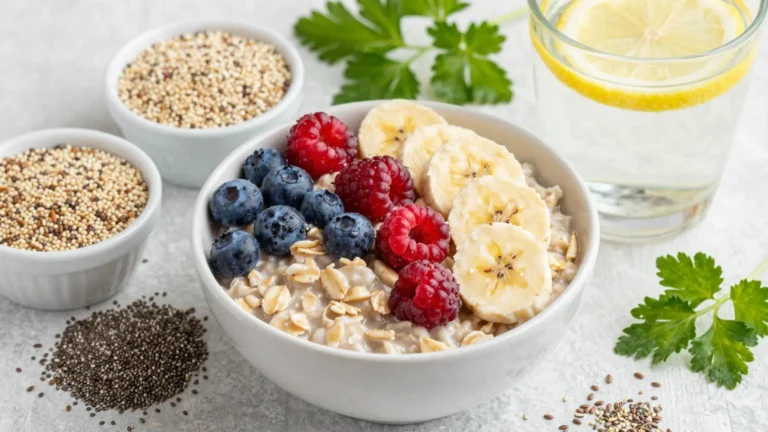
Introduction: Diet and Digestive Health
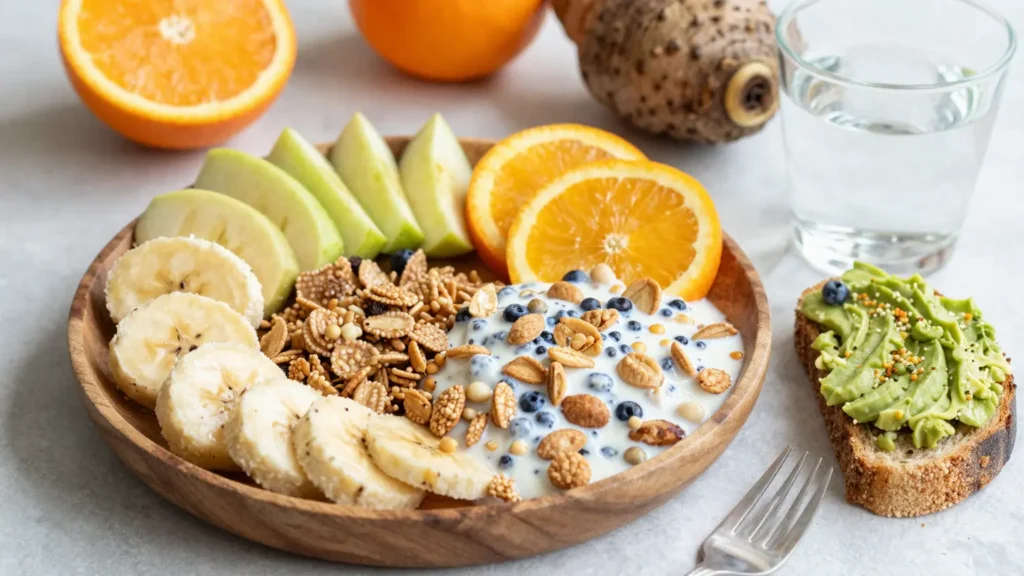
Special Diets for Digestive System Disorders
The World Digestive Health Day reminds us that the food we eat can either be a friend or foe to our digestive system, depending on how well it aligns with our body’s needs and sensitivities. Imagine a world where eating your favorite foods doesn’t come at the cost of bloating, pain, or other uncomfortable symptoms. For many people dealing with digestive disorders like Irritable Bowel Syndrome (IBS), Inflammatory Bowel Disease (IBD), and Gastroesophageal Reflux Disease (GERD), finding the right diet can be a game changer.
Understanding Dietary Influence on Digestive Health
Consider this: what you eat today could significantly impact how your stomach feels tomorrow. If you’ve ever experienced sudden discomfort after indulging in certain foods, it’s likely that those items are triggers for your digestive system. For individuals with IBS, common culprits include high-FODMAP foods like onions, garlic, and wheat products. These can lead to symptoms such as bloating, cramps, diarrhea, or constipation. However, by identifying and avoiding these triggers through a tailored diet plan, many find relief within just a few weeks.
Impact on Inflammatory Bowel Diseases (IBD)
Now think about how your eating habits might influence the course of IBD. While research is still uncovering the full extent to which diet can affect this condition, there are hints that certain dietary patterns, such as those high in processed foods and red meat, could increase vulnerability to inflammation. This highlights the importance of seeking personalized advice from healthcare professionals who can help tailor a diet plan that supports your unique needs.
Eating Patterns and GERD Management
Similarly, for individuals suffering from GERD, the timing and composition of meals play critical roles in symptom management. Consuming large portions or spicy dishes late at night can disrupt the natural barrier between your stomach and esophagus, leading to acid reflux. By making simple adjustments like eating smaller, more frequent meals and avoiding common triggers, you might just find yourself enjoying a better quality of life without persistent heartburn.
These insights into how diet interacts with digestive health are merely scratching the surface. The next sections will delve deeper into specific dietary strategies for managing these conditions effectively, ensuring that your meal choices not only satisfy your taste buds but also support your overall well-being.
Understanding Common Digestive Disorders
Digestive disorders come in many forms, each with its own set of symptoms and triggers. Irritable Bowel Syndrome (IBS), one of the most common conditions, affects millions worldwide. People with IBS often experience alternating bouts of constipation and diarrhea, along with abdominal pain and bloating. The exact cause is unclear, but it’s believed to involve issues with how food moves through the digestive tract and heightened sensitivity in the gut.
Inflammatory Bowel Disease (IBD) encompasses conditions like Crohn’s disease and ulcerative colitis, characterized by chronic inflammation of the gastrointestinal tract. Unlike IBS, which doesn’t lead to structural changes in the intestines, IBD causes physical damage that can be seen with imaging studies or during a colonoscopy.
Gastroesophageal Reflux Disease (GERD) is another prevalent condition where stomach acid frequently flows back into the tube connecting your mouth and stomach (the esophagus). This backward flow of acid irritates the lining of your esophagus, leading to heartburn and other symptoms. GERD can also lead to more serious complications over time if not managed properly.
Understanding these conditions is crucial because managing them effectively requires identifying and avoiding specific trigger foods or eating patterns that exacerbate symptoms. For instance, people with IBS often find relief by adopting a low-FODMAP diet, which eliminates fermentable carbohydrates known to cause bloating and gas. Similarly, those dealing with GERD benefit from altering their meal sizes and timing, especially avoiding large meals before bedtime.
Did you know that the human gut contains trillions of bacteria – more than 10 times the number of cells in our entire body? These microorganisms play a vital role in digestive health and can be influenced by what we eat.
GERD: Foods to Avoid
For individuals with Gastroesophageal Reflux Disease (GERD), certain foods can significantly worsen symptoms such as heartburn and acid reflux. It’s crucial to identify these trigger foods and make appropriate adjustments in your diet to manage the condition more effectively.
Common Trigger Foods for GERD
Several types of food are known to exacerbate GERD symptoms:
- Caffeinated Beverages: Coffee, tea, and other caffeinated drinks can weaken the lower esophageal sphincter (LES), allowing stomach acid to flow back into the esophagus.
- Alcohol: Both beer and spirits increase gastric acidity and relax the LES, making it easier for acid reflux to occur.
- Acidic Foods and Drinks: Citrus fruits like oranges, grapefruits, and their juices can irritate the esophageal lining due to high levels of citric acid.
Eating Patterns to Minimize GERD Symptoms
The way you eat your meals can also impact how severe your GERD symptoms are. Here’s what you need to consider:
- Portion Control: Large meals stretch your stomach and increase pressure on the LES, leading to reflux.
- Meal Timing: Avoid eating large portions close to bedtime as lying down soon after eating makes it easier for acid to travel back up into your esophagus.
Dietary Adjustments
Making dietary changes can be one of the most effective ways to manage GERD. Here are some practical steps:
- Eat Smaller, More Frequent Meals: Instead of three large meals a day, opt for five or six smaller meals throughout the day.
- Avoid Spicy Foods: Peppers and spicy dishes often irritate the esophagus and worsen heartburn.
Sample Meal Plan
Here’s an example of how you can structure your daily diet to minimize GERD symptoms:
| Meal | Suggested Food Items |
|---|---|
| Breakfast | Whole grain cereal with milk, scrambled eggs |
| Snack | Apple slices and almond butter |
| Lunch | Grilled chicken breast on a bed of spinach |
| Snack | Rice cakes with peanut butter |
| Dinner | Baked fish with steamed broccoli |
By focusing on nutrient-dense foods that are less likely to trigger symptoms, you can enjoy better digestion and relief from GERD discomfort. Experimenting with different combinations and noting what works best for your body is key.
IBS: Tailoring Your Diet
When it comes to Irritable Bowel Syndrome (IBS), one-size-fits-all diets often fall short. The cornerstone of an effective IBS diet is identifying and eliminating trigger foods that cause flare-ups. A popular approach for many individuals with IBS is the low-FODMAP diet, which restricts specific types of carbohydrates known to ferment in the gut and lead to bloating and discomfort.
Low-FODMAP Diet Basics
The low-FODMAP diet involves temporarily restricting high FODMAP foods to identify those that trigger symptoms. Common high-FODMAP items include:
- Fruits: Apples, pears, cherries
- Vegetables: Broccoli, cauliflower, asparagus
- Grains: Wheat products, rye bread
- Dairy Products: Milk, yogurt, soft cheeses
By eliminating these foods and gradually reintroducing them one at a time, individuals can pinpoint specific triggers that cause their IBS symptoms. This process helps tailor a long-term diet plan that keeps uncomfortable symptoms under control.
Transitioning to a Low-FODMAP Diet
Embarking on the low-FODMAP journey requires patience and close attention to your body’s responses. Here are some tips for making this transition smoother:
- Keep a Food Diary: Record everything you eat and how it affects your digestive system.
- Work with Professionals: A registered dietitian can provide tailored guidance and help track progress.
- Focus on Nutrient-Dense Foods: Opt for vegetables like carrots, cucumbers, and zucchini during the elimination phase.
Sample Meal Plan
Here’s a sample meal plan that adheres to the low-FODMAP principles:
| Meal | Suggested Food Items |
|---|---|
| Breakfast | Oatmeal made with lactose-free milk, banana slices |
| Snack | Rice cakes and cashew butter |
| Lunch | Turkey breast sandwich on gluten-free bread |
| Snack | Cherry tomatoes and cucumber sticks |
| Dinner | Grilled salmon with a side of brown rice |
This plan ensures that you receive essential nutrients while avoiding problematic FODMAPs. Each meal focuses on foods known to be well-tolerated by most IBS sufferers, thereby reducing the risk of symptom flare-ups.
FODMAPs in IBS Management
When dealing with Irritable Bowel Syndrome (IBS), understanding the impact of certain carbohydrates known as FODMAPs can be a key strategy. These fermentable oligosaccharides, disaccharides, monosaccharides, and polyols are often poorly absorbed in the small intestine and can lead to digestive issues such as bloating, gas, abdominal pain, and altered bowel habits.
Identifying High-FODMAP Foods
Recognizing which foods contain high levels of FODMAPs is crucial for individuals managing IBS symptoms. Here’s a breakdown of some common culprits:
- Fruits: Apples, pears, watermelon
- Vegetables: Artichokes, asparagus, onions (including onion powder)
- Legumes: Lentils, chickpeas, soybeans
- Dairy Products: Milk, ice cream, yogurt
These foods can cause significant discomfort for people sensitive to FODMAPs. However, not all individuals with IBS will find the same level of relief or triggers, making personalized dietary adjustments essential.
The Low-FODMAP Diet Phase
Adopting a low-FODMAP diet involves three main phases:
- Elimination Phase: For 2-6 weeks, eliminate all high FODMAP foods to identify which ones cause symptoms.
- Reintroduction Phase: Gradually reintroduce specific food groups one at a time to pinpoint triggers and learn tolerance levels.
- Maintenance Phase: Use the knowledge gained from elimination and reintroduction phases to construct a sustainable long-term diet plan.
Practical Tips for Implementation
Navigating a low-FODMAP diet can be challenging, but with careful planning and support, it becomes more manageable:
- Read Labels Carefully: Processed foods often contain hidden sources of FODMAPs.
- Use Alternative Ingredients: Swap out high-FODMAP ingredients with suitable alternatives. For example, use lactose-free milk instead of regular milk or opt for gluten-free bread over wheat-based options.
- Consult Professionals: Working closely with a registered dietitian specializing in IBS can provide tailored guidance and support.
Sample Meal Plan
Here’s an example of a low-FODMAP meal plan:
| Meal | Suggested Food Items |
|---|---|
| Breakfast | Oatmeal with lactose-free milk, banana slices (low FODMAP) |
| Snack | Rice cakes and almond butter |
| Lunch | Chicken salad with mixed greens, cucumbers |
| Snack | Carrot sticks and hummus |
| Dinner | Grilled salmon with quinoa and steamed carrots |
This plan avoids common high-FODMAP foods while ensuring a balanced intake of nutrients. It’s important to note that the exact composition may vary based on individual tolerances.
Diets for Inflammatory Bowel Diseases
Inflammatory Bowel Disease (IBD) includes Crohn’s disease and ulcerative colitis. Managing IBD through diet can be complex but beneficial in reducing inflammation, maintaining nutrition, and improving quality of life.
Key Nutritional Considerations
Balancing nutritional needs while managing symptoms is a delicate dance for those with IBD. Some key considerations include:
- Calorie and Protein Intake: Maintaining sufficient calorie intake and protein levels to avoid malnutrition.
- Hydration: Ensuring adequate hydration, especially when diarrhea is present.
- Fat Intake: Choosing healthy fats like omega-3 fatty acids found in fish oils, which have anti-inflammatory properties.
Specific Diets for IBD
Several diets are suggested based on individual symptoms and tolerance levels. Here’s a closer look at two widely recognized approaches:
The Specific Carbohydrate Diet (SCD)
The SCD eliminates complex carbohydrates and sugars that promote bacterial overgrowth in the gut, which can exacerbate inflammation.
- Foods to Include: Unprocessed meats, fruits and vegetables (excluding high-FODMAP foods), nuts, seeds.
- Foods to Avoid: Cereals, grains, lactose-containing dairy products, processed foods with additives.
The Low Residue Diet
This diet is often recommended during flare-ups when the intestines are extremely sensitive. It aims to minimize irritation by reducing fiber intake.
- Foods to Include: Refined grains (white bread, rice), cooked or canned fruits and vegetables without seeds.
- Foods to Avoid: Raw fruits and veggies, whole grains, nuts, seeds.
Meal Planning for IBD
Creating a meal plan that balances nutrition with symptom management can be challenging but rewarding. Here’s an example of a balanced diet tailored for someone managing IBD:
| Meal | Suggested Food Items |
|---|---|
| Breakfast | Eggs cooked in olive oil, whole grain toast |
| Snack | Apple slices and peanut butter |
| Lunch | Grilled chicken breast with steamed broccoli |
| Snack | Rice cakes with almond butter |
| Dinner | Baked salmon served with a side of quinoa |
This plan ensures that you receive essential nutrients while avoiding foods that may trigger symptoms. However, the specifics can vary depending on personal tolerance and current health status.
By exploring and implementing these diet strategies, individuals with IBD can gain better control over their symptoms and overall health. The journey to finding the right balance is unique for everyone, but taking proactive steps towards managing your condition through dietary choices can make a substantial difference.
Managing Celiac Disease and Gluten Sensitivity
When it comes to Celiac disease and gluten sensitivity, the stakes are high. Both conditions involve an adverse reaction to gluten – a protein found in wheat, barley, rye, and oats (unless certified as gluten-free). While celiac disease is an autoimmune condition where consuming gluten damages the small intestine’s lining, non-celiac gluten sensitivity involves experiencing similar symptoms without the same level of intestinal damage.
Understanding Gluten Intolerance
Gluten intolerance, often referred to as non-celiac gluten sensitivity (NCGS), presents itself through a range of digestive and non-digestive symptoms like bloating, diarrhea, abdominal pain, headaches, fatigue, joint pain, and skin rashes. Unlike celiac disease, NCGS lacks clear diagnostic markers and is diagnosed by exclusion after ruling out other conditions.
The Gluten-Free Diet
Adopting a gluten-free diet is the cornerstone of managing both celiac disease and gluten sensitivity. This dietary approach eliminates all foods containing gluten, including obvious sources like bread, pasta, and cereal, as well as less apparent ones such as sauces, dressings, and processed snacks.
Essential Tips for Transitioning to Gluten-Free
Switching to a gluten-free diet requires careful planning and education:
- Learn Label Reading: Be vigilant about ingredients in packaged foods.
- Cross-Contamination Awareness: Be cautious of cross-contamination at home and when dining out.
- Explore Alternatives: Discover new grains like quinoa, rice, and corn that are naturally gluten-free.
Sample Meal Plan
Here’s an example meal plan for someone adhering to a gluten-free diet:
| Meal | Suggested Food Items |
|---|---|
| Breakfast | Gluten-free oatmeal with almond milk, berries |
| Snack | Rice crackers and hummus |
| Lunch | Grilled chicken salad with mixed greens |
| Snack | Apple slices and sunflower seed butter |
| Dinner | Baked salmon with a side of roasted sweet potatoes |
This plan avoids gluten-containing foods while ensuring you get the nutrients needed for overall health. It’s crucial to adapt this template based on personal preferences and dietary needs.
Implementing a Low-FODMAP Diet
The low-FODMAP diet is designed to help individuals with IBS manage their symptoms by eliminating foods that contain fermentable carbohydrates known to cause digestive discomfort. This diet is particularly effective because it addresses the specific needs of those who are sensitive to these sugars and fibers.
Elimination Phase Strategies
During the elimination phase, adherents remove all high-FODMAP foods for a period of 2-6 weeks. This step helps in identifying which specific FODMAPs may be triggering symptoms. Common strategies include:
- Reading Labels Diligently: Be aware that many processed and packaged foods contain hidden sources of FODMAPs.
- Experimenting with Alternatives: Swap out problematic ingredients for low-FODMAP alternatives, such as using lactose-free dairy products or gluten-free grains.
Reintroduction Phase
Once the elimination phase is complete and symptoms are under control, it’s time to reintroduce foods in a controlled manner. This process involves introducing one food group at a time over several days to monitor for any recurrence of symptoms:
- Gradual Introduction: Start with small portions of high-FODMAP foods during breakfast or lunch.
- Daily Logs: Keep detailed logs tracking when and how much you eat, along with the timing and severity of any subsequent symptoms.
Maintenance Phase Tips
The maintenance phase is where long-term dietary management begins. This involves incorporating reintroduced foods into a sustainable diet while avoiding those that consistently trigger symptoms:
- Balanced Intake: Ensure a balanced intake of all essential nutrients.
- Consult Professionals Regularly: Ongoing guidance from healthcare professionals can help tailor the diet to your evolving needs.
Sample Meal Plan for Each Phase
Elimination Phase
| Meal | Suggested Food Items |
|---|---|
| Breakfast | Gluten-free toast with avocado spread |
| Snack | Rice cakes and jam |
| Lunch | Chicken breast salad with mixed greens |
| Snack | Celery sticks with almond butter |
| Dinner | Baked fish with quinoa |
Reintroduction Phase
| Meal | Suggested Food Items |
|---|---|
| Breakfast | Gluten-free toast, lactose-free milk |
| Snack | Rice cakes and cashew butter |
| Lunch | Turkey breast on gluten-free bread |
| Snack | Cherry tomatoes |
| Dinner | Grilled salmon with steamed broccoli |
Maintenance Phase
| Meal | Suggested Food Items |
|---|---|
| Breakfast | Oatmeal made with lactose-free milk, banana slices |
| Snack | Rice cakes and almond butter |
| Lunch | Chicken breast salad on a bed of mixed greens |
| Snack | Apple slices and peanut butter |
| Dinner | Baked fish with quinoa |
Mediterranean Diet Benefits
The Mediterranean diet offers numerous health benefits that extend beyond weight loss and include significant advantages for digestive health. Rooted in the culinary traditions of countries bordering the Mediterranean Sea, this diet emphasizes whole foods, healthy fats, and a variety of vegetables and fruits. It’s not just about what you eat but also how you integrate meals into your lifestyle.
Key Components of the Mediterranean Diet
The core principles of the Mediterranean diet revolve around incorporating nutrient-rich ingredients that support digestive well-being:
- Healthy Fats: Olive oil is a staple, providing monounsaturated fats that help reduce inflammation and improve heart health.
- Whole Grains: Foods like whole wheat bread, pasta, and brown rice are rich in fiber, which aids digestion by promoting regular bowel movements and reducing constipation.
- Fruits and Vegetables: A diet abundant in fresh produce ensures a high intake of vitamins, minerals, and antioxidants that protect the gut lining from damage.
Specific Benefits for Digestive Health
- Reduces Inflammation: The Mediterranean diet’s emphasis on omega-3 fatty acids found in fish like salmon and mackerel helps reduce inflammation throughout the body, including the digestive tract.
- Promotes Gut Health: High fiber content from fruits, vegetables, and whole grains supports a healthy gut microbiota by providing necessary nutrients for beneficial bacteria.
Sample Meal Plan
Here’s an example of how you can incorporate Mediterranean diet principles into your daily meals:
| Meal | Suggested Food Items |
|---|---|
| Breakfast | Greek yogurt with honey, mixed berries |
| Snack | Almonds and dried apricots |
| Lunch | Grilled chicken salad with olives, tomatoes, and cucumbers |
| Snack | Hummus with whole wheat pita |
| Dinner | Baked salmon with a side of quinoa and steamed green beans |
This meal plan not only adheres to the Mediterranean diet’s guidelines but also provides a balanced intake of nutrients essential for digestive health.
Prebiotics, Probiotics, and Synbiotics
When it comes to supporting digestive health, the roles of prebiotics, probiotics, and synbiotics are increasingly recognized. These elements work together to create a healthy balance in your gut microbiota, which is crucial for overall digestive wellness.
Understanding Prebiotics
Prebiotics are indigestible fibers found naturally in foods like garlic, onions, bananas, and asparagus. They serve as food for beneficial bacteria residing in the large intestine, promoting their growth and activity. By feeding these good bacteria, prebiotics help to increase their numbers and diversity within your gut.
Role of Probiotics
Probiotics, on the other hand, are live microorganisms that provide health benefits when consumed in adequate amounts. Common sources include yogurt, kefir, sauerkraut, and kimchi. These beneficial bacteria can support digestive processes by breaking down food particles, enhancing nutrient absorption, and producing vitamins like B12 and K.
The Synergistic Effect of Synbiotics
Synbiotic products combine both prebiotics and probiotics to create a synergistic effect that enhances the benefits of each. By providing both beneficial bacteria and their preferred food sources, synbiotics can help establish a more robust and resilient gut microbiota environment.
Impact on Digestive Disorders
For individuals dealing with digestive disorders like IBS or IBD, incorporating prebiotics, probiotics, and synbiotic supplements into their diet might offer significant relief. These dietary elements work to stabilize the gut flora, reduce inflammation, and alleviate symptoms such as bloating and discomfort.
Practical Tips for Incorporation
Incorporating these dietary components effectively involves careful consideration:
- Consult Professionals: Before starting any new regimen, especially if you have a specific condition like IBS or IBD, it’s wise to consult with healthcare providers.
- Start Gradually: Begin by introducing small amounts of prebiotic-rich foods and gradually increase as tolerated. This can help prevent digestive upsets caused by sudden changes in diet.
Sample Meal Plan
Here’s an example meal plan incorporating both prebiotics and probiotics:
| Meal | Suggested Food Items |
|---|---|
| Breakfast | Greek yogurt with lactose-free milk, banana slices |
| Snack | Almonds and dried apricots |
| Lunch | Grilled chicken salad with mixed greens |
| Snack | Apple slices with peanut butter |
| Dinner | Baked salmon with a side of quinoa and steamed green beans |
This plan includes both probiotic-rich foods like yogurt and apple cider vinegar (if tolerated) and prebiotic sources such as bananas, garlic, onions, and whole grains.
Dietary Strategies for Preventing GI Cancers
When it comes to reducing the risk of gastrointestinal (GI) cancers, certain dietary patterns can play a pivotal role. These cancers include colorectal cancer and stomach cancer, among others. By adopting specific eating habits, you can lower your susceptibility to these diseases.
The Role of Diet in Cancer Prevention
Understanding how diet influences GI health is crucial for prevention strategies. Certain foods have been linked to an increased risk of developing gastrointestinal cancers, while others offer protective benefits. For instance:
- Processed Meats and Red Meat: Regular consumption of processed meats (like sausages, bacon) and red meat has been associated with a higher risk of colorectal cancer due to the presence of compounds that can damage DNA.
- Fruits and Vegetables: A diet rich in fruits and vegetables provides antioxidants and fiber, which help protect against cellular damage and promote regular bowel movements.
Traditional Diets and Their Benefits
Certain traditional diets are renowned for their positive impact on digestive health. The Mediterranean diet, with its focus on olive oil, fish, nuts, and a variety of whole grains, fruits, and vegetables, has been linked to reduced risks of GI cancers. Here’s how:
- Healthy Fats: Olive oil is rich in monounsaturated fats that reduce inflammation.
- High Fiber Content: Whole grains, legumes, and leafy greens contribute to fiber intake, which supports healthy digestion.
Specific Dietary Recommendations
Reducing BMI
Maintaining a healthy body mass index (BMI) is crucial because obesity increases the risk of colorectal cancer. This can be achieved through:
- Balancing calorie intake with physical activity.
- Emphasizing whole foods and reducing processed food consumption.
Increasing Fruit and Vegetable Intake
Consuming more fruits and vegetables not only provides essential nutrients but also helps in maintaining a healthy weight, which is another protective measure against GI cancers. Focus on:
- Incorporating a variety of colors to ensure diverse nutrient intake.
- Including cruciferous vegetables like broccoli and cauliflower, known for their cancer-fighting properties.
Avoiding High Red Meat Consumption
Limit your intake of red meat (beef, pork, lamb) and processed meats. Opt instead for:
- Lean proteins such as poultry, fish, and legumes.
- Plant-based protein sources like tofu and tempeh.
Sample Meal Plan to Reduce GI Cancer Risk
Here’s an example meal plan that incorporates these dietary recommendations:
| Meal | Suggested Food Items |
|---|---|
| Breakfast | Greek yogurt with honey, mixed berries |
| Snack | Almonds and dried apricots |
| Lunch | Grilled chicken salad with olives, tomatoes, and cucumbers |
| Snack | Hummus with whole wheat pita |
| Dinner | Baked salmon with a side of quinoa and steamed green beans |
This meal plan emphasizes nutrient-dense foods while minimizing the risk factors associated with GI cancers.
A study published in The American Journal of Clinical Nutrition found that adherence to a Mediterranean diet was associated with a 26% lower risk of colorectal cancer compared to low adherence.
Traditional Foods for Digestive Health
Traditional foods have long been recognized for their potential benefits in supporting digestive health. These culturally rich diets often contain ingredients that not only taste delicious but also offer therapeutic properties that help manage various digestive issues.
Dietary Fibers from Whole Grains and Legumes
Whole grains such as oats, barley, and quinoa provide a natural source of dietary fibers which are essential for maintaining healthy digestion. Similarly, legumes like lentils, chickpeas, and beans contribute to gut health by providing both fiber and protein. These foods aid in promoting regular bowel movements, preventing constipation, and feeding the beneficial bacteria in your gut.
Fermented Foods
Fermentation is a traditional method of food preservation that imparts unique nutritional benefits. Common fermented foods include kimchi (fermented cabbage), kefir (a yogurt-like drink made from milk or water), sauerkraut (fermented cabbage), and miso (fermented soybean paste). These foods are rich in probiotics, which are beneficial bacteria known to support gut health by enhancing the microbial balance within your digestive tract.
Herbs and Spices
Many traditional cuisines incorporate herbs and spices that have long been used for their medicinal properties. For instance:
- Ginger: Known for its anti-inflammatory and soothing effects on the stomach.
- Turmeric: Contains curcumin, an active compound with strong antioxidant and anti-inflammatory properties.
- Cinnamon: Often used to help manage blood sugar levels and reduce inflammation.
Incorporating these herbs and spices into your meals can offer a natural way to support digestive health while adding flavor and aroma to your dishes.
Culturally Specific Diets
Different cultures have unique dietary practices that are beneficial for digestion:
- Asian Cuisine: Emphasizes the use of fermented foods like miso, soy sauce, and tempeh. These foods contribute to a healthy gut microbiome.
- Mediterranean Diet: Rich in olive oil, fruits, vegetables, legumes, whole grains, fish, poultry, eggs, cheese, yogurt, herbs, and spices. This diet provides ample fiber, healthy fats, and antioxidants essential for digestive health.
Impact of Diet on Autoimmune Diseases
When it comes to autoimmune diseases, such as rheumatoid arthritis (RA), multiple sclerosis (MS), lupus, and inflammatory bowel disease (IBD), diet plays a critical role in managing symptoms and potentially influencing the course of these conditions. While the exact mechanisms are still being researched, dietary choices can significantly impact inflammation levels, immune system function, and overall health.
Understanding Autoimmune Diseases
Autoimmune diseases occur when the body’s immune system mistakenly attacks healthy cells and tissues instead of protecting them from foreign invaders like viruses or bacteria. This misdirected attack leads to chronic inflammation and tissue damage in various parts of the body, resulting in a range of symptoms depending on which organs are affected.
Diet’s Role in Modulating Inflammation
One of the primary ways diet affects autoimmune diseases is through its impact on systemic inflammation. Chronic low-grade inflammation is common in many autoimmune conditions and can exacerbate symptoms such as joint pain, fatigue, and skin rashes. Foods rich in antioxidants, anti-inflammatory compounds, and omega-3 fatty acids can help reduce this inflammation.
Anti-Inflammatory Diets
An anti-inflammatory diet focuses on reducing the intake of pro-inflammatory foods while increasing those that have beneficial effects on the immune system. Key components include:
- Omega-3 Fatty Acids: Found in fish like salmon, mackerel, and sardines, as well as flaxseeds and walnuts.
- Fruits and Vegetables: Rich sources of vitamins, minerals, and antioxidants that support overall health and reduce inflammation.
- Whole Grains: Provide fiber which helps maintain a healthy gut microbiome, supporting immune function.
Specific Diets for Autoimmune Diseases
Certain diets have been tailored specifically to address autoimmune conditions:
The Autoimmune Protocol (AIP) Diet
The AIP diet is an elimination-based plan designed to reduce inflammation and heal the gut. It involves removing foods that are known triggers of inflammation such as gluten, dairy, eggs, nightshades (like tomatoes and peppers), nuts, seeds, soy, and processed foods.
The Paleo Diet
Inspired by what our ancient ancestors might have eaten, this diet emphasizes unprocessed whole foods like lean meats, fish, fruits, vegetables, nuts, and seeds. It eliminates grains, dairy, legumes, and refined sugars which are believed to be inflammatory triggers.
Daily Food Choices and Gut Microbiota
Your daily food choices have a direct impact on the composition of your gut microbiota – the diverse community of bacteria residing within your digestive tract. This intricate relationship plays a significant role in maintaining overall health, particularly when it comes to managing digestive disorders.
How Diet Influences Gut Health
The foods you consume act as a primary source of nutrients for both beneficial and potentially harmful microbes living in your gut. A diet rich in fiber, healthy fats, and antioxidants can foster the growth of good bacteria while inhibiting the proliferation of harmful ones. Conversely, high intake of processed foods, sugars, and unhealthy fats tends to promote an imbalance known as dysbiosis, leading to various health issues including digestive disorders.
Key Nutrients for Gut Microbiota
Certain nutrients stand out in their ability to support a healthy gut microbiome:
- Fiber: Found abundantly in whole grains, fruits, vegetables, nuts, and seeds. Fiber serves as a prebiotic, feeding beneficial bacteria such as Bifidobacteria and Lactobacilli.
- Probiotics: Live beneficial bacteria found naturally in fermented foods like yogurt, kefir, sauerkraut, and kimchi. These probiotics help maintain the balance of gut flora by competing with pathogenic bacteria for resources and attachment sites on intestinal walls.
Practical Dietary Strategies
Incorporating these dietary elements into your daily routine can positively influence gut health:
- Increase Fiber Intake: Start each day with a fiber-rich breakfast like oatmeal or whole-grain cereal. Snack on fruits, nuts, and raw vegetables throughout the day.
- Introduce Fermented Foods Gradually: Begin by adding small portions of fermented foods to your meals to allow your digestive system time to adjust. Monitor how these additions affect your symptoms.
Personalized Nutrition Plans
Finding the right dietary approach isn’t one-size-fits-all; it requires personalization based on individual needs and symptoms. A tailored nutrition plan considers factors such as medical history, current health status, genetic predispositions, and lifestyle habits to create a diet that maximizes benefits while minimizing risks.
Customizing Diet Based on Individual Needs
Each person’s digestive system reacts differently to various foods and dietary patterns. Personalized nutrition plans take these differences into account by:
- Identifying Dietary Triggers: Through meticulous record keeping and gradual reintroduction of foods, it’s possible to pinpoint which items trigger symptoms for individuals with conditions like IBS or GERD.
- Tailoring Nutrient Intake: Ensuring that nutritional requirements are met based on specific health needs. For example, someone managing Crohn’s disease might need higher levels of certain vitamins and minerals due to malabsorption issues.
Collaborating with Healthcare Professionals
Working closely with healthcare professionals like dietitians is crucial for developing effective personalized nutrition plans:
- Registered Dietitian Support: A professional can provide guidance on interpreting food diaries, navigating elimination diets, and understanding the latest research findings.
- Continuous Monitoring: Regular check-ins allow adjustments to be made based on changes in symptoms or health status.
Long-Term Sustainability
Sustainability is key when it comes to maintaining a personalized nutrition plan. Making dietary choices that align with long-term goals ensures adherence and continued benefits:
- Gradual Adjustments: Slowly introducing new foods helps the body adapt without overwhelming digestive functions.
- Education on Alternatives: Learning about low-FODMAP alternatives or gluten-free options makes transitions smoother.
Sample Personalized Meal Plan
Here’s an example of how a personalized meal plan might look for someone with IBS and GERD:
| Meal | Suggested Food Items |
|---|---|
| Breakfast | Gluten-free oatmeal with lactose-free milk, banana slices (low FODMAP) |
| Snack | Rice cakes and almond butter |
| Lunch | Turkey breast salad on gluten-free bread |
| Snack | Apple slices with peanut butter |
| Dinner | Baked fish with a side of quinoa |
This plan is carefully crafted to avoid common triggers for both IBS and GERD while ensuring balanced nutrition. However, the specific foods might vary based on individual tolerances and preferences.
Summary: Empowering Your Digestive System Through Diet
In summary, diet plays a pivotal role in the management and prevention of various gastrointestinal disorders such as Irritable Bowel Syndrome (IBS), Inflammatory Bowel Disease (IBD), Gastroesophageal Reflux Disease (GERD), and cancers. Understanding how specific foods impact these conditions can lead to significant improvements in symptom control and overall quality of life. Tailored dietary plans, personalized nutrition strategies, and the incorporation of traditional diets like the Mediterranean diet offer promising approaches for enhancing digestive health.
By identifying individual triggers, incorporating anti-inflammatory foods, and supporting gut microbiota through prebiotics and probiotics, individuals can take proactive steps towards managing their digestive issues naturally. Further research is essential to establish more definitive dietary guidelines that cater to the unique needs of each patient, ensuring a holistic approach to gastrointestinal wellness.
Incorporating these insights into daily food choices not only helps in symptom management but also promotes long-term health and well-being. By embracing personalized nutrition plans and mindful eating practices, individuals can navigate their digestive disorders with confidence and enhance their overall quality of life.
Frequently Asked Questions (FAQ)
What are some common digestive disorders that can be managed with special diets?
Diet plays a crucial role in managing several digestive disorders such as inflammatory bowel disease (IBD), irritable bowel syndrome (IBS), and celiac disease. Specialized diets like the low-FODMAP diet for IBS or gluten-free diets for celiac disease help alleviate symptoms.
How does diet affect gut microbiota?
The food you eat directly influences your gut microbiota, which in turn affects digestive health. Consuming fiber-rich foods, probiotics, and prebiotics can promote a healthy balance of bacteria in the gut.
Can dietary changes help prevent gastrointestinal cancers?
While research is ongoing, certain dietary choices may influence the risk of developing gastrointestinal cancers. A diet rich in fruits, vegetables, whole grains, and low in red meat and processed foods could potentially reduce risks.
What are some key nutrients for digestive health?
Key nutrients include fiber, omega-3 fatty acids, probiotics, prebiotics, vitamins (especially B12), and minerals like magnesium. These support gut function and overall well-being.
Is the Mediterranean diet beneficial for digestive disorders?
The Mediterranean diet emphasizes fruits, vegetables, whole grains, fish, olive oil, and nuts, which are thought to promote a healthy digestive system by reducing inflammation and supporting gut health.
How can I identify trigger foods if I have IBS or GERD?
Keeping a food diary helps track symptoms after eating specific items. Common triggers for IBS include high-FODMAP foods like onions, garlic, and wheat; while GERD triggers often involve caffeine, alcohol, spicy foods, and fatty meals.
What role do probiotics play in digestive health?
Probiotics are beneficial bacteria that support gut flora balance. They can alleviate symptoms of IBS and other digestive disorders by improving digestion and reducing inflammation.
Are there specific diets recommended for children with feeding disorders or gastrointestinal diseases?
Pediatric patients may benefit from specialized diets tailored to their condition, such as enteral nutrition (tube feeding) if necessary. These should be personalized based on the child’s needs under medical supervision.
How can I manage my diet during flare-ups of inflammatory bowel disease (IBD)?
During flare-ups, soft, bland foods and small meals may help reduce inflammation and discomfort. It’s important to follow a diet prescribed by your healthcare provider, which might include eliminating certain trigger foods.
What are the benefits of adding prebiotics to my diet?
Prebiotics are non-digestible food ingredients that beneficially affect the host by selectively stimulating the growth and/or activity of one or more bacteria in the colon. They help improve gut health and enhance nutrient absorption.