
Introduction: How Spices Can Help Burn Fat
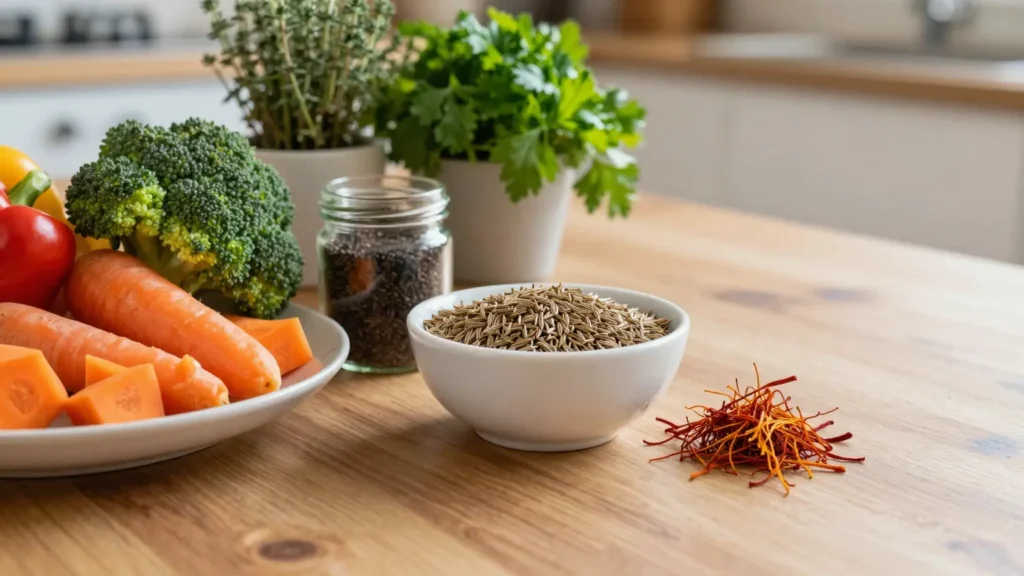
Imagine adding a sprinkle of flavor that could also help you shed those extra pounds. While the idea may sound too good to be true, recent scientific studies are proving otherwise. Spices such as saffron and cumin are gaining attention for their surprising ability to aid in weight loss and fat burning naturally. These vibrant additions to your meals not only enhance taste but also offer a range of health benefits that can support your journey towards a healthier body.
One spice leading the charge is saffron, renowned globally for its unique flavor and high price tag due to the painstaking effort required to harvest it. What’s intriguing about saffron isn’t just its culinary appeal but its potential impact on mental well-being and appetite suppression. Studies have shown that saffron can help manage depression, which often correlates with overeating and weight gain. By reducing cravings and decreasing daily calorie intake, participants in these studies experienced significant weight loss without any harsh side effects commonly associated with pharmaceutical drugs.
Another star spice making waves is cumin, a staple ingredient cherished for its earthy aroma and robust flavor profile. Research highlights that cumin can provide similar benefits to orlistat – a medication used for weight management – without the unpleasant digestive issues typically reported by users of such medications. Consuming just half a teaspoon of cumin at each meal can lead to additional weight loss over time, making it an appealing option for those seeking natural fat burning solutions.
Incorporating these powerful spices into your diet doesn’t require drastic changes; even small additions can yield big results in terms of both flavor and health benefits. As you explore the world of fat-burning spices, you might find yourself not only enjoying more flavorful meals but also taking a step towards achieving better overall wellness.
Can Spices Like Cumin Help with Weight Loss?
Cumin’s effectiveness as a natural appetite suppressant is backed by research. Studies have shown that it can help regulate blood sugar levels, which in turn influences hunger and energy levels throughout the day. Maintaining stable blood sugar levels prevents those intense cravings for sugary snacks and helps maintain a consistent energy level, making it easier to stick to your dietary goals.
Moreover, cumin contains compounds known as phytosterols that can reduce cholesterol absorption in the intestines, contributing indirectly to weight loss by improving cardiovascular health. This multifaceted approach makes cumin not only an ally in appetite control but also in overall metabolic function and wellness.
Saffron: A Natural Mood Enhancer
Saffron’s impact on mental well-being is another key factor in its role as a fat-burning spice. Depression can often be a significant barrier to weight loss, causing people to seek comfort in food rather than engaging in healthy habits. Studies have found that saffron can alleviate symptoms of depression, thereby indirectly supporting efforts towards weight management by reducing emotional eating.
Saffron is one of the most expensive spices globally due to its labor-intensive harvesting process – about 75,000 flowers are needed to produce just half a kilogram of dried saffron threads!
Incorporating Spices into Daily Meals
Adding these powerful spices to your meals doesn’t have to be complicated. Start by sprinkling cumin on roasted vegetables or mixing it into meat dishes for an extra layer of flavor and health benefits. Saffron can be used sparingly in teas, rice dishes, or desserts to enhance both taste and mood.
By integrating such natural ingredients into daily routines, you can create a sustainable approach to weight loss that focuses not just on diet but also on mental and emotional well-being.
Weight Loss Potential of Saffron and Black Cumin Seeds
Cumin is not only a delicious spice but also one that can significantly impact your appetite. The active compounds in cumin seeds, particularly thymoquinone and p-cymene, have been shown to regulate ghrelin, the hormone responsible for stimulating hunger. This regulation helps curb excessive food intake, making it easier to adhere to dietary restrictions without feeling deprived.
Additionally, research indicates that cumin can help increase levels of peptide YY (PYY), a hormone produced in the gut that signals fullness and satiety. By enhancing PYY production, cumin assists in reducing overall calorie consumption, which is crucial for effective weight loss. Incorporating cumin into your meals regularly can therefore play a vital role in managing your appetite and supporting your weight-loss goals.
Saffron’s Influence on Metabolism
Saffron’s potential to boost metabolism is another factor that sets it apart as an effective fat-burning spice. Studies suggest that saffron can enhance metabolic rate, which means the body burns calories faster even at rest. This increased metabolism not only aids in weight loss but also helps maintain a healthy weight over time.
Moreover, saffron contains antioxidants like crocin and safranal that protect against oxidative stress and inflammation. These properties help reduce fat accumulation by improving insulin sensitivity and glucose tolerance. As a result, incorporating saffron into your diet can contribute to better metabolic health, which is essential for long-term weight management.
Practical Tips for Using Saffron and Cumin
Incorporating these spices into your meals doesn’t have to be complicated or overwhelming. Start by using them in small quantities to get a feel for their unique flavors before increasing the amount. For instance, you could add cumin to soups, stews, or stir-fries for an earthy and aromatic taste that enhances both flavor and health benefits.
For saffron, consider steeping it in warm milk to make a soothing tea at night. Alternatively, sprinkle it over rice dishes or use it as a garnish on desserts like ice cream or custards. The key is to experiment with different recipes and find what works best for your taste preferences while reaping the health benefits these spices offer.
Considering Herbal Alternatives
While saffron and cumin are powerful allies in weight management, they can be quite expensive due to their scarcity and complex extraction processes. For those looking for more affordable options, black cumin (Nigella sativa) is a worthwhile consideration. This spice offers similar benefits to saffron, including anti-inflammatory properties and potential mood-boosting effects.
Black cumin seeds have been traditionally used in various cultures for their medicinal qualities. Research indicates that they can help regulate blood sugar levels and reduce appetite. Adding black cumin seeds to your diet can provide a cost-effective way to support weight loss efforts while enjoying its distinct, nutty flavor.
Cumin seeds have been used medicinally for over 5000 years and were even found in the tomb of King Tutankhamun, showcasing its long-standing importance in ancient civilizations.
Side Effects of Saffron Usage
While saffron offers numerous health benefits, it is essential to be aware of its potential side effects. One of the most common issues is an allergic reaction, which can manifest as skin rashes or hives for individuals sensitive to crocus plants. Consulting a healthcare provider before incorporating large amounts of saffron into your diet is advisable, especially if you have existing health conditions.
Another consideration is its impact on medication interactions. Saffron may interfere with blood-thinning medications like warfarin due to its potential anticoagulant properties. This interaction can increase the risk of bleeding and should be monitored carefully by a healthcare professional.
Saffron also contains high levels of naturally occurring chemicals such as crocin, which might affect liver function in large doses over extended periods. Regular consumption without proper monitoring could potentially lead to liver complications for some individuals.
Did you know that saffron is often referred to as “red gold” due to its intense color and high price? This nickname reflects not only its vibrant hue but also the significant investment it represents in culinary dishes, making every sprinkle highly valued.
Is Cumin a Cheaper Alternative to Saffron?
When considering cost-effective options for incorporating fat-burning benefits into your diet, cumin emerges as a more affordable alternative compared to saffron. The high demand and labor-intensive harvesting process make saffron one of the most expensive spices globally. In contrast, cumin is readily available at a fraction of the price, making it an accessible choice for those looking to reap similar health benefits without breaking the bank.
Comparing Cost and Benefits
| Spice | Price (Approximate) | Health Benefits |
|---|---|---|
| Saffron | 20 – 150 per gram | Mood enhancement, appetite suppression, metabolic boost |
| Cumin | 3 – 8 per ounce | Appetite regulation, cholesterol reduction, improved insulin sensitivity |
Saffron’s high price point can be a barrier for many people who want to incorporate it into their diets regularly. However, cumin offers comparable benefits at a much lower cost. This makes cumin an attractive option for those seeking natural methods to manage weight and improve overall health.
Practical Tips for Using Cumin
To make the most of cumin’s fat-burning potential, consider incorporating it into various dishes:
- Soups and Stews: Adding ground cumin to your favorite soups or stews can enhance both flavor and nutrition.
- Vegetable Dishes: Sprinkle whole cumin seeds over roasted vegetables for an earthy taste that complements the sweetness of carrots, potatoes, and other root vegetables.
- Rice Recipes: Mix cumin into rice dishes before cooking to infuse them with a robust aroma and flavor.
By experimenting with these tips, you can easily integrate cumin into your daily meals without straining your budget. This not only enhances the culinary experience but also supports your health goals in a sustainable manner.
Enhancing Weight Loss with Cumin
Research suggests that cumin can help regulate blood sugar levels and reduce cholesterol absorption, both of which are crucial for maintaining a healthy weight. These benefits make cumin an excellent choice for individuals looking to manage their appetite naturally without relying on expensive supplements or medications.
By choosing cumin over saffron, you can enjoy similar health advantages while saving money and simplifying your diet plan. Whether you’re cooking at home or dining out, incorporating this versatile spice is a practical step toward achieving your weight loss objectives.
Cumin as an Orlistat Alternative
Cumin’s role in appetite regulation is central to its effectiveness as a fat-burning spice. The spice contains phytochemicals that interact with the brain’s receptors involved in hunger and satiety signals, thereby reducing cravings and promoting fullness after meals. Research indicates that consuming cumin regularly can lead to significant reductions in daily calorie intake without causing discomfort or deprivation.
In addition to its direct impact on appetite, cumin also aids digestion by increasing gastric secretions and facilitating nutrient absorption more efficiently. This improved digestive function helps the body process food better, reducing bloating and discomfort often associated with high-calorie meals. By enhancing gut health, cumin supports overall metabolic efficiency, contributing further to weight loss efforts.
Cumin’s Versatility in Cuisine
One of the advantages of using cumin is its versatility across various cuisines and dishes. From Indian curries to Mexican stews, this spice complements a wide range of flavors and ingredients, making it easy to incorporate into daily meals. Its robust flavor profile also allows for creative experimentation with new recipes that highlight both taste and health benefits.
For instance, adding cumin to breakfast cereals or yogurt can provide an early morning boost in appetite control. Similarly, using ground cumin as a rub on grilled meats adds not only depth of flavor but also supports digestive function throughout the day.
Saffron’s Unique Flavor Profile
Saffron stands out for its distinctive taste and vibrant color, which elevate any dish it graces. Its delicate floral notes add complexity to both sweet and savory recipes, making it a favorite among chefs and home cooks alike. The unique flavor of saffron enhances the overall sensory experience of meals, potentially contributing to feelings of satisfaction that can prevent overeating.
While cumin is more widely available and less expensive, incorporating saffron in moderation can still be worthwhile for its mood-enhancing properties and metabolic benefits. Using it sparingly allows you to enjoy its rich flavor without breaking the bank or risking potential side effects associated with excessive consumption.
Combining Spices for Maximum Impact
For those looking to maximize fat-burning benefits, combining cumin and saffron in meals can offer a synergistic effect. The complementary flavors of these spices enhance each other’s impact while providing a broad spectrum of health advantages. By blending the earthy warmth of cumin with the floral delicacy of saffron, you create dishes that are not only delicious but also supportive of your weight loss goals.
Experimenting with different spice blends can lead to exciting culinary discoveries and help maintain interest in maintaining healthy eating habits over time. Whether it’s creating a homemade curry powder or infusing rice pilaf with both spices, there are countless ways to enjoy the combined benefits of cumin and saffron.
Practical Tips for Daily Use
To make the most out of these powerful spices, consider integrating them into your daily routine gradually:
- Morning Start: Sprinkle ground cumin on oatmeal or yogurt to kickstart digestion.
- Lunchtime Delights: Add saffron-infused water to salads or soups for an extra flavor boost and mood uplift.
- Dinner Dishes: Mix both spices into marinades for meats, tofu, or legumes before cooking.
By incorporating cumin and saffron consistently in your meals, you can support weight loss efforts naturally while enjoying a variety of flavors. This approach not only promotes healthier eating habits but also enhances the overall quality of your diet.
Embracing Natural Solutions
Choosing natural solutions like spices over pharmaceutical alternatives offers numerous advantages. Spices like cumin and saffron provide effective ways to manage appetite, enhance mood, and improve metabolic health without the side effects often associated with medications. By leveraging these natural ingredients, you can take a holistic approach to weight loss that focuses on overall wellness rather than quick fixes.
As more research continues to uncover the benefits of spices in weight management, integrating cumin into your diet becomes an appealing option for those seeking sustainable and enjoyable methods to achieve their health goals.
How Do Spices Suppress Appetite and Promote Weight Loss?
Saffron’s impact on regulating hunger is another critical aspect that makes it a valuable asset in your diet. Studies suggest that saffron can influence the neurotransmitters responsible for mood and appetite, such as serotonin and dopamine. By balancing these chemicals, saffron helps stabilize mood swings that often lead to emotional eating. This stabilization not only improves mental well-being but also indirectly reduces overeating and enhances dietary adherence.
Moreover, saffron’s ability to regulate cortisol levels is worth noting. Cortisol is a stress hormone that can increase appetite and promote fat storage in the body. By managing cortisol levels, saffron helps control cravings and supports healthier eating habits. This dual action on both mood regulation and hormonal balance makes it an effective tool for those struggling with emotional overeating.
Cumin’s Role in Digestive Health
In addition to its appetite-suppressing effects, cumin plays a vital role in promoting digestive health. The spice is rich in fiber and antioxidants that aid in improving gut motility and reducing inflammation. Enhanced digestion can lead to better nutrient absorption and more efficient metabolism of consumed calories.
Furthermore, the phytochemicals found in cumin seeds, such as thymoquinone, have anti-inflammatory properties that help soothe the digestive tract. This relief from irritation and discomfort supports a healthier gastrointestinal environment, which is crucial for overall well-being and weight management.
Combining Cumin with Other Herbs
To amplify the fat-burning benefits of cumin, consider pairing it with other herbs known for their metabolic enhancing qualities. For instance, adding ginger to your meals can complement cumin’s effects by boosting thermogenesis – the process of burning calories to produce heat in the body. Ginger’s spicy flavor not only adds a kick but also helps increase energy expenditure and fat oxidation.
Similarly, incorporating turmeric into dishes enhances the anti-inflammatory benefits of cumin while providing additional antioxidant support. Turmeric’s active compound curcumin is well-known for its ability to reduce inflammation and improve metabolic health, making it an excellent complement to cumin in your diet.
Practical Tips for Combining Spices
Incorporating a blend of spices like cumin, saffron, turmeric, and ginger can create a powerful synergy that benefits weight loss efforts. Here are some practical tips to help you get started:
- Curry Powder: Mix ground cumin with other spices such as turmeric, coriander, and fenugreek for an all-purpose blend. This combination not only enhances flavor but also supports digestive health.
- Tea Time Treats: Brew a cup of saffron tea sweetened with honey and add a pinch of ginger for a warming drink that uplifts mood and aids digestion.
- Dairy Delights: Sprinkle cumin over yogurt or cottage cheese dishes to create flavorful snacks rich in probiotics, which further enhance gut health.
By experimenting with these combinations, you can enjoy the full spectrum of benefits offered by these spices while making your meals more enjoyable and satisfying. This approach not only supports weight loss but also enhances overall wellness through improved nutrition and digestion.
Embracing Natural Weight Loss Solutions
Choosing natural remedies like cumin and saffron provides a safer and often more effective alternative to synthetic medications for managing appetite and promoting fat burning. These spices offer a holistic approach to weight loss by addressing both physical and emotional aspects of eating habits.
As you explore the benefits of these spices, remember that consistency is key. Gradually incorporating them into your daily diet can lead to significant long-term results without causing unwanted side effects or disrupting your lifestyle. By embracing natural solutions, you take a step towards achieving sustainable weight loss goals while nurturing your body’s inherent health needs.
Risks and Drawbacks of Using Spices for Weight Loss
While incorporating spices such as saffron and cumin into your diet can offer numerous health benefits, it’s crucial to be aware of the potential risks and drawbacks. These include allergic reactions, interactions with medications, and dietary restrictions that might limit their effectiveness or safety.
Allergic Reactions
One significant risk associated with using spices like saffron is the possibility of experiencing an allergic reaction. Some individuals may develop skin rashes, hives, or even more severe symptoms after consuming these spices. If you have known allergies to plants in the crocus family, it’s especially important to exercise caution and consult a healthcare professional before introducing significant amounts of saffron into your diet.
Medication Interactions
Saffron can interact negatively with certain medications, particularly those that affect blood clotting or regulate blood pressure. For instance, its potential anticoagulant properties mean that saffron might interfere with blood-thinning drugs like warfarin. This interaction could increase the risk of bleeding, so it’s vital to discuss your use of saffron with a healthcare provider if you are on such medications.
Dietary Restrictions and Costs
Another consideration is the high cost associated with these spices, which can limit their accessibility for many people. Saffron, in particular, is one of the most expensive spices due to its labor-intensive harvesting process. This makes it challenging for some individuals to incorporate saffron into their diet regularly without straining their budget.
Effectiveness and Consistency
While studies have shown promising results with cumin and saffron, individual responses can vary widely depending on factors like genetics, lifestyle, and existing health conditions. Consistency in consumption is key for seeing significant benefits from these spices. However, maintaining a steady intake over time might be difficult without proper motivation or dietary discipline.
Lack of Regulation
Unlike pharmaceutical products, the regulation of herbal supplements and spices can vary widely by region. This means that the quality and purity of saffron and cumin available on the market may not always meet strict standards. Purchasing from reputable sources is essential to ensure you are getting a product free from contaminants or additives.
Potential Side Effects
In addition to allergic reactions, consuming large amounts of certain spices can cause side effects such as digestive issues like bloating, gas, and diarrhea. These symptoms can be uncomfortable and may deter some individuals from continuing use. It’s important to start with small quantities and gradually increase intake while monitoring your body’s response.
Cultural and Personal Preferences
Lastly, the appeal of using spices for weight loss might also depend on personal taste preferences and cultural background. Not everyone enjoys the unique flavors or aromas that saffron and cumin bring to dishes. Finding enjoyable ways to incorporate these spices is crucial to maintaining long-term dietary changes without feeling deprived.
By being aware of these potential risks and drawbacks, you can make informed decisions about whether incorporating saffron and cumin into your diet is the right choice for achieving your weight loss goals safely and sustainably.
Did you know that while saffron remains extremely expensive due to its harvesting process, other spices like black cumin (Nigella sativa) offer similar health benefits at a much more affordable price point?
Summary: Potential of Spices in Healthy Weight Loss
In summary, the potential benefits of using spices such as cumin and saffron in your diet for weight loss are significant and promising. Cumin has demonstrated effectiveness similar to orlistat, helping participants lose more weight over time when consumed regularly at meals. Meanwhile, saffron not only aids in managing depression, leading to reduced appetite and subsequent weight loss, but also shows positive impacts on metabolic health. However, the high cost of saffron makes it less accessible for many people, prompting consideration of affordable alternatives like black cumin (Nigella sativa). These natural spices offer a safer and more flavorful approach to managing weight compared to pharmaceutical options with potential side effects. By integrating these powerful ingredients into your meals, you can enhance both taste and health, supporting sustainable weight loss and overall well-being.
Frequently Asked Questions (FAQ)
What are the best spices to burn fat?
Natural spices like black cumin seed (Nigella sativa) and saffron have shown promising results in clinical studies for their potential to aid weight loss. Cumin is also a popular choice due to its effectiveness similar to over-the-counter weight loss medications.
Can I use these spices as my only method for weight loss?
While these spices can be beneficial, it’s important to combine them with a healthy diet and regular exercise to see significant results in weight loss.
How much saffron should I consume daily?
For optimal effects, you would need approximately the amount needed to make one cup of tea using large threads of saffron each day. However, this can be quite expensive due to saffron’s high cost.
Is there a cheaper alternative to saffron for weight loss?
Black cumin seed (Nigella sativa) is significantly less expensive than saffron and offers similar benefits. A daily dose of about one-quarter teaspoon could help with weight management at a much lower cost.
Does cumin have the same effect as orlistat, the ‘stomach leak’ pill?
Cumin has been shown to work similarly to orlistat in reducing cholesterol and triglycerides levels without side effects like anal leakage. However, it should be used alongside dietary modifications for best results.
Can I use these spices if I have dietary restrictions (e.g., vegan)?
Yes, many of the spices mentioned can fit into various diets including vegetarian and vegan diets, making them accessible to a wide range of people.
Are there any side effects from using saffron or cumin?
While generally safe in culinary amounts, large doses of saffron could potentially cause mild side effects such as dizziness or headaches. Always consult a healthcare professional before starting any new supplement regimen.
How do these spices help with appetite control?
Spices like black cumin and saffron appear to suppress appetite through their impact on neurotransmitters in the brain that regulate hunger signals, which can lead to reduced food intake over time.
What kind of diet should I follow when using fat-burning spices?
It’s advisable to adopt a balanced diet with these spices incorporated. This includes eating plenty of fruits, vegetables, lean proteins, and whole grains while avoiding processed foods high in sugar and unhealthy fats.
Can kids or teenagers use these spices for weight loss?
While the benefits of saffron and cumin have been studied primarily on adults, it’s crucial to consult a pediatrician before introducing any new substances into children’s diets. These herbs should be used with caution if considering their application in younger populations.