
Introduction: Understanding Baru Nuts
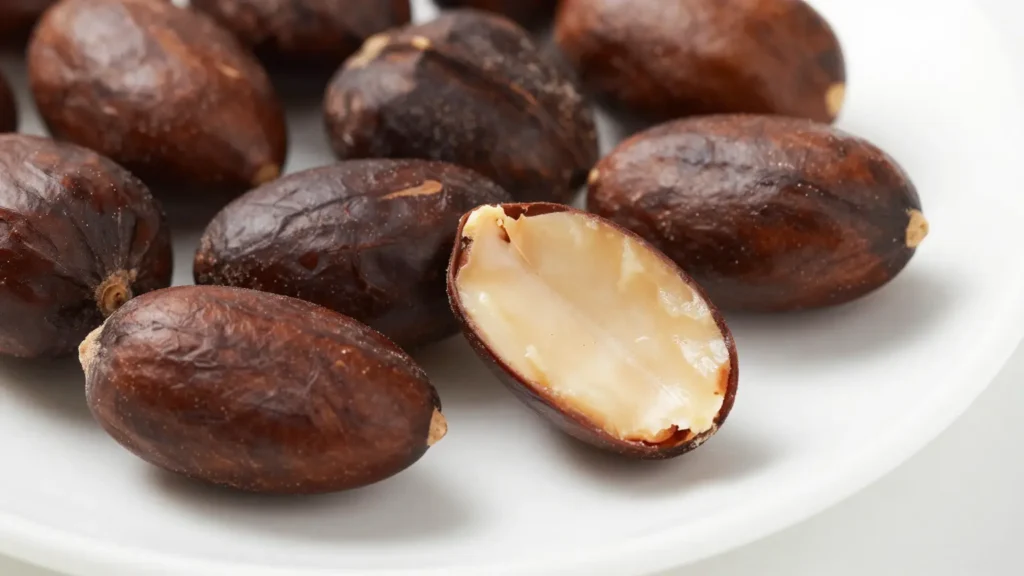
Baru Nut Nutrition is an emerging topic in the world of healthy eating and environmental conservation. These unique seeds, known locally as “baru almonds” or simply “barukas,” hail from Brazil’s Cerrado ecosystem – a biodiversity hotspot under severe threat due to deforestation for cattle ranching and agricultural expansion.
Imagine discovering a superfood that could potentially help preserve one of the world’s most endangered ecosystems. That’s exactly what baru nuts offer: not just nutritional benefits but also an economic incentive for sustainable land use in Brazil. The Cerrado, despite being less famous than the Amazon rainforest, is home to thousands of endemic species and plays a crucial role in maintaining regional water cycles. Yet, it continues to face relentless encroachment by human activities.
From a culinary perspective, baru nuts are intriguing due to their distinct flavor profile. They boast a rich, earthy taste with subtle nutty undertones that can elevate both sweet and savory dishes. However, there’s more to them than meets the palate – they pack a punch of polyphenols, antioxidants that help combat oxidative stress within our bodies. This makes baru nuts potentially beneficial for overall health, similar to other antioxidant-rich foods like blueberries or dark chocolate.
In this article, we will explore what is known about the nutritional value and potential health benefits of baru nuts. We’ll delve into how their consumption compares to more familiar nuts like almonds, macadamias, and pistachios, highlighting where research stands in terms of evidence for both human health and environmental impact. So join us as we uncover the mysteries behind these fascinating seeds from Brazil’s Cerrado!
Where Do Baru Nuts Come From?
Baru nuts originate from the Cerrado region of Brazil, a vast tropical savanna that covers nearly one-fifth of the country’s land area. This biologically diverse ecosystem supports thousands of endemic species and is crucial for regional water cycles. The baru tree (Dipteryx alata) is native to this landscape and plays an important role in the local ecology.
Interestingly, the baru tree can grow up to 40 meters tall and produces its distinctive seeds once it reaches maturity after about 25 years. These trees are not only valuable for their edible nuts but also provide essential resources like wood and medicine to indigenous communities who have relied on them for centuries. The Cerrado’s unique climate, characterized by a dry season lasting seven months of the year, contributes to the development of baru nuts with high nutritional value.
However, the Cerrado faces severe threats from deforestation primarily due to cattle ranching and soybean farming. Conservation efforts aimed at preserving this ecosystem are critical not only for biodiversity but also for ensuring sustainable access to baru nuts. By supporting products like baru nuts that come from sustainably managed lands, consumers can help protect these precious natural resources.
Did you know that the term “baru” is derived from indigenous Tupi-Guarani languages and refers to a specific species of tree found in the Cerrado? This linguistic origin highlights the deep-rooted connection between local communities and their natural environment.
Are Baru Nuts Healthy?
The nutritional profile of baru nuts is compelling enough to warrant attention from health-conscious consumers. These seeds are rich in protein, healthy fats, dietary fiber, and a variety of essential vitamins and minerals. A 100-gram serving of baru nuts can provide around 582 calories, making them energy-dense but nutrient-packed.
One standout feature is their high content of polyphenols – natural compounds known for their antioxidant properties. Antioxidants help neutralize free radicals in the body, which are linked to various chronic diseases such as heart disease and cancer. Baru nuts contain significantly higher levels of phenolic acids compared to many other nut varieties, indicating a strong potential benefit for reducing oxidative stress.
Additionally, baru nuts offer a good mix of essential minerals including calcium, iron, magnesium, phosphorus, potassium, zinc, copper, and manganese. These minerals play critical roles in bone health, blood oxygenation, enzymatic reactions, muscle contractions, nerve functions, and immune responses. For instance, the high levels of magnesium can support heart function and maintain healthy blood pressure.
Culinary Uses of Baru Nuts
Despite being less familiar than other nut varieties, baru nuts have a unique flavor profile that can enhance both sweet and savory dishes. Their taste is described as rich and earthy with subtle nutty undertones, making them versatile ingredients in the kitchen.
Roasting baru nuts before consumption not only enhances their flavor but also makes them safe to eat by breaking down potentially harmful compounds present in raw seeds. However, this process can introduce advanced glycation end-products (AGEs), which are linked to oxidative stress and inflammation. Therefore, while roasting is necessary for safety, it’s important to balance the benefits with potential drawbacks.
In culinary applications, baru nuts can be used as a snack, added to trail mixes, incorporated into baked goods like cookies or granola bars, or even sprinkled over salads and desserts for an extra crunch. Their unique texture and flavor make them stand out in recipes where other nuts might seem too familiar or bland.
The high levels of polyphenols found in baru nuts rival those found in superfoods like blueberries, positioning them as a potent antioxidant source within their unique category of seeds.
Can Baru Nuts Lower Cholesterol?
Emerging evidence suggests that baru nuts may offer cardioprotective benefits similar to other nutrient-dense nuts like almonds and walnuts, particularly when it comes to cholesterol levels. The findings from preliminary studies indicate that regular consumption of baru nuts could contribute positively to cardiovascular health by reducing harmful LDL cholesterol.
Evidence from Animal Studies
One study conducted on rats involved substituting lard in their diet with baru nuts. Researchers observed a significant reduction in total and LDL cholesterol levels among the test subjects, suggesting that baru nuts might play a role in managing blood lipid profiles effectively when consumed regularly.
Human Trials and Observations
A human trial involving participants consuming around 28 grams of baru nuts daily for six weeks reported an average decrease of up to 9% in their LDL cholesterol. This reduction, though moderate compared to some other nut varieties, indicates that baru nuts could be a valuable addition to dietary strategies aimed at improving cardiovascular health.
Mechanisms Behind Cholesterol Reduction
The exact mechanisms behind the observed cholesterol-lowering effects are not fully understood but likely involve several factors inherent in baru nuts’ nutritional composition. For instance, their high content of polyphenols and other antioxidants may influence lipid metabolism positively by reducing oxidative stress associated with elevated cholesterol levels.
Moreover, the presence of dietary fibers in baru nuts aids digestion and absorption processes, potentially contributing to a lower rate of cholesterol reabsorption from the intestines back into circulation. This could further explain why consuming baru nuts regularly might help in maintaining healthier cholesterol levels.
Comparison with Other Nut Varieties
When comparing baru nuts to other common nut varieties known for their cardiovascular benefits, such as almonds or walnuts, it’s important to note that while baru nuts show promising results, the existing research is less extensive and conclusive. Almonds, for example, have been extensively studied and consistently shown positive effects on cholesterol levels even at relatively low doses.
Walnuts, another heart-healthy option, contain a variety of antioxidants like flavonoids and polyphenols which can help reduce LDL cholesterol while increasing HDL (good) cholesterol levels. However, the unique nutritional profile of baru nuts makes them stand out for their high polyphenol content and potential to offer additional health benefits beyond just cholesterol management.
Practical Implications
For individuals looking to incorporate baru nuts into their diet as part of a heart-healthy regimen, it’s essential to do so in moderation due to their caloric density. A balanced approach that includes a variety of nutrient-dense foods alongside regular physical activity is recommended for optimal cardiovascular health.
Incorporating baru nuts into meals and snacks can provide an enjoyable way to introduce more antioxidants and healthy fats into one’s diet, potentially supporting overall well-being along with cholesterol management.
Future Research Directions
While initial studies are promising, further research is needed to fully understand the long-term effects of consuming baru nuts on cardiovascular health. Larger-scale human trials that span longer periods would provide clearer insights into their efficacy in managing cholesterol levels and reducing risk factors associated with heart disease.
Moreover, investigating how different processing methods (such as roasting versus raw consumption) impact the nutritional profile and bioavailability of beneficial compounds within baru nuts could offer valuable information for future dietary recommendations.
Risks of Eating Raw Baru Nuts
Raw baru nuts pose several risks that must be considered before consuming them directly from the tree or purchasing them unprocessed. These seeds contain certain compounds and anti-nutritional factors that can cause digestive issues, allergic reactions, and other adverse health effects if not properly prepared.
One major risk is the presence of lectins, a type of protein found in many plant foods that can be harmful to human health when consumed raw or improperly cooked. Lectins are known for their ability to bind to cell membranes, potentially disrupting digestive processes and causing inflammation. Raw baru nuts may also contain other anti-nutrients such as phytic acid, which can inhibit the absorption of essential minerals like iron, zinc, and calcium.
Another critical concern is cyanogenic glycosides, a compound that releases toxic hydrogen cyanide when metabolized by human enzymes or bacteria in the gut. This chemical is particularly dangerous because it can interfere with cellular respiration, leading to severe symptoms ranging from nausea and vomiting to convulsions and respiratory failure. Proper heating of baru nuts helps deactivate these harmful compounds, making them safe for consumption.
Allergic reactions are also a potential risk associated with eating raw baru nuts. Like other tree nuts, baru nuts can trigger allergic responses in sensitive individuals. Symptoms may range from mild itching and swelling to more severe anaphylactic shock, which requires immediate medical attention. Individuals with known nut allergies should consult their healthcare provider before introducing baru nuts into their diet.
The Role of Cooking
Cooking plays a crucial role in mitigating the risks associated with raw baru nuts. Proper heat treatment not only enhances flavor and texture but also breaks down harmful compounds like lectins, cyanogenic glycosides, and other anti-nutritional factors. Roasting, boiling, or soaking methods are commonly used to prepare baru nuts safely.
However, it’s important to note that cooking processes can introduce new concerns. For example, roasting can lead to the formation of advanced glycation end-products (AGEs), which have been linked to oxidative stress and inflammation. High levels of AGEs in foods may contribute to chronic diseases over time, highlighting the need for a balanced approach when preparing baru nuts.
Nutritional Impact of Cooking
While cooking improves safety, it can also affect the nutritional content of baru nuts. Heat treatment might reduce certain vitamins and enzymes that are sensitive to high temperatures, such as vitamin C and B-complex vitamins. However, the benefits of removing harmful compounds generally outweigh these minor losses in nutrient density.
To maximize both safety and nutrition, it’s advisable to use gentle cooking methods like low-temperature roasting or boiling for short periods. These techniques help ensure that any potential risks are minimized while preserving as much nutritional value as possible.
Consumer Awareness
Given the unique nature of baru nuts and their processing requirements, consumer education is vital. Labels on packaged products should clearly indicate whether the nuts have been properly prepared to avoid any health hazards. Manufacturers must also adhere to strict safety standards during production processes to ensure that all baru nuts reach consumers in a safe and consumable state.
By understanding these risks and taking necessary precautions, consumers can enjoy the health benefits of baru nuts while minimizing any adverse effects on their well-being.
Always opt for roasted or otherwise properly processed baru nuts to avoid the risks associated with consuming them raw.
Why Choose Other Nuts Over Baru Nuts?
When deciding between baru nuts and other common nut varieties like almonds or macadamias, several factors come into play that might make choosing the latter more appealing. Here are some reasons why consumers might opt for well-studied nuts over baru nuts:
Established Health Benefits
Almonds, for example, have a wealth of research supporting their cardioprotective effects. Studies consistently show that almonds can help lower LDL cholesterol levels even at relatively low doses. Walnuts also offer significant benefits, including an increase in HDL (good) cholesterol and reductions in triglycerides.
Dietary Convenience
Unlike baru nuts, which require proper heat treatment to be safe for consumption due to harmful compounds like lectins and cyanogenic glycosides, common nuts can often be eaten raw or roasted without introducing potentially harmful AGEs. This makes them more convenient and versatile for everyday use in snacks and meals.
Consumer Awareness
The lack of widespread information about baru nuts means that many consumers may be unaware of the specific preparation methods required to make them safe. Common nuts like almonds, on the other hand, have clear instructions and are widely recognized as a healthy snack option.
Broader Nutritional Profile
While baru nuts offer high levels of polyphenols and antioxidants, they lack the comprehensive nutritional profile found in more well-researched nut varieties. For instance, macadamias provide substantial amounts of heart-healthy fats along with other essential vitamins and minerals necessary for overall health.
Culinary Versatility
The culinary versatility of almonds, macadamias, and pistachios is another significant advantage over baru nuts. These common nuts are widely used in a variety of recipes, from baking to salads and smoothies, making them more convenient for diverse cooking needs.
Environmental Considerations
Supporting sustainable farming practices that promote biodiversity conservation can be achieved through the consumption of various nut varieties as well. Choosing certified organic or sustainably sourced almonds, walnuts, and macadamias ensures environmental benefits similar to those offered by baru nuts but with a broader research base supporting their overall impact.
Are you considering trying baru nuts? Make sure they have been properly processed before consumption to avoid health risks.
Did you know that the high polyphenol content in baru nuts rivals superfoods like blueberries, making them a potent antioxidant source within their unique category of seeds?
Nutritional Benefits Compared to Almonds
When considering incorporating baru nuts into one’s diet, it’s essential to compare their nutritional value with more familiar nut varieties like almonds or macadamias. This comparison helps identify whether the unique benefits of baru nuts justify their inclusion alongside these well-established options.
Macronutrient Content
The macronutrient composition of baru nuts is noteworthy, but they don’t necessarily outshine other common nuts in this aspect:
| Nut Type | Protein (g) | Fat (g) | Fiber (g) | Calories (kcal) |
|---|---|---|---|---|
| Baru Nuts | 20 | 48 | 13 | 582 |
| Almonds | 21 | 49 | 12 | 579 |
| Macadamias | 7 | 76 | 8 | 718 |
| Pistachios | 21 | 45 | 10 | 557 |
Almonds and pistachios offer comparable protein content to baru nuts, while macadamias are higher in fats but lower in calories. This variety means that consumers can choose based on their dietary needs and preferences.
Vitamin and Mineral Content
Beyond macronutrients, the vitamin and mineral profile of baru nuts provides additional insights into their nutritional value:
- Baru Nuts are rich in essential vitamins such as B1 (thiamine) and E. They also contain significant amounts of minerals like magnesium, phosphorus, potassium, zinc, copper, and manganese.
- Almonds, on the other hand, are renowned for being a good source of vitamin E and magnesium, contributing to heart health and immune function.
- Macadamias offer substantial amounts of thiamine (B1) and manganese, vital for brain function and bone health. They also provide some selenium and calcium.
This diversity in mineral content suggests that each nut variety has unique benefits, which can complement one another when included in a balanced diet.
Unique Nutritional Highlights
One standout feature of baru nuts is their exceptionally high polyphenol content:
| Nut Type | Polyphenol Content (mg/100g) |
|---|---|
| Baru Nuts | 875 |
| Almonds | 234 |
| Macadamias | 69 |
| Pistachios | 450 |
Baru nuts have significantly higher levels of polyphenols compared to almonds and macadamias, making them a potent source of antioxidants. This is comparable to superfoods like blueberries, positioning baru nuts as a unique option for those seeking high-antioxidant foods.
Digestive Health
The dietary fiber content in baru nuts can contribute positively to digestive health:
| Nut Type | Fiber (g) |
|---|---|
| Baru Nuts | 13 |
| Almonds | 12 |
| Macadamias | 8 |
| Pistachios | 10 |
A diet rich in fiber can help regulate digestion, prevent constipation, and support the growth of beneficial gut bacteria. Baru nuts offer a substantial amount of dietary fiber, similar to almonds and pistachios.
Cardiovascular Health
Both baru nuts and common nut varieties like almonds are considered heart-healthy due to their healthy fat content and potential cholesterol-lowering effects:
- Almonds have been extensively studied for their cardioprotective properties. Regular consumption can help reduce LDL (bad) cholesterol levels, which contributes to a reduced risk of cardiovascular disease.
- Macadamias offer high amounts of monounsaturated fats, known for their role in improving heart health by lowering bad cholesterol and increasing good cholesterol.
Baru nuts also show promise in reducing cholesterol levels, though the evidence is less robust compared to almonds. The preliminary studies indicate that regular consumption could contribute positively to cardiovascular health by managing blood lipid profiles effectively.
Practical Considerations
When integrating baru nuts into your diet, it’s important to consider practical aspects like availability and preparation methods:
- Availability: Baru nuts are still relatively new in the market compared to almonds or macadamias. They may not be as widely available in grocery stores yet.
- Preparation: As mentioned earlier, baru nuts must be roasted before consumption due to harmful compounds present in raw seeds. This adds an extra step that might deter some consumers.
Environmental Benefits
Choosing baru nuts can also have environmental benefits by supporting sustainable land use practices in Brazil’s Cerrado region. However, similar benefits can be achieved through the purchase of certified organic or sustainably sourced almonds and macadamias from reputable brands.
The high polyphenol content in baru nuts rivals that of blueberries, positioning them as a potent antioxidant source within the nut family.
By understanding these nuances, consumers can make informed decisions about incorporating baru nuts into their diet and reaping the benefits they offer while being mindful of potential risks.
How Cooking Methods Affect AGE Content in Baru Nuts
Cooking methods play a crucial role in enhancing the flavor and safety of baru nuts while also impacting their nutritional profile, particularly with regard to advanced glycation end-products (AGEs). Understanding these effects is essential for both producers and consumers who wish to maximize the health benefits of this unique seed.
The Formation of AGEs
Advanced glycation end-products are compounds that form when sugars react non-enzymatically with proteins or lipids, often in a process accelerated by high heat. These reactions typically occur during cooking processes like roasting, frying, and grilling. High levels of dietary AGEs have been linked to oxidative stress, inflammation, and an increased risk of chronic diseases such as diabetes and cardiovascular disease.
Impact of Roasting on Baru Nuts
Roasting is one of the most common methods used for preparing baru nuts before consumption. This process not only enhances their taste but also makes them safer by breaking down potentially harmful compounds like lectins and cyanogenic glycosides found in raw seeds. However, roasting can introduce significant amounts of AGEs into the final product.
A study comparing different cooking techniques on baru nuts revealed that roasted samples contained substantially higher levels of AGEs compared to boiled or soaked counterparts. This finding highlights the trade-off between safety and potential negative health impacts associated with high-temperature processing methods.
Alternative Cooking Methods
To minimize the formation of AGEs while still ensuring safety, alternative cooking methods can be considered:
- Boiling: Boiling baru nuts is an effective way to enhance their digestibility and remove anti-nutritional factors without significantly increasing AGE content. While it may not provide the same robust flavor as roasting, boiling retains more nutrients that are sensitive to heat.
- Soaking: Soaking baru nuts overnight before cooking can reduce harmful compounds through water absorption, thereby requiring less intense heating during preparation. This method is particularly beneficial for reducing lectins and phytic acid content without introducing AGEs.
- Low-Temperature Roasting: Employing lower temperatures (around 150°C) during roasting can help maintain a balance between safety and minimizing AGE formation. Although this approach might take longer, it preserves more of the nut’s natural antioxidants and essential nutrients.
Consumer Considerations
For consumers looking to enjoy baru nuts while being mindful of dietary AGE intake, choosing products that undergo minimal heat treatment or opting for alternative preparation methods can be beneficial. Labels indicating specific cooking techniques used during processing provide valuable information in making informed choices.
Always choose baru nuts prepared with minimal heat treatment to avoid high levels of potentially harmful AGEs.
Low-temperature roasting not only reduces AGE formation but also helps preserve essential nutrients and antioxidants in baru nuts.
Healthier Alternatives to Roasted Baru Nuts
While roasted baru nuts offer a delicious snack with numerous health benefits, there are several alternatives that can provide similar nutritional advantages without the associated risks of advanced glycation end-products (AGEs). These alternatives include other nut varieties like almonds and macadamias, which have extensive research supporting their health benefits.
Almonds: A Superior Choice
Almonds stand out as a top alternative to roasted baru nuts due to their well-documented health benefits and ease of consumption. They are rich in heart-healthy fats, protein, fiber, vitamins (particularly vitamin E), and minerals such as magnesium and potassium. Studies consistently show that almonds can help reduce LDL cholesterol levels even when consumed in moderate amounts.
Almonds also offer a variety of culinary applications, making them a versatile addition to any diet. They can be eaten raw or lightly roasted without the high risk of AGE formation, providing consumers with a safer option for snacking and cooking. Additionally, the widespread availability of almonds means they are easily accessible in most grocery stores around the world.
Macadamias: Nutrient-Dense Options
Macadamia nuts provide another excellent alternative to baru nuts due to their unique nutritional profile and cardioprotective effects. These nuts are especially high in monounsaturated fats, which have been linked to improved heart health by reducing LDL cholesterol levels while increasing HDL (good) cholesterol.
Unlike roasted baru nuts, macadamias require minimal processing beyond light roasting or raw consumption to retain their nutritional benefits. This makes them a safer option for those concerned about the potential risks associated with higher heat treatments. Macadamias also offer substantial amounts of essential minerals like thiamine (vitamin B1) and manganese.
Raw vs Roasted Considerations
One key advantage of choosing almonds or macadamias over roasted baru nuts is the ability to consume them raw without introducing harmful compounds. While baru nuts need proper heat treatment to be safe, almonds and macadamias can often be enjoyed raw, ensuring maximum nutrient retention and minimizing exposure to AGEs.
Practical Tips for Incorporation
Integrating these healthier alternatives into your diet can be straightforward:
- Snack on Raw Almonds: Enjoy a handful of raw almonds as a midday snack to boost energy levels.
- Add Macadamias to Salads: Toss some lightly roasted macadamia nuts over salads for added crunch and nutrition.
- Use Nut Butters in Recipes: Incorporate almond or macadamia butter into smoothies, sauces, or spreads to enhance flavor and texture.
Choosing these alternatives ensures a safer and more nutritious snacking experience while also supporting established dietary guidelines and culinary preferences.
Opting for almonds or macadamias over roasted baru nuts provides a safer and equally beneficial snack option.
Conclusion: Incorporating Baru Nuts into Your Diet
Incorporating baru nuts into your diet can offer unique nutritional advantages, but it’s important to be aware of the necessary preparation methods and limited research compared to well-studied nut varieties like almonds or macadamias. While baru nuts are rich in polyphenols and may help lower cholesterol levels, they require proper heat treatment to remove harmful compounds, which introduces advanced glycation end-products (AGEs) linked to health risks. Opting for other nuts provides a safer option with similar or better documented health benefits, making them a more reliable choice for enhancing overall well-being.
By choosing almonds or macadamias, consumers can enjoy heart-healthy fats, essential vitamins and minerals, and a wide range of culinary uses without the added concerns of AGE formation. These alternatives offer a balanced approach to nutrition and taste, ensuring that you can maximize health benefits while minimizing potential risks.
Frequently Asked Questions (FAQ)
Are baru nuts good for heart health?
While some studies suggest that baru nuts may have a modest effect on cholesterol levels, the evidence is not as strong compared to other common nuts like almonds. For instance, regular almonds have shown more consistent and significant benefits in multiple controlled trials.
How much baru nut should I eat daily for potential health benefits?
Based on one study, consuming less than an ounce (about 28 grams) of baru nuts per day could lead to a noticeable drop in LDL cholesterol after six weeks. However, it’s important to note that the evidence is still limited compared to other nuts.
Can I eat baru nuts raw or do they need cooking?
Due to certain compounds in baru nuts that must be deactivated by heat before consumption, you should always cook them properly before eating. This can include roasting or boiling to ensure safety and maximize health benefits.
What are the AGE content levels of baru nuts compared to other plant-based foods?
Similar to high-fat plant foods like roasted tofu, baru nuts have higher levels of advanced glycation end-products (AGEs) when cooked at high temperatures. To reduce AGE consumption, it’s recommended to eat raw or lightly cooked baru nuts whenever possible.
Are there any specific health benefits unique to baru nuts compared to other nuts?
While baru nuts contain various nutrients and may offer some health benefits like cholesterol reduction, the evidence is less robust than for common nuts such as almonds. More research is needed to confirm unique benefits.
Can I substitute baru nuts for regular nuts in my diet?
Although baru nuts might be a good addition to your diet, there are more extensively studied alternatives that could provide greater health benefits at lower doses, like almonds or pistachios.
Are there any risks associated with eating too many baru nuts?
There is no direct evidence provided about specific risks of overconsumption. However, it’s always wise to maintain a balanced diet and not rely solely on one type of nut for your nutritional needs.
How do baru nuts compare in terms of taste and texture when cooked versus raw?
Cooking baru nuts helps neutralize certain compounds but may also alter their flavor and texture significantly. Lightly roasted or boiled baru nuts are generally safer to eat while maintaining a pleasant taste and soft texture.
Can I use baru nut oil as an alternative cooking oil?
While it’s possible to extract oil from baru nuts, there’s limited information about its health benefits compared to well-established oils like olive or avocado oil. More research is needed to fully understand the properties of baru nut oil.
Are there any specific cuisines that commonly use baru nuts?
Baru nuts are native to Brazil and are widely consumed in South American cuisine. They can be incorporated into various dishes, such as stews, desserts, or snack mixes, adding a unique flavor profile to traditional recipes.