Introduction: Can Mushrooms Improve Your Health?

The Mushroom Diet has caught the attention of many health enthusiasts looking to boost their well-being naturally and sustainably. But can simply adding more mushrooms to your meals truly make a difference? Mushrooms are not just delicious; they’re packed with nutrients that can support various aspects of health, from boosting immunity to managing blood sugar levels.
Imagine incorporating a variety of mushrooms into your daily diet – delicious button mushrooms, earthy shiitake, and potent reishi. Each type brings unique benefits: shiitakes are loaded with antioxidants, while reishi is celebrated for its stress-reducing properties. The diversity of mushroom species means there’s always something new to explore in the kitchen.
By integrating more mushrooms into your meals, you’re not just enhancing flavor; you’re also tapping into a powerful source of vitamins, minerals, and essential amino acids that can support overall health. For instance, certain types like maitake are known for their potential to lower cholesterol levels, while chanterelles contribute to eye health with high amounts of vitamin A.
So, the next time you’re shopping for groceries, consider picking up a few different varieties of mushrooms and experimenting with new recipes. Your taste buds – and your body – will thank you!
Types of Mushroom Diets
Mushroom diets come in various forms, each tailored to different health goals and preferences. One common approach involves higher consumption of mushrooms as part of a balanced diet, focusing on integrating diverse species into regular meals for nutritional benefits. For instance, adding shiitake or maitake to soups and stews can significantly boost your intake of vitamins and minerals.
Another method is the regular intake of specific medicinal mushrooms, often used in traditional Asian medicine. Mushrooms like reishi, cordyceps, and chaga are renowned for their immune-boosting properties and potential stress-relieving effects. Incorporating these into your daily routine can be as simple as brewing a cup of mushroom tea or adding them to smoothies.
Some individuals adopt mushrooms as a meat replacement, capitalizing on their high protein content and meat-like texture, especially with varieties like king trumpet or oyster mushrooms. This not only provides an alternative source of essential nutrients but also supports dietary choices aligned with sustainability goals.
Lastly, there are fad diets such as the M-plan diet, which involves replacing one meal per day with mushrooms for two weeks. While this can be a temporary strategy to boost nutrient intake and detoxify the body, it’s important to approach such diets cautiously due to lack of substantial scientific evidence supporting long-term benefits or safety.
Each type of mushroom diet offers unique advantages, making them appealing options for individuals seeking natural ways to enhance their health through dietary changes.
Nutritional Value Compared to Other Foods
Mushrooms stand out due to their unique nutritional profile that rivals many other common food sources. They are an excellent source of B vitamins, particularly riboflavin (B2), niacin (B3), and pantothenic acid (B5), which are crucial for energy metabolism and nervous system function. In contrast to most vegetables, mushrooms provide a significant amount of vitamin D when exposed to sunlight or UV light during cultivation, making them one of the few dietary sources of this vital nutrient.
| Nutrient | Mushroom (per 100g) | Broccoli (per 100g) | Spinach (per 100g) |
|---|---|---|---|
| Vitamin D | 236 IU | 1.6 IU | 4 IU |
| Riboflavin | 0.5 mg | 0.17 mg | 0.19 mg |
| Niacin | 3.8 mg | 0.7 mg | 0.9 mg |
When it comes to minerals, mushrooms are a rich source of selenium and copper, essential for thyroid function and red blood cell production respectively. Selenium is not as abundant in many plant-based foods compared to animal products, making mushrooms an excellent choice for vegetarians or vegans seeking this nutrient.
Moreover, mushrooms contain ergothioneine, a powerful antioxidant that provides unique health benefits by protecting cells from oxidative stress. This makes them particularly valuable when considering dietary strategies aimed at reducing inflammation and supporting immune function.
Comparing the protein content of mushrooms to other popular foods highlights their versatility as a meat substitute or complement. Unlike many vegetables, which provide minimal amounts of protein, mushrooms offer a substantial amount – similar to lean meats in some cases. For instance, oyster mushrooms can contain up to 20 grams of protein per 100 grams, comparable to skinless chicken breast at around 31 grams.
| Protein Source | Protein Content (per 100g) |
|---|---|
| Chicken Breast | 31 g |
| Oyster Mushrooms | 20 g |
In summary, mushrooms not only offer a unique blend of vitamins and minerals but also provide essential amino acids that are crucial for muscle repair and growth. This makes them an invaluable addition to any diet looking to enhance overall health naturally without relying heavily on animal products.
Vitamins and Minerals in Edible Mushrooms
Edible mushrooms are a treasure trove of essential vitamins and minerals, making them an ideal component of a balanced diet. They offer a wide range of nutrients that contribute to various aspects of health, including immune function, cardiovascular health, and cellular repair.
Vitamin D, for instance, is particularly notable in mushrooms due to their unique ability to synthesize this vitamin when exposed to sunlight or UV light during cultivation. This natural process makes them one of the few non-animal sources rich in Vitamin D, crucial for bone health and immune support. In contrast, most vegetables contain negligible amounts of Vitamin D, making mushrooms a standout option for individuals looking to increase their intake without relying on fortified foods or supplements.
In addition to Vitamin D, mushrooms are also high in B vitamins, particularly riboflavin (B2), niacin (B3), and pantothenic acid (B5). These B vitamins play critical roles in energy production and the maintenance of nerve function. For example, riboflavin is essential for converting food into energy, while niacin supports DNA repair and cell communication.
Mushrooms also excel in providing minerals such as selenium and copper. Selenium aids thyroid function by helping to regulate metabolism, while copper is vital for red blood cell production and iron absorption. These minerals are often harder to find in plant-based diets, making mushrooms an important dietary source for vegetarians and vegans.
Another notable nutrient found in mushrooms is ergothioneine, a powerful antioxidant that protects cells from oxidative stress. Ergothioneine is unique to mushrooms and fungi, offering specific benefits related to reducing inflammation and supporting immune function.
Furthermore, mushrooms are rich in trace elements like zinc and iron. Zinc contributes to immune system health and wound healing, while iron is crucial for preventing anemia by facilitating oxygen transport throughout the body.
Incorporating a variety of mushrooms into your diet can help ensure you receive these essential vitamins and minerals naturally, enhancing your overall health and well-being.
Many species of edible mushrooms contain higher levels of certain nutrients when grown in sunlight or under UV light. This is because they synthesize Vitamin D similarly to how humans do when exposed to the sun, making them an excellent natural source for this vital vitamin.
Bioactive Compounds and Their Benefits
Mushrooms are renowned for their wealth of bioactive compounds that offer a range of health benefits beyond basic nutrition. These compounds include β-glucans, triterpenes, polysaccharides, sterols, phenolic acids, and flavonoids, each contributing uniquely to overall well-being.
One key group of bioactives is the β-glucans. Found in many edible mushroom species such as shiitake (Lentinula edodes) and maitake (Grifola frondosa), β-glucans are complex carbohydrates that can enhance immune function, reduce cholesterol levels, and even exhibit antitumor effects. Research indicates that these compounds stimulate the production of cytokines – substances in the body that help fight infections and diseases.
Triterpenes, another important class of bioactive compounds, include ganoderic acids found in reishi (Ganoderma lucidum) mushrooms. These substances are known for their anti-inflammatory properties and potential to regulate blood pressure and cholesterol levels. Additionally, triterpenes can support liver health by reducing oxidative stress.
Polysaccharides within mushrooms also play a crucial role in immune modulation. For example, the lentinan found in shiitake mushrooms is widely studied for its ability to boost immune response against viral infections and cancer cells. Polysaccharides enhance natural killer cell activity and macrophage function, contributing to overall immune health.
Sterols like ergosterol are another beneficial component of mushrooms. When exposed to UV light during cultivation, ergosterol converts into Vitamin D, which is essential for bone health, immune function, and calcium absorption. This conversion makes mushrooms a unique source of this vitamin that isn’t commonly found in plant-based foods.
Phenolic acids and flavonoids are antioxidant compounds that protect against oxidative stress and inflammation. These substances help prevent cellular damage caused by free radicals, potentially reducing the risk of chronic diseases such as heart disease and cancer. > Chanterelles contain high levels of antioxidants like vitamin C and various phenols, making them a powerful addition to any diet aimed at preventing age-related ailments.
Incorporating mushrooms rich in these bioactive compounds into your diet can offer numerous health benefits, from immune support to cardiovascular protection. Whether you’re looking to boost your immune system during cold season or seeking natural remedies for chronic conditions, mushrooms provide an array of beneficial compounds that can help enhance your overall well-being naturally.
By understanding the diverse range of bioactives found in mushrooms, individuals can make informed choices about which species to include in their diet based on specific health goals. For example, if you’re interested in boosting immunity, shiitake and reishi are excellent options due to their rich content of β-glucans and triterpenes.
In conclusion, the unique combination of bioactive compounds found in mushrooms underscores their potential as a natural supplement for enhancing various aspects of health. Whether you’re seeking immune support, cardiovascular protection, or simply adding more antioxidants to your diet, mushrooms offer a versatile and effective solution.
Recommended Foods for a Mushroom-Based Diet
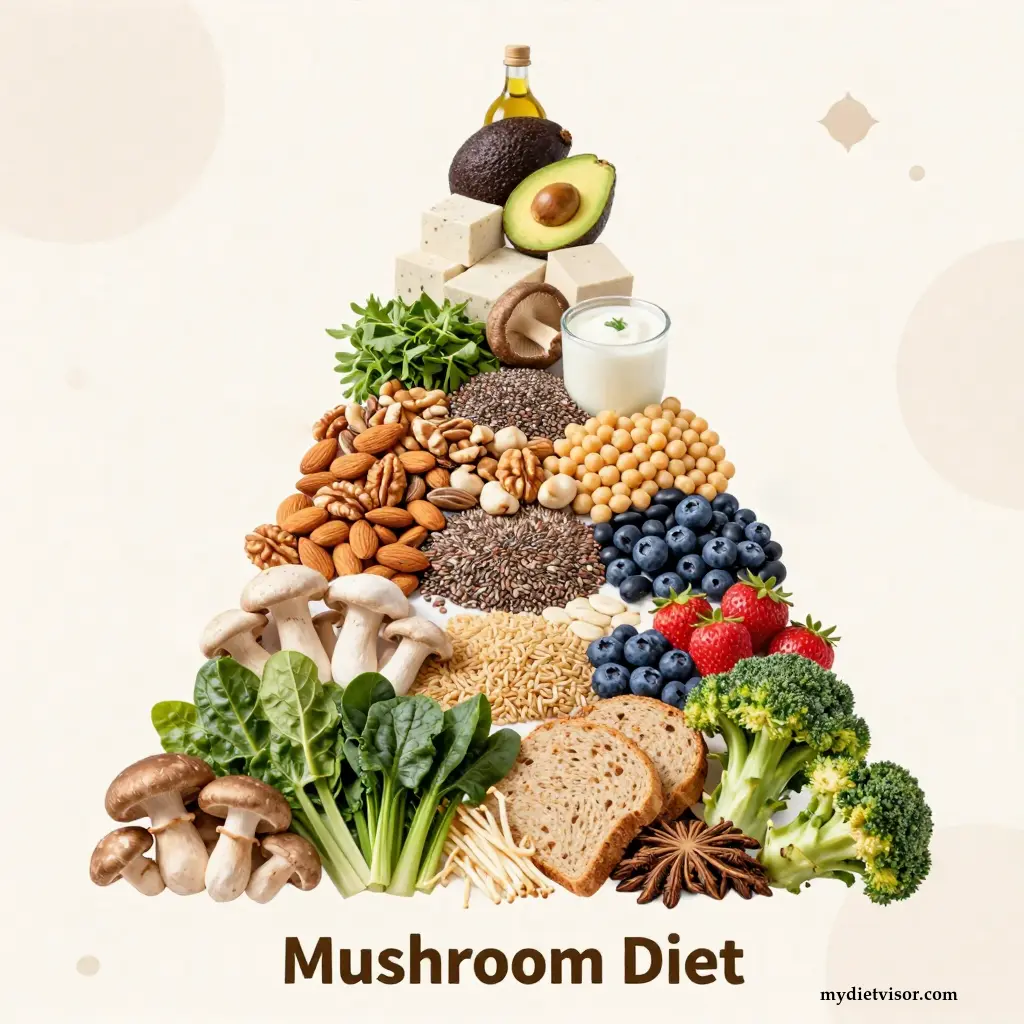
When adopting a mushroom diet, it’s essential to combine mushrooms with other nutrient-rich foods to create balanced meals that support overall well-being. Here are some recommended foods that complement the unique benefits of mushrooms:
Proteins and Healthy Fats
Incorporating legumes, such as lentils, chickpeas, and black beans, can provide a good source of protein and fiber alongside mushrooms in your diet. Legumes are also high in iron and other minerals, making them an excellent choice for enhancing the nutritional value of meals.
Avocados and nuts like almonds and walnuts offer healthy fats that support heart health while adding flavor and texture to dishes featuring mushrooms. These foods pair well with mushrooms in salads or as toppings on grains and vegetables.
Whole Grains
Whole grains such as quinoa, brown rice, and oats provide a great base for meals rich in fiber, vitamins, and minerals when combined with mushrooms. Quinoa is especially beneficial due to its complete protein profile, making it an ideal partner for enhancing the amino acid content of your diet.
Fruits and Vegetables
Adding fruits like berries or citrus can introduce antioxidants that complement the anti-inflammatory properties of mushrooms. Berries are rich in anthocyanins, which have been linked to improved cognitive function and heart health.
Leafy greens such as spinach and kale offer a wide range of nutrients including vitamins A, C, K, calcium, iron, and magnesium. These vegetables can be sautéed with garlic and mushrooms for a nutritious side dish that supports bone health and immune function.
Spices and Herbs
Incorporating spices like turmeric, ginger, and cumin into your mushroom dishes can boost their anti-inflammatory properties and add depth of flavor. Turmeric contains curcumin, known for its powerful antioxidant and anti-inflammatory effects.
Herbs such as thyme, rosemary, and parsley not only enhance the taste but also contribute to better digestion and immune support. These herbs are easy to grow in small pots indoors or outdoors, adding a fresh touch to your meals.
Beverages
Drinking plenty of water is essential for overall health, especially when incorporating mushrooms that may have diuretic properties. Herbal teas made from chamomile, peppermint, or rooibos can be soothing and complement the calming effects often associated with certain medicinal mushrooms like reishi.
Green tea is another excellent choice as it contains catechins that support weight management and heart health while providing a gentle caffeine boost without jitters.
By integrating these foods into your diet alongside various mushroom species, you can create meals that are not only delicious but also nutritionally balanced to enhance your overall health naturally.
Using Mushrooms as a Meat Substitute
Mushrooms have gained popularity as a versatile meat substitute due to their high protein content, chewy texture, and ability to absorb flavors. This makes them an excellent option for vegetarians, vegans, or anyone looking to reduce their meat consumption while maintaining a balanced diet.
King trumpet mushrooms (also known as king oyster mushrooms) are particularly well-suited for this role. They have a firm, meaty texture that holds up well in cooking and can be used in recipes like burgers, stews, and stir-fries. Their dense structure makes them especially flavorful when marinated or grilled.
In comparison to beef, for example, king trumpet mushrooms contain approximately 20 grams of protein per 100 grams compared to around 31 grams in skinless chicken breast. While they may not match the exact protein content, mushrooms still offer a significant amount that can help meet daily nutritional requirements.
| Protein Source | Protein Content (per 100g) |
|---|---|
| Chicken Breast | 31 g |
| King Trumpet Mushrooms | 20 g |
Moreover, mushrooms like oyster and shiitake also serve as excellent meat substitutes. Oyster mushrooms can be sliced thinly to mimic the texture of bacon in dishes or added to soups for a hearty feel. Shiitakes have a slightly firmer texture that makes them suitable for sautéing and adding to pasta sauces or pizza toppings.
Adding mushrooms to your meals not only provides an alternative source of protein but also enhances flavor profiles with their umami taste, which is often associated with meat dishes. This versatility allows you to create satisfying vegetarian versions of classic recipes without compromising on taste or nutrition.
By substituting some meats with mushrooms, individuals can enjoy a wider variety of textures and flavors while benefiting from the unique nutritional profile that mushrooms offer. Not only do they provide essential vitamins and minerals but also bioactive compounds known for their health-promoting properties.
Incorporating mushrooms as a meat substitute is not just about cutting down on animal products; it’s also about exploring new culinary experiences and enhancing overall dietary diversity.
Criticisms and Potential Drawbacks
Despite the numerous potential benefits of incorporating mushrooms into your diet, there are several criticisms and drawbacks that deserve attention. Dr. Joseph Schwarcz, a chemistry professor at McGill University, has been critical of studies linking mushroom consumption to health improvements due to what he perceives as methodological flaws and cultural biases.
One major concern is the lack of substantial scientific evidence supporting the efficacy of certain fad diets like the M-plan diet, which involves replacing one meal per day with mushrooms for two weeks. Critics argue that such diets have not been rigorously tested over extended periods or in diverse populations to confirm their long-term benefits and safety.
Another potential drawback of a high-mushroom diet is its limited caloric intake compared to traditional food sources. Mushrooms are generally low in calories, which might make it challenging for individuals with higher energy requirements, such as athletes or pregnant women, to meet their daily needs solely through mushrooms.
Furthermore, while mushrooms offer numerous health benefits, they can also contain trace amounts of heavy metals like arsenic and cadmium due to soil contamination. This poses a risk if consumed in excessive quantities over prolonged periods. It’s important to ensure that the mushrooms you eat are sourced from reputable suppliers who monitor these levels closely.
Another consideration is allergic reactions or sensitivities some people might experience when eating certain types of mushrooms. Symptoms can range from mild digestive issues to more severe anaphylactic responses, particularly in individuals with existing food allergies.
Lastly, the cost and accessibility of specific medicinal mushrooms can be prohibitive for many consumers. While varieties like shiitake and maitake are widely available and affordable, others such as chaga or cordyceps may require significant financial investment due to their limited availability and intensive cultivation processes.
By acknowledging these criticisms and potential drawbacks, individuals can make more informed decisions about integrating mushrooms into their diet while mitigating any risks associated with this dietary approach.
Risks and Precautions with Mushrooms
When integrating more mushrooms into your diet, it’s crucial to be aware of potential risks and precautions to ensure safety and effectiveness. Consuming certain types of wild or improperly prepared mushrooms can lead to serious health issues including poisoning due to toxins they contain.
One major concern is the risk of misidentification when foraging wild mushrooms. Even experienced individuals can mistake poisonous varieties for edible ones, which can be deadly if ingested. For example, Amanita phalloides, commonly known as the death cap mushroom, is highly toxic and responsible for numerous fatalities each year. This underscores the importance of seeking expert guidance or joining guided foraging groups when venturing into wild mushrooms.
Moreover, commercial mushrooms should also be sourced from reputable suppliers to avoid contamination with heavy metals like lead or cadmium due to soil pollution during cultivation. Regular testing by suppliers ensures that any potential contaminants are kept at safe levels before they reach your table.
For individuals with specific health conditions, consulting a healthcare provider is essential before significantly increasing mushroom intake. People with allergies or sensitivities may experience adverse reactions ranging from skin rashes and gastrointestinal issues to more severe symptoms like anaphylaxis. Additionally, those on certain medications should be cautious as some mushrooms can interact negatively with pharmaceuticals.
Lastly, while medicinal mushrooms offer promising health benefits, their high cost might limit accessibility for many consumers. Varieties such as chaga or cordyceps often require specialized cultivation methods and come at a premium price point compared to more common species like shiitake or maitake.
By being mindful of these risks and taking necessary precautions, you can safely enjoy the health benefits mushrooms have to offer while minimizing potential downsides. Always prioritize safety when exploring new dietary supplements or changing your diet significantly.
Summary: Versatility and Benefits of Incorporating Mushrooms
Incorporating mushrooms into your diet can be a delightful and nutritious choice, offering a range of health benefits from boosting immunity to supporting cardiovascular health. Whether you opt for higher consumption, regular intake of medicinal varieties, or use them as a meat substitute, the versatility of mushrooms allows for endless culinary possibilities. With their unique blend of vitamins, minerals, and bioactive compounds, mushrooms provide a powerful yet natural way to enhance your well-being. However, it’s important to be mindful of potential drawbacks such as heavy metal contamination and allergic reactions, ensuring that you source them from reliable suppliers and consult healthcare professionals if needed. By making informed choices, you can safely enjoy the myriad benefits mushrooms have to offer.
Frequently Asked Questions (FAQ)
What are the health benefits of including mushrooms in my diet?
Including mushrooms in your diet can provide numerous health benefits due to their rich nutritional profile. They offer essential vitamins and minerals, such as B vitamins, selenium, copper, and potassium, which support overall health and wellness.
Can I use mushrooms as a meat substitute in recipes?
Yes, many varieties of mushrooms work well as meat substitutes because they have a meaty texture when cooked and absorb flavors easily from the ingredients around them. They can be used in dishes like stews, burgers, and sautés to add heartiness without adding red meat.
Are there any risks associated with eating mushrooms?
While generally safe for most people, it’s important to avoid consuming wild mushrooms unless you are certain of their identification, as some varieties can be poisonous. Additionally, if you have allergies or specific health conditions, consult a healthcare provider before significantly increasing your mushroom intake.
How do I incorporate more mushrooms into my daily meals?
Incorporating mushrooms into daily meals is straightforward. You can add them to salads, soups, stir-fries, and sandwiches. They also work well in pasta dishes and as toppings for pizzas or omelets.
What are the best types of mushrooms to eat for health benefits?
Some of the most nutritious varieties include shiitake, maitake (hen-of-the-woods), and portobello mushrooms. These not only provide great nutritional value but also have specific health-enhancing properties attributed to their bioactive compounds.
How do mushrooms support heart health?
Mushrooms contain antioxidants that help reduce inflammation in the body, which is beneficial for cardiovascular health. Additionally, they are low in sodium and cholesterol-free, making them a heart-healthy food choice.
Can eating mushrooms improve my immune system?
Yes, certain types of mushrooms like shiitake and maitake are known to boost the immune system due to their polysaccharide content which stimulates immune cell activity. Regular consumption may help in enhancing your body’s defense against infections.
Are there specific cooking methods that preserve mushroom nutrients best?
Steaming or sautéing mushrooms can help retain more of their nutritional value compared to boiling, as boiling can cause some water-soluble vitamins and minerals to leach out into the cooking liquid.
What are some easy recipes for beginners who want to try a mushroom diet?
Beginners might enjoy simple recipes like garlic mushroom pasta, creamy mushroom soup, or a basic sautéed mushrooms dish. These recipes highlight the natural flavors of mushrooms without requiring complex techniques.
Can I eat raw mushrooms as part of my diet?
While it is possible to consume certain types of mushrooms raw, such as button and oyster mushrooms, cooking them usually improves digestibility and helps neutralize naturally occurring toxins in some species. Always ensure that any wild or less common varieties are cooked before eating.