
Introduction: How the Atkins Diet Works

The Atkins Diet, introduced by Dr. Robert C. Atkins in the 1970s, operates on a simple yet intriguing premise: drastically reducing your carbohydrate intake can trigger significant weight loss. But how exactly does it work? Let’s dive into the basics of this low-carb lifestyle and explore why millions have turned to it for quick results.
At its foundation, the Atkins Diet revolves around eating more protein-rich foods like chicken, beef, fish, eggs, cheese, and specific vegetables, while slashing carbs almost entirely. The diet begins with an induction phase that caps your daily carbohydrate intake at just 20 grams – think leafy greens and fibrous veggies – and gradually eases into adding back small amounts of nutritious carbs as you progress.
One fascinating aspect is how the Atkins Diet promises rapid weight loss by shifting your body’s metabolism into a state called ketosis. This metabolic shift occurs when insulin levels drop due to low carbohydrate intake, causing your body to start burning fat for energy instead of glucose derived from carbs. It’s this quick turnaround in results that often attracts dieters looking for immediate gratification.
But here’s where it gets interesting: while the promise of rapid weight loss is appealing, questions arise about how sustainable and healthy this approach truly is over the long term. As you explore deeper into the Atkins Diet, you’ll find yourself contemplating its effectiveness beyond those initial months – and whether sticking to such strict guidelines might pose challenges in the long run.
In the next sections, we’ll uncover more about why some people swear by the Atkins Diet while others remain skeptical, delving into both the benefits and potential drawbacks. Stay tuned as we unravel this intriguing diet’s secrets and weigh its pros and cons for those seeking lasting weight management success.
Effectiveness of Atkins for Long-Term Weight Loss
As dieters move beyond the initial rapid weight loss phase on the Atkins Diet, questions about its long-term effectiveness begin to surface. The promise of sustained success becomes a central concern, especially given the restrictive nature of the diet. Many who start the Atkins journey are initially thrilled with quick results but wonder if they can maintain such strict dietary habits indefinitely.
Research suggests that while the Atkins Diet may lead to faster initial weight loss compared to other diets, long-term adherence and sustainability remain questionable. A study published in the Journal of the American Medical Association (JAMA) found that participants on low-carb diets like Atkins showed similar fat loss as those on calorie-restricted diets over a two-year period when caloric intake was comparable. This implies that while the rapid drop in pounds might be enticing, the long-term benefits are not necessarily unique to low-carb plans.
Moreover, sticking to an extremely restrictive diet for years can be challenging. Dieters often find themselves craving forbidden foods and struggling with social situations where adhering strictly to Atkins becomes difficult. The emotional and psychological aspects of weight management cannot be ignored; maintaining a diet that feels too limiting might discourage dieters from continuing long-term.
To better understand the sustainability factor, consider how your lifestyle outside of meal times affects your ability to follow such strict guidelines. How will you manage special occasions or travel? These practical considerations are crucial for anyone looking at the Atkins Diet as a long-term solution. The key question remains: Can the dietary and lifestyle changes required by the Atkins Diet be maintained indefinitely without leading to feelings of deprivation or rebellion?
Comparison Table: Long-Term Weight Loss Outcomes
| Diet Type | Initial Weight Loss (6 Months) | Long-Term Weight Loss (>2 Years) |
|---|---|---|
| Atkins Diet | Rapid weight loss | Similar to calorie-restricted diets |
| Calorie-Restricted | Moderate | Comparable |
This table highlights that while the Atkins Diet can offer quick results in the short term, it does not necessarily outperform other diets when it comes to long-term fat loss. This realization prompts dieters to think critically about their dietary goals and the feasibility of a strict low-carb regimen over many years.
Did you know that the popularity of the Atkins Diet once led to significant changes in grocery store sales, with an increase in demand for foods like eggs and cheese?
Is the Atkins Diet Safe? Assessing Risks and Benefits
When considering any significant lifestyle change, safety is paramount. The same holds true when evaluating the Atkins Diet. While it promises rapid weight loss and a shift towards healthier eating habits for many, potential risks cannot be ignored.
Nutritional Concerns
One of the primary concerns with following the Atkins Diet over an extended period involves nutritional deficiencies. By severely restricting carbohydrates, dieters might inadvertently cut out essential nutrients found in grains, fruits, and other carbohydrate-rich foods that are typically part of a balanced diet. This can lead to deficiencies in fiber, vitamins, minerals, and antioxidants, which are crucial for overall health.
Moreover, the Atkins Diet’s emphasis on high protein consumption might pose risks for those with pre-existing kidney conditions or concerns about bone density loss. High protein intake has been linked to increased calcium excretion through urine, potentially leading to a higher risk of osteoporosis over time. Individuals with kidney issues may also experience strain due to the kidneys’ role in processing nitrogen from protein breakdown.
Cardiovascular Health
Another critical aspect is the impact on heart health. The Atkins Diet often involves eating more saturated fats and cholesterol compared to what many health organizations recommend for cardiovascular well-being. Studies have linked diets high in these substances to an increased risk of coronary artery disease, stroke, and other heart-related ailments. The American Heart Association (AHA) and similar entities advocate for limiting saturated fat intake to no more than 5-6% of total daily calories, a guideline that conflicts with the Atkins Diet’s approach.
Long-Term Psychological Impact
Beyond physical health, it’s important to consider the psychological aspects of adhering to such a restrictive diet. Maintaining strict guidelines can lead to obsessive thinking and anxiety about food choices, which might affect overall mental wellness negatively. The rigid nature of the Atkins Diet may also create a sense of deprivation among dieters who feel they must constantly resist cravings for carbohydrates.
Balancing Risks with Benefits
While the Atkins Diet presents certain risks, it’s worth noting that many individuals find success in achieving their weight loss goals and improving metabolic health in the short term. The key lies in balancing these benefits against potential long-term drawbacks. Consulting a healthcare professional before starting any new diet plan can provide personalized guidance based on individual health needs.
For those who decide to try the Atkins Diet, incorporating more flexible approaches as you move beyond the initial phases may help mitigate some of the risks associated with strict low-carb diets. This could mean gradually reintroducing a variety of whole grains, fruits, and vegetables while maintaining a focus on protein and healthy fats.
The Atkins Diet once influenced significant changes in supermarket product lines, with sales spikes observed for items like eggs and cheese during the height of its popularity.
Foods Allowed on the Atkins Diet
Understanding what you can eat during each phase of the Atkins Diet is crucial to its success. The diet categorizes foods into four phases: Induction, Ongoing Weight Loss (OWL), Pre-Maintenance, and Lifetime Maintenance. Each phase progressively allows for more variety in food choices while still maintaining a low-carb framework.
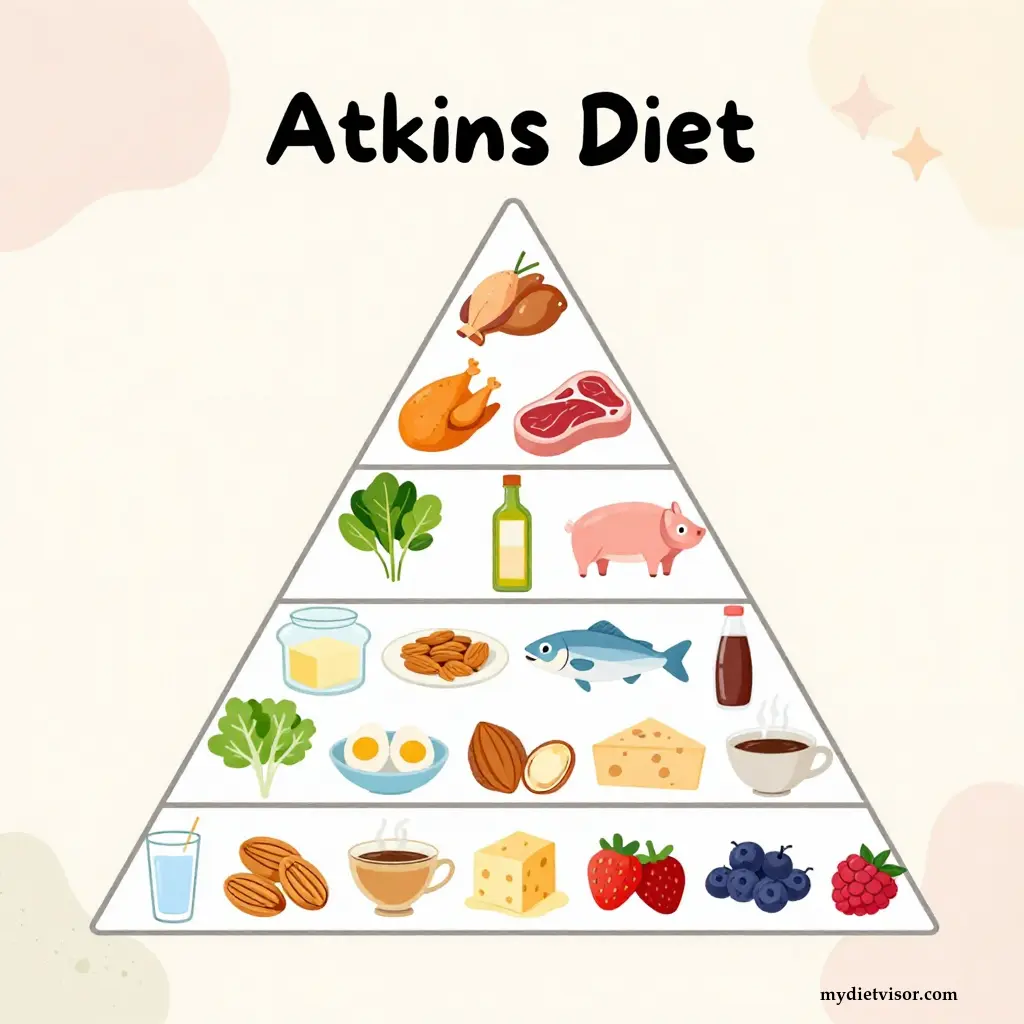
During the induction phase, you are allowed a very limited amount of carbohydrates – typically around 20 grams per day, coming primarily from salad greens and other non-starchy vegetables. This phase emphasizes foods high in protein such as meat (beef, pork, poultry), fish, eggs, and cheese. Healthy fats like olive oil, butter, and cream are also encouraged to keep you feeling full and satiated.
As you transition into the Ongoing Weight Loss phase, more flexibility is introduced with a slight increase in carbohydrate intake, allowing for additional servings of vegetables and nuts. The diet becomes less restrictive but still focuses on minimizing starchy carbs like bread or pasta. Protein sources remain plentiful, including lean meats, fish, eggs, and dairy products.
Pre-Maintenance and Lifetime Maintenance phases allow even more variety while maintaining a balance to prevent weight regain. You can gradually reintroduce whole grains, fruits, legumes, and other foods that were initially restricted. However, the focus remains on keeping carbohydrate consumption moderate and choosing nutrient-dense options over processed or high-sugar items.
Key Foods Allowed in Each Phase
- Protein Sources: Chicken, turkey, beef, pork, fish, eggs, cheese.
- Vegetables: Leafy greens (spinach, kale), broccoli, cauliflower, peppers, asparagus.
- Fruits: Berries, avocados, and certain tropical fruits like coconut.
- Healthy Fats: Olive oil, avocado oil, nuts, seeds, butter, and cream.
By gradually incorporating more foods while maintaining a low-carb foundation, the Atkins Diet aims to help dieters find their personal carbohydrate tolerance level. This personalized approach helps sustain weight loss without feeling overly restricted in the long term.
Important Considerations
While the Atkins Diet offers flexibility as you progress through its phases, it’s crucial to pay attention to portion sizes and overall nutritional balance. Overeating protein or consuming unhealthy fats can lead to other health issues such as high cholesterol levels. Consulting a healthcare provider before starting any new diet is always recommended to ensure your individual health needs are met.
The journey on the Atkins Diet involves learning about which foods support your weight loss goals and which may hinder it. By understanding what you can eat at each phase, you empower yourself to make informed choices that align with both short-term objectives and long-term sustainability.
Atkins vs. Other Diets: Cost Comparison
When considering the Atkins Diet alongside other popular dietary plans, one key factor to evaluate is cost. The price point can significantly influence a dieter’s ability to stick with any plan long-term. The Atkins Diet tends to be relatively expensive due to its emphasis on specific types of protein and fats, which may not always be readily available or affordable in all regions.
Cost Structure of the Atkins Diet
- High-Quality Proteins: Foods like grass-fed beef, organic chicken, free-range eggs, and wild-caught fish tend to come with a hefty price tag. These items are often more expensive than their conventional counterparts due to better quality standards and higher production costs.
- Healthy Fats: Avocados, nuts, seeds, olive oil, and other sources of healthy fats recommended by the Atkins Diet also contribute to its overall expense. While these foods offer nutritional benefits, they can be costly compared to less pricey options like refined vegetable oils.
- Specialized Products: The market for low-carb products such as sugar-free snacks, high-protein shakes, and ketone supplements is growing but remains more expensive than standard grocery items.
Comparison Table: Cost of Popular Diets
| Diet Type | Cost Factors | Average Monthly Cost (Approximate) |
|---|---|---|
| Atkins Diet | High-protein foods, healthy fats | 200-350+ |
| Mediterranean Diet | Olive oil, whole grains, fruits/veggies | 120-180 |
| Paleo Diet | Meat, fish, eggs, vegetables | 170-250 |
| DASH Diet | Whole foods, low-fat dairy products | 90-130 |
The Atkins Diet typically requires a higher financial investment due to the specific food groups it recommends. While there are ways to make cost-effective choices within these categories (such as buying in bulk or opting for less expensive cuts of meat), the overall monthly expense is generally higher compared to other diets like the Mediterranean, DASH, and even Paleo.
Practical Considerations
Affordability plays a critical role when it comes to long-term diet adherence. Many people find that while they can manage the initial costs associated with starting a new dietary plan, maintaining those expenses over months or years becomes challenging. This is particularly true for individuals on limited budgets who might struggle to afford high-quality proteins and healthy fats required by the Atkins Diet.
Balancing Cost and Health Benefits
While the Atkins Diet promises rapid weight loss and improved health outcomes in the short term, it’s essential to weigh these benefits against the financial commitment. Some dieters may find that alternative diets offer similar health advantages at a more reasonable cost. For instance, the Mediterranean diet focuses on whole foods, healthy fats (such as olive oil), and moderate protein intake, providing comparable health benefits without the high price tag.
Scientific Critique of Low-Carbohydrate Diets Like Atkins
When diving into the scientific scrutiny surrounding low-carb diets like Atkins, it’s important to consider both the evidence supporting its claims and the counterarguments from the broader health community. The primary criticism centers on the diet’s long-term sustainability and potential adverse effects on overall health.
Long-Term Health Outcomes
Research examining the long-term impact of low-carbohydrate diets reveals mixed results. While some studies indicate that these diets can lead to significant short-term weight loss, there is less consensus about their efficacy over several years. A review in The Lancet highlighted that while participants initially lose a substantial amount of weight on low-carb diets, maintenance becomes challenging as they face difficulties adhering strictly to the regimen indefinitely.
Metabolic and Hormonal Impacts
Critics also point out that the metabolic shifts induced by these diets can have unintended consequences. For instance, ketosis – where the body switches from burning glucose to fat for fuel – can lead to a decrease in insulin production, but it may not be entirely beneficial long-term. Prolonged ketosis has been associated with potential hormonal imbalances and could disrupt thyroid function and adrenal health.
Gastrointestinal Health Concerns
Another aspect often overlooked is the impact on digestive health. Carbohydrates play a crucial role in maintaining gut microbiota diversity, which influences overall immune and metabolic health. A diet severely restricting carbohydrates might lead to a less diverse gut flora, potentially contributing to inflammatory conditions over time.
Psychological Impact
Beyond physical health, there’s growing concern about the psychological effects of following such restrictive diets. Constantly monitoring carbohydrate intake can foster obsessive thinking around food and may exacerbate eating disorders in vulnerable individuals. The diet’s rigid structure might also hinder social interactions, as adhering strictly during gatherings or holidays becomes increasingly difficult.
Nutritional Balance
Critics argue that focusing solely on macronutrient ratios can overshadow the importance of micronutrients. By limiting carbohydrate sources like fruits and grains, dieters risk missing out on essential vitamins, minerals, and antioxidants that are critical for disease prevention and overall well-being. For instance, whole grains offer B-vitamins and fiber crucial for digestive health and cardiovascular wellness.
Comparative Studies
Several studies have compared the effectiveness of low-carb diets with other dietary approaches like Mediterranean or DASH diets in terms of long-term outcomes. These comparisons often reveal that while initial weight loss may be quicker on a low-carb regimen, adherence rates tend to drop off more quickly, leading to less sustained results over time.
Important Questions to Consider
- How will you ensure adequate intake of essential nutrients while limiting carbohydrates?
- What measures do you take to maintain gut microbiota diversity on a low-carb diet?
By addressing these questions, individuals can make more informed decisions about whether the Atkins Diet is right for their long-term health goals.
The ketogenic diet, which shares similarities with the Atkins Diet in terms of carbohydrate restriction, was originally developed as an epilepsy treatment before gaining popularity as a weight loss method.
Societal Impact on the Atkins Diet
The rise and fall of the Atkins Diet have left a lasting imprint on societal attitudes toward nutrition and dieting. Its popularity in the early 2000s sparked significant changes in consumer behavior, food industry trends, and public health discussions.
One of the most noticeable impacts was the shift in grocery store sales patterns. The surge in demand for low-carb products led supermarkets to stock more items like eggs, cheese, and certain types of meat that were staples on the Atkins Diet. This shift not only changed what people bought but also influenced how food manufacturers packaged and marketed their products.
Moreover, the Atkins Diet’s influence extended beyond just individual consumer choices; it reshaped public perceptions about dietary fat and protein intake. Prior to its widespread adoption, popular diet trends often emphasized low-fat or high-carbohydrate approaches. The Atkins Diet challenged these norms by promoting the benefits of consuming healthy fats and proteins while drastically reducing carbohydrate consumption.
However, as interest in the diet waned over time, so did its cultural impact. Critics began questioning its sustainability and long-term health effects, leading to a more nuanced understanding of balanced nutrition. This shift prompted a reevaluation of dietary guidelines and public health recommendations.
Cultural Shifts
The Atkins Diet’s peak popularity also coincided with broader societal changes regarding body image ideals and the pursuit of quick weight loss solutions. As people became increasingly aware of the diet’s potential risks, there was a gradual movement towards more sustainable and holistic approaches to nutrition.
Today, while low-carb diets remain popular among certain demographics, they are often seen alongside other dietary philosophies that emphasize whole foods, balanced macronutrient ratios, and personalized nutritional plans. This evolution reflects a growing recognition of the importance of individualized health strategies over one-size-fits-all solutions.
Legal Challenges
Legal issues surrounding the Atkins Diet have further underscored concerns about its long-term safety and effectiveness. Lawsuits alleging health risks from following the diet strictly highlighted the need for more robust scientific validation and clearer guidelines on how to safely implement such restrictive eating plans.
These legal challenges forced both dieters and dietary companies to reconsider their approach, emphasizing the importance of consulting healthcare professionals before adopting any significant changes in eating habits. This shift has led to a greater emphasis on personalized nutrition advice tailored to individual health needs rather than following rigid diet protocols without professional oversight.
Broader Health Discourse
The Atkins Diet’s journey from groundbreaking concept to widely scrutinized dietary approach has contributed significantly to the broader discourse around nutrition and public health. It sparked debates about the role of carbohydrates in a balanced diet, the importance of long-term sustainability over rapid weight loss, and the need for evidence-based nutritional guidelines.
In conclusion, while the Atkins Diet initially captivated millions with its promise of quick results and unique approach to weight management, it also spurred critical conversations about sustainable eating habits and holistic health. These discussions continue to shape how we think about nutrition in the modern era.
The global market for low-carb products, driven by diets like Atkins, was valued at over \$8 billion in 2021 and is expected to grow significantly in coming years.
History and Evolution of the Atkins Diet
The Atkins Diet has a rich history that spans several decades, evolving alongside shifting trends in nutrition science and public health. Dr. Robert C. Atkins, an American cardiologist, first introduced his low-carbohydrate diet plan in 1972 with the publication of “Dr. Atkins’ Diet Revolution.” The book quickly gained popularity, setting off a wave of interest in carbohydrate restriction as a means to achieve rapid weight loss.
During its initial years, the Atkins Diet faced significant skepticism from medical professionals who adhered to conventional dietary guidelines emphasizing high-carbohydrate and low-fat diets for heart health and overall well-being. However, Dr. Atkins’ book challenged these norms by promoting the benefits of reducing carbohydrate intake to boost metabolism and facilitate fat burning through ketosis.
In 1983, Dr. Atkins founded Atkins Nutritionals Inc., which began manufacturing and selling a range of products specifically designed for individuals following his dietary principles. This move helped to standardize the diet and create a commercial ecosystem around it, further boosting its popularity and accessibility.
Rise in Popularity
The true peak of the Atkins Diet’s influence came in the early 2000s when it experienced an unprecedented surge in public interest. The release of “New Atkins for a New You” (a revised version of his original book) in 2010 continued to attract followers seeking quick and effective weight loss solutions. This period saw significant changes in consumer behavior, particularly in the food industry, as demand surged for low-carb products.
Decline and Challenges
Despite its initial success, the Atkins Diet faced challenges that began to erode its popularity. In 2005, Atkins Nutritionals Inc. filed for bankruptcy due to substantial financial losses. This marked a turning point, signaling the end of an era dominated by the diet’s influence on dietary trends.
The decline can be attributed to several factors:
- Scientific Scrutiny: Over time, scientific research began to scrutinize the long-term health impacts and sustainability of such restrictive diets.
- Health Risks: Concerns emerged regarding potential adverse effects on heart health due to high intake of saturated fats and cholesterol.
- Public Perception: As more information became available about balanced nutrition, public perception shifted towards a preference for moderation and variety in diet.
Modern Revisions
In response to these criticisms, Dr. Atkins’ successors have worked to refine the diet’s guidelines, emphasizing flexibility and personalization. The latest versions of the Atkins Diet incorporate higher fiber intake and allow for more diverse food choices as one progresses through the various phases. This revision aims to address some of the sustainability issues while maintaining the core principles that made the original plan so compelling.
Current Influence
Today, although the Atkins Diet is not as dominant in public discourse as it once was, its legacy continues to shape contemporary discussions around low-carbohydrate diets and metabolic health. The diet’s emphasis on reducing processed foods and increasing protein consumption has influenced modern nutritional trends, even among those who may not strictly adhere to the original plan.
In summary, the history of the Atkins Diet is marked by periods of intense popularity followed by scrutiny and reevaluation. Its evolution reflects broader shifts in societal attitudes toward nutrition and health, underscoring the ongoing debate about effective and sustainable weight management strategies.
Did you know that Dr. Robert C. Atkins’ original book on the diet sold over 15 million copies worldwide?
Financial Troubles of Atkins Nutritionals Company
The financial challenges faced by Atkins Nutritionals Inc. are a critical aspect of the diet’s broader narrative. The company, established in 1983 to promote products aligned with Dr. Robert C. Atkins’ principles, initially thrived on the growing popularity of low-carb diets in the early 2000s. However, behind this success lay financial vulnerabilities that eventually led to significant setbacks.
Initial Success and Expansion
The late 1990s and early 2000s saw a surge in consumer interest in low-carbohydrate diets, driven by books like “New Atkins for a New You” and the broader cultural shift towards rapid weight loss solutions. This period was marked by substantial growth in sales of products endorsed by the Atkins Diet, including meal replacements, snacks, and supplements. The company’s stock prices soared, and it expanded its product line to cater to the growing demand.
However, as the business grew, so did operational costs and competition from other brands entering the low-carb market space. This expansion strained the financial stability of Atkins Nutritionals Inc., leading to mounting debts and operational inefficiencies.
Decline and Bankruptcy
By 2005, the company faced severe financial difficulties due to increasing production costs, oversupply in a saturated market, and declining consumer interest in strict low-carb diets. The high price points for Atkins-branded products made them less accessible to a broader audience, limiting their mass appeal despite initial success.
In April 2005, Atkins Nutritionals Inc. filed for Chapter 11 bankruptcy protection amid \$46 million in debt and an inability to generate sufficient revenue to sustain operations. This marked a significant turning point, signaling the end of an era where low-carb diets dominated popular dietary trends.
Post-Bankruptcy Recovery
Following the bankruptcy filing, Atkins Nutritionals Inc. underwent restructuring under new ownership aimed at streamlining its product lines and reducing costs. The company was eventually acquired by investment firms looking to capitalize on the continued demand for low-carb products but with a focus on more affordable options that could cater to a wider consumer base.
Despite these efforts, the brand’s reputation had been tarnished due to ongoing controversies surrounding health risks associated with strict adherence to such diets and the financial mismanagement leading up to bankruptcy. This period of recovery was marked by rebranding attempts and strategic partnerships to rejuvenate public interest in low-carb eating plans under a more sustainable business model.
Lessons Learned
The financial troubles experienced by Atkins Nutritionals Inc. highlight several important lessons for both diet companies and consumers:
- Sustainability Over Rapid Growth: The need for long-term sustainability in product offerings and pricing strategies.
- Consumer Trust: Maintaining transparency and addressing health concerns proactively to build consumer trust.
- Adaptability: Staying adaptable to changing market trends and dietary preferences.
The story of Atkins Nutritionals Inc. reflects broader lessons about the challenges and opportunities in commercializing dietary plans that promise quick results but face scrutiny over long-term effectiveness and safety.
Did you know that despite filing for bankruptcy, sales of low-carb products continued to grow globally, indicating a persistent demand for such diets among consumers?
Atkins Diet Lawsuits: Health Issues and Legal Actions
The controversy surrounding the Atkins Diet has not only been academic but also legal. As its popularity soared, particularly in the early 2000s, a number of lawsuits emerged challenging the diet’s safety and efficacy. These legal challenges highlight concerns about potential health risks associated with strict adherence to such restrictive dietary plans.
Notable Lawsuits
One of the most significant cases involved a lawsuit filed by consumers who alleged that following the Atkins Diet led to adverse health outcomes. The plaintiffs claimed that they experienced serious medical conditions, including heart disease and kidney problems, as a result of adhering strictly to the diet’s guidelines. These lawsuits aimed to hold Atkins Nutritionals accountable for promoting a regimen that could lead to severe health issues.
Health Risks Highlighted
The legal actions often cited specific health risks linked to the diet:
- Cardiovascular Issues: Studies suggest high intake of saturated fats and cholesterol, common in low-carb diets like Atkins, can increase the risk of coronary artery disease, stroke, and other cardiovascular ailments.
- Kidney Strain: Diets rich in protein require the kidneys to work harder in processing nitrogen waste from protein breakdown, potentially causing strain on those with pre-existing kidney conditions.
Impact on Public Perception
These lawsuits had a significant impact on public perception. They underscored the importance of consulting healthcare professionals before adopting any drastic dietary changes and highlighted the potential risks associated with overly restrictive diets. The legal challenges reinforced the need for evidence-based nutritional guidelines and personalized health advice over rigid diet protocols.
Legal Outcomes
Many of these cases were settled out of court, often involving financial settlements to affected individuals. These resolutions did not always result in admissions of wrongdoing but rather reflected a desire to address consumer concerns and manage public relations damage. Some lawsuits succeeded in drawing more attention to the potential risks associated with low-carb diets, prompting further scientific scrutiny.
Broader Legal Implications
Beyond individual cases, these legal actions contributed to broader discussions about liability for dietary products and advice. They raised questions about whether companies promoting specific diets should be held responsible if consumers experience health issues from following those diets strictly without professional guidance. This debate continues to influence how nutritional information is presented and the responsibilities of diet-related businesses.
Summary: Evaluating the Atkins Diet in 2026
In conclusion, the Atkins Diet has undergone significant scrutiny since its inception in the 1970s, highlighting both its effectiveness and potential risks over the long term. While it offers rapid weight loss due to reduced carbohydrate intake and increased metabolic activity, the diet’s sustainability is questionable. Evidence suggests that while initial results are impressive, maintaining strict adherence can be challenging and may lead to nutritional deficiencies and health concerns such as cardiovascular issues and kidney strain.
The Atkins Diet’s commercial success brought financial gains but also substantial legal challenges, emphasizing the need for careful management of dietary advice and product promotion. As society continues to evolve its understanding of nutrition and health, it is clear that a balanced approach, incorporating diverse food sources and personalized nutritional guidance, may offer more sustainable long-term benefits than strict low-carb regimens.
Ultimately, individuals considering the Atkins Diet should weigh its short-term advantages against potential long-term risks and consult healthcare professionals for tailored advice. This balanced perspective ensures that dietary choices align with both immediate goals and overall health objectives, fostering a healthier relationship with food and nutrition in the modern era.
Frequently Asked Questions (FAQ)
Can I really eat unlimited amounts of protein and fat on the Atkins diet?
While the Atkins diet encourages high intake of proteins and fats from sources like meat, fish, eggs, and cheese, it still requires a moderate to low consumption of carbohydrates. The initial phase restricts carbs to around 20 grams per day.
Does alcohol fit into the Atkins diet plan?
Drinking in moderation is generally acceptable on the Atkins diet, especially since some forms like red wine can offer health benefits. However, it’s best to enjoy it sparingly and consider how alcohol impacts your overall weight loss goals.
How does the Atkins diet compare to other popular diets for long-term success?
The effectiveness of the Atkins diet for long-term weight management is questionable compared to more balanced approaches that include a variety of food groups over time. Studies show better sustainability with gradual changes rather than radical shifts in eating habits.
Is it necessary to continue following strict Atkins guidelines after reaching my goal weight?
Maintaining weight loss after initial success on the Atkins diet often requires reintroducing some carbohydrates into your diet gradually, balancing them with continued focus on proteins and fats for sustained health benefits.
What are the potential risks associated with long-term adherence to the Atkins diet?
Long-term high consumption of saturated fats and protein without adequate intake of vegetables and other nutrients can increase the risk of heart disease. It’s crucial to monitor your overall nutritional balance.
How does the Atkins diet impact kidney function over time?
Some studies suggest that very low carbohydrate diets might have adverse effects on kidney health due to higher metabolic acid load, but more research is needed to confirm these findings.
Can vegetarians or vegans follow the Atkins diet effectively?
Adapting the Atkins principles for vegetarian or vegan lifestyles can be challenging due to the reliance on animal proteins and fats. However, with careful planning, it’s possible to incorporate plant-based protein sources.
Are there any age-specific considerations when following the Atkins diet?
People of different ages may have varying nutritional needs. For instance, older adults might need more calcium-rich foods (often found in dairy), which can fit within the Atkins framework but should be carefully balanced with other nutrients.
How does the Atkins diet support muscle building and fitness goals?
While high protein intake is beneficial for muscle repair and growth, combining this with regular exercise is essential. Ensure you consume enough calories overall to avoid muscle loss during weight loss phases.
What role do dietary supplements play in an Atkins lifestyle?
Supplements such as multivitamins or omega-3s can complement the diet by filling nutritional gaps caused by limited vegetable intake and ensuring a balanced nutrient profile for long-term health.