
How Does Calorie Restriction Help?
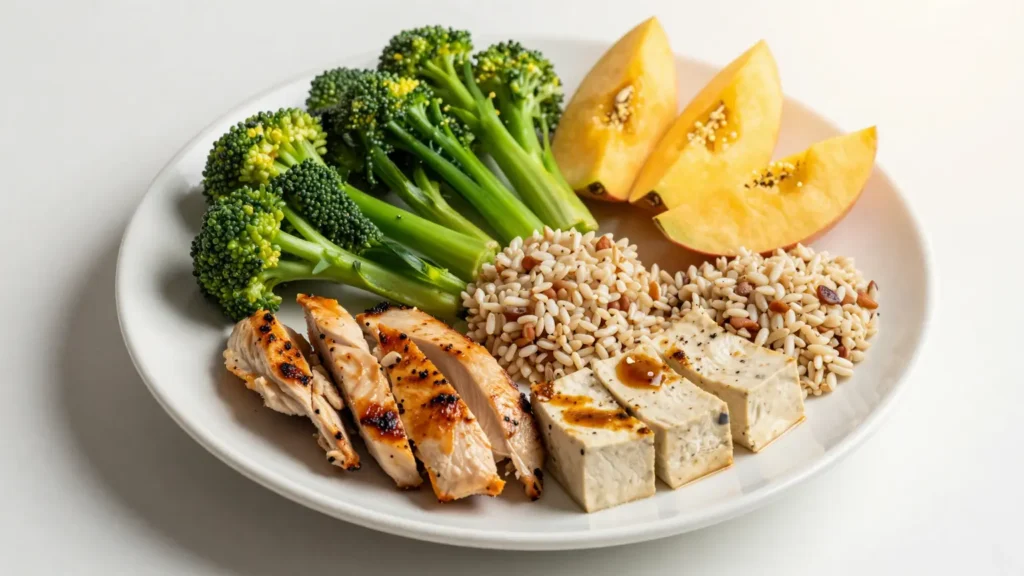
Calorie restriction is a fundamental component of the Best Belly Fat Diet Plan, playing a pivotal role in reducing belly fat by creating an energy deficit in your body. This means consuming fewer calories than you burn each day, forcing your body to tap into its stored fat reserves for energy. When you start eating less and focusing on healthier food choices, your body begins to shift from relying on immediate calorie intake to burning the fat that’s been accumulating, particularly around your midsection.
Creating an Energy Deficit
The first step in any effective weight loss journey is understanding how a calorie deficit works. By reducing your daily caloric intake by about 500-750 calories (for initial rapid weight loss), you set up an environment where fat-burning can occur. This isn’t just about cutting out junk food; it’s also about making smart choices in portion sizes and types of foods that help sustain your energy levels while promoting fat loss.
Importance of Macronutrient Composition
Not all calories are created equal. The mix of carbohydrates, proteins, and fats you consume can significantly impact how well calorie restriction works for you. For instance, a diet rich in protein helps keep you full longer and supports muscle maintenance during weight loss. This is crucial because losing belly fat often means also preserving lean muscle mass to boost your metabolism.
Personalizing Your Approach
Calorie restriction isn’t a one-size-fits-all solution. What works best for someone else might not be the most effective or sustainable approach for you. Factors like your activity level, food preferences, and health conditions all play a role in determining how you should adjust your caloric intake. By personalizing your diet plan and making gradual changes, you can find a balance that helps reduce belly fat without feeling deprived or exhausted.
By exploring these aspects of calorie restriction, you begin to see why it’s not just about cutting calories but also about nourishing your body in a way that promotes long-term health and sustainable weight loss.
Cutting Carbs vs. Fats for Belly Fat Loss
When it comes to reducing belly fat, two common approaches are cutting carbohydrates and cutting fats from your diet. Both methods aim at creating a calorie deficit but achieve this through different pathways, each with its own set of benefits and challenges.
The Role of Carbohydrates in Belly Fat Reduction
Carbohydrate restriction is often promoted as an effective way to reduce belly fat because it can lead to rapid water weight loss initially and can help lower insulin levels. Lowering insulin reduces the hormone’s ability to promote fat storage, potentially aiding in fat burning. However, a diet too low in carbs can also be difficult to maintain long-term due to increased hunger and fatigue.
The Role of Fats in Belly Fat Reduction
Fat restriction focuses on reducing overall calorie intake by cutting down on high-fat foods. This approach is simpler for many people as it allows a wider variety of food choices while still achieving the goal of weight loss. Diets that reduce fat tend to be higher in carbohydrates, which can provide more energy and satiety compared to very low-carb diets.
Impact on Hunger and Satiety
| Carbohydrate Restriction | Fat Restriction |
|---|---|
| Often leads to rapid weight loss due to reduced water retention. | Slower initial weight loss but easier to maintain long-term for some people. |
| Can increase hunger levels, especially if the diet lacks fiber and protein. | Provides more stable energy levels, potentially reducing cravings and overall hunger. |
Effect on Muscle Mass
One of the key concerns with carbohydrate restriction is the potential impact on muscle mass due to lower glycogen stores. Adequate protein intake can mitigate this risk but may be challenging in very low-carb diets. In contrast, fat-restricted diets tend to allow for more carbohydrates and thus better support muscle maintenance.
Personal Preferences and Lifestyle
The choice between cutting carbs or fats also depends heavily on personal preferences and lifestyle factors. Those who enjoy cooking with a variety of foods might find it easier to follow a diet that allows some healthy fats but restricts simple sugars and refined grains. Conversely, individuals looking for rapid results might prefer the initial effects seen in low-carb diets.
Considering these points, it’s clear that both approaches can be effective when done correctly and tailored to individual needs. Whether you choose to cut carbs or fats, consistency is key to seeing long-term benefits. It’s also important to consult with a healthcare provider before making significant changes to your diet to ensure the approach aligns with your overall health goals.
By carefully examining these factors, individuals can make informed decisions about which method might be more effective for them in their quest to reduce belly fat and improve overall well-being.
Does Meal Timing Matter?
Meal timing is an intriguing aspect of belly fat reduction that many people overlook but can significantly influence weight loss outcomes. The concept revolves around the idea that when you eat your meals and snacks throughout the day can affect how efficiently your body burns stored fat for energy.
The Science Behind Meal Timing
Recent studies have highlighted the importance of meal timing, particularly in relation to circadian rhythms, which are biological processes that regulate various functions including metabolism. When these rhythms are disrupted – common in shift workers or those who frequently eat late at night – it can lead to metabolic issues and hinder weight loss efforts.
Benefits of Eating Earlier
Eating your main meals earlier in the day aligns better with natural circadian patterns, enhancing energy levels and metabolic rate. A higher calorie intake in the morning also helps increase satiety throughout the day, reducing cravings and overeating later on.
The Impact of Intermittent Fasting
Intermittent fasting (IF) is one method that leverages meal timing to reduce belly fat effectively. By limiting your eating window to a specific number of hours each day – commonly 8 or 12 hours – your body gets more extended periods of rest and can switch from carbohydrate burning to fat-burning mode.
Types of Intermittent Fasting
There are several forms of IF, including the 16:8 method, where you fast for 16 hours and eat during an 8-hour window. Another popular variant is the 5:2 diet, where individuals consume a normal amount of calories for five days and drastically reduce their intake to around 500-600 calories on two non-consecutive days.
Challenges with Late Night Eating
Eating late at night disrupts your body’s natural rhythms, making it harder to burn fat efficiently. When you eat close to bedtime, your body has less time to process the food and may store excess energy as fat, especially in the abdominal area.
Psychological Impact
Late-night eating can also become a coping mechanism for stress or boredom, leading to overconsumption of calories without being fully aware of it. This pattern is often harder to break because it becomes habitual and associated with emotional triggers rather than hunger cues.
Personalizing Your Meal Timing
Like calorie restriction, meal timing needs to be personalized based on individual lifestyles and preferences. What works well for someone who can eat earlier might not work as effectively for those with irregular schedules or jobs that require nighttime shifts.
Experimentation
Finding the right meal timing strategy often involves some experimentation. Start by noting how you feel after eating at different times of day, tracking your energy levels and hunger cues. Adjusting your meals slightly each week based on these observations can help you identify the optimal schedule for sustained fat loss.
By understanding the role of meal timing in weight management and tailoring it to fit your unique lifestyle, you can enhance your ability to lose belly fat effectively while ensuring that your diet is sustainable and enjoyable.
Are High-Protein Diets Effective?
High-protein diets have gained popularity as an effective strategy for weight loss and reducing belly fat. These diets typically include a significant portion of your daily caloric intake coming from protein-rich foods such as meat, fish, eggs, dairy products, legumes, and nuts. The emphasis on protein can help stabilize blood sugar levels, curb hunger, and boost metabolism.
How High-Protein Diets Support Weight Loss
One of the primary reasons high-protein diets are effective is their ability to enhance feelings of fullness and satisfaction after meals. Protein has a higher satiety index compared to carbohydrates and fats, meaning it keeps you feeling fuller for longer periods, which helps reduce overall calorie intake naturally.
Metabolic Boost
Protein also requires more energy to digest and metabolize than other macronutrients, leading to what’s known as the thermic effect of food (TEF). This means that eating protein burns more calories during digestion compared to fats or carbohydrates. For instance, about 30% of the calories in protein are used up by your body simply through the process of breaking it down and absorbing it.
Preserving Muscle Mass
Maintaining muscle mass is crucial for long-term weight management because muscles burn more calories at rest than fat does. High-protein diets help preserve lean muscle tissue during calorie restriction, ensuring that any weight loss comes primarily from fat rather than muscle.
Impact on Metabolism
Preserving muscle mass through adequate protein intake can also prevent the slowdown in metabolic rate often associated with dieting and weight loss. By preventing muscle loss, high-protein diets support a more sustained reduction of belly fat without compromising your overall fitness level or energy levels.
Potential Drawbacks
Despite their benefits, high-protein diets are not without potential drawbacks. Consuming too much protein can place additional strain on the kidneys and liver, especially in individuals with pre-existing conditions. It’s essential to balance your protein intake with an adequate amount of healthy fats and carbohydrates to ensure nutritional adequacy.
Nutritional Balance
Focusing solely on high-protein foods might lead to deficiencies in other vital nutrients if fruits, vegetables, whole grains, and healthy fats are neglected. A well-rounded diet that includes a variety of food groups can provide the necessary vitamins, minerals, and fiber needed for optimal health alongside weight loss.
Personalizing Your Approach
As with any dietary strategy, high-protein diets should be personalized to suit individual needs. The key is finding the right balance between protein intake, overall caloric reduction, and maintaining a diet rich in other essential nutrients. This might mean adjusting your daily protein consumption based on your activity levels, body composition goals, and health status.
Experimentation
Try incorporating more high-protein foods gradually into your meals to see how they affect your appetite and energy levels. Monitor changes in weight, muscle tone, and overall well-being as you increase your protein intake. By doing so, you can tailor a diet plan that works best for you without compromising on health or enjoyment.
In conclusion, high-protein diets offer promising benefits for reducing belly fat and supporting sustained weight loss due to their effects on satiety, metabolism, and muscle preservation. However, it’s important to approach these diets thoughtfully, ensuring they fit into a balanced nutritional framework that meets all your dietary needs.
Ketogenic Diets and Belly Fat
Ketogenic diets, or keto diets, are popular among individuals looking to lose belly fat due to their ability to rapidly induce weight loss by shifting the body into a metabolic state known as ketosis. In this state, your body burns stored fats for energy rather than carbohydrates, making it an attractive option for those aiming to reduce stubborn abdominal fat.
The Basics of Ketogenic Diets
A ketogenic diet is characterized by very low carbohydrate intake (usually less than 50 grams per day), moderate protein consumption, and high-fat intake. This dietary approach forces the body to use stored fats as its primary energy source, leading to an increase in ketone production. Ketones are molecules that your liver produces from fat when carbohydrate reserves run low.
Effects on Belly Fat
Research suggests that ketogenic diets can be particularly effective for reducing belly fat because they lower insulin levels and increase glucagon (a hormone that promotes the breakdown of stored glycogen), both of which help in mobilizing body fat. Additionally, ketosis may enhance metabolic flexibility, allowing your body to efficiently switch between using fats and carbohydrates as fuel.
Studies on Ketogenic Diets
Several studies have shown promising results regarding ketogenic diets for belly fat reduction:
- A study published in the journal Nutrition & Metabolism found that a low-carbohydrate diet led to significant reductions in visceral fat, which is the type of fat stored around organs and often associated with metabolic syndrome.
- Another investigation from the Journal of Obesity noted improved waist-to-hip ratio and decreased overall abdominal circumference among participants following a ketogenic regimen.
Challenges and Considerations
Despite these benefits, there are several challenges to consider when adopting a ketogenic diet. For instance:
- Adherence: Long-term adherence can be difficult due to restrictive nature.
- Nutritional Deficiencies: The limited food choices may lead to deficiencies in essential nutrients such as fiber, vitamins, and minerals if not carefully planned.
Key Differences Between Keto and Other Diets
Compared to other popular diets like the low-fat diet or Mediterranean diet, a ketogenic approach tends to produce more rapid initial weight loss. However, maintaining this dietary pattern long-term can be challenging without proper planning and support.
Nutritional Composition
| Ketogenic Diet | Low-Fat Diet |
|---|---|
| Very high in fats (70-80%) | Low to moderate in fat (25-30%) |
| Moderate protein intake | Higher protein intake |
| Restrictive carbohydrate consumption (<50g/day) | Unrestricted or slightly restricted carbohydrates |
Long-Term Health Implications
While short-term benefits are clear, long-term health effects of ketogenic diets remain a subject of ongoing research. Some potential concerns include increased risk of nutrient deficiencies and possible negative impacts on cardiovascular health if not managed properly.
Personalizing Your Approach
As with any dietary plan, personalization is key to success with a ketogenic diet. Consulting healthcare providers or nutritionists who specialize in this approach can help tailor the diet to individual needs, ensuring it’s both sustainable and healthy.
By understanding how ketosis works and its impact on belly fat reduction, individuals can make informed decisions about whether a ketogenic diet fits into their overall health goals and lifestyle. It’s essential to balance these potential benefits with careful consideration of dietary restrictions and long-term adherence challenges.
Can Intermittent Fasting Help?
Intermittent fasting (IF) is gaining popularity as a method to help reduce belly fat and improve overall health. This eating pattern involves alternating between periods of fasting and non-fasting, allowing the body more time to burn stored fat for energy rather than relying solely on food intake. By adjusting when you eat, IF can have profound effects on metabolism and weight loss.
How Intermittent Fasting Works
The basic idea behind IF is to create a longer window between your last meal of the day and your first meal the next morning. This extended period without eating prompts the body to switch from glucose (sugar) burning to fat burning, which can enhance fat oxidation and weight loss.
Enhancing Fat Burning
When you fast for an extended period, insulin levels drop significantly, making it easier for your body to access stored fat cells for energy. As a result, intermittent fasting can lead to increased ketone production, similar to what happens in ketogenic diets but with more flexibility regarding diet composition.
Types of Intermittent Fasting
There are several types of IF that people can try based on their lifestyle and preferences:
- 16:8 Method: This involves eating during an 8-hour window each day (e.g., from 12 PM to 8 PM) and fasting for the remaining 16 hours.
- 5:2 Diet: On this plan, you eat normally for five days a week but drastically reduce your calorie intake to around 500-600 calories on two non-consecutive days.
Benefits of Intermittent Fasting
Intermittent fasting offers numerous benefits beyond just reducing belly fat. For example:
- Improved Insulin Sensitivity: By lowering blood sugar spikes, IF can enhance insulin sensitivity and reduce the risk of type 2 diabetes.
- Increased Growth Hormone Production: Many studies show that fasting increases levels of growth hormone, which supports muscle health and metabolism.
Challenges and Considerations
While the benefits are compelling, there are some challenges to consider:
- Initial Hunger Pangs: Starting out, you might experience more hunger during your fasting periods. Drinking plenty of water and engaging in light activities can help manage this.
- Social Limitations: Eating outside a set window can be difficult, especially if social events revolve around food.
Personalizing Your Approach
Like any dietary change, the key to success with intermittent fasting lies in personalization:
- Experimentation: Try different fasting windows and observe how they affect your energy levels, mood, and weight loss progress.
- Consult Professionals: Before starting IF, it’s wise to discuss with a healthcare provider or nutritionist who can offer tailored advice based on your specific health needs.
Real-Life Examples
Many people report success stories using intermittent fasting for belly fat reduction. For instance, someone might start by incorporating the 16:8 method and gradually extend their fasts as they become more comfortable.
By understanding how meal timing affects weight loss and personalizing an IF plan to fit your unique lifestyle, you can effectively leverage this strategy to reduce belly fat while improving overall health.
Larger Breakfast for Belly Fat Loss
Incorporating a larger breakfast into your daily routine can be a powerful strategy to combat belly fat. This approach leverages the concept that when you eat throughout the day significantly influences how efficiently your body burns stored fat and maintains energy levels.
The Science Behind Eating More in the Morning
Research indicates that consuming more calories earlier in the day aligns with natural circadian rhythms, which can enhance metabolic health and help manage weight. When you eat a substantial breakfast, it triggers hormones such as insulin to regulate blood sugar levels effectively, reducing cravings later on. This pattern helps stabilize your energy throughout the day and promotes better sleep quality at night.
Hormonal Impact
Eating a large breakfast also influences ghrelin, the hunger hormone. Higher consumption of food in the morning can suppress ghrelin production more effectively than eating smaller meals earlier or skipping breakfast entirely. This suppression reduces midday and evening cravings for unhealthy snacks and sugary drinks that contribute to weight gain.
Benefits of Larger Breakfasts
A larger breakfast provides several benefits that support belly fat reduction:
- Enhanced Metabolism: Eating a substantial meal early in the day kickstarts your metabolism, making it more efficient at burning calories throughout the day.
- Improved Blood Sugar Control: A well-balanced and calorie-dense morning meal can help stabilize blood sugar levels, preventing spikes that lead to fat storage.
- Reduced Overeating Later: Starting with a hearty breakfast can leave you feeling satisfied for longer periods, reducing the likelihood of overindulging at subsequent meals or snacking excessively in the evening.
Food Choices and Portion Sizes
The key to making larger breakfasts effective lies in choosing nutritious foods that provide sustained energy without spiking blood sugar levels. Opt for a mix of proteins, healthy fats, and complex carbohydrates to keep you full and energized throughout the morning.
Sample Meal Ideas
- Avocado Toast with Eggs: Whole grain toast topped with mashed avocado and poached eggs.
- Greek Yogurt Parfait: Layer Greek yogurt with mixed berries, nuts, and seeds for a balanced meal.
- Oatmeal with Almond Butter and Banana: Cooked oats drizzled with almond butter and sliced banana.
These meals provide ample calories while ensuring you get the essential nutrients your body needs to function optimally during weight loss.
Personalization Is Key
As always, personalizing your approach is crucial for long-term success. Experiment with different breakfast combinations to find what works best for your taste preferences and nutritional requirements. Pay attention to how these meals affect your energy levels throughout the day.
Monitoring Progress
Keep a food diary or use an app to track what you eat at breakfast each morning along with your daily activities and feelings of fullness. Adjust portion sizes based on this data to ensure you’re getting enough calories without overeating later in the day.
Research shows that people who consume 70% of their daily caloric intake before noon tend to have lower body mass indexes (BMIs) compared to those who eat a larger proportion of their food later in the day. This underscores the importance of timing and portion size when trying to manage belly fat effectively.
By embracing a strategy of larger breakfasts, you can take advantage of natural metabolic rhythms while providing your body with the nutrients it needs to stay full and energized throughout the morning. This approach not only aids in weight loss but also supports overall health and well-being.
Foods to Avoid for Belly Fat
When trying to reduce belly fat, it’s crucial to be mindful of certain foods that can hinder your progress. Some common culprits include processed and fried foods, sugary beverages, refined grains, and excessive alcohol consumption. Each of these food categories can disrupt your metabolic processes and promote fat storage in the abdominal area.
Processed Foods
Processed foods are often high in unhealthy fats, sugars, and sodium, which contribute to inflammation and weight gain. They tend to be low in fiber and nutrients, making them less satisfying and more likely to lead to overeating. Examples include packaged snacks like chips, cookies, and instant noodles.
Negative Impact
Frequent consumption of processed foods can cause spikes in blood sugar levels, leading to increased insulin production. High insulin levels signal the body to store fat, particularly around your midsection.
Fried Foods
Fried foods are typically deep-fried in oils that are high in unhealthy fats such as trans and saturated fats. These types of fats can raise cholesterol levels and promote inflammation, making it harder for your body to burn belly fat effectively.
Health Risks
Regular consumption of fried foods has been linked to an increased risk of cardiovascular diseases, diabetes, and obesity. The deep-frying process also adds extra calories without providing any nutritional benefits, which can lead to weight gain over time.
Sugary Beverages
Sugary drinks like sodas, fruit juices, and energy drinks contain high amounts of added sugars but no fiber or other nutrients that might help you feel full. These beverages provide empty calories that contribute to weight gain when consumed regularly.
Hidden Sugar Dangers
Drinking sugary beverages can lead to significant increases in daily caloric intake without providing the same level of satiation as solid food. This can result in a higher overall calorie consumption and increased belly fat storage.
Refined Grains
Refined grains, such as white bread, pasta, and rice, have had their bran and germ removed during processing. This removal strips away much of the fiber, vitamins, and minerals present in whole grains, leaving behind mainly simple carbohydrates that can quickly raise blood sugar levels.
Metabolic Impact
Eating refined grains frequently can lead to insulin resistance over time, a condition where your body becomes less responsive to insulin, making it harder for you to lose belly fat. Insulin resistance often goes hand-in-hand with increased visceral fat accumulation.
Excessive Alcohol Consumption
Alcohol contains empty calories and is metabolized differently than other foods, leading to the production of acetaldehyde, which can promote fat storage in the liver and abdomen. Regular alcohol consumption disrupts sleep patterns and increases appetite, making it easier to overeat.
Sleep Disruption
Drinking too much alcohol before bedtime can affect your circadian rhythms, causing hormonal imbalances that contribute to weight gain around the midsection. It also interferes with REM sleep cycles, which are important for overall health and metabolism regulation.
Personalizing Your Avoidance List
While these categories of foods should generally be limited or avoided when trying to reduce belly fat, individual responses can vary based on factors such as genetics, lifestyle habits, and current health status. Consulting a healthcare provider or registered dietitian can help tailor your diet plan specifically for you.
Experimentation
Try eliminating one food category at a time from your diet and observe how it affects your weight loss progress and overall well-being. Keep track of changes in appetite, energy levels, and physical measurements to better understand which foods might be hindering your efforts.
By understanding the impact of these foods on belly fat reduction and personalizing your dietary approach accordingly, you can make informed choices that support your health goals while enjoying a balanced diet rich in whole, nutritious foods.
Exercises Complementing Diet Plans
While diet is a crucial component of any belly fat reduction plan, incorporating exercise can significantly enhance your results. Exercise not only helps burn calories but also builds muscle, which in turn boosts metabolism and supports long-term weight loss goals. The type, duration, and intensity of the exercises you choose should complement your dietary efforts to ensure maximum effectiveness.
Types of Exercises Beneficial for Belly Fat Loss
Cardiovascular Exercises
Cardio exercises are excellent for burning calories and improving cardiovascular health. Activities such as jogging, cycling, swimming, or brisk walking can elevate heart rate and stimulate fat oxidation.
- Benefits: Increases stamina, reduces stress levels, and aids in maintaining weight loss.
- Recommendation: Aim for at least 150 minutes of moderate-intensity cardio each week to maximize calorie burn without compromising muscle mass.
Strength Training
Strength training is essential for building lean muscle tissue. Muscle burns more calories than fat even when you’re resting, which helps increase your basal metabolic rate (BMR) and aids in weight loss.
- Benefits: Enhances overall body composition by increasing muscle mass.
- Recommendation: Incorporate strength training exercises like squats, deadlifts, bench presses, and lunges into your routine two to three times a week.
HIIT Training
High-intensity interval training (HIIT) involves short bursts of intense exercise followed by periods of rest or low-intensity activity. This type of workout is highly effective for burning belly fat due to its ability to increase post-exercise oxygen consumption (EPOC), also known as the afterburn effect.
- Benefits: Boosts metabolism and enhances cardiovascular health.
- Recommendation: Engage in HIIT sessions 2-3 times per week, each lasting about 20-30 minutes.
Yoga and Pilates
Yoga and Pilates focus on core strength, flexibility, and stress reduction. These practices help tone your abdominal muscles while also promoting mindfulness and relaxation, which can be beneficial for managing emotional eating triggers.
- Benefits: Improves posture and enhances mental clarity.
- Recommendation: Include yoga or Pilates sessions 2-3 times per week to complement other forms of exercise.
Balancing Exercise with Diet
To achieve optimal results in reducing belly fat, it’s important to balance your dietary efforts with the right type of exercise. For instance, combining a high-protein diet with strength training can help preserve muscle mass while you lose weight, ensuring that any pounds shed come primarily from fat rather than lean tissue.
Additionally, integrating cardiovascular exercises like jogging or cycling during calorie restriction can enhance fat loss and improve overall fitness levels. Remember to gradually increase the intensity of your workouts as your body adapts to prevent plateaus in progress.
Personalizing Your Exercise Plan
Finding the right exercise regimen depends on individual preferences, current fitness level, and health conditions. What works best for someone else might not be suitable or enjoyable for you. It’s important to listen to your body and consult with a healthcare provider or personal trainer who can help tailor an exercise plan that fits your unique needs.
Experimentation
Start by trying different types of exercises and observe how they affect your energy levels, muscle recovery, and overall well-being. Adjust your routine as needed based on these observations to create a sustainable and enjoyable workout plan.
By understanding the benefits of various exercises and tailoring them to complement your dietary efforts, you can enhance your ability to reduce belly fat while improving your general health and fitness level. This holistic approach ensures that both diet and exercise work in harmony to achieve your weight loss goals effectively.
Summary: Tailoring Your Best Belly Fat Plan
By exploring various dietary approaches such as calorie restriction, macronutrient composition, meal timing, and exercise integration, it becomes evident that there is no one-size-fits-all solution for reducing belly fat. Each method – whether focusing on high-protein diets, intermittent fasting, or larger breakfasts – offers unique benefits tailored to individual needs. The key lies in personalizing your diet plan to match your lifestyle, health conditions, and preferences while ensuring nutritional balance and sustainability. By making gradual changes and consistently monitoring progress, you can effectively combat belly fat and improve overall well-being. Remember, the journey towards a healthier body is not just about losing weight but also about adopting habits that support long-term health and happiness.
Frequently Asked Questions (FAQ)
How can I start a belly fat diet plan?
Starting a belly fat diet plan involves focusing on reducing overall calorie intake while maintaining a balanced nutrition. It’s important to include plenty of fruits and vegetables, lean proteins, and healthy fats in your meals.
Is the Wheat Belly diet effective for losing belly fat?
The Wheat Belly diet eliminates wheat and gluten but lacks strong scientific evidence supporting its claims about weight loss or improving digestion. Cutting out entire food groups isn’t recommended unless medically necessary.
What are some natural ways to reduce belly fat without intense exercise?
Natural ways include eating a balanced diet, focusing on whole foods like fruits, vegetables, lean proteins, and healthy fats, drinking plenty of water, getting adequate sleep, and managing stress levels.
Can drinking more water help in reducing belly fat?
While drinking water doesn’t directly cause weight loss or reduce belly fat, it can promote feelings of fullness and prevent overeating, which indirectly supports a calorie deficit needed for weight loss.
What role does fiber play in reducing belly fat?
Fiber helps to keep you feeling full longer, aids digestion, and may help regulate blood sugar levels. High-fiber foods such as vegetables, fruits, whole grains, and legumes are beneficial in managing belly fat.
Does eating late at night contribute to belly fat gain?
Eating large meals or high-calorie snacks right before bed can increase the likelihood of weight gain because fewer calories will be burned while sleeping compared to being active during the day. However, it’s more about total daily calorie intake rather than when you eat.
Are there specific foods that target belly fat specifically?
While no single food targets abdominal fat directly, focusing on a diet rich in vegetables, fruits, lean proteins, and healthy fats can contribute to overall weight loss, which tends to include losing belly fat as well.
Can I still enjoy my favorite treats while reducing belly fat?
In moderation, most people can enjoy their favorite treats without interfering with belly fat reduction. The key is to maintain a balanced diet where these treats are occasional indulgences rather than regular meals.
Does drinking green tea help reduce belly fat?
Green tea contains antioxidants called catechins that may slightly increase metabolism and improve weight loss outcomes, but it’s not a magic bullet for reducing belly fat on its own. A healthy lifestyle is still essential.
How important is exercise in losing belly fat compared to diet alone?
While diet plays the most crucial role in weight management, regular physical activity helps maintain muscle mass while losing weight and can enhance overall health. Combining both diet and exercise provides the best outcomes for reducing belly fat.