Introduction to Liver Health
When it comes to maintaining overall wellness, few organs play as crucial a role as the liver. This unsung hero of our body detoxifies harmful substances, regulates metabolism, stores essential nutrients, and produces vital proteins and bile necessary for digestion. However, in today’s fast-paced world filled with processed foods and sedentary lifestyles, one condition has risen to become a major concern: non-alcoholic fatty liver disease (NAFLD).
Non-alcoholic fatty liver disease is not just about having excess fat in your liver; it’s a silent yet significant threat that affects millions of people worldwide. Unlike what the name might suggest, NAFLD isn’t caused by heavy drinking but rather by factors such as obesity, insulin resistance, and high cholesterol levels. This condition can range from simple fatty deposits to more severe stages involving inflammation (NASH) and even cirrhosis or liver cancer.
The impact of diet on NAFLD is profound and undeniable. Unlike many diseases where medication plays a central role, dietary adjustments are often the primary line of defense against this growing health issue. One standout diet in this regard is the Mediterranean Diet, renowned for its emphasis on plant-based foods, healthy fats like olive oil, and moderate alcohol consumption. Research highlights that adopting a MedDiet can substantially reduce liver fat and improve markers associated with NAFLD.
Understanding how food choices directly influence your liver’s health opens up a world of possibilities to prevent or manage NAFLD effectively. The next steps involve delving into specific foods and nutrients that can protect this vital organ, ensuring you lead a healthier life free from the burdens of fatty liver disease.
What is Non-Alcoholic Fatty Liver Disease (NAFLD)?
Non-alcoholic fatty liver disease (NAFLD) is a condition characterized by an accumulation of fat in the liver cells, unrelated to alcohol consumption. This buildup of fat can lead to inflammation and scarring over time, progressing to more serious conditions such as non-alcoholic steatohepatitis (NASH), cirrhosis, or even liver failure. The exact cause of NAFLD is often multifactorial but closely tied to lifestyle factors.
Several risk factors contribute to the development of NAFLD, including obesity, diabetes, high cholesterol levels, and metabolic syndrome. These conditions can lead to insulin resistance, which causes fat to accumulate in the liver cells instead of being used for energy. Insulin resistance is a key player in this scenario, as it disrupts how your body handles fats and sugars.
Interestingly, NAFLD often goes undetected because symptoms are usually mild or absent in its early stages. As the disease progresses, some people might experience fatigue, discomfort in the upper right abdomen, or unexplained weight loss. Given its silent nature, regular check-ups and screenings can be crucial for early detection and intervention.
Understanding your risk factors is a vital step towards preventing NAFLD. If you have any of the mentioned conditions – such as obesity or diabetes – it’s important to consult with healthcare professionals about how diet modifications might help manage these risks effectively. For instance, incorporating more whole grains into your meals can offer benefits beyond just weight management; they also provide essential nutrients that support liver health.
Did you know that NAFLD is one of the most common causes of chronic liver disease in both adults and children worldwide? This underscores the importance of adopting a healthy diet and lifestyle to combat this growing health issue.
Foods to Include for NAFLD
When it comes to managing non-alcoholic fatty liver disease (NAFLD), your diet plays a pivotal role. The foods you choose can either exacerbate the condition or help alleviate symptoms and improve overall health. Key among these are whole grains, which offer more than just fiber; they also provide essential vitamins, minerals, and antioxidants that support liver function.
Whole grains, such as brown rice, quinoa, barley, and oats, should be staples in your diet. These foods not only help regulate blood sugar levels but also reduce inflammation. Whole grains are rich in phytochemicals like lignans, which have anti-inflammatory properties beneficial for liver health.
In addition to whole grains, fruits and vegetables are indispensable components of a NAFLD-friendly diet. They are loaded with vitamins, minerals, and antioxidants that protect against oxidative stress, one of the primary factors contributing to liver damage in NAFLD patients. Aim to include a variety of colorful produce such as berries, leafy greens, carrots, and bell peppers.
Fatty fish, like salmon, mackerel, and sardines, are another crucial element due to their high omega-3 fatty acid content. Omega-3s help reduce inflammation in the body and support healthy liver function. Incorporating two servings of fatty fish per week can make a significant difference in managing NAFLD.
Moreover, extra virgin olive oil (EVOO) is highly recommended for its numerous health benefits. Rich in monounsaturated fats and antioxidants like polyphenols, EVOO helps lower triglyceride levels and reduces liver fat accumulation. Using it as your primary cooking oil can also enhance the flavor of meals while promoting better liver health.
Legumes such as lentils, chickpeas, and black beans are excellent sources of plant-based protein and dietary fiber. These foods help stabilize blood sugar levels and reduce cholesterol levels, both critical for managing NAFLD. Adding a variety of legumes to your diet can also provide essential nutrients like iron and zinc that support liver function.
Incorporating these foods into your daily meals not only aids in the management of NAFLD but also enhances overall well-being. By making thoughtful choices about what you eat, you’re taking proactive steps towards a healthier liver.
How Fiber Helps Your Liver
Fiber, often overlooked in discussions about liver health, plays a critical role in supporting your liver’s function. High-fiber foods such as fruits, vegetables, whole grains, and legumes offer more than just digestive benefits; they help regulate blood sugar levels and reduce inflammation – key factors in managing non-alcoholic fatty liver disease (NAFLD).
Soluble fiber, found abundantly in oats, barley, and beans, acts like a sponge in the digestive tract by absorbing cholesterol-rich bile acids. This process helps lower overall cholesterol levels, which can contribute to reduced fat accumulation in the liver. By reducing blood lipid levels, soluble fiber aids in preventing further damage to liver cells.
Insoluble fiber, present in foods such as wheat bran and vegetables, promotes regular bowel movements and prevents constipation. Regular bowel movements help reduce toxin exposure in your system by facilitating quicker elimination of waste products that could otherwise be harmful if stored for too long.
Incorporating a variety of high-fiber foods into your diet can also improve insulin sensitivity. When you eat fiber-rich meals, it slows down the absorption of sugars, preventing spikes in blood glucose levels and reducing pressure on your liver to process excess sugar. Improved insulin resistance means less fat storage in liver cells, which is crucial for combating NAFLD.
Moreover, a high-fiber diet can aid weight management by making you feel fuller longer, thus helping to control calorie intake without sacrificing nutrition. Maintaining a healthy body weight through fiber-rich foods helps minimize the risk factors associated with NAFLD, such as obesity and metabolic syndrome.
By focusing on increasing your daily fiber intake, you’re not just supporting digestive health but also contributing significantly to liver wellness. It’s worth noting that incorporating fiber into your diet should be gradual to allow your digestive system time to adjust and prevent issues like bloating or discomfort.
Eating a high-fiber meal can enhance the feeling of fullness for hours, which is particularly beneficial if you’re trying to manage weight while also caring for your liver health.
Can Coffee Protect Your Liver?
Coffee, that morning staple for many, might offer more than just a boost of energy; it could also provide substantial benefits to your liver health. Several studies have highlighted the protective effects of coffee consumption on various liver conditions, including non-alcoholic fatty liver disease (NAFLD), cirrhosis, and even liver cancer.
Coffee’s active compounds, such as caffeine, chlorogenic acid, and diterpenes like cafestol and kahweol, contribute to its hepatoprotective properties. These components help reduce inflammation and oxidative stress in the liver, which are key factors in NAFLD progression.
For instance, regular coffee consumption has been linked to a lower risk of developing severe liver conditions such as cirrhosis. A study published in the journal Gastroenterology found that individuals who drank four or more cups of coffee daily had an 80% reduced likelihood of developing advanced fibrosis compared to those who did not drink coffee.
Moderate consumption, typically defined as three to four cups per day, appears most beneficial. However, it’s important to note that this does not apply to all types of coffee drinks. Adding excessive amounts of sugar or cream can negate these health benefits and potentially harm your liver further due to increased calorie intake.
Coffee also impacts the liver by influencing certain enzymes involved in detoxification processes. For example, caffeine stimulates the production of glutathione, a powerful antioxidant that helps protect against oxidative damage within liver cells. Additionally, coffee consumption has been shown to improve insulin sensitivity, which can reduce fat accumulation in the liver – a critical factor for those at risk of developing NAFLD.
While these findings are promising, it’s crucial to approach coffee consumption with moderation and mindfulness. Excessive intake or adding unhealthy additives like sugar and artificial sweeteners can lead to weight gain and metabolic issues that might counteract any potential benefits for your liver.
Incorporating a moderate amount of black coffee into your daily routine could be one simple yet effective way to support your liver health along with other dietary and lifestyle changes. However, as always, consulting with healthcare professionals is recommended before making significant changes to your diet or adding new supplements to your regimen.
Did you know that the antioxidant content in a single cup of coffee can be higher than many fruits and vegetables? This high concentration of antioxidants helps combat oxidative stress, potentially protecting your liver from damage.
Are Probiotics Good for NAFLD?
Probiotics, often associated with gut health, are increasingly being studied for their potential benefits in managing non-alcoholic fatty liver disease (NAFLD). These beneficial bacteria and yeast help maintain a healthy balance of microorganisms in the digestive tract. Recent research suggests that probiotics might also play a role in improving liver function by reducing inflammation and oxidative stress, both critical factors in NAFLD progression.
Probiotics work in several ways to support liver health:
- Reducing Inflammation: Some strains of probiotics have anti-inflammatory properties. They can decrease pro-inflammatory cytokines, which are often elevated in individuals with NAFLD.
- Improving Gut-Liver Axis: There is a strong connection between gut health and liver function known as the gut-liver axis. Probiotics help maintain this balance by reducing intestinal permeability, thus preventing harmful substances from entering the bloodstream and affecting liver function.
- Modulating Metabolism: Certain probiotics can influence metabolic pathways that affect fat metabolism in the liver. They may improve insulin sensitivity, which is crucial for managing NAFLD as insulin resistance contributes to fatty deposits in the liver.
Studies have shown promising results when probiotics are used alongside a healthy diet and lifestyle changes. A clinical trial published in Nutrition Research found that participants who consumed a combination of Lactobacillus acidophilus and Bifidobacterium bifidum had reduced levels of alanine transaminase (ALT), an enzyme commonly elevated in individuals with NAFLD, indicating better liver health.
However, it’s important to note that not all probiotics are created equal. Different strains have varying effects on the body. Strains like Lactobacillus rhamnosus GG and Bifidobacterium lactis BB12 have shown particular promise in studies related to NAFLD management.
While these findings are encouraging, more research is needed to fully understand how probiotics can be integrated into dietary recommendations for managing NAFLD. Consulting with healthcare providers about the specific strains of probiotics that might benefit your individual health needs could provide valuable guidance.
The human gut contains over 100 trillion bacteria – that’s ten times more than the total number of cells in the entire human body! This highlights just how important a healthy gut microbiome is for overall well-being, including liver health.
Nutrients for Liver Health
Beyond whole foods, certain key nutrients are essential for maintaining liver health and managing conditions like non-alcoholic fatty liver disease (NAFLD). These include vitamins, minerals, antioxidants, and other micronutrients that support the liver’s detoxification processes and overall function.
Vitamin E, a potent antioxidant, stands out due to its ability to reduce oxidative stress in the liver. Oxidative stress contributes significantly to inflammation and damage within liver cells, particularly relevant for those with NAFLD. Studies have shown that vitamin E supplementation can help improve liver enzyme levels and decrease fat accumulation in patients with non-alcoholic steatohepatitis (NASH).
Magnesium, another vital mineral, plays a crucial role in numerous biochemical reactions essential to maintaining metabolic balance. Deficiencies in magnesium are often linked to insulin resistance, which is common among individuals with NAFLD. Ensuring adequate intake of magnesium-rich foods like spinach, nuts, and seeds can help manage this aspect of liver health.
Choline, an essential nutrient often grouped with B-vitamins, is critical for preventing fat accumulation in the liver. Choline aids in transporting fats from the liver to other parts of the body, thus reducing the risk of fatty liver disease. Foods rich in choline include eggs, beef liver, and cruciferous vegetables like broccoli and cauliflower.
Omega-3 Fatty Acids, besides their role in reducing inflammation, also support liver health by improving insulin sensitivity and decreasing triglyceride levels. These fats are not only found in fish but can also be sourced from flaxseeds and walnuts for those who prefer plant-based options.
Incorporating these nutrients into your diet through whole foods or supplements (under professional guidance) is essential to support liver health effectively. For instance, including a variety of nuts, leafy greens, fatty fish, and whole grains can provide a broad spectrum of beneficial compounds that work synergistically to protect the liver from damage.
Understanding how specific nutrients interact with each other and your body can significantly impact your approach to managing NAFLD. By focusing on these key nutrients alongside dietary modifications mentioned earlier, you’re taking comprehensive steps towards better liver health.
Did you know that a single Brazil nut provides 100% of the recommended daily intake of selenium? This mineral is crucial for maintaining liver health by supporting antioxidant defenses and reducing inflammation.
Micronutrients and Liver Health
Beyond whole foods, certain key vitamins, minerals, antioxidants, and other micronutrients are essential for maintaining liver health and managing conditions like non-alcoholic fatty liver disease (NAFLD). These nutrients support the liver’s detoxification processes and overall function by combating oxidative stress, reducing inflammation, and improving metabolic balance.
Vitamin D, often associated with bone health, is crucial for liver wellness too. Deficiencies in vitamin D are common among individuals with NAFLD and have been linked to increased levels of liver enzymes indicative of liver damage. Studies suggest that adequate vitamin D intake can help reduce inflammation and improve insulin sensitivity, both critical factors in managing the condition.
Zinc, another important mineral, plays a vital role in numerous enzymatic reactions within the body, including those involved in liver function. Zinc is essential for maintaining the integrity of cell membranes and supports immune health, which is particularly important given that chronic low-grade inflammation contributes to NAFLD progression. Foods rich in zinc include oysters, beef, pumpkin seeds, and chickpeas.
Selenium, a trace element with potent antioxidant properties, helps protect liver cells from oxidative damage. Selenium aids the production of glutathione peroxidase, an enzyme crucial for detoxifying hydrogen peroxide within cells, thereby reducing inflammation. Brazil nuts are particularly high in selenium; eating just one or two a day can provide your recommended daily intake.
Beta-Carotene, a precursor to vitamin A, is known for its antioxidant properties and role in maintaining eye health but also offers benefits for liver health. It helps reduce oxidative stress in the liver by scavenging free radicals that can cause cellular damage. Foods rich in beta-carotene include carrots, sweet potatoes, spinach, and kale.
Understanding how these micronutrients interact with your body’s metabolic processes is crucial for managing NAFLD effectively. By incorporating a variety of foods rich in these nutrients into your diet, you not only support liver health but also enhance overall well-being.
Did you know that the human body can produce its own vitamin D when exposed to sunlight? This natural process underscores how important it is to spend time outdoors for optimal liver and general health.
Choline Deficiency and the Liver
Choline, an essential nutrient often grouped with B-vitamins, is vital for maintaining liver health. It plays a critical role in several physiological processes within the body, including lipid metabolism, methylation reactions, and neurotransmitter synthesis. For individuals dealing with non-alcoholic fatty liver disease (NAFLD), choline deficiency can exacerbate fat accumulation in the liver.
Choline helps prevent fat buildup by facilitating the transport of fats from the liver to other parts of the body through lipoproteins such as very-low-density lipoprotein (VLDL). Without sufficient choline, this process becomes impaired, leading to an excess of triglycerides and cholesterol within the liver cells. This can eventually result in hepatic steatosis – a condition characterized by fatty deposits in the liver.
Choline deficiency is often under-recognized but significant for those at risk of NAFLD. Studies have shown that inadequate choline intake can lead to increased levels of liver enzymes, indicating inflammation and damage within the organ. Moreover, individuals with genetic polymorphisms affecting choline metabolism might be particularly vulnerable to developing fatty liver disease due to inefficient utilization of dietary choline.
Incorporating foods rich in choline into your diet is crucial for supporting liver health. Key sources include eggs, beef liver, milk products, and cruciferous vegetables like broccoli and cauliflower. Including these foods regularly can help ensure you meet your daily choline requirements and reduce the risk of developing NAFLD or worsening existing conditions.
It’s worth noting that while dietary intake is important, supplementation might also be necessary for individuals who are unable to consume sufficient amounts through food alone. However, any supplementation should be approached cautiously under professional guidance due to potential interactions with medications or other health issues.
The human body can produce some choline on its own, but it often isn’t enough to meet daily needs, especially in times of stress or illness when demand increases.
Understanding and addressing choline deficiency is a crucial aspect of managing NAFLD effectively. By ensuring adequate intake through diet and supplements (if necessary), you’re taking an important step towards maintaining liver health and preventing further complications associated with fatty liver disease.
Oxidative Stress and NAFLD
Oxidative stress is a critical factor in the progression of non-alcoholic fatty liver disease (NAFLD). It occurs when there’s an imbalance between free radicals – unstable molecules that can cause cellular damage – and antioxidants capable of neutralizing them. In individuals with NAFLD, this imbalance often leads to increased oxidative damage within liver cells, contributing to inflammation and fibrosis.
Oxidative stress is not just a consequence but also a driving force behind the progression from simple fatty deposits in the liver (hepatic steatosis) to more severe forms of NAFLD like non-alcoholic steatohepatitis (NASH). During this process, oxidative stress can lead to the formation of reactive oxygen species (ROS), which damage lipids, proteins, and DNA within liver cells. This ongoing cellular injury promotes chronic inflammation and hinders liver regeneration.
To counteract oxidative stress, it’s crucial to include antioxidants in your diet that can help neutralize these harmful molecules. Antioxidants such as vitamins C and E, beta-carotene, selenium, and other polyphenols found in fruits, vegetables, nuts, and seeds play a pivotal role here. By reducing oxidative damage, these nutrients contribute significantly to managing the inflammatory response associated with NAFLD.
Moreover, dietary fats also influence oxidative stress levels in the liver. Omega-3 fatty acids, abundant in fish like salmon and sardines, are known for their anti-inflammatory properties and ability to reduce oxidative stress. These healthy fats help regulate lipid metabolism within liver cells and can prevent excessive fat accumulation, thereby mitigating some of the damage caused by oxidative stress.
Incorporating a variety of antioxidant-rich foods into your daily meals is essential for managing NAFLD effectively. For example, drinking green tea or including more berries in your diet provides powerful antioxidants that support liver health. By focusing on these dietary changes alongside other lifestyle modifications, you can take proactive steps towards reducing oxidative stress and its negative impacts on your liver.
Did you know that oxidative stress is one of the primary drivers behind aging and many chronic diseases? Managing it through a balanced diet rich in antioxidants could be key to staying healthy as you age.
Why Choose the Mediterranean Diet?
The Mediterranean Diet stands out as a preferred choice for individuals aiming to improve liver health, especially those dealing with non-alcoholic fatty liver disease (NAFLD). This diet’s emphasis on whole foods and healthy fats provides substantial benefits that go beyond just weight management. By focusing on plant-based foods, olive oil, fish, and moderate alcohol consumption, the Mediterranean Diet can significantly reduce liver fat and improve markers associated with NAFLD.
Key Benefits of the Mediterranean Diet:
- Reduces Liver Fat: Studies have shown that adhering to the MedDiet leads to a notable decrease in liver fat content. This is crucial for individuals looking to manage or prevent the progression of NAFLD.
- Improves Inflammation Markers: Chronic inflammation plays a significant role in the development and progression of liver disease. The anti-inflammatory properties of foods such as fruits, vegetables, nuts, and olive oil can help mitigate this issue.
- Enhances Metabolic Health: By focusing on whole grains, legumes, and lean proteins like fish, the diet improves insulin sensitivity and reduces cholesterol levels, both of which are critical for managing NAFLD effectively.
- Promotes Weight Loss: The Mediterranean Diet naturally encourages a caloric deficit without the need to count calories or restrict portion sizes. This makes it an effective tool for weight management, further reducing liver fat accumulation.
In contrast to the Western diet’s high intake of processed foods and saturated fats, which exacerbate NAFLD risk factors such as obesity and metabolic syndrome, the Mediterranean Diet offers a balanced approach that supports overall health and well-being.
The beauty of adopting the MedDiet lies in its sustainability and cultural richness. By incorporating more whole grains, fruits, vegetables, lean proteins, healthy fats like olive oil, and moderate amounts of red wine (if desired), you not only enhance your liver’s health but also enjoy a flavorful and satisfying eating experience.
Transitioning to the Mediterranean Diet isn’t just about adding or removing specific foods; it’s about embracing a lifestyle that prioritizes whole, unprocessed ingredients while enjoying meals in social settings – making it easier to stick with long-term.
Exercise and Liver Health
Exercise is an essential component of managing non-alcoholic fatty liver disease (NAFLD) alongside dietary changes. Regular physical activity helps improve insulin sensitivity, reduces inflammation, and enhances overall metabolic health – all critical factors for liver wellness.
Benefits of Exercise on NAFLD:
- Improves Insulin Sensitivity: Physical activity increases the body’s ability to use glucose effectively, reducing blood sugar levels and preventing fat accumulation in liver cells.
- Reduces Inflammation: Regular exercise can decrease markers of inflammation, which are elevated in individuals with NAFLD. This reduction helps prevent further damage to liver tissue.
- Enhances Metabolic Health: Exercise aids in weight management by burning calories and building muscle mass. A healthy body composition is vital for reducing the risk factors associated with NAFLD such as obesity and metabolic syndrome.
Types of Exercises Recommended:
- Aerobic Activities: Engaging in aerobic exercises like brisk walking, jogging, cycling, or swimming can improve cardiovascular health while also benefiting liver function. Aim for at least 150 minutes per week of moderate-intensity exercise.
- Strength Training: Incorporating strength training exercises such as weightlifting or resistance band workouts helps build muscle and boost metabolism. Muscle mass plays a crucial role in energy expenditure, which is beneficial for managing NAFLD.
Combining regular physical activity with a healthy diet rich in whole foods can significantly improve liver health and reduce the risk of progression to more severe forms of NAFLD. By adopting an active lifestyle alongside dietary modifications, individuals can take comprehensive steps towards better liver wellness.
Did you know that incorporating just 30 minutes of moderate exercise most days of the week can lower your risk of developing severe liver conditions by up to 40%? Regular physical activity truly is one of the best investments you can make in your health.
Summary: Liver-Healthy Diet Tips
In conclusion, adopting a high-quality diet such as the Mediterranean Diet is crucial for managing non-alcoholic fatty liver disease (NAFLD). This dietary approach emphasizes whole grains, fruits, vegetables, healthy fats like olive oil, and lean proteins while limiting processed foods and added sugars. Key nutrients like choline, magnesium, and antioxidants play vital roles in reducing oxidative stress and inflammation, which are pivotal factors in NAFLD progression. Additionally, incorporating regular physical activity complements dietary changes to enhance metabolic health and insulin sensitivity. By making these lifestyle modifications, individuals can take proactive steps towards improving liver health and preventing the disease’s progression to more severe stages. Remember, a balanced diet rich in whole foods combined with an active lifestyle is essential for overall well-being and liver wellness.
Frequently Asked Questions (FAQ)
What is the best diet to improve liver health according to recent studies?
The Mediterranean diet (MedDiet) is widely recommended by medical associations for its benefits in reducing non-alcoholic fatty liver disease (NAFLD). It includes a mix of low-to-moderate fat and moderate carbohydrate intake, with an emphasis on vegetables, fruits, whole grains, nuts, seeds, olive oil, and fish.
How can I start following the Mediterranean diet?
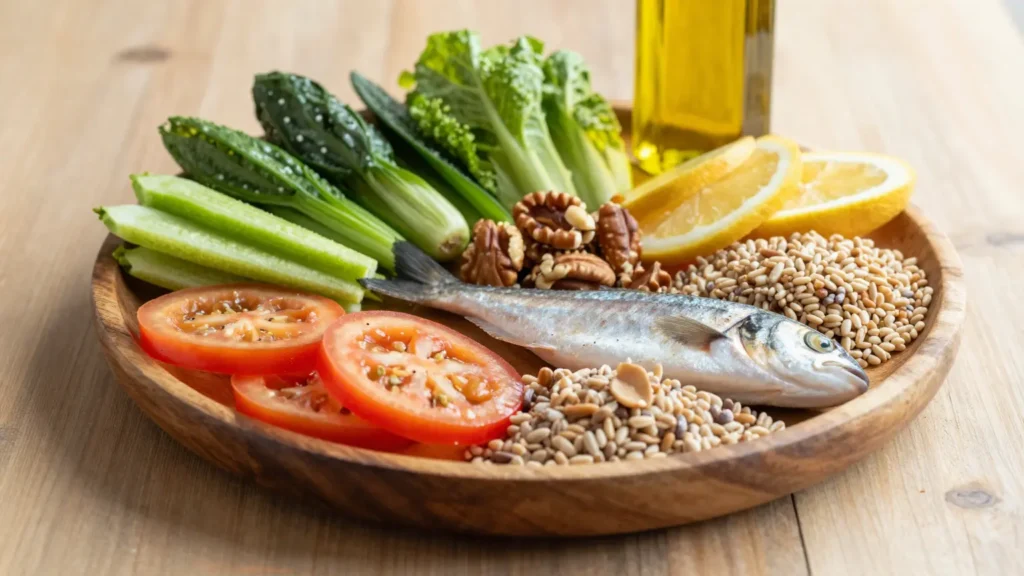
To begin following the Mediterranean diet, focus on eating lots of fresh produce, including leafy greens, tomatoes, cucumbers, olives, and berries. Incorporate healthy fats like olive oil and avocados, consume moderate amounts of dairy products such as cheese and yogurt, eat fish at least twice a week, and enjoy red wine in moderation with meals if you choose to drink.
Does drinking coffee help protect my liver?
Yes, research suggests that regular consumption of coffee without added sugar can have protective effects on the liver. Coffee is associated with reduced inflammation and improved liver health markers for people suffering from NAFLD.
Should I avoid all processed foods to improve my liver health?
Avoiding highly processed foods and those containing added fructose, such as sugary drinks and snacks, is advisable for better liver health. Processed foods often contain unhealthy fats, sugars, and preservatives that can contribute to weight gain and exacerbate NAFLD.
What role does physical activity play in managing NAFLD?
Physical exercise plays a crucial role alongside dietary changes in managing NAFLD. Aim for regular aerobic activities like walking, cycling, or swimming along with strength training exercises, targeting a 7-10% reduction in body weight through a combination of diet and exercise.
How much weight loss is recommended to improve liver health?
For those suffering from NAFLD, medical associations suggest aiming for a total weight loss of about 7-10%. This can be achieved by creating an energy deficit through hypocaloric diets (reducing calorie intake by 500-1000 kcal/day) or increased physical activity.
Are there specific foods that I should increase in my diet to help with liver health?
Including more fiber-rich foods such as whole grains, fruits, vegetables, and legumes can be beneficial. These foods support a healthy microbiome which is linked to improved liver health. Additionally, incorporating lean proteins like fish and poultry while reducing red meat consumption may also aid in managing NAFLD.
Why is avoiding fructose important for my liver?
Fructose found in added sugars and high-fructose corn syrup can negatively impact liver health by contributing to the formation of fatty deposits and increasing inflammation within the liver. Reducing your intake of foods with added sugars, such as sodas and candy, is key to improving NAFLD.
Can I still enjoy alcohol if I have NAFLD?
Alcohol consumption should be limited or avoided entirely for those diagnosed with NAFLD. Even moderate drinking can worsen liver conditions; thus, total abstinence is often recommended in cases of non-alcoholic steatohepatitis (NASH).
What are the key components to look out for when reading dietary guidelines for NAFLD?
When following dietary recommendations for NAFLD, focus on reducing calorie intake while maintaining a balanced diet rich in fruits and vegetables, whole grains, lean proteins, and healthy fats. Also, limit your consumption of processed foods and added sugars, ensure adequate fiber intake, and avoid alcohol if possible.