
Introduction: What Is the Beverly Hills Diet?

The Beverly Hills Diet, introduced by Judy Mazel in 1981, is a distinctive dietary regimen that has captivated the interest of many seeking weight loss and improved well-being. Imagine a lifestyle change that promises to transform your body and mind through precise meal timing and food combinations. This fad diet gained notoriety through Mazel’s personal journey from struggling with her weight to achieving significant weight loss, thus establishing herself as an authority figure on dieting.
Mazel’s transformation story is compelling: she worked closely with a nutritionist in Santa Fe, New Mexico for six months, successfully shedding 72 pounds (33 kg) and reducing her size from an initial 180 pounds to a slender 108 pounds. Upon returning to Los Angeles, she opened a weight-loss clinic that quickly became popular among celebrities seeking the spotlight’s elusive glow of health and vitality. This celebrity endorsement has fueled public interest in the diet’s promises.
At its core, the Beverly Hills Diet revolves around a unique approach to food consumption – specifically, eating fruits alone on an empty stomach followed by strict rules about combining different types of foods. The initial phase involves consuming only fruit for ten days, gradually reintroducing other food groups while adhering to specific guidelines. For instance, fruits are recommended to be eaten solo and at least 45 minutes before any other type of food, with similar waiting periods between various meals.
As you delve into the principles of this diet, questions naturally arise: Is there scientific evidence backing these recommendations? What are the potential benefits and risks associated with following such a strict regimen? These queries set the stage for exploring the deeper intricacies of the Beverly Hills Diet.
How Does It Work?
The Beverly Hills Diet operates on several key principles that set it apart from conventional weight loss strategies. At its heart lies a rigid protocol for meal timing and food combinations, which Mazel believes can unlock the body’s natural ability to lose weight efficiently.
One of the central tenets is the sequential consumption of foods. According to Mazel, eating fruits alone on an empty stomach before any other type of food is crucial because it allows the digestive system to process them more easily and effectively. This is based on the premise that fruit sugars digest faster than proteins or fats, potentially leading to quicker energy utilization and less fat storage.
Another critical aspect involves strict guidelines around meal spacing. The diet recommends waiting at least 45 minutes between eating fruits and any other food item. Similarly, there are wait periods suggested between meals of different categories – such as carbohydrates followed by protein – to prevent digestive overload and optimize nutrient absorption. These rules aim to create an environment where the body burns fat more readily.
Additionally, the diet categorizes foods into three main groups: carbohydrates (including fruits), proteins, and fats. Each category has specific days or periods when they are introduced back into one’s routine after the initial fruit-only phase. For example, proteins might be reintroduced after a week of just fruits, followed by carbohydrates later in the regimen.
By adhering to these rules meticulously, Mazel claims that individuals can achieve rapid weight loss while also improving their overall health through better digestion and energy levels. However, such strict adherence often poses challenges for many dieters who find it difficult to maintain over extended periods.
For those considering the Beverly Hills Diet, understanding its intricate guidelines is essential. It’s important to ask oneself: Can I stick to these rules consistently? Are there simpler ways to achieve similar health benefits without such rigidity?
Interestingly, while the diet gained fame through celebrity endorsements, it also sparked significant controversy among nutritionists and dietitians who questioned its scientific validity and potential risks.
Is It Safe?
When considering whether the Beverly Hills Diet is safe for general use, it’s crucial to evaluate its impact on overall health and well-being. Potential risks include nutrient deficiencies and digestive issues that can arise from overly restrictive eating patterns.
Firstly, nutrient intake becomes a major concern. The diet’s initial fruit-only phase drastically limits the variety of nutrients consumed. While fruits are rich in vitamins and minerals, they lack essential amino acids, healthy fats, and fiber found in other food groups. This imbalance can lead to deficiencies over time if not carefully managed.
Moreover, digestive issues may arise due to the diet’s strict rules on meal timing and food combinations. The recommendation to eat fruits alone at least 45 minutes before any other food might disrupt normal digestive processes. For instance, eating fruit with other foods is generally considered safe and does not cause indigestion for most people unless they have specific conditions or sensitivities.
Another potential risk lies in mental health impacts. Diets that require strict adherence can be stressful and contribute to obsessive thinking about food. The rigid structure of the Beverly Hills Diet may exacerbate these issues, leading to anxiety and disordered eating patterns among some individuals.
It’s important for anyone contemplating this diet to weigh the potential benefits against the risks involved. Consultation with healthcare professionals is highly recommended before starting any new dietary regimen. They can provide personalized advice based on individual health needs and help identify safer alternatives that promote long-term wellness.
Are you considering trying out the Beverly Hills Diet? How do you think it might fit into your lifestyle, and what concerns would you have about its safety?
Despite its controversial nature, the diet’s influence extended beyond weight loss, with some adherents claiming improved skin health due to increased fruit consumption.
The key takeaway is that while the initial allure of quick results may be tempting, it’s essential to approach such diets critically and consider their long-term implications on your health.
Benefits of the Diet
Proponents of the Beverly Hills Diet often highlight various perceived advantages that make it an attractive option for individuals looking to improve their health and wellness beyond just weight loss. Enhanced digestion is one of the primary benefits cited by supporters, who believe that adhering strictly to food combination rules can help alleviate common digestive issues such as bloating, constipation, and indigestion.
The diet’s emphasis on consuming fruits alone at specific times during the day is thought to aid in faster absorption and metabolism of sugars found in fruits. This leads to improved energy levels throughout the day without sudden spikes or crashes that are often associated with mixed meals high in carbohydrates and proteins.
Another claimed benefit involves skin, hair, and nail health. Regular consumption of a wide variety of fruits rich in antioxidants, vitamins C and E, as well as essential minerals like zinc and magnesium, can contribute to radiant skin and healthier hair and nails. Supporters note visible improvements in these areas when following the diet’s guidelines closely.
Furthermore, weight management is often seen as a straightforward outcome of the Beverly Hills Diet’s restrictive nature. By limiting certain food combinations that might otherwise slow down metabolism or trigger cravings, dieters can experience rapid initial weight loss due to reduced caloric intake and improved dietary habits.
Lastly, adherents frequently report feeling more in control of their eating habits and less prone to bingeing on unhealthy foods. The strict structure of the diet provides clear rules and guidelines, which some find comforting and motivating, helping them stick to healthier choices even after completing the initial phases.
However, it’s essential to consider whether these perceived benefits outweigh the potential drawbacks before embarking on such a restrictive regimen. How might incorporating less rigid but nutritionally balanced eating habits achieve similar results?
Weight Loss and Management
Adhering strictly to the Beverly Hills Diet can pose several challenges that might make it difficult for many people to follow in the long term. Sustainability is a key issue; most individuals find it hard to maintain such rigid rules indefinitely, leading to eventual relapse into old eating habits. This pattern of strict dieting followed by weight regain, often referred to as yo-yo dieting, can be detrimental to both physical and mental health.
Another critical aspect is dietary flexibility. The human body thrives on variety in food intake, which helps ensure a broad spectrum of nutrients essential for optimal functioning. By limiting certain combinations, the Beverly Hills Diet may deprive dieters of this diversity, potentially leading to malnutrition or nutrient deficiencies over time. This rigidity can also discourage individuals from making informed choices based on their body’s needs and cravings.
The psychological impact should not be overlooked either. Mental health concerns such as anxiety and stress are common when strict dietary rules are imposed. The diet’s stringent guidelines might create an obsessive mindset about food, leading to potential eating disorders or unhealthy relationships with food in the long run.
Given these challenges, it’s important for individuals considering this diet to assess whether its benefits align with their personal health goals and lifestyle. Many find that adopting a balanced approach, such as incorporating more fruits and vegetables into their regular diet without strict rules, yields similar positive outcomes while being easier to sustain over time.
Studies have shown that diets high in variety can lead to better adherence rates and improved long-term health benefits compared to restrictive plans.
Nutritional Balance vs. Diet Rules
When evaluating the Beverly Hills Diet, it’s essential to compare its rigid rules with a more balanced nutritional approach that emphasizes whole foods and dietary flexibility. A holistic view of nutrition suggests prioritizing a variety of healthy food choices rather than adhering strictly to specific meal timing or food combination guidelines.
For instance, consuming a wide range of fruits, vegetables, lean proteins, and healthy fats naturally aligns with the principles of good health without imposing arbitrary restrictions. Such an approach encourages mindful eating and helps individuals develop a healthier relationship with food over time. This method often leads to better long-term results in terms of weight management and overall well-being.
In contrast, diets like the Beverly Hills Diet, which enforce strict rules about when and how to eat certain foods, can be challenging to maintain due to their complexity and lack of flexibility. They may also foster an unhealthy mindset around food, potentially leading to disordered eating patterns or nutritional imbalances if followed long-term.
Ultimately, a balanced diet that includes a diverse array of nutrient-dense foods is likely more effective for sustaining healthy habits and achieving lasting results. Would you consider trying a less restrictive approach that still emphasizes healthful eating?
Transitioning from strict diets like the Beverly Hills Diet to a balanced nutritional plan can be gradual but rewarding in terms of both physical and mental well-being.
Long-Term Effects on Health
Examining the long-term effects of following the Beverly Hills Diet is crucial for understanding its impact beyond short-term weight loss. Sustainability remains a major concern; many find it challenging to adhere to such strict dietary rules over an extended period, leading to potential health issues due to erratic eating patterns and nutritional deficiencies.
Moreover, weight regain is another significant risk factor associated with fad diets. The body tends to compensate for calorie deficits by lowering metabolic rate once the diet ends, making weight maintenance difficult. This cycle of rapid loss followed by rebound gain can be harmful and demotivating.
On the other hand, a balanced nutritional approach that emphasizes gradual changes in eating habits and lifestyle is more likely to yield sustainable results. By focusing on moderate portion control, regular physical activity, and mindful eating practices, individuals can achieve long-term weight management without resorting to extreme measures.
In summary, while the Beverly Hills Diet may offer initial benefits such as rapid weight loss, its lack of sustainability and potential risks make it less favorable for long-term health goals. Considering a more balanced nutritional strategy is advisable for those seeking lasting improvements in their overall well-being.
The journey towards healthy living involves making choices that are not only effective but also sustainable over the long term.
Would you be interested in exploring alternative dietary approaches or lifestyle changes that promote healthier eating habits without stringent rules?
Digestion and Gut Health
The focus on digestion and gut health plays a crucial role in understanding the effectiveness of the Beverly Hills Diet. Proponents argue that by adhering strictly to food combination rules, individuals can improve their digestive processes and overall gut health.
Firstly, the diet’s emphasis on consuming fruits alone before any other foods is believed to aid in faster digestion and absorption. Fruits are rich in natural sugars like fructose, which digest quickly compared to complex carbohydrates found in grains or proteins. This streamlined digestion process may help reduce bloating, indigestion, and constipation issues commonly reported by those who do not follow strict food timing rules.
Moreover, the diet’s guidelines on meal spacing aim to prevent digestive overload. By recommending a wait period of at least 45 minutes between eating fruits and other foods or between meals of different types, Mazel suggests that this approach optimizes nutrient absorption and reduces potential digestive conflicts. This concept is rooted in the idea that combining certain foods can hinder digestion, leading to discomfort and inefficiency.
However, scientific evidence supporting these claims is limited. Current nutritional science generally does not support the notion that specific food combinations or timing significantly impact digestion beyond basic guidelines such as chewing thoroughly and eating slowly. Most people can digest mixed meals without issues if they are in good health and do not have specific digestive disorders like lactose intolerance.
Despite this, some individuals might find relief from certain digestive symptoms when following strict dietary protocols. For instance, those with irritable bowel syndrome (IBS) or other gastrointestinal conditions may experience reduced bloating and discomfort by adhering to more rigid meal patterns. However, such benefits are highly individualized and should not be generalized.
It is also important to consider the broader context of gut health when evaluating the diet’s claims. A diverse microbiome supported by a varied diet rich in fiber from whole grains, vegetables, fruits, and legumes plays a crucial role in maintaining digestive health. By limiting food combinations and focusing solely on certain types during specific phases, the diet might inadvertently restrict this diversity.
In summary, while the Beverly Hills Diet presents unique ideas about digestion and gut health, its effectiveness remains largely unproven through scientific research. The potential benefits of improved digestion should be weighed against the risks of nutritional imbalances and psychological stress associated with strict adherence to dietary rules.
Do you believe that adhering strictly to food combination rules could improve your digestive processes? What experiences have you had following such guidelines?
Energy Levels
One of the key claims made by supporters of the Beverly Hills Diet is its ability to enhance energy levels through specific food combinations and meal timing rules. Mazel argues that eating fruits alone on an empty stomach provides a quick burst of natural sugars, leading to sustained energy throughout the day without sudden crashes.
According to the diet’s principles, consuming fruits first thing in the morning or before meals ensures that these simple carbohydrates are processed rapidly by the body. This is thought to prevent spikes in blood sugar and insulin levels, contributing to more stable energy levels. For example, eating a banana alone before breakfast might help some people feel energized and alert without experiencing subsequent fatigue.
However, critics argue that this approach may not hold up under scientific scrutiny. Modern nutritional research suggests that combining different types of foods can actually improve overall energy stability by providing a mix of macronutrients (carbohydrates, proteins, fats) that support sustained energy release throughout the day.
For instance, eating a balanced meal with both carbohydrates and protein together might provide more consistent energy levels than consuming fruits alone. This is because the combination allows for steady glucose release into the bloodstream from complex carbs while amino acids from proteins help maintain stable blood sugar levels over time.
Furthermore, long-term adherence to such strict rules can be exhausting both mentally and physically. Constantly monitoring what you eat, when you eat it, and whether certain food combinations are allowed can lead to stress and anxiety around eating, which might actually diminish overall energy levels.
So, while the Beverly Hills Diet may offer a temporary boost in perceived energy due to rapid digestion of simple sugars, its long-term impact on sustained energy levels is questionable. Would incorporating more balanced meals that include various macronutrients be a better way to manage your daily energy needs?
Skin and Hair Health
The Beverly Hills Diet also claims improvements in skin, hair, and nail health due to its emphasis on increased fruit consumption. Proponents argue that the diet’s focus on fruits can provide a plethora of vitamins, minerals, and antioxidants essential for maintaining radiant skin and lustrous hair.
Fruits are rich sources of vitamin C, which is vital for collagen production – a protein that keeps the skin firm and elastic. Collagen not only plays a crucial role in skin health but also contributes to stronger nails and thicker hair. For instance, oranges, strawberries, and kiwi fruits are excellent choices for boosting vitamin C intake.
Moreover, antioxidants found in fruits like berries help protect cells from damage caused by free radicals, reducing signs of aging such as wrinkles and age spots. Berries, including blueberries and raspberries, contain anthocyanins that not only impart their vibrant colors but also offer potent antioxidant properties.
Another key nutrient emphasized in the diet is vitamin E, found abundantly in avocados and nuts. Vitamin E acts as an antioxidant and can help protect skin from damage caused by ultraviolet radiation, promoting healthier looking skin over time.
However, critics argue that while these benefits might be observed initially due to increased fruit intake, adhering strictly to the diet’s rules can also lead to nutritional imbalances. For example, severely limiting protein-rich foods during specific phases could affect hair growth and quality since proteins are building blocks for keratin – the primary structural component of hair.
Furthermore, excessive reliance on fruits alone may lack essential fatty acids and other micronutrients found in a balanced diet that support skin hydration and overall health. A diverse range of healthy fats from sources like fish oil and flaxseeds can contribute to softer skin and shinier hair.
In conclusion, while the Beverly Hills Diet’s emphasis on fruit consumption might offer some short-term benefits for skin and hair health, its strict guidelines could compromise long-term nutritional balance necessary for sustained well-being. A balanced diet rich in various fruits, vegetables, lean proteins, and healthy fats is likely more effective for achieving and maintaining optimal skin and hair health.
Do you think a balanced diet with a variety of nutrients would be better suited to improve your skin and hair health compared to following strict dietary rules?
Long-Term Health Benefits
The long-term health implications of the Beverly Hills Diet are critical for anyone considering its adoption, especially in terms of how it affects overall well-being beyond immediate weight loss goals. Sustainability emerges as a primary concern, as many dieters find it difficult to maintain strict dietary rules over extended periods.
One significant aspect is the potential for nutritional deficiencies, which can occur due to the diet’s restrictive nature. Over-reliance on fruits and limited intake of other food groups like proteins and fats might result in inadequate consumption of essential nutrients such as vitamins B12, iron, calcium, and omega-3 fatty acids. These deficiencies could lead to long-term health issues including anemia, osteoporosis, and cardiovascular problems.
Moreover, mental well-being is another factor that cannot be overlooked. The rigid structure of the Beverly Hills Diet can create anxiety and obsessive thinking around food, which might contribute to eating disorders or unhealthy relationships with food in the future. Dieters who feel constantly preoccupied with meal timing and food combinations may experience heightened stress levels, impacting their mental health negatively.
In contrast, adopting a balanced diet that emphasizes moderation and variety can lead to more sustainable weight management and improved overall health. Nutritional balance ensures a broad range of essential nutrients necessary for optimal bodily functions. For example, including a mix of fruits, vegetables, whole grains, lean proteins, and healthy fats supports diverse nutritional needs without the constraints imposed by strict food rules.
Incorporating balanced eating practices can also foster better mental health outcomes by reducing stress related to dietary restrictions. Mindful eating, which involves paying attention to hunger cues and savoring meals without guilt or anxiety, promotes a healthier relationship with food. This approach encourages dieters to enjoy their meals while making informed choices based on nutritional needs rather than rigid guidelines.
Ultimately, the long-term benefits of adopting a balanced diet that focuses on whole foods and flexible eating habits are likely more substantial compared to following restrictive fad diets like the Beverly Hills Diet. By prioritizing nutritional balance and mental well-being, individuals can achieve healthier lifestyles with lasting impacts.
Would you consider transitioning from strict dietary rules to a more balanced approach for better long-term health benefits?
Getting Started
Embarking on any new diet requires careful consideration of personal goals, lifestyle, and existing health conditions. The Beverly Hills Diet presents a unique challenge for those looking to begin this regimen, as it demands strict adherence to specific rules that many may find difficult to maintain.
To start the Beverly Hills Diet, one must first commit to following its intricate guidelines closely. This involves understanding and accepting the initial phase of consuming only fruits for ten days, followed by gradually reintroducing other food groups under precise conditions. The complexity of this process can be daunting; it requires careful planning and discipline to ensure that every meal aligns with the diet’s rules.
Before beginning, potential dieters should consider several important factors:
- Medical Consultation: It is crucial to consult a healthcare professional before starting any new diet, especially one as restrictive as the Beverly Hills Diet. This ensures that you are not overlooking any underlying health conditions or nutrient deficiencies.
- Realistic Expectations: While quick weight loss may be enticing, it’s important to set realistic goals and expectations for long-term success. The sustainability of dietary changes is often more crucial than rapid initial results.
- Mental Preparedness: Being mentally prepared for the strict nature of this diet can help in maintaining adherence. However, recognizing signs of excessive stress or anxiety related to food rules is also vital.
For many people, starting a new diet means making significant lifestyle adjustments. The Beverly Hills Diet’s rigid structure might be challenging for those accustomed to varied and flexible eating habits. Therefore, it’s essential to evaluate whether the benefits justify the potential drawbacks in terms of sustainability and long-term health impact.
Are you prepared to commit to such strict rules in your daily life? How do you think this diet might fit into your current routine?
Despite its controversial nature, some celebrities have attributed their glamorous looks to the Beverly Hills Diet, further fueling public interest and curiosity about its effectiveness.
Recommended Foods
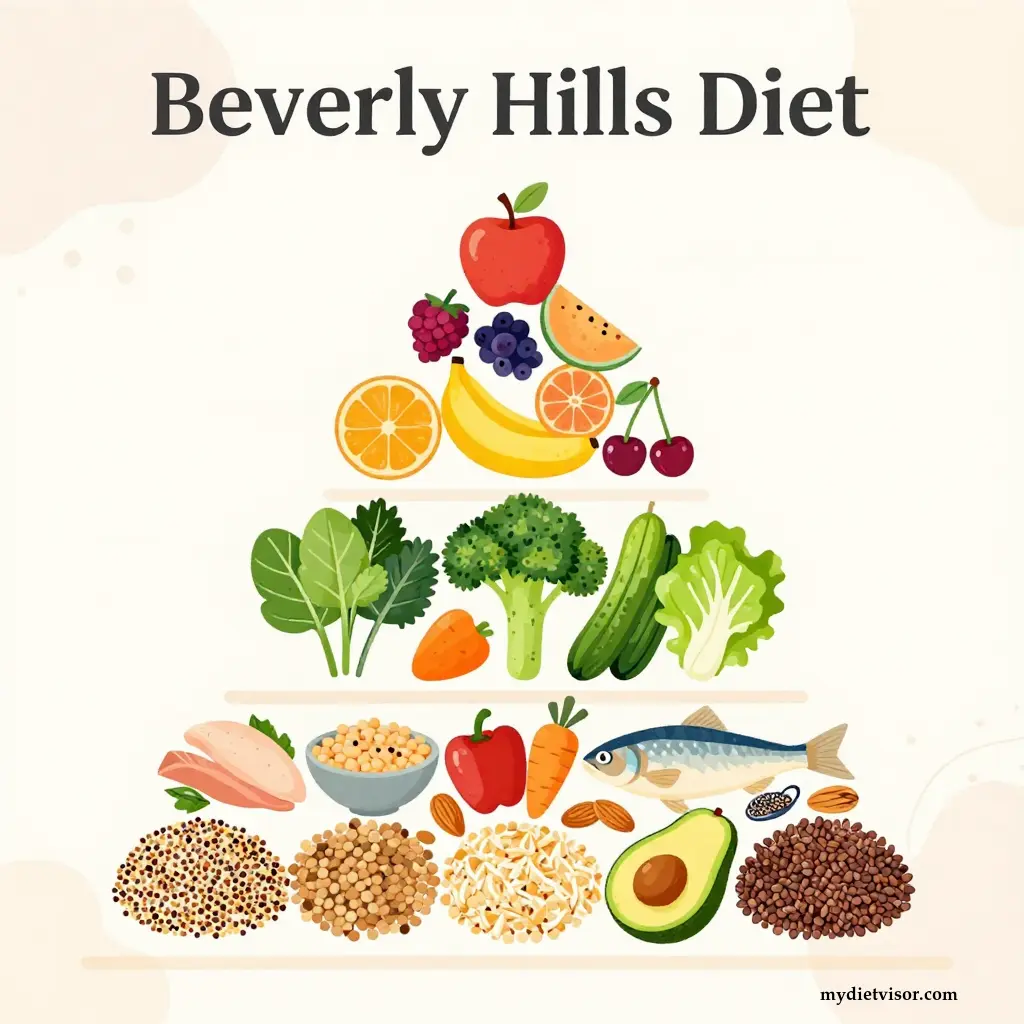
The Beverly Hills Diet offers specific recommendations on what foods are permissible during each phase of the regimen, highlighting a focus on natural, whole ingredients over processed alternatives.
During the initial fruit-only phase, a variety of fruits is encouraged. Dieters are advised to eat one type of fruit at a time and not mix different types within the same sitting. Popular choices include bananas, apples, oranges, grapefruit, strawberries, and kiwis due to their high vitamin C content and natural sugars that provide quick energy.
Once other food groups are gradually reintroduced, lean proteins such as chicken breast, fish, and tofu become part of the diet. These foods should be consumed separately from carbohydrates according to the diet’s rules, typically with a waiting period between meals of different types. This phase also introduces complex carbohydrates, including whole grains like brown rice and quinoa, along with vegetables.
Healthy fats are reintroduced later in the regimen, focusing on sources such as avocados, nuts, seeds, and olive oil. These foods should be spaced appropriately from protein and carbohydrate-heavy meals to avoid digestive conflicts, according to Mazel’s guidelines.
The diet also recommends avoiding processed sugars, refined carbohydrates, and unhealthy fats commonly found in fried foods, pastries, and fast food items. Instead, it emphasizes the importance of choosing natural, whole ingredients that are nutrient-dense and provide sustained energy without causing blood sugar spikes.
Incorporating a wide range of these recommended foods can help dieters feel satiated and maintain their energy levels while adhering to the diet’s strict rules. However, it is important to remember that the success of this regimen largely depends on individual commitment to following its guidelines meticulously.
Would you find it challenging or manageable to stick to such specific food choices during your daily meals?
Choosing a wide variety of fruits can provide numerous health benefits beyond just weight loss, contributing to better overall well-being and energy levels.
Foods to Avoid or Limit
In addition to the specific foods recommended during various phases of the Beverly Hills Diet, there are several food categories that dieters are encouraged to avoid or limit significantly. These restrictions aim to minimize the intake of potentially harmful substances and maintain a clean slate for optimal digestion and weight loss.
Processed Sugars: One key area of restriction involves avoiding processed sugars found in candy, pastries, sugary beverages, and other high-sugar foods. According to Mazel’s guidelines, these items can disrupt blood sugar levels and hinder the diet’s intended benefits. Instead, natural fruit sugars are favored for their quick energy release without causing significant spikes.
Refined Carbohydrates: The diet advises limiting refined carbohydrates such as white bread, pasta, rice, and other processed grains. These foods lack essential nutrients compared to whole grains and can lead to rapid blood sugar fluctuations, potentially slowing down weight loss efforts.
Unhealthy Fats: Dieters are instructed to avoid unhealthy fats commonly found in fried foods, fast food items, and many commercially produced snacks. Instead of these options, healthier alternatives such as avocados, nuts, seeds, and olive oil are recommended for their nutrient content and potential health benefits.
Additionally, the diet emphasizes avoiding dairy products during certain phases due to concerns about digestive issues and fat storage. This can include milk, cheese, yogurt, and other dairy items that might be challenging for some individuals to process efficiently according to the diet’s rules.
By adhering strictly to these guidelines, dieters aim to create an environment within their bodies where digestion is optimized, and nutrient absorption is improved. However, it’s important to recognize that such stringent limitations can make adherence difficult over time, potentially leading to nutritional imbalances if not carefully managed.
Do you think avoiding processed foods could help improve your overall health and weight management goals?
Meal Plan Examples
Understanding how the Beverly Hills Diet works in practice can be enlightening. Here are some examples of what a typical day might look like during different phases of the diet, illustrating both the simplicity and complexity of its rules.
Phase 1: Fruit-Only Phase
This phase focuses solely on consuming fruits to cleanse the body and kickstart weight loss. Each meal consists of just one type of fruit at a time, ensuring quick digestion and absorption.
- Breakfast: A medium-sized banana
- Mid-Morning Snack: Half an apple
- Lunch: Five strawberries
- Afternoon Snack: An orange
- Dinner: A kiwi
Following this phase strictly can be challenging due to its monotony, but it is intended to reset the body’s digestive system.
Phase 2: Introduction of Other Foods
Once you transition out of the fruit-only phase, other food groups are gradually reintroduced while maintaining careful attention to meal timing and combinations. This allows for a more balanced intake of nutrients without violating diet rules.
- Breakfast: A bowl of strawberries followed by a glass of water (wait 45 minutes), then oatmeal with almond milk
- Mid-Morning Snack: An apple
- Lunch: Grilled chicken breast served with steamed broccoli, no mixed within the same meal
- Afternoon Snack: Half an avocado and almonds
- Dinner: Quinoa salad topped with cherry tomatoes (wait 45 minutes after proteins before adding vegetables)
This phase requires meticulous planning to avoid combining foods that could conflict according to the diet’s principles.
Phase 3: Balancing Carbs, Proteins, and Fats
As you progress further into the regimen, more flexibility is allowed regarding meal combinations. However, careful adherence to food categories still applies.
- Breakfast: Smoothie made with berries, banana, spinach (no protein or fats), followed by a wait period
- Mid-Morning Snack: A handful of walnuts and an apple
- Lunch: Grilled salmon with side salad of leafy greens (wait 45 minutes between proteins and other foods)
- Afternoon Snack: Rice crackers and cucumber slices
- Dinner: Baked chicken thighs, quinoa pilaf without olive oil added until after the protein
These examples illustrate how the diet aims to promote optimal digestion by separating food types. However, maintaining such strict rules over long periods can be challenging for most individuals.
By providing these meal plan examples, readers can better grasp the practical implications of adhering to the Beverly Hills Diet’s guidelines and assess whether they are willing or able to follow them consistently.
Would you find it feasible to maintain such a rigid diet structure in your daily life? How might incorporating more balanced meals with less strict rules achieve similar results?
Staying Committed
Staying committed to any dietary regimen requires not only discipline but also adaptability and realistic goal-setting. The Beverly Hills Diet, while offering a structured path to weight loss and improved well-being, demands significant commitment from its followers. Adhering to strict meal timing rules and food combinations can be challenging, especially for individuals with busy lifestyles or varied social commitments.
One key factor in maintaining commitment is understanding why you are choosing this diet in the first place. For many dieters, initial motivation stems from a desire to lose weight quickly or improve their appearance. However, sustained adherence often requires deeper personal reasons such as long-term health improvement and overall wellness enhancement.
Creating a supportive environment can also significantly boost your ability to stay committed. This might involve enlisting the help of friends, family members, or even joining an online community where you share experiences and tips with others who are following similar dietary regimens. Support networks provide encouragement during challenging times and offer accountability that can be crucial for sticking to a strict diet.
Additionally, setting achievable short-term goals is essential in maintaining motivation over longer periods. For instance, rather than focusing solely on losing weight, aim to incorporate more fruits into your daily routine or maintain consistent meal timing patterns each day. These smaller successes build momentum and make the journey feel less daunting.
However, it’s important to recognize that strict adherence may not always be feasible due to life’s unpredictability. Flexibility is key in such scenarios; allowing yourself occasional deviations without feeling guilty can help prevent burnout and maintain overall health.
Ultimately, staying committed to any diet involves finding a balance between rigorous structure and personal flexibility. Would you find it easier to adhere to a regimen if you knew there were options for flexibility?
Would the rigidity of meal timing and food combinations make it difficult to socialize or eat out with friends? How might these challenges impact your ability to stay committed to the diet?
Flexibility can be crucial in maintaining long-term adherence to any dietary plan, including those as strict as the Beverly Hills Diet.
Summary: Understanding and Implementing the Beverly Hills Diet
The Beverly Hills Diet, though intriguing with its promise of rapid weight loss and celebrity endorsements, presents more questions than it answers when scrutinized closely. From its rigid rules on food combinations and meal timing to the initial fruit-only phase, adhering to this diet demands a level of commitment that many find challenging to sustain long-term. While supporters highlight benefits such as improved digestion, increased energy, and enhanced skin health, critics raise valid concerns about potential nutritional deficiencies and mental stress associated with strict dietary adherence.
Ultimately, the diet’s effectiveness is questionable when compared to more balanced approaches that emphasize whole foods and flexible eating habits. By prioritizing variety in food choices and mindful eating practices, individuals can achieve similar health benefits without compromising their long-term well-being. As you consider your own journey towards a healthier lifestyle, it’s important to weigh the potential risks against the rewards and seek professional guidance to make informed decisions that truly align with your personal goals and needs.
Would you be interested in exploring more sustainable dietary approaches or lifestyle changes that promote healthy eating habits without imposing strict rules?
Frequently Asked Questions (FAQ)
What is the main principle behind the Beverly Hills Diet?
The main principle of the Beverly Hills Diet is to consume nutrient-dense foods such as fruits, vegetables, whole grains, lean proteins, and healthy fats while avoiding processed and refined foods. It emphasizes the importance of fruit consumption and proper food combining techniques.
Does the Beverly Hills Diet require calorie counting?
No, the Beverly Hills Diet does not focus on calorie counting or portion control like many other diets do. Instead, it focuses on eating nutrient-dense foods at the right time to optimize digestion and absorption.
Can I eat unlimited fruits and vegetables on this diet?
While the diet encourages the consumption of fruits and vegetables, it’s important to eat them in their natural state without added sugars or preservatives. Moderation is still key for overall health.
How does the Beverly Hills Diet differ from other diets like keto or paleo?
Unlike keto or paleo diets that restrict certain food groups (e.g., carbs in keto), the Beverly Hills Diet focuses on combining foods properly and consuming a variety of fruits, vegetables, whole grains, lean proteins, and healthy fats. It doesn’t eliminate any particular macronutrient but instead promotes quality food choices.
What are some common side effects when starting the Beverly Hills Diet?
Common side effects might include initial detox-like symptoms as your body adjusts to healthier eating habits, such as headaches or fatigue. However, these should subside with time and proper hydration.
Is it possible to follow a vegetarian or vegan diet while adhering to the principles of the Beverly Hills Diet?
Yes, you can adapt the Beverly Hills Diet to be suitable for vegetarians or vegans by focusing on plant-based protein sources like legumes, tofu, tempeh, and quinoa along with plenty of fruits, vegetables, and whole grains.
Are there any specific supplements recommended while following the diet?
While no specific supplements are required, it’s always a good idea to consult with your healthcare provider about vitamins or minerals that might need supplementation based on your individual needs, especially if you have restrictive dietary practices.
How long does it take to see results from the Beverly Hills Diet?
Results can vary depending on your starting point and adherence to the diet. Some people notice improvements in digestion and energy levels within a few days, while weight loss may be more gradual over several weeks or months.
Can I drink coffee and alcohol while following this diet plan?
The Beverly Hills Diet recommends avoiding or limiting alcohol and caffeine due to their potential negative effects on health and digestion. Opting for healthier alternatives like herbal tea can enhance your overall well-being.
Is it necessary to consult a doctor before starting the Beverly Hills Diet?
It is generally recommended to speak with a healthcare professional before beginning any new diet plan, especially if you have pre-existing medical conditions or are taking medications that could be affected by changes in diet.