Introduction to the Eat-Clean Diet: What Is It and Why Does It Matter?
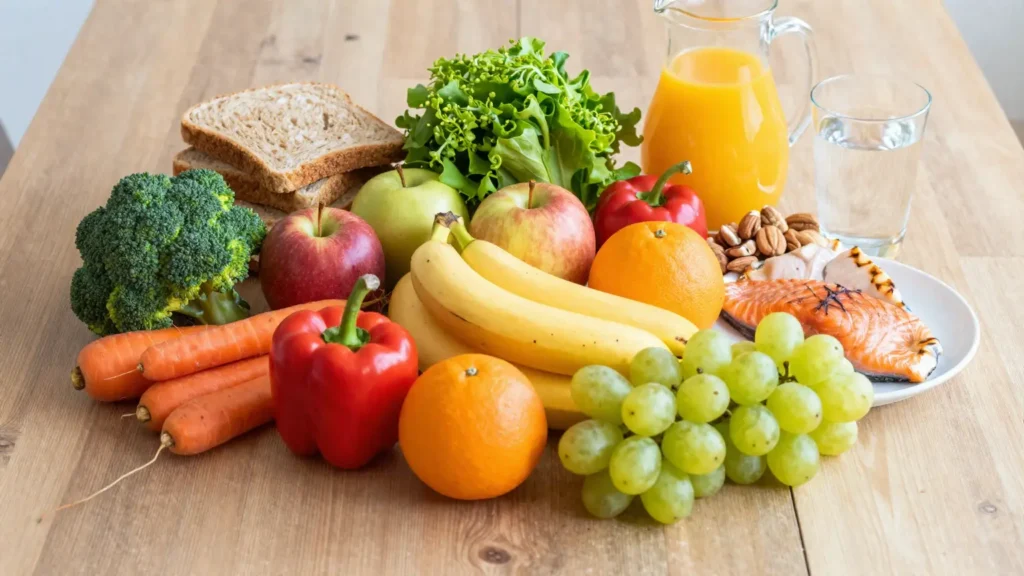
The eat-clean diet has become a buzzword in the world of health and wellness, thanks to Tosca Reno’s influential books and advocacy. This approach promises to transform your body and mind by focusing on whole foods that are minimally processed. But what exactly does it mean to “eat clean,” and why should you care about this dietary trend?
At its heart, the Eat-Clean Diet is a lifestyle change rather than just another fad diet. It encourages followers to ditch processed snacks, sugary drinks, and refined grains in favor of lean proteins, fresh fruits and vegetables, whole grains, and healthy fats. Tosca Reno’s journey from fitness model to nutrition evangelist has captured the imagination of millions who are tired of restrictive diets and quick fixes.
What makes the Eat-Clean Diet particularly compelling is its holistic approach to health. Instead of focusing solely on weight loss, it emphasizes overall well-being through better food choices. By prioritizing natural ingredients over artificial additives and preservatives, Reno’s plan aims to provide sustainable, long-term benefits rather than short-lived results. But with such a broad appeal, does the eat-clean diet live up to its promises? Delving into these questions reveals both strengths and potential pitfalls of this popular dietary approach.
Recommended Food Groups in the Eat-Clean Diet
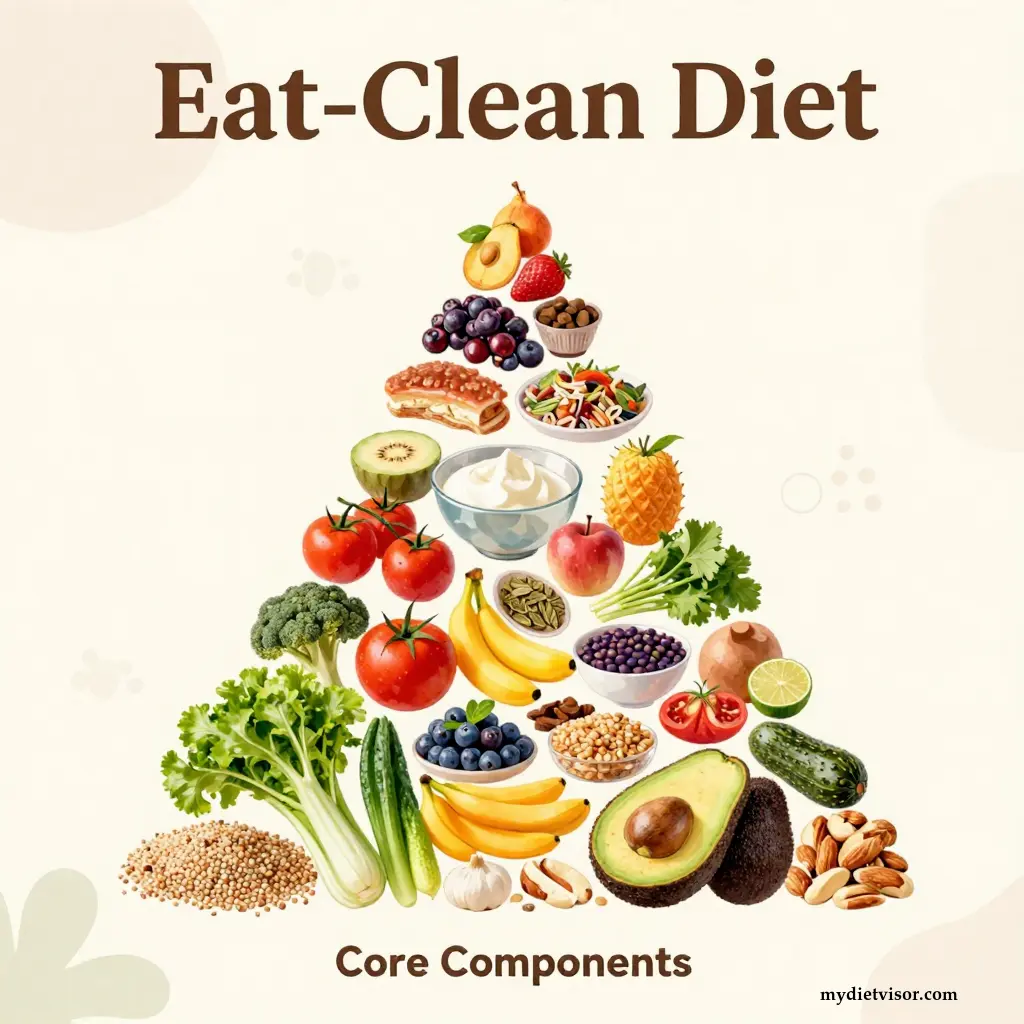
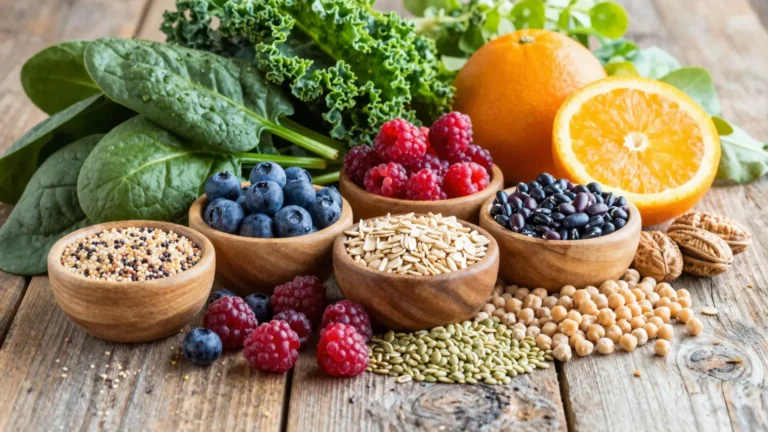
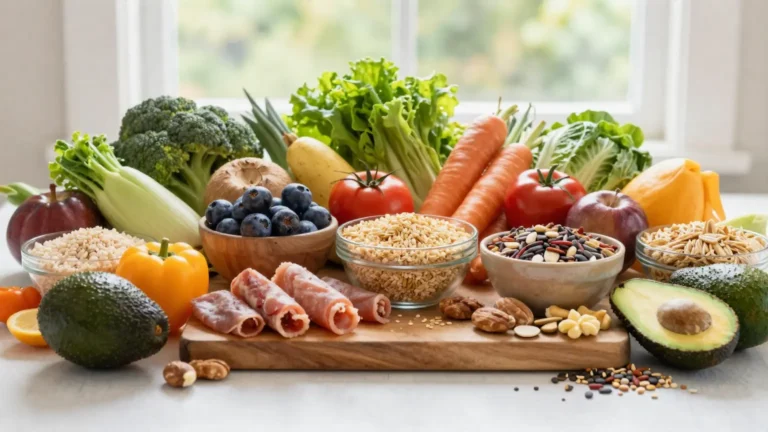
The core of the Eat-Clean Diet lies in its emphasis on specific food groups that are believed to promote optimal health and wellness. Tosca Reno’s approach revolves around incorporating lean proteins, which form a cornerstone of her diet philosophy. These include chicken breast, turkey, fish like salmon and tilapia, as well as plant-based options such as tofu and legumes.
In addition to protein-rich foods, the diet also heavily relies on incorporating plenty of fresh fruits and vegetables. The variety offered by these food groups is crucial in providing a broad spectrum of essential vitamins, minerals, and antioxidants necessary for overall health. Tosca suggests eating a rainbow of colors, which not only adds flavor but also ensures a diverse intake of nutrients.
Whole grains are another critical component that Tosca encourages her followers to include regularly. Unlike refined grains, whole grains retain their bran and germ layers, providing more fiber, vitamins, and minerals. Examples include brown rice, quinoa, oats, and barley. These foods help stabilize blood sugar levels and contribute to satiety, which can aid in weight management.
Healthy fats are also an integral part of the Eat-Clean Diet despite being often overlooked or misunderstood by many diets that focus solely on fat reduction. Avocados, nuts, seeds, and olive oil are some examples of healthy fats that are encouraged within this framework. These fats play a vital role in hormone production, cell growth, and brain health.
By integrating these food groups, the Eat-Clean Diet aims to create a balanced nutritional profile that supports not just physical fitness but also mental clarity and energy levels throughout the day. However, it’s worth noting that while these recommendations align closely with general dietary guidelines for healthy eating, they may be more restrictive than some people are used to.
For instance, those accustomed to consuming processed foods or having specific cultural food traditions might find the initial shift challenging. The diet’s strict avoidance of certain food groups could also lead to nutritional deficiencies if not properly balanced. > Did you know that olive oil, a staple in the Eat-Clean Diet, was once used as currency in ancient Greece due to its high value and versatility?
Understanding these nuances is crucial for anyone considering adopting Tosca Reno’s dietary approach. It prompts us to question whether such strict guidelines are sustainable or if they could be adapted to fit individual preferences while still achieving the health benefits she advocates for.
Forbidden or Limited Foods According to the Eat-Clean Approach
When it comes to the Eat-Clean Diet, understanding which foods are forbidden or limited is crucial in adhering to Tosca Reno’s principles. Processed and packaged foods take a significant hit under this regimen. The diet mandates that followers stay clear of anything that has been heavily processed by manufacturers, such as chips, cookies, canned soups, and frozen meals. These items often contain high levels of sodium, preservatives, artificial flavors, and added sugars – ingredients that the Eat-Clean Diet aims to eliminate.
Similarly, refined grains are also off-limits or strictly limited in quantity. This means saying goodbye to white bread, pasta made from refined flour, and sugary cereals. Instead, the focus is on consuming whole grain alternatives like brown rice, oats, and quinoa. While these adjustments can be challenging for those accustomed to convenience foods, they are intended to improve digestive health by providing more fiber.
Sugar in its various forms also faces strict scrutiny under the Eat-Clean Diet. Honey, maple syrup, agave nectar, and other natural sweeteners that many health-conscious individuals may consider acceptable alternatives are still seen as too high in sugar content for regular consumption. The primary goal is to reduce overall sugar intake to avoid spikes in blood glucose levels and minimize cravings for sweets.
The diet also places limitations on saturated fats and trans fats. This includes butter, full-fat dairy products like cheese and cream, and fried foods that contain partially hydrogenated oils. Healthy fat sources such as olive oil, avocados, nuts, and seeds are encouraged instead to provide essential fatty acids without the negative health impacts associated with saturated fats.
Another significant limitation involves alcohol consumption. While moderate drinking is generally accepted by many nutritional guidelines, the Eat-Clean Diet strongly discourages it. Alcohol can interfere with sleep quality, disrupt metabolism, and hinder recovery from workouts – goals that are central to Tosca Reno’s philosophy of optimal wellness.
By eliminating or severely restricting these foods, the Eat-Clean Diet aims to reset your palate towards more wholesome flavors and textures. However, such strictness can lead some individuals to feel deprived or overwhelmed by the dietary changes required. It’s important to consider whether these limitations are sustainable in your daily life and whether they align with broader nutritional advice from health authorities.
Think about it: how feasible is it for you to give up all processed snacks indefinitely? Would cutting out refined grains completely leave you feeling satisfied with meal choices? Considering personal habits and preferences when evaluating the Eat-Clean Diet can help determine its long-term viability for your lifestyle.
Nutritional Benefits of Adopting an Eat-Clean Lifestyle
Adopting the eat-clean lifestyle can yield numerous nutritional benefits that extend beyond just weight loss. By focusing on whole foods and avoiding processed items, you are naturally increasing your intake of essential nutrients while reducing harmful additives.
One significant benefit is improved digestion. Whole grains, fruits, vegetables, and lean proteins provide more fiber than their refined counterparts. Fiber helps regulate bowel movements, prevents constipation, and supports the growth of beneficial gut bacteria. A healthy digestive system can lead to better absorption of vitamins and minerals from your food.
Another key advantage lies in enhanced metabolic health. The elimination of processed sugars and trans fats reduces insulin spikes and inflammation in the body. As a result, this diet helps stabilize blood sugar levels and may improve sensitivity to insulin over time. This is particularly beneficial for individuals at risk of developing type 2 diabetes or those managing weight issues.
Moreover, eating clean encourages higher nutrient density meals. Nutrient-dense foods are rich in vitamins, minerals, antioxidants, and other compounds that support immune function and overall health. For instance, incorporating a variety of leafy greens like spinach and kale can boost iron intake, while berries provide vitamin C and anti-inflammatory properties.
The diet also emphasizes mental clarity and energy levels. Healthy fats found in avocados, nuts, seeds, and olive oil are crucial for brain function and mood regulation. By avoiding foods that cause sugar crashes or sluggishness (like doughnuts or soda), you can maintain consistent energy throughout the day without relying on caffeine or sugary snacks.
However, transitioning to an eat-clean lifestyle isn’t always easy. Many people struggle with cravings for forbidden items such as fast food or baked goods. Overcoming these challenges requires patience and gradual adaptation rather than sudden drastic changes. It might help to start small by swapping out one processed snack each day for a healthier alternative before fully committing.
Think about it: how does your current diet make you feel? Are there specific foods that leave you feeling sluggish or bloated afterwards? Reflecting on these questions can provide insight into areas where an eat-clean approach could bring positive changes.
Potential Drawbacks and Criticisms of the Eat-Clean Diet
The strict guidelines of the Eat-Clean Diet can present several challenges that might make it difficult to sustain over the long term. One major criticism is the diet’s lack of flexibility. Tosca Reno’s regimen requires a significant overhaul of eating habits, which can be daunting for individuals who are accustomed to less restrictive diets. The abrupt removal of processed foods and certain food groups may leave some feeling deprived and struggling with adherence.
Moreover, the diet’s exclusionary approach can lead to nutritional imbalances if not carefully managed. For example, while the elimination of refined sugars is generally beneficial, completely avoiding natural sweeteners like honey or maple syrup might be overly restrictive for many people. These alternatives offer health benefits such as antioxidants and anti-inflammatory properties when consumed in moderation.
Another criticism revolves around the scientific backing (or lack thereof) for some of the diet’s recommendations. While eliminating processed foods and focusing on whole ingredients is widely endorsed by nutritionists, certain aspects like avoiding all refined sugars or saturated fats may not be supported by current research. For instance, studies suggest that moderate consumption of dark chocolate or full-fat dairy can have health benefits when part of a balanced diet.
The Eat-Clean Diet’s emphasis on rigid meal planning and strict portion control might also discourage those who prefer more freedom in their eating habits. This rigidity could create an environment where food becomes too central to daily routines, potentially fostering obsessive behaviors around nutrition rather than promoting healthy attitudes towards food and body image.
It’s worth considering how adaptable these guidelines are for individuals with specific dietary needs or cultural preferences. For example, vegetarians might find it challenging to meet protein requirements if they rely solely on plant-based sources without careful planning. Similarly, people from cultures where certain traditional foods play a significant role may struggle to adopt the diet due to its strict limitations.
One important question arises: how sustainable is such an extreme dietary overhaul for most individuals? While short-term adherence might yield noticeable improvements in health and fitness, long-term compliance remains questionable. Critics argue that more moderate approaches emphasizing gradual changes rather than radical shifts might be better suited for maintaining healthy eating habits over time.
Ultimately, while the Eat-Clean Diet offers valuable insights into healthier food choices, it’s essential to critically evaluate its principles against individual needs and preferences. Striking a balance between adhering to sound nutritional advice and allowing personal flexibility can lead to more sustainable health outcomes in the long run.
Did you know that ancient civilizations like Rome and Greece had elaborate feasts featuring foods now considered unhealthy by modern standards, highlighting how dietary norms have shifted over millennia?
Sample Meal Plan for a Day on the Eat-Clean Diet
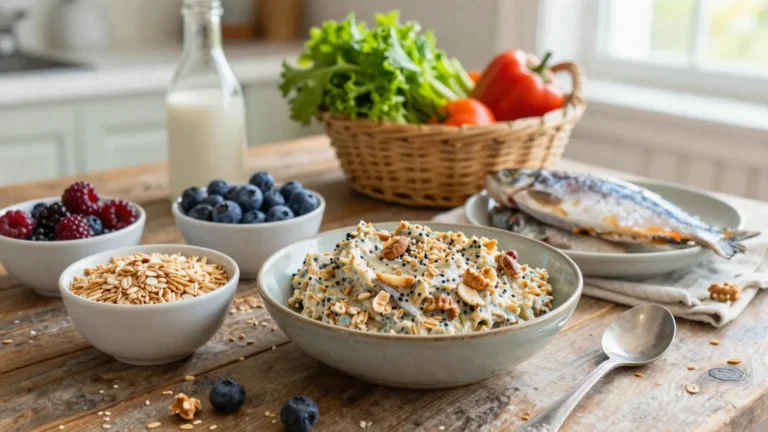
A day following Tosca Reno’s Eat-Clean principles starts early with breakfast options that set the tone for nutritious choices throughout the day. A typical morning meal might include oatmeal prepared with almond milk and topped with fresh berries, sliced almonds, and a drizzle of honey (used sparingly). Alternatively, a smoothie made from spinach, banana, Greek yogurt, and chia seeds can provide a balanced mix of protein, fiber, and antioxidants to energize the body.
Lunch on the Eat-Clean Diet often revolves around a salad packed with leafy greens such as mixed lettuce, kale, or arugula. Adding in various raw vegetables like cucumbers, bell peppers, cherry tomatoes, shredded carrots, and avocado ensures you get plenty of vitamins and minerals. Tossing in some grilled chicken breast or tofu for protein complements this meal well, while a light dressing made from olive oil and lemon juice adds flavor without excessive calories.
For dinner, the Eat-Clean Diet suggests focusing on whole grains combined with lean proteins and vegetables. A quinoa salad topped with roasted salmon fillets, steamed broccoli, and cherry tomatoes is an excellent choice. Alternatively, you could opt for a hearty soup made from lentils, spinach, carrots, onions, garlic, and vegetable broth, which is not only filling but also rich in fiber and iron.
Snacks play a crucial role in maintaining energy levels throughout the day without causing unhealthy spikes or drops in blood sugar. A handful of unsalted almonds paired with an apple or some baby carrots dipped in hummus are perfect examples of how to stay on track during snack times. These options provide quick bursts of natural sugars and healthy fats that keep you satisfied until your next meal.
Incorporating these meals into a daily routine highlights the Eat-Clean Diet’s focus on wholesome ingredients, portion control, and mindful eating habits. Each component serves not only as fuel for physical activity but also as nourishment for overall health. However, it’s essential to recognize that such strict guidelines might be challenging for some individuals who are used to more flexible dietary patterns.
Reflecting on your daily food choices can provide insights into how feasible these changes would be in your life. Would you feel satisfied with the given meal plan, or do you think certain adjustments could make this diet more sustainable? Considering personal preferences and habits is vital when evaluating the Eat-Clean Diet’s potential long-term success.
The concept of eating clean isn’t just a modern trend; ancient cultures also favored whole foods over processed ones. For example, the Aztecs consumed amaranth – a nutritious grain high in protein – long before it became popular in contemporary health circles.
How Does the Eat-Clean Diet Compare to Other Popular Diets?
When evaluating the Eat-Clean Diet in the context of other popular diets, it becomes clear that while there are similarities and overlaps, each diet has its unique characteristics and approaches. Here’s a closer look at how the Eat-Clean Diet stacks up against some well-known dietary plans:
Paleo Diet
The Paleo diet is based on eating foods that our ancient ancestors might have consumed, focusing heavily on meat, fish, fruits, vegetables, nuts, and seeds while excluding dairy, grains, legumes, processed oils, sugar, and alcohol. Like the Eat-Clean Diet, it emphasizes whole foods over processed items.
However, while Paleo encourages a high intake of red meat and excludes all grains (including nutritious whole grains), the Eat-Clean Diet promotes lean proteins like chicken and fish along with whole grains. This makes the Eat-Clean approach more balanced in terms of protein sources and carbohydrate inclusion, potentially offering better long-term sustainability.
| Feature | Eat-Clean Diet | Paleo Diet |
|---|---|---|
| Protein Sources | Lean meats, poultry, fish | Primarily meat, eggs |
| Carbohydrates | Whole grains | No grains |
| Fruits & Vegetables | Encouraged in variety | Emphasized but no legumes |
Mediterranean Diet
The Mediterranean diet is inspired by traditional eating patterns of people living around the Mediterranean Sea. It emphasizes fruits, vegetables, whole grains, olive oil, nuts, seeds, and fish, with moderate consumption of dairy products and minimal red meat.
Compared to the Eat-Clean Diet, both emphasize a high intake of plant-based foods and healthy fats like olive oil. However, the Mediterranean diet allows for more flexibility in including some cheeses, yogurt, and even small amounts of red wine, which might be seen as too lenient under the stricter guidelines of the Eat-Clean Diet.
| Feature | Eat-Clean Diet | Mediterranean Diet |
|---|---|---|
| Dairy | Limited | Moderate |
| Alcohol | Avoided | Allowed in moderation |
| Red Meat | Limited | Minimal |
Ketogenic Diet
The ketogenic diet, or keto, is a high-fat, low-carb eating plan that pushes your body into ketosis – a metabolic state where the body burns fat for energy instead of carbohydrates. This diet significantly restricts carbohydrate intake and encourages high consumption of fats like butter, cheese, and oils.
In contrast to the ketogenic approach, the Eat-Clean Diet promotes balanced macronutrient ratios with an emphasis on lean proteins, whole grains, fruits, and vegetables. The strict fat restrictions in keto would be seen as too limiting under Tosca Reno’s guidelines, while the focus on ketosis is not a goal of the Eat-Clean approach.
| Feature | Eat-Clean Diet | Ketogenic Diet |
|---|---|---|
| Protein Intake | High but balanced | Moderate |
| Fat Consumption | Healthy fats | Very high |
| Carb Restriction | Low but balanced | Extremely low |
Vegan and Vegetarian Diets
Vegan diets, which exclude all animal products, and vegetarian diets, which may include dairy or eggs, emphasize plant-based eating. These diets focus on a wide variety of fruits, vegetables, grains, nuts, seeds, legumes, and tofu.
While both vegan and vegetarian diets align with the Eat-Clean Diet’s preference for whole foods, they differ in their avoidance of all animal products. The Eat-Clean Diet is more flexible by allowing lean meats like chicken and fish, providing a broader range of protein sources that might be harder to achieve solely through plant-based options.
| Feature | Eat-Clean Diet | Vegan/Vegetarian Diets |
|---|---|---|
| Animal Products | Limited (chicken, fish) | None or dairy/eggs |
| Protein Sources | Wide range including meats | Plant-based only |
Each of these diets offers unique benefits and challenges. The Eat-Clean Diet’s strength lies in its comprehensive approach to whole foods without the extreme limitations seen in some other plans. However, it’s important for individuals to consider their personal health needs, preferences, and sustainability when choosing a diet that works best for them.
Think about it: which dietary restrictions might feel most sustainable for you over time? Would you prefer a more flexible plan with broader food options or one that requires stricter adherence but promises quicker results?
Ultimately, the key takeaway is that while the Eat-Clean Diet offers valuable insights into healthy eating habits, its success largely depends on individual adaptability and long-term commitment.
Is the Eat-Clean Diet Sustainable in the Long Term?
Sustainability is a critical factor when evaluating any diet plan’s long-term effectiveness. The Eat-Clean Diet’s stringent guidelines and emphasis on whole foods raise questions about its feasibility for ongoing adherence. To determine whether this approach can be maintained over years, it’s essential to consider individual circumstances and dietary habits.
Firstly, the diet’s rigid structure poses challenges for many individuals due to its strict limitations on processed foods and refined ingredients. Transitioning from a diet rich in fast food and convenience items to one that relies solely on whole, minimally processed foods requires significant lifestyle changes. This can be particularly daunting for those who enjoy variety or find comfort in familiar eating patterns. For example, imagine the initial difficulty of replacing your go-to pizza with a homemade vegetable and tofu stir-fry; such abrupt changes might lead to temporary dissatisfaction and cravings.
Moreover, long-term nutritional balance is crucial for sustained health benefits. While the Eat-Clean Diet advocates for essential nutrients through whole foods, its strict avoidance of certain food groups like refined sugars or saturated fats could inadvertently limit beneficial dietary elements if not managed carefully. For instance, some fermented dairy products are rich in probiotics and can support gut health; completely eliminating such items might lead to nutritional deficiencies.
Adaptability is another key aspect when considering long-term sustainability. The Eat-Clean Diet’s one-size-fits-all approach may not cater well to diverse dietary needs or cultural preferences. For example, individuals with specific allergies or those adhering to religious practices that limit certain foods might find it challenging to adapt the diet accordingly without compromising its core principles.
Practicality plays a significant role in determining whether a diet can be sustained over time. The Eat-Clean Diet’s focus on meal planning and preparation could be seen as overwhelming for busy individuals who may not have ample time or resources to cook daily meals from scratch. How feasible would it be to stick to this regimen if you frequently travel, dine out, or face unexpected changes in your schedule?
Reflecting on these considerations, a crucial question arises: is the Eat-Clean Diet adaptable enough to fit into various lifestyles while still delivering its promised benefits? While its emphasis on whole foods is undoubtedly valuable, the strict nature of the diet might deter long-term commitment for many. This prompts us to explore whether more flexible approaches that incorporate elements of clean eating could offer a better balance between health goals and personal preferences.
For instance, adopting gradual changes like increasing intake of fruits and vegetables while reducing processed snacks can lead to sustained improvements without feeling restrictive or burdensome. Consider how you might feel about making small adjustments each week rather than an immediate overhaul of your diet. This incremental approach allows for easier adaptation and may be more conducive to long-term adherence.
Ultimately, the Eat-Clean Diet’s sustainability hinges on individual adaptability and willingness to make lasting changes that align with both health objectives and personal lifestyle choices. Balancing strictness with flexibility could pave the way towards a healthier, longer-lasting dietary regimen.
The concept of eating clean isn’t just modern; historical records show ancient Roman emperors consuming diets rich in whole foods like grains and vegetables, reflecting similar principles to today’s eat-clean philosophy.
Conclusion: Balancing the Pros and Cons of the Eat-Clean Approach
In conclusion, the Eat-Clean Diet offers valuable insights into healthy eating habits by emphasizing whole foods and minimizing processed ingredients. However, its strict guidelines and rigid structure can present challenges in terms of long-term sustainability and adaptability to individual needs. While Tosca Reno’s approach promotes beneficial nutritional practices like increased fiber intake and reduced consumption of harmful additives, the diet’s exclusions may lead to nutritional imbalances if not managed carefully. Reflecting on personal dietary habits and preferences is crucial for determining whether the Eat-Clean Diet or a more flexible variation would be most effective in promoting sustained health and well-being.
Frequently Asked Questions (FAQ)
What is the Eat-Clean Diet?
The Eat-Clean Diet is a nutrition plan created by Canadian fitness model Tosca Reno, which emphasizes eating whole foods like vegetables, fruits, lean meats, and unprocessed grains while avoiding processed and refined foods.
Who can benefit from following the Eat-Clean Diet?
Anyone looking to improve their health, lose weight, or build muscle can potentially benefit. It’s especially appealing for people who want a balanced diet without extreme restrictions.
How does the Eat-Clean Diet differ from other diets like Paleo or Keto?
Unlike Paleo and Keto, which have strict rules about food types (e.g., no carbs in Keto), the Eat-Clean Diet focuses more on avoiding processed foods while including all food groups. It’s less restrictive but still promotes healthy eating habits.
Does the Eat-Clean Diet require me to cook everything from scratch?
While it recommends preparing meals with fresh ingredients, you don’t have to make every single item from scratch. You can use some convenience items as long as they are minimally processed and nutritious.
Can I eat out while following the Eat-Clean Diet?
Eating out is possible but challenging. Choose restaurants that serve healthy options or ask for modifications such as grilling instead of frying your meat, adding extra vegetables to dishes, and avoiding creamy sauces.
What about snacking on the Eat-Clean Diet?
Snacks should be nutrient-dense rather than processed snacks. Opt for items like fresh fruits, nuts, yogurt, or hummus with whole grain crackers.
Does the Eat-Clean Diet promote any specific supplements or meal replacements?
Tosca Reno does not endorse specific brands of supplements but encourages getting nutrients from a balanced diet first before considering supplements if needed.
Are there any potential risks associated with following the Eat-Clean Diet strictly?
While it’s generally safe, overly strict adherence might lead to nutrient deficiencies or obsession over food choices. It’s important to maintain a healthy balance and listen to your body.
How do I start implementing the principles of the Eat-Clean Diet into my daily routine?
Start by making small changes such as swapping refined grains for whole grain versions, cutting down on sugary drinks, and incorporating more vegetables into meals gradually.
Is there scientific evidence supporting the effectiveness of the Eat-Clean Diet?
While individual testimonies and anecdotal evidence suggest benefits, rigorous scientific studies specifically backing the Eat-Clean Diet are limited. It aligns with general dietary guidelines that recommend whole foods over processed ones for better health outcomes.