
Introduction: Understanding the Bulletproof Diet Basics
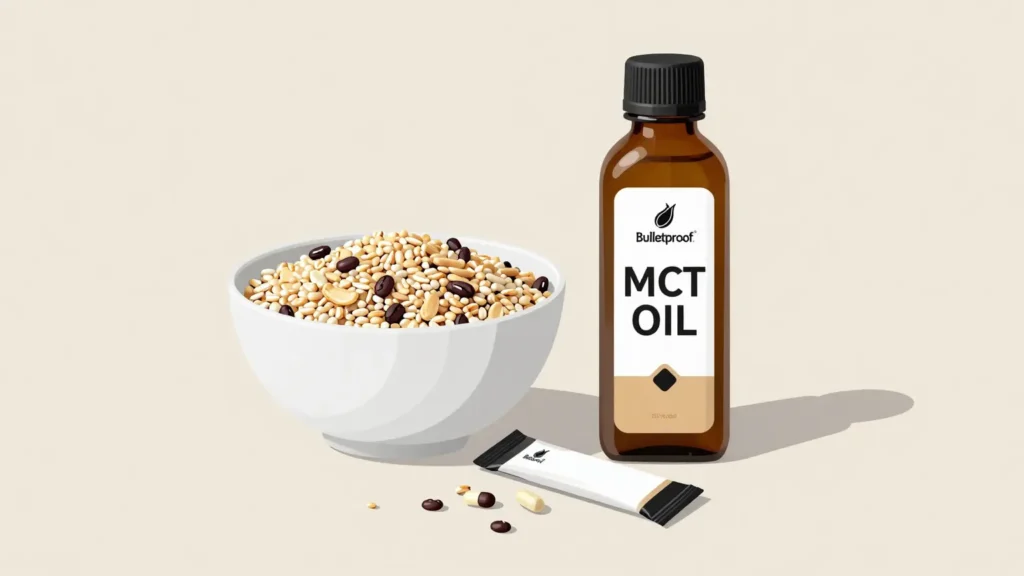
The Bulletproof diet is a unique eating plan that promises to revolutionize your brain function and physical well-being by combining elements from ketogenic diets with specific nutritional supplements and lifestyle changes. Developed by entrepreneur Dave Asprey, this regimen aims to boost cognitive performance and enhance weight loss through strategic food eliminations and the introduction of specialized products such as Bulletproof coffee.
At its heart, the Bulletproof Diet is a low-carb plan that emphasizes healthy fats while significantly cutting back on carbohydrates. It categorizes foods into two main groups: “toxic” and “bulletproof.” Foods deemed toxic include grains, legumes, sugar, most fruits, and certain dairy products, as they are believed to impair cognitive function and overall health. On the other hand, bulletproof foods consist of grass-fed meat, wild-caught fish, healthy fats like coconut oil and MCT oil, and non-toxic vegetables.
A key element of the Bulletproof Diet is its focus on medium-chain triglycerides (MCTs), which are fats believed to enhance brain function by providing an alternative energy source for neurons. The diet also advocates intermittent fasting as a way to improve mental clarity and metabolic flexibility. Perhaps one of the most intriguing aspects is Bulletproof coffee, a concoction of coffee mixed with butter and MCT oil. Proponents claim that this drink can provide sustained energy throughout the day.
While these claims may sound appealing, they raise several questions about the diet’s practicality and effectiveness. Critics point out that adhering to such strict guidelines might be difficult for many people over extended periods due to both high costs from purchasing proprietary products and a limited variety of acceptable foods. Additionally, the reliance on unproven supplements and specific dietary eliminations casts doubt on its efficacy compared to more conventional approaches.
As we delve deeper into this topic, it’s important to consider not just what the Bulletproof Diet promises but also how realistic these claims are and whether they align with established nutritional science. By exploring both the benefits and potential drawbacks of this diet, readers can make informed decisions about whether it might work for them or if there are better alternatives available.
What Are the Key Components of the Bulletproof Diet?
The Bulletproof Diet is an eating plan designed to promote rapid weight loss and enhance mental clarity through a blend of low-carb principles and intermittent fasting. Here are its main components:
- Food Group Elimination: The diet eliminates grains, legumes, most fruits, and dairy products, categorizing them as “toxic” due to their perceived negative effects on digestion and energy levels.
- MCT Oil Emphasis: A central feature is the use of medium-chain triglycerides (MCTs), particularly in Bulletproof coffee. Proponents claim MCT oil boosts brain function and aids weight loss, though scientific support for these claims remains inconclusive.
- Proprietary Products: The diet heavily relies on proprietary supplements like Bulletproof coffee blends and MCT oil capsules, which can be expensive and may not offer unique benefits over less costly alternatives.
- Exercise Recommendations: It suggests limited but intense exercise sessions rather than regular moderate-intensity physical activity, a recommendation that differs from conventional health guidelines for optimal wellness.
By focusing on these specific elements, the Bulletproof Diet aims to provide quick results through strict dietary rules. However, this approach can be challenging to maintain due to its restrictive nature and reliance on costly products without robust scientific backing.
Did you know that MCT oil naturally occurs in certain foods like coconut oil, suggesting that you might achieve similar benefits from these less expensive options?
The Bulletproof Diet’s emphasis on specific supplements and food eliminations sets it apart but also raises questions about its long-term sustainability and overall nutritional adequacy.
Does the Bulletproof Diet Promote Weight Loss?
The Bulletproof Diet aims to help you lose weight quickly through a low-carb approach that eliminates several food groups deemed “toxic” by its creators. This includes grains, legumes, most fruits, and dairy products. The diet also emphasizes the use of MCT oil in coffee and other meals as a key strategy for enhancing brain function and boosting weight loss.
However, when we look at whether it actually works, there’s a lot to consider. While cutting out certain food groups can lead to rapid initial weight loss due to water weight and reduced calorie intake, this diet lacks scientific evidence supporting its unique claims about MCT oil and brain health. Furthermore, the reliance on proprietary products like Bulletproof coffee and supplements can be costly without clear benefits proven by research.
One major drawback is that such a restrictive plan often feels unsustainable in the long term. People may find it difficult to stick with strict limitations on food choices and high costs associated with specific branded items. This could lead to frustration, potential health issues due to nutritional imbalances, and ultimately giving up the diet altogether.
Health professionals generally recommend gradual weight loss through balanced nutrition and regular exercise as a more sustainable method for achieving long-term success. They suggest being cautious about diets that rely heavily on proprietary products without broad scientific backing, instead opting for approaches based on well-established healthy habits like eating diverse foods rich in nutrients and engaging in consistent physical activity.
In essence, while the Bulletproof diet might promise quick results, it’s important to weigh these against its long-term sustainability and overall health benefits. It’s wise to consult with a healthcare provider or registered dietician before starting any new diet plan to ensure it fits your unique needs and is safe for you.
Did you know that moderate-intensity exercises like brisk walking can be just as effective in promoting weight loss when combined with a balanced diet, compared to more extreme dietary restrictions?
This sentence underscores the importance of considering all aspects of health and well-being, rather than focusing solely on quick fixes.
Toxic Foods on the Bulletproof Diet: What Should You Avoid?
When considering the Bulletproof Diet, it’s crucial to understand which foods are categorized as “toxic” and why you should avoid them. The diet labels certain food groups as potentially harmful based on its unique criteria rather than broad scientific consensus.
Grains
Whole grains like quinoa, oats, and brown rice, which typically offer essential nutrients such as fiber, vitamins, and minerals, are eliminated from the diet. This might seem restrictive since these grains support digestive health and provide sustained energy throughout the day.
Legumes
Beans, lentils, chickpeas, and other legumes are also off-limits on the Bulletproof Diet. These foods are rich in protein, fiber, and various beneficial compounds that enhance cardiovascular wellness and contribute to overall nutritional balance.
Most Fruits
Even though fruits provide vital antioxidants and vitamins, many varieties are restricted on this diet due to their sugar content. This eliminates a valuable source of natural sweetness and essential nutrients from your meal plan.
Why Avoid Toxic Foods According to the Bulletproof Diet?
The diet claims that eliminating these food groups will lead to better mental clarity and energy levels. However, it’s important to consider whether such drastic measures are necessary when conventional dietary advice often promotes a wide range of whole foods in moderation.
Instead of seeing food as inherently good or bad, think about how different choices impact your overall well-being. It’s beneficial to question the necessity of cutting out entire categories of nutritious foods and focus on incorporating a variety of nutrient-dense options into your diet.
While Bulletproof coffee is trendy on this diet, traditional black coffee can be part of a balanced diet without relying heavily on expensive supplements.
By considering these points, you can make informed decisions that align with your health goals while avoiding the restrictive nature of the Bulletproof Diet’s food eliminations.
Are Whole Grains and Legumes Really Bad for Your Health?
When considering the Bulletproof Diet’s stance on whole grains and legumes, many people wonder if these foods are genuinely unhealthy. The diet categorizes them as “toxic,” suggesting they should be avoided entirely. However, this classification contradicts much of what scientific research has established about nutrition.
Nutritional Benefits of Whole Grains
Whole grains like quinoa, oats, and brown rice offer a range of health benefits. They are rich in fiber, vitamins, minerals, and antioxidants that contribute to overall wellness:
- Fiber: Helps regulate digestion, blood sugar levels, and keeps you feeling full longer.
- Vitamins and Minerals: Provide essential nutrients like B-vitamins, magnesium, and iron.
Nutritional Benefits of Legumes
Legumes such as beans, lentils, and chickpeas are also highly beneficial:
- Protein: High-quality plant-based protein source that supports muscle health.
- Fiber: Similar to whole grains, they aid digestion and promote satiety.
- Antioxidants and Phytochemicals: Beneficial compounds that can reduce inflammation and support heart health.
Misconceptions About Antinutrients
One concern about legumes is their content of antinutrients such as phytic acid and lectins. These substances can interfere with nutrient absorption, but cooking methods like soaking, sprouting, or fermenting can significantly reduce these compounds’ levels, making them easier to digest.
The Importance of Balanced Nutrition
Eliminating entire food groups from your diet can lead to nutritional deficiencies if you’re not careful about replacing lost nutrients elsewhere. A balanced approach that includes whole grains and legumes can provide a wide range of essential nutrients while still supporting healthy weight loss goals.
For example, combining quinoa with black beans in a salad offers a complete protein meal packed with fiber and antioxidants, which supports digestive health and satiety without cutting out crucial food categories.
Conclusion on Sustainability
While the Bulletproof Diet’s reliance on proprietary products might make it costly and challenging to maintain long-term, focusing on diverse whole foods can be a more sustainable path to health and wellness. By including these nutrient-dense foods in your diet, you ensure better-rounded nutrition that supports overall health and well-being.
Did you know that one cup of cooked lentils provides nearly half the daily recommended amount of iron for adult women? This underscores how important it is to consider all aspects of nutrition when evaluating restrictive diets.
How Does Eliminating an Entire Food Group Affect Long-Term Adherence?
Eliminating an entire food group from your diet can make adherence challenging in the long term. When you remove categories like grains or legumes as part of the Bulletproof Diet, it reduces both calorie intake and nutritional variety, potentially leading to feelings of deprivation and difficulty maintaining the diet.
Here are some key points to consider:
- Nutritional Deficiencies: Cutting out entire food groups means missing out on essential vitamins, minerals, fiber, and other beneficial compounds these foods offer. For example, whole grains provide B-vitamins and iron that are crucial for energy production and blood health.
- Cost Concerns: The Bulletproof Diet’s reliance on specific products like MCT oil and proprietary coffee blends can be costly. These items may not be affordable or accessible to everyone, making the diet harder to maintain over time.
- Sustainability Issues: Over an extended period, strict dietary rules can become tiresome. Many find it easier to adhere to diets that offer flexibility with a wide range of food options rather than rigid restrictions. This flexibility allows for better long-term adherence and less risk of abandoning healthy habits due to frustration.
For instance, someone who enjoys cooking with legumes might struggle if they are told to completely eliminate them from their diet. They may feel deprived or unsatisfied, which can lead to a lack of motivation to continue following the strict guidelines over time.
Therefore, it’s crucial to evaluate whether a restrictive diet like Bulletproof is worth its cost and nutritional limitations in comparison to more balanced approaches that prioritize variety and sustainability. By doing so, you can make an informed decision that aligns with your long-term health goals and lifestyle preferences.
Did you know that many cultures around the world have thrived on diets rich in whole grains for centuries? This highlights how important it is to consider cultural eating patterns when evaluating dietary restrictions.
Why Is Organic or Grass-Fed Meat and Dairy So Important According to the Bulletproof Diet?
According to the Bulletproof Diet, incorporating organic or grass-fed meat and dairy into your meals is crucial because it emphasizes quality over quantity when it comes to nutrition. Here’s why this aspect of the diet is so important:
- Quality Over Quantity: The Bulletproof Diet stresses that what you put in your body matters greatly. Organic and grass-fed meats come from animals raised without hormones or antibiotics, which means they are less likely to contain harmful residues.
- Nutrient Density: Grass-fed beef tends to be higher in nutrients like Vitamin E, beta-carotene, omega-3 fatty acids, and conjugated linoleic acid (CLA), all of which have health benefits ranging from reducing inflammation to supporting heart health.
- Avoiding Unhealthy Fats: Conventional meat and dairy products can contain high levels of unhealthy fats due to the animals’ diets. Organic and grass-fed options typically have a healthier fat profile, including more omega-3s.
- Environmental Impact: Choosing organic and grass-fed products supports sustainable farming practices that minimize environmental harm and maintain soil health over time.
By focusing on these higher-quality food sources, the Bulletproof Diet aims to provide your body with clean, nutrient-dense foods that can support overall well-being. This approach contrasts sharply with diets focused solely on calorie counting or broad eliminations without considering food quality. It’s about making mindful choices at every meal rather than cutting out entire categories of foods.
Did you know that grass-fed beef not only tastes richer but also leaves a smaller carbon footprint compared to grain-fed beef because it requires less feed and land?
Do Medium-Chain Triglycerides (MCTs) Live Up to Their Claims on Weight Loss?
When examining the role of MCTs in weight loss as promoted by diets like Bulletproof, it’s essential to understand both their benefits and limitations. Proponents claim that MCTs can boost metabolism, increase satiety, and enhance fat burning, all contributing to easier weight management.
However, while these claims are intriguing, they need a closer look at the evidence:
- Metabolic Benefits: Studies have shown that MCTs are metabolized more rapidly compared to long-chain triglycerides (LCTs), potentially leading to increased energy expenditure and reduced fat storage. This metabolic boost could contribute to minor improvements in weight loss.
- Satiety Levels: Some research indicates that consuming foods rich in MCTs can increase feelings of fullness, which might help reduce overall calorie intake throughout the day. However, this effect is generally mild and doesn’t significantly impact long-term weight loss on its own.
Despite these potential benefits, there are several caveats to consider:
- Limited Impact: While MCTs may offer slight metabolic advantages, their influence on weight loss isn’t substantial enough to be considered a primary solution for obesity or significant weight management. Other factors such as overall diet quality and physical activity play more crucial roles.
- Cost and Practicality: Relying heavily on MCT oil supplements can become costly and impractical over time. Many people find it easier and more sustainable to achieve similar benefits through a balanced diet that includes natural sources of healthy fats without the need for additional supplementation.
- Nutrient Diversity: A strict focus on specific dietary components like MCTs might lead individuals to overlook other important nutrients found in varied food groups such as whole grains, legumes, fruits, and vegetables. These foods provide essential vitamins, minerals, fiber, and antioxidants that are vital for overall health and well-being.
In summary, while MCTs can offer some metabolic benefits and minor support for weight loss, their impact is often overstated relative to the broader context of a healthy diet and lifestyle. Incorporating natural sources of fats in moderation may provide similar advantages without the need for expensive supplements or restrictive dietary rules.
Did you know that coconut oil naturally contains MCTs and has been used traditionally as part of balanced diets around the world? This highlights how simple, accessible foods can often offer health benefits comparable to more specialized products.
Is MCT Supplementation Necessary for Achieving Nutritional Ketosis?
When it comes to achieving nutritional ketosis, many people wonder if adding medium-chain triglycerides (MCTs) is necessary. Proponents argue that MCT oil can help individuals reach and maintain a state of ketosis more easily by providing an alternative fuel source. However, the necessity of MCT supplementation for ketosis isn’t universally accepted.
Here are some key points to consider:
- Natural Ketosis: Most people naturally achieve ketosis through dietary changes alone – by reducing carbohydrate intake significantly while increasing fat consumption. This process can happen without relying on MCT oil or any other supplements.
- Metabolic Properties of MCTs: Unlike long-chain triglycerides, which require extensive digestion before being metabolized, MCTs are quickly absorbed and converted into ketones by the liver. This makes them a more direct source of energy when carbohydrate intake is low.
- Lack of Compelling Evidence: Despite claims that MCT oil aids in reaching ketosis faster or maintaining it longer, scientific evidence supporting these benefits isn’t overwhelming. Some studies suggest potential metabolic advantages but don’t conclusively prove the necessity of MCTs for ketosis.
- Cost and Accessibility: Adding an expensive supplement like MCT oil might not be practical for everyone. The high cost can make long-term adherence to such a regimen challenging, especially when similar benefits could potentially be achieved through dietary adjustments alone.
In summary, while MCT oil may offer some advantages in the context of ketogenic diets, it isn’t strictly necessary to achieve or sustain ketosis. A balanced approach that emphasizes whole foods rich in healthy fats and low carbohydrate intake can work just as effectively for most individuals looking to enter a state of nutritional ketosis.
Did you know that cooking with coconut oil, which naturally contains MCTs, might offer similar benefits without the need for pricey supplements?
Should You Be Concerned About Proprietary Products Required by the Bulletproof Diet?
The reliance on proprietary products in the Bulletproof Diet is a significant concern for several reasons. These products not only come with high price tags but also lack robust scientific evidence to support their effectiveness.
- High Costs: The diet requires regular use of specific supplements and food items like MCT oil, Bulletproof coffee, and other branded products. Over time, these expenses can accumulate significantly, making the diet less accessible for people on a tighter budget.
- Limited Scientific Support: While proponents of the Bulletproof Diet claim that proprietary products offer unique health benefits such as enhanced brain function and weight loss, there is insufficient scientific evidence to back these claims definitively. Many of these products have not undergone extensive research or clinical trials.
- Nutritional Imbalance Risks: Over-reliance on specific branded items can lead to a lack of variety in your diet, potentially resulting in nutritional imbalances. By focusing too much on proprietary supplements and ignoring whole foods like fruits, vegetables, and grains, you might miss out on essential nutrients that contribute to overall health.
In essence, while the Bulletproof Diet promises rapid results through its unique approach, the significant investment required for proprietary products raises doubts about whether these items truly provide added value compared to more affordable and widely available alternatives.
Did you know that many of the supposed benefits attributed to proprietary diet supplements are often based more on marketing claims than solid scientific research? It’s essential to critically evaluate such products before incorporating them into your daily routine.
Why Is Exercise Undervalued in the Bulletproof Diet Recommendations?
Exercise is undervalued in the Bulletproof Diet recommendations because it overlooks the critical role physical activity plays in overall health and weight management. The diet focuses more on specific dietary restrictions and supplementation with MCT oil than on regular exercise routines, which can lead to a less comprehensive approach to wellness.
Regular exercise offers numerous benefits that complement a healthy diet:
- Metabolism Boost: Physical activity increases your metabolic rate, helping you burn calories more efficiently even when you’re at rest.
- Muscle Mass Maintenance: Strength training helps build muscle mass, which is more metabolically active than fat tissue. This means maintaining and building muscle can support weight loss efforts.
- Hormonal Balance: Regular physical activity can help regulate hormones like insulin and cortisol, contributing to better appetite control and stress management.
- Mental Well-being: Exercise releases endorphins that improve mood and reduce stress levels, which are crucial for sustained healthy habits and reducing the likelihood of emotional eating.
Sustainable Weight Loss
For long-term success, a balanced approach that includes both proper nutrition and regular exercise is essential. The Bulletproof Diet’s focus on proprietary products and restrictive food eliminations might make it challenging to maintain over an extended period due to its rigidity and costliness. Incorporating diverse forms of physical activity can help:
- Diverse Forms of Activity: Engaging in various activities such as walking, cycling, strength training, and yoga ensures you enjoy a variety of exercises that keep you motivated and engaged.
- Holistic Wellness: A diet combined with regular exercise promotes not just weight loss but also overall health, including cardiovascular fitness, improved sleep quality, and mental clarity.
Balancing Nutritional Needs
While the Bulletproof Diet emphasizes specific dietary guidelines, it often overlooks the importance of a balanced intake of nutrients from varied food sources:
- Vitamin and Mineral Intake: Eliminating entire food groups can lead to nutritional deficiencies. For example, whole grains and legumes provide essential vitamins, minerals, and fiber that are crucial for digestive health.
- Flexibility and Adaptability: A more flexible diet plan that incorporates a wide range of nutritious foods can be easier to adhere to long-term without feeling deprived or restricted.
In summary, while the Bulletproof Diet aims to offer quick results through its unique approach and specific dietary restrictions, it undervalues the importance of regular exercise. Integrating diverse forms of physical activity into your routine can enhance the effectiveness of any diet plan, promoting sustainable weight loss and overall health.
How Important is Regular Exercise for Long-Term Weight Management?
Regular exercise is incredibly important for long-term weight management. It plays a crucial role in sustaining health and wellness beyond just quick results. Here’s why it matters so much:
- Metabolism Boost: Regular physical activity increases your metabolic rate, meaning you burn more calories throughout the day even when resting.
- Muscle Mass Maintenance: Strength training helps build muscle tissue, which is highly metabolically active compared to fat tissue. This ensures that your body continues burning calories efficiently.
- Hormonal Balance: Exercise aids in regulating hormones responsible for hunger and stress levels, making it easier to maintain a healthy weight over time.
- Mental Well-being: Engaging in physical activities boosts endorphin production, enhancing mood and reducing stress, which can prevent emotional eating and other unhealthy habits linked to high-stress situations.
Think of exercise as an investment in your long-term health rather than just a short-term solution. By incorporating regular activity into your routine, you set yourself up for sustained success in weight management and overall wellness.
Did you know that engaging in moderate-intensity activities like brisk walking or cycling for at least 150 minutes per week can significantly improve cardiovascular health while also supporting weight loss efforts?
Is the Bulletproof Diet Sustainable and Recommended for Long-Term Use?
The sustainability and long-term benefits of the Bulletproof Diet are questionable due to several factors. This diet combines elements of keto eating with intermittent fasting, promising rapid weight loss through strict food eliminations and reliance on specific supplements.
Key Components Requiring Caution
- Elimination of Nutritious Foods: The diet eliminates whole grains and legumes, which offer essential nutrients like fiber, protein, vitamins, and minerals. Cutting out these food groups can lead to nutritional imbalances and make the diet less varied and enjoyable over time.
- Expensive Proprietary Products: Bulletproof Diet relies heavily on expensive products such as MCT oil and special coffee blends from its own brand. These items not only increase costs but also lack strong scientific backing for their effectiveness compared to similar, more affordable options.
Long-Term Challenges
- Sustainability Concerns: The restrictive nature of the diet can be challenging to maintain long-term due to high costs and limited food choices. This may lead to frustration and abandonment when adherents find it difficult to stick with the plan consistently.
- Lack of Nutritional Diversity: By severely limiting food choices, the diet makes it harder to get all essential nutrients from varied sources. This can result in nutritional deficiencies or imbalances that might negatively impact health over time.
Alternatives and Recommendations
Most health professionals recommend gradual weight loss through balanced nutrition and regular exercise as a more sustainable path to success. These guidelines promote healthy habits that are easier to maintain long-term without feeling restrictive or financially burdensome.
- Balanced Nutrition: Incorporating whole foods rich in nutrients provides a wider range of benefits while supporting overall wellness and sustained health improvements.
- Moderate Physical Activity: Engaging in regular exercise helps boost metabolism, build muscle mass, regulate hormones, and enhance mental well-being. This holistic approach supports long-term weight management more effectively than restrictive diets alone.
Conclusion
While the Bulletproof Diet may offer some initial benefits such as rapid weight loss due to its low-carb nature and elimination of certain food groups, it lacks sustainability when considering long-term adherence and nutritional balance. The reliance on expensive proprietary products without solid scientific evidence for their efficacy further diminishes its appeal. Therefore, it’s advisable to consider more established dietary guidelines that emphasize balanced nutrition and regular physical activity as a sustainable path towards achieving health goals.
Did you know that many successful weight loss journeys focus not just on calorie reduction but also on fostering healthy habits like mindful eating and consistent exercise? This holistic approach is often more effective in the long run compared to restrictive diets with short-term results.
Summary: Making Informed Decisions About Your Health and Nutrition
When evaluating any diet plan, including the Bulletproof Diet, it’s crucial to consider both its promises and potential drawbacks. The Bulletproof Diet combines elements of a ketogenic diet with intermittent fasting, emphasizing low-carb principles and the elimination of specific food groups like grains, legumes, most fruits, and dairy. It also promotes the use of MCT oil for enhanced brain function and weight loss.
However, several key issues arise when examining this dietary approach:
Elimination of Food Groups: The diet categorizes foods as “toxic” or “bulletproof,” eliminating entire categories known to provide essential nutrients such as fiber from whole grains and legumes. This can lead to nutritional imbalances if not carefully managed.
MCT Oil Focus: While MCT oil is claimed to boost brain function and aid in weight loss, the scientific evidence supporting these benefits isn’t strong or conclusive. The reliance on proprietary products like Bulletproof coffee and MCT supplements adds an extra layer of cost without clear proof of unique effectiveness.
Proprietary Products: These products are expensive and lack broad scientific validation for their efficacy compared to similar, less costly options available in grocery stores.
Exercise Recommendations: Unlike the recommendations from health authorities, the diet suggests infrequent intense exercise sessions rather than regular moderate-intensity activities. This approach might cater to specific fitness mindsets but may not align with broader wellness guidelines.
Critics argue that such restrictive diets can be challenging and unsustainable due to high costs and limited food variety, potentially leading to frustration and abandonment over time. Health professionals generally advocate for gradual weight loss through balanced nutrition and consistent exercise as a more sustainable method for long-term success.
In summary, while the Bulletproof Diet may promise quick results with its unique approach, it’s essential to be cautious about diets that rely heavily on proprietary products without broad scientific support. Instead of focusing solely on gimmicks or specific dietary trends, consider adopting proven healthy habits like balanced eating and regular physical activity for lasting health benefits.
Did you know that many health benefits attributed to specialized diets often stem from their emphasis on fresh produce and limited processed foods rather than unique features?
Frequently Asked Questions (FAQ)
What is the Bulletproof diet, and how does it work?
The Bulletproof Diet focuses on consuming healthy fats and specific proteins while eliminating toxins and inflammatory foods. It emphasizes grass-fed meats, organic vegetables, and MCT oils like Brain Octane Oil.
Is the Bulletproof diet suitable for vegetarians or vegans?
The Bulletproof diet primarily promotes animal-based products like eggs, dairy, fish, and meat, making it less suitable for strict vegetarians or vegans who do not consume any animal products. However, some adjustments can be made to fit plant-based diets by focusing on high-quality protein sources and healthy fats.
Can the Bulletproof diet help manage diabetes?
The diet’s emphasis on low-carb and high-fat foods could benefit people with type 2 diabetes by improving insulin sensitivity and reducing blood sugar spikes. However, it is crucial for diabetics to consult a healthcare provider before starting any new dietary plan.
How does the Bulletproof diet compare in cost compared to other diets?
The Bulletproof diet may be more expensive due to its focus on organic produce, grass-fed meats, and supplements like MCT oil, which can add up over time. It’s important to consider your budget when deciding if this diet is sustainable for you.
Does the Bulletproof diet recommend intermittent fasting as part of its regimen?
The Bulletproof diet does not explicitly mandate intermittent fasting but supports flexible eating patterns that align with your circadian rhythms and nutrient timing, which can include elements similar to intermittent fasting.
How do I start the Bulletproof diet if I have no cooking experience?
Starting any new diet requires some preparation. The Bulletproof diet offers resources like cookbooks and recipes online. Begin by incorporating simple meals rich in healthy fats and proteins, gradually expanding your repertoire as you become more comfortable with the cuisine.
Can the Bulletproof diet be followed safely during pregnancy or breastfeeding?
There is limited research on how the Bulletproof diet affects pregnant or nursing women. It’s advisable to discuss any dietary changes with a healthcare provider who can offer personalized guidance based on individual health needs.
Is it necessary to buy expensive supplements like Brain Octane Oil to follow the Bulletproof diet successfully?
While Brain Octane Oil is promoted heavily within the Bulletproof community, you can still achieve similar benefits through other MCT oils or natural sources of healthy fats. The key is focusing on quality ingredients rather than relying solely on proprietary products.
Are there any scientific studies supporting the claims made by the Bulletproof diet?
There are a few preliminary studies suggesting potential health benefits from components like MCTs and ketosis, but more research is needed to fully understand their effects over long-term adherence to the Bulletproof Diet specifically. It’s important to approach such diets with caution until more comprehensive evidence emerges.
How can I ensure I’m getting enough fiber on the Bulletproof diet?
The Bulletproof diet encourages eating plenty of non-starchy vegetables and some fruits, which provide fiber. Additionally, consuming nuts and seeds also contributes to your daily fiber intake, helping maintain digestive health while following this diet plan.