
Introduction to Ketogenic Diet: Understanding the Basics

The ketogenic diet (KD) has emerged as a powerful dietary approach that promises not just weight loss but significant improvements in metabolic health and quality of life. Originally developed in the 1920s, this high-fat, low-carbohydrate regimen was primarily used to treat epilepsy, especially in children with hard-to-control seizures. Over time, its applications have expanded dramatically, attracting attention for its potential benefits beyond therapeutic use.
At its core, the ketogenic diet triggers a metabolic state known as ketosis, where your body shifts from burning glucose (sugar) to burning fats as the primary source of energy. This shift not only helps manage epilepsy but also offers numerous health benefits related to brain function and overall metabolism. By significantly reducing carbohydrate intake and increasing fat consumption, the KD forces your body to produce ketones – compounds produced when stored fat is broken down for fuel.
The journey into ketosis begins with a radical change in diet: drastically cutting back on sugars and starches while dramatically increasing healthy fats like avocado, nuts, seeds, olive oil, and fatty fish. This dietary transformation can be daunting but offers profound rewards. As your body adjusts to this new regimen, it starts utilizing fat for energy more efficiently, leading to improved mental clarity, sustained energy levels, and a reduced appetite for sugary snacks.
Understanding the basics of the ketogenic diet sets the stage for exploring its broader health impacts. Its ability to enhance metabolic flexibility – the body’s capacity to switch between using glucose and ketones as fuel – suggests it might hold promise in managing a variety of conditions beyond epilepsy. This introductory glimpse into the KD underscores why many are turning to this dietary approach with hopes of unlocking new levels of wellness and vitality.
History and Evolution of the Ketogenic Diet
The origins of the ketogenic diet trace back to the early 20th century when researchers noticed that fasting could reduce seizures in epileptic patients. This observation sparked interest in dietary interventions as an alternative treatment. In 1921, Dr. Russell Wilder at the Mayo Clinic introduced a high-fat diet designed to mimic some aspects of starvation-induced ketosis without actual food deprivation. This marked the birth of what we now know as the ketogenic diet.
Decline and Revival
After its introduction, the ketogenic diet gained popularity quickly but began to decline with the advent of anticonvulsant medications in the mid-20th century. These new drugs offered a more convenient alternative for managing epilepsy, causing many medical professionals to abandon dietary treatments. However, the diet experienced a resurgence in the 1990s after parents like Jim and Carol Abrahams shared their son Charlie’s success story using the ketogenic diet. This revived scientific interest and led to numerous studies and clinical trials exploring its efficacy.
Modern Adaptations
Today, the ketogenic diet has evolved beyond its original high-fat protocol into several variants that cater to different needs. For instance, the MCT (Medium Chain Triglyceride) ketogenic diet allows for a higher intake of protein and carbohydrates due to the unique properties of coconut oil. This adaptation makes it easier for some individuals to adhere to the diet while still achieving ketosis.
Personal Stories
The story of Charlie Abrahams played a pivotal role in bringing back attention to the ketogenic diet. His parents documented his remarkable improvement on video, which they later turned into a documentary called “First Do No Harm.” This film not only highlighted the potential benefits of dietary therapy for epilepsy but also sparked conversations about patient autonomy and alternative treatments.
Scientific Exploration
With renewed interest, researchers began investigating the broader health implications of the ketogenic diet. Studies have expanded to include its effects on conditions like Alzheimer’s disease, where ketosis may improve cognitive function by providing an alternate fuel source for brain cells. This research underscores the potential of dietary interventions in managing various neurological and metabolic disorders.
Cultural Impact
Beyond its medical applications, the ketogenic diet has become a significant cultural phenomenon, influencing trends in fitness and wellness. Many people are now experimenting with low-carb diets not just for weight loss but also to enhance mental clarity and overall energy levels. This shift reflects how dietary choices can impact quality of life in ways beyond traditional health metrics.
Ongoing Research
As the ketogenic diet continues to evolve, scientists are exploring its long-term effects and potential applications. For example, researchers are investigating whether it could help prevent or manage type 2 diabetes by improving insulin sensitivity and glucose metabolism. These studies highlight the ongoing importance of understanding how nutrition can influence metabolic health and overall well-being.
By delving into the history and evolution of the ketogenic diet, we uncover a rich tapestry of medical innovation, personal narratives, and scientific inquiry that continues to shape our approach to dietary therapy and its potential benefits for various health conditions.
Understanding the Mechanism Behind the Ketogenic Diet’s Effectiveness
When you follow a ketogenic diet, your body transitions from burning glucose as fuel to using ketone bodies produced from fatty acids. This metabolic shift happens when carbohydrate intake is drastically reduced, forcing the liver to break down fats into ketones. These ketones become the primary energy source for most cells in the body, including brain cells.
- The process of converting fat into ketones is known as ketogenesis.
- During this state, your blood sugar levels drop and insulin production decreases, which further promotes fat burning.
Benefits Beyond Weight Loss
One key benefit of entering a state of ketosis is its impact on metabolic health. By reducing glucose consumption, the ketogenic diet helps stabilize blood sugar levels, which can be particularly beneficial for individuals with type 2 diabetes or those at risk of developing it. Additionally, this dietary approach may enhance insulin sensitivity, making cells more efficient in absorbing and using glucose.
- Improved insulin sensitivity leads to better control over blood sugar spikes after meals.
- Lowering carbohydrate intake also decreases the likelihood of sudden energy crashes that can affect mood and productivity throughout the day.
Impact on Brain Function
Another fascinating aspect of ketosis is its effect on brain health. Unlike other cells in the body, brain cells typically rely heavily on glucose for energy. However, under conditions of ketosis, neurons adapt to use ketones efficiently. This adaptation has led researchers to explore potential benefits beyond epilepsy treatment.
- Ketone bodies can support cognitive functions such as memory and concentration.
- Some studies suggest that ketosis might help protect against neurodegenerative diseases by reducing inflammation in the brain.
Physical Performance Enhancements
The ketogenic diet is not just about mental health improvements; it also offers advantages for physical performance. Athletes and fitness enthusiasts may find they have increased endurance due to enhanced fat oxidation during exercise, allowing them to push harder without depleting glycogen stores as quickly.
- Improved fat burning means more energy available for longer workouts.
- Some people report reduced muscle cramps and quicker recovery times after intense training sessions.
Potential Challenges
While the benefits of ketosis are numerous, transitioning to a ketogenic diet isn’t always easy. Initial side effects such as fatigue, headaches, and irritability – often referred to as “keto flu” – can make it difficult for some individuals to stick with the regimen long-term.
- Managing these symptoms requires careful planning and possibly adjusting macronutrient ratios.
- Consulting healthcare professionals can provide guidance on navigating these challenges effectively.
Recommended Food Groups for a Ketogenic Diet
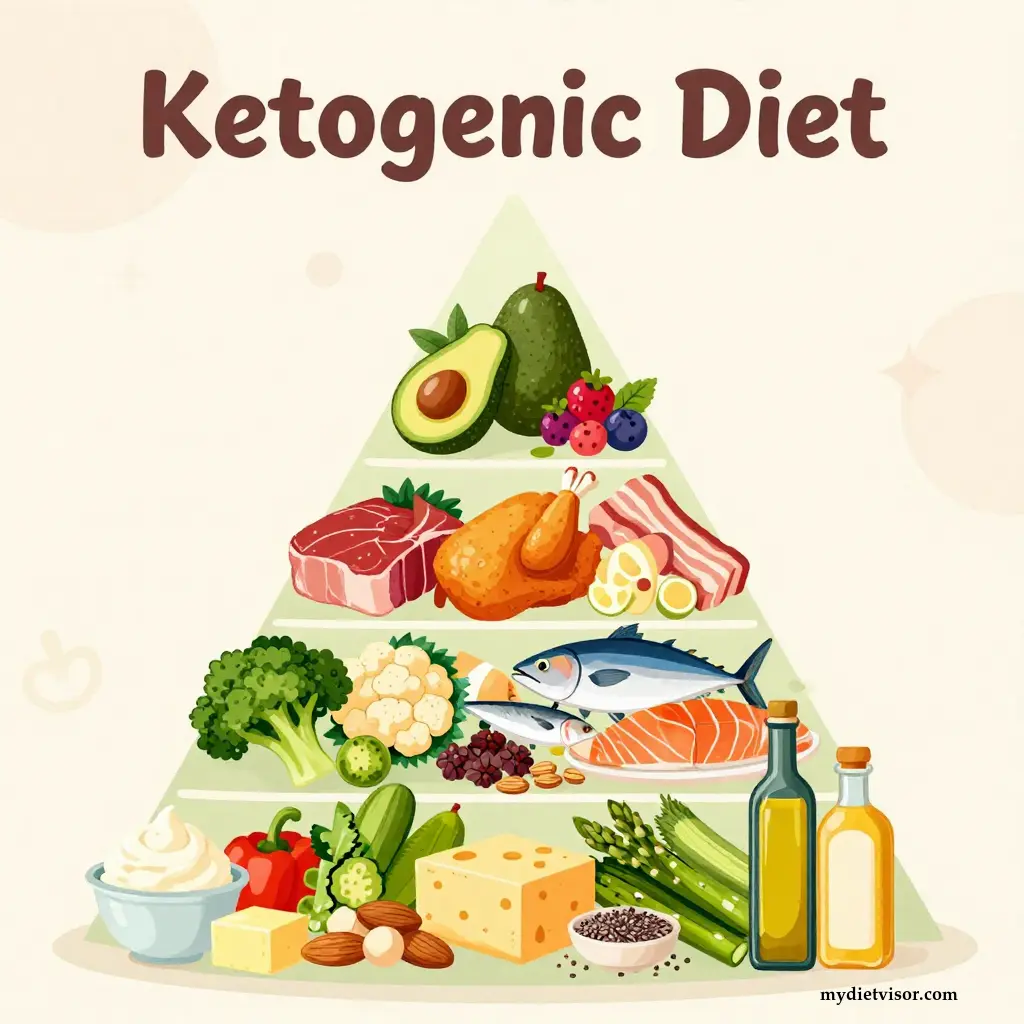
Incorporating the right food groups is crucial for successfully following a ketogenic diet. Focus on foods that are high in healthy fats, moderate in protein, and very low in carbohydrates. Here’s what you should include:
- Healthy Fats: Avocados, nuts (such as almonds, walnuts, and macadamias), seeds (like sunflower and pumpkin seeds), full-fat dairy products like cheese and yogurt, and oils such as olive oil, coconut oil, and butter.
- Protein Sources: Lean meats like chicken breast and turkey; fatty fish rich in omega-3s, such as salmon and mackerel; eggs; tofu for those following a vegetarian diet; and legumes like lentils and chickpeas in moderation.
- Low-Carb Vegetables: Non-starchy vegetables are key. Think leafy greens (kale, spinach, lettuce), broccoli, cauliflower, bell peppers, cucumbers, asparagus, and zucchini. These provide essential vitamins, minerals, and fiber without significantly impacting your carbohydrate intake.
Nutritional Balance
Maintaining a balance between macronutrients is vital for achieving ketosis. A typical ketogenic meal plan includes:
- Fats: Around 70% of daily caloric intake from healthy fats.
- Proteins: About 20% of calories, ensuring not too much protein that could convert to glucose through gluconeogenesis.
- Carbohydrates: Only about 5-10% of total calorie consumption. Opt for fibrous vegetables and minimal fruits or grains to keep blood sugar stable and promote ketone production.
Everyday Meal Ideas
Planning your meals can help you stick to the ketogenic diet. Here are some simple meal ideas:
- Breakfast: Scrambled eggs with spinach, tomatoes, and avocado.
- Lunch: Grilled chicken breast topped with a mixed salad of leafy greens, nuts, and olive oil dressing.
- Dinner: Baked salmon served with roasted broccoli and cauliflower mash made from blended low-carb vegetables.
Incorporating these food groups into your daily routine can help you enjoy the benefits of ketosis while still eating delicious meals. Experimenting with different recipes will keep your diet exciting and manageable over time.
Forbidden or Limited Foods on the Ketogenic Diet
When following the ketogenic diet, certain foods must be strictly avoided to maintain ketosis. These include:
- Refined Sugars: Candy, soda, cakes, pastries.
- Grains and Starches: Bread, pasta, rice, potatoes.
- Fruits: Most fruits are high in natural sugars.
- Legumes: Beans, lentils, chickpeas.
It’s important to note that these foods can quickly raise blood sugar levels and hinder ketone production. For example, a single slice of bread or even half an apple could push you out of ketosis if consumed regularly. Instead, opt for low-carb alternatives like leafy greens, avocados, nuts, and seeds.
Personalization and Flexibility
While the ketogenic diet has strict guidelines, it also offers flexibility depending on individual needs. Some people find success with a more relaxed version called the cyclical ketogenic diet (CKD), which includes periodic high-carbohydrate days to maintain muscle mass. Others may try intermittent fasting alongside keto for additional health benefits.
Common Challenges
Many individuals struggle with cravings and social situations when starting out. Cheat meals or social gatherings can easily derail ketosis, so it’s crucial to plan ahead. For instance, bring your own low-carb snacks to parties or stick to salads and grilled meats at restaurants.
By understanding the restrictions and preparing accordingly, you can effectively manage your diet and enjoy improved metabolic health while maintaining a high quality of life.
Nutritional Benefits and Drawbacks of Following a Ketogenic Diet
Adopting a ketogenic diet can bring several nutritional benefits that might improve your quality of life and metabolic health. Firstly, this diet is rich in healthy fats like avocados, nuts, and olive oil, which are excellent sources of monounsaturated and polyunsaturated fatty acids. These fats support heart health by improving cholesterol levels and reducing inflammation. Additionally, the low-carbohydrate nature of the ketogenic diet can help control blood sugar levels and reduce insulin resistance, making it a valuable option for people with diabetes or prediabetes.
Drawbacks to Consider
However, there are also several drawbacks associated with following a ketogenic diet long-term that you should consider. One major concern is nutrient deficiency. Since whole grains, fruits, and starchy vegetables are severely restricted, you might miss out on essential nutrients like fiber, vitamins C and E, potassium, magnesium, and folate. Moreover, the high-fat content can lead to weight gain if not managed carefully with portion control and balanced macronutrients.
Long-Term Adherence
Maintaining long-term adherence to a ketogenic diet is challenging for many individuals due to its restrictive nature and potential social impacts. Social eating scenarios like dining out or attending parties can be difficult as most dishes are high in carbohydrates, making it hard to stick strictly to the diet. Additionally, the initial stages of ketosis often come with flu-like symptoms known as “keto flu,” which include fatigue, headaches, irritability, and difficulty concentrating.
Digestive Health
The ketogenic diet may also affect your digestive system negatively due to its low fiber content. Common issues reported by those on this diet include constipation and potential imbalances in gut bacteria (dysbiosis), which can further impact overall health and well-being. It’s important to monitor these symptoms closely and perhaps incorporate some low-carb, high-fiber foods like leafy greens into your meal plan.
Mental Health Considerations
Beyond physical effects, the ketogenic diet might have implications for mental health as well. Some people report feeling more alert and focused due to stable blood sugar levels, while others may experience mood swings or irritability, especially during the transition period when the body adapts from burning glucose to ketones. It’s crucial to pay attention to how your mind feels alongside your physical changes.
Nutritional Planning Tips
To mitigate some of these drawbacks, consider consulting with a registered dietitian who specializes in ketogenic diets. They can help you plan meals that incorporate more nutrient-dense foods while staying within the dietary constraints. Supplements such as omega-3 fatty acids, vitamin D, and B vitamins might also be necessary to fill any nutritional gaps.
Personal Reflection
Reflecting on your personal health goals and lifestyle is key before embarking on a ketogenic journey. While it can offer significant benefits for some individuals, others may find that the drawbacks outweigh the advantages. Engaging in discussions with healthcare professionals about your unique needs will ensure you make an informed decision tailored to your specific situation.
Sample Meal Plan for Beginners Adopting the Ketogenic Diet
Embarking on a ketogenic diet can seem daunting at first, but planning your meals carefully makes it much easier to adhere to the dietary guidelines. A typical day might include these components:
- Breakfast: Consider starting with a classic keto breakfast like avocado and egg muffins or a bowl of creamy Greek yogurt mixed with nuts and berries (keeping carb count low).
- Lunch: Opt for a hearty salad packed with leafy greens, full-fat cheese, chicken breast, and olive oil dressing. Adding some sunflower seeds can enhance the meal’s nutritional profile.
- Dinner: Think outside the box with dishes like cauliflower mash topped with grilled salmon and steamed broccoli or a beef stir-fry using coconut oil as your base.
Tips for Success
- Stay Hydrated: Drinking plenty of water helps manage hunger pangs and keeps you energized throughout the day.
- Snack Wisely: Snacks should be high in fat, moderate in protein, and low in carbohydrates. Options like macadamia nuts or cheese cubes are ideal.
- Track Your Macros: Keeping a close eye on your daily intake of fats, proteins, and carbs is crucial for success.
Everyday Challenges
Switching to the ketogenic diet means saying goodbye to sugary snacks and bread. It’s essential to be prepared with keto-friendly alternatives when cravings strike or you’re dining out. Remember, each gram counts towards staying in ketosis!
By following these guidelines and meal plans, beginners can ease into the lifestyle changes required for a successful ketogenic journey.
What Are Common Challenges People Face When Starting a Ketogenic Diet?
Starting the ketogenic diet can feel like a monumental shift for many individuals due to significant changes in eating habits. Here are some common hurdles that people face when beginning this dietary approach:
- Diet Restriction: Cutting out most carbohydrates means saying goodbye to beloved foods like bread, pasta, and sugary snacks.
- Fat Increase: Incorporating more fats into meals requires getting comfortable with higher fat content in every meal, which can be a tough adjustment for those accustomed to low-fat diets.
Social Challenges
Eating outside the home or social gatherings becomes tricky when adhering strictly to keto principles. Here’s what you might encounter:
- Lack of Suitable Options: Restaurants and friends’ meals often lack low-carb options.
- Social Pressure: Friends and family may question your dietary choices, leading to uncomfortable situations.
Physical Side Effects
As the body transitions into ketosis, several temporary side effects can occur, making adherence challenging:
- Keto Flu: Symptoms like fatigue, headaches, irritability, and brain fog commonly emerge in the first few weeks.
- Digestive Issues: Constipation is a frequent complaint due to reduced fiber intake.
Mental Health Impact
Emotionally adjusting to new dietary habits can be daunting. Common mental challenges include:
- Cravings: Strong cravings for high-carb foods are normal but challenging to resist.
- FOMO (Fear of Missing Out): Feelings of isolation or missing out on social events due to dietary restrictions.
Overcoming Challenges
Despite these hurdles, many find the ketogenic diet beneficial in improving their quality of life and metabolic health. Here’s how you can navigate some of these challenges:
- Meal Planning: Preparing meals ahead of time helps avoid last-minute decisions that may lead to unhealthy choices.
- Support Systems: Engaging with communities or support groups who understand the journey can provide emotional comfort and practical advice.
By understanding and preparing for these common challenges, individuals are better equipped to embrace the ketogenic diet successfully.
Adverse Effects and Safety Considerations for Individuals on a Ketogenic Diet
Starting a ketogenic diet comes with several risks that need careful consideration. Common side effects include:
- Constipation: Due to the significant reduction in fiber intake from fruits, vegetables, and whole grains.
- Growth Slowing: Particularly concerning for children whose bodies require adequate carbohydrates for growth and development.
- Kidney Stones: High protein intake can increase the risk of developing kidney stones.
- Acidosis: A condition where there is too much acid in the body’s fluids, caused by excessive ketone production.
These effects highlight the importance of close medical supervision when adopting a ketogenic diet.
Safety Considerations
Before embarking on a ketogenic diet, it’s crucial to consider safety measures:
- Medical Evaluation: Consultation with healthcare professionals to assess any existing health risks.
- Nutrient Balance: Ensuring adequate intake of essential vitamins and minerals often lost in restrictive diets.
- Fluid Intake: Increased water consumption is vital due to higher fat intake and potential for dehydration.
These steps are necessary to minimize health risks associated with the diet.
Long-Term Implications
Long-term adherence to a ketogenic diet can lead to more severe issues:
- High Cholesterol Levels: A significant concern as high-fat diets may elevate cholesterol, increasing cardiovascular risk.
- Bone Health Concerns: Low calcium intake and acidosis might affect bone density over time.
- Nutritional Deficiencies: Possible deficiencies in vitamins B6, C, D, and E if not properly supplemented.
Addressing these long-term implications is essential for maintaining overall health while on a ketogenic diet.
Efficacy of Ketogenic Diet in Various Medical Conditions
The ketogenic diet’s impact extends far beyond epilepsy. It is being explored for its therapeutic potential in several other neurological disorders:
- Alzheimer’s Disease: Research indicates that the ketogenic diet may improve cognitive function and slow disease progression by providing a more efficient energy source to brain cells.
- Amyotrophic Lateral Sclerosis (ALS): Preliminary studies suggest the diet could offer neuroprotective benefits, potentially slowing down muscle degeneration in ALS patients.
Metabolic Disorders
The ketogenic diet can also be beneficial for individuals with certain metabolic disorders where carbohydrate metabolism is impaired:
- Pyruvate Dehydrogenase Deficiency: This rare disorder affects the conversion of pyruvate to acetyl-CoA. The diet reduces reliance on glucose, a critical substrate in this condition.
- Glucose Transporter 1 (GLUT1) Deficiency Syndrome: Characterized by low glucose levels in the brain and neurological symptoms, this syndrome responds well to the ketogenic diet due to its ability to elevate ketone bodies.
Cardiovascular Health
Beyond neurological benefits, some studies suggest that a ketogenic diet may have positive effects on cardiovascular health:
- Cholesterol Levels: The diet can lead to significant reductions in triglycerides and LDL cholesterol.
- Blood Pressure: Some research indicates that the ketogenic diet might help lower blood pressure due to its weight loss and reduced carbohydrate consumption.
Weight Management
The ketogenic diet is popular for weight management due to its high satiety levels and calorie restriction:
- Weight Loss: Studies show significant reductions in body mass index (BMI) among individuals following a strict ketogenic regimen.
- Fat Loss: By shifting the metabolic process from burning glucose to ketones, the diet encourages fat oxidation.
Cancer Therapeutics
Emerging research explores the role of the ketogenic diet in cancer treatment:
- Glioblastoma: Some studies indicate that a ketogenic diet may enhance the efficacy of radiation therapy and chemotherapy by reducing tumor cell growth.
- Metastasis Prevention: By targeting glucose-starved cancer cells, the diet could potentially slow down or prevent metastasis.
Psychological Well-being
The impact of the ketogenic diet on mental health is an area of growing interest:
- Mood Disorders: Some individuals report improvements in symptoms of depression and anxiety when adhering to a ketogenic lifestyle.
- Cognitive Function: Enhanced brain energy metabolism from ketone bodies can improve cognitive clarity and focus.
Challenges in Implementation
Despite its potential benefits, the ketogenic diet presents several challenges:
- Adherence Difficulties: Maintaining strict dietary restrictions over long periods can be daunting for many individuals.
- Nutritional Deficiencies: Without careful planning, there is a risk of missing out on essential vitamins and minerals.
- Social Impact: Adhering to a specialized diet may affect social interactions and dining experiences.
By understanding these various facets of the ketogenic diet’s efficacy, readers can better appreciate its complexities and consider whether it might be suitable for their health needs.
How Does the Ketogenic Diet Compare with Other Popular Diets?
When considering dietary options for improving metabolic health and quality of life, several popular diets compete for attention. The ketogenic diet stands out due to its unique mechanism, but how does it compare to others like the Mediterranean diet or intermittent fasting?
Key Features Compared
- Mediterranean Diet: Emphasizes fruits, vegetables, whole grains, olive oil, fish, and moderate wine consumption.
- Ketogenic Diet:
- High in fats (up to 90% of daily calories)
- Low in carbohydrates (less than 10% of daily calories)
- Moderate protein intake
- Intermittent Fasting: Focuses on when you eat rather than what you eat, often involving periods of fasting followed by eating windows.
- Ketogenic Diet:
- No restrictions on meal timing
- Consistent caloric distribution throughout the day
| Feature | Ketogenic Diet | Mediterranean Diet | Intermittent Fasting |
|---|---|---|---|
| Fat Content | High (70-90%) | Low to moderate | None specific |
| Carbohydrate | Very low (<10%) | Moderate (50-60%) | None specific |
| Protein | Moderate | Moderate | None specific |
| Meal Timing | No restrictions | Flexibility | Fasting windows |
Personal Experiences and Thoughts
Choosing a diet that aligns with personal preferences is crucial for long-term success. For instance, someone who enjoys cooking with healthy fats might thrive on the ketogenic diet, while others might find more enjoyment in the varied plant-based meals of the Mediterranean approach.
What are your thoughts on meal timing? Would you prefer structured eating windows or flexible daily planning?
Engaging Further
Have you tried any of these diets? What was your experience like? Share your insights and ask questions to delve deeper into how diet impacts health and lifestyle.
As the ketogenic diet evolves, it remains both a promising therapy for epilepsy and a subject of extensive research into other health applications. While it offers significant benefits such as reduced seizure frequency and potential support for neurological disorders, it also presents challenges like strict dietary requirements and possible side effects. For those considering this approach, understanding its pros and cons is crucial. Engaging with healthcare professionals can provide the guidance needed to navigate these complexities effectively. Whether you are a patient seeking relief or a researcher exploring new avenues, the ketogenic diet continues to open doors for innovative treatments in metabolic health and beyond.
Frequently Asked Questions (FAQ)
What is the ketogenic diet?
The ketogenic diet is a high-fat, low-carbohydrate dietary approach that significantly reduces carbohydrate intake while increasing fat consumption. This shift forces the body to burn fats rather than carbohydrates for energy.
Does the ketogenic diet improve quality of life?
Yes, studies have shown that participants on a ketogenic diet experience an improvement in their quality of life and reduced fatigue symptoms.
How does the ketogenic diet affect metabolism?
The ketogenic diet can alter metabolism by shifting it from glucose-burning to fat-burning. This metabolic state is called ketosis, where the body uses fats as its primary energy source instead of carbohydrates.
Can anyone follow a ketogenic diet safely?
While many people can follow a ketogenic diet safely, it’s crucial for individuals with certain medical conditions (such as liver or kidney disease) to consult their healthcare provider before starting this diet due to potential risks and complications.
What foods are restricted on the ketogenic diet?
On the ketogenic diet, high-carbohydrate fruits like bananas, potatoes, peas, and corn are limited. Only low-carb vegetables and fruits are allowed in moderation.
How do you calculate your macronutrient intake for a ketogenic diet?
The quantity of fat is calculated based on energy requirements, then protein levels are set to support growth and maintenance (about 1g per kg body weight). Carbohydrates are kept very low, and any carbs from medications or supplements must be deducted from the total.
Are there long-term benefits associated with following a ketogenic diet?
Some studies suggest potential long-term benefits such as improved insulin sensitivity and reduced risk of type 2 diabetes. However, more research is needed to fully understand long-term effects.
What are some common mistakes people make when starting a ketogenic diet?
Common mistakes include not consuming enough fat or protein, overeating processed foods, and lacking proper planning for meals which can hinder adherence and effectiveness of the diet.
How does the ketogenic diet compare with other diets like the Mediterranean or DASH diets?
The ketogenic diet differs from others like the Mediterranean or DASH diets in its macronutrient composition. It is very high in fat and low in carbs, whereas the Mediterranean and DASH diets are more balanced and include moderate amounts of carbohydrates.
Can children follow a ketogenic diet for medical reasons?
Yes, particularly for epilepsy treatment. However, it’s critical that pediatric ketogenic diets are carefully monitored by healthcare professionals to ensure safety and efficacy.