
Understanding the Principles Behind the Hip and Thigh Diet
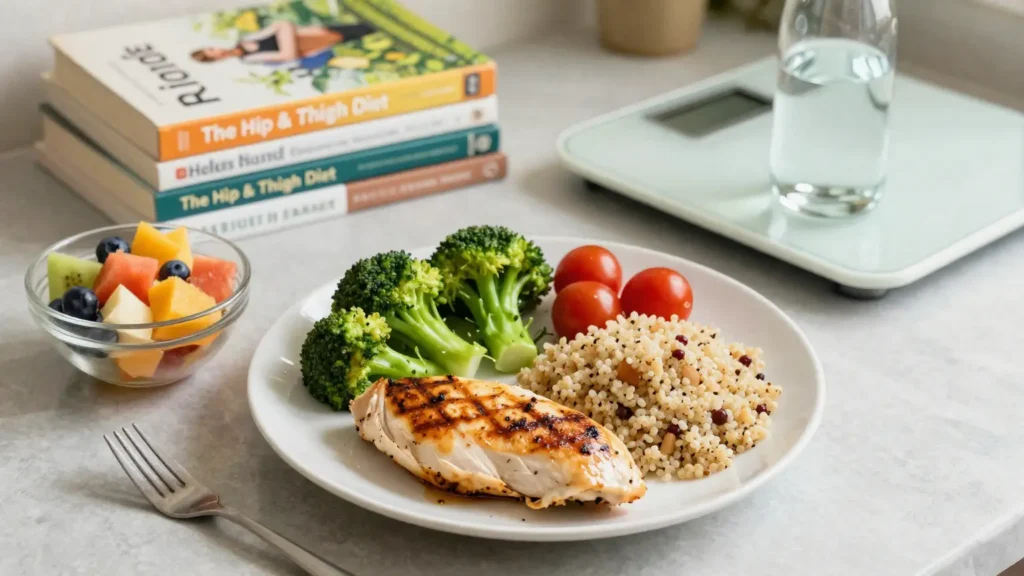
The Hip and Thigh Diet, developed by Rosemary Conley, promises a targeted approach to losing weight in specific areas such as hips and thighs. But before diving into meal plans and workout routines, it’s important to understand the underlying principles that make this diet so popular – and controversial. Let’s unpack what makes the Hip and Thigh Diet tick.
At its heart, the Hip and Thigh Diet is a low-fat eating plan designed to control calorie intake through the consumption of foods with a lower glycemic index (GI). The idea behind it is straightforward: by restricting fat and sugar-rich foods, you create an energy deficit that forces your body to burn stored fat. This approach sounds sensible enough, but does it really work as advertised?
The diet’s structure includes two main phases:
- Fat Attack Phase: A strict 14-day period aimed at drastically reducing calorie intake, typically limiting food consumption to around 1,200 calories daily.
- GI Hip & Thigh Diet: Once the initial phase is over, dieters transition into a more flexible plan that still emphasizes low-GI foods but allows for some treats and personalization based on individual needs.
While these dietary guidelines are important, they’re just one part of the equation. The real magic – or so proponents claim – lies in the exercise component. Regular aerobic activities and targeted toning exercises for the hips and thighs form a key pillar of this program. These workouts aim to enhance muscle tone while burning calories, supposedly targeting fat loss in specific areas.
However, it’s here where things get tricky. Many health experts raise an eyebrow at the notion that you can lose fat from one area simply by exercising it more intensely. The science behind spot reduction is far from conclusive. In reality, when you burn calories through exercise and dieting, your body tends to draw fat stores from various parts of your body simultaneously rather than isolating specific areas.
Understanding these principles is crucial for anyone considering the Hip and Thigh Diet. While the combination of a low-fat diet and regular physical activity certainly has its merits, relying too heavily on the idea of spot reduction can lead to unrealistic expectations about how weight loss actually works.
Recommended Food Groups for the Hip and Thigh Diet
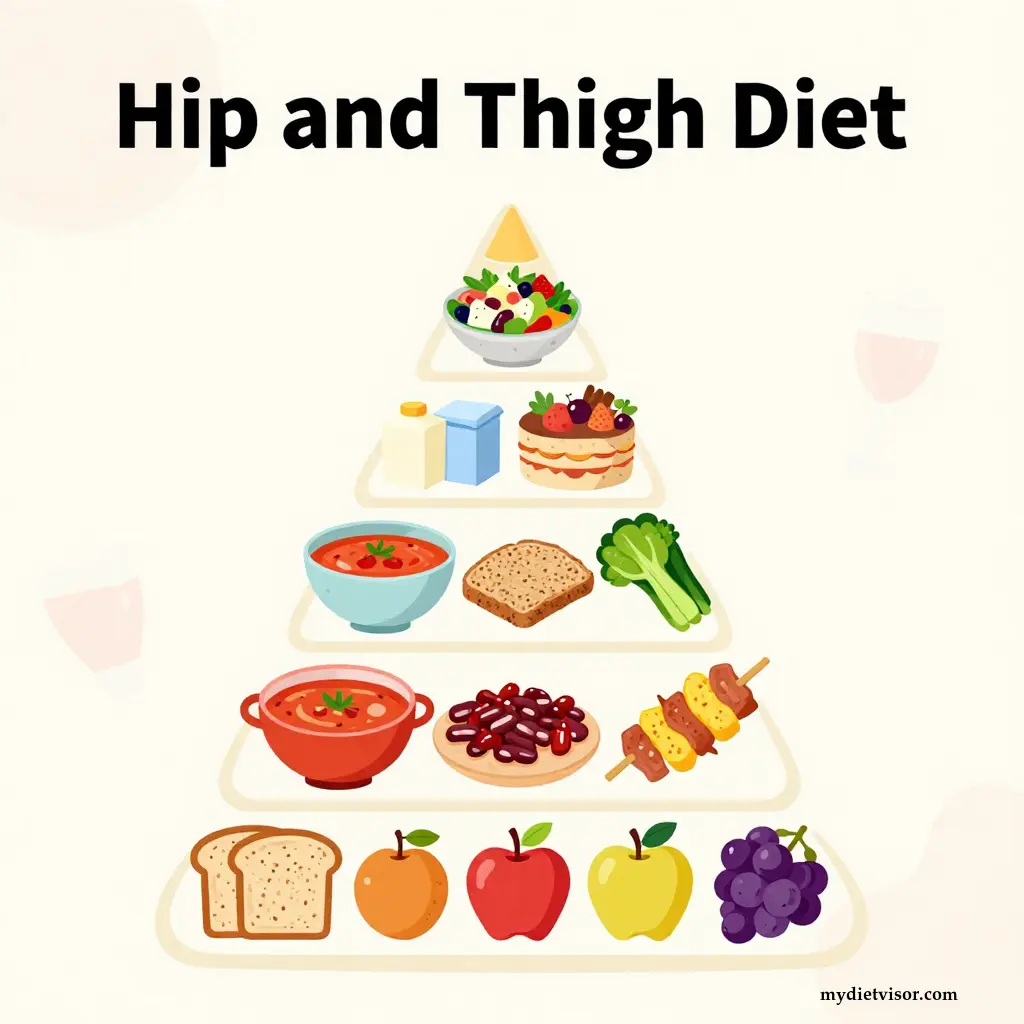
When it comes to the Hip and Thigh Diet, understanding which food groups are recommended is crucial for achieving its goals. The diet emphasizes a variety of foods that are low in fat and high in nutritional value, aiming to provide sustained energy while promoting weight loss.
Key Food Groups:
- Fruits and Vegetables: Aim to include a wide range of fruits and vegetables daily. These foods are rich in fiber, vitamins, and minerals, which help keep you feeling full and satisfied. Examples include leafy greens like spinach and kale, as well as berries and apples.
- Whole Grains: Opt for whole grains over refined ones whenever possible. Whole grain bread, brown rice, oats, and quinoa provide more sustained energy and are higher in fiber, helping to control blood sugar levels and reduce cravings.
Including these food groups is essential but also consider limiting certain foods that could hinder your progress on the Hip and Thigh Diet.
Foods to Limit:
- High-Fat Foods: Avoid or limit intake of high-fat meats like sausages, bacon, and fatty cuts of beef. Additionally, stay away from fried foods, whole milk products, and butter.
- Refined Sugars and Carbohydrates: Cut back on sugary snacks such as cookies, cakes, and pastries. Also reduce your consumption of refined carbs found in white bread and pasta.
Balancing these food choices is key to adhering to the Hip and Thigh Diet successfully. By focusing on nutrient-dense foods while avoiding those that can cause rapid spikes in blood sugar levels or add unnecessary calories, you set yourself up for better weight management and overall health.
Did you know that leafy greens like spinach contain more iron than red meat per serving? This makes them a great choice if you’re looking to increase your iron intake while following the Hip and Thigh Diet.
Forbidden or Limited Foods in the Hip and Thigh Diet
When it comes to the Hip and Thigh Diet, understanding which foods are off-limits or should be limited is just as important as knowing what you can eat. The diet’s strict guidelines aim to reduce calorie intake while minimizing high-fat and sugary options that could sabotage your weight loss efforts.
Forbidden Foods:
- Fatty Meats: Sausages, bacon, and other fatty cuts of meat are completely off-limits during the Fat Attack Phase. These foods are typically high in saturated fats and calories, which can quickly derail your progress.
- Full-Fat Dairy Products: Opt for low-fat or fat-free alternatives such as skim milk, yogurt, and cheese. Full-fat versions like cream, whole milk, and regular cheeses are higher in fat content.
Limited Foods:
- Processed Snacks: Cookies, chips, and other processed snacks should be avoided due to their high sugar and salt content.
- Sweet Drinks: Sugary beverages such as soda, fruit juices with added sugars, and energy drinks should be minimized. These provide empty calories without offering much nutritional value.
The rationale behind these restrictions is simple: by eliminating or drastically reducing foods that are high in unhealthy fats and refined sugars, you can create a calorie deficit more easily. This allows your body to use stored fat as an energy source, leading to weight loss over time.
Moreover, these dietary limitations aim to promote long-term health beyond just short-term weight loss goals. By incorporating low-fat options and nutrient-rich foods into your diet, you not only support weight management but also improve overall well-being.
It’s crucial for dieters to be mindful of their food choices throughout the Fat Attack Phase and beyond. Transitioning into the GI Hip & Thigh Diet phase involves gradually reintroducing a few treats while maintaining a balanced approach that continues to favor low-fat and high-fiber foods.
Did you know that almonds, despite being relatively high in fat, are actually one of the best snacks for weight loss? They’re packed with healthy fats that keep you full longer, making them an excellent choice if incorporated wisely into your diet plan.
What Are the Nutritional Benefits of the Hip and Thigh Diet?
The nutritional benefits of the Hip and Thigh Diet are numerous, making it an appealing option for those looking to shed pounds while improving their overall health. The diet’s focus on low-fat foods helps reduce calorie intake without sacrificing essential nutrients, promoting sustainable weight loss.
High-Fiber Foods
A key aspect of the Hip and Thigh Diet is its emphasis on fiber-rich foods. Fiber plays a crucial role in maintaining digestive health, reducing cholesterol levels, and helping to regulate blood sugar. By including plenty of fruits, vegetables, and whole grains, dieters can feel fuller for longer periods, which aids in managing hunger and preventing overeating.
Lean Proteins
Lean proteins like chicken breast, turkey, and fish are staples in the Hip and Thigh Diet meal plan. These foods provide essential amino acids needed for muscle repair and growth while being lower in fat compared to red meats. Consuming lean proteins also helps stabilize blood sugar levels and supports metabolism.
Hydration and Herbal Teas
Staying hydrated is another critical component of this diet. Drinking plenty of water throughout the day can help boost metabolism and promote feelings of fullness, reducing calorie intake. Additionally, herbal teas such as green tea or peppermint tea are encouraged due to their potential health benefits, including antioxidant properties and improved digestion.
Balanced Meal Plans
The Hip and Thigh Diet offers a variety of meal suggestions that cater to different tastes and dietary preferences. Each meal plan is designed to be balanced, ensuring that dieters receive adequate nutrition from all food groups while adhering to the diet’s guidelines. This approach not only supports weight loss but also helps in maintaining a healthy lifestyle long-term.
Personalized Approach
One of the unique aspects of this diet is its personalized nature once you move beyond the initial Fat Attack Phase. Dieters can adjust their meal plans based on their individual needs and preferences, making it easier to adhere to over time. This flexibility allows for a sustainable approach that doesn’t feel restrictive or overwhelming.
Long-Term Health Benefits
Beyond immediate weight loss, adhering to the principles of the Hip and Thigh Diet can lead to long-term health improvements. Regular consumption of low-fat foods and increased physical activity contribute to lower risks of chronic diseases such as heart disease, diabetes, and certain types of cancer. By focusing on a balanced diet rich in essential nutrients, dieters set themselves up for better overall well-being.
Practical Tips
To maximize the benefits of this diet, consider these practical tips:
- Plan Ahead: Prepare meals in advance to avoid last-minute unhealthy choices.
- Stay Active: Incorporate regular exercise into your routine alongside dietary changes.
- Monitor Progress: Keep track of your weight and measurements regularly to stay motivated.
By understanding and embracing the nutritional benefits offered by the Hip and Thigh Diet, individuals can make informed decisions about their health journey. Whether you’re looking for short-term results or long-lasting lifestyle changes, this diet provides a solid foundation for success.
Are There Any Drawbacks to Following the Hip and Thigh Diet?
While the Hip and Thigh Diet offers promising benefits for weight loss and improved overall health, it’s essential to consider potential drawbacks before committing to this regimen. The restrictive nature of the diet can be challenging, especially during the initial Fat Attack Phase.
Initial Calorie Deficit:
The Fat Attack Phase starts with a severe calorie reduction, often limiting intake to around 1,200 calories daily. This level of restriction can lead to feelings of deprivation and fatigue. It’s common for dieters to experience rapid weight loss initially but may also struggle with maintaining this phase long-term due to the lack of flexibility.
Difficulty in Adherence:
Long-term adherence to any strict diet can be challenging, and the Hip and Thigh Diet is no exception. The initial Fat Attack Phase requires significant willpower and discipline. Some individuals find it hard to sustain such a rigid approach over an extended period, leading to relapses or giving up entirely.
Nutritional Deficiencies:
While the diet emphasizes nutrient-dense foods like fruits, vegetables, and whole grains, adhering strictly to its guidelines can sometimes lead to nutritional imbalances. For instance, limiting certain food groups might result in insufficient intake of essential vitamins and minerals. This can impact bone health, muscle function, and overall energy levels.
Impact on Physical Activity:
The diet’s focus on aerobic activities and targeted exercises is beneficial for weight loss but may not cater to all individuals equally. People with varying fitness levels or medical conditions might find the prescribed exercise routines challenging. Additionally, relying solely on specific exercises to target fat in certain areas can be misleading, as there isn’t substantial scientific evidence supporting spot reduction.
Psychological Impact:
Restrictive diets like the Hip and Thigh Diet can have psychological effects that extend beyond just physical health. The constant focus on calorie counting and food restrictions may trigger obsessive thoughts about eating or lead to disordered eating patterns in some individuals. It’s crucial for dieters to monitor their mental well-being alongside their physical progress.
Transition Challenges:
Moving from the restrictive Fat Attack Phase into a more flexible GI Hip & Thigh Diet phase can be tricky. Dieters must learn how to reintroduce treats and personalized meals without regaining weight, which requires a high level of self-control and awareness. This transition period is often challenging for many individuals who may find it difficult to stick to their new dietary guidelines.
Sustainability Over Time:
One of the most significant drawbacks is the diet’s sustainability over time. While it can lead to rapid initial weight loss, maintaining this pattern long-term without feeling deprived or burnt out is tough. Many dieters might revert to old habits once they feel satisfied with their results, leading to a cycle of yo-yo dieting.
Comparative Approach:
When comparing the Hip and Thigh Diet to other popular diets like intermittent fasting or keto, it’s important to consider individual needs and preferences. While some people may thrive on the structured approach of the Hip and Thigh Diet, others might find more success with less restrictive methods that focus on mindful eating and long-term lifestyle changes.
By understanding these potential drawbacks, dieters can make informed decisions about whether this diet is right for them or if they need to explore alternative options. It’s always advisable to consult healthcare professionals before starting any new dietary program to ensure it aligns with personal health goals and requirements.
Sample Meal Plan for the Hip and Thigh Diet
Creating a practical meal plan is crucial for adhering to the principles of the Hip and Thigh Diet. Here’s an example of what a day might look like when following this diet. Remember, the focus should be on low-fat foods rich in fiber and lean proteins while avoiding high-calorie treats.
Breakfast:
- Oatmeal with Berries: Prepare oatmeal using skim milk or water and top it off with fresh berries such as strawberries, blueberries, or raspberries.
- Toast with Avocado Spread: Serve a slice of whole-grain toast topped with mashed avocado for added healthy fats.
Mid-Morning Snack:
- Apple Slices with Almond Butter: Pair an apple with a tablespoon of almond butter for a satisfying and nutritious snack.
Lunch:
- Grilled Chicken Salad: Mix together leafy greens like spinach, cherry tomatoes, cucumbers, shredded carrots, and grilled chicken breast. Dress it lightly with olive oil and vinegar.
- Baked Sweet Potato: Serve a small baked sweet potato on the side for additional fiber and vitamins.
Afternoon Snack:
- Greek Yogurt with Honey and Nuts: Combine low-fat Greek yogurt with a drizzle of honey and a sprinkle of mixed nuts or seeds like almonds, chia seeds, or sunflower seeds.
Dinner:
- Baked Fish Fillet: Season cod or salmon fillets with herbs and bake them in the oven.
- Quinoa Stir-Fry with Vegetables: Use quinoa as your base and stir-fry it with a variety of colorful vegetables such as bell peppers, broccoli, and snap peas.
Evening Snack (if needed):
- Herbal Tea with Fruit: Enjoy a cup of herbal tea like chamomile or peppermint along with a small piece of fresh fruit.
This meal plan provides a balanced intake of essential nutrients while adhering to the dietary guidelines of the Hip and Thigh Diet. It’s important to customize your meals according to your taste preferences and nutritional needs, ensuring that you stay within the recommended calorie limits without feeling deprived.
By incorporating these foods into your daily routine, you set yourself up for success in achieving weight loss goals while maintaining good health. Remember to drink plenty of water throughout the day to keep hydrated and support your metabolism.
Did you know that quinoa is one of the few plant-based sources that contain all nine essential amino acids? This makes it an excellent choice for vegetarians or those looking to reduce their meat intake while still getting complete proteins.
Alternative Diets to the Hip and Thigh Diet: What Are My Options?
Considering alternative diets can provide a broader perspective on weight management strategies. While the Hip and Thigh Diet offers specific benefits such as structured meal plans and tailored exercise routines, other dietary approaches may suit different lifestyles or preferences better. Here’s an exploration of some popular alternatives that might resonate with those seeking varied options.
Intermittent Fasting
Intermittent fasting (IF) involves cycling between periods of eating and fasting. This approach doesn’t focus on what you eat as much as when you eat, which can be particularly appealing for individuals who find calorie counting cumbersome. Common methods include the 16/8 method, where you fast for 16 hours and consume all your daily calories within an 8-hour window.
Benefits:
- Simplicity: Easier to adhere to than strict calorie-controlled diets.
- Flexibility: Can be personalized to fit various schedules and preferences.
Keto Diet
The ketogenic diet is a high-fat, moderate-protein, and very low-carbohydrate eating plan that aims to put your body into a metabolic state called ketosis. In this state, the body burns fat for energy instead of carbohydrates. The keto diet includes foods such as avocados, nuts, cheese, eggs, meat, and fish.
Benefits:
- Rapid Weight Loss: Many people experience quick weight loss due to water retention reduction.
- Increased Energy Levels: Some individuals report feeling more energized once their body adjusts to burning fat for fuel.
Mediterranean Diet
The Mediterranean diet is based on the traditional eating habits of countries bordering the Mediterranean Sea. It emphasizes fruits, vegetables, whole grains, olive oil, fish, and moderate amounts of wine. This diet focuses not only on what you eat but also on how meals are shared and enjoyed, fostering a holistic approach to health.
Benefits:
- Heart Health: Numerous studies show that it reduces the risk of heart disease.
- Sustainability: Enjoyable and easy to maintain long-term due to its flexibility and emphasis on whole foods.
Paleo Diet
The Paleolithic diet is based on eating foods similar to what might have been consumed by our ancient ancestors. It includes meats, fish, fruits, vegetables, nuts, and seeds while excluding dairy products, grains, processed oils, sugar, and legumes.
Benefits:
- Reduces Inflammation: Can help decrease chronic inflammation in the body.
- Weight Loss: May lead to significant weight loss due to its high-protein content and elimination of processed foods.
Plant-Based Diets
Plant-based diets are centered around eating mostly or exclusively plant-based foods. These can range from vegetarian, which excludes meat but allows dairy and eggs, to vegan, which excludes all animal products including honey.
Benefits:
- Environmental Impact: Supports sustainability by reducing carbon footprint.
- Nutrient Dense: High in vitamins, minerals, antioxidants, and fiber.
Comparison Table
| Diet Type | Focus | Key Benefits |
|---|---|---|
| Intermittent Fasting | When you eat | Simplicity, flexibility |
| Keto | Low-carb, high-fat | Rapid weight loss, increased energy |
| Mediterranean | Traditional eating habits | Heart health, sustainability |
| Paleo | Ancient diet principles | Reduces inflammation, aids in weight loss |
| Plant-Based | Animal-free foods | Environmental impact, nutrient density |
Choosing the right dietary approach depends largely on personal preferences, lifestyle, and health goals. Whether you’re looking for a straightforward method like intermittent fasting or prefer the nutritional richness of plant-based diets, there’s an option that can align with your specific needs.
Did you know that some studies suggest intermittent fasting may have anti-aging benefits due to its effects on cellular repair processes? This makes it more than just a weight loss tool.
How Effective Is the Hip and Thigh Diet Compared to Other Diets?
Evaluating the effectiveness of the Hip and Thigh Diet requires considering it alongside other popular dietary approaches. Each diet has its unique features that cater to different health goals and lifestyle preferences, making direct comparisons insightful for those looking to choose a weight loss plan.
Comparative Analysis
To better understand how the Hip and Thigh Diet stacks up against other diets, let’s look at some key metrics such as effectiveness, sustainability, nutritional value, and overall impact on long-term health. For comparison, we’ll focus on diets like intermittent fasting, keto, Mediterranean, and paleo.
Effectiveness
The Hip and Thigh Diet has shown initial success in helping individuals lose weight rapidly during the Fat Attack Phase due to severe calorie restriction. However, other diets such as Intermittent Fasting and the Keto Diet also demonstrate rapid weight loss, primarily because they both lead to significant caloric deficits through different mechanisms.
| Diet Type | Weight Loss Rate | Initial Success |
|---|---|---|
| Hip and Thigh Diet | Moderate | Rapid (initial phase) |
| Intermittent Fasting | Variable | Simple, flexible |
| Keto | High | Fast due to ketosis |
Sustainability
Sustainability is often a key factor in long-term success. The Hip and Thigh Diet can be challenging to adhere to over time due to its strict initial phase and the need for constant discipline. In contrast, the Mediterranean Diet and Paleo Diet, which focus more on whole foods and less restrictive guidelines, tend to be easier to maintain long-term.
| Diet Type | Sustainability |
|---|---|
| Hip and Thigh Diet | Moderate |
| Mediterranean | High |
| Paleo | Moderate (dependent on personal preference) |
Nutritional Value
Nutritional balance is crucial for overall health. While the Hip and Thigh Diet emphasizes low-fat foods and high-fiber options, it may lack diversity compared to diets like the Mediterranean Diet, which offers a wide range of whole grains, fruits, vegetables, and healthy fats.
| Diet Type | Nutritional Balance |
|---|---|
| Hip and Thigh Diet | Balanced but restrictive |
| Mediterranean | High |
| Paleo | Moderate (lacks dairy and legumes) |
Long-Term Health Impact
The long-term health impact of any diet is essential. Diets like the Mediterranean and Keto have extensive research backing their benefits for heart health, metabolic function, and longevity.
| Diet Type | Long-Term Health |
|---|---|
| Hip and Thigh Diet | Moderate |
| Mediterranean | High |
| Keto | Variable (benefits from ketosis) |
Personal Fit
Ultimately, the effectiveness of any diet depends on its compatibility with an individual’s lifestyle. While the Hip and Thigh Diet offers a structured approach that can be motivating for some people, others might find diets like Intermittent Fasting or Paleo more appealing due to their flexibility.
Did you know that the Mediterranean diet has been linked to lower rates of heart disease in numerous studies? This highlights its potential as a long-term health solution beyond just weight loss.
Conclusion and Summary of the Hip and Thigh Diet
In conclusion, the Hip and Thigh Diet offers a structured approach to weight loss that emphasizes low-fat foods and exercise routines tailored for specific areas like hips and thighs. While it promises rapid initial results through strict calorie control during the Fat Attack Phase, its long-term effectiveness is questionable due to the restrictive nature of the diet and the lack of scientific evidence supporting spot reduction. Alternative diets such as intermittent fasting or the Mediterranean diet may offer more sustainable options with a broader range of health benefits. Ultimately, choosing a dietary plan that aligns with your personal lifestyle and health goals is crucial for long-term success and well-being.
Frequently Asked Questions (FAQ)
Is the Hip and Thigh Diet suitable for people with health conditions?
The diet is designed for general weight loss but may not be appropriate for everyone, especially those with specific health issues. It’s best to consult a healthcare provider before starting.
How does the Fat-Attack phase work in the Hip and Thigh Diet?
During this phase, you aim for rapid weight loss through a strict 1,200 calorie daily intake plan, which lasts two weeks. This is followed by Phase 2, where treats are gradually reintroduced based on your calorie allowance.
Can I still eat desserts or have alcohol while following the Hip and Thigh Diet?
Yes, after the initial Fat-Attack phase, you can include desserts, alcohol, or other treats as part of your daily calorie count. However, during Phase 1, such items are limited to ensure rapid weight loss.
How much exercise is required in addition to dieting for this plan?
The Hip and Thigh Diet includes an activity challenge based on walking and toning exercises each day. There’s also a specific section dedicated to toning your hips and thighs with illustrated moves by the diet guru, Rosemary.
Does the Hip and Thigh Diet provide enough protein for muscle maintenance?
While not explicitly detailed in provided information, it’s important to ensure adequate intake of proteins from sources like lean meats, fish, legumes, and dairy products to maintain muscle mass during weight loss.
What kind of support or community does this diet offer?
The Hip and Thigh Diet offers a wide range of Q\&A sections addressing common concerns about dieting, healthy eating, and exercise. It aims to keep you motivated with tips on staying slim long-term.
How do I track my progress while using the Hip and Thigh Diet plan?
You can use charts provided in Phase 2 to calculate your basal metabolic rate (BMR) before starting the next phase, helping you understand how many calories you should be consuming daily for weight loss.
Are there any vegetarian or vegan options available on this diet?
While specific vegetarian or vegan meal plans are not discussed here, you can substitute non-meat proteins like legumes, tofu, and nuts to maintain a balanced diet according to your dietary preferences.
What happens after I complete the Hip and Thigh Diet program?
The diet includes tips for staying slim once you’ve reached your target weight. This involves maintaining healthy eating habits learned during the program and continuing with regular exercise routines.
How does the Hip and Thigh Diet cater to individuals with busy schedules?
With its daily meal plans, Power Snacks, and activity challenges tailored around quick exercises like walking and toning, it’s designed to be manageable even for those with tight schedules.