Introduction to Clean Eating
Clean eating is a dietary approach that emphasizes the consumption of unprocessed or minimally processed foods in their most natural state. This concept has gained significant traction over recent years due to its portrayal on various media platforms, with proponents such as Ella Mills and Natasha Corrett contributing to its popularity by promoting it as a path to better health and wellness.
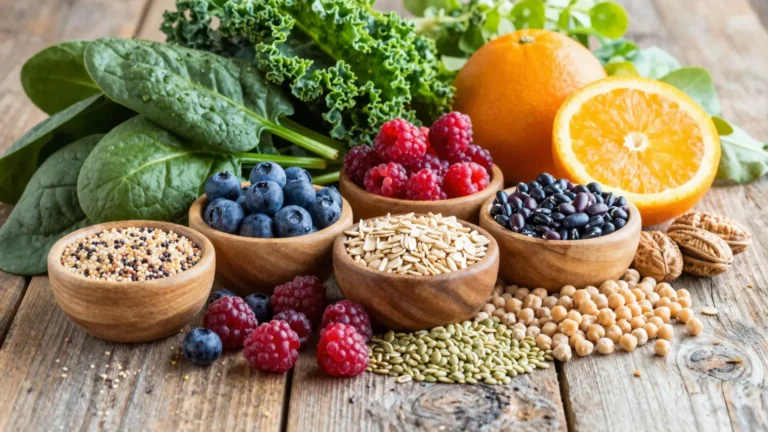
At its heart, clean eating revolves around the idea of returning to a diet that resembles what our ancestors ate before industrialization took hold. This means focusing on whole foods like fruits, vegetables, lean proteins, healthy fats, and whole grains while minimizing or eliminating processed foods, added sugars, and unhealthy fats. The core philosophy here is purity and simplicity in food choices, aiming for meals that are closer to nature.
The appeal of clean eating lies not just in its health benefits but also in the way it challenges conventional dietary norms by suggesting a return to basics. It taps into a deep-seated desire among many people to reconnect with natural foods and live healthier lifestyles. This shift towards cleaner eating can be seen as a response to the abundance of processed, calorie-dense options available in today’s supermarkets.
Moreover, clean eating resonates with individuals looking for ways to manage their weight or improve overall health by reducing inflammation and increasing nutrient intake. By focusing on whole foods, it encourages people to consume more vitamins, minerals, fiber, and antioxidants, which are essential for good health. This approach can lead to reduced risks of chronic diseases such as heart disease, diabetes, and obesity.
As you delve deeper into the world of clean eating, consider how this dietary trend might impact your relationship with food. Will it inspire healthier choices or introduce new challenges? Understanding these nuances is crucial in navigating the complexities of modern diets and ensuring that your journey towards better health remains sustainable and enjoyable.
What is Clean Eating?
Clean eating is a dietary approach that emphasizes consuming foods in their most natural state, such as fruits, vegetables, lean proteins, and whole grains. This method avoids or minimizes processed foods, which are often perceived to be less healthy due to added sugars, preservatives, and other artificial ingredients. The clean eating trend began within the bodybuilding community but has since evolved into various forms, with different proponents advocating for specific exclusions like gluten, dairy, or even promoting raw food diets.
The appeal of clean eating lies in its promotion of healthier choices that can lead to better nutrition and overall well-being. Blogs, television segments, and magazine articles have helped popularize the concept through influential figures like Ella Mills, Natasha Corrett, and the Hemsley sisters. These advocates often share their personal experiences rather than relying on scientific evidence, which adds a human element but also introduces variability in how clean eating is practiced.
However, the lack of standardization across different interpretations of clean eating can be problematic. Some versions might not have solid research backing to support their health claims or may actually pose risks such as nutrient deficiencies and osteoporosis due to restrictive dietary choices. Additionally, food companies often use the term “clean” in marketing campaigns to suggest higher quality products without clear definitions for what constitutes a “clean” label.
For instance, some clean eating plans exclude dairy because it’s believed that this might contribute to digestive issues or potential negative impacts on health. This can extend beyond milk to include yogurt and cheese as well. Clean eaters also frequently avoid gluten due to concerns about its effects on digestion and inflammation in the body.
In conclusion, while promoting healthier eating habits through natural and minimally processed foods is beneficial, the diverse interpretations of clean eating and its commercialization raise concerns about potential health risks and widespread accessibility.
Recommended Food Groups in Clean Eating
When it comes to understanding the recommended food groups in clean eating, think of it as a journey towards embracing wholesome ingredients that are minimally processed. At its core, clean eating encourages you to fill your plate with foods that come from nature, rather than those that come out of factories or laboratories.
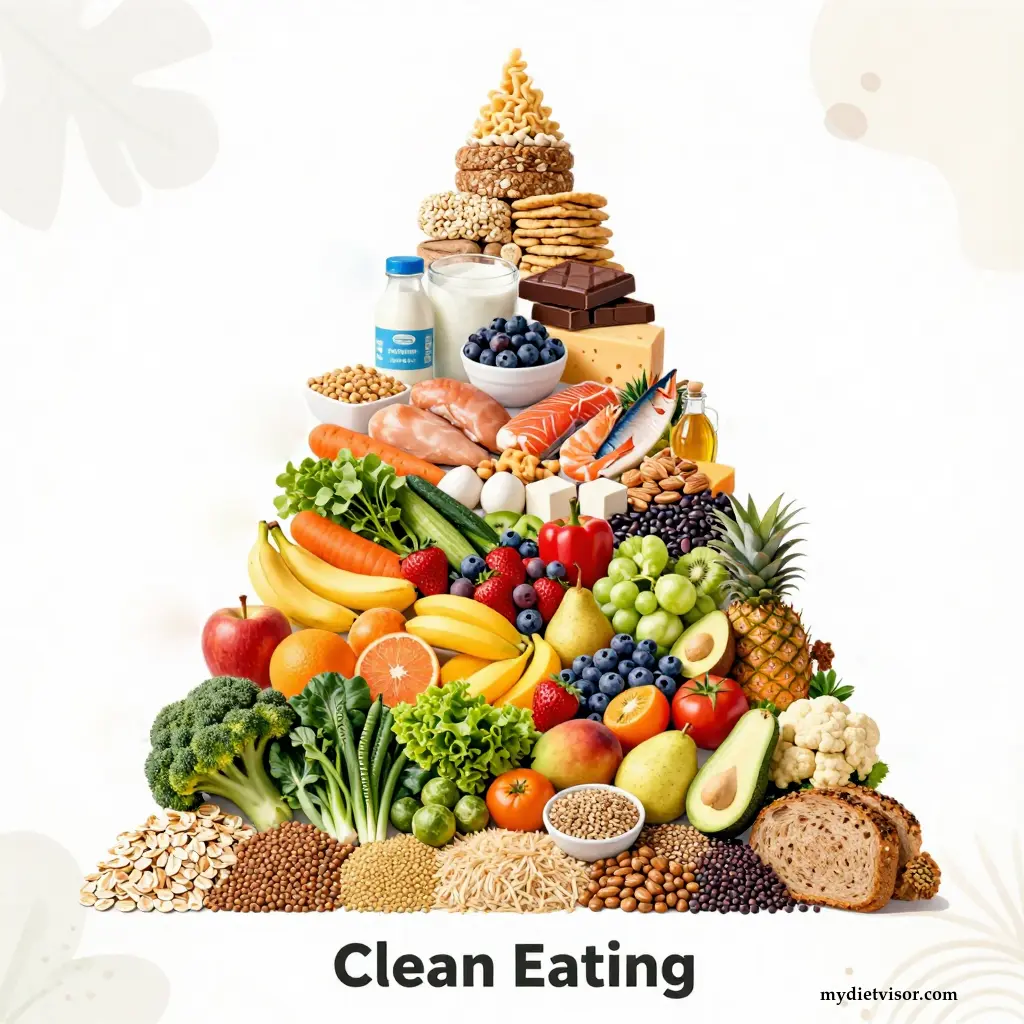
Here’s what you might typically find on a clean eater’s menu:
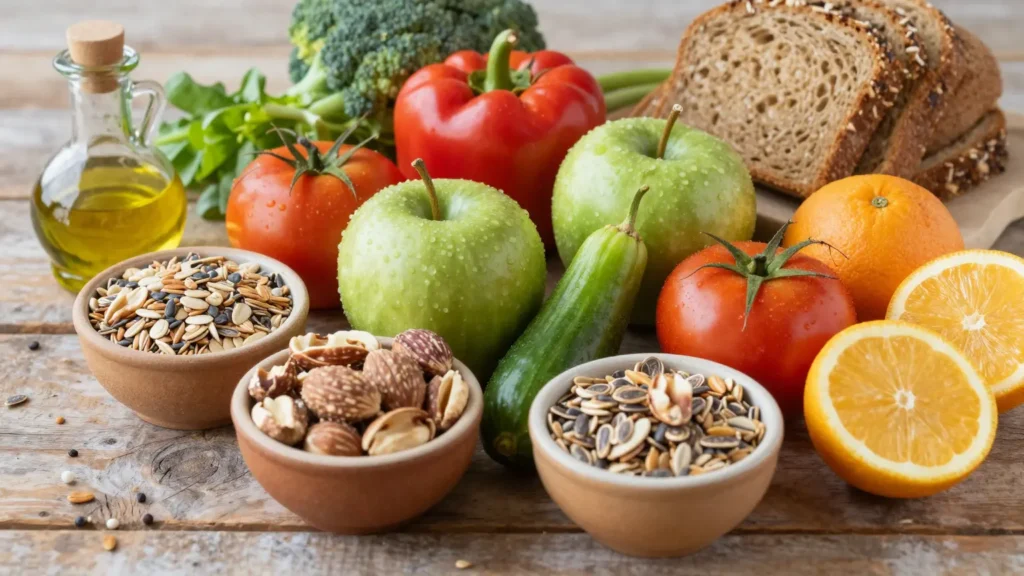
- Fruits and Vegetables: Aim for variety here. The more colorful your plate, the better! Think berries, leafy greens, carrots, apples – basically, anything grown in soil counts as beneficial.
- Whole Grains: Skip white bread or refined flour products; instead, opt for whole grains like brown rice, quinoa, oats, and barley.
- Lean Proteins: Chicken breast, turkey, fish like salmon or tuna, eggs, legumes (like lentils or chickpeas) – these are key ingredients that can keep you full and energized.
- Healthy Fats: Not all fats are bad! Avocados, nuts, seeds, olive oil – these provide essential fatty acids your body needs.
To make clean eating a sustainable part of your life, it’s important to understand the rationale behind avoiding certain foods. Processed meats, sugary drinks, and snacks high in refined sugars should be limited as they can lead to health issues over time. However, this doesn’t mean you need to cut out all treats forever; moderation is key.
Did you know that some clean eating proponents even extend their philosophy to include “clean water,” advocating for filtered or spring water instead of tap? While it’s debatable whether this has a significant impact on health, the emphasis remains on purity and avoiding contaminants as much as possible.
Forbidden or Limited Foods in Clean Eating Diets
When it comes to clean eating diets, certain foods are often restricted or limited due to the belief that they may not align with the principles of consuming pure, unprocessed nutrients. These restrictions can vary widely depending on who is advocating the diet and their interpretation of what constitutes a “clean” food.
- Processed Foods: This category includes any products that have been altered from their natural state through manufacturing processes, such as packaged snacks, cereals with added sugars, and many ready-made meals.
- Refined Grains: Items like white bread, pasta made from refined flour, and most types of baked goods are typically avoided in favor of whole grain alternatives believed to be richer in nutrients.
- Dairy Products: Some clean eating plans exclude dairy due to concerns about lactose intolerance or potential negative impacts on health. This can extend beyond milk to include yogurt, cheese, and other dairy-based products.
- Gluten-containing Foods: Clean eaters often eliminate gluten because it’s believed that this protein complex found in wheat, barley, and rye might contribute to digestive issues or inflammation.
These restrictions are intended to promote a diet rich in whole foods like fruits, vegetables, lean proteins, and healthy fats. However, the strict exclusion of certain food groups can sometimes lead to unintended consequences such as nutritional deficiencies if not carefully managed with supplements or alternative nutrient sources.
Understanding why these foods are limited is key to making informed decisions about your diet. Clean eating advocates argue that by avoiding processed ingredients and focusing on whole foods, you reduce exposure to additives, preservatives, and unhealthy fats while increasing intake of vitamins, minerals, fiber, and antioxidants essential for good health.
It’s important though to approach such dietary restrictions with a critical mindset and consider seeking professional advice from nutritionists or dietitians before making drastic changes. They can help ensure that your nutritional needs are met without compromising on taste and variety in meal planning.
Did you know that the exclusion of gluten isn’t just about digestive health; some clean eaters believe it helps reduce bloating and improves overall well-being, even if they aren’t clinically diagnosed with celiac disease or gluten sensitivity?
Nutritional Benefits and Drawbacks of Clean Eating
Clean eating focuses on consuming foods in their most natural state, emphasizing fresh fruits, vegetables, lean proteins, healthy fats, and whole grains while minimizing processed or refined foods. This dietary approach is believed to enhance overall health by providing essential nutrients found in unprocessed items such as vitamins, minerals, fiber, and antioxidants.
One major benefit of clean eating is improved nutritional intake. By prioritizing whole foods, you’re likely to consume a wider range of beneficial compounds that support various bodily functions. For instance, incorporating more vegetables into your diet can increase your intake of essential vitamins like vitamin C and K, while lean proteins provide necessary amino acids for muscle repair and growth.
However, clean eating also has potential drawbacks. One significant concern is the lack of scientific evidence supporting some extreme interpretations of this approach. Some versions of clean eating exclude entire food groups such as dairy or gluten without clear health benefits, which can lead to nutritional deficiencies if not properly balanced with supplements or alternative nutrient sources. For example, cutting out dairy could reduce calcium and vitamin D intake, potentially impacting bone health.
Another downside is the impact on accessibility and practicality for individuals who may have limited time or access to fresh ingredients. Clean eating often requires significant preparation at home, which might be challenging for people with busy schedules or living in areas where fresh produce isn’t readily available. This barrier can make it difficult for many to sustain such a rigid dietary regimen long-term.
Moreover, clean eating’s diverse interpretations and commercial exploitation raise additional concerns. The term “clean” is frequently used by food manufacturers without clear definitions, leading consumers to believe certain processed products are healthier than they actually are. This marketing strategy might inadvertently promote consumption of foods that lack significant nutritional value despite their labeling.
In summary, while clean eating can indeed enhance your diet quality by emphasizing whole foods over processed ones, it’s important to approach this trend with a critical eye and consider the broader context of dietary needs. Striking a balance between health benefits and practicality is key to ensuring long-term sustainability and avoiding potential nutritional risks.
Sample Meal Plan for a Week on the Clean Eating Diet
A week-long meal plan adhering to the principles of clean eating aims to ensure that you are consuming plenty of fresh vegetables, fruits, lean proteins, healthy fats, and whole grains while avoiding processed foods. Here’s how your meals might look throughout the day:
Breakfast:
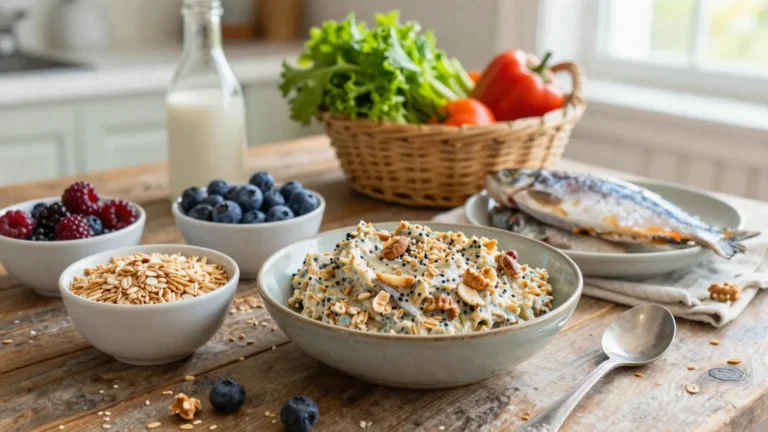
- Overnight oats with rolled oats soaked in almond milk overnight, topped with sliced bananas, chia seeds, and a few walnuts.
- Or, a smoothie bowl made from blended spinach, frozen berries, a scoop of natural peanut butter, and a dollop of Greek yogurt.
Lunch:
- A quinoa salad with cherry tomatoes, cucumber slices, bell peppers, chickpeas, and a squeeze of lemon juice for dressing.
- Or, a turkey or chicken wrap using a whole grain tortilla filled with mixed greens, shredded carrots, avocado slices, and mustard.
Snack:
- An orange or a handful of raw almonds to keep your energy levels up between meals.
- Or, a small bowl of cottage cheese paired with sliced apples and cinnamon for flavor.
Dinner:
- Grilled salmon fillet served alongside steamed broccoli, roasted sweet potatoes, and a side salad dressed lightly with olive oil and balsamic vinegar.
- Or, baked tofu cubes with quinoa, steamed kale, and a sprinkle of sesame seeds on top.
Drinks:
- Throughout the day, focus on drinking water or herbal teas. Avoid sugary drinks and opt for fresh juices made at home from fruits like oranges, carrots, or berries.
This meal plan emphasizes simplicity and freshness, making it easy to avoid processed foods while ensuring your meals are both nutritious and satisfying. By cooking at home, you can control the ingredients and cooking methods, guaranteeing that every meal is as healthy as possible.
Did you know that many popular clean eating recipes have been around for generations? Great-grandmothers often prepared similar dishes using fresh ingredients from their gardens or local markets.
This structured yet flexible plan should help you navigate your week while sticking to the principles of clean eating, ensuring a balanced and wholesome diet.
Alternative or Similar Diets to Clean Eating
When considering alternatives to Clean Eating, several diets stand out due to their shared emphasis on natural foods, minimal processing, and overall well-being. These dietary approaches offer diverse pathways towards healthier eating patterns while varying in their specific philosophies and rules.
- Mediterranean Diet(MedDiet): This diet is rooted in the traditional cuisine of Mediterranean countries such as Greece, Italy, and Spain. It features a high intake of fruits, vegetables, whole grains, legumes, nuts, olive oil, and fish, while limiting red meat and sugary foods. Unlike Clean Eating’s diverse interpretations, the MedDiet has robust scientific evidence supporting its health benefits, including reduced risks of heart disease and improved longevity.
- Whole30 Diet: Designed to reset your relationship with food over a 30-day period, this diet eliminates all added sugars, alcohol, grains, legumes, dairy, and soy. Participants focus on eating meat, seafood, eggs, fruits, vegetables, nuts, seeds, herbs, spices, and healthy oils. The Whole30 Diet is stricter than Clean Eating in its food restrictions but aims to help individuals identify food sensitivities and improve their overall health.
- Paleo Diet: Inspired by the dietary habits of our Paleolithic ancestors, this diet focuses on whole foods such as lean meats, fish, fruits, vegetables, nuts, seeds, herbs, spices, and healthy oils. It excludes dairy products, grains, processed foods, and sugars. The Paleo Diet shares Clean Eating’s emphasis on consuming natural, unprocessed foods but diverges in its strict adherence to a hunter-gatherer model of nutrition.
- Flexible Dieting (IIFYM): This approach encourages flexibility within a balanced diet, allowing individuals to eat any food they desire as long as it fits their daily macronutrient requirements. Unlike Clean Eating’s exclusionary nature, Flexible Dieting promotes moderation and personal choice in dietary habits, aiming for a sustainable long-term lifestyle change.
Each of these diets offers unique pathways towards healthier eating patterns while emphasizing the consumption of whole foods over processed ones. However, they differ significantly in their strictness, flexibility, and scientific backing. As you explore alternatives to Clean Eating, consider which approach aligns best with your personal health goals, preferences, and lifestyle needs.
Did you know that the Mediterranean Diet has been repeatedly ranked as one of the world’s healthiest diets due to its emphasis on plant-based foods and healthy fats? It’s a diet not just for health but also for enjoying delicious meals!
Does Clean Eating Really Work?
Clean eating is a dietary approach that gained popularity by advocating the consumption of unprocessed or minimally processed foods to enhance overall health. Originating in the bodybuilding community, this trend has diversified into various interpretations, some of which exclude gluten, grains, dairy, or promote raw food diets. Wellness influencers like Ella Mills and Natasha Corrett have popularized clean eating through blogs, TV segments, and magazines, often relying more on personal experiences than scientific evidence.
Proponents argue that clean eating can improve health by focusing on whole foods such as vegetables, fruits, lean proteins, healthy fats, while reducing the intake of sugar and ultra-processed foods. This shift towards natural ingredients indeed has potential benefits for nutritional quality. However, critics point out significant issues with this approach.
Firstly, clean eating is not a standardized diet; interpretations vary widely across different communities or individuals. Some versions lack solid research supporting their health claims, potentially leading to nutrient deficiencies or conditions like osteoporosis due to strict dietary restrictions without medical justification. Additionally, the marketing sector has exploited the term “clean” by labeling products as healthier than they actually are, which can confuse consumers about what constitutes a healthy choice.
On one hand, clean eating promotes consuming whole foods that offer essential nutrients and fiber needed for good health. On the other hand, overly restrictive versions of this diet may foster rigid habits that exclude necessary food groups without scientific backing, potentially leading to nutritional imbalances or disordered eating behaviors due to fear around certain processed foods.
In summary, while clean eating can indeed encourage healthier choices through whole food consumption, its extreme interpretations and commercial exploitation raise significant concerns about health risks and practicality. Individuals should critically evaluate their dietary choices and consult healthcare professionals to ensure a balanced approach that meets their nutritional needs without unnecessary restrictions.
Did you know that some strict clean eaters even advocate for “clean water,” suggesting filtered or spring water over tap? While this practice may reduce exposure to potential contaminants, its significant impact on health remains debatable. The emphasis is more on purity and avoiding chemicals rather than concrete benefits.
Clean eating is a dietary approach that emphasizes consuming whole foods and avoiding processed foods to promote health benefits. The term originated in the bodybuilding community but evolved into various forms, with some excluding gluten, grains, dairy, or advocating raw food diets.
Proponents:
The trend gained popularity through media outlets like blogs, TV segments, and magazine articles supported by wellness gurus. Advocates include Ella Mills, Natasha Corrett, and the Hemsley sisters, who often base their advice on personal experience rather than scientific evidence.
Criticism:
- Variety of Interpretations: Clean eating is not a standardized diet but varies widely in practice.
- Lack of Scientific Evidence: Some extreme variants lack research support for health benefits and may pose risks like nutrient deficiencies or osteoporosis due to dietary restrictions.
- Marketing Misuse: Food companies exploit the trend by using terms like “clean” to imply superior quality, despite inconsistent definitions.
Positive Aspects:
Clean eating promotes consumption of whole foods, vegetables, fruits, healthy fats, and protein while reducing sugar and ultra-processed foods. This approach can lead to a more nutritious diet.
Negative Impacts:
Can foster rigid dietary habits that exclude entire food groups without scientific backing, potentially leading to nutritional deficiencies or disordered eating patterns.
Mixed Bag:
Encourages healthier eating but may also instill fear towards some processed foods that still offer nutritional value. The trend often requires significant home cooking, which isn’t feasible for everyone.
In essence, while clean eating can promote better nutrition through whole food consumption, its extreme interpretations and commercial exploitation raise concerns regarding health risks and feasibility for widespread adoption.
Frequently Asked Questions (FAQ)
What is clean eating?
Clean eating focuses on consuming whole foods that are minimally processed and rich in nutrients. It encourages eating a variety of fruits, vegetables, lean proteins, healthy fats, and whole grains while minimizing or avoiding refined sugars, artificial additives, and highly processed items.
Is clean eating just another diet trend?
While it may seem like a new concept, the principles behind clean eating have been around for years. It emphasizes choosing foods that are as close to their natural state as possible and is more about adopting long-term healthy habits rather than following short-term trends.
Can I eat out when on a clean eating diet?
Yes, you can still enjoy meals at restaurants by making informed choices based on the restaurant’s menu. You can look for dishes that use whole ingredients and avoid highly processed foods like pickled, cured, or smoked items. It’s also helpful to make special requests if necessary.
Are there any risks associated with clean eating?
While generally safe, some people might experience nutritional deficiencies if their diet is too restrictive or poorly planned. Clean eating should include a variety of foods from all food groups to ensure adequate nutrition intake.
Can clean eating help in weight loss?
Yes, focusing on whole foods and minimizing processed items can support weight loss goals as it often leads to reduced calorie intake and improved portion control without extreme measures.
Is there room for treats or indulgences within a clean eating framework?
Absolutely! Clean eating doesn’t mean cutting out all treats. It’s about making healthier choices most of the time, allowing occasional indulgences in moderation.
What should I do if my friends or family don’t support my decision to adopt clean eating habits?
Communicate your reasons and goals with them openly. Educating others about the benefits can help foster understanding and support for your lifestyle change.
Can I eat eggs on a clean eating diet?
Eggs are considered healthy within a clean eating framework due to their high protein content and nutritional value. Just choose organic or free-range varieties if possible, and avoid processed egg products.
How do I start incorporating clean eating into my daily routine?
Begin by making small changes gradually, such as swapping refined grains for whole grains or adding more fruits and vegetables to your meals. Over time, these small steps can lead to significant improvements in your diet quality.
Can a vegetarian follow a clean eating plan effectively?
Yes, vegetarians can adapt the principles of clean eating by focusing on plant-based proteins like legumes, nuts, and seeds along with plenty of fruits and vegetables while avoiding processed meat substitutes.