Introduction: What Are Blood Type Diets?
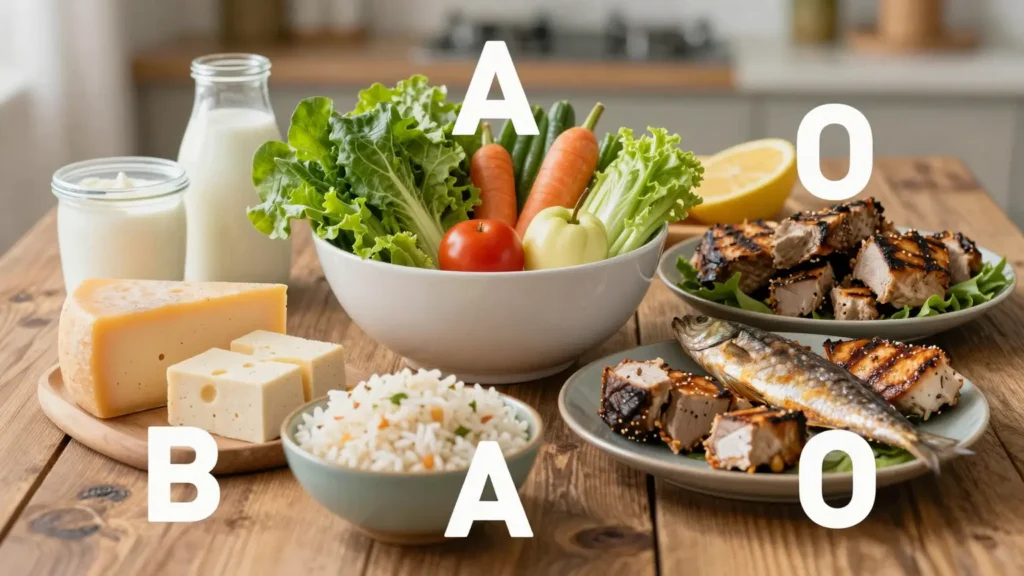
Blood type diet has been a topic of intense debate and interest in recent years, promising personalized nutrition plans based on your unique ABO blood group classification. This diet theory was popularized by naturopath Peter J. D’Adamo, who claims that each blood type evolved under distinct environmental conditions, leading to specific digestive requirements and nutritional needs. For instance, people with blood type O are said to have a genetic background rooted in the hunter-gatherer era, making them suited for a diet rich in animal protein. On the other hand, individuals with blood group A are thought to benefit from a vegetarian diet due to their agrarian heritage when humans began settling into agricultural societies.
The core idea behind these diets is that certain proteins called lectins found in foods can be incompatible with specific blood types, potentially causing digestive issues or other health problems. Therefore, proponents argue that by avoiding foods containing harmful lectins and sticking to a diet tailored to your blood type, you can enhance your overall well-being. However, this theory has faced considerable skepticism from medical professionals and researchers who point out the lack of substantial evidence supporting such claims.
One of the key arguments made by advocates is based on evolutionary history. They propose that individuals with blood type O represent one of the earliest human blood types, suggesting a preference for diets similar to those consumed during our hunter-gatherer days. Similarly, people with blood group A are believed to have shifted towards agricultural practices as societies became more settled, thus benefiting from a plant-based diet.
Critics argue that this evolutionary timeline is flawed and oversimplified. Recent genetic studies suggest that the A gene likely evolved before the O gene, challenging the notion of ancestral dietary patterns linked strictly to blood types. This insight raises questions about the validity of basing dietary recommendations solely on an individual’s blood type without considering other factors like genetics, lifestyle, or personal health conditions.
As you delve deeper into the world of blood type diets, it becomes apparent that while they offer a tantalizing promise of personalized nutrition, their scientific backing is far from conclusive. The debate surrounding these diets highlights the ongoing quest for tailored nutritional advice and underscores the need for more rigorous research to establish truly effective dietary guidelines.
How Do Blood Type Diets Claim to Work?
According to proponents like naturopath Peter J. D’Adamo, blood type diets are based on the idea that each individual’s digestive system and metabolism evolved differently depending on their ABO blood group. This theory suggests that eating foods compatible with your specific blood type can optimize digestion, prevent diseases, and enhance overall health.
Digestive Compatibility: The diet hypothesis claims that certain lectins (protein molecules found in food) interact uniquely with the surface antigens of different blood types, leading to digestive advantages or disadvantages for various food groups.
For instance, Type O individuals are encouraged to eat high-protein foods like meat and seafood because these items are believed to be more easily digested by their digestive system.
Evolutionary Heritage: Each blood type is said to have developed under different dietary conditions that shaped its nutritional needs over millennia. The theory posits that our ancestors’ diets were influenced by their environment, leading to distinct health benefits for each blood group today.
Type A individuals are advised to follow a vegetarian diet because their digestive system supposedly adapted to an agrarian lifestyle with plenty of vegetables and grains.
Genetic Influence: Advocates argue that genetic factors unique to each blood type affect nutrient absorption and metabolism, making certain foods more beneficial or detrimental for specific groups.
For example, people with Type B blood are encouraged to consume dairy products since their ancestry is thought to have involved significant nomadic movement where such food sources were abundant.
In summary, the claim is that adhering to a diet aligned with your blood type can help you achieve better health outcomes by addressing digestive and metabolic differences rooted in evolutionary history. However, as discussed earlier, there’s little scientific evidence backing these claims.
Fun fact: The idea of personalized nutrition based on blood types has gained significant popularity despite skepticism from medical professionals, highlighting the public’s interest in tailored dietary approaches for optimal health.
Do Blood Type Diets Have Scientific Evidence?
Blood type diets propose that people should eat according to their specific ABO blood group for optimal health. This concept was popularized by naturopath Peter J. D’Adamo, who argues that digestive differences linked to lectins and evolutionary heritage determine the best diet for each blood type. However, scientific skepticism surrounds these claims.
According to proponents of blood type diets:
- Group O should consume a high-animal-protein diet similar to ancient hunter-gatherers.
- Group A is advised to follow a vegetarian diet due to its alleged evolution during agrarian times.
- Group B benefits from dairy products, reflecting their nomadic roots.
- AB individuals should combine aspects of both Group A and B diets.
Despite these claims, scientific studies have failed to support the efficacy of blood type diets. For example, a 2014 study did not find any significant interaction between adherence to a blood type diet and improvements in markers like body mass index (BMI), blood pressure, serum cholesterol levels, or insulin levels over one month.
Moreover, genetic research contradicts the idea that Group O is the oldest blood type; instead, it shows that the A gene appeared earlier in human evolution than the O gene. This evolutionary perspective undermines a key foundation of blood type diets.
In summary, while the idea of customizing nutrition plans based on blood types may seem intuitive, current scientific research does not support the effectiveness or validity of these diets. The absence of credible evidence means that recommendations for personalized eating plans according to blood type remain unsupported by medical and nutritional science communities as of 2017.
Despite widespread skepticism from medical professionals, books promoting blood type diets have sold millions of copies worldwide, highlighting the enduring appeal of personalized nutrition theories among consumers.
Why Is There a Lack of Support for Blood Type Diets?
There is significant skepticism regarding blood type diets among scientists and medical professionals, primarily due to several critical factors:
- Absence of Clinical Evidence: Numerous studies have been conducted to test the efficacy of blood type diets without finding substantial evidence supporting their claims. For instance, a study from 2014 observed no meaningful differences in health markers like body mass index (BMI), blood pressure, cholesterol levels, or insulin levels between individuals following blood type-specific diets and those on other dietary regimens.
- Challenged Evolutionary Hypothesis: The central premise of these diets is that each blood group evolved under different nutritional conditions, with group O being the oldest. However, this theory has been challenged by genetic research indicating that the A gene evolved before the O gene, casting doubt on the idea that group O predates other types.
- Broad Dismissal from Medical Community: The medical and scientific communities generally dismiss blood type diets due to their lack of robust empirical support. Without substantial clinical trials demonstrating significant health benefits, these diets remain unsupported by evidence-based practices in medicine and nutrition.
In summary, while the idea of personalized dietary plans based on blood types seems appealing, current scientific research does not provide adequate validation for the effectiveness or validity of such diets as of 2017. Medical professionals advise against following blood type-specific diets without further corroborating evidence.
The popularity and widespread acceptance of blood type diet books have raised concerns among health experts who fear that readers might ignore more scientifically validated nutritional guidelines in favor of less proven methods.
Does Following the Right Diet Based on Your Blood Type Improve Health Markers?
Blood type diets propose that people should eat according to their specific ABO blood group for optimal health. This concept was popularized by naturopath Peter J. D’Adamo, who argues that digestive differences linked to lectins and evolutionary heritage determine the best diet for each blood type. However, scientific skepticism surrounds these claims.
According to proponents of blood type diets:
- Group O should consume a high-animal-protein diet similar to ancient hunter-gatherers.
- Group A is advised to follow a vegetarian diet due to its alleged evolution during agrarian times.
- Group B benefits from dairy products, reflecting their nomadic roots.
- AB individuals should combine aspects of both Group A and B diets.
Despite these claims, scientific studies have failed to support the efficacy of blood type diets. For example, a 2014 study did not find any significant interaction between adherence to a blood type diet and improvements in markers like body mass index (BMI), blood pressure, serum cholesterol levels, or insulin levels after one month.
In conclusion, as of 2017, there is no clinical evidence supporting the health benefits of following a diet based on blood type. The underlying theory about ancestral blood types and dietary needs lacks scientific validation, making these diets less credible in the eyes of medical professionals and researchers.
Despite skepticism from medical experts, books promoting blood type diets have sold millions of copies worldwide, highlighting the enduring appeal of personalized nutrition theories among consumers.
Is Group O Really Considered the Ancestral Blood Type in Human Evolution?
The idea that individuals with blood type O are considered the ancestral blood type in human evolution is a central tenet of blood type diet theories, particularly those promoted by Peter J. D’Adamo. According to these theories, people with type O blood have digestive systems best suited for diets similar to what early humans would have consumed as hunter-gatherers, including high amounts of animal protein and fewer carbohydrates. However, this premise is challenged by scientific research.
Here are the key points supporting why group O might not be considered the ancestral blood type:
- Evolutionary Biology: Genetic studies indicate that the A gene evolved before the O gene in human evolution. This means that early humans likely carried the A variant rather than O, which contradicts the hypothesis of blood type diets.
- Genetic Evidence: Researchers have identified that genetic mutations leading to different blood types occurred sequentially over time. The mutation resulting in the A gene is estimated to be older than the one causing the O allele. This chronological order suggests that early humans predominantly had the A variant rather than the O variant.
- Scientific Consensus: Many researchers and medical professionals argue against the idea of group O being ancestral, pointing out that it does not align with established evolutionary timelines or genetic evidence available today.
In essence, while blood type diets propose unique dietary needs based on supposed evolutionary histories, current scientific understanding indicates otherwise. The theory’s foundation about ancestral blood types lacks substantial support from rigorous studies and modern evolutionary biology.
Fun fact: The term “universal donor” for blood type O stems from its compatibility in transfusions but does not necessarily reflect its status as an ancestral blood type in human evolution.
These findings challenge the core assumptions of blood type diets, emphasizing the need to look beyond genetic factors like blood types when considering nutritional guidelines.
What Are the Main Arguments Against the Blood-Type Diet Theory?
The main arguments against the blood-type diet theory focus on several key issues:
- Lack of Empirical Evidence: There is a significant absence of clinical evidence to support the claims made by proponents of blood type diets. These diets are based on the idea that eating according to your specific ABO blood group can improve health outcomes, but this hypothesis lacks robust scientific validation.
- Scientific Consensus: Dietitians and medical professionals generally dismiss these dietary recommendations due to a lack of credible evidence. The notion that adhering to a diet based solely on blood type leads to better health markers like BMI, blood pressure, cholesterol levels, and insulin levels is not supported by current research.
- Challenged Evolutionary Theory: A fundamental aspect of the blood-type diet theory is the idea that different blood types evolved under unique dietary conditions. However, this concept has been challenged by genetic studies which show that the gene for blood type A appeared earlier in human evolution than the O gene, refuting the claim about group O being the ancestral blood type.
- Study Results: A 2014 study specifically examined whether following a diet based on your blood type could lead to improvements in health biomarkers over one month. The results showed no significant differences between those who followed a blood-type-specific diet and those on other dietary regimens, indicating that such diets do not provide any notable health benefits.
These arguments highlight the critical need for more rigorous scientific research before endorsing personalized nutrition plans based solely on an individual’s blood type.
Summary: The Controversy and Evidence Surrounding Blood Type Diets
The article delves into the controversial concept of “blood type diets,” which suggest that an individual’s diet should be tailored according to their ABO blood group for optimal health benefits. This theory is predominantly promoted by naturopath Peter J. D’Adamo, who asserts that digestive differences related to lectins and evolutionary heritage play a significant role in determining dietary compatibility.
Key points of the article include:
- Prominence of Proponents: The diets are most notably advocated for by naturopath Peter J. D’Adamo.
- Hypothesis Overview:
- Group O diet should mimic high-animal-protein hunter-gatherer diets.
- Group A diet is recommended to be vegetarian due to agrarian roots.
- Group B diet benefits from dairy products based on nomadic heritage.
- AB group diet combines elements of both A and B dietary patterns.
- Scientific Skepticism: Dietitians, physicians, and scientists largely reject these diets as they lack scientific evidence.
- 2014 Study Findings: Research did not find any significant interaction between adherence to blood type diets and health biomarkers such as BMI, blood pressure, serum cholesterol, and insulin levels over a one-month period.
- Ancestral Blood Type Theory Refuted: The claim that group O is the ancestral blood type has been challenged on evolutionary grounds. Studies indicate that the A gene evolved before the O gene.
In conclusion, as of 2017, there is no clinical evidence supporting the benefits or health improvements derived from following blood type diets. The core hypothesis about ancestral blood types and corresponding dietary needs lacks scientific validation.
This summary highlights that while the concept of personalized nutrition based on blood groups may seem appealing, it is not supported by current scientific evidence. Readers are encouraged to consider other well-established dietary guidelines for improving health and managing chronic conditions.
Frequently Asked Questions (FAQ)
What is a blood type diet?
A blood type diet, also known as the ABO blood group diet, suggests that people should eat specific foods based on their individual blood type to improve health and reduce chronic diseases like cardiovascular disease.
Does my blood type really affect what I should eat for optimal health?
No scientific evidence supports the idea that your blood type determines the best diet for you. Studies have shown no significant differences in health markers between people following diets recommended by their blood types compared to those not adhering to these diets.
Can eating according to my blood type help me lose weight or prevent diseases like heart disease?
The consensus among experts is that there’s insufficient evidence to support claims that a blood type diet can enhance weight loss or decrease the risk of chronic diseases, including cardiovascular issues.
Are there any risks associated with following a blood type diet?
While generally safe for most people, focusing solely on your blood type for dietary recommendations might lead you to ignore other crucial factors like overall calorie intake and nutritional balance that are more directly linked to health outcomes.
Is the concept of an ancestral blood type (like O being considered ancestral) supported by scientific evidence?
The idea of certain blood types being ancestral does not have strong scientific backing. Evolutionary biology generally suggests that natural selection acts on entire organisms, including their genetic makeup and environment, rather than specific genes like those determining blood groups.
How do dietitians and nutritionists view blood type diets?
Dietitians, physicians, and scientists widely consider blood type diets to be unsupported by scientific evidence. They recommend following general dietary guidelines that focus on balanced nutrition and healthy eating habits instead of individualized approaches based solely on blood type.
Are there any studies showing positive outcomes for people who follow the blood type diet?
To date, no robust scientific studies have demonstrated significant health benefits from adhering to a diet tailored specifically by one’s ABO blood group. Most research findings indicate that such diets do not provide measurable advantages over other healthy eating patterns.
Why hasn’t more research been done on the effectiveness of blood type diets?
Research has indeed investigated blood type diets, but findings have consistently failed to support their efficacy in improving health outcomes compared to generic nutritional guidelines. The focus remains on well-established dietary recommendations backed by comprehensive evidence.
Can a blood type diet help me manage my cholesterol levels or other biomarkers?
Studies assessing the impact of blood type diets on specific health markers like BMI, blood pressure, and serum cholesterol have found no significant differences between individuals who followed their recommended diet versus those who did not. Therefore, there’s little to suggest that adhering strictly to a blood type diet influences these factors more than other healthy dietary patterns.
Is it safe for everyone to try a blood type diet?
While generally considered safe, the individualized nature of blood type diets means they may overlook broader nutritional needs and guidelines important for maintaining overall health. It’s advisable to consult with healthcare professionals before adopting any specific diet plan.