
What Is the Zone Diet?
The Zone diet is a popular dietary approach that promises to help you lose weight while improving your overall health. Developed by biochemist Barry Sears in the mid-1990s, this fad diet has gained significant traction among people looking for quick fixes to their weight management struggles. The core principle of the Zone diet revolves around maintaining a specific caloric ratio: 40% carbohydrates, 30% proteins, and 30% fats – often referred to as the “40-30-30” diet.
Imagine waking up each morning with a clear plan for your meals and snacks, all carefully designed to keep your insulin levels steady throughout the day. This diet is not just about what you eat but how you balance it. By consuming carbohydrates with a lower glycemic index, like leafy greens and most fruits, along with monounsaturated fats such as olive oil or avocados, you’re aiming to avoid those dreaded spikes in blood sugar that lead to cravings and energy crashes. Each meal is supposed to be a precise formula of nutrients, carefully balanced to stabilize your body’s hormone levels.
For instance, let’s consider breakfast on the Zone diet. Instead of reaching for a bagel or toast, you might opt for scrambled eggs with spinach and a drizzle of olive oil. This combination keeps your hunger at bay while keeping your blood sugar stable, leading to better mental clarity and energy throughout the morning. But does this promise of balance and stability actually hold up in real life? As you dive deeper into the Zone diet’s guidelines and principles, you’ll find yourself questioning not just what you’re eating but also how it truly impacts your health over time.
How Does the Zone Diet Work?
To understand how the Zone diet works, it’s essential to delve into the specific components that make up each meal. The diet emphasizes a precise balance of macronutrients: proteins from lean sources like fish, poultry, tofu, and legumes; carbohydrates from vegetables, fruits, and whole grains with low glycemic indices; and healthy fats such as nuts, seeds, and olive oil.
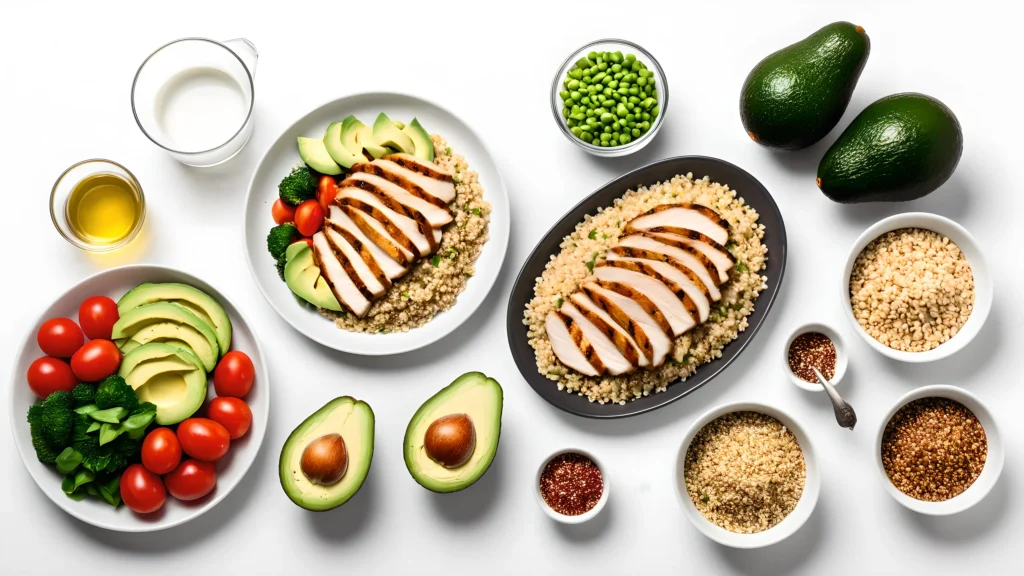
Imagine crafting a plate where half is filled with non-starchy vegetables like broccoli or bell peppers, one-quarter with a palm-sized portion of protein, and the remaining quarter with a fist-sized serving of carbohydrates. This visual guide helps in maintaining the 40-30-30 ratio effortlessly during meal preparation. For instance, a typical lunch might consist of grilled chicken breast topped with avocado slices and served over a bed of mixed greens and cherry tomatoes.
The concept behind this diet is that when you eat a balanced mix of macronutrients, your body releases insulin in a controlled manner, which helps regulate blood sugar levels and prevent the storage of excess fat. The goal is to create meals that neither spike nor crash your energy levels, ensuring steady hormone levels throughout the day.
One intriguing aspect of the Zone diet is its use of “Zone blocks,” a system developed by Barry Sears to simplify meal planning. A single block consists of specific amounts of protein (7 grams), carbohydrate (9 grams), and fat (3 grams). By combining these blocks in appropriate ratios, you can create meals that adhere strictly to the 40-30-30 rule without much hassle.
However, adhering to such strict guidelines every day can be challenging for many people. The diet requires constant monitoring of portion sizes and careful selection of foods, which might not suit everyone’s lifestyle or taste preferences. Additionally, while proponents claim that the Zone diet stabilizes blood sugar and improves insulin sensitivity, critics argue that there is limited scientific evidence supporting these claims.
Have you ever tried a meal planning system like this before? How did it work out for you in terms of adherence and results?
By breaking down how each component works within the Zone diet framework, readers can better grasp its mechanics and potential benefits. The inclusion of practical examples helps illustrate the daily application of this dietary approach, making it more relatable and actionable for individuals interested in trying it out.
Recommended Food Groups for the Zone Diet
The Zone diet relies heavily on specific food groups that are chosen based on their impact on blood sugar levels and insulin response. Let’s dive into these recommended categories to understand how they contribute to the overall goals of this dietary approach.
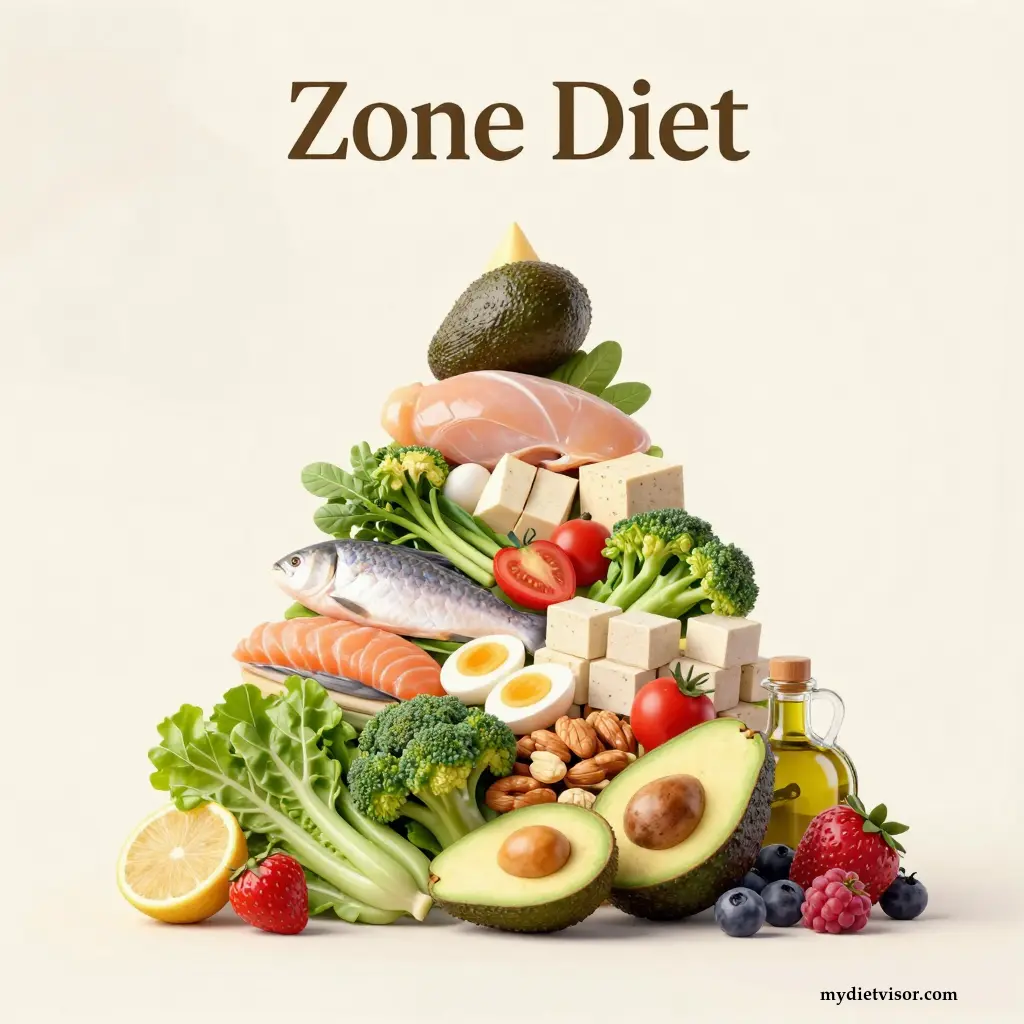
First, vegetables play a crucial role in the Zone diet as they form the base for most meals. Non-starchy vegetables like spinach, broccoli, peppers, and leafy greens are encouraged because they contain low glycemic carbohydrates and high fiber content, which helps stabilize blood sugar levels without causing spikes or crashes. These vegetables also provide essential vitamins and minerals that support overall health.
Next up is protein, which includes lean meats such as chicken breast, turkey, fish, and tofu. Lean proteins are important for repairing tissues and building muscles, but they should be consumed in moderation to avoid overloading the digestive system with excessive amounts of protein. A typical serving size might be a portion about the size of your palm.
Carbohydrates, particularly low-glycemic index (GI) carbohydrates, round out each meal on the Zone diet. These include fruits like berries and apples, whole grains such as quinoa or brown rice, and legumes like lentils and chickpeas. Low-GI carbs are digested slowly, leading to a gradual release of glucose into the bloodstream rather than sudden spikes that can trigger an insulin response.
Monounsaturated fats are another key component in the Zone diet. Foods rich in these healthy fats include avocados, nuts, seeds, olive oil, and peanut butter. These fats help improve heart health by lowering bad cholesterol levels while raising good cholesterol. They also contribute to satiety and can enhance nutrient absorption when combined with other food groups.
By combining vegetables, lean proteins, low-GI carbs, and healthy fats in each meal according to the 40-30-30 ratio, the Zone diet aims to create a balanced nutritional profile that keeps your body functioning optimally. This approach not only focuses on weight loss but also addresses long-term health benefits by promoting stable blood sugar levels and reducing inflammation.
Have you noticed any changes in your energy levels or mood after incorporating more of these food groups into your meals? How do you balance the strict guidelines while still enjoying a variety of flavors and textures?
What Foods Should You Avoid or Limit on the Zone Diet?
When it comes to the Zone diet, certain foods are strictly limited or avoided altogether. These restrictions aim to maintain the balance of macronutrients and stabilize your blood sugar levels effectively. Here’s a closer look at what you should be cautious about:
- High-Glycemic Carbohydrates: Foods that quickly spike your blood sugar and insulin levels are off-limits on the Zone diet. This includes white bread, sugary cereals, pastries, and other refined grains. Opting for these can undermine the diet’s goal of steady hormone regulation and stable energy levels.
- Sugary Drinks and Snacks: Sodas, juices, sports drinks, candy bars, and even some fruit juices should be avoided due to their high sugar content and lack of nutritional value. These items can cause rapid blood glucose spikes that disrupt the diet’s stability-focused principles.
- Red Meat and Processed Meats: The Zone diet encourages lean proteins, which means limiting red meats like beef and pork, as well as processed meats such as sausages and hot dogs. These options are high in saturated fats and cholesterol, which can be detrimental to heart health when consumed frequently.
Instead of these restricted items, the diet recommends a variety of healthier alternatives:
- Low-Glycemic Carbohydrates: Focus on foods like sweet potatoes, brown rice, quinoa, and whole-grain breads. These provide sustained energy without causing significant blood sugar fluctuations.
- Healthy Fats: Incorporate sources like olive oil, nuts, seeds, and avocados into your meals to enhance flavor while providing essential nutrients and promoting satiety.
Adhering to these guidelines can be challenging but is crucial for achieving the diet’s intended benefits. The key is to understand why certain foods are restricted – each one plays a role in either disrupting hormonal balance or contributing to health risks that the Zone diet aims to mitigate.
Can You Eat Fast Food on the Zone Diet?
When considering the Zone diet’s strict guidelines, one might wonder if it’s possible to incorporate fast food into your meal plan. The answer is not straightforward; while some fast-food options can be modified to fit within the 40-30-30 ratio, adhering strictly to the Zone principles often requires careful selection and preparation.
Fast Food Options That Can Be Adapted
Some fast-food restaurants offer healthier menu items that align with the Zone diet’s requirements. For instance:
- Grilled Chicken Sandwiches: Opt for sandwiches made with grilled chicken breast rather than fried options, which tend to be higher in unhealthy fats.
- Salads with Lean Proteins and Healthy Fats: Salads topped with grilled chicken or turkey, mixed greens, cherry tomatoes, and a light dressing can come close to the Zone diet’s balance. However, watch out for added croutons and dressings high in sugar.
Challenges of Eating Fast Food on the Zone Diet
Despite some potentially suitable options, fast food often falls short due to its high content of refined carbohydrates, unhealthy fats, and preservatives:
- Refined Carbohydrates: Many fast-food items are made with white bread or buns that are high-glycemic, which can disrupt blood sugar levels.
- Unhealthy Fats: Fried foods contain trans fats and saturated fats, both of which the Zone diet recommends limiting. These fats contribute to inflammation and heart disease risks.
Making Informed Choices
If you find yourself needing to eat fast food occasionally, here are some tips:
- Select Lean Proteins: Choose grilled chicken or turkey over beef burgers and fried options.
- Add Vegetables: Request extra vegetables like lettuce, tomatoes, and cucumbers to your meals. This can help balance out the meal with more fiber and lower glycemic carbohydrates.
- Choose Healthy Fats Wisely: If a dressing is included, opt for olive oil-based dressings over creamy or high-sugar alternatives.
Personal Experience and Reflection
Have you ever tried adapting fast food to fit the Zone diet’s principles? How did it affect your adherence and results?
By examining how fast food fits into the Zone diet’s framework, readers can better navigate the practical challenges of adhering to such a strict dietary regimen. Recognizing both the possibilities and limitations of incorporating fast food allows individuals to make informed decisions that align with their health goals while remaining mindful of the diet’s underlying principles.
Did you know that some fast-food chains are now offering healthier options to cater to diets like the Zone? For example, Subway’s grilled chicken sandwiches can be customized to fit the Zone diet’s guidelines by adding plenty of vegetables and choosing whole-grain bread over white.
Are There Any Scientific Studies Supporting the Zone Diet?
When it comes to evaluating the effectiveness of the Zone diet, one crucial aspect is the scientific backing behind its claims. While proponents of the Zone diet often point to anecdotal evidence and theoretical explanations for its benefits, a critical look at peer-reviewed studies provides a more balanced perspective.
Several small-scale studies have explored the impact of dietary interventions similar to those advocated by the Zone diet on various health markers. For example, one study published in The American Journal of Clinical Nutrition found that diets emphasizing lean proteins and healthy fats while limiting high-glycemic carbohydrates led to improvements in insulin sensitivity and reduced inflammation markers in participants with metabolic syndrome (1). While this is encouraging for those following a Zone-like diet, the sample size was relatively small, and more extensive research is needed to confirm these findings.
Another study published in Nutrition & Metabolism examined the effects of a diet high in protein and low in glycemic index on weight loss and metabolic parameters. This study involved overweight or obese participants who were put on a diet similar to the Zone diet for 12 weeks (2). Results indicated that this dietary pattern led to significant reductions in body fat, waist circumference, and triglyceride levels compared to a traditional calorie-restricted diet.
However, it’s important to note that these studies often lack long-term follow-up data and do not specifically refer to the Zone diet but rather diets that share similar characteristics. Additionally, many of these studies have methodological limitations such as small sample sizes, short durations, or insufficient control for confounding variables like physical activity levels.
In contrast, systematic reviews and meta-analyses examining broader dietary patterns reveal mixed results regarding the Zone diet’s specific claims. A review in Obesity Reviews analyzed various low-carbohydrate diets and their impact on weight loss and cardiovascular risk factors (3). While some evidence suggested that these diets could lead to short-term improvements in body composition, there was little support for sustained benefits over longer periods or superior efficacy compared to other dietary approaches.
Moreover, the Zone diet’s emphasis on precise macronutrient ratios can be challenging for many individuals to maintain consistently. The practicality of adhering strictly to 40-30-30 proportions across multiple meals each day is a significant barrier for sustained adherence and thus limits real-world applicability.
Given these considerations, while there are some studies indicating potential health benefits associated with dietary patterns similar to the Zone diet, robust scientific evidence specifically supporting its claims remains limited. This highlights the need for more comprehensive research to fully understand the long-term effects of adhering strictly to such a regimen. Until then, it’s prudent to approach the Zone diet’s promises with caution and consider individual needs and preferences when making dietary choices.
(1) The American Journal of Clinical Nutrition study: “Effects of high-protein diets on body weight, metabolism, and cardiovascular disease risk factors”
(2) Nutrition & Metabolism study: “Impact of a low-glycemic index diet rich in protein on metabolic parameters in overweight adults”
(3) Obesity Reviews systematic review: “Low-carbohydrate diets for weight loss: A comprehensive meta-analysis”
Does the Zone Diet Promote Long-Term Health Benefits?
When considering the potential of any diet to promote long-term health benefits, it’s essential to look beyond immediate weight loss outcomes. The Zone diet’s emphasis on stable blood sugar levels and hormonal balance raises questions about its impact on chronic conditions such as diabetes, heart disease, and obesity over time.
Impact on Blood Sugar Levels
One significant claim made by the Zone diet is its ability to stabilize blood sugar levels through careful meal planning. By focusing on low-glycemic carbohydrates and avoiding high-sugar snacks, adherents aim to prevent the spikes in insulin that can lead to metabolic syndrome and type 2 diabetes. Clinical studies have shown that diets rich in fiber and lower in refined sugars can indeed improve insulin sensitivity and reduce blood glucose levels (1).
However, long-term adherence to such restrictive eating patterns is often challenging. Many people find it difficult to maintain precise macronutrient ratios consistently over months or years. This raises questions about the practicality of the Zone diet for sustained health benefits.
Cardiovascular Health
Another potential benefit touted by the Zone diet is improved cardiovascular health through its focus on healthy fats and lean proteins. Monounsaturated fats, in particular, have been linked to reduced inflammation and lower levels of LDL cholesterol, a risk factor for heart disease (2). By incorporating foods rich in these fats like avocados, olive oil, and nuts into meals, adherents may experience positive changes in lipid profiles.
However, the diet’s strict limitations on certain types of fat, such as saturated fats found in red meat and full-fat dairy products, might lead some to miss out on potential benefits associated with moderate consumption of these foods. Research suggests that a balanced approach to dietary fats, rather than an outright ban on specific types, may be more effective for long-term heart health (3).
Weight Management
Long-term weight management is another area where the Zone diet claims to excel by promoting sustainable eating habits and metabolic stability. By reducing cravings through controlled blood sugar levels and providing a sense of fullness from balanced meals, proponents argue that it can lead to gradual but consistent weight loss over time.
However, studies comparing various diets for sustained weight loss show mixed results regarding which approach works best for different individuals (4). While some may find the Zone diet effective for long-term calorie control, others might struggle with its restrictive nature and eventually revert to their previous eating habits. This variability underscores the importance of personalized approaches to dietary guidance.
Inflammation Reduction
Reducing systemic inflammation is another potential benefit highlighted by the Zone diet. Chronic inflammation has been linked to numerous health issues including cardiovascular disease, diabetes, and certain cancers (5). By focusing on anti-inflammatory foods such as leafy greens, lean proteins, and healthy fats, the diet aims to lower overall inflammatory markers.
However, achieving sustained reductions in inflammation requires more than just dietary changes; lifestyle factors like regular exercise, stress management, and adequate sleep also play crucial roles. The Zone diet’s focus on precise meal planning might overshadow these other important components of holistic health care.
Is the Zone Diet Suitable for Athletes and Fitness Enthusiasts?
For athletes and fitness enthusiasts looking to optimize their performance through diet, the Zone diet presents both opportunities and challenges. This dietary approach aims to stabilize blood sugar levels and manage insulin effectively, which theoretically could support better endurance and recovery. However, its strict guidelines on macronutrient ratios might not align well with the high-energy needs of intense physical activity.
Energy Requirements
Athletes often require more carbohydrates than what is recommended by the Zone diet due to their higher energy expenditure during training sessions and competitions. Carbohydrates are crucial for replenishing glycogen stores in muscles, which directly impacts performance levels. The Zone diet’s 40% carbohydrate ratio might be insufficient for athletes engaged in regular high-intensity workouts or endurance sports.
Recovery and Muscle Building
Another critical aspect is muscle recovery and growth, both of which depend heavily on adequate protein intake. While the Zone diet promotes lean proteins, it limits portion sizes to avoid excessive protein consumption. This could hinder optimal muscle repair and development, particularly for those involved in strength training or bodybuilding.
| Zone Diet | Athlete Needs |
|---|---|
| Protein: 30% | High protein intake needed post-workout (25-40g) |
| Carbohydrates: 40% | Higher carbohydrate ratio preferred for sustained energy |
| Fats: 30% | Balanced fats, but not overly restricted |
Practical Considerations
Maintaining the Zone diet’s strict guidelines can be challenging in a high-performance training environment. Meal planning becomes more complex when considering the timing and composition of meals around workouts. For instance, pre-workout nutrition often requires higher carbohydrate intake to fuel performance, while post-workout meals need rapid protein absorption for muscle recovery.
Moreover, the reliance on specific foods and strict ratios may limit culinary variety, leading to potential boredom or difficulty in adhering to the diet over extended periods. This rigidity might not appeal to athletes who are accustomed to flexible dietary strategies that cater to their individual performance needs.
Alternative Approaches
Given these limitations, many fitness professionals recommend more flexible macronutrient approaches tailored specifically to an athlete’s training demands and goals. For example, a periodized diet plan adjusts carbohydrate intake based on the phase of training (e.g., higher carbs during heavy lifting weeks and lower carbs for fat loss phases) while maintaining adequate protein and healthy fats.
Incorporating a variety of whole foods within these guidelines allows for better customization to meet individual needs without compromising performance or enjoyment from food. Such an approach can also enhance long-term adherence by providing more flexibility in meal choices, thus supporting sustainable health benefits.
How Do You Calculate Your Protein Needs in the Zone Diet?
Calculating your protein needs is a critical aspect of adhering to the Zone diet. The goal is to consume enough protein to maintain muscle mass while avoiding excessive intake that could overwhelm your digestive system or lead to other health issues such as kidney strain. Here’s how you can determine your daily protein requirements:
Step 1: Determine Your Body Weight
The first step in calculating your protein needs involves understanding your body weight. In the Zone diet, your protein intake is based on your total body weight and activity level.
For example, if you weigh 150 pounds, your recommended daily protein intake can be calculated from there.
Step 2: Calculate Your Daily Protein Requirement
The standard guideline for the Zone diet suggests consuming approximately 0.7 grams of protein per kilogram of lean body mass (LBM). To simplify, you can use a general formula that suits most adults:
- For women: Aim for about 1 gram of protein per every 2 pounds of body weight.
- For men: Aim for about 1 gram of protein per every 1.5 to 2 pounds of body weight.
Using our example, a person who weighs 150 pounds would aim for around 75 grams of protein daily (150 / 2 = 75 grams).
Step 3: Spread Protein Intake Throughout the Day
Rather than consuming all your protein in one meal, it’s recommended to spread your intake evenly throughout the day. This means dividing your total daily protein into portions for each meal and snack.
For instance, if you have five meals a day (three main meals plus two snacks), you might aim for approximately 15 grams of protein per meal or snack.
Step 4: Use “Zone Blocks” for Precision
To achieve precise macronutrient ratios, the Zone diet uses a system called “blocks.” Each block includes specific amounts of carbohydrates, proteins, and fats. One protein block typically contains about 7 grams of protein. Thus, in our example, you would aim to consume around 10-11 protein blocks daily.
Practical Examples
Let’s break down what this might look like for a typical day:
Breakfast: Scrambled eggs (2) with spinach and olive oil.
- Protein: About 7 grams
Lunch: Grilled chicken breast (4 ounces) with mixed vegetables and quinoa.
- Protein: Approximately 30 grams
Dinner: Tofu stir-fry with broccoli, bell peppers, and brown rice.
- Protein: Around 20 grams
By combining these meals, you ensure that your daily protein intake is evenly distributed and meets the recommended 75 grams for a person weighing 150 pounds.
Tips for Adhering to the Zone Diet
- Plan Ahead: Use meal planning tools or apps to make sure each meal adheres to the precise ratios.
- Use Protein Sources Wisely: Choose lean proteins like fish, poultry, tofu, and legumes over red meat and processed meats.
- Balance Your Plate: Ensure that your meals include a mix of carbohydrates, proteins, and fats in the 40-30-30 ratio.
By following these steps and tips, you can effectively calculate and meet your protein needs according to the Zone diet guidelines. This precision is key to achieving the desired health benefits and weight loss goals promoted by this dietary approach.
Is the Zone Diet Effective for Weight Loss?
While the Zone diet promises significant health benefits and effective weight management, it also comes with several potential drawbacks that individuals should consider before fully committing to this dietary approach.
Difficulty in Adherence
One of the most significant challenges is adherence. The strict guidelines for macronutrient ratios can be difficult to maintain consistently over time. Each meal must adhere precisely to a 40-30-30 ratio, which requires meticulous planning and preparation. This level of precision might feel overwhelming or impractical for many people who lead busy lifestyles.
Moreover, the diet’s limitations on certain foods such as high-glycemic carbohydrates and saturated fats can be restrictive and may lead to feelings of deprivation. These restrictions could make it hard to stick with the diet long-term, especially during social situations or when traveling.
Lack of Flexibility
The Zone diet offers limited flexibility, which can affect its practicality in real-world settings. The rigid rules about portion sizes and specific food choices might not cater well to individual preferences or cultural eating habits. For instance, traditional meals that include staples like bread or pasta may be challenging to fit into the Zone diet framework.
Flexibility is crucial for long-term success with any dietary plan because it allows individuals to make adjustments based on personal needs and circumstances without deviating too far from overall health goals.
Potential Nutritional Imbalance
While the Zone diet focuses on balancing macronutrients, there are concerns about nutrient deficiencies that might arise from its restrictions. For example, limiting certain foods may inadvertently reduce intake of essential nutrients such as iron (found in red meat), calcium (often found in dairy products), and B vitamins (commonly derived from whole grains). This could lead to imbalances or deficiencies over time if not properly managed.
To mitigate these risks, it’s important to ensure that the diet includes a variety of nutrient-dense foods within its approved categories. Consulting with a registered dietitian can help tailor the plan to meet individual nutritional needs without compromising on dietary restrictions.
Impact on Metabolic Health
Some critics argue that the Zone diet’s focus on specific macronutrient ratios might not align perfectly with metabolic requirements for all individuals. While managing insulin levels is crucial, it’s important to recognize that different people may benefit from varying carbohydrate-to-protein ratios depending on their activity level and health status.
For instance, athletes or highly active individuals often require higher carbohydrate intakes to support energy needs during intense training sessions. The Zone diet’s fixed ratio might not adequately address these specific requirements, potentially impacting performance and recovery negatively.
How Does the Zone Diet Compare to Other Popular Diets?
When evaluating the Zone diet against other popular dietary approaches, it’s crucial to consider their respective goals, nutritional philosophies, and practicality. Here’s a closer look at how the Zone diet stacks up against some well-known alternatives like the Mediterranean diet, DASH (Dietary Approaches to Stop Hypertension) diet, and the Keto diet.
Comparison with Other Diets
| Diet Type | Key Focus | Macronutrient Ratios | Meal Planning Complexity |
|---|---|---|---|
| Zone Diet | Maintaining a 40-30-30 ratio to balance insulin and glucagon levels | 40% Carbs, 30% Prots, 30% Fats | Moderate to High |
| Mediterranean | Emphasizes whole foods, fruits, vegetables, olive oil, nuts, fish, and moderate amounts of red wine | Variable | Low |
| DASH Diet | Reduces sodium intake; focuses on lean proteins, whole grains, fruits, and vegetables | Moderate in Carbs | Moderate |
| Keto Diet | High-fat, very low-carb diet to achieve ketosis | 5-10% Carbs, 20-25% Prots, 70-75% Fats | Very High |
Practicality and Sustainability
The Zone diet’s meticulous meal planning requirements can be a significant drawback compared to diets like the Mediterranean or DASH diets, which emphasize whole foods without strict macronutrient ratios. These alternatives offer more flexibility in food choices, making them easier for many people to adhere to over extended periods.
For instance, the Mediterranean diet focuses on incorporating healthy fats and a variety of plant-based foods while allowing for occasional indulgences like red wine or cheese. This makes it easier to maintain long-term adherence without feeling deprived.
In contrast, the Keto diet, which also requires strict macronutrient ratios but in a very different configuration (high fat, low carb), is often seen as challenging due to its drastic reduction of carbohydrates and potential side effects such as “keto flu.” The Keto diet’s restrictive nature can make it difficult for many individuals to sustain beyond the initial weight loss phase.
Health Benefits
Both the Zone diet and other diets have unique health benefits:
- Zone Diet: Claims to improve insulin sensitivity, stabilize blood sugar levels, reduce inflammation, and support weight management.
- Mediterranean Diet: Shown to lower heart disease risk by reducing cholesterol levels and improving arterial function. It also promotes longevity due to its focus on whole foods rich in antioxidants and nutrients.
- DASH Diet: Specifically designed for those with hypertension; it has been proven effective in lowering blood pressure and managing cardiovascular health without the need for medication.
- Keto Diet: Can lead to rapid weight loss, improve insulin sensitivity, and enhance brain function by achieving ketosis. However, long-term effects on heart health remain under debate.
Individual Needs
Ultimately, choosing between these diets depends largely on individual needs and preferences:
- For someone looking for a balanced approach with flexible food choices, the Mediterranean diet might be ideal.
- A person concerned about high blood pressure may find more immediate benefits from following the DASH diet.
- Athletes or those seeking rapid weight loss might prefer the strict control offered by the Zone Diet, though they need to ensure adequate energy intake for performance.
Did you know that the Mediterranean diet has been endorsed by multiple global health organizations due to its comprehensive approach towards heart health and longevity? It’s a testament to its practicality and broad appeal, making it a popular choice among those looking for long-term dietary solutions without strict restrictions.
By comparing the Zone diet with other well-known diets, readers can better understand how different approaches cater to various health goals and lifestyles. This comparative analysis aids in making informed decisions about which dietary plan aligns best with individual needs and preferences.
Summary: Is the Zone Diet Right for You?
The Zone Diet offers a structured approach to eating that promises to stabilize blood sugar levels, manage insulin effectively, and promote weight loss. However, while it claims numerous health benefits, the diet’s strict guidelines can be challenging for many people to follow consistently over time. The Zone Diet emphasizes precise macronutrient ratios (40% carbohydrates, 30% proteins, and 30% fats) and restricts certain foods like high-glycemic carbs and saturated fats. While this approach may help stabilize blood sugar levels and improve insulin sensitivity in the short term, adhering to such strict rules long-term can be difficult due to its rigidity and limited culinary variety.
For individuals considering the Zone Diet, it’s crucial to weigh both the potential benefits – such as improved metabolic stability and reduced inflammation – with the practical challenges of maintaining precise portion control and restrictive food choices. Alternatives like the Mediterranean or DASH diets offer more flexibility while still promoting heart health and weight management through balanced nutrition. Ultimately, choosing a dietary approach that aligns with personal preferences, lifestyle, and long-term sustainability is key to achieving lasting health benefits. Whether the Zone Diet is right for you depends on your individual needs and how well you can adhere to its strict guidelines over time.
Frequently Asked Questions (FAQ)
What are some common foods I can eat on the Zone diet?
The Zone diet emphasizes a balanced intake of macronutrients, with 40% of your calories coming from carbohydrates (preferably low-glycemic), 30% from protein, and 30% from fat. Common foods include lean meats, fish, poultry, nuts, seeds, vegetables like leafy greens and broccoli, and some fruits.
Is the Zone diet suitable for people with diabetes?
The Zone diet aims to stabilize blood sugar levels by balancing macronutrient intake. However, it’s important for individuals with diabetes or pre-diabetes to consult a healthcare provider before starting any new dietary regimen due to individual health needs and medication considerations.
Can I drink coffee on the Zone diet?
Coffee can be consumed in moderation as part of the Zone diet, but avoid adding sugars and high-fat creamers. Opt for unsweetened options and add only small amounts of fats like coconut oil or butter if desired.
How do you measure your carbohydrate intake accurately while following the Zone diet?
You need to focus on low-glycemic carbohydrates such as vegetables, fruits, and whole grains. Use a food scale and a nutrition app or chart to track your carb intake and ensure it’s balanced with protein and fats at each meal.
Does the Zone diet allow for snacks between meals?
Yes, you can have snacks but they should follow the 40/30/30 ratio similar to main meals. Good snack options include a handful of nuts or seeds mixed with half an avocado, or raw vegetables with hummus.
Are there specific supplements recommended on the Zone diet for better results?
While supplements like omega-3 fatty acids might complement the diet by reducing inflammation, no specific supplement is mandatory for following the Zone diet. It’s best to get nutrients from food sources whenever possible.
Can vegetarians and vegans follow the Zone diet effectively?
Yes, but it requires careful planning to ensure sufficient protein intake without animal products. Focus on plant-based proteins like legumes, tofu, tempeh, quinoa, and nuts alongside a variety of vegetables and fruits for balanced meals.
What are some easy meal prep ideas for busy weekdays following the Zone diet?
Prepare large batches of base ingredients such as grilled chicken or fish, roasted vegetables, and brown rice. Mix them in different combinations to create varied but nutrient-balanced meals throughout the week.
How does the Zone diet compare in cost compared to other diets?
The cost can vary depending on your food choices within the plan. Opting for whole foods like fresh produce and lean meats rather than processed options generally keeps costs moderate, though it may be more expensive than a diet based heavily on cheap staple items.
Is there a maintenance phase after following the Zone diet for weight loss?
After reaching your desired weight loss goals, transitioning to a less restrictive but still balanced version of the Zone diet helps maintain weight. This typically involves gradually increasing carbohydrate intake while continuing protein and fat control to stabilize body composition.