What Is the Dubrow Diet?
Dubrow Diet: Is It Really Worth Trying for Weight Loss?
Are you curious about the latest diet trends making waves in the wellness world? One name stands out among the crowd – Terry J. Dubrow’s Dubrow Diet. This diet plan, spearheaded by Dr. Dubrow, a renowned plastic surgeon and television personality, has piqued interest due to its combination of nutritional wisdom and intermittent fasting (IF) principles.
At its core, the Dubrow Diet centers around an 16:8 IF schedule, which means you fast for 16 hours and eat within an 8-hour window. This regimen is said to help regulate metabolism and support weight loss by encouraging your body to burn fat more efficiently. Unlike many diets that focus on rigid calorie counting, the Dubrow Diet prioritizes high-quality food choices like fresh vegetables, lean proteins, and healthy fats over strict numerical guidelines.
Dr. Dubrow’s diet isn’t just about what you eat but also when you eat it, making it a fascinating approach for anyone looking to shake up their current eating habits. By focusing on nutritious foods while avoiding processed items, the Dubrow Diet promises not only weight loss but improved overall health and well-being. As you explore this new dietary landscape, consider how these principles might fit into your lifestyle and whether they could be the missing piece in your journey towards a healthier you.
How Does the Dubrow Diet Work: The Interval Eating Approach
At its essence, the Dubrow Diet hinges on an interval eating strategy that aligns closely with the 16:8 intermittent fasting method. This approach means skipping breakfast or dinner to fit all your meals into a condensed period each day. During this diet, you’ll have an eating window of about eight hours where you can consume your daily calories without any restrictions regarding specific food types or portion sizes. Dr. Dubrow emphasizes the quality and timing of your meals, suggesting that by limiting your feeding periods, you allow your body to enter a state of fasting which triggers fat burning processes.
The idea behind this method is that during extended periods without eating, your body shifts from using glucose as its primary energy source to breaking down stored fats for fuel. This metabolic shift can lead to weight loss and improved insulin sensitivity over time. Furthermore, the Dubrow Diet encourages you to eat nutrient-dense foods within your feeding window, such as leafy greens, lean proteins like chicken or fish, whole grains, legumes, healthy fats like avocado or olive oil, and dairy products when appropriate.
Intermittent fasting has been studied for its potential health benefits beyond weight loss, including improved brain function, reduced inflammation, and enhanced cellular repair processes. However, the effectiveness of these benefits can vary from person to person depending on their genetics, lifestyle, and existing health conditions.
By adopting this structured eating pattern, you’re not just focusing on what goes into your body but also on when you consume it, which is a unique aspect of the Dubrow Diet that sets it apart from other dietary plans. This approach aims to provide flexibility while still guiding individuals toward healthier eating habits.
Recommended Food Groups for the Dubrow Diet
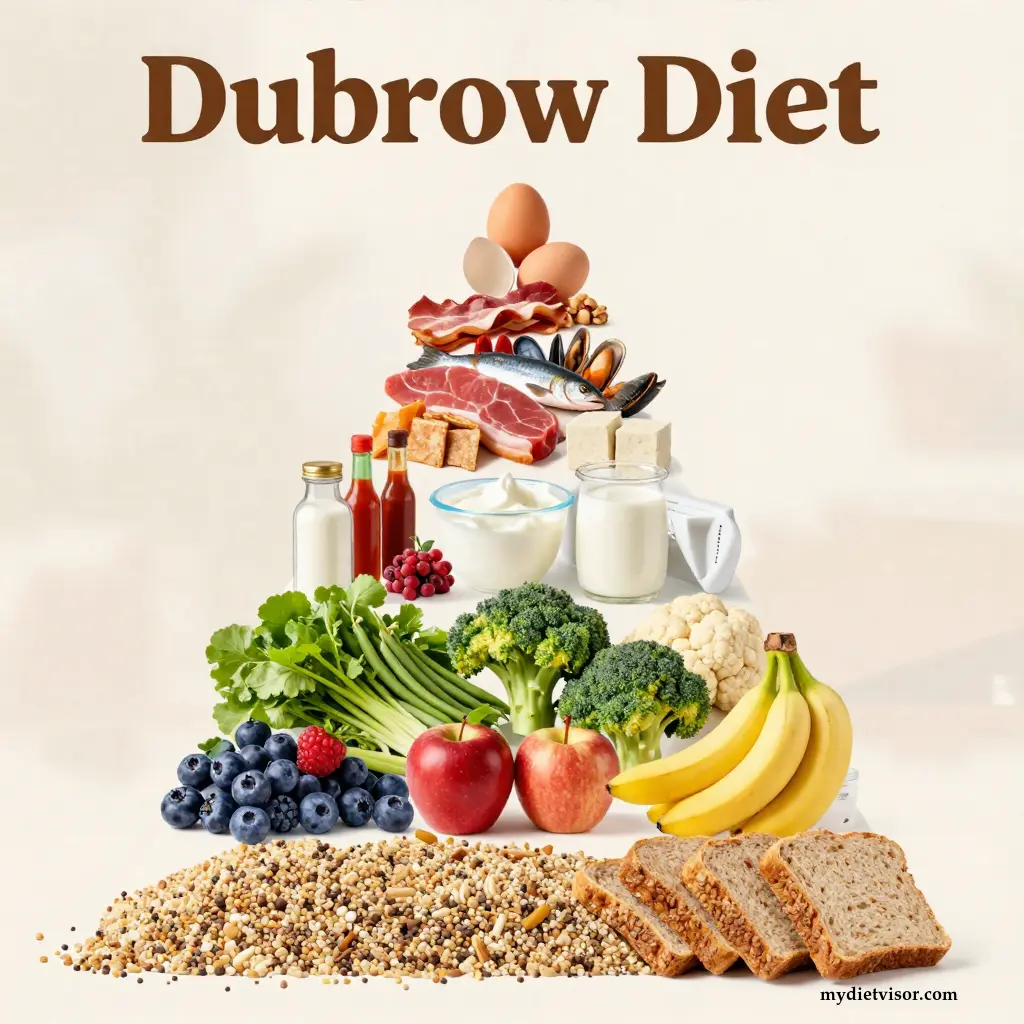
When diving into the specifics of the Dubrow Diet, one key aspect is understanding which food groups are emphasized. The diet encourages a variety of nutrient-dense foods that support overall health while aiding in weight loss goals. Below, we explore some of the recommended food categories:
Vegetables: Dr. Dubrow’s plan highly recommends incorporating plenty of vegetables into your meals. These include leafy greens like spinach and kale, which are low in calories but high in nutrients such as vitamins, minerals, and fiber. Other green vegetables, cruciferous vegetables like broccoli, cauliflower, and Brussels sprouts, along with colorful veggies like bell peppers, carrots, and tomatoes are also highly recommended.
Lean Proteins: Eating lean proteins is another cornerstone of the Dubrow Diet. Chicken breast, turkey, fish (especially fatty varieties such as salmon and mackerel), eggs, and tofu all make excellent choices. These foods not only help in muscle maintenance but also keep you feeling full longer due to their high protein content.
Healthy Fats: The diet promotes including healthy fats from sources like avocados, nuts, seeds, olive oil, and coconut oil. Unlike trans fats found in processed foods, these fats are beneficial for heart health, brain function, and they help reduce inflammation within the body.
Dr. Dubrow also recommends incorporating whole grains and legumes into your diet during your eating window. Whole grains such as quinoa, brown rice, oats, and barley provide sustained energy through their high fiber content. Legumes like lentils, chickpeas, black beans, and kidney beans are excellent sources of plant-based protein, vitamins, and minerals.
Dairy (if tolerated): Small amounts of dairy products can be included in the diet if they suit your dietary preferences or needs. Opt for low-fat milk, Greek yogurt, cottage cheese, or kefir to get a boost of calcium, probiotics, and proteins without excessive calories.
To maximize the benefits of these food groups while adhering to the Dubrow Diet’s intermittent fasting protocol, it’s crucial to plan meals ahead and ensure that you’re consuming a balanced mix of nutrients. By focusing on high-quality ingredients within your designated eating window, you can nourish your body effectively and support weight loss without feeling deprived.
Do you find yourself drawn more towards vegetables or lean proteins when considering meal planning for the Dubrow Diet?
Forbidden or Limited Foods in the Dubrow Diet
In the context of the Dubrow Diet, certain foods are forbidden or limited based on their potential impact on your weight loss goals and overall health. These restrictions are designed to keep you away from ingredients that might hinder fat burning processes or lead to unnecessary calorie intake.
Processed Foods: Among the strictest prohibitions in the Dubrow Diet is the avoidance of processed foods, such as white bread, sugary cereals, pastries, and other items high in refined sugars and unhealthy fats. Dr. Dubrow advises against these because they offer little nutritional value while contributing to rapid spikes in blood sugar levels and insulin resistance.
Sugary Drinks: Another significant no-go area for the diet is anything sweetened with added sugars, such as soda, sports drinks, energy beverages, and many fruit juices. These are discouraged due to their high caloric content and lack of essential nutrients. Water, herbal tea, coffee (without excessive cream or sugar), and unsweetened almond milk become preferred alternatives.
Fast Food: Fast food chains that serve burgers, fries, pizzas, and other highly processed items are also off-limits in the Dubrow Diet. These foods tend to be high in unhealthy fats, sodium, and trans fats, which can lead to weight gain and increase your risk of heart disease and diabetes.
The rationale behind these restrictions is straightforward: by minimizing or eliminating these types of food, you allow your body to focus on burning fat instead of processing the influx of empty calories. However, adhering strictly to such limitations requires careful meal planning and a strong commitment to healthier eating habits.
While the Dubrow Diet places significant emphasis on what not to eat, it’s worth noting that many people find this aspect challenging at first. Adjusting your palate from processed junk to whole foods can be tough but ultimately rewarding for both health and weight management goals.
Did you know that intermittent fasting diets like the Dubrow Diet were inspired by ancient practices where food scarcity naturally led to periods of prolonged fasting? This historical context offers a unique perspective on why such dietary patterns might resonate with modern wellness trends.
Nutritional Benefits and Drawbacks of the Dubrow Diet
When evaluating the Dubrow Diet, it’s crucial to weigh both its nutritional benefits and potential drawbacks. On one hand, the diet emphasizes high-quality foods that can lead to improved health outcomes and weight loss. On the other hand, restrictive elements might pose challenges for some individuals.
Nutritional Benefits
The Dubrow Diet offers several nutritional advantages by focusing on whole, unprocessed foods rich in essential nutrients. Eating plenty of vegetables, lean proteins, healthy fats, and whole grains provides your body with vital vitamins, minerals, and antioxidants necessary for optimal health.
Improved Metabolism: By incorporating intermittent fasting into the diet, you can help regulate your metabolism, potentially improving how your body processes food and burns fat. This metabolic boost can lead to better weight management over time.
Weight Loss: The combination of calorie restriction during fasting periods and nutrient-dense meals within your eating window can create a caloric deficit that supports effective weight loss without resorting to overly strict calorie counting.
Potential Drawbacks
While the Dubrow Diet encourages healthy food choices, it also imposes significant restrictions on certain foods and beverages. For some individuals, these limitations might be challenging to adhere to long-term due to their restrictive nature.
Calorie Restriction: The diet requires you to eat fewer calories than what your body typically needs, which can lead to fatigue or irritability if not managed properly. Over time, this could result in nutritional deficiencies if meal planning isn’t meticulous.
Difficult for Some Diets and Health Conditions: People with specific dietary requirements such as those following a vegan diet or individuals dealing with certain health conditions like diabetes might find it difficult to adapt the Dubrow Diet without medical supervision.
Comparative Analysis
To better understand how the Dubrow Diet compares, consider the following table:
| Feature | Dubrow Diet | Mediterranean Diet |
|---|---|---|
| Primary Focus | Intermittent Fasting & Nutrient-Dense Meals | Whole Foods & Healthy Cooking Methods |
| Calorie Counting | Minimal | Not Required |
| Meal Timing | 16:8 Fasting Window | No Specific Time Restrictions |
| Allowed Foods | Lean Proteins, Vegetables, Healthy Fats | Olive Oil, Fish, Nuts, Whole Grains |
While both diets promote healthy eating habits, the Dubrow Diet’s emphasis on intermittent fasting sets it apart and may suit individuals looking for a structured yet flexible approach to weight loss.
Are you considering trying the Dubrow Diet based on its nutritional benefits or are the potential drawbacks holding you back?
Sample Meal Plan on the Dubrow Diet
Planning your meals can seem daunting when you first start the Dubrow Diet, but it doesn’t have to be complicated. Here’s a sample day that illustrates how you might structure your eating window according to Dr. Terry J. Dubrow’s recommendations.
Breakfast (10 AM – 12 PM):
- Greek Yogurt with Berries and Nuts:
Start your eating period with a bowl of plain Greek yogurt topped with fresh berries like strawberries, blueberries, or raspberries, along with a handful of mixed nuts such as almonds and walnuts.
Lunch (12 PM – 3 PM):
- Grilled Chicken Salad:
Enjoy a large salad packed with leafy greens, cherry tomatoes, cucumbers, shredded carrots, sliced bell peppers, and grilled chicken breast. Drizzle olive oil and lemon juice for dressing, or opt for a vinaigrette.
Snack (3 PM – 5 PM):
- Avocado Toast:
A slice of whole-grain bread topped with mashed avocado and a sprinkle of sea salt can be both satisfying and nutritious. You could also add slices of smoked salmon if you’re looking to boost your protein intake.
Dinner (6 PM – 8 PM):
- Baked Salmon with Quinoa and Steamed Vegetables:
Bake some salmon seasoned with lemon juice, garlic, and herbs for a flavorful main course. Serve it alongside quinoa cooked in vegetable broth and steamed broccoli or green beans.
This sample meal plan showcases how the Dubrow Diet emphasizes nutrient-dense foods within your eating window while adhering to an intermittent fasting schedule. Each meal is designed to be filling yet health-conscious, incorporating lean proteins, healthy fats, whole grains, and plenty of vegetables.
By following this kind of structured approach, you can enjoy a variety of delicious, nourishing meals that align with the principles of the Dubrow Diet without feeling deprived or overly restricted.
How do these meal ideas resonate with your dietary preferences? Are there any specific ingredients or dishes you would like to incorporate into your daily eating window on the Dubrow Diet?
Alternative or Similar Diets to the Dubrow Diet
When considering the Dubrow Diet, it’s worth exploring other dietary plans that share similarities in their approach to health and wellness. These alternatives offer different structures while maintaining a focus on nutritious eating patterns.
The 5:2 Diet (Fast Track)
The 5:2 Diet, also known as Fast Track or the Eat-Stop-Eat method for some, is another form of intermittent fasting that complements the principles of the Dubrow Diet. In this plan, you eat normally for five days a week and restrict your calorie intake to 500–600 calories on two non-consecutive days. This diet allows flexibility in choosing foods but emphasizes reducing overall caloric consumption.
While the Dubrow Diet focuses more rigidly on daily intermittent fasting within an 8-hour eating window, the 5:2 Diet offers a broader timeframe for fasting that might appeal to those who find it challenging to maintain strict daily restrictions. Both diets aim to promote weight loss and metabolic health through reduced calorie intake and structured meal times.
Keto Diet
Another popular diet with similarities to the Dubrow Diet is the Keto Diet, which centers around drastically reducing carbohydrate consumption while increasing fat intake. The Keto Diet aims to induce a state of ketosis, where your body burns fats for energy instead of carbohydrates. This aligns with the Dubrow Diet’s emphasis on burning stored body fat during fasting periods.
| Feature | Dubrow Diet | Keto Diet |
|---|---|---|
| Primary Focus | Intermittent Fasting & Nutrient-Dense Meals | High-Fat, Low-Carb Diets |
| Calorie Counting | Minimal | Strict Caloric Limitations on Carbs |
| Meal Timing | 16:8 Fasting Window | No Specific Time Restrictions |
| Allowed Foods | Lean Proteins, Vegetables, Healthy Fats | Meat, Eggs, Cheese, Avocado |
Both diets encourage the consumption of whole foods and healthy fats. However, while the Dubrow Diet allows a broader range of food choices within an 8-hour window, the Keto Diet severely limits carbohydrate intake to less than 5% of total daily calories.
Mediterranean Diet
The Mediterranean Diet offers another approach that contrasts with but can complement principles found in the Dubrow Diet. This diet focuses on consuming a variety of healthy foods rich in fruits and vegetables, lean proteins like fish and poultry, whole grains, legumes, nuts, seeds, olive oil, and moderate wine consumption.
Unlike the Dubrow Diet’s strict fasting rules, the Mediterranean Diet does not have specific meal timing guidelines but rather emphasizes cooking methods and food quality. Both diets encourage eating a wide range of nutrient-dense foods but differ in their flexibility around meal times and portion control.
Paleo Diet
The Paleo Diet is another option that aligns with some aspects of the Dubrow Diet’s emphasis on whole, unprocessed foods. The Paleo Diet centers around consuming foods that were available to our Paleolithic ancestors before agriculture emerged, including lean meats, fish, fruits, vegetables, nuts, and seeds.
This diet excludes dairy products, grains, processed sugars, and legumes – foods often restricted or limited in the Dubrow Diet due to their potential impact on blood sugar levels and insulin resistance. Both diets share a focus on eliminating highly processed foods and promoting natural ingredients for better health outcomes.
Conclusion
Exploring these alternative diets can provide insight into various approaches that complement or contrast with the principles of the Dubrow Diet. Each diet offers unique benefits, restrictions, and philosophies regarding nutrition and weight loss, allowing individuals to find a plan that best suits their personal goals and lifestyles. Whether you prefer structured fasting windows like in the Dubrow Diet or broader dietary guidelines such as those found in the Mediterranean Diet, there is likely an option tailored to your specific needs.
Which of these diets do you think would be most compatible with your lifestyle and weight loss goals?
Can Intermittent Fasting Help with Weight Loss?
Intermittent fasting (IF) has gained significant traction in recent years as a popular method for achieving weight loss goals. This dietary approach involves cycling between periods of eating and fasting, which can vary widely depending on the specific type of IF being followed. One such method is the 16:8 plan, advocated by Dr. Terry J. Dubrow as part of his Dubrow Diet.
Intermittent Fasting Basics:
At its core, intermittent fasting works by altering when you eat rather than what you eat. By extending your fasting window and shortening your eating window, your body can transition from using glucose (sugar) for energy to burning stored fat during periods without food intake. This shift in metabolism is a key mechanism behind many of the benefits associated with IF.
Weight Loss Mechanisms:
The primary reason intermittent fasting aids weight loss is through calorie restriction. When you limit your eating period, you naturally consume fewer calories than you would if you ate throughout the day. Additionally, extended periods of fasting can activate hormones that promote fat burning and reduce insulin levels, which helps prevent fat storage.
Improved Insulin Sensitivity:
One significant advantage of intermittent fasting is its potential to enhance insulin sensitivity. When your body becomes more sensitive to insulin, it can regulate blood sugar levels better and use glucose for energy instead of storing it as fat. This improvement in metabolic function can contribute significantly to weight loss efforts over time.
Increased Growth Hormone Production:
Another benefit of IF is the boost it provides to human growth hormone (HGH) production. Higher HGH levels are linked to increased muscle mass, better bone density, and improved metabolism – all factors that support healthy weight management. During fasting periods, particularly longer ones like those in the 16-hour fasting window of the Dubrow Diet, your body naturally increases its release of HGH.
Reduced Inflammation:
Chronic inflammation is often associated with obesity and several chronic diseases. Intermittent fasting has been shown to reduce markers of inflammation, which can contribute positively to overall health and weight loss efforts. By minimizing inflammatory processes within the body, IF helps create an environment more conducive to fat burning and metabolic stability.
Cognitive Function Enhancement:
Beyond its physical benefits, intermittent fasting may also improve cognitive function by promoting neurogenesis (the birth of new neurons) in the brain. This can enhance mental clarity and focus, making it easier for individuals to stay motivated on their weight loss journey and adhere to dietary plans like the Dubrow Diet.
Practical Tips:
If you’re considering incorporating intermittent fasting into your routine as part of a diet like the Dubrow Diet, here are some practical tips:
- Start Slow: Begin with shorter fasting windows (e.g., 12 hours) before gradually increasing.
- Stay Hydrated: Drink plenty of water during fasting periods to stay hydrated and help manage hunger pangs.
- Plan Meals Carefully: Focus on nutrient-dense foods within your eating window to ensure you get all necessary nutrients without overeating.
Intermittent fasting can be a powerful tool for weight loss, offering multiple benefits that go beyond simple calorie reduction. However, it’s important to approach this method with the right mindset and proper planning to maximize its effectiveness while maintaining overall health and well-being.
A Final Word on the Dubrow Diet: Pros, Cons, and Considerations
In summary, the Dubrow Diet offers a unique approach to weight loss by integrating nutrient-dense foods with intermittent fasting principles. While it emphasizes the benefits of consuming high-quality ingredients and encourages metabolic health through fasting windows, potential drawbacks include the challenge of adherence to strict dietary restrictions and possible nutritional imbalances if not managed carefully. Whether the Dubrow Diet is worth trying depends on individual preferences and lifestyle compatibility. As with any dietary change, consulting a healthcare provider or dietitian can provide personalized guidance tailored to your specific needs and health conditions.
Frequently Asked Questions (FAQ)
What is interval eating in the context of the Dubrow Diet?
Interval eating in the Dubrow Diet refers to a structured approach to intermittent fasting (IF), where you eat within specific time windows each day while abstaining from food during the rest of the 24-hour period. This method aims to help reduce calorie intake and promote weight loss.
Does the Dubrow Diet allow cheat days?
Yes, the diet includes “cheat moments,” meals, or days as a way to provide flexibility and prevent feelings of deprivation that could lead to abandoning the plan entirely. However, it’s important to be mindful of these cheat times to ensure they don’t sabotage your overall goals.
How do I start the Dubrow Diet?
To begin the Dubrow Diet, you should familiarize yourself with the three phases outlined in the diet book and consult a healthcare provider if you have any health conditions or concerns. The first phase focuses on getting started, then moves into weight loss and maintenance stages.
Is the Dubrow Diet suitable for everyone?
The Dubrow Diet may not be appropriate for all individuals, especially those under 18 years old, pregnant women, people over 65, or anyone with a history of eating disorders. It’s important to consult your healthcare provider before starting this diet if you fall into any of these categories.
What are the potential long-term effects of following the Dubrow Diet?
While the short-term benefits of weight loss and improved dietary habits may be observed, the restrictive nature of the diet could lead to nutritional deficiencies and difficulties in maintaining healthy eating behaviors over time. This can result in a cycle of yo-yo dieting.
How does the Dubrow Diet differ from other popular diets like keto or paleo?
Unlike keto which focuses on high-fat intake and low carbohydrate consumption, or paleo which emphasizes consuming foods available during prehistoric times, the Dubrow Diet combines elements of intermittent fasting with a whole-foods approach that includes lean proteins and vegetables. It does not eliminate entire food groups but rather limits them.
Can I still eat out while following the Dubrow Diet?
While eating out can be challenging due to the restrictive nature of the diet, you can make choices by selecting lean protein options and avoiding high-calorie or processed foods. Planning ahead and choosing restaurants with healthier menu options may also help.
Does the Dubrow Diet include a variety of meal plans for different dietary needs such as vegetarianism?
The Dubrow Diet does offer various food recommendations that cater to vegetarian preferences, including tofu, tempeh, and legumes. However, it is not specifically designed for all types of dietary restrictions or lifestyle choices.
What are the key benefits mentioned in reviews about the Dubrow Diet?
Reviews often highlight the focus on whole foods, lean proteins, and vegetables, which can contribute to better health outcomes compared to highly processed diets. The interval eating approach may also be beneficial for weight management.
Are there any risks associated with intermittent fasting in general?
Intermittent fasting can pose risks such as disrupting sleep patterns, causing irritability, headaches, or more serious issues like nutrient deficiencies and hormonal imbalances if not managed properly. It’s important to listen to your body and adjust the diet as necessary.