Introduction: How Effective Is a High-Protein Diet for Weight Loss?

High-protein diet plans have become increasingly popular among individuals seeking effective strategies for weight loss. These diets typically recommend consuming 40% or more of daily calories from protein sources such as lean meats, fish, eggs, soy, and various plant-based proteins. Advocates argue that high-protein diets not only help in shedding extra pounds but also play a crucial role in maintaining muscle mass, which is essential for overall health and fitness.
One compelling aspect of high-protein diets is their ability to enhance feelings of fullness or satiety. This benefit stems from the body’s response to protein-rich foods, which triggers the production of anorexigenic hormones like glucagon-like peptide-1 (GLP-1) while simultaneously lowering levels of ghrelin, a hormone that stimulates hunger. Consequently, individuals on high-protein diets often report feeling fuller for longer periods and consuming fewer calories throughout the day.
Research studies support these claims. For instance, a study published in Ann Rheum Dis showed that participants following a high-protein diet experienced significant reductions in serum uric acid levels and reported fewer gout attacks over 16 weeks compared to those on standard protein diets. This outcome suggests that high-protein diets may offer additional health benefits beyond just weight loss, such as managing conditions like gout more effectively.
Moreover, the thermogenic effect of food (TEF) is notably higher for proteins than for carbohydrates and fats. This means that consuming protein-rich foods can increase your metabolic rate through the energy expended during digestion and absorption processes. As a result, high-protein diets contribute to increased overall calorie burn, making them particularly effective for weight management.
However, it’s important to consider both short-term benefits and long-term implications when contemplating a high-protein diet. While these diets show consistent positive results within the first year – such as sustained weight loss and enhanced muscle retention – they also come with potential risks that need careful consideration. For example, excessive intake of saturated fats commonly found in many protein-rich foods like red meat and full-fat dairy products has been linked to an increased risk of coronary artery disease according to guidelines from the American Heart Association.
In summary, high-protein diets present a promising approach for weight loss and muscle preservation in the short term. They promote enhanced satiety, reduced food intake, and higher metabolic rates through elevated thermogenesis. Nevertheless, it’s crucial to weigh these benefits against potential long-term health risks, especially concerning cardiovascular health and kidney function. Therefore, while high-protein diets can be effective for weight management, adopting a balanced approach that considers nutritional diversity and mitigates potential hazards is essential.
What Foods Should You Eat on a High-Protein Diet?
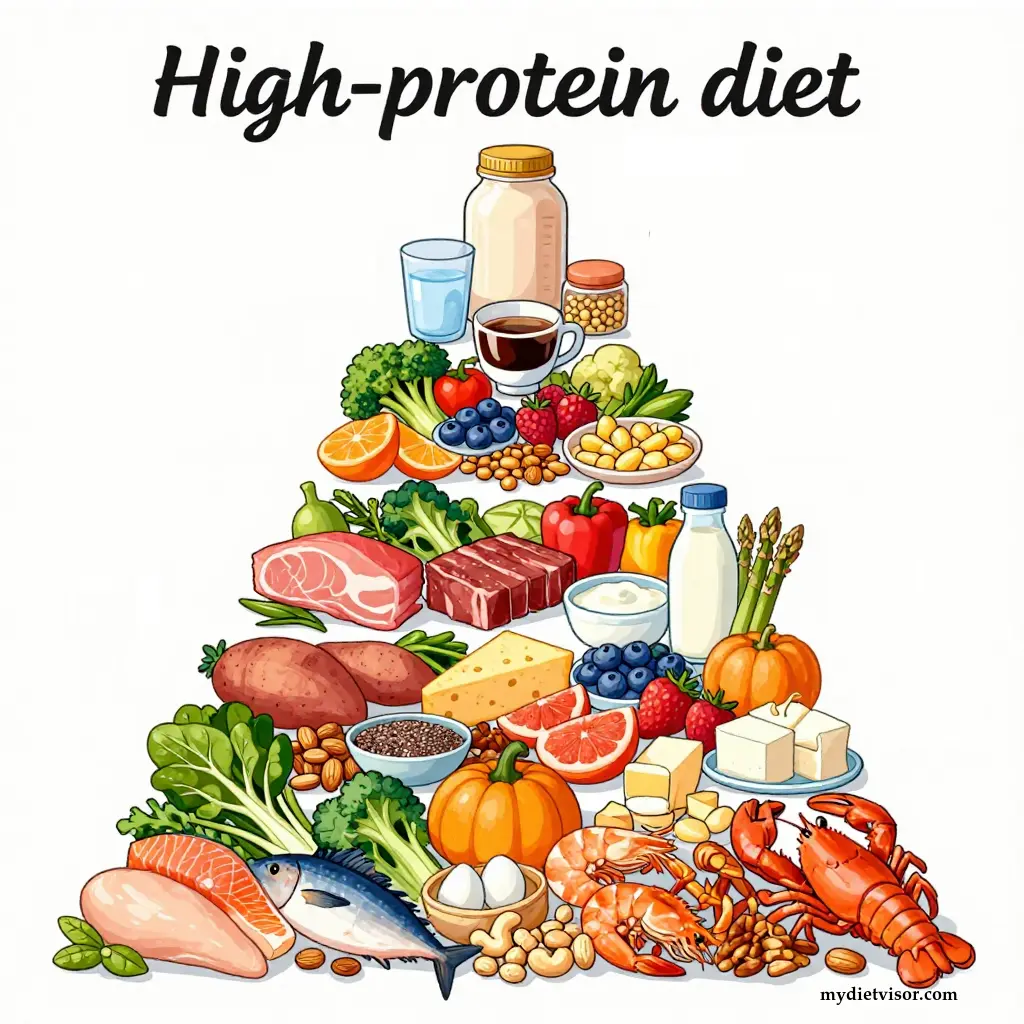
When embarking on a high-protein diet, it’s crucial to choose the right foods that provide ample protein while maintaining overall nutritional balance. Here are some key choices:
- Lean Meats: Opt for chicken breast, turkey, lean beef cuts like sirloin or tenderloin, and pork loin. These meats are low in fat and rich in essential amino acids.
- Fish and Seafood: Salmon, tuna, shrimp, and mackerel offer high-quality protein along with heart-healthy omega-3 fatty acids.
- Eggs: A versatile source of complete protein that can be cooked in various ways – boiled, scrambled, or as an omelet. Eggs also provide vitamins D and B12.
- Dairy Products: Greek yogurt, cottage cheese, and milk supply a generous amount of casein and whey proteins, both beneficial for muscle recovery and growth.
- Legumes and Soy-Based Foods: Incorporate lentils, chickpeas, black beans, tofu, and tempeh. These plant-based sources not only provide protein but also fiber and essential nutrients like iron and calcium.
- Nuts and Seeds: Almonds, chia seeds, flaxseeds, and pumpkin seeds are great for snacking or adding to meals for an extra protein boost.
Avoid overloading on processed meat products like hot dogs, sausages, and bacon. These items can be high in saturated fats and sodium, which may pose health risks such as coronary artery disease and cancer.
Did you know? Greek yogurt contains nearly twice the amount of protein compared to regular yogurt due to its straining process that removes most of the liquid whey.
By choosing a variety of these foods and maintaining balance, individuals can enjoy the benefits of high-protein diets while minimizing potential health risks associated with excessive saturated fat intake.
How Does a High-Protein Diet Impact Muscle Growth and Maintenance?
A high-protein diet can significantly impact muscle growth and maintenance, making it an attractive option for individuals looking to build lean muscle mass or retain muscle while losing weight. By consuming 40% or more of daily calories from protein-rich foods such as lean meats, fish, eggs, and soy products, the body receives ample amino acids essential for building and repairing muscle tissue.
One key benefit is that high-protein diets enhance the effects of resistance training by stimulating muscle protein synthesis (MPS). During weightlifting sessions, muscles undergo microscopic damage. This triggers a repair process where MPS increases to rebuild and strengthen the damaged tissues. Adequate protein intake supports this recovery phase, leading to greater muscle hypertrophy over time.
Moreover, high-protein diets help prevent muscle breakdown during periods of caloric restriction or when losing weight. When calorie intake is reduced, the body may start breaking down muscle tissue for energy if not provided with sufficient protein. This can lead to a loss of lean mass and decreased metabolic rate. However, by maintaining higher levels of dietary protein, individuals can preserve or even increase their muscle mass while shedding fat.
Additionally, high-protein diets boost satiety through hormonal mechanisms. Research shows that consuming more protein increases the production of anorexigenic hormones such as GLP-1 (glucagon-like peptide 1), which reduces appetite and food intake. Simultaneously, it lowers levels of orexigenic hormones like ghrelin, known for stimulating hunger. This hormonal balance helps in managing overall calorie intake more effectively.
Furthermore, protein has a higher thermogenic effect compared to carbohydrates or fats. The body expends more energy digesting proteins than other macronutrients, leading to an increase in metabolic rate. This means that consuming high-protein foods can contribute to burning extra calories throughout the day, aiding in weight loss efforts and maintaining muscle mass.
However, it is important to consider potential risks associated with long-term adherence to high-protein diets, such as increased saturated fat intake from animal-based protein sources, which may pose health concerns related to heart disease and cancer. The American Heart Association has issued warnings about these risks due to the higher consumption of unhealthy fats often found in red meat and full-fat dairy products.
In conclusion, while a high-protein diet offers substantial benefits for muscle growth and maintenance through enhanced MPS, reduced muscle breakdown during weight loss, increased satiety, and metabolic boosts, it is crucial to balance this approach with considerations regarding saturated fat intake and potential impacts on kidney health. Consulting healthcare professionals before making significant dietary changes can help ensure optimal outcomes while minimizing risks.
Did you know? Consuming a meal rich in protein can make you feel fuller for longer than a similar-calorie meal low in protein, thanks to the way proteins affect your body’s fullness signals.
Does a High-Protein Diet Help Control Blood Sugar Levels?
A high-protein diet, which typically includes 40% or more daily calories from protein sources like lean meats, fish, eggs, and soy products, may offer benefits for blood sugar control. This dietary approach can help maintain stable blood sugar levels by reducing spikes in glucose after meals due to the slower gastric emptying process. Protein consumption delays the release of sugars into the bloodstream, leading to more gradual increases in blood glucose levels rather than rapid spikes.
Research suggests that high-protein diets improve insulin sensitivity over time. Insulin is a hormone responsible for regulating blood sugar levels by facilitating the uptake of glucose from the bloodstream into cells. Higher protein intake can enhance how effectively your body uses insulin, thereby improving blood sugar regulation and reducing the risk of type 2 diabetes in individuals at risk.
Additionally, proteins increase levels of anorexigenic hormones like GLP-1 (glucagon-like peptide-1), which helps reduce appetite and food intake. This hormonal shift contributes to better control over meal portions, leading to more stable blood sugar levels throughout the day.
However, it is important to note that long-term effects and safety concerning high-protein diets need further investigation, particularly regarding potential risks related to heart health due to increased saturated fat consumption from protein sources like red meat. For individuals with specific medical conditions or concerns about kidney function, consulting a healthcare provider before significantly increasing protein intake is advisable.
Consuming a variety of protein sources not only aids in blood sugar control but also ensures that you receive a range of essential nutrients necessary for overall health and well-being.
Are There Potential Risks Associated with Long-Term High-Protein Diets?
A high-protein diet, which involves consuming 40% or more of daily calories from protein sources like lean meats, fish, eggs, and soy, offers numerous benefits such as muscle growth and weight loss. However, these diets also come with potential risks when followed over long periods.
Saturated Fat Intake
One major concern is the high intake of saturated fats often found in animal-based proteins. The American Heart Association has warned about the possible link between a diet rich in saturated fats from sources like red meat and full-fat dairy products and an increased risk of coronary artery disease, stroke, and certain types of cancer.
Kidney Health
Another potential risk lies in kidney health. Studies suggest that high protein intake could exacerbate existing renal issues or lead to long-term complications for individuals without prior kidney problems. Although more research is needed to confirm these findings, caution should be exercised when adopting a high-protein diet if you have any pre-existing kidney conditions.
Metabolic Health
Additionally, the impact of a high-protein diet on overall metabolic health remains uncertain due to its higher fat content. Diets that emphasize protein may lead to elevated cholesterol levels and other cardiovascular risks, particularly if they lack sufficient fiber and complex carbohydrates necessary for maintaining balanced blood sugar levels and overall heart health.
Long-Term Studies
While many short-term studies demonstrate the benefits of high-protein diets in weight loss and muscle gain, long-term clinical trials are still limited. Few studies extend beyond one year, leaving open questions about potential adverse effects over extended periods. This lack of extensive research highlights the need for further investigation to fully understand the long-term impacts on health.
Some experts recommend monitoring kidney function through regular blood tests when following a high-protein diet for an extended period to ensure early detection and management of any potential issues related to increased protein intake.
In summary, while high-protein diets can be effective in promoting weight loss and muscle growth over short durations, their long-term risks are still under scrutiny. Balancing these dietary benefits with the need to monitor saturated fat consumption and kidney health is crucial for sustainable and safe outcomes.
Which Popular Diets Are Based on High Protein Consumption?
Popular diets that emphasize high protein consumption include the keto diet, carnivore diet, and Atkins diet. These dietary approaches are favored for their ability to promote rapid weight loss and enhance muscle building.
- Keto Diet: This low-carb, high-fat diet restricts carbohydrate intake while significantly increasing protein and fat consumption. Its primary goal is to induce ketosis, a metabolic state where your body burns fat instead of carbohydrates.
- Carnivore Diet: A more extreme version than keto, this diet eliminates all plant-based foods and focuses solely on meat and animal products. It aims for maximum protein intake with no carbs at all, aiming to use dietary fats as the main energy source.
- Atkins Diet: Starting with a very low-carb phase, Atkins emphasizes eating proteins and fats while drastically reducing carbohydrate consumption. This diet is often used for fat loss but also focuses on maintaining muscle mass.
These diets share common benefits such as improved satiety due to higher protein intake and enhanced fullness signals, which help in managing food cravings and promoting weight loss. However, they may pose risks related to high saturated fat content and low carbohydrate levels, potentially affecting heart health and other bodily functions over the long term.
Did you know that while a high-protein diet can boost your metabolism by increasing thermogenesis (the process of calorie burning during digestion), it might not be suitable for everyone due to potential kidney strain?
What Evidence Supports the Benefits of High-Protein Diets for Weight Loss?
A high-protein diet, which involves consuming 40% or more of daily calories from protein-rich foods like lean meats, fish, eggs, and soy, has been shown to offer several benefits for weight loss. Research indicates that these diets can increase muscle mass while reducing fat accumulation, enhance the effectiveness of resistance training, and preserve muscle tissue during periods when calorie intake is reduced.
Studies have demonstrated that high-protein diets improve satiety by increasing levels of anorexigenic hormones (like GLP-1) which suppress appetite. At the same time, these diets lower the production of orexigenic hormones such as ghrelin, known to stimulate hunger. This hormonal balance helps reduce overall food intake without necessitating strict portion control or severe dietary restrictions.
Moreover, protein has a higher thermogenic effect compared to carbohydrates and fats, meaning that consuming protein requires more energy for digestion and absorption. This metabolic boost can enhance resting energy expenditure (REE), contributing to an increased burn of calories even at rest.
Research also highlights the effectiveness of high-protein diets in preventing muscle loss during weight loss periods, which is crucial for maintaining lean body mass. Losing muscle tissue reduces basal metabolic rate, making it harder to lose fat and maintain weight loss over time. By preserving muscle through adequate protein intake, individuals can sustain their efforts towards a healthier body composition.
A significant benefit of high-protein diets is their ability to manage body weight effectively by promoting stable blood sugar levels and reducing spikes in glucose after meals. This happens because proteins slow down gastric emptying, allowing for a gradual release of sugars into the bloodstream rather than rapid increases that can trigger cravings or overeating.
However, it’s important to note that while these diets show promising short-term results, long-term effects need more investigation. The potential risks associated with high saturated fat intake and its impact on heart health remain concerns as highlighted by organizations like the American Heart Association.
In conclusion, evidence supports the benefits of high-protein diets for weight loss through enhanced satiety, preserved muscle mass, and increased metabolic rate. Nonetheless, these dietary approaches should be balanced carefully to avoid potential risks such as coronary artery disease or cancer linked to excessive saturated fat consumption.
Some research suggests that a meal rich in protein can lead to significantly higher levels of fullness compared to meals with less protein but similar calorie content, thanks to the unique way proteins interact with your body’s hunger signals.
How Does Increasing Protein Intake Affect Hunger and Satiety Hormones?
Increasing protein intake can significantly affect hunger and satiety hormones, playing a crucial role in managing appetite and supporting weight loss efforts. When you consume more protein, your body responds by altering the levels of various hormones that regulate feelings of fullness and hunger.
Protein-rich foods trigger an increase in gut peptides such as GLP-1 (glucagon-like peptide-1) and PYY (peptide YY), which are known for their satiating effects. These hormones send signals to your brain indicating that you are full, thus reducing the urge to eat more. Conversely, protein intake leads to a decrease in ghrelin levels, often referred to as the “hunger hormone.” Ghrelin is responsible for stimulating appetite and promoting fat storage, so lowering its levels can help control food cravings.
Moreover, consuming high-protein meals increases thermogenesis, which is the process of producing heat within your body. This means that protein not only helps you feel full but also slightly boosts your metabolism as your body expends more energy to digest and metabolize it compared to carbohydrates or fats. The result is an enhanced feeling of satiety along with a modest increase in overall calorie burn.
These hormonal adjustments play a critical role in weight management by helping people eat less without feeling deprived, which can be particularly beneficial for those trying to lose fat while maintaining muscle mass. However, it’s important to balance protein intake carefully to avoid potential risks associated with high saturated fat consumption and ensure kidney health is not compromised over the long term.
Did you know that consuming a meal rich in protein can suppress hunger signals more effectively than a similar-calorie meal low in protein? This is because of how protein affects your body’s hunger hormones, making it easier to stick to a calorie-controlled diet.
Can a High-Protein Diet Improve Resting Energy Expenditure?
A high-protein diet can potentially improve resting energy expenditure (REE), which is the number of calories your body burns while at rest. This boost in metabolic rate can play a significant role in weight loss and maintenance. By consuming around 40% or more of daily calorie intake from protein sources like lean meats, fish, eggs, and soy, individuals may enhance muscle mass and preserve it during periods when the body is using stored energy. Muscle tissue is metabolically active, meaning it continues to burn calories even when you’re not exercising.
Moreover, a high-protein diet can influence your body’s satiety signals, making you feel fuller for longer periods. Research shows that protein increases levels of hormones like GLP-1, which suppress appetite, while reducing the levels of ghrelin, a hormone known to stimulate hunger. This hormonal balance helps in controlling food intake and maintaining weight loss over time.
Another interesting aspect is how protein impacts resting energy expenditure through diet-induced thermogenesis (DIT). The process your body uses to digest proteins requires more energy compared to carbohydrates and fats. As you consume more protein, your metabolism speeds up, burning additional calories just by breaking down the food you eat. This metabolic boost can contribute significantly to overall calorie burn, aiding in weight loss and maintenance.
However, it’s important to note that while a high-protein diet offers these benefits, it also comes with potential risks if not managed carefully. For example, diets rich in saturated fats, which might accompany higher protein intakes from certain sources like red meat, could pose health concerns such as heart disease and cancer according to the American Heart Association.
In essence, incorporating more protein into your diet can be a beneficial strategy for those looking to lose weight or maintain muscle mass. But it’s crucial to balance this approach with considerations of overall dietary quality and potential risks, ensuring that you’re not compromising long-term health in pursuit of short-term benefits.
Consuming a high-protein meal can boost your metabolism by up to 30% compared to meals rich in carbohydrates or fats. This means eating protein can naturally help burn more calories throughout the day!
Are There Any Long-Term Studies on the Effects of High-Protein Diets?
Long-term studies examining the effects of high-protein diets are still limited, making it difficult to provide a comprehensive analysis of their safety and efficacy over extended periods. Most existing research focuses on short-term outcomes spanning up to one year, highlighting benefits such as weight loss and muscle preservation. However, these studies do not fully address potential long-term health implications.
Several clinical trials indicate that high-protein diets (HPDs) can effectively reduce body weight and enhance satiety by increasing levels of hormones like GLP-1 while decreasing ghrelin, a hormone that stimulates appetite. Additionally, HPDs have been shown to preserve muscle mass during caloric deficits, which is beneficial for overall health. However, the long-term safety concerning kidney function remains uncertain due to insufficient research beyond 12 months.
Potential risks associated with high-protein diets include an increased likelihood of coronary artery disease and cancer if the protein intake comes primarily from sources high in saturated fats, such as red meat. The American Heart Association has issued warnings regarding these potential health hazards but acknowledges that more long-term studies are needed to confirm or refute these concerns.
Despite the benefits observed over short periods, it is crucial to approach HPDs with caution and balance them carefully to avoid excessive intake of unhealthy fats and ensure nutritional diversity. Further research focusing on longer durations would provide clearer guidance for safely integrating high-protein diets into daily routines.
Long-term studies are essential in determining whether the benefits of a high-protein diet outweigh potential risks such as kidney damage or cardiovascular issues, but these investigations take time and resources to complete, leading to gaps in our current understanding.
What Are the Key Takeaways for Implementing a High-Protein Diet Safely and Effectively?
Implementing a high-protein diet safely and effectively requires careful planning and consideration. Here are some key takeaways:
- Balance Your Macros: Aim for 40% or more of your daily calories from protein sources, such as lean meats, fish, eggs, and legumes. Ensure the rest of your calorie intake is well-balanced with healthy fats and moderate carbohydrates.
- Monitor Saturated Fat Intake: High-protein diets can sometimes be high in saturated fats due to foods like red meat. Opt for lower-fat protein sources like poultry, fish, or plant-based proteins to minimize health risks associated with coronary artery disease and cancer.
- Maintain Kidney Health: Long-term studies are needed to fully understand the effects of a high-protein diet on kidney health. If you have existing kidney issues, consult your healthcare provider before increasing your protein intake.
- Focus on Short-Term Goals: Many studies show that high-protein diets can be effective for short-term weight loss and muscle gain. However, long-term benefits are still under investigation.
- Increase Satiety and Energy Expenditure: High-protein foods can increase levels of hormones like GLP-1, which make you feel full, while decreasing hunger hormones like ghrelin. Protein also has a higher diet-induced thermogenesis than carbs or fats, which helps boost your metabolism.
Eating enough protein can help preserve muscle mass even when you’re trying to lose weight, making it easier to stay lean and fit in the long run.
By keeping these points in mind, individuals can better navigate the benefits of a high-protein diet while minimizing potential risks. Balancing dietary choices with regular health checks ensures that the nutritional approach supports overall well-being rather than compromising it over time.
Summary: The Benefits and Considerations of Incorporating More Protein into Your Diet
A high-protein diet typically involves consuming 40% or more of your daily calories from protein sources such as lean meats, fish, eggs, and soy products. This dietary approach is widely recognized for its benefits in muscle building and fat loss. However, it also comes with certain criticisms due to potential health risks associated with excessive saturated fat intake and low carbohydrate consumption.
Health Effects
Efficiency:
Studies consistently show that a high-protein diet can effectively increase muscle mass, enhance the outcomes of resistance training, reduce muscle breakdown during periods when your body is in an energy deficit (such as during weight loss), and aid in managing overall body weight. These benefits stem from several physiological mechanisms.
Safety Concerns
Potential Risks:
The American Heart Association has raised concerns about potential health risks linked to high saturated fat intake, which can lead to coronary artery disease and certain types of cancer. Long-term effects on kidney health are still not well understood, necessitating cautious implementation of such diets.
Clinical Evidence
Short-Term Benefits:
Clinical trials have demonstrated that a high-protein diet (HPD) leads to significant reductions in body weight, increased feelings of fullness (satiety), and the preservation of muscle mass over short-term periods. These benefits are attributed to enhanced hormonal regulation and metabolic rate.
Mechanisms
Satiety:
High-protein diets work by increasing levels of anorexigenic hormones like GLP-1 (which reduce hunger) while decreasing levels of orexigenic hormones such as ghrelin (which stimulate appetite). This hormonal balance helps in reducing overall food intake and supporting weight management.
Energy Expenditure:
Protein has a higher thermogenic effect compared to carbohydrates or fats, meaning your body burns more calories processing proteins. This metabolic boost can contribute to increased energy expenditure and further support weight loss efforts.
Conclusion
High-protein diets offer promising benefits for short-term weight loss and muscle maintenance but require more research on long-term safety and efficacy. It is crucial to balance the protein intake carefully with considerations of saturated fat levels and potential risks to kidney health. By doing so, individuals can enjoy the benefits while minimizing potential health risks.
In summary, a high-protein diet can be an effective strategy for achieving weight loss goals and maintaining muscle mass when implemented thoughtfully and balanced.
Frequently Asked Questions (FAQ)
How much protein should I consume if I am not very active?
It’s recommended to aim for at least 0.8 grams of protein per kilogram of body weight daily, but more may be beneficial depending on your goals and activity level.
Is a high-protein diet suitable for vegetarians or vegans too?
Yes, it is possible with careful planning by incorporating plant-based sources like beans, lentils, tofu, nuts, seeds, and nutritional yeast to ensure adequate protein intake.
Can eating too much protein harm my kidneys if I have no pre-existing conditions?
For healthy individuals without kidney disease, a high-protein diet does not appear to cause significant harm. However, it’s important to consult with a healthcare provider if you have any concerns or existing health issues.
How do I calculate my daily protein needs accurately?
Your protein needs can be calculated using the formula: Body weight in kg x 1.6-2.4 g/kg/day for most adults aiming at muscle gain or maintenance, adjusted based on activity levels and personal goals.
Are there any specific times during the day when I should eat more protein?
Eating protein throughout the day can help maintain steady blood sugar levels and support muscle growth; it’s beneficial to include a quality source of protein in each meal.
What are some easy high-protein snacks for when I’m on-the-go?
Try hard-boiled eggs, Greek yogurt, cottage cheese, nuts, seeds, or protein bars. These options provide quick energy with sustained satiety.
Is it true that protein powders are necessary to follow a high-protein diet effectively?
While convenient, protein supplements aren’t essential if you regularly consume sufficient amounts of whole foods rich in protein.
How can I ensure my body gets enough variety when focusing on protein intake?
Incorporate different types of proteins such as whey, casein, soy, and pea to benefit from a range of amino acids and nutrients each food provides.
Can high-protein diets help with weight management for individuals looking to lose fat while retaining muscle mass?
Yes, high-protein diets can aid in maintaining lean body mass during caloric deficit while promoting satiety and potentially reducing overall calorie intake.
What are some tips for preparing high-protein meals that are also enjoyable and easy to make?
Focus on simple recipes like grilled chicken salads, stir-fries with tofu or tempeh, smoothies with protein powder, or overnight oats mixed with nuts and seeds.