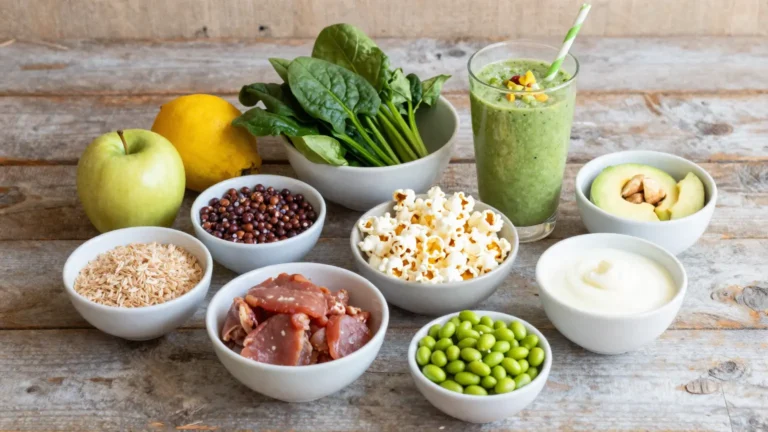
What is the Food Combining Diet?
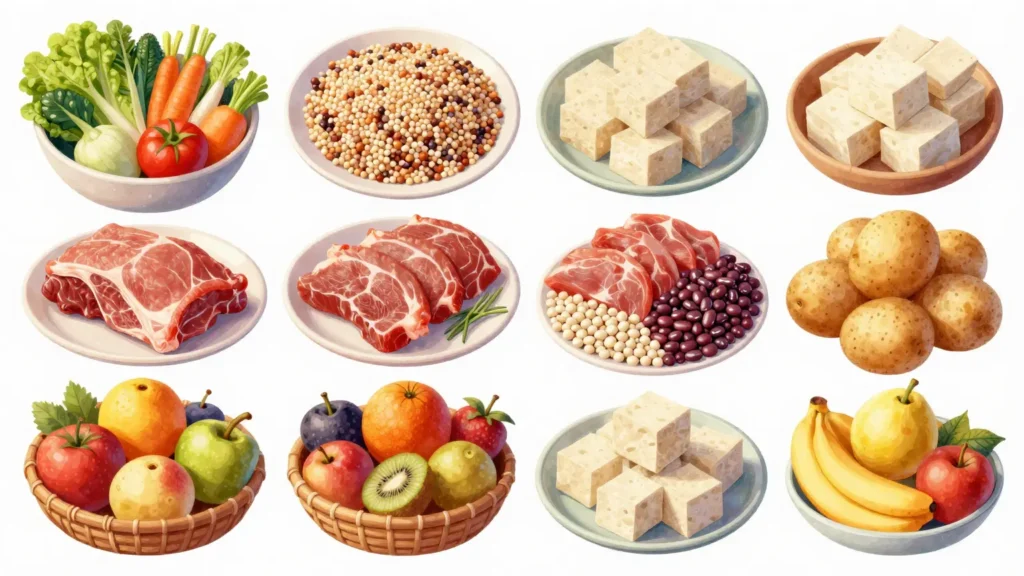
Food combining diet has become increasingly popular among those seeking alternative approaches to weight loss and digestive health. This dietary method suggests specific ways to pair or avoid certain food combinations, claiming that it enhances digestion and promotes wellness. However, before jumping on the bandwagon, it’s essential to understand what this diet entails and whether its benefits are more than just a trendy fad.
At its core, the food combining diet is based on the idea that certain foods should be eaten separately or in specific sequences to optimize digestive processes. The theory behind it posits that different types of foods require unique conditions for digestion – some need acidic environments while others thrive in alkaline settings. By adhering strictly to these guidelines, proponents believe one can achieve better nutrient absorption and avoid common digestive issues such as bloating and gas.
Imagine a scenario where you’re enjoying your favorite sandwich but suddenly feel guilty about combining bread (a carbohydrate) with meat (a protein). This guilt stems from the food combining diet’s strict rules that advise against mixing these two macronutrients. But does separating them really make a significant difference in how your body processes and digests the meal?
A Brief History of Food Combining
The concept of food combining has roots that stretch back several decades, if not centuries, making it more than just a recent trend. The origins of this diet can be traced to the work of early 20th-century natural hygiene advocate Herbert M. Shelton, who wrote extensively about the subject in his influential book “Food Combining Made Easy” published in 1951. Shelton’s ideas were part of a broader movement towards holistic health and dietary reform that sought to improve digestive wellness by adhering strictly to food combination rules.
Before Shelton, Edgar Cayce, an American clairvoyant who lived from 1877 to 1945, recommended similar principles in his readings. He advised against mixing certain foods based on their digestion times and the body’s ability to process them efficiently. These early proponents believed that improper food combining could lead to a range of health issues including digestive discomfort and weight gain.
In more recent years, the diet has gained new traction through social media platforms where Kenzie Burke popularized her “21-Day Reset” program based on these principles. This resurgence in interest brings back discussions about food combinations that were once considered outdated or too restrictive for many people to follow consistently. However, it’s important to note that while this diet has been gaining traction again, its scientific validation remains questionable.
Interestingly, the practice of separating certain foods dates even further back, with roots in ancient Indian Ayurvedic practices. In Ayurveda, food combinations are thought to influence not only digestion but also the balance within an individual’s body and mind. The medical doctor William Howard Hay later adapted these ideas into a more structured diet plan emphasizing separate meals for proteins and carbohydrates during his practice in the early 20th century.
As you delve deeper into this history, it becomes clear that while food combining has evolved over time, its core principles remain largely unchanged: avoiding certain combinations like starches with proteins, not eating fruits after meals, and waiting several hours between consuming different types of foods. These guidelines aim to simplify digestion by adhering to a strict regimen that some find challenging but others claim offers significant health benefits.
Considering this historical context, it’s crucial for anyone interested in trying the food combining diet to weigh its potential benefits against the practical challenges and lack of robust scientific support. Are these old ideas still relevant in today’s dietary landscape? Or are they just another fad promising quick fixes without solid evidence?
Edgar Cayce recommended over 14,000 private readings during his lifetime, with food combining being one of several topics he addressed repeatedly due to its perceived importance for health and wellness.
Recommended Food Groups for Optimal Digestion
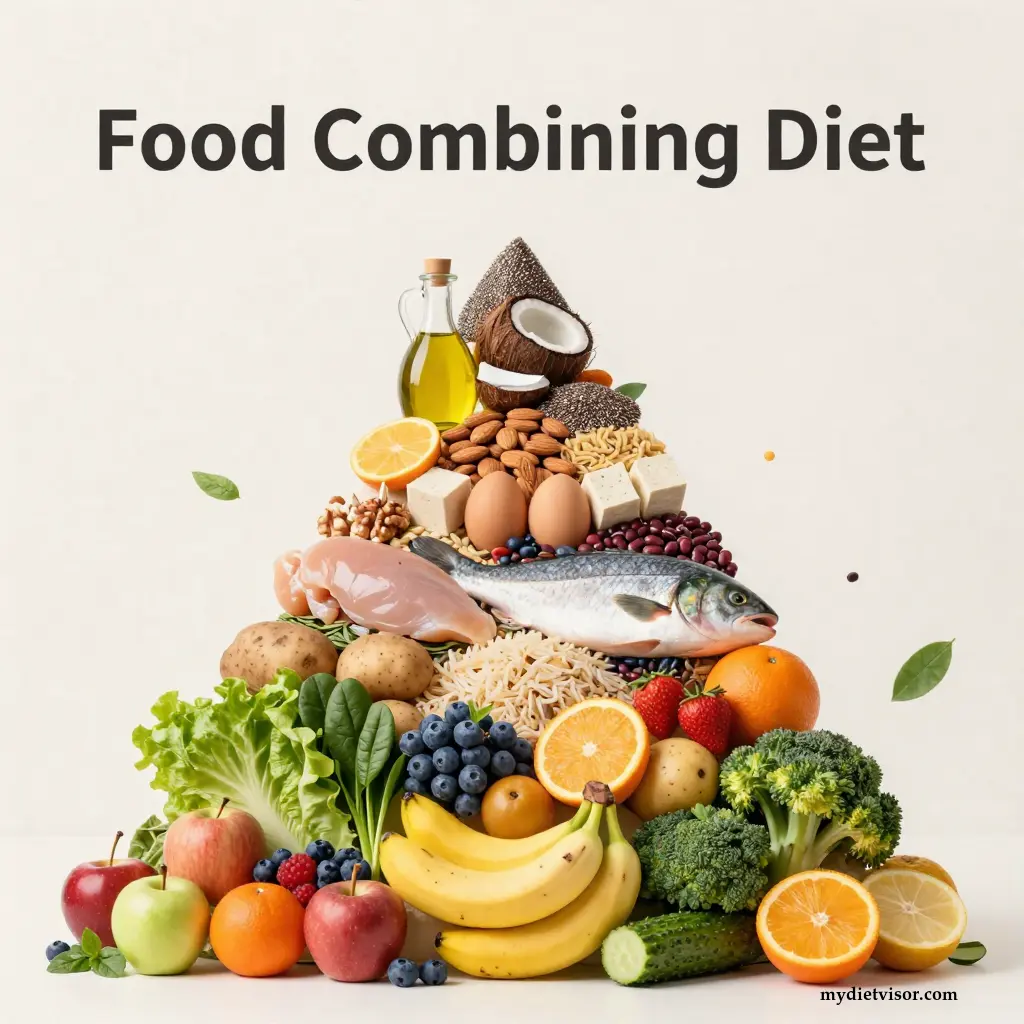
When considering optimal digestion, it’s crucial to focus on food groups that naturally complement each other without causing digestive strain. These combinations are based more on practicality and traditional culinary practices rather than the strict rules of the food combining diet.
Proteins: Proteins such as lean meats, fish, eggs, legumes, and tofu can be combined with non-starchy vegetables like spinach, broccoli, or bell peppers to provide a balanced meal that is easier for your stomach to handle. > Did you know that incorporating leafy greens rich in vitamin C alongside iron-rich foods enhances the absorption of iron? This simple pairing not only tastes great but also boosts nutritional benefits.
Carbohydrates: Whole grains such as brown rice, quinoa, and whole wheat bread can be paired with vegetables like carrots, cucumbers, or tomatoes. These combinations provide sustained energy without overwhelming your digestive system. For instance, a side of mixed greens salad with grilled chicken and sweet potatoes offers a well-rounded meal that is gentle on the stomach.
Fruits: Fruits should ideally be consumed alone or as part of breakfast to maximize their natural enzymes and minimize digestive conflicts. Eating fruits like bananas, apples, or berries by themselves ensures they pass through your system more quickly and efficiently. This timing helps prevent fermentation in the gut, which can lead to bloating and gas.
Dairy: Dairy products such as yogurt, milk, and cheese should be paired with non-acidic foods to avoid triggering acid reflux or indigestion. For example, a bowl of oatmeal topped with sliced bananas and a dollop of Greek yogurt provides a nutritious breakfast without causing discomfort.
While the food combining diet suggests strict separation of different macronutrients, these natural pairings offer a more flexible approach that still promotes digestive health. The key is to listen to your body and observe which combinations work best for you.
By focusing on whole foods and mindful eating habits rather than rigid rules, you can achieve better digestion and overall wellness. What are some of your favorite food combinations? Do they align with traditional dietary wisdom or do you find yourself breaking the “rules” without experiencing negative effects?
Forbidden or Limited Foods in Food Combining
In the context of the food combining diet, certain foods are strictly off-limits or heavily restricted based on their digestive properties. Proteins and starches top this list as they require different enzymes for digestion and should never be consumed together, according to strict adherents of this diet. For instance, eating a sandwich with meat (protein) and bread (starch) is frowned upon because it supposedly slows down the digestive process and can lead to fermentation in the stomach.
Similarly, fruits are often limited or forbidden from being eaten alongside other meals. They should ideally be consumed alone on an empty stomach early in the day to ensure rapid digestion without interference from slower digesting foods like meats or grains. This means no fruit salad with dessert after a heavy meal, as it could cause digestive distress and undermine any potential benefits of the diet.
Dairy products also face restrictions within this framework due to their unique composition and impact on stomach acid levels. For example, consuming milk with meals high in starches can increase the risk of indigestion and discomfort. Advocates suggest waiting a few hours before pairing dairy items like yogurt or cheese with other foods, allowing each meal’s components to digest more efficiently.
Vegetables offer some flexibility but also come with their own set of guidelines. While most vegetables are considered safe when eaten alone or in combination with proteins, starchy root vegetables like potatoes should be avoided alongside protein sources as they can hinder digestion and cause bloating. Pairing leafy greens with lean meats is generally encouraged to create a balanced meal that supports digestive harmony.
These limitations and prohibitions add complexity to daily eating habits but are believed by some followers to improve overall health and wellness. However, critics argue these rules are overly restrictive and may lead to nutritional imbalances if not carefully managed. For instance, avoiding fruits after meals might seem counterintuitive given the numerous health benefits of a fruit-rich diet.
Ultimately, whether or not these restrictions have merit remains a topic of debate among nutritionists and dietary experts. While some individuals report feeling better by adhering closely to food combining principles, others find the rules too difficult to follow consistently. Are you someone who sticks to strict guidelines for meal planning, or do you prefer flexibility in your diet?
Nutritional Benefits and Drawbacks of the Food Combining Diet
One key argument in favor of the food combining diet is that it can lead to improved digestion, which proponents claim enhances overall wellness by preventing common digestive issues like bloating, gas, and indigestion. When you adhere strictly to food pairing guidelines, your body may be better equipped to break down nutrients efficiently without overwhelming your digestive system with conflicting enzymes.
However, the potential benefits of this diet are often overshadowed by significant nutritional drawbacks. One major concern is nutrient deficiency, as strict separation can lead to missing out on essential vitamins and minerals that naturally occur in food combinations. For example, eating vegetables rich in vitamin C alongside iron-rich foods enhances iron absorption. This kind of nutrient synergy is compromised when foods are strictly separated.
Moreover, the diet’s restrictions can also make it challenging to maintain a balanced intake of macronutrients and micronutrients over time. Protein sources such as legumes and beans often pair well with vegetables like tomatoes or bell peppers in traditional cuisines for their complementary amino acids, but according to food combining rules, they should be separated. This separation might not only affect protein quality but also limit the diversity of nutrients consumed.
Another drawback is the diet’s impracticality in everyday life. Social eating becomes particularly challenging as adhering to strict meal timing and pairing guidelines can disrupt typical social dining scenarios, potentially leading to feelings of isolation or dietary fatigue over time. Imagine attending a dinner party where you have to eat alone because the meals served do not align with food combining rules.
Furthermore, the diet’s restrictive nature may also lead to psychological impacts such as constant preoccupation with meal planning and anxiety about breaking the rules. This mental stress can undermine any potential physical benefits of improved digestion or weight loss, highlighting the need for more balanced dietary approaches that consider both physiological and psychological well-being.
In contrast, a diet rich in whole foods offers flexibility while still promoting digestive health through natural food combinations. For example, incorporating leafy greens with legumes not only enhances nutrient absorption but also ensures you receive a wide range of vitamins and minerals necessary for optimal health. This approach aligns more closely with current nutritional guidelines that emphasize diversity rather than strict separation.
Considering these points, it’s clear that while the food combining diet aims to improve digestive function and overall health, its restrictive nature often leads to significant drawbacks in terms of nutrient intake and practicality. So, is this diet just another fad offering short-term benefits at the expense of long-term nutritional balance?
How Does Our Gut Actually Work with Different Food Combinations?
Understanding how our digestive system works with different food combinations can shed light on whether the strict guidelines proposed by the food combining diet are necessary or just another dietary fad. Our stomach and intestines work together through a complex series of chemical reactions to break down and absorb nutrients from the foods we eat. When we consume meals, the stomach releases hydrochloric acid and enzymes that start breaking down proteins, while carbohydrates and fats have their own specific digestive processes.
The body’s natural digestive mechanisms are designed to handle a variety of food combinations effectively. For example, enzymes produced in our saliva begin the process of carbohydrate digestion, which continues in the small intestine where bile acids from the liver aid in fat digestion. Simultaneously, gastric juices start breaking down proteins before they move into the intestines for further processing.
Despite this complex and efficient system, the food combining diet insists on separating foods based on their digestive properties. According to these principles, eating protein-rich foods like chicken with starchy vegetables such as potatoes is discouraged because it supposedly slows down digestion and causes fermentation in the stomach. However, scientific evidence suggests that our body’s digestive capabilities are more robust than this theory implies.
Research indicates that most meals we consume naturally contain a mix of macronutrients, making strict separation impractical and potentially limiting for nutrient intake. For instance, a sandwich with whole-grain bread (carbohydrate) and turkey breast (protein) provides essential nutrients but is typically seen as problematic under the food combining diet’s rules.
Moreover, modern digestive research shows that our stomach pH levels adjust naturally depending on what we eat, allowing different types of enzymes to work efficiently regardless of whether foods are combined or separated. This adaptive capability allows for a wide range of dietary combinations without significant digestive issues for most people.
It’s also important to consider individual differences in digestion and tolerance. Some individuals might indeed find that separating certain food groups helps alleviate symptoms such as bloating, gas, or indigestion. However, these benefits are more likely due to the emphasis on whole foods rather than strict separation rules.
The human stomach produces enough acid daily to dissolve a razor blade over time, demonstrating its remarkable ability to break down tough proteins and other complex food components efficiently.
In conclusion, while the food combining diet aims to optimize digestion through specific meal combinations, it overlooks our body’s inherent digestive capabilities. Instead of rigid rules, focusing on balanced meals that include a variety of whole foods may offer better long-term health benefits without the restrictive nature often associated with fad diets.
Sample Meal Plan Following the Food Combining Principles
When adhering closely to the food combining principles, meal planning can become quite meticulous. Each day requires careful thought about which foods go together or need to be spaced out by several hours. A typical day following these guidelines might look like this:
Breakfast:
- Fresh fruits (such as a bowl of berries) eaten alone on an empty stomach.
Mid-Morning Snack:
- A handful of nuts and seeds, providing healthy fats and proteins without conflicting with other meals.
Lunch:
- Steamed vegetables such as broccoli or cauliflower paired with lean protein like grilled chicken breast. Eating these together is generally allowed because they both break down fairly quickly in the stomach.
Afternoon Snack:
- A piece of fruit, eaten alone to maximize its digestive efficiency and nutritional benefits.
Dinner:
- Non-starchy vegetables like spinach or bell peppers served with a portion of legumes such as lentils. The combination aims for quick digestion and balanced nutrient intake without causing strain on the digestive system.
These meal plans can seem restrictive and challenging, especially if you’re used to enjoying a variety of combinations in your meals. For example, enjoying pasta with tomato sauce and meat might be off-limits according to strict food combining rules due to the mix of starches, proteins, and acidic ingredients.
Despite these limitations, some individuals report feeling lighter and more energetic when following these guidelines closely. However, the diet’s practicality is questionable for those who enjoy spontaneous eating or social dining scenarios where adhering strictly to meal timings might be challenging.
As you explore whether food combining suits your lifestyle, consider how it impacts both your digestion and overall satisfaction with meals. Are you someone who can stick to strict meal planning, or do you prefer a more flexible approach that still prioritizes whole foods and mindful eating?
Alternative Diets to Food Combining: What Are Your Options?
If the strict guidelines of the food combining diet feel too restrictive or unappealing, there are several alternative diets that offer a more flexible yet still nutritious approach. These options often prioritize whole foods, balanced meals, and overall well-being without adhering to rigid rules about meal combinations.
Keto Diet: The ketogenic diet focuses on drastically reducing carbohydrate intake while increasing the consumption of fats and proteins. This dietary plan forces your body into a metabolic state called ketosis, where it starts burning fat instead of carbohydrates for energy. Proponents claim that this approach aids in weight loss, enhances mental clarity, and improves certain health markers like blood sugar levels.
Paleo Diet: Inspired by hunter-gatherer lifestyles, the Paleo diet emphasizes eating foods presumed to have been available to Paleolithic humans. This includes a wide range of fruits, vegetables, lean meats, fish, eggs, nuts, seeds, and oils. The diet excludes grains, dairy products, processed foods, and sugars. Advocates believe that following this dietary pattern can help prevent modern diseases such as obesity, diabetes, and heart disease.
Mediterranean Diet: Rooted in the traditional eating habits of countries bordering the Mediterranean Sea, this diet is rich in vegetables, fruits, whole grains, beans, nuts, seeds, olive oil, and fish. Red meat is limited to just a few servings per month while red wine can be consumed moderately with meals. Research supports its role in reducing heart disease risk factors, promoting longevity, and improving overall health.
Plant-Based Diet: Emphasizing the consumption of plant-based foods such as fruits, vegetables, grains, nuts, seeds, legumes, and soy products while minimizing or eliminating animal-derived foods like meat, dairy, eggs, and honey. A well-planned plant-based diet can provide all necessary nutrients while reducing the risk of chronic diseases.
Intermittent Fasting: This dietary approach involves cycling between periods of eating and fasting. Common methods include 16-hour fasts with an 8-hour eating window (like the 16:8 method) or fasting for two consecutive days each week (the 5:2 diet). Research suggests that intermittent fasting can lead to weight loss, improved insulin sensitivity, and other health benefits.
Each of these diets offers unique benefits and may be more appealing or practical than the strict rules of food combining. For instance, the keto diet focuses on macronutrient ratios rather than specific meal timings, making it easier for many people to adhere to consistently over time. Similarly, the Mediterranean diet emphasizes cultural culinary practices that can enhance enjoyment and social eating experiences.
However, adopting any new dietary regimen should be done with caution and ideally under professional guidance. Consulting a healthcare provider or registered dietitian is crucial before making significant changes to your diet. They can help ensure you are meeting all necessary nutritional requirements while achieving your health goals.
Which of these alternative diets resonates most with your lifestyle and food preferences? Do any sound particularly appealing, or do you find yourself leaning towards a more flexible approach that incorporates elements from several different dietary philosophies?
The Mediterranean diet has been linked to reduced risk of Alzheimer’s disease due to its high intake of antioxidants and anti-inflammatory compounds found in fruits, vegetables, olive oil, and wine.
Food Combinations That Do Work According to Science
When considering how different food groups interact, it’s important to look beyond the strict rules of the food combining diet and focus on practical combinations that work well together naturally. By understanding which foods complement each other without causing digestive strain, you can create meals that are not only enjoyable but also supportive of your overall health.
Proteins with Non-Starchy Vegetables: Combining lean proteins such as chicken breast or tofu with non-starchy vegetables like spinach or broccoli creates a balanced meal rich in essential nutrients. These combinations provide sustained energy and protein without overwhelming the digestive system, making them ideal for everyday meals. For example, a dish of grilled salmon paired with steamed broccoli not only tastes delicious but also supports muscle recovery and provides necessary vitamins.
Whole Grains with Vegetables: Whole grains like brown rice or quinoa can be combined with vegetables such as carrots, cucumbers, or tomatoes to create meals that are both satisfying and easy on the stomach. For instance, a bowl of quinoa topped with roasted bell peppers and chickpeas offers a well-rounded meal that is gentle on digestion while still providing all necessary nutrients.
Fruits Alone or Early in the Day: Consuming fruits alone or early in the day ensures rapid digestion without interference from other foods. Eating a banana for breakfast or an apple as a mid-morning snack allows your body to quickly process these nutrient-dense options, maximizing their health benefits. This timing helps prevent fermentation and bloating that can occur when fruit is eaten later in the day.
Non-Acidic Dairy with Whole Foods: Pairing dairy products like yogurt or cheese with non-acidic foods such as oats or bananas reduces the risk of acid reflux and indigestion. For example, a bowl of oatmeal topped with sliced bananas and Greek yogurt provides a nutritious breakfast that is gentle on your digestive system.
By focusing on these natural food combinations, you can achieve better digestion and overall wellness without adhering to overly restrictive rules. Experimenting with various pairings may help identify which combinations work best for your body and preferences. How do you usually combine your meals? Do any of these suggestions resonate with your current eating habits?
Scientific Evidence Supporting Practical Food Combinations
While the food combining diet lacks substantial scientific backing, there is evidence to support certain practical food combinations that enhance digestion and nutrient absorption. Understanding which foods work well together scientifically can provide a more balanced approach to meal planning.
Nutrient Synergy: Certain nutrients are absorbed better when consumed in combination with others. For example, vitamin C aids in iron absorption, making it beneficial to pair fruits high in vitamin C (like oranges or strawberries) with iron-rich foods like spinach or beans. This synergy not only improves nutrient uptake but also maximizes the overall health benefits of your meals.
Blood Sugar Management: Combining proteins and complex carbohydrates can help manage blood sugar levels more effectively than consuming these nutrients separately. A study published in Diabetes Care found that eating a meal with both protein and high-fiber carbohydrates resulted in better glucose control compared to meals containing only one macronutrient. This makes sense for individuals managing diabetes or those looking to stabilize their energy levels throughout the day.
Antioxidant Absorption: Some antioxidants are absorbed more efficiently when paired with specific nutrients. For instance, pairing tomatoes (rich in lycopene) with healthy fats like olive oil enhances absorption of this powerful antioxidant. Similarly, consuming vitamin E-rich foods alongside vegetables high in carotenoids can improve their bioavailability, leading to better health outcomes.
Digestive Health: Certain combinations promote better digestive health by supporting the growth of beneficial gut bacteria. Probiotic-rich yogurt combined with prebiotics like bananas or onions provides a symbiotic relationship that nourishes and maintains healthy gut flora. This balance is crucial for overall immune function and digestive comfort.
These practical food combinations offer a more flexible yet effective approach to eating, aligning better with modern nutritional science while still supporting optimal health outcomes. By focusing on nutrient synergy and holistic meal planning rather than strict rules, you can enjoy a wider variety of foods without compromising your digestive well-being.
Did you know that pairing fatty fish like salmon with vitamin C-rich vegetables enhances the absorption of omega-3 fatty acids? This simple combination not only tastes delicious but also boosts heart health.
Balancing Flexibility and Digestive Health
Finding a balance between flexibility in meal planning and maintaining digestive health is crucial for long-term dietary success. The strict rules of food combining can be challenging to follow consistently, leading many people to seek alternatives that offer both freedom and wellness benefits. By incorporating elements from various dietary approaches, you can achieve this balance without sacrificing nutritional quality or enjoyment.
Flexible Whole-Food Focus: Emphasizing whole foods such as fresh fruits, vegetables, lean proteins, and whole grains allows for a more flexible diet while still promoting digestive health. These natural foods are rich in fiber, vitamins, and minerals that support optimal digestion and overall well-being. For example, preparing meals with a mix of leafy greens, legumes, and healthy fats provides balanced nutrition without adhering to rigid food pairing guidelines.
Mindful Eating Habits: Practicing mindful eating involves paying attention to your body’s hunger cues and choosing foods that make you feel good after consumption. This approach encourages intuitive eating rather than following strict rules, helping to prevent overeating or restrictive eating patterns. By listening to your body and making conscious choices about what you eat, you can better manage digestion and maintain a healthy relationship with food.
Balanced Nutrient Intake: Ensuring adequate intake of all essential nutrients is vital for long-term health. While the food combining diet restricts certain combinations, incorporating a variety of foods in balanced proportions helps prevent nutrient deficiencies. For instance, eating a diverse range of colorful fruits and vegetables ensures you get enough vitamins and minerals necessary for optimal health.
By adopting these strategies, you can enjoy a more flexible yet nutritionally sound approach to meal planning that promotes digestive health without the constraints of rigid dietary rules. What changes might you consider making to your current diet based on this information? Can incorporating mindful eating habits help you achieve better digestion and overall wellness?
Practical Tips for Incorporating Nutrient-Dense Foods
Incorporating nutrient-dense foods into your daily meals is a simple yet effective way to enhance both digestive health and nutritional intake. By focusing on whole, unprocessed foods rich in essential nutrients, you can support optimal digestion while enjoying delicious and satisfying meals.
Start Your Day Right: Begin each morning with a nutritious breakfast that includes a variety of whole foods such as fresh fruits, nuts, seeds, and whole grains. For instance, a smoothie bowl made with mixed berries, chia seeds, and oats not only tastes great but also provides sustained energy for the day ahead.
Lunchtime Variety: Aim to include lean proteins like chicken breast or tofu alongside non-starchy vegetables in your lunch. This combination offers balanced nutrition while being gentle on the digestive system. For example, a quinoa salad with grilled shrimp and mixed greens is both filling and nutritious.
Snack Smarter: Choose healthy snacks that combine protein and fiber for sustained energy throughout the day. Snacks like Greek yogurt with almonds or apple slices with peanut butter not only satisfy hunger but also provide essential nutrients without causing digestive distress.
Dinner Delights: End your day with a meal rich in vegetables, lean proteins, and whole grains. This combination supports digestion and helps maintain stable blood sugar levels. A dinner of roasted sweet potatoes topped with black beans and grilled chicken breast is both flavorful and nourishing.
By incorporating these practical tips into your daily routine, you can ensure that your meals are not only delicious but also supportive of your digestive health and overall well-being. What changes could you make to your current meal plan based on this information? Do any of these suggestions align with how you currently eat or inspire new ideas for healthy eating?
Incorporating a wide variety of fruits and vegetables into your daily diet can significantly boost your intake of essential vitamins, minerals, and antioxidants, contributing to better overall health.
By focusing on practical food combinations that are scientifically supported and nutritionally sound, you can create meals that support digestive health without the need for strict dietary rules. This approach allows for flexibility in meal planning while still prioritizing whole foods and mindful eating habits, leading to improved digestion and overall wellness.
How do you typically combine your meals? Do any of these suggestions inspire new ideas or align with how you currently eat?
The Final Verdict on Food Combining: Is It Worth the Effort?
In light of the historical context, dietary guidelines, and current research, it’s crucial to weigh the potential benefits against the practical challenges and scientific limitations of the food combining diet. While some individuals may find short-term relief from digestive issues by adhering strictly to these principles, the long-term feasibility and nutritional adequacy remain questionable.
The strict rules proposed by the food combining diet often lead to restrictive meal planning that can be challenging to maintain over time, especially in social settings or when traveling. Furthermore, the lack of robust scientific evidence supporting its claims makes it difficult to justify as a sustainable dietary approach for most people seeking optimal health and wellness.
On the other hand, focusing on balanced meals rich in whole foods offers a more flexible yet effective way to promote digestive health and overall well-being. This approach allows for a wider variety of food combinations that naturally enhance nutrient absorption without imposing overly restrictive rules. By prioritizing nutrient-dense foods and mindful eating habits, you can achieve better digestion and sustained energy levels while enjoying greater freedom in your meal choices.
In conclusion, while the food combining diet may offer temporary benefits or appeal to those seeking specific digestive improvements, its rigid guidelines often lead to impractical challenges and potential nutritional drawbacks. Opting for a more balanced approach that emphasizes whole foods and practical combinations is likely to yield better long-term results for most individuals looking to enhance their digestive health and overall wellness.
Are you considering adopting the food combining diet? Or do you prefer a more flexible yet nutritious approach to meal planning? Sharing your thoughts can help others make informed decisions about their dietary choices.
Summary: Balancing Nutrient-Rich Foods for Optimal Health
In conclusion, the food combining diet presents an interesting approach to dietary planning with claims of enhanced digestion and weight loss. However, upon examining its historical roots and current scientific backing, it becomes clear that while the principles may appeal to some individuals seeking specific digestive improvements, they often come at the cost of practicality and nutritional balance. The strict guidelines can be challenging to follow consistently in everyday life, particularly during social gatherings or travel.
While proponents might experience short-term benefits such as reduced bloating or improved energy levels, these effects are not universally supported by robust scientific evidence. In contrast, focusing on balanced meals that include a variety of whole foods offers a more flexible and sustainable approach to digestive health. This method allows for natural food combinations that enhance nutrient absorption and provide the necessary diversity for optimal wellness.
Ultimately, rather than adhering strictly to rigid rules, prioritizing a diet rich in diverse, nutrient-dense foods along with mindful eating habits may yield better long-term results for most individuals looking to support their digestive system and overall health. Whether you choose to explore food combining or opt for a more flexible approach, it’s important to listen to your body and consult with healthcare professionals to make informed dietary choices that work best for you.
Is the food combining diet just another fad offering short-term benefits at the expense of long-term nutritional balance? Or does it hold value for certain individuals seeking specific digestive improvements? Share your thoughts to help others navigate this complex topic.
Frequently Asked Questions (FAQ)
What is food combining and why do people follow it?
Food combining involves eating certain types of foods together or separately based on the idea that this will improve digestion, boost health, and aid in weight loss. People often turn to it hoping for better digestive comfort and overall well-being.
Is there scientific proof that food combining works?
There is limited research supporting the claims made by food combining advocates. Most principles lack substantial evidence, making it a controversial approach among nutrition experts.
Can I eat fruits with other foods on this diet?
According to food combining rules, you should consume fruits alone or before meals rather than alongside proteins or starches. This practice aims at enhancing digestion but isn’t backed by strong scientific evidence.
How does the Hay Diet differ from traditional food combining principles?
The Hay Diet is a specific version of food combining that emphasizes eating acidic and alkaline foods separately to balance body pH levels, promoting better health and digestion according to its proponents.
Are there any benefits to following a food combining diet?
Some people report feeling more energized or experiencing fewer digestive issues when adhering strictly to the rules. However, these benefits haven’t been conclusively proven in scientific studies.
What foods are restricted on this diet?
Common restrictions include avoiding starches and proteins together and limiting cold drinks during meals. These rules aim to optimize digestion but lack robust evidence.
Can I eat beans and legumes on a food combining diet?
Beans and legumes, being rich in protein and carbohydrates along with fiber, vitamins, and minerals, challenge the principles of traditional food combining due to their complex composition.
Is there an easier way to improve my digestive health than following these strict rules?
Many nutritionists recommend focusing on eating balanced meals containing a variety of nutrients rather than adhering strictly to food combination guidelines. This approach is generally more sustainable and evidence-based for long-term health benefits.
Are there any risks associated with the food combining diet?
Potential downsides include nutritional imbalances from restrictive eating patterns, increased meal preparation time, and difficulty dining out or socializing due to strict rules about food combinations.
How does the food combining diet compare to other dietary trends like keto or paleo diets?
Unlike keto or paleo diets which focus on macronutrient ratios or food types, food combining emphasizes specific food pairing guidelines. Each has its unique set of benefits and drawbacks based on individual needs and preferences.