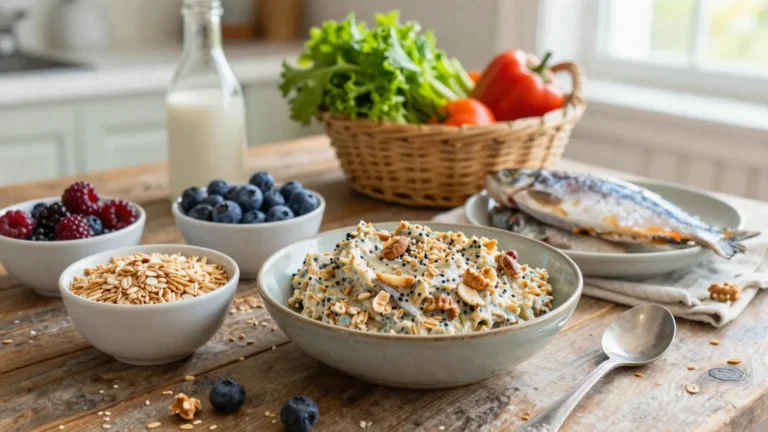
Introduction: What is a Gluten-Free Diet?

Gluten-free diet is an eating pattern that excludes foods containing gluten, a protein found mainly in wheat, barley, rye, and oats. This dietary approach isn’t just a trend; it’s a medical necessity for millions of people worldwide who have conditions like coeliac disease or non-coeliac gluten sensitivity (NCGS). Imagine living with the constant fear of consuming something that could trigger severe stomach pain, fatigue, or even more serious health complications. That’s what many individuals face when they must adhere to a strict gluten-free diet.
For those unfamiliar with this dietary choice, it might seem like a simple switch to alternative grains and flours. However, for people with coeliac disease, the stakes are much higher. When someone with this condition eats gluten, their immune system mistakenly attacks the lining of the small intestine, damaging tiny structures called villi that are crucial for nutrient absorption. This damage can lead not only to immediate symptoms like abdominal pain and diarrhea but also long-term issues such as malnutrition, osteoporosis, and even neurological problems.
The journey towards a gluten-free lifestyle is fraught with challenges. Gluten isn’t just hiding in obvious places; it’s often lurking in unexpected items too. For example, soy sauce contains wheat, many salad dressings are thickened with flour, and processed foods can include hidden sources of gluten. This means that adhering to the diet requires constant vigilance and careful reading of labels.
Beyond its medical necessity, the popularity of a gluten-free diet has soared among individuals who don’t have diagnosed conditions but believe it might offer health benefits or aid in weight loss. While some people report improvements in symptoms like bloating or fatigue after eliminating gluten from their diets, scientific consensus remains divided on whether these effects are truly due to the absence of gluten or other factors such as a reduction in processed food intake.
Adopting a strict gluten-free diet also comes with potential nutritional pitfalls. Processed gluten-free products often lack essential vitamins and minerals found naturally in whole grains. To make up for lost flavor, many companies add extra fats and sugars, which can lead to unintended consequences like weight gain or other health issues if relied upon heavily.
Navigating the complexities of a gluten-free diet is easier with professional guidance from healthcare providers who specialize in nutrition. These experts can help individuals identify safe food sources, understand hidden ingredients, and ensure they’re getting all necessary nutrients without compromising their health. For many, this transition isn’t just about avoiding certain foods; it’s about reclaiming their quality of life and overall well-being.
As you delve deeper into the world of gluten-free eating, questions arise about its broader implications for health and lifestyle. Is it a panacea or simply another dietary choice? The answers to these questions highlight why understanding what lies beneath this diet’s surface is crucial not only for those with medical needs but also for anyone curious about how food choices can impact their daily lives.
The Rise of Gluten-Free Diets: Why Are So Many People Going Gluten-Free?
The rise in popularity of gluten-free diets can be attributed to a combination of medical necessity and widespread misconceptions about their health benefits. Gluten, found primarily in wheat, barley, rye, and oats, needs to be avoided by individuals diagnosed with conditions such as coeliac disease, non-coeliac gluten sensitivity (NCGS), or wheat allergy.
For those with coeliac disease, consuming gluten triggers an autoimmune response that damages the lining of the small intestine. This condition affects around 1–2% of the global population but is frequently undiagnosed due to varied symptoms like abdominal pain and fatigue, which can lead to severe health issues if not properly managed.
Non-coeliac gluten sensitivity also plays a role in the popularity of gluten-free diets. Individuals with NCGS experience a range of symptoms including digestive discomfort, headaches, and fatigue when consuming gluten. These symptoms typically improve upon dietary changes but do not cause the same level of intestinal damage seen in coeliac disease.
Wheat allergy involves an immune system reaction to wheat proteins that can lead to immediate responses such as skin rashes or breathing difficulties. Like other forms of food allergies, it is a serious condition requiring strict avoidance of wheat-based products.
Despite these medically grounded reasons for a gluten-free diet, its popularity has surged among people without diagnosed conditions due to widespread beliefs about improved health outcomes and weight loss benefits. This trend complicates efforts by individuals with genuine dietary requirements to manage their intake of gluten carefully and avoid cross-contamination in food products.
Challenges arise when following a strict gluten-free diet, as it requires meticulous attention to ingredient lists and preparation methods. Many processed foods marketed as alternatives often lack essential nutrients found in their gluten-containing equivalents, sometimes substituting with higher levels of fats or sugars. This necessitates informed choices about dietary supplements and careful meal planning to maintain balanced nutrition.
In summary, while a gluten-free diet holds critical medical importance for certain conditions, its widespread adoption among the general population can complicate accessibility and understanding for those truly requiring it as a health measure.
Is a Gluten-Free Diet Right for You? Facts and Considerations
Adopting a gluten-free diet is medically necessary for individuals diagnosed with coeliac disease, non-coeliac gluten sensitivity (NCGS), or wheat allergy. However, it has also become increasingly popular among people without these conditions due to misconceptions about its health benefits.
Medical Necessity vs. Fad Diet
For those with coeliac disease and NCGS, avoiding gluten is essential for managing symptoms and preventing long-term complications such as malnutrition and intestinal damage. In contrast, individuals who adopt a gluten-free diet without medical necessity may do so based on anecdotal evidence or misconceptions about improved health outcomes.
Medical Conditions Requiring Gluten-Free Diet
Coeliac Disease
Coeliac disease involves an autoimmune response triggered by the ingestion of gluten. This condition affects around 1% of the global population, leading to intestinal damage and malabsorption issues when gluten is consumed. Symptoms can range from digestive problems like bloating and diarrhea to fatigue and weight loss.
Non-Coeliac Gluten Sensitivity (NCGS)
Individuals with NCGS experience a variety of symptoms including abdominal pain, fatigue, headaches, and mood changes after consuming gluten. Unlike coeliac disease, there’s no definitive test for NCGS; diagnosis typically involves an exclusion diet followed by symptom improvement upon avoiding gluten.
Wheat Allergy
A wheat allergy involves immediate immune system reactions to wheat proteins, causing symptoms such as skin rashes or breathing difficulties shortly after exposure. This is distinct from the autoimmune response seen in coeliac disease and does not involve sensitivity to gluten specifically.
Challenges of a Gluten-Free Diet
Adhering strictly to a gluten-free diet presents numerous challenges:
- Cross-contamination: Even trace amounts of gluten can trigger symptoms for individuals with coeliac disease or NCGS. Ensuring that food preparation areas are completely free from contamination is crucial.
- Hidden Sources of Gluten: Processed foods and condiments often contain hidden sources of gluten, making careful label reading essential.
Nutritional Considerations
While a strict gluten-free diet can be nutritionally sound when planned properly, it requires vigilance to avoid deficiencies:
- Fiber Intake: Many gluten-containing grains are good sources of dietary fiber. Opting for naturally gluten-free foods like fruits and vegetables helps maintain digestive health.
- Vitamins and Minerals: Gluten-free products often lack fortification found in many regular grain-based items, such as iron, folic acid, niacin, and zinc.
Fad Diet Concerns
The popularity of the gluten-free diet among individuals without diagnosed conditions can complicate efforts to ensure those who need it medically have access to safe and effective options. This trend has also led some people to adopt a restrictive eating pattern based on misinformation rather than medical necessity.
Conclusion (Summary Provided)
Adopting a gluten-free diet due to genuine health needs is critical, but its popularity as a fad diet among the general population raises concerns about accessibility and understanding for those who truly require it. Proper education and guidance from healthcare professionals are essential to navigate these challenges effectively while maintaining overall health.
Despite being marketed widely, gluten-free products account for less than 3% of the packaged food market share in the U.S., underscoring their niche appeal beyond medical requirements.
Understanding Gluten Sensitivity and Its Impact on Health
Understanding Gluten Sensitivity and Its Impact on Health
Gluten sensitivity encompasses several health issues related to consuming gluten-containing grains like wheat, barley, rye, and oats. This includes coeliac disease, non-coeliac gluten sensitivity (NCGS), and wheat allergy, each affecting the body differently.
- Coeliac Disease: An autoimmune condition where ingesting gluten leads to damage in the small intestine. Symptoms can vary widely but often include digestive issues like bloating and diarrhea. Coeliac disease affects up to 2% of people globally yet frequently remains undiagnosed due to its wide range of symptoms.
- Non-Coeliac Gluten Sensitivity (NCGS): Individuals with NCGS experience a variety of symptoms, including abdominal pain, fatigue, and mood changes when consuming gluten. Unlike coeliac disease, there is no definitive test for this condition; diagnosis typically comes from an exclusion diet and symptom improvement upon avoiding gluten.
- Wheat Allergy: A less common reaction to wheat protein that can cause immediate allergic responses such as skin rashes or digestive issues. Wheat allergy differs from both coeliac disease and NCGS in that it involves the immune system reacting to a specific protein found in wheat rather than gluten proteins specifically.
Living with gluten sensitivity requires strict adherence to a gluten-free diet, which presents its own set of challenges. Cross-contamination is a significant concern as even trace amounts of gluten can trigger symptoms or complications. Additionally, many processed gluten-free products are higher in fats and sugars compared to their counterparts containing gluten, potentially leading to nutritional imbalances.
Understanding the true impact of gluten sensitivity involves recognizing that while the gluten-free diet is essential for individuals with diagnosed conditions like coeliac disease and NCGS, its popularity as a fad diet among those without medical necessity can complicate food labeling and availability. Regulatory bodies worldwide have established guidelines to define what qualifies as “gluten-free,” typically allowing products containing less than 20 parts per million of gluten.
For individuals who must follow a strict gluten-free diet due to health needs, it is crucial to work closely with healthcare professionals to avoid nutritional deficiencies and ensure proper adherence to dietary requirements. This ensures not only immediate symptom relief but also long-term management of related health issues.
Despite the rising popularity of gluten-free diets among individuals without medical necessity, coeliac disease affects only about 1 in every hundred people globally.
Coeliac Disease vs. Non-Coeliac Gluten Sensitivity: What’s the Difference?
Coeliac disease and non-coeliac gluten sensitivity (NCGS) are two distinct conditions that both involve negative reactions to consuming gluten, but they differ significantly in their underlying causes and consequences.
- Coeliac Disease: This is an autoimmune disorder where ingesting gluten triggers an immune response leading to damage in the small intestine. Symptoms can include bloating, diarrhea, fatigue, weight loss, and nutrient deficiencies due to malabsorption issues. The extent of intestinal damage can lead to long-term health complications such as osteoporosis or infertility if left untreated.
- Non-Coeliac Gluten Sensitivity (NCGS): Individuals with NCGS experience a range of symptoms after consuming gluten that improve when it is removed from their diet, but without the presence of an autoimmune response seen in coeliac disease. Common symptoms include abdominal pain, bloating, fatigue, headaches, and joint pain. Unlike coeliac disease, there are no specific diagnostic tests for NCGS; diagnosis often relies on ruling out other conditions through exclusion diets.
While both conditions necessitate a strict gluten-free diet to manage symptoms effectively, they differ fundamentally in their pathophysiology and severity of potential complications. Coeliac disease requires permanent dietary changes due to its autoimmune nature and risk of serious long-term health issues if not managed properly, whereas NCGS often allows for more flexibility regarding occasional small amounts of gluten without significant adverse effects.
While coeliac disease can cause severe digestive distress, research suggests that the prevalence of non-coeliac gluten sensitivity is much higher than initially thought, affecting an estimated 6% to 10% of the general population.
Managing Non-Coeliac Gluten Sensitivity Effectively
Managing non-coeliac gluten sensitivity effectively involves several strategic steps to minimize symptoms and maintain overall health:
- Identifying Symptoms: Recognizing the specific signs of NCGS such as abdominal pain, bloating, headaches, and fatigue is crucial. Keeping a symptom diary can help track patterns and pinpoint triggers.
- Adopting a Strict Diet: Eliminating all sources of gluten from your diet requires careful reading of food labels and ingredient lists to avoid cross-contamination risks. It’s important to choose products labeled as certified gluten-free.
- Consultation with Professionals: Working closely with healthcare providers, such as registered dietitians or gastroenterologists, can offer personalized guidance on maintaining a balanced diet while adhering to dietary restrictions.
- Balanced Meal Planning: Incorporating a variety of nutritious foods that are naturally free from gluten ensures adequate intake of essential nutrients. This includes fruits, vegetables, lean proteins, and whole grains like quinoa, rice, and corn.
- Safe Dining Out Practices: When eating out, it’s crucial to inform restaurant staff about your dietary needs clearly and ask detailed questions about ingredient sourcing and preparation methods to avoid accidental gluten exposure.
By taking these steps, individuals with NCGS can manage their condition effectively while enjoying a diverse range of delicious and nutritious meals.
Research suggests that some people with non-coeliac gluten sensitivity may also react negatively to the protein FODMAPs (fermentable oligo-, di-, mono-saccharides, and polyols) found in certain foods, which can cause similar symptoms as those triggered by gluten.
Is There Science Behind Gluten-Free Diets for Autism?
Is There Science Behind Gluten-Free Diets for Autism?
A common question surrounding gluten-free diets revolves around their efficacy in treating autism spectrum disorder (ASD). Some parents report behavioral improvements when their children with ASD follow a gluten-free diet. However, the scientific evidence supporting this practice is limited and inconclusive.
- Research Studies: Several studies have been conducted to investigate whether dietary interventions like gluten-free diets can help manage symptoms of autism. One review analyzed multiple clinical trials and concluded that while some individuals may experience improvements in certain behavioral symptoms when following a strict diet, there’s no substantial evidence linking gluten or casein restriction directly with significant benefits for all children with ASD.
- Mechanisms: Theories suggest that gut inflammation caused by gluten could lead to changes in brain function and behavior. However, studies have not consistently shown differences in digestive issues between children with autism who are on a regular diet versus those on a gluten-free/casein-free (GFCF) diet.
- Nutritional Considerations: Adopting a strict gluten-free diet for individuals without celiac disease or diagnosed gluten sensitivity requires careful attention to nutrition. Gluten-free products often lack essential vitamins and minerals, potentially leading to deficiencies if not properly managed with nutrient-rich alternatives.
In summary, while anecdotal evidence suggests some benefits of gluten-free diets in autism management, rigorous scientific studies have yet to provide conclusive proof of effectiveness across all cases. Parents considering dietary changes for their children with autism should consult healthcare professionals before making any significant alterations to ensure balanced nutrition and comprehensive support for the child’s needs.
Does the Gluten-Free Diet Help with Weight Loss?
Does the Gluten-Free Diet Help with Weight Loss?
Adopting a gluten-free diet involves eliminating foods containing gluten, such as wheat, barley, rye, and oats. While this diet is medically necessary for individuals diagnosed with coeliac disease, non-coeliac gluten sensitivity (NCGS), or wheat allergy, it has also become popular among those seeking to lose weight or improve health. However, does a gluten-free diet actually promote weight loss?
- Caloric Intake vs Nutritional Balance: Weight loss is fundamentally about consuming fewer calories than your body burns. A well-planned gluten-free diet can lead to weight loss if it focuses on healthier food choices rather than just avoiding gluten-containing foods. This means prioritizing whole, unprocessed foods like fruits, vegetables, lean proteins, and gluten-free grains such as quinoa or rice.
- Hidden Gluten and Nutritional Pitfalls: One common misconception is that a gluten-free diet automatically results in weight loss due to the elimination of processed foods high in sugars and unhealthy fats. However, many gluten-free products are highly processed and may compensate for texture and taste by adding extra sugar or fat. This can lead to higher calorie intake and hinder weight loss efforts.
- Dietary Choices: Successful weight management on a gluten-free diet hinges upon making informed food choices that align with nutritional needs and overall health goals rather than solely relying on avoiding gluten-containing foods. It’s important to read labels carefully, seek out whole foods, and avoid processed products high in unhealthy additives.
While many believe eliminating gluten leads directly to weight loss, a well-planned diet focused on nutrient-dense foods is more effective for losing weight regardless of whether it includes gluten or not.
In conclusion, the effectiveness of a gluten-free diet for weight loss depends largely on individual dietary choices and overall caloric balance. For those without medical necessity, simply reducing intake of processed foods – whether they contain gluten or not – is often more beneficial than adopting a strict gluten-free regimen alone.
What Foods Can You Eat on a Gluten-Free Diet?
On a gluten-free diet, you can enjoy a wide variety of naturally gluten-free foods that are not only tasty but also nutritious. Here’s what you can eat:
- Fruits and Vegetables: Fresh produce is naturally gluten-free and offers essential vitamins, minerals, and fiber. Enjoy them raw or cooked without added sauces or ingredients containing gluten.
- Meats, Poultry, Fish, and Eggs: Lean meats, poultry, fish, and eggs are safe to consume as long as they’re not prepared with seasonings or marinades that include wheat-based thickeners like flour. Opt for fresh options over processed meats when possible.
- Dairy Products: Milk, cheese, yogurt, and other dairy products can be part of a gluten-free diet if you tolerate lactose and are not allergic to dairy. Choose plain versions without added flavors or additives containing gluten.
- Nuts and Seeds: Nuts and seeds provide healthy fats, protein, and fiber. Be cautious with packaged nut mixes as they may contain seasonings or coatings that include wheat products.
- Beans and Legumes: Lentils, chickpeas, black beans, and other legumes are excellent sources of plant-based proteins and fiber. They can be incorporated into soups, salads, stir-fries, and more.
- Grains and Pseudograins: Quinoa, buckwheat (despite the name), millet, amaranth, and teff are gluten-free options that add variety to your diet. Ensure they’re labeled as gluten-free since some may be processed in facilities with cross-contamination risks.
- Fats and Oils: Olive oil, coconut oil, butter, and other cooking oils can enhance flavor and nutrition without adding gluten.
is that while quinoa was once considered a grain but is actually a seed, making it naturally free from gluten and an excellent source of protein for people on this diet.
Are There Nutritional Risks to Following a Gluten-Free Diet?
Are There Nutritional Risks to Following a Gluten-Free Diet?
Adhering to a gluten-free diet can pose several nutritional challenges if not managed carefully. One of the main concerns is that many gluten-containing grains like wheat, barley, and rye are rich sources of essential nutrients such as fiber, iron, magnesium, and B vitamins. When these grains are eliminated from the diet without proper substitution, individuals might miss out on these vital nutrients.
- Reduced Fiber Intake: Whole grains like wheat and barley provide significant amounts of dietary fiber which helps maintain digestive health and can lower cholesterol levels. Gluten-free alternatives often lack similar fiber content unless specifically fortified.
- Deficiencies in B Vitamins and Iron: Fortified breads and cereals, commonly made from gluten-containing grains, are a primary source for folate, thiamine, riboflavin, niacin, and iron for many people. Gluten-free versions might not be fortified to the same degree.
- Higher Fat Content: Processed gluten-free products often contain higher levels of fat, especially unhealthy fats like trans fats or saturated fats, to compensate for texture and taste that is lost when gluten is removed.
To mitigate these risks, it’s essential for individuals following a gluten-free diet to:
- Include nutrient-dense foods such as fruits, vegetables, lean proteins, and naturally gluten-free grains (like quinoa, rice, and buckwheat).
- Carefully read food labels to ensure adequate intake of vitamins and minerals.
- Consult with healthcare providers or registered dietitians who specialize in gluten-free diets for personalized nutritional guidance.
Quinoa is not only naturally gluten-free but also a complete protein source, offering all nine essential amino acids necessary for body functions. Incorporating quinoa into meals can help boost overall nutrition on a gluten-free diet.
How Can Cross-Contamination Be Avoided in a Gluten-Free Diet?
Avoiding cross-contamination is vital for maintaining a safe gluten-free environment at home. Here are practical tips to minimize risks:
- Use Separate Utensils: Keep dedicated utensils, such as knives, cutting boards, and pots, specifically for preparing gluten-free foods.
- Label Containers Clearly: Mark containers storing gluten-containing products separately from those used for gluten-free items.
- Thorough Cleaning: Clean all surfaces thoroughly before cooking to remove any traces of gluten. Use hot water and mild soap; avoid fabric sponges that could retain gluten particles.
Reducing Cross-Contamination in Commercial Kitchens
Dining out poses unique challenges when following a gluten-free diet due to potential cross-contamination risks:
- Communicate with Staff: Inform restaurant staff about your dietary needs clearly, asking about preparation methods and ingredients.
- Ask About Preparation Areas: Inquire whether the kitchen has separate areas or equipment for preparing gluten-free meals.
Cross-Contamination in Food Manufacturing
Manufacturing facilities can also pose cross-contamination risks:
- Check Certifications: Look for certification marks indicating that a facility is dedicated to gluten-free production.
- Read Labels Thoroughly: Always check product labels for potential sources of gluten or contamination during processing.
The Codex Alimentarius guidelines recommend labeling products as “gluten-free” if they contain less than 20 parts per million (ppm) of gluten, which helps ensure safety and accuracy in product labeling for those following a strict gluten-free diet.
Hidden Sources of Gluten: What You Need to Know
Hidden sources of gluten can significantly complicate the adherence to a strict gluten-free diet for those diagnosed with coeliac disease, non-coeliac gluten sensitivity (NCGS), or wheat allergies. Here are some common hidden sources you should be aware of:
- Processed Foods: Many processed products such as sauces, soups, and even frozen meals may contain ingredients derived from wheat, barley, or rye without explicitly stating it on the label. Common culprits include malt vinegar, soy sauce (which often contains wheat), teriyaki sauce, and some brands of ice cream.
- Medications and Supplements: Some medications and vitamin supplements might include gluten as a binding agent or filler. It’s important to check with your pharmacist for alternatives that do not contain these ingredients.
- Cosmetics and Personal Care Products: Surprisingly, products like lip balms, lipstick, skincare lotions, and hair care items can sometimes list gluten-containing grains among their ingredients. While this isn’t typically a major concern unless ingested, it’s worth noting if you have very sensitive skin or allergies.
To avoid these hidden sources of gluten:
- Read Labels Thoroughly: Always read the ingredient labels on packaged foods and be aware of potential cross-contamination warnings.
- Choose Gluten-Free Products: Opt for products specifically labeled as “gluten-free” to minimize risks. This label indicates that the product meets stringent standards set by regulatory bodies.
- Be Mindful of Ingredients: Learn common names for gluten-containing ingredients like hydrolyzed wheat protein, maltodextrin (often from wheat), and natural flavors which can be derived from various sources including grains.
Even seemingly innocuous products such as hot dogs or sausages might contain hidden sources of gluten due to the use of wheat-based binders in their preparation. Always inquire about ingredients when unsure, especially with processed foods.
Gluten-Free or Not? Understanding Oats in Your Diet
Understanding oats in your gluten-free diet can be tricky due to their relationship with wheat, barley, and rye. Here are some key points to consider:
- Gluten-Free Oats: Pure, uncontaminated oats are naturally gluten-free but are often processed alongside other grains like wheat, which introduces cross-contamination risks. Always opt for certified gluten-free oats to avoid these issues.
- Health Benefits of Oats: If you tolerate them well, oats offer several health benefits. They’re rich in beta-glucan fiber and antioxidants, which can help lower cholesterol levels and improve heart health.
- Testing Your Tolerance: It’s important to test your tolerance for oats first if you have coeliac disease or gluten sensitivity. Some individuals might react negatively due to avenin, an amino acid sequence similar to gluten found in oats. However, this reaction is less common compared to reactions caused by wheat proteins.
Including oats in your diet can be beneficial both nutritionally and for meal variety. By opting for certified gluten-free oats, you can enjoy the health benefits without compromising on safety or dietary needs.
Navigating restaurant dining while adhering to a gluten-free diet can be both challenging and rewarding if approached correctly. Here are some strategies to make your experience more enjoyable and safer:
- Know Your Options: Familiarize yourself with naturally gluten-free foods such as fruits, vegetables, dairy products, meats, poultry, fish, rice, potatoes, and legumes. This knowledge helps you quickly identify suitable menu items.
- Communicate Effectively: Inform the waiter or chef about your dietary restrictions right away. Ask detailed questions to understand how food is prepared and whether cross-contamination risks exist in the kitchen.
- Look for Gluten-Free Menus: Many restaurants offer dedicated gluten-free menus that clearly list safe options. These menus help you avoid hidden sources of gluten and ensure a more straightforward dining experience.
- Be Prepared with Questions: Have a set of questions ready to ask about ingredients, cooking methods, and potential cross-contamination risks. This proactive approach helps you make informed choices when selecting your meal.
- Research Before You Go: Prior to visiting a restaurant, do some research online or call ahead to inquire about their gluten-free options and policies. Many restaurants have websites detailing their gluten-free offerings, making it easier to decide where to dine.
While dining out can be tricky on a gluten-free diet, the growing awareness of dietary needs has led many establishments to improve their handling and preparation methods for those with specific requirements.
By taking these steps, you can navigate restaurant dining more confidently while maintaining your health and enjoying delicious meals.
Cross-Contamination Concerns in the Gluten-Free Diet
Cross-contamination poses significant challenges for those adhering to a gluten-free diet due to its potentially severe health consequences. People with coeliac disease, non-coeliac gluten sensitivity (NCGS), or wheat allergies must be vigilant about the risk of cross-contact in various settings, from food manufacturing facilities to restaurants and even at home.
Some key concerns regarding cross-contamination include:
- Manufacturing Facilities: Shared machinery for processing different types of grains increases the risk of gluten contamination in supposedly gluten-free products. Consumers must look for certification marks or labels indicating that a facility is dedicated to gluten-free production.
- Restaurants and Cafes: Dining out can be particularly tricky, as many kitchens do not have separate preparation areas for gluten-free meals. It’s crucial to ask detailed questions about cooking methods and ingredient sourcing when ordering at restaurants.
- Home Preparation: Even in a home kitchen, cross-contamination can occur if care is not taken. Using the same toaster for both regular and gluten-free breads or storing flour containers too close together are common sources of contamination.
To manage these risks effectively:
- Always read labels carefully to ensure products meet the strictest standards for gluten content.
- Seek out trusted brands with clear labeling regarding their cross-contamination protocols.
- Maintain a separate set of cooking tools and storage areas dedicated solely to preparing gluten-free meals at home.
Did you know that the Codex Alimentarius, an international food standard organization, defines “gluten-free” as containing less than 20 parts per million (ppm) of gluten? This strict guideline helps ensure safety for those following a medically necessary gluten-free diet.
Gluten-Free Foods: Are They Really Healthier?
Gluten-free foods are often marketed as healthier options, but their benefits may be overstated for those without specific gluten-related disorders like coeliac disease, non-coeliac gluten sensitivity (NCGS), or wheat allergy. Here are some key points to consider:
- Medical Necessity: For individuals diagnosed with conditions such as coeliac disease, avoiding gluten is essential because consuming it can lead to serious health issues including damage to the small intestine and a range of symptoms from gastrointestinal distress to fatigue.
- Nutritional Concerns: Many processed gluten-free products are often higher in fat and sugar compared to their gluten-containing counterparts. These foods may also lack certain essential nutrients found in whole grains, potentially leading to nutritional imbalances.
- Popularity as a Fad Diet: Despite the medical necessity for some individuals, many people adopt a gluten-free diet without diagnosed conditions due to misconceptions about its health benefits. This trend can complicate access to genuinely necessary gluten-free products and proper dietary guidance for those who need it.
In summary, while a gluten-free diet is crucial for managing certain health conditions, there’s no evidence that it provides additional health benefits for the general population. Choosing unprocessed whole foods over packaged gluten-free alternatives is generally healthier regardless of whether gluten is present or not.
The nutritional implications of adopting a gluten-free diet can vary significantly depending on individual dietary habits and awareness. Here’s how it impacts your health:
- Increased Fat Content: Many processed gluten-free products compensate for the lack of gluten by adding fats, particularly unhealthy ones like trans fats or hydrogenated oils. This can lead to an increase in calorie intake without providing additional nutritional value.
- Potential for Vitamin Deficiencies: Gluten-containing grains are often fortified with essential vitamins and minerals such as iron, folic acid, niacin, and zinc. People on a gluten-free diet might miss out on these important nutrients unless they actively seek out fortified alternatives or supplements.
Balancing Nutritional Needs in a Gluten-Free Diet
To maintain balanced nutrition while adhering to a gluten-free diet:
- Focus on Whole Foods: Emphasize fresh fruits, vegetables, lean proteins, and naturally gluten-free grains like quinoa, rice, and buckwheat. These foods provide essential nutrients without the drawbacks of processed alternatives.
- Fortified Products: Choose commercially available fortified gluten-free products where possible to help meet nutritional needs that might otherwise be lacking.
Cross-Contamination Risks
Cross-contamination is a significant concern for those on a gluten-free diet, as even trace amounts can trigger symptoms or complications. Here are some strategies to minimize risk:
- Label Reading: Always check product labels thoroughly for hidden sources of gluten and opt for certified gluten-free products.
- Separation at Home: Use separate utensils, cookware, and storage areas dedicated specifically for gluten-free foods to prevent accidental cross-contamination.
Embracing Gluten-Free Living
Adopting a lifestyle that is both enjoyable and nutritious on a gluten-free diet requires mindfulness and education. Here are some tips:
- Explore Naturally Gluten-Free Foods: Discover the vast array of naturally gluten-free options like fruits, vegetables, dairy products, lean meats, and legumes.
- Seek Professional Guidance: Consult with healthcare providers or registered dietitians who specialize in gluten-free diets to ensure you’re meeting all your nutritional needs.
By understanding these aspects, individuals can better navigate a gluten-free lifestyle that balances health benefits with the realities of dietary restrictions.
Gluten-Free Living: Tips to Avoid Nutritional Deficiencies
Living on a gluten-free diet can be challenging due to the risk of nutrient deficiencies if not carefully managed. Here are some practical tips to help you maintain a balanced diet while avoiding common pitfalls:
- Fortified Foods: Incorporate fortified gluten-free products into your diet, such as cereals and breads that have been enriched with essential vitamins and minerals like iron, B-vitamins, calcium, and zinc.
- Iron-Rich Options: Since gluten-free grains often contain less iron than their gluten-containing counterparts, focus on incorporating more iron-rich foods. This includes lean meats, fish, poultry, beans, lentils, spinach, and fortified cereals.
- Vitamin B12 Awareness: Vitamin B12 deficiency is common among those with celiac disease due to malabsorption issues. Include sources like eggs, dairy products, and fortified plant milks in your diet regularly or consider a supplement after consulting with a healthcare provider.
- Calcium Sources: Pay attention to your calcium intake, as certain nutrients that enhance absorption are commonly found in gluten-containing grains. Opt for dairy products, leafy greens (such as kale and collard greens), tofu, and fortified plant milks.
- Vitamin D Supplementation: Given the increased risk of osteoporosis among those with celiac disease, ensure adequate vitamin D levels through sun exposure or supplements to promote bone health.
In addition to these dietary strategies, working closely with a healthcare professional can provide personalized guidance tailored to your specific nutritional needs and medical condition. They can help you navigate the complexities of a gluten-free diet while maintaining optimal nutrition.
Quinoa is not only naturally gluten-free but also offers all nine essential amino acids necessary for protein synthesis in the body, making it an excellent choice for those looking to boost their protein intake without the risk of gluten exposure.
Summary: Understanding the Benefits, Risks, and Realities of a Gluten-Free Diet
Adhering to a gluten-free diet can be crucial for people diagnosed with specific health conditions such as coeliac disease, non-coeliac gluten sensitivity (NCGS), or wheat allergy. However, it’s important to understand both the benefits and potential risks associated with this dietary approach.
Medical Necessity of a Gluten-Free Diet
For individuals with coeliac disease, consuming gluten triggers an autoimmune response that damages the small intestine, potentially leading to severe complications if untreated. Non-coeliac gluten sensitivity presents similar symptoms such as abdominal pain and fatigue when gluten is consumed, which improve upon its removal from the diet.
Wheat allergy involves an immediate immune system reaction after exposure to wheat proteins, causing symptoms like skin rashes or digestive issues. These conditions necessitate strict adherence to a gluten-free diet to manage symptoms effectively and prevent long-term health complications.
Challenges in Adhering to a Gluten-Free Diet
Adhering strictly to a gluten-free diet can be challenging due to several factors:
- Cross-Contamination: Even trace amounts of gluten from cross-contaminated food can cause severe reactions, making careful meal preparation essential.
- Hidden Sources of Gluten: Gluten may hide in unexpected places such as sauces, condiments, and medications. Reading labels meticulously is crucial.
- Nutritional Deficiencies: Processed gluten-free products often lack certain nutrients found in traditional grains like iron, B vitamins, and fiber.
The Popularity as a Fad Diet
The surge in popularity of the gluten-free diet among individuals without diagnosed conditions has been driven by misconceptions about its health benefits. While some people report feeling better after cutting out gluten, there is limited scientific evidence to support these claims for those without medical necessity. This trend complicates efforts to ensure that genuinely required dietary guidelines are followed effectively.
Regulatory Framework and Labeling Standards
Regulatory bodies worldwide have established standards for labeling food as “gluten-free,” typically requiring products to contain less than 20 parts per million (ppm) of gluten. These regulations help protect consumers by ensuring the safety and accuracy of gluten-free products, making it easier for those who need a strict diet due to medical reasons.
Tips for Managing a Gluten-Free Diet
For individuals with medically necessary diets:
- Consult Healthcare Professionals: Regular consultations with healthcare providers can provide personalized dietary guidance.
- Educate Yourself: Learn about safe foods and potential hidden sources of gluten.
- Plan Meals Carefully: Focus on whole, naturally gluten-free foods like fruits, vegetables, lean proteins, and gluten-free grains.
Summary
A gluten-free diet is medically necessary for individuals with coeliac disease, non-coeliac gluten sensitivity (NCGS), or wheat allergy. While it can significantly improve symptoms and overall quality of life for these groups, adhering to the diet presents challenges such as cross-contamination risks and potential nutritional deficiencies. The rising popularity of the gluten-free diet among those without diagnosed conditions complicates efforts to ensure that people with genuine dietary requirements receive appropriate support.
For individuals considering a gluten-free diet due to non-medical reasons, it’s important to consult healthcare professionals and understand the benefits and drawbacks before making significant changes to their diet. Proper management through education and careful planning can help ensure nutritional adequacy and symptom control for those truly benefiting from this approach.
Frequently Asked Questions (FAQ)
- What are some common myths about gluten-free diets?
Flaxseeds and chia seeds are not inherently problematic for those on a gluten-free diet; however, they should be sourced carefully to ensure no cross-contamination with wheat products. Also, a gluten-free diet is not necessarily healthier or lower in calories unless one actively chooses nutrient-dense foods. - How do I start eating out safely while following a gluten-free diet?
When dining out, inform your server about your dietary restrictions and ask detailed questions about ingredients and preparation methods. Opt for restaurants with separate gluten-free cooking areas to minimize the risk of cross-contamination. - Can people without celiac disease still benefit from going gluten-free?
Some individuals without celiac disease may experience better digestive health or relief from symptoms like bloating, fatigue, and headaches when avoiding gluten. However, there’s limited scientific evidence supporting this for everyone. - Is it possible to get enough fiber on a gluten-free diet?
Yes, but you need to be mindful of your food choices. Focus on whole foods such as fruits, vegetables, legumes, nuts, seeds, and gluten-free grains like quinoa and buckwheat to ensure adequate fiber intake. - What are the long-term effects of following a gluten-free diet for someone without celiac disease?
While short-term benefits may be observed, there is currently no conclusive evidence that a lifelong gluten-free diet is necessary or beneficial for those who do not have celiac disease. However, some people report ongoing improvements in health when they avoid gluten. - How can I ensure my gluten-free foods are as nutritious as their counterparts?
Choose whole grains like brown rice and quinoa over processed alternatives. Include a variety of fruits, vegetables, lean proteins, dairy products (if tolerated), and healthy fats to meet your nutritional needs. - Are there any downsides to adopting a strict gluten-free diet without medical necessity?
A strict gluten-free diet might lead to deficiencies in essential nutrients like iron, calcium, fiber, magnesium, zinc, vitamin B12, folate, niacin, riboflavin, and thiamine if not carefully managed. - What are some tips for maintaining a balanced gluten-free diet?
Eat plenty of fruits and vegetables to cover nutrient gaps. Include dairy or fortified foods if you avoid milk products to meet calcium needs. Consider consulting with a registered dietician who specializes in celiac disease or gluten sensitivity. - Can I eat out at bakeries that specialize in gluten-free items?
Yes, but it’s crucial to inquire about their cross-contamination policies and preparation practices. Specialized bakeries may have specific protocols in place for handling gluten-free products safely. - How do I deal with social situations where food is involved on a gluten-free diet?
Bring your own snacks or desserts when attending parties or gatherings. Communicate clearly with hosts about your dietary requirements, and don’t hesitate to ask about ingredients before eating anything.