
What Is the Hamptons Diet?
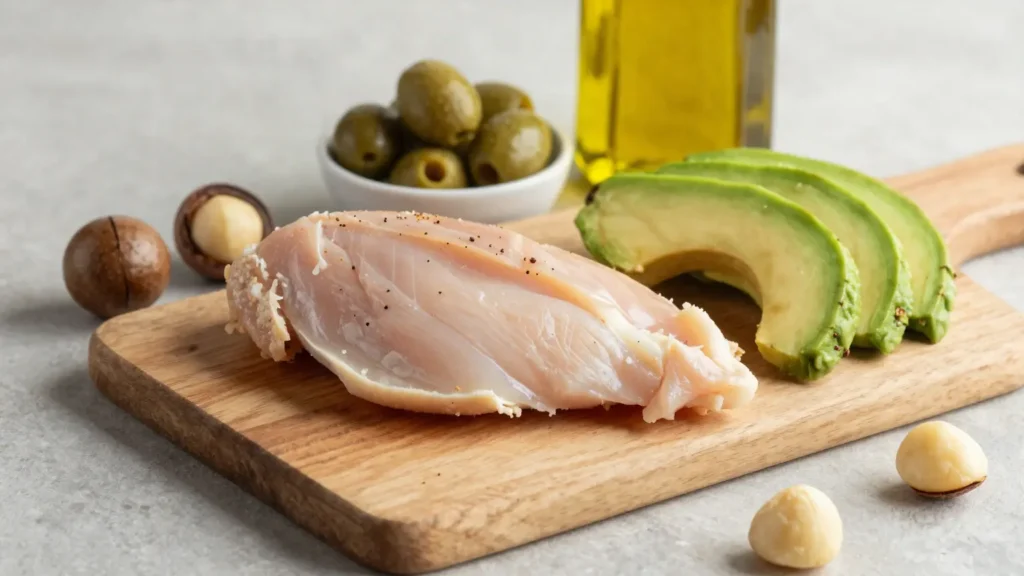
The Hamptons Diet is a nutritional plan developed by Dr. Fred Pescatore, an internist with extensive expertise in nutrition. This diet blends elements from both the Atkins diet and the Mediterranean dietary principles to create a unique approach focused on low-carbohydrate consumption while emphasizing healthier fats over saturated ones. Unlike the strict high-fat intake of the Atkins diet, the Hamptons Diet advocates for monounsaturated fats such as those found in macadamia nut oil, olive oil, and avocado oil.
Dr. Pescatore’s creation aims to offer a balanced approach by integrating healthy fats into meal planning while reducing carbohydrate intake. This blend seeks to address the issue of excessive fat consumption commonly associated with some low-carb diets, aiming instead at promoting heart health through better fat choices. Key components of this diet include olive oil, lean proteins like chicken and fish, and plenty of vegetables.
However, critics raise concerns about potential nutritional deficiencies since the diet might not provide enough fiber, vitamin C, calcium, folate, vitamin D, and vitamin E. Additionally, some find that following the Hamptons Diet can be costly and require significant time in meal preparation due to its emphasis on fresh, whole ingredients and specific types of oils.
It’s important for individuals considering this diet to understand the potential risks and benefits based on their own health conditions. While there is no concrete scientific evidence from clinical trials supporting the effectiveness of the Hamptons Diet published in mainstream research journals, it offers an interesting blend of dietary approaches aimed at promoting overall wellness through better fat consumption and lower carbohydrate intake.
How Does the Hamptons Diet Differ from Other Diets Like Atkins or Mediterranean?
The Hamptons Diet, created by Dr. Fred Pescatore, takes a unique approach to healthy eating that sets it apart from other popular diets like Atkins or Mediterranean. Unlike the strict low-carb rules of the Atkins diet, which often focuses on high-fat foods with little regard for their type, the Hamptons Diet combines elements of both low-carbohydrate and Mediterranean dietary patterns but places more emphasis on the kind of fats you consume.
Here are a few key differences:
- Fats: The Hamptons Diet emphasizes monounsaturated fats, such as those found in macadamia nut oil, while still allowing for some saturated fat intake from lean meats. This is different from the Atkins diet’s focus on high-fat foods without distinguishing between types of fats.
- Carbs and Calories: While it does advocate reducing carbohydrate consumption similar to Atkins, it also focuses on calorie control, making it more flexible in its approach compared to the unrestricted protein and fat eating style of Atkins.
- Food Quality: The Hamptons Diet includes guidelines that promote lean meats and nutrient-rich foods over processed items, much like the Mediterranean diet’s emphasis on whole grains, fruits, vegetables, fish, nuts, and olive oil. However, it offers a more structured calorie count.
Dr. Pescatore’s approach to fats is particularly noteworthy because he highlights the importance of understanding different types of fats for overall health and weight management. This contrasts with the general avoidance of all fats prevalent in some other diets like Atkins at its earlier stages before revisions were made based on new research.
However, critics point out that the Hamptons Diet might not provide enough fiber, vitamins C, D, E, as well as calcium and folate, which are essential nutrients for overall health. Additionally, many of the diet’s recipes tend to be pricey and require significant preparation time, making it less accessible to people with budget or scheduling constraints.
It’s important to consider these factors when thinking about adopting any new dietary regimen, and always consult a healthcare provider before starting something new that might impact your health significantly.
Recommended Food Groups for the Hamptons Diet
The Hamptons Diet, developed by Dr. Fred Pescatore, is a blend of low-carbohydrate principles similar to those found in the Atkins diet and elements of the Mediterranean diet. This diet emphasizes the consumption of monounsaturated fats over saturated fats to promote heart health while also allowing moderate intake of lean meats and other healthy foods.
Key food groups recommended for this diet include:
- Fats: The Hamptons Diet encourages the use of monounsaturated oils like macadamia nut oil, olive oil, and canola oil. These fats are thought to be beneficial due to their heart-friendly properties.
- Proteins: Lean meats such as chicken breast, turkey, lean beef, fish rich in omega-3 fatty acids (like salmon and tuna), and eggs are highly recommended for their health benefits.
- Vegetables: A wide variety of non-starchy vegetables is encouraged to supply essential nutrients and fiber. However, the diet places a lower emphasis on fruits due to their natural sugar content.
The diet advocates for controlled carbohydrate consumption, focusing more on whole grains, nuts, seeds, and legumes in moderation. This approach aims to reduce cravings and help individuals feel full longer by balancing macronutrients effectively.
However, it’s important to note that the Hamptons Diet has faced criticism regarding its nutritional balance. Some experts worry about potential deficiencies in fiber, certain vitamins (like vitamin C), minerals such as calcium, and other essential nutrients crucial for overall health and well-being. Additionally, critics point out that following this diet can be quite costly due to expensive ingredients like wild-caught fish and organic produce.
As you consider adopting the Hamptons Diet or any dietary plan, it’s wise to consult with a healthcare professional to ensure that your nutritional needs are met adequately. This will help you make informed choices about what works best for your health journey, considering both the benefits and possible drawbacks of each approach.
Forbidden or Limited Foods in the Hamptons Diet
In Fred Pescatore’s Hamptons Diet, certain foods are restricted or limited to promote weight loss and improve overall health. This diet focuses on blending low-carbohydrate principles with Mediterranean dietary elements, which means some food categories are off-limits or strictly controlled.
- Carbohydrates: The diet severely restricts the intake of high-glycemic carbs such as white bread, pasta, sugar, and potatoes. These foods are known to cause rapid spikes in blood sugar levels, leading to increased fat storage and potential weight gain.
- Refined Sugars and Processed Foods: All refined sugars and heavily processed snacks like chips, candy, and soda are forbidden. This is because these items often lack nutritional value while being high in calories, contributing to obesity and other health issues.
- Dairy Products (with Exceptions): While some forms of dairy such as cheese and yogurt are allowed due to their potential benefits for heart health, full-fat milk is typically avoided because it contains higher levels of saturated fats. The diet emphasizes the importance of choosing low-fat or fat-free versions when consuming dairy products.
The emphasis on limiting these foods aligns with Pescatore’s goal of reducing overall calorie intake and focusing on nutrient-dense options. By cutting out processed sugars and carbs, individuals following this diet aim to stabilize their blood sugar levels and enhance metabolic function, thus supporting weight loss efforts. However, it’s important for followers to balance the restrictions by incorporating a variety of fruits, vegetables, lean proteins, and healthy fats into their meals.
A fun fact about the Hamptons Diet is that despite its name, it doesn’t necessarily recommend eating only what’s locally available in the Hamptons area; rather, it suggests choosing foods based on nutritional value and health benefits over geographic limitations.
Nutritional Benefits of the Hamptons Diet
The Hamptons Diet, created by Dr. Fred Pescatore, integrates elements from both the Atkins diet and Mediterranean dietary principles to offer a unique approach to nutrition. This diet focuses on low-carbohydrate and low-calorie meals, but with an emphasis on incorporating monounsaturated fats rather than saturated fats found in many other diets. Here are some of the key nutritional benefits associated with this diet:
- Heart Health: The Hamptons Diet encourages consumption of monounsaturated fats from sources like macadamia nut oil and lean meats, which can help improve cholesterol levels by increasing HDL (good) cholesterol while reducing LDL (bad) cholesterol.
- Weight Loss: By limiting carbohydrate intake, the diet helps reduce calorie absorption, promoting weight loss. However, it’s important to note that this approach might not be as effective without proper adherence and physical activity.
- Balanced Fat Intake: Unlike diets that may focus heavily on saturated fats, the Hamptons Diet advocates for a balance with monounsaturated fats, which can contribute to better overall health by reducing inflammation and supporting heart function.
However, there are important considerations:
- Nutrient Deficiencies: Critics have pointed out potential risks of nutrient deficiencies due to low intake of fiber, vitamin C, calcium, folate, vitamin D, and vitamin E. It’s crucial for individuals following this diet to supplement these nutrients or find alternative sources to maintain a balanced nutritional profile.
- Practical Challenges: Many recipes in the Hamptons Diet can be costly and time-consuming to prepare, which may limit its accessibility and adherence over the long term.
In conclusion, while the Hamptons Diet offers promising benefits for heart health and weight loss through strategic fat intake, it’s essential for individuals to carefully consider potential drawbacks such as nutritional deficiencies and practical difficulties. As always, consulting with a healthcare provider before starting any new diet is recommended.
Potential Drawbacks and Criticisms of the Hamptons Diet
When considering the Hamptons Diet, it’s important to weigh both its benefits and drawbacks. Here are a few potential criticisms and concerns:
- Nutritional Shortcomings: Critics argue that the diet may not provide sufficient nutrients like fiber, vitamin C, calcium, folate, vitamin D, and vitamin E. These deficiencies could lead to various health issues over time if maintained long-term.
- Cost and Convenience: The recipes included in “The Hamptons Diet” often require high-quality ingredients such as macadamia nut oil and lean cuts of meat, which can be expensive. Additionally, preparing meals according to the diet’s guidelines might demand more time and effort than many people have available.
- Lack of Scientific Evidence: One major concern is the absence of rigorous clinical trials or peer-reviewed studies that support its effectiveness in achieving long-term weight loss and improving health outcomes. Without such evidence, it’s difficult for individuals to trust the diet as a reliable solution.
Encouraging thought: When exploring diets like the Hamptons Diet, always consider your personal circumstances and consult with healthcare professionals before making significant changes to your eating habits. It’s also crucial to look beyond anecdotal success stories and seek out well-researched dietary advice for sustained health benefits.
Did you know that while fats have long been demonized in Western nutrition circles, recent research has shown the importance of healthy monounsaturated and polyunsaturated fats for heart health? This aligns with some principles of the Hamptons Diet but also highlights how our understanding of diet can evolve over time.
Sample Meal Plan on the Hamptons Diet
The Hamptons Diet, crafted by Dr. Fred Pescatore, combines principles from the Atkins diet with elements of Mediterranean eating habits, offering a unique approach to nutrition that focuses on balancing macronutrients and incorporating healthy fats into your daily meals. A typical day on this diet would start with breakfast options like eggs cooked in olive oil or avocado, paired with lean proteins such as turkey bacon or Greek yogurt. For lunch, you might enjoy a salad packed with leafy greens, cherry tomatoes, cucumbers, and grilled chicken breast, all dressed lightly with macadamia nut oil.
Snacks are designed to keep hunger at bay while adhering to the diet’s guidelines. Opt for almonds, cheese slices, or a handful of blueberries, complemented by a piece of lean meat like beef jerky. Dinner could feature fish or seafood steamed or grilled simply, served with a side of asparagus or sautéed spinach cooked in olive oil.
Here’s a sample meal plan:
- Breakfast: Avocado and egg scramble with tomatoes and spinach
- Lunch: Grilled chicken salad with mixed greens, cherry tomatoes, cucumbers, and macadamia nut oil dressing
- Snack: Almonds and Greek yogurt
- Dinner: Baked salmon or shrimp scampi over a bed of sautéed asparagus
This diet encourages the use of olive oil, avocado, and nuts for their heart-healthy fats while limiting carbohydrates. It’s important to note that critics have pointed out potential risks due to inadequate intake of certain vitamins and minerals, which could be addressed by incorporating more variety in fruits, vegetables, and whole grains.
As you explore the Hamptons Diet, consider how these meals align with your dietary preferences and health goals. Always consult a healthcare provider or dietitian before starting any new diet regimen to ensure it suits your individual needs.
Are There Any Scientific Studies Supporting the Hamptons Diet?
When considering whether there are any scientific studies supporting the Hamptons Diet, it’s important to note that this diet hasn’t gained widespread recognition from mainstream research journals. The lack of clinical trials makes it challenging to provide definitive evidence regarding its effectiveness and safety compared to other dietary approaches like the Mediterranean or DASH diets.
However, the principles behind the Hamptons Diet do draw upon established nutritional concepts. For instance, while emphasizing monounsaturated fats like those found in macadamia nut oil over saturated fats typical of high-fat meats, this aligns somewhat with studies highlighting the benefits of olive oil and other sources of healthy fats for cardiovascular health.
Despite these connections to known beneficial dietary patterns, critics point out several concerns about the Hamptons Diet:
- Nutrient Deficiencies: Diets low in carbohydrates often result in inadequate intake of fiber, certain vitamins (like C), and minerals such as calcium.
- Cost and Convenience: The diet’s recipes can be pricey and require significant preparation time.
In essence, while some elements of the Hamptons Diet may resonate with existing nutritional advice, particularly regarding the quality of fats consumed, a lack of direct scientific research means it remains unproven compared to other well-documented dietary plans. This absence of rigorous study highlights the need for more investigation into its long-term health impacts.
Fred Pescatore’s background in integrative medicine reflects an approach that combines conventional medical practice with alternative therapies, which can offer a holistic view on diet and health but may not always translate to robust scientific evidence.
Conclusion: Weighing the Pros and Cons of the Hamptons Diet
When considering the Hamptons Diet by Dr. Fred Pescatore, it’s important to weigh both its benefits and potential drawbacks to make an informed decision about whether it suits your lifestyle and health goals. The diet blends low-carbohydrate principles with Mediterranean dietary elements, promoting healthy fats like those found in macadamia nut oil alongside lean meats while limiting high saturated fat intake.
Pros of the Hamptons Diet include:
- Emphasis on monounsaturated fats which can improve heart health.
- Flexibility that allows for moderate consumption of some saturated fats, providing a balanced approach to dietary fat intake.
- Encouragement of foods rich in essential nutrients like lean proteins and healthy oils.
However, there are also significant concerns about the diet:
- Critics highlight possible nutritional deficiencies due to low intakes of fiber, vitamin C, calcium, folate, vitamin D, and vitamin E.
- The expense and time required for meal preparation can be a deterrent for many individuals.
- There is a notable absence of clinical trial data supporting its long-term effectiveness or safety.
It’s crucial to approach dietary changes with caution, considering your individual health needs and seeking professional advice. Always remember that what works for one person might not work for another. If you’re thinking about trying the Hamptons Diet, ask yourself questions like:
- Can I afford to follow this diet without compromising other necessities?
- Do I have the time to prepare meals in line with these dietary guidelines?
- Have I consulted a healthcare provider to ensure it’s safe and suitable for my health condition?
Understanding both sides of the argument helps you make an educated choice that aligns with your personal values and circumstances.
FAQ Section:
Is the Hamptons Diet suitable for vegetarians or vegans?
- The Hamptons Diet is primarily designed around a high-protein, low-carb approach which typically includes meat-based proteins. Vegetarian and vegan versions can be adapted but may require careful planning to ensure adequate protein intake.
Can I still enjoy dessert on the Hamptons Diet?
- While sweets are generally limited in most diets like Atkins or keto, the Hamptons Diet allows for occasional indulgences as long as they fit within your daily calorie and macronutrient goals. Opting for healthier sweet options is recommended.
How do I start the Hamptons Diet if I’m new to low-carb eating?
- Starting any new diet can be challenging, but transitioning gradually from high-carb foods to low-carb ones can help your body adjust more smoothly. Begin by reducing sugar and refined carbs while increasing vegetables and lean proteins.
Are there meal delivery services available for the Hamptons Diet?
- Meal delivery services that cater specifically to the Hamptons Diet may not be widely available yet, but many low-carb or keto-friendly options are suitable if you modify their offerings according to your specific dietary needs.
How often should I weigh myself when following the Hamptons Diet?
- Weighing yourself once a week is usually recommended as daily fluctuations can vary due to factors like water retention and recent food intake. Consistency in tracking helps monitor progress better.
Can I drink alcohol on the Hamptons Diet?
- Moderate consumption of low-carb alcoholic drinks, such as dry wines or spirits mixed with diet sodas or club soda, is generally acceptable but should be enjoyed in moderation due to their caloric content and potential impact on blood sugar levels.
What are some common mistakes people make when starting the Hamptons Diet?
- Common pitfalls include overeating high-fat foods which can lead to excessive calorie intake, neglecting vegetables for meat proteins only, or focusing too much on strict adherence instead of flexibility and balance in your diet plan.