
Understanding the Philosophy Behind Slimming World

The Slimming World diet has gained significant traction among those looking for a healthier approach to losing weight. Unlike many fad diets that promise quick results but often fail to deliver long-term solutions, Slimming World takes a radically different stance. Established in 1969, it offers a comprehensive and supportive environment aimed at fostering sustainable lifestyle changes rather than temporary fixes.
At the core of Slimming World’s philosophy is the concept of “food freedom,” which encourages members to make healthier choices without feeling restricted by rigid rules or forbidden foods. This approach seeks to alleviate common feelings of deprivation often associated with other diets, making it easier for individuals to maintain a balanced diet over time. By embracing flexibility and understanding rather than strict limitations, Slimming World aims to create a more enjoyable and sustainable path towards weight loss.
Moreover, Slimming World’s philosophy is grounded in its unique classification system for foods into categories like “Green,” “Red,” and “Extra Easy.” These classifications guide members on which food choices are best suited for healthy eating habits while allowing room for flexibility. This practical categorization helps individuals navigate their daily diets with ease and confidence, knowing they’re making informed decisions that align with both their health goals and personal preferences.
Slimming World’s Recommended Food Groups
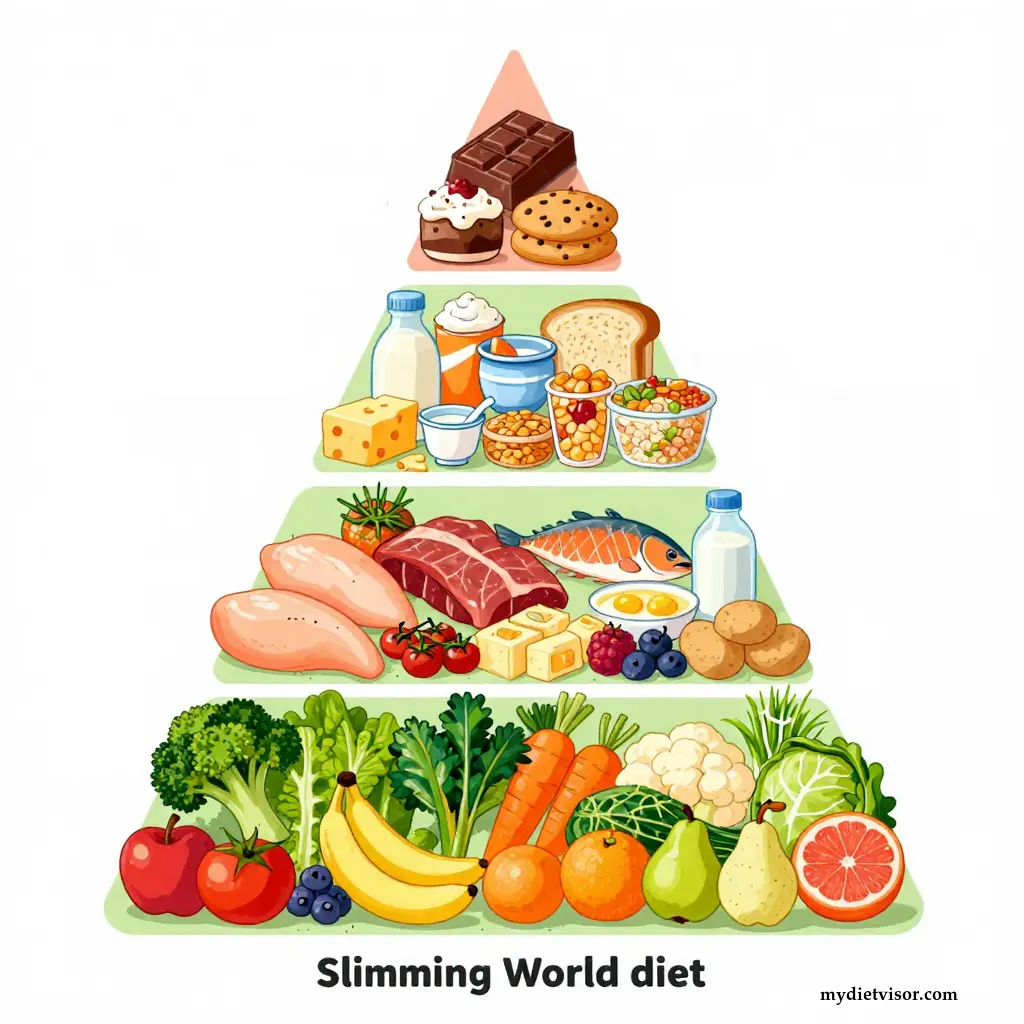
Slimming World’s approach to food classification plays a pivotal role in its effectiveness. The diet distinguishes between “Free Foods,” which can be consumed freely as part of the plan, and other categories that need more mindful consumption. “Green foods,” for example, are those that you can eat unlimited amounts of because they are low in calories but high in nutrients and fiber. These include a wide range of vegetables like broccoli, spinach, carrots, and various fruits such as apples, pears, and berries.
In addition to “Green foods,” Slimming World also includes “Extra Easy foods,” which are items that can be incorporated into the diet with minimal effort or concern about calorie counting. These foods are generally low in fat, sugar, and salt, making them ideal for maintaining a healthy lifestyle without overly restrictive rules. Examples of Extra Easy foods include lean meats like chicken breast, fish, eggs, and some whole-grain products.
On the other hand, “Red foods” are those that should be consumed less frequently or in smaller portions due to their higher calorie content and lower nutritional value. These often include processed snacks, sugary drinks, and high-fat dairy products. By categorizing food this way, Slimming World helps users make more informed decisions about what they eat each day.
Understanding these categories is crucial for anyone looking to follow the Slimming World diet effectively. It encourages members to focus on nutrient-dense foods while still allowing room for treats within a controlled framework. This balanced approach not only aids in weight loss but also promotes better eating habits and long-term health benefits.
For instance, how might someone who loves pasta fit it into their daily meals according to Slimming World guidelines? > Did you know that whole grain pasta is considered an Extra Easy food, making it a smart choice for those craving Italian cuisine while adhering to the diet’s principles.
Identifying Forbidden or Limited Foods in Slimming World
Slimming World’s approach to dieting focuses on categorizing foods rather than outright banning them. This method helps participants understand which food choices are best suited for healthy weight loss and maintenance, making it easier to stick to the program long-term. “Red foods,” while not entirely off-limits, should be consumed sparingly due to their higher calorie content and lower nutritional value.
These “Red foods” include items such as full-fat cheese, chocolate bars, doughnuts, and fried fast food. Although these can still be enjoyed occasionally, they are meant to be treats rather than staples in the diet. The idea is not to cut them out completely but to incorporate them mindfully within a balanced eating plan.
For example, if someone has a craving for pizza, Slimming World would suggest choosing healthier toppings and opting for thin crust options, which can fit into the Extra Easy or Green food categories. This approach helps individuals feel less deprived while still adhering to healthy eating principles. By understanding these guidelines, participants can enjoy their favorite foods without compromising their weight loss goals.
By focusing on mindful consumption of “Red foods” rather than outright prohibition, Slimming World aims to create a more sustainable and enjoyable diet plan that encourages long-term adherence and positive lifestyle changes. How do you think this approach compares to diets that strictly forbid certain types of food?
Exploring Nutritional Benefits of the Slimming World Diet
Slimming World’s approach to weight loss places a strong emphasis on nutrition and health benefits beyond just calorie reduction. The diet encourages the consumption of nutrient-dense foods, which are rich in vitamins, minerals, and other essential nutrients that support overall well-being.
One key aspect of the diet is its focus on “Green foods,” which include a wide variety of vegetables and fruits. These foods are not only low in calories but also high in fiber, antioxidants, and essential vitamins and minerals. For example, leafy greens like spinach and kale provide iron, calcium, and vitamin C, while berries offer numerous health benefits due to their high antioxidant content.
Furthermore, the inclusion of “Extra Easy foods” provides a balanced approach that includes lean proteins such as chicken breast, fish, eggs, and legumes. These protein sources are crucial for muscle maintenance and repair, making them essential components of any diet focused on long-term weight loss and overall health. Eating sufficient amounts of these proteins can also help stabilize blood sugar levels and curb hunger cravings.
The diet also promotes the consumption of whole grains like quinoa, brown rice, and oats. Unlike refined grains, these options are higher in fiber, which aids digestion and helps maintain satiety throughout the day. Whole grains also contain a range of beneficial nutrients that contribute to heart health and other metabolic functions.
Another important element is “Healthy Extras,” which include items such as low-fat dairy products, nuts, seeds, and certain spreads or condiments in controlled portions. These foods provide additional nutritional benefits like healthy fats, protein, and essential fatty acids that support brain function and cardiovascular health. By incorporating these into meals, individuals can enjoy a varied diet while still adhering to the guidelines set by Slimming World.
By focusing on whole foods and nutrient-dense options, Slimming World aims to not only aid in weight loss but also improve overall nutritional status and health outcomes. This holistic approach helps participants feel better both physically and mentally, leading to more sustainable lifestyle changes over time. How do you think incorporating a variety of these nutritious food choices can impact your daily energy levels and mood?
Examining Drawbacks and Challenges of Following the Slimming World Plan
While Slimming World offers a promising approach to weight loss, it also comes with certain drawbacks and challenges that potential members should be aware of. One major concern is the initial learning curve associated with understanding and adhering to the diet’s classification system. For newcomers, grasping which foods belong in each category can take time and effort, particularly when navigating meal plans outside of typical grocery store offerings.
Another challenge lies in the diet’s reliance on specific branded products like Slimming World Green Extras or Syn Freezies, which are often used as substitutes for high-calorie treats. While these items can be convenient, they might not always align with individual preferences or dietary needs and can become financially burdensome over time. Additionally, some critics argue that relying too heavily on pre-packaged meals may lead to a lack of variety in one’s diet.
Moreover, the flexibility offered by the plan – while generally positive – can sometimes be misinterpreted as permission to indulge excessively in “Red foods” or Syns, leading to setbacks in weight loss progress. This ambiguity can create confusion for individuals trying to maintain strict control over their calorie intake and portions without proper guidance.
The emphasis on community support is a significant strength of Slimming World; however, this also poses challenges for those who may not have easy access to local groups or prefer more independent methods of dieting. For people living in remote areas or with mobility issues, attending weekly meetings might be impractical, limiting the benefits they could otherwise gain from such social support.
Lastly, while the diet promotes psychological well-being through its flexible approach and community support, some users may find it difficult to transition back to normal eating patterns once they reach their weight loss goals. The reliance on a structured plan can sometimes hinder the development of personal dietary autonomy outside the program’s framework, making long-term sustainability uncertain.
In summary, while Slimming World offers valuable tools for weight management and lifestyle improvement, it is crucial for individuals to weigh these potential drawbacks against its benefits before committing fully to the diet. How might these challenges impact your decision-making process if you were considering joining a structured weight loss program?
Sample Meal Plan for a Week on the Slimming World Diet
To better illustrate how the Slimming World diet works in practice, let’s delve into a typical weekly meal plan. This sample plan will showcase a variety of meals and snacks that adhere to the principles of Green foods, Extra Easy foods, and Healthy Extras.
Monday:
- Breakfast: Porridge made with water or skimmed milk, topped with sliced banana and a sprinkle of cinnamon (Extra Easy).
- Lunch: Grilled chicken breast salad with mixed greens, cherry tomatoes, cucumber, and a drizzle of olive oil dressing (Green and Extra Easy).
- Dinner: Baked salmon fillet served with steamed broccoli and quinoa (Extra Easy).
- Snacks: Handful of almonds and an apple.
Tuesday:
- Breakfast: Oatmeal pancakes made with rolled oats, eggs, and a touch of maple syrup (Healthy Extras), topped with fresh berries.
- Lunch: Tuna salad sandwich on whole grain bread, mixed with Greek yogurt and lettuce (Extra Easy).
- Dinner: Stir-fried tofu and vegetables in a soy sauce-based sauce served over brown rice (Extra Easy).
- Snacks: Carrot sticks with hummus.
Wednesday:
- Breakfast: Smoothie made with spinach, banana, and low-fat milk (Green and Extra Easy).
- Lunch: Lentil soup with whole grain crackers.
- Dinner: Baked chicken thigh with a side of steamed green beans and sweet potato wedges.
- Snacks: Handful of walnuts.
Thursday:
- Breakfast: Yoghurt mixed with fresh berries, oats, and honey (Healthy Extras).
- Lunch: Quinoa salad with chickpeas, feta cheese, olives, and a lemon vinaigrette dressing.
- Dinner: Beef stir-fry made with lean beef strips, bell peppers, onions, and broccoli served over brown rice.
- Snacks: Fresh grapes.
Friday:
- Breakfast: Whole grain toast topped with avocado and poached eggs (Extra Easy).
- Lunch: Chicken Caesar salad without the croutons or cheese (Green and Extra Easy).
- Dinner: Baked cod fillet served with steamed vegetables and a side of whole wheat pasta.
- Snacks: Handful of mixed nuts.
Saturday:
- Breakfast: Scrambled eggs with spinach, tomatoes, and mushrooms (Extra Easy).
- Lunch: Turkey and avocado wrap using whole grain tortilla (Extra Easy).
- Dinner: Baked potato topped with cottage cheese and steamed broccoli.
- Snacks: Fresh strawberries.
Sunday:
- Breakfast: Overnight oats made with milk, rolled oats, and fresh fruits like blueberries and raspberries (Healthy Extras).
- Lunch: Lentil and vegetable stew served over a bed of quinoa.
- Dinner: Grilled pork chop with mashed sweet potatoes and green beans (Extra Easy).
- Snacks: Handful of almonds.
This meal plan demonstrates how diverse and flexible the Slimming World diet can be while still adhering to its core principles. Each day includes a mix of Green foods, Extra Easy options, and occasional Healthy Extras for balance and variety. By incorporating these elements into your weekly meals, you can create a sustainable eating pattern that supports both weight loss goals and overall health.
What adjustments would you make in this meal plan if you had specific dietary restrictions or preferences?
Alternative Diets to Compare with Slimming World: What Are Your Options?
When considering the Slimming World diet, it’s important to explore other dietary options that share similar goals or offer different approaches. This comparison can help individuals make informed decisions about which method might work best for their unique circumstances and preferences.
Comparison Table
| Diet Plan | Key Features |
|---|---|
| Slimming World | Emphasizes food freedom, flexible guidelines on eating Green and Extra Easy foods, community support through group meetings. |
| Weight Watchers | Uses a points system to track food intake; encourages variety in diet without strict restrictions. Supports members through weekly meetings and online forums. |
| Keto Diet | Focuses on high-fat, moderate-protein, low-carb eating plan aimed at inducing ketosis for rapid weight loss but often restrictive long-term. |
| Paleo Diet | Based on the presumed diet of Paleolithic humans; excludes processed foods, dairy, and grains; emphasizes meat, fish, fruits, vegetables, nuts, and seeds. |
| Mediterranean Diet | Emphasizes eating patterns common in countries bordering the Mediterranean Sea; focuses on whole grains, fruits, vegetables, olive oil, fish, and moderate wine consumption. |
Weight Watchers: A Closer Look
Weight Watchers is another popular diet plan that offers a flexible approach to weight loss similar to Slimming World. Instead of categorizing foods into specific groups, Weight Watchers assigns points values based on the nutritional content of food items. This system allows for more personalized meal planning and flexibility in choosing what to eat.
For example, someone following Weight Watchers might enjoy pizza night but would need to plan their daily points intake accordingly. The main advantage here is that users can still indulge occasionally without feeling overly restricted, much like Slimming World’s approach with “Red foods.” However, the detailed tracking required for points counting could be more cumbersome compared to Slimming World’s simple categorization.
Keto Diet: An Extreme Approach
The keto diet takes a starkly different stance by drastically reducing carbohydrate intake and replacing it with fats. This dietary shift aims to induce ketosis – a metabolic state where the body burns fat rather than carbohydrates for energy, leading to rapid weight loss. While many find this method effective for quick results, the strict limitations on carbs can be challenging to maintain long-term.
For instance, someone following a keto diet would need to avoid all grains, sugars, and even most fruits, focusing primarily on meat, eggs, cheese, oils, and certain vegetables like leafy greens. The lack of flexibility in food choices might make this approach less appealing for individuals who enjoy more varied diets or are hesitant about cutting out entire food groups.
Paleo Diet: Back to Basics
The Paleo diet is based on eating patterns believed to have been followed by our Paleolithic ancestors, focusing mainly on whole foods such as lean meats, fish, fruits, vegetables, nuts, and seeds. This diet excludes processed foods, dairy products, and grains, aiming to improve health through a naturalistic approach.
Unlike Slimming World’s emphasis on categorizing foods into Green and Extra Easy options, the Paleo diet relies heavily on eliminating certain food types entirely. For instance, someone following this diet might struggle with finding suitable alternatives when craving pizza or pasta, as these are not part of the approved list. The strict rules around what can and cannot be eaten may be difficult for some to follow consistently over time.
Mediterranean Diet: A Balanced Approach
The Mediterranean diet focuses on eating patterns common in countries bordering the Mediterranean Sea, emphasizing whole grains, fruits, vegetables, olive oil, fish, and moderate wine consumption. Unlike Slimming World’s categorized food groups or Weight Watchers’ points system, this diet is more about creating balanced meals rich in nutrients.
Individuals following a Mediterranean diet can enjoy varied dishes while maintaining a healthy lifestyle. For example, pasta made with whole grains and topped with olive oil-based sauces is perfectly acceptable within this dietary framework. The emphasis on balance and variety makes it easier for people to stick to the plan long-term without feeling deprived of their favorite foods.
Which Diet Is Right for You?
Choosing between these different diets ultimately depends on personal preferences, lifestyle factors, and health goals. Slimming World’s approach offers a unique blend of flexibility and support that many find appealing, but exploring other options like Weight Watchers, Keto, Paleo, or Mediterranean can provide additional insights into what might work best.
When evaluating your choices, consider how each diet fits with your eating habits, dietary restrictions, and long-term sustainability goals. For instance, if you prefer a structured plan with clear guidelines, Slimming World’s categorized food groups could be ideal. Alternatively, if you enjoy the freedom of tracking points or following naturalistic principles like the Paleo diet, those might suit you better.
Ultimately, finding the right fit is crucial for achieving and maintaining your weight loss goals in a way that feels enjoyable and sustainable. Which aspects of Slimming World’s approach resonate with you most? How do other diets compare in terms of flexibility and adherence to your lifestyle?
Conclusion: Is the Slimming World Diet Right for You?
Slimming World offers a unique approach to weight loss that emphasizes food freedom, nutritional balance, and community support. By categorizing foods into “Green,” “Extra Easy,” and “Healthy Extras,” the diet helps users make informed choices that promote sustainable lifestyle changes rather than quick fixes. This philosophy not only aids in achieving weight loss goals but also enhances psychological well-being by reducing feelings of deprivation and fostering a healthier relationship with food. However, it’s essential to consider individual preferences and challenges before fully committing to any dietary plan. Is Slimming World the right fit for you? Reflect on your eating habits, lifestyle needs, and long-term health goals to make an informed decision.
Frequently Asked Questions (FAQ)
What is the Slimming World diet all about?
The Slimming World diet focuses on making healthier food choices without strict restrictions. It emphasizes eating vegetables, fruits, lean proteins, and whole grains to promote weight loss in a sustainable way.
How does the Syn system work in Slimming World?
Syns are points assigned to foods that aren’t considered “Free Foods.” The goal is to manage your daily Syn allowance to avoid overindulgence while still enjoying treats occasionally.
Does Slimming World offer support for people with dietary restrictions?
Yes, Slimming World can be adapted to various dietary needs such as vegetarian or gluten-free diets by focusing on Speed Foods and offering alternatives within the Free Food list.
What kind of behavioral changes does Slimming World encourage?
Slimming World encourages developing healthy habits like mindful eating, portion control, and regular meal planning. These practices help maintain weight loss over time.
Is it necessary to attend group meetings when following the Slimming World diet?
While not mandatory, attending weekly group meetings can provide motivation, accountability, and a sense of community that many find helpful for sticking with the program.
How does keeping a food diary benefit those on the Slimming World plan?
Keeping a food diary helps track what you eat, identify patterns, ensure compliance with Syn limits, and maintain motivation by seeing progress over time.
Can I still enjoy my favorite treats while following Slimming World guidelines?
Yes, you can enjoy your favorite treats in moderation. By using the Syn system, you can plan for occasional indulgences without derailing your weight loss efforts.
What are some practical tips to succeed on the Slimming World diet?
Some practical tips include meal prepping, joining a support group, keeping a food diary, and focusing on behavior changes like mindful eating and portion awareness.
Is there scientific evidence supporting the effectiveness of the Slimming World diet?
Yes, Slimming World’s principles are supported by nutritional science emphasizing high fiber intake, balanced macronutrients, and mindful eating to enhance satiety and facilitate weight loss.
How does the Slimming World diet compare to other popular diets like keto or Atkins?
Unlike keto or Atkins that restrict certain food groups, Slimming World encourages a varied diet rich in vegetables, fruits, lean proteins, and whole grains for sustainable weight loss.