Introduction to the Banana and Skim Milk Diet
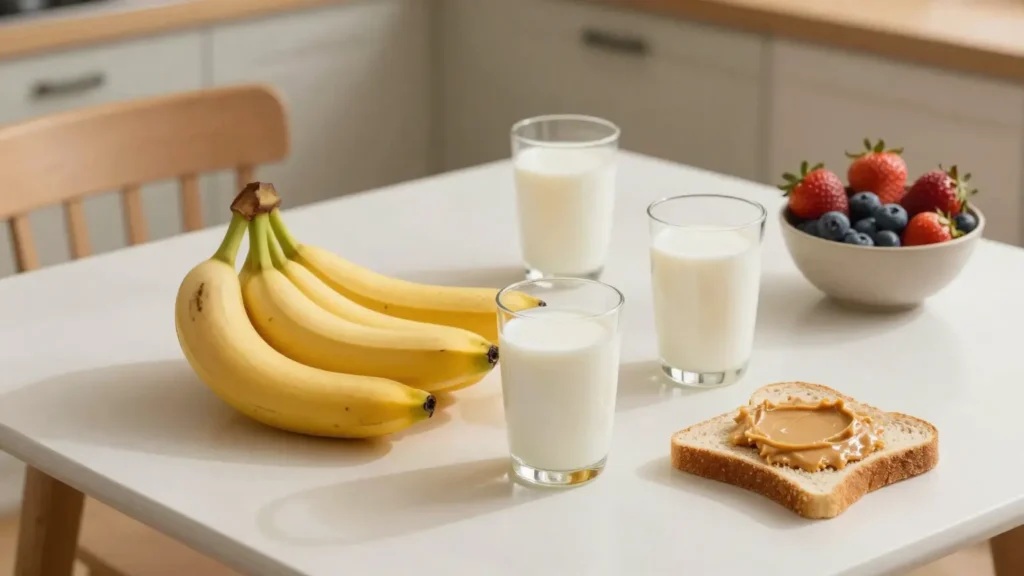
The banana and skim milk diet was once a sensation in the world of weight loss, touted for its simplicity and promise of quick results. Dr. George Argale Harrop, an American physician and nutritionist, introduced this fad diet in 1934 as a novel approach to helping obese patients lose weight. The diet’s cornerstone was a daily regimen of six bananas paired with four glasses of skim milk over the course of ten days. This combination promised not only rapid weight loss but also a straightforward way for individuals to manage their diets without feeling overwhelmed.
Dr. Harrop’s innovative dietary plan was rooted in his extensive research and clinical experience, making it a departure from more complicated diet plans prevalent at the time. The simplicity of eating bananas and drinking skim milk seemed appealing to those looking for an easy-to-follow solution. Bananas are rich in potassium and fiber, while skim milk provides essential proteins and vitamins without the added fat. Together, these foods offer a balanced approach to nutrition during weight loss.
The diet’s potential benefits did not go unnoticed by major corporations either. The United Fruit Company endorsed it as part of their marketing strategy, further boosting its popularity among consumers who might have otherwise been skeptical about such drastic dietary changes. However, the endorsement also raised questions about the validity and reliability of the diet, given the company’s vested interest in promoting banana consumption.
Critics pointed out several challenges associated with adhering strictly to a regimen involving large quantities of bananas and milk. For instance, individuals who are lactose intolerant or have other dietary restrictions might find it difficult to stick to this plan long-term. Moreover, while Dr. Harrop’s initial findings showed significant weight loss within ten days – between four to nine pounds for many participants – the diet lacked robust evidence supporting its effectiveness beyond short-term use.
Despite these limitations, the banana and skim milk diet captivated public imagination by offering a quick fix in an era when obesity was increasingly recognized as a health concern. It exemplifies how early 20th-century medical professionals were experimenting with new nutritional approaches to combat growing health issues related to weight gain. As we reflect on this historical diet trend, it raises interesting questions about the balance between innovative solutions and sustainable practices in managing one’s weight and overall health.
Recommended Food Groups for a Balanced Banana and Skim Milk Regimen
To ensure nutritional completeness while adhering to Dr. George Argale Harrop’s banana and skim milk diet, it is crucial to integrate additional food groups once the initial ten-day phase concludes. This phased approach allows for sustained weight loss by balancing nutrition with the simplicity of the regimen.
Key Food Groups:
- Fruits: Bananas remain central due to their high potassium content and natural sugars that provide quick energy.
- Dairy: Skim milk is included primarily for its protein, calcium, vitamins A, D, B12, and riboflavin, without the added fat.
Additional Dietary Recommendations:
- Proteins: After ten days, eggs, fish, and lean meats are introduced to ensure adequate protein intake essential for muscle maintenance.
- Vegetables: Incorporating leafy greens and other vegetables can provide fiber, vitamins, and minerals not fully covered by bananas and milk alone.
- Whole Grains: Introducing whole grains like oats or brown rice ensures sustained energy without relying heavily on sugars.
Benefits:
This regimen aims to kickstart weight loss with a focus on easily digestible yet nutrient-rich foods. The diet’s simplicity makes it approachable for individuals trying to lose weight but is limited by its short-term nature and potential challenges such as lactose intolerance or constipation issues, which can affect adherence.
Did you know that bananas contain three natural sugars – sucrose, fructose, and glucose – combined with fiber, making them a powerhouse of energy?
By gradually reintroducing these food groups after the initial phase, individuals on Dr. Harrop’s diet can maintain weight loss while ensuring their nutritional needs are met. This balanced approach helps prevent deficiencies that might arise from a strictly banana-and-skim-milk regimen and supports long-term health goals.
Forbidden or Limited Foods on the Banana and Skim Milk Diet
On Dr. Harrop’s banana and skim milk diet, several food categories were strictly off-limits to ensure that the body relied primarily on stored fat reserves rather than incoming calories from other sources. Here are some of the key restrictions:
- Sugar and Refined Carbohydrates: Foods high in sugar or refined carbohydrates like candy, soda, white bread, pastries, and sugary cereals were prohibited during the initial phase. These items could interfere with weight loss by providing quick bursts of energy that might reduce the body’s reliance on fat stores for fuel.
- Dairy Products (except skim milk): Other dairy products such as whole milk, cheese, yogurt, and cream were discouraged due to their higher levels of fat and calories. Dr. Harrop recommended avoiding these foods to maintain rapid weight loss goals by minimizing unnecessary caloric intake.
- Fruits with High Fructose Content: Certain fruits like apples, grapes, and cherries that are high in fructose were not recommended because fructose can be more readily converted into fat compared to glucose. Instead, bananas – which have a lower glycemic index and provide balanced energy – were prioritized.
- Red Meat and Fatty Meats: During the initial phase of the diet, red meat was excluded due to its high fat content. However, leaner meats like fish and poultry became part of the regimen later on as patients transitioned out of the pure banana and skim milk stage into a more balanced reintroduction period.
- Processed Foods: Any type of processed food containing additives, preservatives, or artificial ingredients was discouraged throughout the diet to keep it clean and simple. This included chips, crackers, sausages, and other convenience foods which might also disrupt digestion or energy balance.
These restrictions aimed to create an environment where the body’s metabolism shifted towards burning stored fat rather than being fueled by incoming calories from food. By focusing strictly on bananas and skim milk initially, Dr. Harrop hoped to minimize digestive stress while providing just enough nutrients for basic bodily functions without excess caloric intake.
A fun fact: Did you know that bananas are one of the few fruits that can be grown all year round in tropical regions, making them a reliable food source for diets like Dr. Harrop’s?
Nutritional Benefits of Following a Banana and Skim Milk Regimen
Dr. George Argale Harrop’s banana and skim milk diet aimed to provide essential nutrients while focusing on rapid weight loss through the consumption of bananas and skimmed milk for ten days. This regimen offers several nutritional benefits, making it an interesting approach to short-term dietary management.
Key Nutritional Components:
- Vitamins and Minerals: Bananas are a rich source of vitamin B6 and potassium, which support brain development and blood pressure regulation, respectively. Skim milk provides calcium, riboflavin (vitamin B2), and other essential nutrients without significant fat or cholesterol.
- Protein and Fiber: Combining bananas with skim milk offers a balance of protein from the milk and fiber from the bananas. This combination can help in feeling fuller for longer periods, reducing cravings for unhealthy snacks.
Health Benefits:
- Energy and Metabolism Support: Vitamin B6 in bananas plays a crucial role in brain development and function, while riboflavin in skim milk supports red blood cell production and energy metabolism.
- Hydration and Digestive Aid: The high water content in both bananas and milk aids in hydration. Skim milk provides essential nutrients needed for digestive health.
Potential Challenges:
Despite its benefits, the diet has some limitations that might affect long-term adherence and overall health:
- Digestive Issues: Some individuals may experience lactose intolerance or constipation due to the high fiber content of bananas and low-fat content of skim milk.
- Nutritional Imbalance: The regimen lacks essential fats, vitamins, and minerals found in a balanced diet, which can lead to deficiencies if not supplemented with other food sources.
In conclusion, while Dr. Harrop’s banana and skim milk diet offers promising short-term nutritional benefits for weight loss, its strict nature and potential digestive issues highlight the need for caution when considering long-term adherence. Always consult healthcare professionals before starting any new dietary plan to ensure it aligns with your specific health needs.
Potential Drawbacks and Concerns of the Banana and Skim Milk Diet
When examining Dr. Harrop’s banana and skim milk diet, it becomes clear that while it offered initial success for weight loss, several drawbacks and concerns emerge when considering its long-term viability.
- Strictness and Monotony: One major drawback is the strict nature of the regimen. Consuming six bananas with four glasses of skimmed milk every day can become repetitive and challenging to maintain over a prolonged period. This monotony may lead individuals to abandon the diet prematurely, negating any short-term benefits achieved.
- Digestive Challenges: The diet poses significant digestive issues for many people due to its reliance on dairy products like skim milk. Those with lactose intolerance might experience discomfort such as bloating and diarrhea, making it difficult to adhere strictly to the regimen. Additionally, bananas are high in fiber, which can cause constipation for some individuals if not balanced with other foods.
- Nutritional Imbalance: While bananas and skimmed milk provide essential vitamins and minerals, the diet lacks a comprehensive nutritional profile necessary for long-term health. It does not include sufficient amounts of fats or proteins found in other food groups like lean meats or whole grains, which can lead to deficiencies if followed strictly over an extended period.
- Short-Term Focus: Dr. Harrop’s initial research did not extensively explore the diet’s effectiveness beyond the ten-day phase, leaving questions about its sustainability and potential risks unaddressed. Without clear long-term studies, it is unclear how well this regimen supports sustained weight loss or overall health over months or years.
These concerns highlight that while the banana and skim milk diet may offer quick results for some individuals, its strictness, potential digestive issues, nutritional imbalance, and lack of long-term guidance present significant challenges. Prospective dieters should carefully consider these factors before adopting this regimen and seek professional advice to ensure it aligns with their specific health needs.
Did you know that the banana was once marketed as a cure-all food due to its high potassium content? This reputation likely influenced Dr. Harrop’s decision to include bananas in his diet plan for their perceived nutritional benefits and natural energy boost.
Sample Meal Plan: A Day on the Banana and Skim Milk Diet
A day following Dr. Harrop’s banana and skim milk diet is straightforward but challenging due to its restrictive nature. Here’s how a typical daily meal plan might look:
- Breakfast: Start with two bananas, each cut into manageable pieces for easy consumption. Accompany this with one glass (approximately 8 ounces) of skimmed milk.
- Mid-Morning Snack: By mid-morning, you may feel hungry again. Have another banana and drink a second glass of skimmed milk to keep your energy levels up.
- Lunch: Repeat the pattern for lunch: eat two more bananas and consume one glass of skimmed milk.
- Afternoon Snack: Around afternoon when hunger strikes once more, have a single banana followed by drinking another glass of skimmed milk to stabilize your energy.
- Dinner: For dinner, stick to two bananas but only half a glass (about 4 ounces) of skimmed milk. This slight reduction in caloric intake helps manage daily consumption effectively.
- Evening Snack if Needed: If hunger persists during the evening or before bedtime, opt for one banana and drink about 4 ounces of skimmed milk to avoid feeling overly deprived.
This meal plan highlights the simplicity and ease of preparation associated with Dr. Harrop’s diet. However, maintaining such a restrictive regimen without variety can be challenging for most individuals over extended periods due to potential nutritional deficiencies and digestive issues like constipation or lactose intolerance.
In conclusion, while the banana and skim milk diet provides a straightforward approach to weight loss and includes essential nutrients, its strict nature poses significant challenges in terms of adherence and long-term sustainability.
Alternative Diets Similar to the Banana and Skim Milk Approach
Dr. George Argale Harrop’s banana and skim milk diet stood out for its simplicity and reliance on natural foods like bananas, which were rich in potassium and fiber. This dietary approach aimed to kickstart weight loss through a focused regimen that was easy to follow but strict. There are several modern diets that share similar principles yet take distinct approaches to achieving the goal of effective weight loss.
The Lemon Detox Diet
One notable alternative is the lemon detox diet, often referred to as “Master Cleanse.” This diet involves drinking a concoction made from freshly squeezed lemon juice, filtered water, maple syrup, and cayenne pepper over several days. Like Harrop’s diet, it aims to cleanse the body of toxins while reducing calorie intake. However, unlike bananas and milk in Harrop’s regimen, this diet relies on citrus fruits for vitamin C and antioxidants, along with natural sugars from maple syrup.
Key Points:
- Ingredients: Lemon juice, water, maple syrup, cayenne pepper.
- Duration: Typically lasts 10 days or more.
- Goals: Detoxification and rapid weight loss due to significantly reduced calorie intake.
- Potential Drawbacks: Can be nutritionally unbalanced long-term and may cause digestive issues.
The Raw Food Diet
Another diet that parallels the simplicity of eating whole, natural foods is the raw food diet. This approach emphasizes consuming fresh fruits, vegetables, nuts, seeds, sprouted grains, and other unprocessed plant-based foods. Like Harrop’s diet, it focuses on eating nutrient-dense items that are easy to digest.
Key Points:
- Ingredients: Fresh produce, nuts, seeds, raw dairy (in some variations).
- Duration: Can be followed indefinitely.
- Goals: Promotes weight loss, boosts energy levels, and improves digestion by relying solely on uncooked foods.
- Potential Drawbacks: May lack essential nutrients if not planned carefully.
The Cabbage Soup Diet
The cabbage soup diet is yet another simple approach to weight loss that resembles Harrop’s focus on single ingredient meals. This plan involves eating a low-calorie, high-fiber vegetable soup daily alongside limited portions of lean protein and fruits or vegetables.
Key Points:
- Ingredients: Mainly cabbage with additional ingredients like onions, tomatoes, celery, peppers, carrots, and lentils.
- Duration: Typically lasts one week.
- Goals: Rapid weight loss through severe caloric restriction and high fiber intake from soups.
- Potential Drawbacks: May cause nutritional deficiencies if followed for too long without proper balance.
Each of these diets offers a different take on the principles established by Dr. Harrop’s banana and skim milk diet, emphasizing simplicity, natural foods, and rapid results. However, they also come with similar challenges related to long-term adherence and nutritional balance.
Did you know that the raw food diet can trace its roots back to ancient cultures where fermentation techniques weren’t yet developed, thus eating uncooked foods was a necessity rather than a choice?
How Effective is the Banana and Skim Milk Diet for Long-Term Weight Loss?
Dr. George Argale Harrop’s banana and skim milk diet was initially praised for its rapid weight loss effects when adhered to strictly over a ten-day period. However, evaluating its effectiveness for long-term weight loss reveals several critical challenges.
Firstly, the strict nature of the diet makes it difficult to maintain in the long run. The regimen involves eating six bananas and drinking four glasses of skimmed milk each day without variation or additional nutrients from other food sources. This lack of dietary diversity can lead to boredom and dissatisfaction, increasing the likelihood of abandoning the diet prematurely.
Moreover, the banana and skim milk diet’s reliance on skim milk presents significant challenges for individuals with lactose intolerance or digestive sensitivities. Lactose intolerance affects a considerable portion of the population, leading to symptoms such as bloating, diarrhea, and discomfort that can deter continued adherence to the regimen. Similarly, constipation is another common issue reported by those following this diet due to insufficient fiber intake from other sources.
Nutritionally speaking, while bananas are rich in potassium, vitamins B6, and natural sugars for quick energy, they lack essential fats and proteins necessary for long-term health maintenance. Skim milk does provide some protein and calcium but lacks sufficient fat content, which is crucial for proper digestion of dairy products. The absence of a balanced nutritional profile means that the diet could lead to deficiencies if followed without supplementation or dietary adjustments.
Another significant concern is the sustainability of rapid weight loss achieved through such restrictive measures. Many individuals who experience quick weight reduction often revert to their previous eating habits once they stop following this strict regimen, resulting in potential weight regain and discouragement. Long-term lifestyle changes rather than short-term dieting are generally more effective for sustained weight management.
To summarize, while Dr. Harrop’s banana and skim milk diet showed promising results during its initial phase, its effectiveness for long-term weight loss is limited due to challenges related to adherence, digestive issues, nutritional balance, and the sustainability of rapid weight loss. Therefore, it may not be a viable solution for individuals looking for sustainable ways to manage their weight over extended periods.
A fun fact: The banana’s natural sugars are slowly released into your bloodstream, providing sustained energy rather than a quick spike followed by a crash, which makes them an excellent choice for endurance activities like long-distance running.
Closing Thoughts and Summary on the Banana and Skim Milk Diet
Dr. George Argale Harrop’s banana and skim milk diet was an innovative approach to weight loss that gained attention for its simplicity and initial effectiveness. Published in the Journal of the American Medical Association, the diet consisted of consuming six bananas paired with four glasses of skimmed milk daily over a ten-day period, followed by a gradual reintroduction of eggs, fish, and lean meat into the patient’s diet. While many participants reported noticeable weight loss during this phase, several challenges emerged that limited its long-term viability.
Key Points to Consider
- Initial Success: Patients often experienced rapid weight loss due to reduced calorie intake from eliminating solid food and focusing solely on bananas and skimmed milk.
- Adherence Challenges: The strict nature of the diet posed significant challenges for adherence. Many individuals faced issues such as lactose intolerance, leading to discomfort and difficulty in following the regimen long-term.
- Nutritional Balance: Critics noted that while the diet provided quick results, it lacked a balanced nutritional profile essential for sustained health. It did not include crucial nutrients found in proteins and fats, which are vital for overall wellness.
- Long-Term Effectiveness: Harrop’s study did not extensively investigate the long-term outcomes of his dietary regimen beyond the initial ten-day period. This lack of research leaves questions about its sustainability and potential risks unanswered.
Broader Impact
Despite these limitations, Dr. Harrop’s work on the banana and skim milk diet laid important groundwork for further exploration into dietary treatments for obesity. His contributions extended far beyond this diet to include pioneering research on adrenal cortex function and numerous publications in clinical medicine and nutrition. This highlights the broader impact of his career on medical science.
Summary
Dr. George Argale Harrop (November 5, 1890 – August 4, 1945) was an American physician and nutritionist born in Peru, Illinois. He pursued his undergraduate degree at the University of Wisconsin before transferring to Harvard, where he graduated in 1912. He earned his Doctorate of Medicine from Johns Hopkins University in 1916 and worked there as a resident physician until 1938 when he became an associate professor. Harrop was also associated with Columbia University (1923-1924) and later directed research at the Squibb Institute for Medical Research.
In 1934, Harrop introduced the banana and skimmed milk diet for weight loss in obese patients, publishing his findings in the Journal of the American Medical Association. The diet involved consuming six bananas with four glasses of skimmed milk daily for ten days, followed by a gradual reintroduction of eggs, fish, and lean meat. While many patients experienced weight loss, it wasn’t extensively tested to determine its long-term effectiveness. Critiques noted difficulties in adhering to the diet due to lactose intolerance and constipation issues.
Harrop’s contributions also included pioneering work on adrenal cortex mineralocorticoid action and numerous publications on clinical medicine, metabolism, and nutrition. He married Esther Caldwell in China in 1924; they had four children together.
In conclusion, while Dr. Harrop’s banana and skim milk diet offered promising results for initial weight loss, its strictness and potential health issues hindered long-term effectiveness. Nonetheless, his work remains influential in the field of nutrition and medical research.
Frequently Asked Questions (FAQ)
How effective was Dr. Harrop’s banana and skim milk diet for weight loss?
Dr. George Argale Harrop’s banana and skim milk diet was initially found to be quite effective for short-term weight loss, with patients losing between four to nine pounds in ten days. However, its long-term effectiveness has not been thoroughly tested.
Did Dr. Harrop’s diet have any scientific backing at the time?
Yes, Dr. Harrop published his findings on the banana and skim milk diet in the Journal of the American Medical Association in 1934, indicating that it had some level of scientific credibility at the time.
Is the banana and skim milk diet safe for everyone to follow?
The safety of this diet can vary depending on individual health conditions. It was primarily recommended for obese patients and may not be suitable for individuals with specific dietary needs or medical issues without consulting a healthcare provider first.
How did Dr. Harrop’s diet compare to other diets in the 1930s?
During its time, the banana and skim milk diet was considered one of the most popular fad diets alongside others like the grapefruit diet, due to its simple regimen involving bananas and milk.
Was there any research on long-term health effects after following Dr. Harrop’s diet?
There is limited research available specifically examining long-term health outcomes for individuals who followed this diet beyond the initial ten days recommended by Dr. Harrop.
What were some of the criticisms or downsides mentioned about the banana and skim milk diet?
Critics often pointed out that while the diet could lead to quick weight loss, it lacked variety in nutrients necessary for a balanced diet over extended periods.
Why did the United Fruit Company promote Dr. Harrop’s diet so heavily?
The promotion by the United Fruit Company was likely due to increased banana sales associated with widespread adoption of the diet during its peak popularity.
Could someone still benefit from aspects of this diet in modern times?
Incorporating bananas and skim milk as part of a balanced diet can be beneficial for some people, though it is important to maintain nutritional diversity beyond these two foods.
What kind of physical activity did Dr. Harrop recommend alongside his diet?
Dr. Harrop’s recommendations about exercise were not detailed in the context provided; however, modern advice would suggest combining such a diet with appropriate levels of physical activity for overall health.
How does this diet compare to today’s popular diets like keto or intermittent fasting?
While both historical and contemporary diets aim at weight loss through specific dietary restrictions, modern diets like keto or intermittent fasting tend to have more extensive research backing their long-term efficacy and nutritional completeness.